


Real estate developers rarely win a lead with a single click. Buyers compare multiple projects, revisit floor plans, and circle back weeks later once financing or timing lines up, so Google Ads has to do two jobs at once: capture the search-intent moment and stay connected to that prospect through a long, often offline sales cycle. Done well, it gives developers a way to reach qualified buyers and investors actively researching new projects while tying those clicks back to signed contracts, not just form fills.
How to Generate Real Estate Development Leads with Google Ads: A Step-by-Step Guide
A high-performing Google Ads strategy for real estate development hinges on granular targeting, persuasive creative, and relentless optimization. Prospects in this space typically research multiple developments before engaging, so capturing attention and nurturing intent at every stage is critical for efficient lead generation. To further understand advanced strategies for this vertical, check out this comprehensive guide to Google Ads for real estate.
This guide delivers a practical, tactical roadmap for marketers, developers, and property management teams aiming to drive qualified leads and maximize ROI through Google Ads. The following framework balances proven best practices with advanced, data-driven techniques to help you outpace competitors and unify prospect data across channels. For more tactical resources, explore our library of marketing playbooks.
- Keyword and Audience Targeting: Use high-intent keywords tailored to real estate buyers and developers, integrating specific city and neighborhood terms. Combining this granular approach with real-time audience segmentation lets ads reach prospects as their requirements evolve. When marketers unify website visitor data with CRM insights, they can identify not just anonymous traffic but the actual companies or decision-makers showing in-market behavior, so budget shifts toward the accounts most likely to convert.
- Ad Copy and Assets: Craft compelling ads that emphasize the most sought-after features of your properties, such as location highlights or unique amenities. Ad assets, like call, sitelink, and location, boost engagement by providing multiple touchpoints for prospects to act or learn more. When ad creative and assets adapt in real time to the buyer's position in your pipeline, engagement rates and conversion potential increase.
- Landing Page Optimization: Design visually engaging landing pages directly aligned to each ad group and keyword set, featuring clear value propositions and strong calls-to-action. Incorporating conversion-focused elements, like interactive tours, availability calendars, and instant contact forms, removes friction from the user journey. By mapping online interactions back to specific ad campaigns and enriching lead data before it enters your CRM, sales teams receive actionable insights and can prioritize high-value prospects.
- Performance Tracking: Implement robust conversion tracking to measure campaign ROI and support ongoing optimization. Connecting online form submissions, phone calls, and even offline sales data provides a full-funnel view of each lead's journey. Continuous syncing between your CRM, ad platform, and analytics ensures audience segments and performance insights stay current, so every optimization is based on the latest, most accurate data. Learn how to import ad platform cost data into Google Analytics for unified reporting.
Because real estate development buyers explore multiple projects before engaging, advanced audience strategies and unified data are what separate campaigns that generate visibility from campaigns that generate signed contracts. With the right framework, every stage of the campaign lifecycle becomes a chance to sharpen targeting and lower cost per qualified lead. Ready to transform your lead generation? Get started for free with Sona.
Why Does Google Ads Matter for Real Estate Development?

Real estate development faces unique hurdles in connecting projects to high-intent buyers and investors, especially as traditional marketing channels lose effectiveness. Modern digital buyers expect immediate, relevant information about new developments, and the ability to act quickly as market conditions shift.
- Targeting Complex Audiences: Google Ads empowers real estate marketers to identify and reach buyers and investors actively searching for development opportunities. Instead of relying on broad demographic targeting, marketers can leverage company-level identity resolution to pinpoint the organizations and individuals most likely to engage with their projects. This reduces wasted spend and increases the pipeline of qualified leads, especially when platforms surface company-level visitor data and sync new prospects into sales outreach, eliminating blind spots typical in anonymous web traffic.
- Driving High-Value Projects: For real estate developers, the ability to surface investment opportunities to untapped audiences can make the difference in securing anchor tenants, investors, or early buyers. Google Ads strategies enable campaigns to break through to segments not currently engaged, such as institutional buyers or regional investors. For a comprehensive overview of how to maximize results, see this guide to Google Ads for real estate. By dynamically updating audience segments as prospects advance in the funnel, marketers ensure outreach aligns to real-time interest and intent, driving higher deal values and accelerating the sales cycle.
- Real-Time Demand Response: Real estate markets move fast, and timing determines whether a lead converts. Google Ads provides the agility to launch campaigns precisely during peak demand windows, such as project launches or limited-time offers. Sona surfaces intent signals that let marketers shift budget and creative toward high-converting accounts as soon as they show in-market activity, so no opportunity is missed during critical windows.
- Precision in Emerging Markets: Expansion into new or rapidly developing areas demands a more surgical approach. Google Ads offers precision targeting based on geography, local search volume, and demographic trends. Marketers can monitor engagement at the neighborhood or ZIP code level, refining spend and messaging as new data flows in. Integration with unified data platforms enables enriched audience creation and seamless CRM sync, allowing developers to scale outreach in emerging markets without sacrificing personalization or efficiency.
Common Types of Google Ads Campaigns for Real Estate Development

- Search Campaigns: Search campaigns are essential for real estate developers looking to reach prospects ready to act. When potential buyers search for phrases like "new real estate developments" or "luxury condos near me," these campaigns capture high-intent traffic at the exact moment of interest. By unifying online intent data with offline signals, teams can dynamically allocate budget to keywords and audiences that demonstrate live market engagement, improving lead quality and reducing wasted spend.
- Display Ads: Display campaigns keep your properties and brand visible across the online journeys of potential buyers, especially on real estate-focused sites and content networks. Strategic use of display ads helps reinforce brand recognition, maintain top-of-mind awareness, and nurture consideration throughout longer sales cycles. Leveraging website visitor identification, marketers can refine targeting to focus spend on the most relevant buyer segments and decision-makers, rather than relying on broad, anonymous impressions.
- Video Ads: Video campaigns are highly effective for showcasing virtual tours, new development walkthroughs, and engaging brand narratives. These immersive formats drive emotional connection and trust with prospects in the research phase. When video engagement signals are integrated with intent and CRM data, developers can trigger timely follow-up ads, retargeting only those viewers who have meaningfully interacted with key content.
- Remarketing: Remarketing campaigns are powerful for re-engaging site visitors who have expressed interest but are not yet ready to convert. By continuously updating audience segments based on real user behavior, remarketing keeps your latest properties and offers in front of decision-makers wherever they browse. For additional strategies, see this overview of Google Ads for real estate.
- Assets: Using location and call assets increases the visibility and utility of real estate ads, driving immediate inquiries and in-person visits. These enhancements make it easier for prospects to contact sales agents or find development sites with a single click or tap. When assets are linked to enriched company and contact data, sales teams can prioritize and respond to inbound leads faster for improved conversion rates.
A multi-campaign approach, anchored by precise targeting and real-time audience updates, lets real estate development teams engage prospects at every stage of the buyer journey. Integrating campaign management with unified data insights helps marketing and sales leaders maximize the impact of their Google Ads efforts and drive measurable growth.
Where to Find Growth Opportunities?

Spotting growth opportunities in real estate development marketing requires a multifaceted approach tailored to shifting digital behaviors and complex buyer journeys. Revenue teams that prioritize precision and speed in their Google Ads for real estate development campaigns consistently capture more high-quality leads and achieve greater efficiency. By combining intent-driven targeting with data-rich insights, marketers maximize their reach while ensuring efforts are focused on prospects who are most likely to convert.
- Vertical Keyword Targeting: Applying industry-specific and high-intent keywords such as "luxury condo developments" or "pre-construction homes" positions campaigns directly in front of buyers searching for properties like yours. This granular targeting not only increases qualified lead volume but also reduces wasted spend, allowing campaign managers to allocate budget to the highest-performing segments. Real-time insights into trending search terms help teams dynamically adapt their keyword portfolios, ensuring no emerging opportunity is missed.
- Competitive Gap Analysis: Using advanced analytics to identify under-served areas in the market enables teams to exploit gaps competitors have overlooked. Techniques such as monitoring competitors' ad placements and keyword focus reveal valuable niches and untapped geographies. For additional strategies, see this guide to optimizing Google Ads in real estate marketing. Integrating this intelligence with real-time intent signals means revenue teams can shift budget allocation, doubling down on tactics proven to generate above-average ROI and moving ahead of market trends before they become saturated.
- Industry Placements: Securing ad placements on high-traffic real estate forums, directories, and marketplaces amplifies brand authority and drives targeted traffic. These platforms attract motivated buyers and investors actively seeking new development projects. By syncing CRM-enriched audience segments with display placements, marketers deliver personalized messaging to the right prospects, reinforcing brand presence and capturing attention at multiple touchpoints.
- Content Retargeting: Engaging audiences beyond initial website visits is essential for long sales cycles typical in real estate development marketing. Distributing diversified content, such as project updates, market reports, and virtual tours, across Google Display and YouTube keeps developments top-of-mind. Dynamic audience lists adjust automatically as leads interact with content, ensuring that remarketing campaigns remain highly relevant and nurturing prospects until they’re ready to take action.
Incomplete or outdated CRM data often limits personalization and campaign performance. By enriching CRM records with fresh firmographic and behavioral data, teams gain a unified, actionable view of every account. This keeps audience segments current and campaign messaging aligned with buyers' evolving interests, leading to more effective real estate lead generation and a measurable boost in ROI.
How to Apply Audience Segmentation for Real Estate Development
Precise audience segmentation is central to high-performing Google Ads for Real Estate Development campaigns. By separating buyers, such as investors, end-users, or those seeking temporary housing, marketers can tailor creative, offers, and messaging to maximize conversion rates and relevance. For a step-by-step playbook on creating dynamic audience segments, explore strategies that ensure each buyer group receives messaging matched to their needs.
- Define Segments: Start by mapping out the natural divisions in your audience. Investors focus on ROI, cap rates, and appreciation potential, while end-users are motivated by lifestyle, amenities, and location. Layering in job relocation prospects or those searching for short-term housing further sharpens targeting. This foundational step ensures each segment receives messaging that speaks to their priorities, increasing engagement and lowering wasted spend. To discover more tactics for segmenting and engaging real estate buyers, review this comprehensive guide to Google Ads for real estate.
- Overlay Intent Signals: Refine these base segments by incorporating behavioral and intent data. Monitor search queries, website activity, and engagement with property types to identify in-market buyers. Sona's Intent Signals help marketers detect shifts in buyer interest, such as increased views on investment properties, enabling real-time budget reallocation to the most promising segments. Dynamic intent signals let audience lists update as prospects progress through the buying journey, keeping ads relevant and budgets focused on high-likelihood conversions.
- Ad Group Customization: Structure campaign ad groups around each defined segment. Investors see tailored creative highlighting financial returns and market trends, while end-users view lifestyle imagery and move-in incentives. Budget allocation can be adjusted based on segment value, ensuring premium audiences receive proportionate investment. Automated audience syncing between your CRM and ad platforms ensures that nurtured leads move seamlessly between stages, eliminating manual effort and keeping targeting accurate as prospects engage with new content.
- Validate Conversion Paths: Accurate conversion tracking across every touchpoint is critical for real estate advertising campaigns. Integrated analytics platforms provide a unified view of digital and offline interactions, attributing leads to the correct segment and source. Real estate teams benefit from syncing ad audiences and conversion events directly into sales enablement and CRM systems, ensuring that every inquiry is tracked, routed, and followed up with personalized outreach. This closed-loop visibility empowers revenue teams to prioritize high-value leads, streamline account-based selling, and measure the true ROI of each segment-specific strategy. For teams ready to operationalize segmentation and intent-driven targeting, get started for free with Sona to experience seamless audience orchestration.
This is also where measurement changes the economics. With Sona Marketing Measurement you can identify the companies behind your ad clicks, not just anonymous sessions, and segment audiences by which accounts actually become customers. That lets you build bid adjustments and audience signals around the segments that convert and de-prioritize the ones that don't, so you feed Google's algorithms "this click became a paying real estate development customer" instead of just "someone filled out a form."
Keyword Strategy & Sample Target Terms
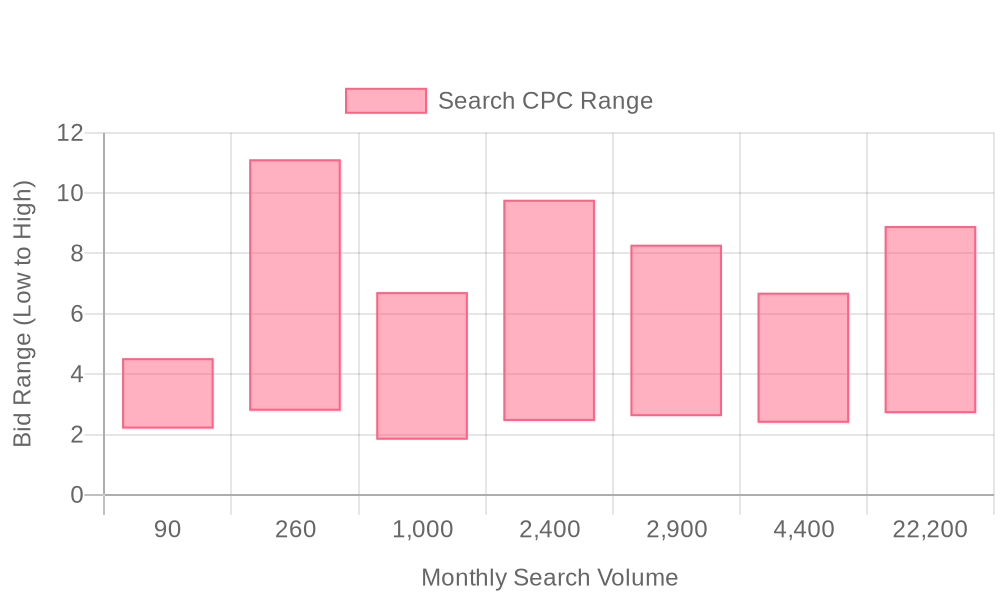
| Industry | Keyword | Monthly Search Volume | Competition Level | Low Bid | High Bid |
| Real Estate Development | meraas properties | 90 | LOW | 2.2 | 4.53 |
| Real Estate Development | property developers near me | 260 | LOW | 2.79 | 11.12 |
| Real Estate Development | property development | 1000 | LOW | 1.83 | 6.72 |
| Real Estate Development | property developers | 2400 | LOW | 2.45 | 9.78 |
| Real Estate Development | real estate development companies | 2900 | LOW | 2.61 | 8.29 |
| Real Estate Development | real estate development | 4400 | LOW | 2.39 | 6.7 |
| Real Estate Development | real estate developer | 22200 | LOW | 2.71 | 8.91 |
This is also where measurement changes the economics. With Sona Marketing Measurement you can identify the companies behind your ad clicks, not just anonymous sessions, and segment audiences by which accounts actually become customers. That lets you build bid adjustments and audience signals around the segments that convert and de-prioritize the ones that don't, so you feed Google's algorithms "this click became a paying real estate development customer" instead of just "someone filled out a form."
Consistently refining your keyword list ensures campaigns evolve alongside shifting buyer interests and economic conditions. Start with granular terms such as ‘new real estate developments in [City]’ or ‘luxury condos for sale [City]’ to reach prospects deep in the research and decision phases. Adding neighborhood names, property features, or builder reputations further narrows the audience to those most likely to convert. For additional tactics on segmentation and outreach, explore this buying-stage segmentation advantage.
- Sample high-intent keywords:
- ‘new real estate developments in [City]’
- ‘luxury condos for sale [City]’
- ‘real estate projects [Neighborhood]’
Regular performance analysis of these keywords helps teams identify which terms drive the best quality leads, enabling budget reallocation toward the highest converting queries. This process benefits from real-time intent data: when in-market behavior signals a surge in interest for a specific development or neighborhood, teams can swiftly pivot their spend to maximize impact. As leads progress through the sales journey, dynamic audiences ensure campaign messaging aligns with their current needs, keeping engagement relevant and timely.
- Content strategy alignment: Insights from top-performing keywords do more than inform paid ad targeting. Marketers can expand their blog content, landing pages, and organic search efforts around these high-value terms, creating a cohesive cross-channel presence. When enriched audience and lead data syncs directly into Google Ads and CRM tools, marketers cut manual work while improving the accuracy of both targeting and ROI measurement, strengthening real estate advertising performance and demand generation across the board.
Step-by-Step Campaign Execution Framework

The most successful real estate development marketing hinges on a structured approach that turns data into qualified leads and revenue. A clear, repeatable framework ensures that every campaign move, whether targeting, creative, or conversion, is optimized for actionable results. This is not just about launching ads; it’s about building a system that continually improves performance and directly supports your revenue targets. For more on building data-driven marketing engines, explore our actionable playbooks.
Each step outlined below is designed for real estate development teams that expect more from their digital marketing: more insight, more efficiency, and more measurable outcomes. By applying these strategies, marketing and sales leaders create a feedback loop that unifies data, sharpens targeting, and drives high-value engagement. If you’re ready to streamline your approach, get started for free with Sona.
Step 1: Build Targeted Keyword Lists
Start with keyword lists that reflect real buyer intent for real estate development. Incorporate exact-match phrases like "new residential projects [City]," "upcoming condos near [Landmark]," and "investment properties [Location]." Negative keywords such as "rent," "free," or "foreclosure" help filter out irrelevant queries, focusing the budget on high-intent prospects. For a comprehensive guide to picking the right keywords and structuring campaigns, check out this Google Ads for real estate resource.
When these keyword lists are integrated with content from your broader digital strategy, such as blog posts, gated resources, or neighborhood guides, each channel amplifies the others. Using unified campaign data, Sona can pinpoint which search terms drive engagement from specific companies or buying groups, allowing you to double down on keywords proven to convert, while filtering out costly distractions.
The upgrade most real estate development advertisers miss is going beyond raw keyword volume to layer in intent and identity signals. By connecting website-visitor data and CRM records with Sona Marketing Measurement, you can see which specific search terms bring in the accounts and customers that actually convert, and weight your keyword and bidding strategy toward those rather than the terms with the highest search volume alone.
Step 2: Develop Compelling Ad Copy
Effective Google Ads for real estate development always communicate urgency and exclusivity. Use headlines that highlight time-sensitive offers like “Limited-Time Prices on New Luxury Condos” or “Early-Bird Access to Pre-Sale Units.” Descriptions should reinforce unique selling points, think “Smart Home Amenities” or “Direct Park Access”, and always include a strong call-to-action, such as “Book a Private Tour.” For actionable tips on ad messaging, review these optimization strategies.
Consistency across marketing channels is key. When your ad messaging mirrors what prospects see on your social feeds and email newsletters, it builds trust and recognition. By syncing audience and creative insights, modern platforms ensure that high-performing messages are dynamically updated across your ads, keeping your campaigns relevant as buyer interests shift.
Step 3: Design Effective Landing Pages
A landing page’s design and content must instill confidence while guiding visitors toward action. Use credibility boosters like testimonials, project timelines, and virtual walkthroughs. Ensure contact forms are simple, mobile-friendly, and prominent. Every page should provide a seamless path from ad to inquiry, reinforcing the promise made in your ad copy.
For enterprise real estate teams, integrating landing pages with your CRM is essential for lead management. Automated triggers route new leads directly to the right sales reps, ensuring rapid follow-up. With Sona, this process is tightly connected: enriched lead profiles and engagement data flow instantly into your CRM and Google Ads audiences, so your marketing and sales teams always work from the same, up-to-date information. See how top teams streamline integration with our CRM unification guide.
Step 4: Implement Data-Driven Optimizations
Ongoing optimization is the backbone of successful real estate online advertising. Analyze conversion rates, cost per lead, and audience engagement on a weekly basis. Adjust bidding strategies in response to real-time feedback, shifting more budget to high-performing keywords, geographic areas, or audience segments. Custom dashboards and automated alerts help revenue teams react quickly to changing market dynamics. Learn more about maximizing ad spend with this ROI-focused PPC guide.
Advanced platforms take this a step further by linking online and offline outcomes, so you can attribute closed deals back to specific ads and keywords. This closed-loop reporting allows marketing leaders to reallocate spend toward campaigns with the highest revenue impact. Over time, dynamic audience lists update automatically as prospects move through the funnel, ensuring that both retargeting and prospecting always reach the right people at the right time. For a deeper dive into marketing attribution, visit our blog on measuring marketing's influence.
Sona Marketing Measurement closes the gap between clicks and revenue. It captures every ad click with first-party measurement, then ties that click through UTM capture and ad-platform APIs to the actual record in your CRM, and reports ROAS by keyword and campaign instead of by last-click form fill. Feeding that revenue signal back into Smart Bidding and Performance Max compounds over time: the algorithms optimize toward booked real estate development revenue, not cheap leads.
Tips on Expanding Your Real Estate Development Presence
Expanding your real estate development presence demands a strategic, data-driven approach that goes beyond traditional advertising. Leveraging the full potential of Google Ads for real estate development allows teams to align targeting, messaging, and follow-up with the exact needs of high-intent buyers and investors. Marketers can further strengthen their campaigns by using real-time audience segmentation to ensure personalized outreach.
- Cross-Promoting Content: Promote valuable educational materials through remarketing campaigns to establish authority and deepen trust with audiences already familiar with your brand. By tracking visitor behaviors and engagement in real time, marketers can tailor remarketing sequences to nurture prospects at every stage, seamlessly connecting relevant guides or market insights as users revisit your site.
- Upselling via Segmented Audiences: Utilize CRM data to identify cross-sell and upsell opportunities, offering related property services or upgrades to segmented contact lists. When audience data is dynamically updated as prospects interact with digital touchpoints, marketers can synchronize enriched lead profiles directly with Google Ads and CRM platforms, ensuring that the most relevant offers reach buyers as their needs evolve.
- Local Partnerships: Collaborate with local real estate influencers and brokers to develop co-branded campaigns that tap into established networks and community credibility. Co-marketing not only amplifies reach but, when combined with unified campaign performance insights, enables both partners to target shared audiences more effectively and optimize spend based on real conversion data.
- Localized Targeting: Concentrate advertising efforts on fast-growing neighborhoods to maximize market penetration and return on ad spend. Real-time analysis of in-market behavior and local demand indicators allows for agile budget allocation, so campaigns automatically focus on high-converting geographies or property types as trends shift.
Success in real estate development marketing is rooted in meticulous keyword targeting, granular audience segmentation, and tight integration across all channels. By refining your ad strategy and optimizing conversion paths with unified, real-time data, you can expand your digital footprint, accelerate lead generation, and drive measurable growth throughout your development pipeline. For teams ready to elevate their Google Ads for real estate development, blending these tactics with advanced data visibility tools ensures every campaign touchpoint is both timely and impactful. If you want to see the impact firsthand, get started for free with Sona.
Paid search wins the moment someone types a query, but that moment is shrinking. A growing share of real estate development buyers ask ChatGPT, Gemini, or Perplexity before they ever run a search, and Google's own AI Overviews often summarize an answer above the traditional results. If your projects aren't referenced in those AI answers, you're invisible at the exact moment buyers build their shortlist.
Paid search captures demand at the moment someone types a query. But a fast-growing share of real estate development buyers no longer start at Google at all, they ask ChatGPT, Gemini, or Perplexity before they ever run a search, and Google's own AI Overviews increasingly summarize an answer above the traditional results. If your business isn't referenced in those AI answers, you're invisible at the exact moment buyers build their shortlist.
Sona AI Visibility shows where your business shows up across ChatGPT, Gemini, Perplexity, Google AI Overviews, and 10+ engines, and, much like a keyword report, which prompts actually send you buyers, so you can prioritize the ones that convert. Run the two together and you cover the entire buyer path: get cited where buyers research (AI Visibility), then prove which of that demand turns into booked revenue (Marketing Measurement).
Helpful resources
Conclusion
The developers who win with Google Ads treat it as one piece of a larger measurement system, not a standalone channel. As AI search tools reshape how buyers research projects before they ever click an ad, the teams that connect paid search, identity resolution, and AI visibility into one feedback loop will be the ones whose pipeline reflects reality, not just impressions.
Ready to elevate your marketing efforts? Start for free to see how unified measurement and identity resolution can sharpen every campaign you run.
FAQ
What are the best practices for using Google Ads in real estate development?
Best practices include granular keyword targeting with high-intent phrases, crafting compelling ad copy and extensions, optimizing landing pages for conversions, and using robust performance tracking to measure campaign ROI.
How much should I budget for Google Ads in real estate?
The budget should be allocated based on high-performing keywords and audience segments, ensuring funds are directed towards campaigns with proven conversion rates and high revenue impact.
What types of ads work best for real estate development?
Effective ad types include search campaigns for capturing high-intent traffic, display ads for maintaining brand visibility, video ads for showcasing properties, and remarketing campaigns for re-engaging interested prospects.
How can I measure the success of my Google Ads campaigns for real estate?
Success can be measured through conversion tracking, analyzing conversion rates, cost per lead, and syncing online and offline sales data for a full-funnel view of lead journeys and ROI.
What keywords should I target for Google Ads in real estate development?
Target long-tail, location-based phrases such as ‘new real estate developments in [City]’ or ‘luxury condos for sale [City]’ to capture buyers with clear intent actively searching for specific properties.







