


A listing that sits unrenovated while an agent chases the wrong lead is a lost commission. Real estate firms lose deals not for lack of traffic but for lack of visibility into who's actually browsing listings with intent to buy, sell, or lease. Google Ads closes that gap by capturing prospects at the exact moment they search, whether that's a first-time buyer comparing neighborhoods or a commercial tenant scouting office space, and by connecting that click to what happens after: a showing, an offer, a closed deal. Identifying the company or household behind an anonymous site visit, rather than losing them to an untracked bounce, lets teams put budget behind decision-makers with real intent. By targeting prospects based on location, property type, and search behavior, Google Ads helps real estate firms measure geographic performance and capture buyers and sellers at their moment of need across both offline and online efforts.
How to Generate Real Estate Services Leads with Google Ads: A Step-by-Step Guide

Integrating Google Ads into real estate marketing unlocks direct access to motivated buyers and sellers, elevating the impact of every dollar spent. Modern revenue teams can remove guesswork by leveraging granular audience insights and real-time performance feedback, ensuring every campaign targets the most qualified leads.
A persistent challenge in real estate lead generation is delayed engagement, where promising opportunities lose momentum before an agent connects. Advanced Identity Resolution and real-time intent analytics now let marketers spot high-value prospects early, delivering hyper-relevant ads that move leads swiftly into the pipeline.
- Data-Driven Integration: A robust framework starts with connecting Google Ads to centralized lead intelligence. Identifying not just anonymous clicks but the actual visitors and companies behind them lets marketers prioritize follow-up on the most valuable prospects, improving conversion rates and cutting wasted spend. For a practical overview of setting up and optimizing your account, see this step-by-step guide to launching Google Ads for real estate.
- Addressing Delayed Follow-Up: Sona's Intent Signals flag high-intent visitors so every potential client gets immediate, targeted messaging. In real estate, where a buyer touring listings online today may tour in person tomorrow, this shortens the sales cycle and lifts engagement, especially when a prospect is identified before they ever fill out a form.
- Keyword and Audience Targeting: Success in Google Ads for Real Estate Services hinges on tailored keyword lists and audience segments. Precision targeting through Sona's Intent Signals, location, and property interest data ensures ads reach buyers ready to act, while dynamic audience updates continuously refine targeting as leads move through the funnel.
- Landing Page and Creative Alignment: High-converting campaigns demand seamless alignment between ad copy and post-click experiences. Real estate teams see substantial lift when landing pages mirror ad messaging, showcase relevant listings, and feature clear calls-to-action that match audience intent. Discover techniques to create effective real estate landing pages for Google Ads.
- Performance Optimization for ROI: Continuous improvement requires full-funnel attribution, not just tracking digital clicks but capturing offline events like calls or in-person consultations. Enhanced conversion tracking closes the loop, attributing every lead and transaction to the correct campaign, which empowers smarter budget allocation and prevents incomplete ROI analysis.
- Channel Integration: Maximum impact comes from weaving Google Ads into a broader real estate online marketing mix. Syncing enriched audiences and lead data across platforms such as Google Ads, HubSpot, and Salesforce enables coordinated messaging, strengthens retargeting, and drives higher-quality interactions across every stage of the buyer journey.
This step-by-step approach lets revenue teams generate more real estate leads and convert them faster, while ensuring marketing spend maps directly to measurable business growth. Get started for free with Sona.
Why Does Google Ads Matter for Real Estate Services?

Real estate services require nuanced targeting to reach buyers, sellers, and investors whose needs change quickly and often span complex, high-value transactions. Google Ads provides a direct line to these audiences, enabling professionals to capture opportunities that might otherwise be lost in the noise of generic digital advertising. For a practical walkthrough on structuring and optimizing your ad account, refer to this guide to Google Ads for real estate agents.
With enriched audience profiles and unified data, marketers can build precise audience segments that reflect active intent and current market needs. This approach cuts wasted spend on outdated or incomplete lists, ensuring each impression and click targets someone relevant and ready to engage. By using Sona's Identity Resolution, real estate teams can identify the companies behind anonymous traffic, such as a relocation firm or property management group, and see which accounts show in-market behavior, making every ad dollar more accountable.
Lead generation becomes high-impact when campaigns are structured to surface projects like commercial leasing, property management, or luxury listings. Google Ads’ immediate delivery mechanism is especially valuable for urgent needs, think seasonal inventory surges or fast-moving relocation scenarios, where traditional channels lag. Timely exposure, paired with real-time behavioral data, allows marketers to shift budgets dynamically toward high-converting accounts, improving both conversion volume and return on ad spend.
Expanding into emerging or underserved regions is simplified through location-based targeting, ensuring visibility in markets where brand presence is just taking hold. This local focus enables real estate companies to capture early demand, establish credibility, and scale their reach before competitors saturate the space. When dynamic audience updates are layered in, marketing can automatically adjust as leads progress through the sales funnel or as regional interest fluctuates.
Closed-loop measurement is the backbone of effective real estate PPC. By connecting online interactions with offline deal closures, teams get a full ROI picture. Advanced conversion tracking, spanning both web and CRM data, ensures that every inquiry, showing, or signed contract is attributed to its source, making Google Ads budget allocation smarter and directly tied to business outcomes. This level of analytics matters most when leadership needs to justify spend and scale what works across multi-channel, high-ticket campaigns.
Common Types of Google Ads Campaigns for Real Estate Services

- Search Campaigns: Search campaigns remain the core engine for real estate lead generation. They capture buyers and sellers at the exact moment of active intent, with ads triggered by precise property-related queries. When paired with advanced visitor identification, marketers gain clarity into which companies or individuals are engaging with listings and service offers. By aligning search campaigns with real-time behavioral data, revenue teams can dynamically shift budget to the keywords and locations where conversion rates are highest.
- Display Ads: Display campaigns expand visibility by keeping your brand and listings present across real estate content sites, news outlets, and local blogs. The visual format is ideal for reinforcing trust and recognition, especially in competitive metro areas. Real-time syncing of enriched CRM audiences ensures that display ads are always shown to the most relevant and updated prospects. This dynamic approach means creative and budget allocation automatically adapt to match each prospect's readiness to engage.
- Video Ads: Video campaigns deliver immersive experiences by showcasing property tours, agent expertise, and testimonial stories. These ads excel on YouTube and Google’s video partner sites, building engagement with buyers who prefer visual research. The integration of advanced conversion tracking enables marketers to connect video views directly to inquiries, showings, and closed deals, empowering teams to invest confidently in creative that drives measurable results.
- Remarketing: Remarketing campaigns re-engage prospects who previously visited your website, viewed listings, or interacted with ads but did not convert. By leveraging up-to-date audience segments, marketers can deliver hyper-personalized messages that address objections, highlight new inventory, or offer time-sensitive incentives. Automated audience refresh ensures that remarketing efforts remain tightly focused on active buyers and sellers, driving higher conversion rates from returning visitors.
- Assets: Ad assets make it easy for prospects to take action. Location assets guide local buyers to your nearest office or an open house, while call assets encourage direct contact for immediate inquiries. When CRM and ad systems are fully integrated, these assets can surface contextually relevant details tailored to each user's intent and stage in the buying or selling process. To see these strategies in action, get started for free with Sona.
Where to Find Growth Opportunities in Real Estate Advertising

Identifying growth opportunities in real estate advertising starts with targeting vertical keywords that speak directly to niche buyer and seller needs. This approach sharpens your reach, allowing campaigns to surface in front of audiences overlooked by broader, high-competition terms. By focusing on highly specific phrases like "pet-friendly condos in Miami" or "investment townhomes in Austin," marketers not only sidestep saturated search spaces but also ensure every impression aligns with real buyer intent and the latest market trends.
Analyzing competitor gaps uncovers markets where demand outpaces supply or where messaging fails to resonate. This insight matters for real estate lead generation and PPC, revealing untapped verticals such as senior living, vacation rentals, or new construction. With unified intent signals from Sona, revenue teams can quickly shift Google Ads budget toward these high-potential segments, spending where conversion momentum is proven. Marketers using Sona's Identity Resolution can move beyond anonymous traffic, seeing which firms or buyers are exploring specific property types and adjusting campaigns with precision.
Industry-specific placements offer another pathway to growth, especially where organic reach is limited or slow to build. For example, leveraging Google Ads for Real Estate Services to appear on high-traffic real estate blogs, local service ads, or property aggregator sites secures visibility precisely where high-intent audiences congregate. By syncing enriched audiences from your CRM into Google Ads, you ensure that every campaign is informed by the most accurate, up-to-date contact and engagement data, significantly boosting the relevance and effectiveness of your ads.
Retargeting with content-rich assets such as buyer guides, neighborhood reports, or market forecasts turns casual browsers into qualified leads. Dynamic audience segments let real estate marketers continually update targeting as prospects move from initial inquiry to active consideration, keeping retargeting timely and contextually relevant. Advanced conversion tracking across online and offline touchpoints ties lead activity back to specific ads and placements, giving a complete view of ROI and informing where to invest next.
How to Apply Audience Segmentation for Real Estate

Audience segmentation empowers real estate teams to reach high-value buyers and sellers with precision. By grouping prospects based on property needs and stage in the journey, teams ensure each interaction is tailored, relevant, and timely. For more strategies on data-driven segmentation and campaign execution, explore the Sona blog.
- Define Segments: Start by establishing clear segments such as residential versus commercial clients or local buyers versus overseas investors. This foundational step allows marketers to adjust creative messaging, offers, and even landing pages to match each segment’s priorities. For instance, residential prospects may respond to virtual home tours and school district information, while commercial clients prioritize zoning or foot traffic analytics. The ability to separate local buyers from overseas investors further personalizes engagement, with local audiences receiving invitations to open houses and international prospects seeing relocation guidance and remote consultation options. For a step-by-step guide to launching real estate Google Ads campaigns targeting these segments, see this resource.
- Overlay Intent Signals: Segmenting by demographics alone limits campaign potential. Layer in behavioral intent, such as recent searches for "buy a home in Austin" or frequent visits to rental listing pages, to catch users further along the funnel. Sona surfaces intent signals at the account level so teams can prioritize follow-up for prospects showing high purchase or rental readiness. This cuts wasted budget and speeds response to those most likely to convert, since marketers can see not only who is engaging but what their likely next move is, and shift spend accordingly.
- Create Ad Groups by Segment: Once segments and intent signals are defined, build ad groups tailored to each. Allocate budgets based on segment value and expected conversion rates. For example, assign higher daily budgets to groups representing luxury homebuyers or commercial clients, given their larger transaction values. Ad creative, extensions, and offers should speak directly to each group’s motivations, “Schedule a Virtual Tour” for remote buyers, “Prime Retail Spaces Available” for business owners. Teams using dynamic audience tools can ensure segments automatically update as leads move through the funnel, keeping targeting and messaging relevant without manual intervention.
- Validate Conversion Paths: Accurate measurement requires seamless integration between ad campaigns and CRM or sales systems. Every lead interaction, whether online form fill, phone inquiry, or offline meeting, must be captured and attributed to the correct segment and source. This granular attribution enables marketers to compute true ROI by segment and optimize spend accordingly. When audience and lead data is automatically synced from enriched CRM records into campaign platforms, revenue teams gain a unified view of prospect movement from ad click to closed deal. This transparency supports better forecasting, smarter retargeting, and continuous improvement in real estate lead generation performance.
This is also where measurement changes the economics. With Sona Marketing Measurement you can identify the companies and buyers behind your ad clicks, not just anonymous sessions, and segment audiences by who actually becomes a customer. That lets you build bid adjustments and audience signals around the segments that convert and de-prioritize the ones that don't, so you feed Google's algorithms "this click became a paying real estate services customer" instead of just "someone filled out a form."
Keyword Strategy & Sample Target Terms
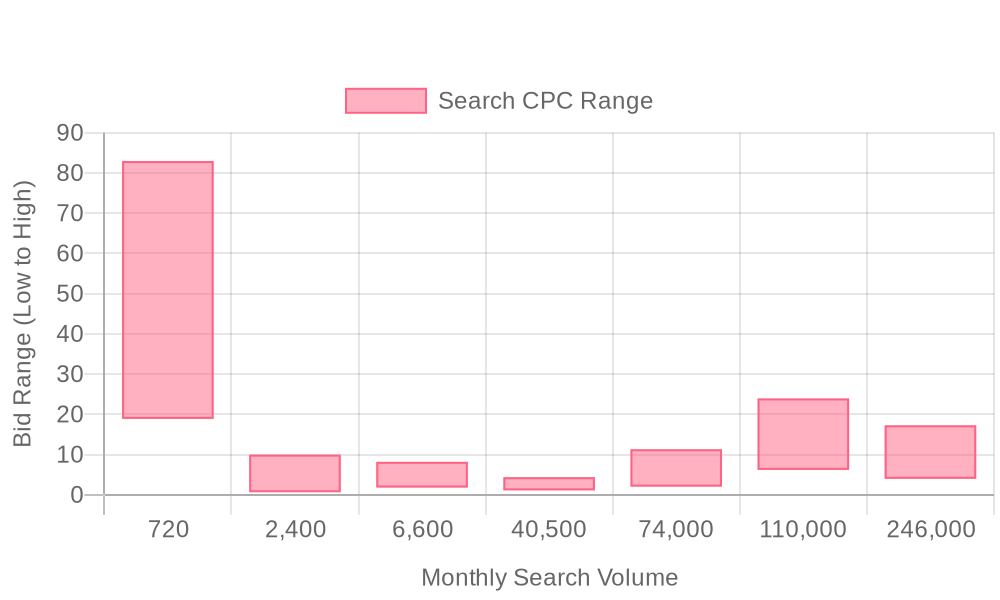
| Industry | Keyword | Monthly Search Volume | Competition Level | Low Bid | High Bid |
| Real Estate Services | best home buying companies | 720 | MEDIUM | 18.89 | 82.98 |
| Real Estate Services | commercial office space for rent | 2400 | MEDIUM | 0.67 | 10 |
| Real Estate Services | real estate services | 6600 | LOW | 1.83 | 8.21 |
| Real Estate Services | real property management | 40500 | LOW | 1.13 | 4.4 |
| Real Estate Services | property management near me | 74000 | LOW | 2.06 | 11.34 |
| Real Estate Services | real estate agents near me | 110000 | LOW | 6.21 | 23.97 |
| Real Estate Services | real estate agent | 246000 | LOW | 4 | 17.29 |
An effective keyword strategy is the foundation of successful Google Ads for Real Estate Services. Precision in keyword selection ensures your ads capture prospects who are actively searching for specific real estate solutions, reducing wasted spend and elevating your chances of conversion. For deeper guidance on keyword planning and campaign setup, explore this comprehensive beginner’s guide.
Sample target terms like "real estate agents near me," "commercial real estate services," and "property managers" consistently drive high-value traffic. These keywords indicate buyers already researching options or seeking to connect with a professional, making them ideal for both lead generation and nurturing. For more actionable keyword strategies and insights, visit our collection of actionable playbooks.
B2B real estate marketers increasingly tackle incomplete or outdated account data with Sona's Identity Resolution. Fresh, accurate information fuels granular segmentation and keeps keyword targeting relevant as market conditions shift, letting marketers identify new segments, such as investors searching for multifamily properties or corporate tenants looking for office space, and tailor ads accordingly.
Optimizing your bid strategy means prioritizing keywords with clear commercial intent and manageable competition. Regularly reviewing performance data allows you to reallocate budget toward terms that consistently yield conversions while suppressing spend on underperforming or overly broad keywords. With advanced audience enrichment and real-time funnel updates, you can shift spend to accounts demonstrating in-market intent, ensuring your budget consistently drives results in real estate lead generation.
When marketers sync enriched audience segments directly into their ad platforms, keyword strategies become more agile. As leads move through the funnel or respond to new listings, audiences update automatically, keeping ads relevant to a prospect's stage and interest. This turns static targeting into a dynamic, real-time process that fuels more efficient PPC for real estate and stretches every dollar of budget further.
Step-by-Step Campaign Execution Framework
A high-performing Google Ads for Real Estate Services program relies on meticulous, data-driven execution. Each phase, from keyword planning to optimization, should be approached with precision and aligned with the realities of local real estate markets. Consistent, measurable improvements flow from a framework that unifies targeting, messaging, and conversion tracking. To explore advanced analytics and campaign strategies, visit our marketing analytics blog.
Step 1: Build Targeted Keyword Lists
The foundation of any effective real estate advertising campaign is robust keyword research paired with strategic clustering. Segmenting keywords by service type, such as "luxury homes," "commercial leasing," or "first-time buyer assistance", ensures ad groups remain highly relevant. Further refine these clusters with location modifiers, targeting phrases like "condos in Dallas" or "office space Miami," which align with how potential clients search.
Applying negative keywords in real estate PPC is critical for reducing wasted spend and boosting lead quality. Filtering out irrelevant queries like "DIY home selling" or "real estate agent jobs" sharply cuts unqualified traffic. With Sona's Identity Resolution revealing visitor intent and company information in real time, marketers can adjust keyword focus dynamically, keeping budget directed toward high-converting prospects.
The upgrade most real estate services advertisers miss is going beyond raw keyword volume to layer in intent and identity signals. By connecting website-visitor data and CRM records with Sona Marketing Measurement, you can see which specific search terms bring in the accounts and customers that actually convert, and weight your keyword and bidding strategy toward those rather than the terms with the highest search volume alone.
Step 2: Develop Compelling Ad Copy
Ad copy should directly address the pain points of property buyers and sellers, using headlines that promise quick engagement or highlight exclusive listings. For example, "Schedule a Showing in Minutes" or "New Listings, Book Your Tour Today" communicate urgency and responsiveness. Including trust signals, such as client reviews, industry awards, or years of local experience, helps establish credibility and can elevate click-through rates for real estate ads.
Personalization is amplified when ad copy dynamically updates based on real-time audience data. As leads progress through the sales funnel or revisit listings, messaging can evolve to address their current needs, such as promoting a price reduction or a new virtual tour. This approach not only increases engagement but also nurtures prospects for higher conversion rates.
Step 3: Design Effective Landing Pages
Every ad click should land on a page that continues the conversation started in the ad. Alignment in messaging and visuals between ad and landing page reduces bounce rates and improves lead capture. Effective landing pages for luxury real estate ads must feature clear calls-to-action, such as "Request More Info" or "Book a Free Consultation," positioned above the fold for quick access.
Mobile usability is non-negotiable. With a majority of real estate searches happening on mobile devices, responsive design ensures a seamless experience from ad click to form submission. Embedding interactive features like instant chat or mortgage calculators can further enhance conversion rates. A unified data platform like Sona Destinations enables marketers to tie every lead and engagement on these pages back to the original ad, allowing for granular attribution and optimization.
Step 4: Implement Data-Driven Optimizations
Continuous improvement is driven by Google Ads Smart Bidding strategies that react to real-time intent signals from both online and offline behaviors. By integrating offline conversions, such as phone inquiries or in-person appointments, into digital performance data, marketers can fine-tune their Google Ads budget to prioritize sources and audiences yielding the highest ROI.
Advanced audience management allows for dynamic updates as user behavior shifts. When a prospect books a virtual tour or submits a property inquiry offline, their status updates within both ad and CRM ecosystems, enabling automated retargeting or suppression. This keeps ad spend on the most promising opportunities and ensures every touchpoint is measured for its true impact on revenue.
Sona Marketing Measurement closes the gap between clicks and revenue. It captures ad clicks with first-party measurement rather than third-party cookies, ties that click through UTM capture and ad-platform APIs to the matching record in your CRM, and reports ROAS by keyword and campaign instead of by last-click form fill. Feeding that revenue signal back into Smart Bidding and Performance Max compounds over time: the algorithms optimize toward booked real estate services revenue, not cheap leads.
Tips on Expanding Your Real Estate Presence
Expanding your real estate footprint requires an intentional blend of digital strategy and local engagement. Modern professionals see the most success through precise data integration, targeted messaging, and ongoing optimization across every touchpoint. For deeper marketing analytics and attribution insights, explore the Sona blog.
- Cross-promote digital content in remarketing campaigns: Elevate remarketing by weaving in blog posts, video testimonials, and property tour content across digital ad placements. By leveraging advanced audience segmentation and up-to-date behavioral insights, you can deliver the right message to prospects who have previously shown interest, increasing re-engagement and nurturing leads through each stage of the funnel. When your ad platform is integrated with a unified data solution, it becomes possible to dynamically update these audiences in real time, ensuring your cross-promotion reflects the latest user activity, not last week's stale data.
- Upsell real estate services using CRM data: Tap into your enriched CRM to identify existing clients who are likely candidates for additional services, such as staging, renovation, or mortgage consultation. Syncing this enriched contact data with your ad campaigns allows for tailored upsell offers, delivered precisely when clients signal high intent. Automated CRM and ad platform integrations ensure these audiences adjust as prospects move through the buying or selling process, increasing upsell efficiency and ROI.
- Partner with local real estate associations for referral traffic: Strengthen your presence by collaborating with area associations, tapping into their established networks for high-quality referral leads. Co-branded campaigns and shared digital assets can drive traffic to your listings and service pages, while joint events or webinars foster trust and brand authority. When your ad and analytics systems are unified, you can track the true impact of these partnerships by attributing online and offline conversions to each referral source. See real-world case studies for how Google Ads has driven measurable results for real estate businesses.
- Use search query data to identify new content and marketing opportunities: Monitor search query data from paid and organic channels to catch emerging neighborhood trends, property features, and client pain points. Regularly updating content strategy to reflect this intelligence keeps marketing relevant and visible for high-intent searches. With Sona's Identity Resolution, these insights can be operationalized instantly, feeding dynamic keyword lists and audience segments that keep pace with shifting market dynamics.
Effective Google Ads strategies in real estate demand more than simple targeting; they require a full view of the client journey, backed by accurate, unified data. Integrating audience, CRM, and campaign data lets your team catch every valuable prospect, personalize engagement, and get more out of every dollar. Align your efforts with these practices to generate stronger leads, improve conversion rates, and build a real estate presence that grows with the market.
Beyond Google Ads: Winning the AI Answers Real Estate Services Buyers Now Trust
Paid search captures demand at the moment someone types a query. But a fast-growing share of real estate services buyers no longer start at Google at all, they ask ChatGPT, Gemini, or Perplexity before they ever run a search, and Google's own AI Overviews increasingly summarize an answer above the traditional results. If your business isn't referenced in those AI answers, you're invisible at the exact moment buyers build their shortlist.
Sona AI Visibility shows where your business shows up across ChatGPT, Gemini, Perplexity, Google AI Overviews, and 10+ engines, and, much like a keyword report, which prompts actually send you buyers, so you can prioritize the ones that convert. Run the two together and you cover the entire buyer path: get cited where buyers research (AI Visibility), then prove which of that demand turns into booked revenue (Marketing Measurement).
Helpful resources
Conclusion
Mastering Google Ads gives real estate businesses a direct line to buyers and sellers at the moment they're deciding who to call. Strategic ad placement, precise targeting, and a tight feedback loop between clicks and closed deals turn ad spend into a predictable source of qualified leads.
The advantage now shifts to teams that can see past the click, to the specific buyer, agent, or firm behind it, and prove which searches actually lead to signed contracts. As AI tools increasingly shape how buyers research neighborhoods and agents before they ever open Google, the firms that show up in those answers and can tie that visibility to booked revenue will set the pace for the market.
Take the next step in sharpening your real estate marketing. Start for free to see how Sona connects your ad spend to booked showings and closed deals.
FAQ
Do Google Ads work for real estate agents?
Yes, Google Ads can be highly effective for real estate agents by capturing high-intent prospects at their moment of need and improving ROI through precision targeting.
How much should I budget for Google Ads in real estate?
The budget for Google Ads in real estate should be based on targeting the most qualified leads, maximizing conversion rates, and reducing wasted spend by prioritizing high-value prospects.
What are the best practices for Google Ads in real estate?
Best practices include integrating Google Ads with lead intelligence systems, using tailored keyword and audience targeting, syncing online and offline data, and continuously optimizing campaigns for ROI.
How do I create effective Google Ads for real estate?
To create effective Google Ads for real estate, align ad copy with post-click experiences, use precise keyword targeting, and leverage real-time intent analytics to target high-value prospects.
What types of Google Ads are most effective for real estate services?
Effective types of Google Ads for real estate include search, display, video, and remarketing campaigns, each tailored to specific buyer intents and enhanced by real-time audience data.







