


A pop-up store lives or dies in a matter of days, so there's no time to wait for word of mouth to build. Missing a high-value prospect who never lands in your CRM is a lost sale you won't get a second chance at. Google Ads solves the core problem of the format: it lets you reach shoppers at the exact moment they're searching for a retail experience, before your window closes. Used well, it bridges online search intent with offline foot traffic, turning a temporary storefront into a full calendar of visits. This guide covers how pop-up store marketers can use Google Ads to drive traffic, build brand presence, and capture local interest while the doors are open.
How to Generate Pop-Up Store Leads with Google Ads: A Step-by-Step Guide
A pop-up store runs on real-time engagement, precise targeting, and fast feedback. Generating leads consistently means pairing sharp creative with data that tells you what's actually working, since there's rarely a second event to fix a bad campaign. Each phase of your Google Ads strategy should build both visibility and in-person conversions. Unifying audience data and using proper attribution turns fleeting foot traffic into a measurable result.
- Define Goals and KPIs: Start by clearly articulating what success looks like for your pop-up store campaign. Whether the objective is driving in-store visits, generating demo signups, or capturing first-party data, precise goals ensure your entire team is aligned. This focus also makes it easier to identify missed opportunities, such as unconverted demo interest, and implement mechanisms for timely follow-up, especially when you know which companies and people are visiting your website.
- Conduct Keyword Research: Use robust tools to surface high-intent terms like "Google Ads for Pop Up Stores," "pop-up store marketing strategies," and "Google Ads for physical store promotions." Deep keyword analysis uncovers pockets of demand that generic targeting misses, helping you reach shoppers who are ready to engage. Marketers often struggle with anonymous web traffic, but by identifying website visitors, you can tailor your messaging and prioritize outreach.
- Set Up Targeted Campaigns: Build campaigns that use geo-targeting to focus ad spend on users within a tight radius of your pop-up location. This approach prevents wasted impressions and ensures messaging reflects local context and store-specific details. Integrating dynamic audiences also enables real-time updates as leads engage, move through the funnel, or RSVP for your event. A Shopping campaign can extend that visibility to shoppers browsing specific products ahead of the event.
- Design Impactful Ads: Develop creative assets that showcase what makes your pop-up unique, limited-run products, event exclusives, or special guest appearances. Use countdown timers and location highlights to create urgency and drive immediate action. Layer in location and call assets so users can find or contact your store with one tap. Personalized creative, informed by real-time behavior and company-level insight, increases both relevance and conversion.
- Measure and Optimize: Track campaign performance using store visit conversion tracking, which links digital ad engagement with verified in-store visits. Advanced attribution models enable you to see which ads and audience segments drive actual foot traffic, not just online clicks. Syncing enriched audience segments from your CRM into Google Ads accelerates retargeting and makes bid adjustments seamless, reducing the manual effort and errors common with legacy workflows.
For a deeper dive on retargeting strategies that unify online behaviors with offline outcomes, explore modern frameworks that connect the dots across your sales and marketing stack. You can get started for free with Sona to unify your audience data and measure in-person conversions more effectively.
Why Google Ads Matter for Pop Up Stores Businesses
Pop-up stores thrive on urgency and visibility, making rapid audience engagement critical for success. Google Ads enables brands to harness in-the-moment intent by reaching local shoppers precisely when they are searching for unique retail experiences. Marketers can move beyond anonymous web traffic and pinpoint high-intent individuals and companies using visitor identification tools, ensuring every ad dollar is spent on qualified prospects.
- Capture In-The-Moment Intent: Google Ads connects pop-up locations with consumers actively seeking retail events, allowing operators to intercept high-value prospects before competitors. For a deeper overview of how Google Shopping campaigns help businesses promote products and increase sales, check out this resource on Google Shopping campaigns. By leveraging Sona, marketers can ensure ads target only those most likely to convert.
- Target Local Audiences: Geo-targeting within Google Ads allows pop-up retailers to focus their spend on nearby audiences, maximizing foot traffic during limited-time activations. When enriched with real-time audience and CRM data, segments are dynamically updated as prospects move closer to purchase, ensuring campaigns adapt to evolving intent signals.
- Integrate with Other Channels: Synchronizing Google Ads campaigns with social media and email delivers a unified brand experience across every touchpoint. Marketers see increased campaign effectiveness by integrating audience and engagement data, closing the gap between digital impressions and in-store visits while gaining visibility into previously anonymous traffic.
- Real-time Adjustments: The flexibility of Google Ads empowers pop-up operators to adjust bids, creative, and targeting on the fly as demand spikes or shifts. Real-time performance insights, combined with advanced conversion tracking, provide a clear view of true ROI, enabling marketers to reallocate budget toward the highest-converting segments instantly.
Ready to see how you can optimize your pop-up store campaigns? Get started for free with Sona.
Common Types of Google Ads Campaigns for Pop Up Stores
Beyond these, Performance Max lets you run a single campaign that draws on Search, Display, YouTube, and Maps inventory at once, useful when you want maximum reach for a launch date without managing five separate campaigns.

- Search Campaigns: Direct search campaigns are essential for attracting visitors actively seeking pop-up events and limited-time retail experiences. These campaigns allow marketers to capture high-intent traffic with targeted keywords such as "pop-up shops near me" or "temporary retail events." Within Search, responsive search ads let you test multiple headlines and descriptions to see which combination pulls in the most RSVPs. By using Sona's Identity Resolution, marketers can move beyond anonymous clicks to identify which companies or individuals show commercial intent, making budget allocation more precise and maximizing event attendance.
- Display Ads: Display ad campaigns keep your pop-up store top-of-mind across the web, serving visually compelling banners on industry-relevant websites and local news outlets. This approach works particularly well with Google Ads local campaigns, ensuring ads reach users in the immediate vicinity of your retail activation. Leveraging Sona's intent signals lets teams dynamically adjust spend as local interest peaks, capturing attention when shoppers are most likely to visit. For a detailed overview of how these campaigns help drive product visibility and sales, see Google Shopping campaigns.
- Video Ads: Video campaigns allow brands to showcase the energy and exclusivity of their pop-up locations through engaging short videos. Whether on YouTube or across the Google Display Network, video content captures audience attention and communicates key details such as dates, special offers, and unique experiences. By leveraging Sona's audiences tool, marketers can automatically retarget viewers who watched a certain percentage of the video, nurturing warm leads as the launch date approaches.
- Remarketing: Remarketing efforts re-engage users who previously interacted with your website or pop-up event landing page but did not convert. Tailored messages and creative assets can remind these high-interest audiences about event details or exclusive perks. By syncing CRM and ad platforms, marketers can push enriched lead lists directly into Google Ads, streamlining retargeting and ensuring messaging stays relevant as audiences move through the funnel.
- Assets: Ad assets such as location and call extensions drive immediate action by making it easy for users to find, navigate to, or contact your pop-up store. These features help bridge the gap between digital engagement and physical store traffic. Sona's ad conversions feature enables seamless attribution for both online interactions and in-person visits, giving revenue teams a clear view of true event ROI and enabling continuous campaign optimization for future activations.
Where to Find Growth Opportunities?
- Vertical Keyword Targeting: Successful pop-up store campaigns require sharp focus on vertical-specific keywords such as 'temporary retail spaces' and 'seasonal shopping events.' Precision targeting with these terms ensures ads are seen by audiences actively seeking unique retail experiences, improving engagement rates and minimizing wasted spend. Marketers leveraging unified go-to-market data can refine these keyword lists in real time, identifying which queries drive not just clicks, but qualified visits and high-value leads. For more ways to optimize your targeting, explore our playbooks for marketing and sales.
- Competitor Insights: Analyzing competitor strategies is essential for uncovering underutilized ad placements, creative angles, and messaging gaps. Advanced analytics platforms help visualize the competitive landscape, revealing which campaigns are resonating locally and where your pop-up promotions can achieve higher visibility. Integrating visitor identification and real-time intent signals allows marketers to shift budget toward high-converting accounts missed by competitors, maximizing every advertising dollar. For a deeper dive into leveraging intent data, check out our guide to intent signals.
- Local Placements: Reaching shoppers where they plan their outings is critical for pop-up success. Investing in local directories, event calendars, and forums ensures ads target high-intent audiences interested in physical store promotions and temporary retail events. Learn how Google Local Inventory Ads can help retailers showcase in-stock products to nearby shoppers and drive foot traffic. Syncing dynamic, enriched audience segments into campaigns helps bridge the gap between online ad engagement and in-store foot traffic, and streamlines audience management as new leads enter and move through the funnel.
How to Apply Audience Segmentation for Pop-Up Stores

Audience segmentation for pop-up store campaigns delivers measurable gains by aligning advertising with real-world visitor behavior. Effective segmentation enables marketers to direct spend toward the most promising prospects, reducing waste and amplifying store traffic. Learn more about optimizing campaign effectiveness in our marketing analytics blog.
- Divide By Visitor Intent: Segmenting audiences by intent, such as tourists versus locals, unlocks hyper-targeted messaging. Tourists often respond to timely, location-based offers highlighting exclusive or limited-edition products, while locals may prefer loyalty incentives or community-driven events. By leveraging in-market behavioral data, marketers can distinguish between these groups in real time, adjusting creative and budget allocation to maximize relevance and conversions. When platforms integrate Identity Resolution, pop-up store teams can move past anonymous impressions and engage high-value segments with precision, driving more qualified foot traffic.
- Overlay Geographic Signals: Geographic overlays, including proximity targeting and geo-fencing, ensure ads reach users physically near the pop-up location. High-traffic zones, transit hubs, and event venues become focal points for campaign delivery. Audiences can be dynamically updated based on real-time movement patterns, with campaign budgets shifting automatically to target peak footfall windows. Geo-signals combined with CRM-enriched data enable marketers to deploy retargeting strategies that prioritize visitors most likely to convert. For more on how Google Shopping campaigns can amplify product promotion and in-store visibility, see this overview of Google Shopping campaigns.
- Ad Group Customization: Customizing ad groups to reflect the varied motivations of different audience segments, such as experience-seekers, deal hunters, or brand loyalists, creates a tailored journey for every visitor type. Ad creatives, copy, and calls to action can be dynamically optimized, ensuring messaging resonates with each cohort. When audience lists are synced across CRM, advertising, and marketing platforms, teams maintain up-to-date segment definitions and can rapidly adapt to shifting audience profiles, improving engagement and ROI.
- Validate Conversion Paths: Accurate conversion path validation is critical for linking ad clicks to in-store visits. Advanced conversion tracking leverages both online and offline signals, capturing store visits as well as digital interactions. By syncing conversion data across platforms, revenue teams gain a unified view of attribution, allowing them to refine targeting and measure the true impact of their campaigns. This feedback loop supports ongoing optimization, so every advertising dollar accelerates real-world outcomes.
This is also where measurement changes the economics. With Sona Marketing Measurement you can identify the companies behind your ad clicks, not just anonymous sessions, and segment audiences by who actually becomes a customer. That lets you build bid adjustments and audience signals around the segments that convert and de-prioritize the ones that don't, so you feed Google's algorithms "this click became a paying pop up stores customer" instead of just "someone filled out a form."
Keyword Strategy & Sample Target Terms
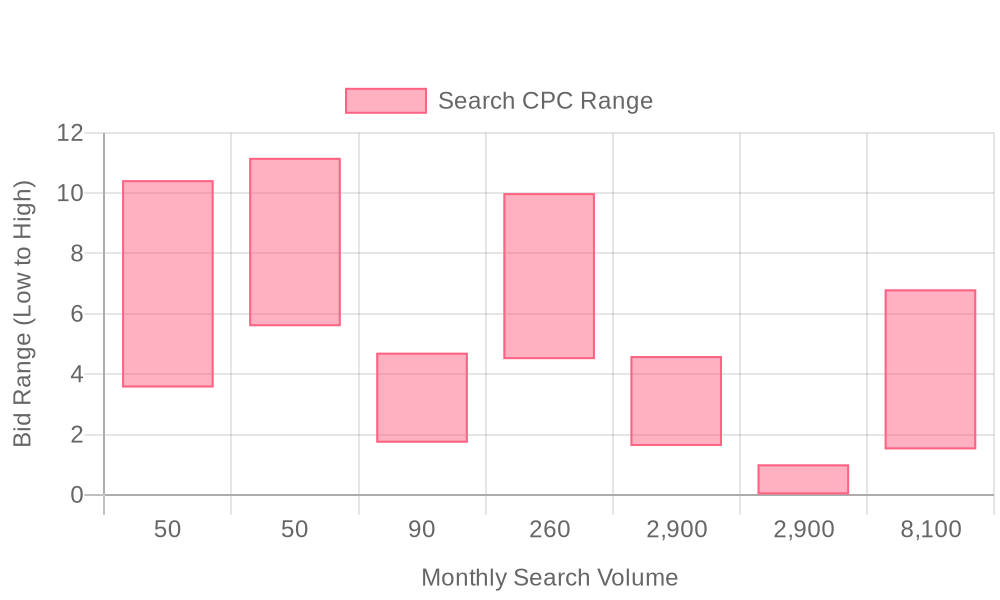
| Industry | Keyword | Monthly Search Volume | Competition Level | Low Bid | High Bid |
| Pop Up Stores | shopify pop up app | 50 | LOW | 3.56 | 10.43 |
| Pop Up Stores | best pop up app for shopify | 50 | LOW | 5.59 | 11.17 |
| Pop Up Stores | pop up shop display stands | 90 | HIGH | 1.73 | 4.71 |
| Pop Up Stores | shopify pop up | 260 | LOW | 4.5 | 10 |
| Pop Up Stores | pop up stores | 2900 | LOW | 1.62 | 4.6 |
| Pop Up Stores | pop up shops near me | 2900 | LOW | 0.02 | 1.01 |
| Pop Up Stores | pop up shop | 8100 | LOW | 1.51 | 6.81 |
Maximizing visibility for pop-up stores requires a keyword strategy that balances local relevance with niche intent. Using terms like 'pop-up store traffic generation' and 'Google Ads local campaigns' ensures campaigns engage high-value prospects searching for in-market experiences and temporary retail activations. For additional insights, explore our curated playbooks on optimizing local advertising strategies.
Long-tail keywords play a critical role in capturing users with precise purchasing intent. Phrases such as 'Google Ads for Pop Up Stores in [city]' or 'best Google Ads for temporary retail events' deliver qualified visitors more likely to convert or visit in-person. For an overview of how Google Shopping campaigns can help promote products and drive sales for temporary retail, see this resource.
Negative keywords are essential to maintaining budget efficiency and lead quality. By excluding irrelevant queries like 'permanent retail job openings' or unrelated event promotions, marketing teams keep spend focused on audiences actively seeking pop-up retail experiences. Access more best practices in our marketing analytics blog.
Integrating enriched data from Sona's Identity Resolution, marketers can layer intent signals into their keyword strategy. By mapping which audiences are engaging with specific long-tail keywords, teams can dynamically adjust targeting, shifting budgets toward high-converting segments and syncing these insights across CRM and Google Ads for a unified audience approach.
Step-by-Step Campaign Execution Framework
Step 1: Build Targeted Keyword Lists
Building a keyword list for pop-up store campaigns requires a precise focus on event-driven intent. Prioritize terms that capture the urgency and exclusivity of your retail experience: use combinations such as "pop-up shop near me," "limited time event," "exclusive retail experience," and "today only offers." Expand your list to include location-specific phrases and product categories that reflect your in-store inventory and unique selling points.
Leverage dynamic audience data to refine your keyword strategy further. By integrating real-time visitor identification, marketers can pinpoint which terms attract high-value, in-market prospects rather than relying on generic traffic. This approach ensures your ads are aligned with the real buying intent, allowing budget allocation toward keywords that drive qualified foot traffic and event attendance.
The upgrade most pop up stores advertisers miss is going beyond raw keyword volume to layer in intent and identity signals. By connecting website-visitor data and CRM records with Sona Marketing Measurement, you can see which specific search terms bring in the accounts and customers that actually convert, and weight your keyword and bidding strategy toward those rather than the terms with the highest search volume alone.
Step 2: Develop Compelling Ad Copy
Compelling ad copy for pop-up stores centers on immediacy, exclusivity, and the promise of a unique retail encounter. Use action-driven language like "Don't Miss Out," "One Day Only," and "Experience It Live" to create fear of missing out and drive immediate action. Clearly communicate the event's date, location, and special offerings in every headline and description.
Refine your messaging using data on audience segments and real-time engagement. Marketers can adjust copy based on which audience cohorts are showing the highest intent, using insights from unified data sources. For an overview of how Google Shopping campaigns can help promote products online and increase sales, see this guide. This continuous feedback loop ensures every ad variation is tailored to resonate with the most promising prospects, driving both clicks and in-store visits.
Step 3: Design Effective Landing Pages
Landing pages must carry forward the urgency and details highlighted in your ads. Feature clear calls-to-action, event specifics, and a frictionless RSVP or registration process. Use geo-targeting to pre-fill store location details and showcase local inventory, making the event feel accessible and relevant.
Consistent messaging between ads and landing pages is essential to maximize conversion rates. By synchronizing audience and behavioral data across both assets, marketers eliminate gaps that can lead to missed targeting or drop-off. This unified approach allows for personalized content and seamless tracking from ad click to in-store visit, leading to higher engagement and conversion accuracy.
Step 4: Implement Data-Driven Optimizations
Continuous optimization is crucial for pop-up store marketing success. Move beyond manual bid adjustments and audience tweaks by using the intent signals Sona surfaces from campaign performance data. Instead of spending time building static audiences, marketers can let automation dynamically update targeting based on lead movement through the funnel.
Advanced conversion tracking brings online and offline attribution together, measuring the true impact of digital ads on physical store visits. Integrate CRM and ad platforms so enriched audience profiles and new leads sync automatically, ensuring campaigns are always targeting the most relevant prospects. This unified data flow streamlines reporting and enables smarter budget allocation across future pop-up events, maximizing ROI for every campaign. To learn more about retargeting strategies that support ongoing optimization, get started for free with Sona.
Sona Marketing Measurement closes the gap between clicks and revenue. It captures ad clicks with first-party tracking, ties them through UTM capture and ad-platform APIs to the actual record in your CRM, and reports ROAS by keyword and campaign instead of by last-click form fill. Feeding that revenue signal back into Smart Bidding and Performance Max compounds over time: the algorithms optimize toward booked pop up stores revenue, not cheap leads.
Tips on Expanding Your Pop Up Stores Presence
Pop-up stores thrive on agility, buzz, and hyper-local engagement. Maximizing these strengths requires more than creative merchandising or foot traffic, it demands precision digital strategies that translate online attention into in-store visits. Explore how Google Shopping campaigns can help businesses promote products online and increase sales, while leveraging real-time audience insights to better target local shoppers.
Success hinges on synchronizing every touchpoint in the customer journey, from initial discovery to post-visit re-engagement. Advanced marketing platforms allow teams to unify real-time behavioral insights and offline data, ensuring every campaign dollar turns into measurable impact. For actionable strategies, visit our marketing analytics blog or get started for free with Sona to see how unified data can transform your results.
- Leverage Educational Assets: Use retargeting to promote blog posts or videos that tell your brand story, behind-the-scenes footage of the buildout, a look at the limited-run product line, or a founder walkthrough of why this location and this week. Advanced identity resolution can pinpoint high-intent website visitors and dynamically segment audiences for personalized outreach.
- Enhance Local Targeting: Drill down into city-specific campaigns targeting high-density retail areas. Integrating intent signals from digital interactions allows teams to redeploy budget toward neighborhoods with surging local search activity, maximizing campaign efficiency.
- Partnership Opportunities: Collaborate with local influencers or businesses for co-promotional efforts. When B2B data platforms reveal which companies or professionals are browsing your pop-up event details, syncing this information with Destinations enables seamless activation of cross-promotional campaigns.
- New Content Ideas: Use search data to inspire content that engages your audience beyond the ads. Automated reporting from unified data platforms helps surface these insights, guiding the creation of videos, guides, or event teasers that resonate in both paid and organic channels. For step-by-step guidance, explore our curated playbooks.
Harnessing the power of Google Ads for Pop Up Stores goes far beyond setting up basic campaigns. By linking all available data, identity resolution, real-time local intent, dynamic audience sync, and cross-channel attribution, brand teams can craft a connected, high-converting journey that transforms digital interest into real-world store traffic.
Beyond Google Ads: Winning the AI Answers Pop Up Stores Buyers Now Trust
Paid search captures demand at the moment someone types a query. But a fast-growing share of pop up stores buyers no longer start at Google at all, they ask ChatGPT, Gemini, or Perplexity before they ever run a search, and Google's own AI Overviews increasingly summarize an answer above the traditional results. If your business isn't referenced in those AI answers, you're invisible at the exact moment buyers build their shortlist.
Sona AI Visibility shows where your business shows up across ChatGPT, Gemini, Perplexity, Google AI Overviews, and 10+ engines, and, much like a keyword report, which prompts actually send you buyers, so you can prioritize the ones that convert. Run the two together and you cover the entire buyer path: get cited where buyers research (AI Visibility), then prove which of that demand turns into booked revenue (Marketing Measurement).
Helpful resources
Conclusion
The pop-up format will keep multiplying, brands are running more of them, in more cities, on shorter notice, and the ones that win won't be the ones with the biggest banner but the ones who know which ad brought which buyer through the door. Pair Google Ads with real attribution and every future pop-up gets easier to plan, staff, and stock, because you'll know in advance who shows up and why.
To take your marketing efforts to the next level, start for free and see how Sona connects your ad spend to the customers who actually walk in.
FAQ
How can I set up Google Ads to target customers for my pop-up store?
To set up Google Ads for your pop-up store, define clear goals and key performance indicators, conduct keyword research to find high-intent terms, and build geo-targeted campaigns that focus on users within a specific radius of your store location.
What are the best practices for using Google Ads to promote a pop-up store?
Best practices include defining precise campaign goals, using geo-targeting, creating compelling ad creatives with urgency, and constantly measuring and optimizing campaigns using conversion tracking.
How do I track the effectiveness of Google Ads for my pop-up store?
You can track the effectiveness using store visit conversion tracking, advanced attribution models, and by integrating CRM data to sync enriched audience segments with your Google Ads campaigns.
Can I use Google Ads to drive local traffic to my pop-up store location?
Yes, you can use Google Ads to drive local traffic by implementing geo-targeting strategies and focusing ad spend on nearby audiences to maximize foot traffic.
What types of Google Ads are most effective for pop-up stores?
Effective types of Google Ads for pop-up stores include search campaigns for capturing high-intent traffic, display ads for maintaining visibility, video ads for showcasing events, and remarketing ads to re-engage interested users.







