


An outlet store's whole business model runs on urgency: closeout inventory, seasonal markdowns, and a shopper who's already decided to buy something, somewhere, today. That urgency is exactly what Google Ads is built to catch. Shoppers searching "outlet deals near me" or a specific brand plus "clearance" are close to a decision, and the outlet retailers who win are the ones who show up in that moment with the right offer and can prove it drove a store visit, not just a click. This guide walks through the steps and tactics for building Google Ads campaigns that turn that search intent into both online and in-store revenue.
How to Generate Outlet Store Leads with Google Ads: A Step-by-Step Guide

Outlet stores thrive when digital visibility directly translates to measurable foot traffic and qualified leads. Maximizing lead generation requires a strategy that unifies audience data, creative messaging, and seamless attribution across online and offline channels.
Relying on generic PPC for outlet stores often leads to missed opportunities. Strategic use of Google Ads for outlet stores, paired with granular data on visitor behavior and purchase intent, enables campaigns that consistently outperform standard ecommerce advertising. Google Ads tips provides a deeper look at this trend.
Step 1: Dive Deep into Data-Driven Targeting
Industry challenges like lack of website traffic visibility can undermine even well-funded campaigns. Advanced solutions address this by enriching Google Ads audiences with granular company profiles of visitors already signaling purchase intent. Marketers can now identify which organizations interact with their site, moving beyond anonymous clicks to actionable intelligence. Sona's Identity Resolution helps outlet marketers uncover which companies are engaging with their site, supporting smarter targeting.
Using insights from Google Analytics, teams can develop audience personas at the company level and layer in known-visitor detail where available. This allows for more personalized ad messaging and dynamic retargeting, so previously anonymous accounts get nurtured with relevant offers. Audiences update as leads engage, keeping retargeting lists fresh through the funnel.
The upgrade most outlet stores advertisers miss is going beyond raw keyword volume to layer in intent and identity signals. By connecting website-visitor data and CRM records with Sona Marketing Measurement, you can see which specific search terms bring in the accounts and customers that actually convert, and weight your keyword and bidding strategy toward those rather than the terms with the highest search volume alone.
Step 2: Optimize Keyword Strategy
Missing high-value prospects often stems from keyword lists built around generic retail terms instead of outlet-specific buyer language. Shoppers hunting for outlet deals search differently than full-price shoppers, think "clearance," "last chance," "overstock," and brand-plus-outlet queries, and those terms carry different intent and seasonality than evergreen retail keywords. Surfacing which of those queries actually drive both site visits and in-store activity keeps spend on the terms tied to real revenue rather than raw search volume.
Incorporating local intent modifiers such as "near me," neighborhood names, or city-specific phrases captures demand from shoppers ready to visit physical locations. By continuously analyzing which search terms deliver offline conversions, teams can refine bidding strategies and ad copy to prioritize high ROI queries. Local Google Ads tactics explores tactics that connect search to store visits.
Step 3: Craft Compelling Ad Creative
Generic ad creative fails to connect with segmented audiences. Outlet store marketing succeeds when creative assets highlight exclusive offers, limited-time sales, and local events tailored to the interests of each target segment. Copy that incorporates urgency cues like “Today Only” or “In-Store Pickup” consistently increases click-through and conversion rates.
Dynamic creative optimization allows marketers to test multiple headlines and calls-to-action simultaneously, quickly surfacing the most effective combinations for each audience. Integrating insights from real-time behavioral data ensures that messaging remains aligned with the current buying stage and customer expectations. This builds on the strategies outlined in intent retargeting.
Step 4: Sync Online and Offline Efforts
Disjointed online and offline marketing can limit the effectiveness of Google Ads targeting for retail. Advanced integrations bridge this gap by syncing enriched audience segments and lead data directly from CRM systems into Google Ads. This seamless connection enables outlet stores to nurture leads from the first digital touchpoint all the way through in-store transactions.
Promoting local events or exclusive in-store promotions via Google Ads and reinforcing these messages across email, SMS, or in-app channels creates a cohesive customer journey. Linking online campaigns with in-store experiences allows for more accurate measurement and optimization of the entire sales funnel. Connect in-store and online leads provides additional strategies for retailers.
Sona Marketing Measurement closes the gap between clicks and revenue. It captures every ad click with first-party measurement, then ties that click through UTM capture and ad-platform APIs to the actual record in your CRM, and reports ROAS by keyword and campaign instead of by last-click form fill. Feeding that revenue signal back into Smart Bidding and Performance Max compounds over time: the algorithms optimize toward booked outlet stores revenue, not cheap leads.
Step 5: Track and Optimize Performance
Accurate performance tracking is essential for maximizing Google Ads budget for outlet stores. Implementing offline conversion tracking enables attribution of in-store sales to specific digital campaigns, closing the loop between online engagement and offline revenue. This comprehensive view ensures marketers can defend and optimize spend with confidence.
Predictive models, fueled by unified campaign and sales data, score leads based on buying stage and intent. Campaigns are automatically adjusted in real time as new insights emerge, ensuring that ad spend targets only the most promising prospects at each phase of the funnel. This approach not only drives higher ROI but also eliminates wasted budget and untimely outreach.
Why Does Google Ads Matter for Outlet Stores?
Outlet stores operate in a dynamic environment where inventory changes rapidly and customer demand peaks unpredictably. Leveraging Google Ads allows marketers to intercept in-market shoppers at the exact moment they're searching for outlet deals, making each interaction more impactful and timely. Google Ads tips provides a deeper look at effective strategies for retail campaigns.
Connecting digital campaigns with real-world store visits is essential for maximizing the value of each advertising dollar. By integrating online strategies with in-store promotions, outlet store brands can maintain a cohesive presence that guides customers from their screens to the checkout counter.
- Capture High-intent Shoppers: Google Ads for outlet stores excels at reaching consumers who are already searching for discounts and limited-time offers. Instant identification of in-market behaviors enables marketers to shift budget toward accounts most likely to convert, ensuring resources are concentrated on high-value opportunities. With advanced visitor identification, marketers can move beyond anonymous data to pinpoint which companies are engaging, refining audience segments for targeted outreach. Sona's Identity Resolution helps with accurate visitor recognition, supporting more precise targeting.
- Bridge Online And Offline Marketing: Traditional advertising often struggles to connect digital engagement with physical foot traffic. By synchronizing digital ad campaigns and CRM data, outlet retailers create seamless experiences that promote in-store events and exclusive deals to the right prospects. Enhanced attribution models provide clarity into which online ads are driving store visits, allowing for precise optimization of future campaigns. For more insights on connecting digital and offline channels, check out our guide on revenue tracking.
- Increase Visibility And Footfall: In a crowded retail landscape, tailored Google Ads strategies for outlet stores cut through the noise to highlight unique value propositions. Advanced segmentation features enable marketers to customize messaging for key shopper groups, increasing relevance and encouraging store visits. Real-time audience updates ensure that as leads move through the funnel, campaigns remain aligned with current buyer intent, maximizing both brand exposure and conversion rates.
Ready to enhance your outlet store’s digital strategy? Get started with a tailored onboarding experience.
Common Types of Google Ads Campaigns for Outlet Stores

- Search Campaigns: Search campaigns capture active shoppers seeking deals at outlet stores, helping overcome low visibility in a competitive retail space. By connecting in-market search behavior with store-specific keywords, revenue teams can focus spend on high-intent queries and optimize for both direct visits and online conversions. Marketers elevate performance by identifying not just anonymous searchers, but actual companies and decision-makers behind key searches, making every impression count toward pipeline growth. Sona's Identity Resolution reveals business and buyer identities behind high-value searches, turning anonymous traffic into actionable leads.
- Display Ads: Display ads keep outlet brands top-of-mind across high-traffic shopping sites and mobile apps, maintaining consistent engagement with both new and returning audiences. Data-driven targeting enables teams to serve creative that adapts to user context, reinforcing promotional messages in real time. Using dynamic audience updates, marketers ensure that ads follow users through their journey, automatically segmenting creative for those progressing from discovery to purchase intent. Display ad tips provide a deeper look at how to maximize display performance for retail brands.
- Video Ads: Video campaigns bring outlet promotions to life, using compelling visuals to spark emotional connections and educate buyers on current offers. These ads excel at reaching audiences primed for discovery, particularly when paired with intent signals from previous touchpoints. Advanced attribution connects video viewers to subsequent store visits and transactions, giving teams a complete picture of how video supports both digital and offline outcomes.
- Remarketing: Remarketing bridges the gap between first-time site visits and conversions by re-engaging shoppers who showed interest but did not act. Personalized promotions based on prior browsing behavior motivate these users to return, reducing acquisition costs and maximizing investment in earlier outreach. Real-time syncing of enriched leads from CRM systems into ad platforms ensures remarketing lists stay current, enabling precise follow-ups as prospects move through the funnel.
- Shopping Ads: Shopping ads showcase outlet offers directly on Google Search, surfacing products to high-intent buyers with rich visuals and pricing. A well-optimized Google Merchant Center feed highlights in-stock deals and exclusive outlet pricing, making it easy for shoppers to compare and choose. Shopping Ads Guide shares industry benchmarks for this approach. Unified conversion tracking connects online product views to eventual purchases, whether they happen online or in store, providing clear ROI measurement for every listing.
Keyword Strategy & Sample Target Terms
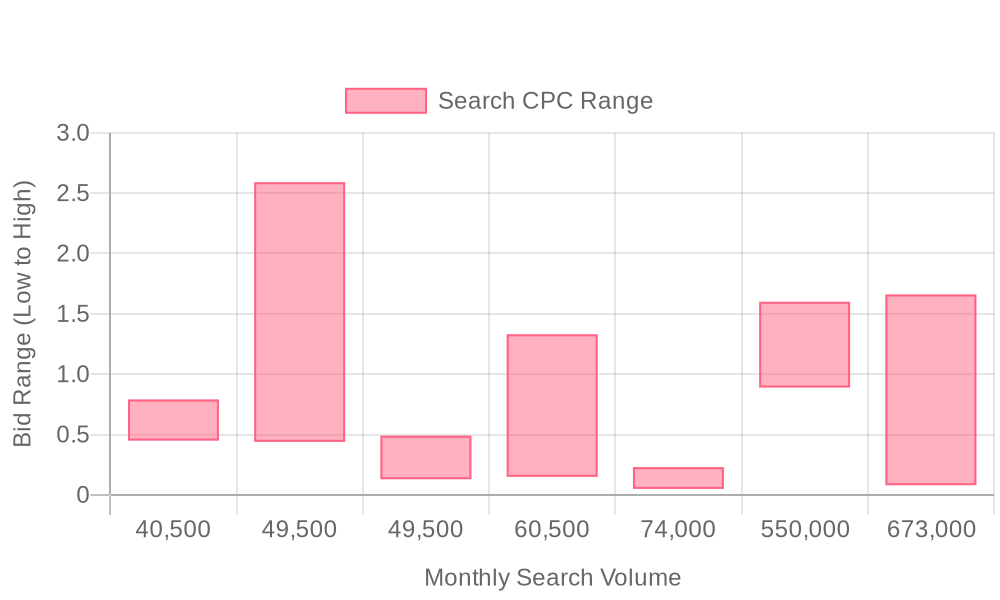
| Industry | Keyword | Monthly Search Volume | Competition Level | Low Bid | High Bid |
| Outlet Stores | mk outlet | 40500 | HIGH | 0.45 | 0.79 |
| Outlet Stores | outlet stores | 49500 | MEDIUM | 0.44 | 2.59 |
| Outlet Stores | tommy hilfiger outlet | 49500 | HIGH | 0.13 | 0.49 |
| Outlet Stores | marc jacobs outlet | 60500 | HIGH | 0.15 | 1.33 |
| Outlet Stores | bealls near me | 74000 | LOW | 0.05 | 0.23 |
| Outlet Stores | kate spade outlet | 550000 | HIGH | 0.89 | 1.6 |
| Outlet Stores | outlet | 673000 | LOW | 0.08 | 1.66 |
Outlet store marketing relies on precision keyword research to connect with high-value customers searching for deals and local offers. Aligning campaigns around phrases like “best Google Ads strategies for outlet sales” and “optimize Google Ads for outlet shopping traffic” ensures that messaging targets shoppers already motivated to convert, driving more effective spend.
- Keyword List Building: Strategically building keyword lists means prioritizing long-tail, product-specific, and branded search terms. Shoppers often search for concrete outlet deals, so including keywords such as “discount Nike sneakers outlet” or “premium handbags outlet sale” captures intent at a critical stage. Keyword trends provides a look at trending terms that can inspire your list and help refine campaign focus.
- Negative Keywords: Refining campaigns with negative keywords, such as “job openings” or “wholesaler,” prevents budget from being allocated to unrelated searches. This targeted exclusion increases the relevance of each click and ensures ads are seen by likely buyers, not job seekers or bulk buyers. The result is a higher return on ad spend and more qualified traffic.
- Data-driven Targeting: Implementing a data-driven keyword strategy involves continuous performance analysis. Marketers benefit from platforms that surface real-time search intent signals, allowing them to quickly identify which search terms lead to genuine engagement and sales. Sona surfaces intent signals that support the discovery of high-converting search terms and help optimize keyword investments.
- Audience Data Sync: In practice, revenue teams can further enhance performance by syncing enriched audience data into campaign targeting. When CRM records and website visitor identities flow directly into Google Ads, keyword targeting grows sharper and more responsive. Google Ads tips shares further tactics for maximizing paid search ROI in retail and outlet environments. This closed-loop feedback ensures every keyword serves a defined business goal, maximizing the impact of the Google Ads budget for outlet stores.
Where to Find Growth Opportunities
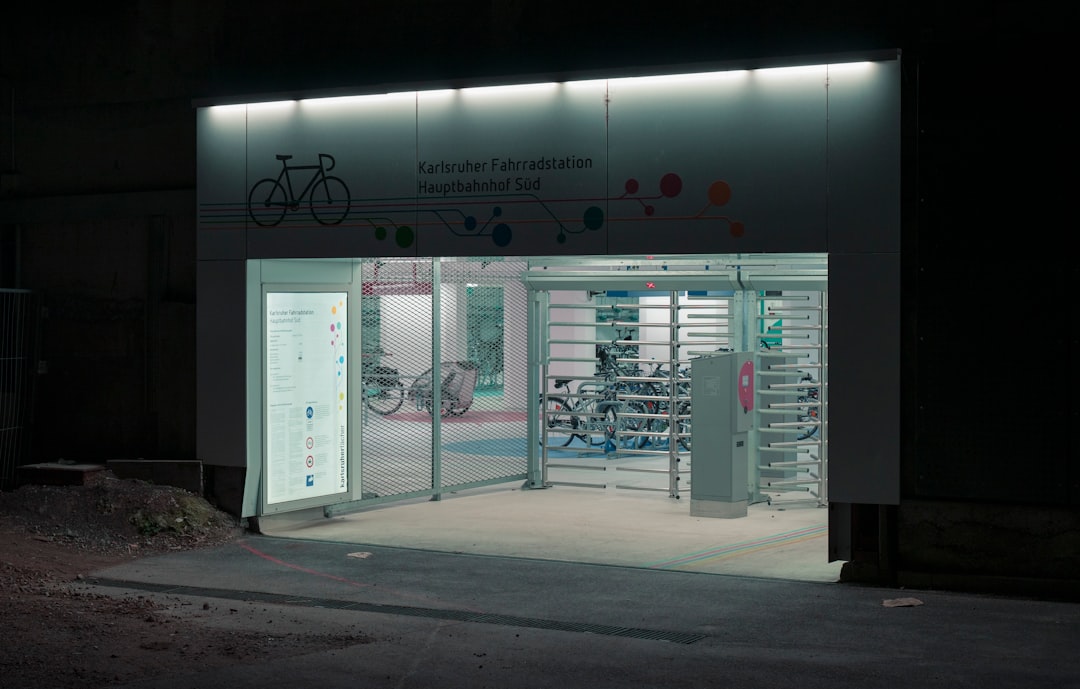
Outlet stores operate in a competitive environment where growth depends on uncovering pockets of demand and strategically allocating ad spend. Success hinges on a data-driven approach that pinpoints unique strengths, minimizes wasted budget, and outmaneuvers rivals by reaching in-market consumers with relevant messaging.
- Utilize Vertical Keyword Targeting: Focusing on vertical-specific keywords unlocks higher-intent audiences searching for outlet-exclusive deals, closeouts, or branded discounts. By layering search terms such as "designer outlet sales," "clearance footwear outlet," or "outlet exclusive promotions," marketers can tap into buyer segments less saturated by full-price retailers. Retail keywords provides a deeper look at this trend and can inspire additional search term ideas to refine your targeting.
- Address Competitive Distinctions: Outlets can stretch their Google Ads budget by spotlighting what makes their offering stand out, exclusive in-store events, limited-time bulk discounts, or new merchandise drops. Competitive differentiation is most effective when paired with dynamic audience segmentation: as leads or visitors engage with these unique offers, platforms like Sona Audiences automatically update audience lists, ensuring only relevant, high-intent prospects receive tailored promotions. This reduces wasted impressions and drives higher engagement from those most likely to convert.
- Competitor Gap Analysis: Regularly reviewing the landscape of other outlet store marketing campaigns reveals gaps where your brand can excel. By analyzing which ad formats, keywords, and landing page experiences drive the highest engagement for competitors, outlets can refine their Google Ads targeting for retail to fill in missed opportunities. For more insights on optimizing campaigns, check out our guide on Google Ads ROAS.
- Industry-specific Placements: Advertising on trade-focused sites, outlet shopper forums, or local event listings increases exposure among high-value audiences. Selecting these placements ensures online advertising for outlet stores reaches buyers already primed for deals, rather than casting a broad net. Shopping case studies shares industry benchmarks for this approach. With CRM and ad sync capabilities, Sona enables seamless integration of these enriched audiences into Google Ads and other channels, keeping your messaging consistent and maximizing relevance across every digital touchpoint.
How to Apply Audience Segmentation for Outlet Stores
Strong audience segmentation empowers outlet store marketers to achieve higher relevance and engagement, translating digital signals into targeted in-store and ecommerce conversions. By leveraging advanced segmentation, brands can efficiently allocate budget toward high-value prospects and minimize wasted spend.
- Define Audience Segments: Begin with clear definitions of your key customer groups, such as local shoppers, deal seekers, and high-frequency buyers. Segmenting by both interests (for example, fashion, outdoor gear, or luxury labels) and location (proximity to outlet centers or recent in-store visits) helps campaigns deliver personalized messaging where it matters most. Many retailers overlook nuanced segments, missing opportunities to target VIP shoppers or seasonal visitors. Advanced platforms enable marketers to pinpoint not just anonymous website traffic, but specific companies, fueling precision outreach and higher returns. Sona's Identity Resolution helps marketers reveal high-value prospects by matching web visitors to known companies.
- Overlay Intent Signals: Enhance your segments by overlaying intent data, such as real-time searches for “holiday outlet deals” or “outlet store clearance.” This alignment ensures campaigns surface when purchase intent is at its peak. With real-time behavioral insights, marketers can instantly shift bidding and creative toward audiences most likely to convert, such as shoppers who recently engaged with sale pages or requested store directions. Intent Retargeting provides practical strategies for leveraging first-party intent signals to maximize campaign performance.
- Create Custom Ad Groups By Segment: Craft tailored ad groups for each segment, using creative that speaks directly to their interests and behaviors. For example, a “Back-to-School” campaign might target local parents with exclusive outlet discounts, while a “VIP Early Access” campaign reaches loyalty members with first-look offers. Integrating CRM data with ad platforms allows for seamless syncing of enriched audience lists, driving more personalized engagement and streamlined retargeting. Marketers benefit from advanced attribution tracking, capturing both online and offline conversions to measure true ROI across the full customer journey.
A data-driven approach to audience segmentation ensures outlet store marketing campaigns are always relevant, actionable, and primed for maximum impact. By combining granular segmentation, live intent signals, and integrated CRM syncing, marketers can transform generic outreach into high-performing, revenue-focused campaigns that keep pace with today’s retail landscape. For a deeper look at connecting in-store and online audiences, Connect In-Store and Online offers practical examples and best practices.
This is also where measurement changes the economics. With Sona Marketing Measurement you can identify the companies behind your ad clicks, not just anonymous sessions, and segment audiences by who actually becomes a customer. That lets you build bid adjustments and audience signals around the segments that convert and de-prioritize the ones that don't, so you feed Google's algorithms "this click became a paying outlet stores customer" instead of just "someone filled out a form."
Step-by-Step Campaign Execution Framework
Step 1: Build Targeted Keyword Lists
Outlet stores benefit from granular keyword strategies that capture both local and high-intent shoppers. Including modifiers such as “near me,” “outlet deals,” and location-specific phrases ensures campaigns reach users actively searching for nearby discounts and in-store promotions. One analysis in marketing keywords explores how action-driven terms like “shop now,” “clearance,” or “store pickup” can further engage audiences closer to a purchase decision.
Advanced platforms help retail marketers move beyond surface-level traffic by pinpointing which companies and in-market buyers are actually searching their branded and non-branded terms. This shifts keyword prioritization from guesswork to data-driven allocation, so Google Ads budgets for outlet stores are consistently focused on the most conversion-ready segments. For more insights on leveraging first-party intent, check out our guide on retargeting with intent.
Step 2: Develop Compelling Ad Copy
Effective ad copy for outlet store campaigns balances urgency and exclusivity, using clear calls-to-action and value propositions like “extra 20% off today only” or “visit our outlet for exclusive markdowns.” Messaging should align with real-time product availability, local events, and store-specific promotions to encourage immediate engagement from both online and in-store shoppers. By testing multiple ad variations, teams can identify which offers and phrasing drive the highest click-through and conversion rates.
Integrated data solutions enable marketers to dynamically update ad copy and assets based on inventory changes, new promotions, or shifting customer interests. Solutions such as Sona Destinations help outlet marketers route each shopper to the offer or landing page that matches their intent, keeping creative aligned with what's actually in stock.
Tips on Expanding Your Outlet Store Presence
Expanding an outlet store’s reach requires a blend of cohesive messaging and strategic channel selection to capture attention at every step of the shopper journey. A unified approach across digital platforms ensures that customers experience a consistent brand narrative, whether they discover your store via paid search, social feeds, or local event listings.
- Cross-channel Promotion: Integrate retargeting efforts between Google Ads and major social media platforms to maintain continuous engagement. For outlet stores, synchronizing retargeting lists across networks prevents message fatigue while reinforcing promotional offers to high-intent shoppers. With advanced visitor identification and real-time intent signals, marketers can dynamically shift budgets to prioritize audiences most likely to convert. Platforms like Sona Audiences help you activate enriched audience data across ad channels so your campaigns stay relevant as shopper interests evolve.
- Leverage Partnerships: Collaborate with local business directories and event organizers to unlock new audiences and strengthen community ties. Co-branded campaigns increase reach by tapping into complementary customer bases and lend authenticity to your outlet store’s marketing. One analysis in the Capricorn Overview explores how outlet retailers can benefit from partnership-driven strategies and local collaborations.
- Localize Advertising Efforts: Tailor outreach to specific geographic regions by customizing ad creative, offers, and landing pages. Effective local advertising for outlet stores uses granular location targeting within Google Ads, allowing you to serve personalized messages based on proximity, demographic trends, and local shopping behaviors. For more insights on optimizing local campaigns, check out our guide on Google ROAS. Advanced conversion tracking unifies online clicks and offline store visits, revealing which localized campaigns deliver measurable ROI. Integrating real-time location-based audience updates ensures that promotions are seen by shoppers actively searching for deals in your area, driving both digital engagement and in-store traffic.
Beyond Google Ads: Winning the AI Answers Outlet Stores Buyers Now Trust
Paid search captures demand at the moment someone types a query. But a fast-growing share of outlet stores buyers no longer start at Google at all, they ask ChatGPT, Gemini, or Perplexity before they ever run a search, and Google's own AI Overviews increasingly summarize an answer above the traditional results. If your business isn't referenced in those AI answers, you're invisible at the exact moment buyers build their shortlist.
Sona AI Visibility shows where your business shows up across ChatGPT, Gemini, Perplexity, Google AI Overviews, and 10+ engines, and, much like a keyword report, which prompts actually send you buyers, so you can prioritize the ones that convert. Run the two together and you cover the entire buyer path: get cited where buyers research (AI Visibility), then prove which of that demand turns into booked revenue (Marketing Measurement).
Helpful resources
Conclusion
Outlet retail runs on markdowns, rotating inventory, and shoppers who are ready to buy now, and Google Ads is the channel best built to meet that urgency with the right offer at the right moment.
The next shift for outlet marketers isn't just running these campaigns, it's connecting them to AI-driven discovery. As shoppers increasingly ask AI assistants for deal recommendations before they search, pairing tight Google Ads execution with visibility into those AI answers will decide who captures the next wave of bargain hunters.
FAQ
What are the best practices for Google Ads for outlet stores?
Best practices include data-driven targeting, optimizing keyword strategies, crafting compelling ad creatives, syncing online and offline efforts, and tracking and optimizing performance.
How can I optimize my Google Ads for an outlet store?
Optimize by using data-driven targeting, refining keyword strategies with local intent modifiers, crafting personalized ad creatives, syncing campaigns with CRM data, and ensuring accurate performance tracking.
What budget should I set for Google Ads for outlet stores?
The budget should be aligned with targeted strategies that prioritize high-intent audiences and conversion-ready segments, focusing resources on real revenue drivers.
Do Google Ads effectively drive traffic to outlet stores?
Yes, Google Ads can effectively drive both online and in-store traffic by capturing high-intent shoppers and integrating digital campaigns with in-store promotions.
What types of ads work best for promoting outlet stores?
Effective ad types include search campaigns, display ads, video ads, remarketing, and shopping ads, each tailored to capture high-intent shoppers and promote store-specific offers.







