


Puppet stores sell to a narrow, devoted audience, and that changes how Google Ads should work for them. A parent shopping for a marionette to spark a child's imagination, a teacher sourcing shadow puppets for a unit on folklore, and a collector hunting a limited run search differently, and all convert differently. The recurring problem is that most of this traffic arrives anonymous: someone browses the workshop page or the collector's catalog, leaves without filling out a form, and disappears. Identity resolution now lets stores recognize the companies and households behind that traffic and fold them back into targeted campaigns, so budget follows real buyers instead of cold clicks. This guide walks through building Google Ads campaigns that reach puppet enthusiasts, convert that interest into sales, and measure what's actually working.
How to Generate Google Ads for Puppet Stores Leads: A Step-by-Step Guide

Puppet stores thrive by connecting with passionate audiences who value craftsmanship and unique storytelling. To consistently generate quality leads, your Google Ads strategy must be tightly aligned with the nuanced interests and purchase journeys of puppet enthusiasts and buyers in the craft market.
Many high-intent visitors browse extensively but never submit a form, so a strategy needs a way to capture and nurture them anyway. Sona's Identity Resolution supports real-time visitor identification and behavior analysis, letting you move past anonymous website traffic and pinpoint the puppet fans most likely to convert.
- Utilize Audience Insights And Demographics To Pinpoint Puppet-loving Communities: Tap into Google’s robust audience data to identify segments such as parents of young children, educators, collectors, and performing arts enthusiasts. By layering in behavioral insights, like users who research traditional crafts or attend local theater events, you can direct your budget to those most likely to engage. LeadsBridge guide provides a deeper look at this trend and how retail marketers are unifying audience insights with CRM and website analytics to create more agile campaigns.
- Integrate Creative Ad Assets Specific To Puppet And Toy Interests: Enhance your ads with callouts, sitelinks, and structured snippets that speak directly to puppet store value propositions: "Handmade marionettes," "Puppet-making workshops," or "Limited-edition collector’s pieces." Ad assets that update based on user intent and site activity raise click-through rates and add a personalized touch that stands out in the crafts and handmade goods vertical.
- Measure Success With Clear, Sector-specific Conversion Tracking: Implement advanced conversion tracking that attributes both online and offline interactions, such as workshop sign-ups, custom order inquiries, or in-store purchases, to your Google Ads spend. We’ve covered best practices for revenue attribution in revenue attribution guide, which can help you sync conversion events with your sales and marketing platforms and gain a full view of ROI.
Executing these steps transforms your Google Ads for Puppet Stores approach from generic outreach into a data-driven, high-precision engine for lead generation and sales growth. This methodology ensures that every dollar invested in digital marketing for puppetry and crafts is traceable, scalable, and aligned with your business goals.
Why Does Google Ads Matter for Puppet Stores?

Puppet stores operate in a unique market where passionate audiences and specialty products intersect, creating both opportunity and complexity for digital marketing. Precision is critical: reaching educators, collectors, and families at the right moment drives both sales and long-term engagement in a niche that thrives on storytelling and craftsmanship.
Google Ads gives puppet shops the ability to pinpoint active buyers, whether they're searching for handmade marionettes, educational kits, or tickets to a local puppet show. Complex targeting options ensure that each campaign is visible to those who matter most, reducing wasted spend and boosting the impact of every dollar invested. By identifying which companies and decision-makers are interacting with key product or event pages, marketers can prioritize follow-up efforts, improving both speed and relevance, Niche Marketing with Google Ads provides a deeper look at this trend.
Campaigns built for puppet stores unlock high-impact opportunities, such as spotlighting limited-run performances or exclusive puppet collections. This immediacy is especially valuable during festival seasons, school procurement cycles, or theatrical tours, where capturing demand in real time turns interest into conversions. With detailed ROI analysis, puppet retailers and theater companies can track every interaction, online and offline, ensuring that resources are focused on the highest-performing channels and audiences.
Modern solutions now allow marketers to move beyond generic visitor data. Sona's Identity Resolution identifies the companies and households behind site visits and automatically updates audience segments based on real-time engagement, giving puppet retailers the edge to retarget those most likely to convert. This unified approach to data and audience management transforms Google Ads from a simple acquisition channel into a strategic growth engine for puppet store advertising and marketing.
Common Types of Google Ads Campaigns for Puppet Stores

Puppet stores experience the greatest marketing returns when they align campaign types to the buyer’s journey, tailoring each stage to specific intent and engagement opportunities. Segmenting campaigns by audience attributes and purchase readiness not only boosts relevance but also increases ROI for handmade and specialty puppet offerings.
- Search Campaigns: These campaigns attract high-intent puppet collectors, educators, and gift buyers as they actively search for handcrafted puppets, puppet theater supplies, or unique gifts. By layering granular keyword targeting with enriched audience data, marketers can serve seasonal collections and personalized offers to buyers showing strong purchase signals. Search here often splits into two intents worth bidding separately: the parent or hobbyist buying a single piece, and the school or theater group placing a bulk or recurring order. Sona's Identity Resolution helps stores identify and segment these high-potential visitors, including the schools and organizations behind bulk-order searches, for more effective sales outreach.
- Display Ads: Display campaigns keep your puppet brand visible across the web, using striking visuals and branded banners on craft, education, and family-focused sites. This approach maintains awareness among both new and returning audiences, especially when dynamic audience segments automatically update as users interact with different touchpoints. See Display Ads for Retail for a deeper look at how display ads can drive retail engagement and conversion.
- Video Ads: Puppet performances, behind-the-scenes footage, and artisan stories are best showcased through video ads, which drive emotional connection and product understanding. These campaigns are particularly effective for building brand equity and educating audiences on the unique value of handmade puppets. Real-time intent signals from video viewers help marketers identify which segments are most engaged, enabling rapid adjustments in spend and messaging to maximize conversions.
- Remarketing: Remarketing campaigns re-engage visitors who browsed puppet products, educational kits, or performance tickets but did not complete a purchase, a group worth cultivating given how often a puppet purchase is planned around a birthday, a school term, or a holiday show rather than bought on impulse. Dynamic audience lists update automatically as users revisit the site or engage with new offers, keeping follow-up timely. Advanced conversion tracking, covering both online and offline actions such as workshop registrations or phone orders, gives a complete view of performance and guides budget allocation. For more, see our guide on Intent Retargeting. Within Search, note that Responsive Search Ads are an ad format, not a separate campaign type, and Performance Max is worth testing as a fifth structure for pulling remarketing, Display, and Search signals into one automated campaign.
Adopting these campaign types, combined with unified audience data and intent insights, empowers puppet stores to deliver highly relevant, timely messages at every stage of the customer journey. This approach transforms engagement from broad awareness to precise, conversion-driving interactions that accelerate both online and in-store sales.
Where to Find Growth Opportunities?

Puppet stores operate in a specialized market where static approaches quickly lose effectiveness as audience preferences change. Proactive growth relies on uncovering new channels and leveraging adaptable digital tactics that keep campaigns relevant and visible.
- Vertical Keywords: Expanding beyond generic terms to include specific puppet types, accessories, and related crafts attracts high-intent buyers who are actively searching for niche products. For example, targeting phrases like "hand-carved marionette," "shadow puppet kits," or "puppet repair supplies" can drive better-qualified traffic than broad “puppet store” keywords. By analyzing real-time search trends and updating keyword lists dynamically, marketers can ensure their ads surface for emerging queries, capturing audiences that static keywords miss. Learn more in Google Ads niche markets.
- Competitor Analysis: Investigating competitor gaps provides an advantage, especially in areas like workshops, cultural events, and puppet festivals where demand often outpaces supply. Monitoring the market for under-served interests, such as bilingual puppet shows, themed classes, or festival merchandise, lets stores position themselves as the go-to resource. Integrating behavioral data from ad engagement and CRM signals allows teams to quickly spot and act on these market gaps, focusing budget on high-converting opportunities as they emerge. For more insights, read our guide on cold outreach intelligence.
- Content Retargeting: Educational materials and how-to resources are powerful tools for nurturing potential customers. By retargeting visitors who engage with blog posts or instructional videos, puppet stores can reintroduce products and events at the precise moment users demonstrate interest. When audience segments update automatically based on new behaviors, such as downloading a puppet pattern or signing up for a workshop, ads remain relevant and conversion-focused. Real-time syncing between website, CRM, and ad platforms keeps retargeting lists fresh, ensuring creative is always tailored to current user needs and stage in the buying journey.
Growth-focused puppet shops embrace tools that unify web, CRM, and ad platform data to identify high-intent visitors, measure cross-channel performance, and continuously refresh audience targeting. Solutions such as Sona Audiences support segmentation and dynamic retargeting, transforming fleeting interest into loyal, engaged communities, and driving both online sales and in-person participation.
How to Apply Audience Segmentation for Puppet Stores
Effective audience segmentation is foundational to elevating online marketing for puppets and driving consistent growth for puppet stores. Segmenting audiences ensures each advertising message resonates with the right buyer, from educators sourcing classroom kits to families seeking interactive entertainment.
- Define Specific Segments: Begin by identifying unique buyer profiles within the puppet niche. Segment those interested in puppet kits, educational materials, and DIY sets separately from customers drawn to full-scale puppet shows or collector-grade marionettes. This clarity enables puppet store advertising to deliver relevant content and product recommendations, which increases engagement and click-through rates. Learn more about segmentation.
- Create Customized Ad Groups: Build ad groups around these segments, tailoring ad copy, visuals, and incentives to each group’s intent and pain points. For example, ads for schools should emphasize educational outcomes and group pricing, while ads for collectors might highlight craftsmanship and exclusivity. Using dynamic audience management, marketers can automatically update these segments as leads move from browsing to purchasing, ensuring campaigns stay relevant and timely.
Combining segmentation with real-time data from ad and CRM integrations allows puppet store PPC campaigns to track both online and offline conversions. This approach delivers a unified view of audience behavior, empowering revenue teams to shift spend toward high-converting groups and optimize Google Ads targeting for toys or handmade goods. For more insights on maximizing campaign performance, check out our guide on improving Google Ads ROAS. By syncing enriched audience data into advertising platforms, puppet shops can reach the right prospect at the perfect moment, driving measurable improvements in ROI and customer lifetime value.
This is also where measurement changes the economics. With Sona Marketing Measurement you can identify the companies behind your ad clicks, not just anonymous sessions, and segment audiences by who actually becomes a customer. That lets you build bid adjustments and audience signals around the segments that convert and de-prioritize the ones that don't, so you feed Google's algorithms "this click became a paying puppet stores customer" instead of just "someone filled out a form."
Keyword Strategy & Sample Target Terms
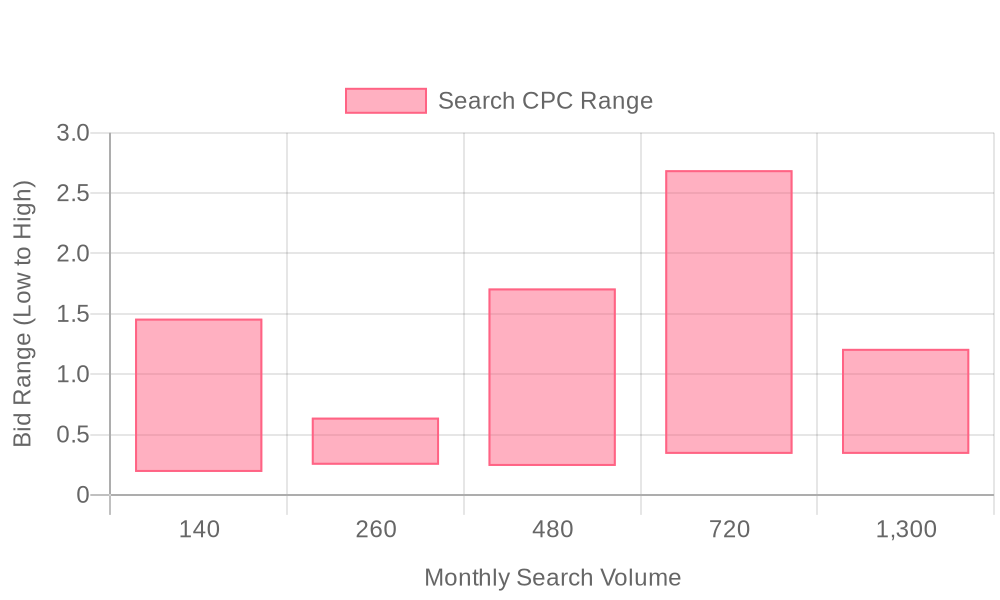
| Industry | Keyword | Monthly Search Volume | Competition Level | Low Bid | High Bid |
| Puppet Stores | silly puppets store | 140 | HIGH | 0.19 | 1.46 |
| Puppet Stores | lakeshore learning puppets | 260 | HIGH | 0.25 | 0.64 |
| Puppet Stores | puppet shop | 480 | HIGH | 0.24 | 1.71 |
| Puppet Stores | puppet stores near me | 720 | HIGH | 0.34 | 2.69 |
| Puppet Stores | puppet stores | 1300 | HIGH | 0.34 | 1.21 |
A robust keyword strategy forms the foundation of high-performing Google Ads campaigns for puppet stores. By focusing on terms users actually search for during the buying process, marketers can capture interest from collectors, educators, and families seeking unique puppet-related products and experiences. This approach not only drives qualified traffic but also ensures ad spend is allocated where it delivers the most impact for both online and in-store sales.
- Primary Keywords: Targeting high-intent phrases like "handcrafted puppets," "puppet shows," and "custom puppet designs" ensures campaigns reach prospects who are actively considering a purchase or event attendance. These terms capture both transactional and discovery-stage visitors, driving more direct conversions and inquiries for bespoke puppet products.
- Long-tail Queries: Incorporating specific phrases such as "how to use puppets in classrooms" and "buy puppets near me" allows campaigns to surface for niche, high-conversion searches. These long-tail queries attract educators looking for classroom resources and local shoppers ready to buy, translating to lower cost-per-click and higher conversion rates. Retargeting strategies provide practical approaches for leveraging unified intent data to spot emerging trends and optimize ad spend.
- Negative Keywords: Excluding irrelevant searches, such as "cheap toys," "DIY puppet templates," or unrelated crafts, helps maintain efficiency by preventing wasted spend. A dynamic negative keyword list, updated through ongoing analysis of search term reports, keeps ad budgets focused on qualified prospects. One analysis in Google Ads guidance explores how conversion data can be used to refine negative keywords and align campaigns with actual sales outcomes.
With real-time visitor identification and intent monitoring, marketers can go beyond basic keyword lists to update target terms as new high-intent segments emerge. Sona's Identity Resolution helps marketers recognize and respond to these audience shifts, powering more agile and precise campaign optimizations. This continuous optimization cycle directly supports online marketing for puppets, Google Ads strategies for crafts, and digital marketing for puppet shops striving for measurable growth.
Step-by-Step Campaign Execution Framework
A high-performing Google Ads strategy for puppet stores is built on precision and continuous refinement. This framework enables marketers to focus resources on the highest-value opportunities, drawing actionable insights from data and real customer behaviors.
By aligning ad messaging with the unique artistry and audience of puppet stores, marketers can build campaigns that not only drive online sales but also foster brand loyalty among collectors, families, and educators. The following steps outline a practical approach to maximize every stage of the campaign lifecycle.
Step 1: Build Targeted Keyword Lists
Develop keyword lists that go beyond basic product descriptors. Incorporate specific modifiers such as puppet types ("handcrafted marionettes," "shadow puppets for schools") and relevant show locations or cultural events ("puppet festival tickets Chicago," "puppetry workshops online"). This granular approach increases ad relevance and quality scores, ensuring ads reach high-intent buyers and local enthusiasts. By leveraging unified data from your CRM and web analytics, you can identify high-converting search terms and dynamically update your keyword sets as audiences shift and new trends emerge.
Pairing real-time visitor identification with your ad platform lets you pinpoint not just anonymous visitors but the actual schools or organizations researching puppet-related products. Sona's Identity Resolution helps uncover these high-value web visitors so you can prioritize ad spend on the segments most likely to convert.
The upgrade most puppet stores advertisers miss is going beyond raw keyword volume to layer in intent and identity signals. By connecting website-visitor data and CRM records with Sona Marketing Measurement, you can see which specific search terms bring in the accounts and customers that actually convert, and weight your keyword and bidding strategy toward those rather than the terms with the highest search volume alone.
Step 2: Develop Compelling Ad Copy
Effective ad copy for puppet store advertising highlights the craftsmanship, heritage, and exclusivity of your products. Focus messaging on unique selling points such as limited editions, artisan collaborations, educational benefits, and seasonal promotions. Tailor headlines and descriptions to resonate with your core audience: for example, emphasize "made for classrooms," "collectible artistry," or "interactive storytelling kits" depending on the segment you are targeting.
A/B testing becomes more powerful when connected to real behavioral insights. For tips on campaign optimization, check out our guide on Google Ads ROAS. By syncing remarketing audiences and intent signals from your database, you can personalize copy based on a lead's prior engagement or lifecycle stage. This creates a dynamic cycle where ads evolve alongside your audience, driving higher engagement and lower acquisition costs.
Step 3: Design Effective Landing Pages
Every click from your Google Ads for puppet stores should lead to an engaging, conversion-focused landing page. Showcase high-resolution images, workshop videos, and customer testimonials to immerse visitors in the world of handmade puppetry. Streamline the navigation so buyers can easily browse puppet types, book workshops, or make custom inquiries. Embed clear calls-to-action, and make checkout or inquiry forms frictionless.
With advanced tracking, you can link landing page performance directly to individual ad groups and keywords. This closed-loop measurement allows you to identify which content and layouts best move prospects from interest to purchase. See Google Ads retail impact for a deeper look at this trend and how retailers measure Google Ads impact. As audience data syncs across your CRM and ad platforms, landing pages can be dynamically personalized for repeat visitors, boosting return rates and average order value.
Step 4: Implement Data-Driven Optimizations
Constant optimization is critical for sustainable growth in puppet store online sales. Use conversion tracking to monitor which ads, keywords, and audiences deliver actual sales or leads, not just clicks or impressions. Adjust bids and budgets in real time based on observed conversion rates, customer lifetime value, and funnel progression. Integrate both online and offline touchpoints, so attribution reflects workshop bookings, retail visits, and digital purchases.
Automated syncing between your CRM and ad campaigns ensures that enriched audience segments, such as past buyers, event attendees, or high-value B2B leads, are always up to date. Dynamic audience creation allows for precise retargeting and lookalike modeling as prospects move through the funnel. By unifying your marketing and sales data, you gain a holistic view of campaign impact, confidently investing where ROI is proven and scaling what works for puppet store PPC.
Sona Marketing Measurement closes the gap between clicks and revenue. It captures every ad click with first-party, company-level tracking, then ties that click through UTM capture and ad-platform APIs to the actual record in your CRM, and reports ROAS by keyword and campaign instead of by last-click form fill. Feeding that revenue signal back into Smart Bidding and Performance Max compounds over time: the algorithms optimize toward booked puppet stores revenue, not cheap leads.
Tips on Expanding Your Puppet Store Presence
Puppet stores achieve sustainable growth through strategic partnerships, authentic community engagement, and targeted digital outreach. By focusing on these pillars, store owners can consistently increase both audience reach and conversion rates, transforming occasional interest into long-term customer relationships.
- Cross-promotion: Forming alliances with complementary niche craft businesses provides fresh exposure to engaged audiences. Co-branded workshops, shared events, or social collaborations connect your puppet store with buyers who value artisan quality and unique experiences. This approach not only diversifies your customer base but also creates authentic referral pathways that drive new sales opportunities. For more insights on maximizing partnership-driven sales, check out our guide on affiliate partnerships.
- Use Local Seo: Enhancing your store’s presence in local searches is critical, especially for attracting event-goers, educators, and families. Optimize your Google Business Profile, create location-specific landing pages, and participate in local directories related to arts or children’s activities. Incorporating keywords such as "puppet store near me" or "handmade puppets in [city]" into your content ensures higher visibility for nearby searchers ready to purchase or visit.
- Leverage Digital Footprint: Engaging in puppet- and craft-related online communities deepens your connection to core enthusiasts. Share behind-the-scenes content, participate in relevant forums, and showcase your expertise in digital groups dedicated to puppetry and handmade crafts. These efforts expand organic reach and foster brand loyalty among people who influence purchasing decisions within their networks. Puppet work marketing provides a deeper look at this trend.
Integrating Google Ads into your puppet store’s marketing mix unlocks powerful targeting capabilities. You can reach specific audience segments, such as parents, educators, or collectors, by aligning campaign messaging and ad creative with their interests and behaviors. For stores using advanced data solutions, visitor identification and CRM enrichment let marketers move beyond anonymous web traffic and toward the actual companies showing genuine buying intent. Sona's Identity Resolution helps recognize qualified website visitors and supports more accurate budget allocation, focusing spend on high-potential leads and building dynamic audiences that update as prospects move through the buying journey. The result is qualified leads, stronger brand awareness, and measurable sales growth in a crowded market.
Beyond Google Ads: Winning the AI Answers Puppet Stores Buyers Now Trust
Paid search captures demand at the moment someone types a query. But a fast-growing share of puppet stores buyers no longer start at Google at all, they ask ChatGPT, Gemini, or Perplexity before they ever run a search, and Google's own AI Overviews increasingly summarize an answer above the traditional results. If your business isn't referenced in those AI answers, you're invisible at the exact moment buyers build their shortlist.
Sona AI Visibility shows where your business shows up across ChatGPT, Gemini, Perplexity, Google AI Overviews, and 10+ engines, and, much like a keyword report, which prompts actually send you buyers, so you can prioritize the ones that convert. Run the two together and you cover the entire buyer path: get cited where buyers research (AI Visibility), then prove which of that demand turns into booked revenue (Marketing Measurement).
Helpful resources
Conclusion
The puppet trade will keep splitting into two buyer types Google Ads must serve at once: the one-time gift buyer chasing a specific marionette, and the school or theater group placing a recurring order. Campaigns that tell those two apart, and that feed Google's bidding systems real signal about which clicks became paying customers rather than just form fills, are the ones that compound. That's the shift worth making next: fewer campaigns aimed at generic "puppet store" traffic, more built around the accounts and intent signals that already show who's ready to buy.
Ready to take the next step? Start a free trial to see how Sona simplifies campaign management and ties ad spend to real revenue.
FAQ
How can I effectively use Google Ads for my puppet store?
To effectively use Google Ads for your puppet store, align your ads with the interests of puppet enthusiasts, utilize audience insights to target specific communities, integrate creative ad extensions, and implement sector-specific conversion tracking to measure success.
What are the best practices for advertising puppets online?
Best practices include targeting specific audience segments like educators and collectors, using detailed keyword strategies, creating compelling ad copy and landing pages, and continuously optimizing based on conversion data.
Can I get a Google Ads credit for my puppet store?
The article does not mention Google Ads credits specifically, but it suggests leveraging tools and strategies to maximize your ad spend.
What keywords should I target for puppet-related ads?
Target keywords like 'handcrafted puppets,' 'puppet shows,' 'custom puppet designs,' and long-tail phrases such as 'how to use puppets in classrooms' and 'buy puppets near me' to capture high-intent buyers.
How do I measure the success of my Google Ads campaigns for puppets?
Measure success by implementing advanced conversion tracking for both online and offline interactions, and use ROI analysis to evaluate the effectiveness of your campaigns.







