


A customer searching for "linen fabric near me" at 9pm is usually not browsing, she's finishing a project this weekend and needs to know who has the bolt in stock. Fabric stores that miss this narrow window of active search intent lose the sale to whichever competitor answers first. Google Ads gives fabric retailers a way to meet that moment directly, serving timely, relevant ads based on real purchase intent rather than hoping foot traffic finds them. Done well, it aligns a store's online presence with the offline habits of people who still want to touch a swatch before they buy.
How to Generate Fabric Store Leads with Google Ads: A Step-by-Step Guide
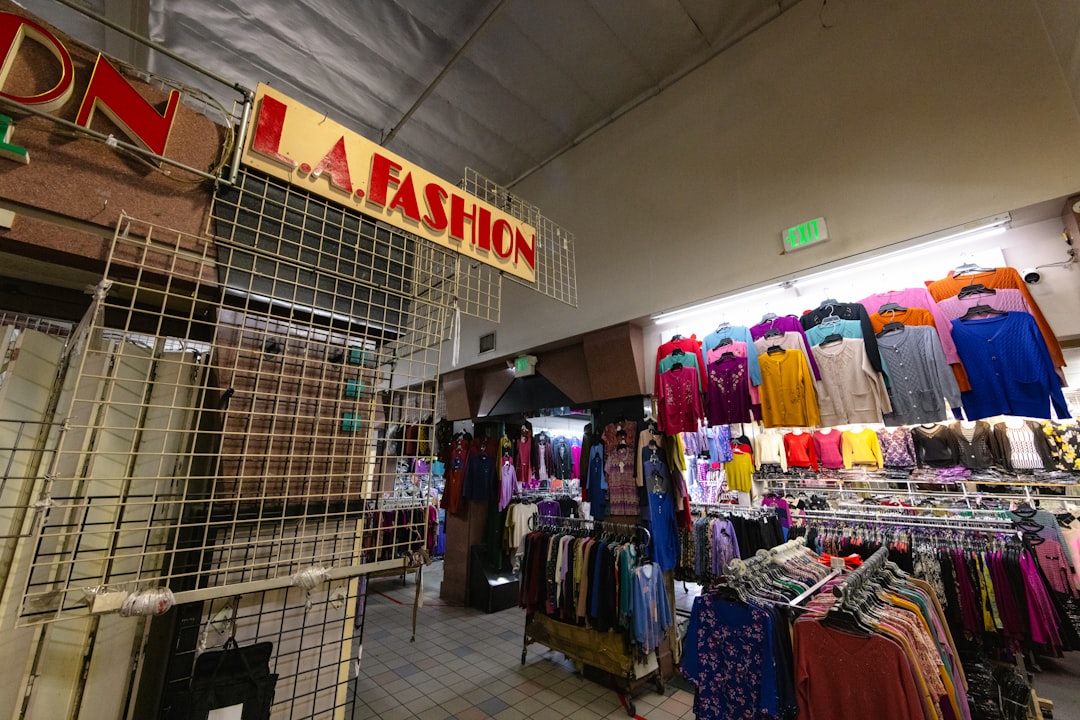
A successful Google Ads strategy for fabric stores transforms casual browsers into qualified leads by combining intent-focused targeting with actionable data. Businesses that unify audience insights across channels can identify high-value prospects and optimize their spend for measurable growth.
By addressing pain points such as unqualified traffic and conversion gaps, fabric retailers unlock new efficiencies in lead generation. Integrating conversion, attribution, and audience data into a single workflow helps prioritize high-converting accounts and streamline the lead journey.
- Develop Data-driven Keyword Lists: Building effective keyword lists starts with understanding the specific buying triggers for the fabric segment. Focus on a blend of high-intent keywords like "seasonal fabric sales" and "Christmas fabric collections," which attract shoppers ready to purchase. Incorporate long-tail terms such as "online fabric store marketing" to capture niche searches. Utilize negative keywords to prevent budget waste from irrelevant clicks, ensuring your Google Ads budget for fabric stores is allocated to prospects most likely to convert. See craft store keywords for deeper insights into relevant keyword opportunities.
- Target Precisely With Google Ads Features: Effective Google Ads targeting for fabric stores starts with local keywords like "fabric store near me" and extends to granular demographic and behavioral segmentation. By leveraging platforms that identify the companies behind previously anonymous site visits, marketers can retarget high-value audiences who have shown genuine purchase intent. Solutions such as Sona Audiences support dynamic audience segmentation and retargeting, helping marketers reach the right fabric shoppers at the right stage of their journey.
- Craft Compelling Ad Copy And Design: Success in advertising fabric business offerings hinges on creative messaging that differentiates your store. Feature unique selling points such as "exclusive fabric collections" or "fabric discount codes" to entice clicks. Enhance your ads with assets, adding location, call, and structured snippet assets, to improve visibility and engagement. As inventory shifts and new collections arrive, updating ad copy to reflect what's actually in stock keeps your message honest and current.
- Optimize Landing Pages For Conversion: Landing pages must align tightly with ad intent, guiding users directly to the fabric categories or promotions highlighted in your ads. Prioritize a seamless buying experience: intuitive navigation, prominent CTAs such as "Shop New Arrivals," and easy-to-access swatch ordering. Robust data synchronization between ad platforms and onsite behavior allows fabric retailers to track conversions more accurately, connecting digital ads to both online and offline sales for a holistic view of Google Ads ROI for fabric businesses.
- Implement Continuous Performance Enhancements: Optimization is ongoing in Google Ads campaigns for textiles. Regular A/B testing of ad variants reveals which creative approaches drive the highest engagement. Advanced analytics provide a unified view of performance metrics across paid search, display, and offline activity. By bringing together conversion data from all touchpoints, marketers can refine their Google Ads strategies for textiles, shifting budget to the channels and audiences that deliver the best ROI. When audience and performance data sync seamlessly with CRM and sales platforms, teams gain clarity on which campaigns move the needle, powering smarter spending and accelerated growth.
Why Does Google Ads Matter for Fabric Stores?
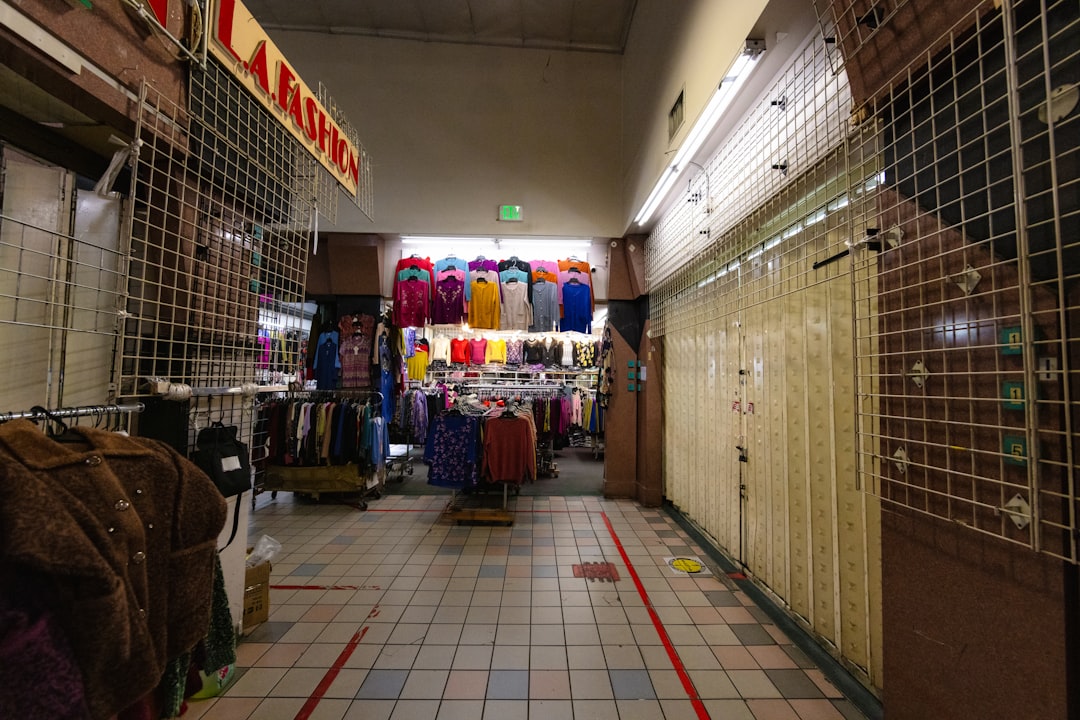
Fabric retailers operate in a visually driven, highly competitive market where attracting the right buyers depends on precision and actionable insights. Leveraging Google Ads provides a direct line to shoppers actively searching for specific materials, patterns, or local store options, allowing fabric businesses to capture demand exactly when and where it arises.
- Localized And Seasonal Marketing: Targeted local campaigns enable fabric stores to reach customers searching within their region, while seasonal promotions can be timed to coincide with surges in demand for fabrics related to holidays or special events. Google Ads best practices provide a deeper look at effective campaigns in retail.
- Highly Visual Product Features: Video ads and rich media formats showcase fabric textures, colors, and applications in detail, fostering immediate engagement on channels like YouTube and the wider Google ecosystem. By analyzing how users interact with visual content, marketing teams can continuously refine their creative approach, using real-time engagement data to inform subsequent campaigns and maximize conversion rates.
- Detailed Audience Insights: Integration with innovative CRM and data platforms allows fabric businesses to move beyond generic targeting. Platforms like Sona Audiences help segment and prioritize high-fit visitor groups, enabling marketers to dynamically update audiences as prospects progress through the funnel and ultimately improve Google Ads ROI for fabric businesses.
Common Types of Google Ads Campaign for Fabric Stores
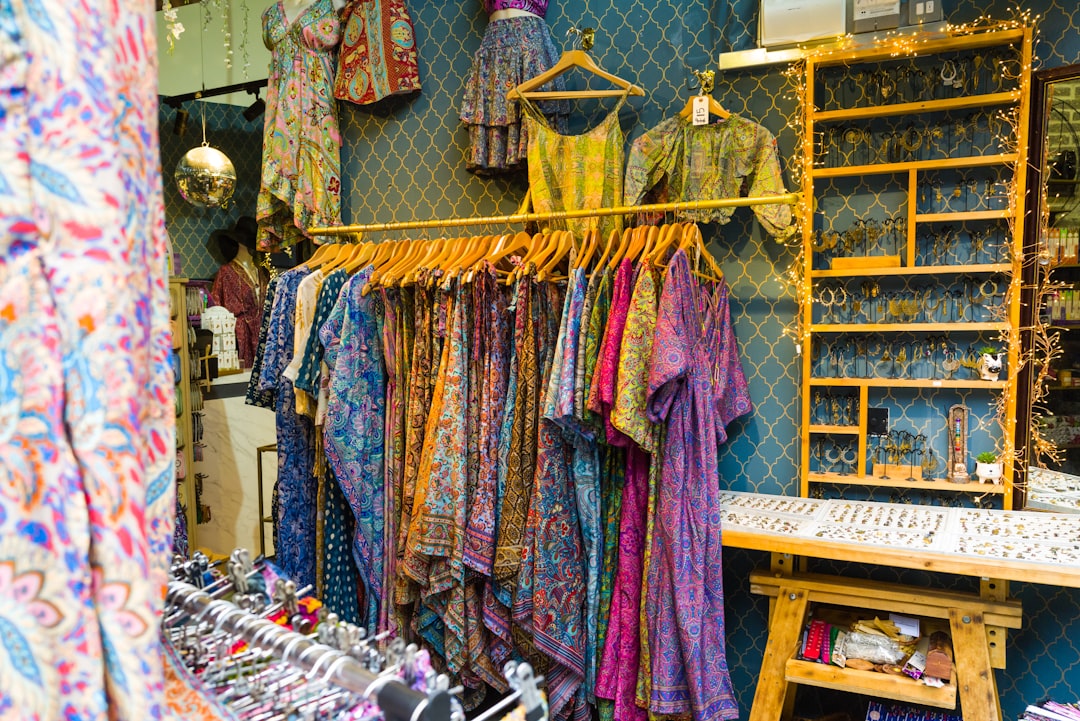
Fabric businesses can leverage Google Ads to drive targeted traffic and measurable growth at every stage of the buyer journey. Choosing the right campaign type ensures your ads reach high-intent buyers, boost brand awareness, and re-engage prospects who are close to converting.
- Search Campaigns: These campaigns capture active buyers searching for solutions like "buy fabric online" or "discount upholstery fabric." By targeting such high-intent queries, fabric retailers ensure each click comes from shoppers already primed for purchase. With advanced intent data and company-level visitor identification, marketers can allocate budget to audiences with the strongest signals, optimizing cost per acquisition and Google Ads ROI for fabric businesses. Responsive search ads, a format within Search campaigns, let retailers test multiple headlines and descriptions to see which combinations resonate with fabric shoppers. Tools like Sona's Identity Resolution help fabric retailers recognize high-value web visitors and prioritize spend efficiently.
- Display Ads: Display campaigns reinforce your brand by placing visually rich ads across fabric-related content sites and blogs. This approach sustains top-of-mind awareness and supports other channels such as social media. When display audiences are dynamically refined using unified intent and CRM data, fabric stores can expand reach while focusing impressions on in-market segments, resulting in more efficient Google Ads budget for fabric stores. Display Ad Best Practices provides a deeper look at this trend for maximizing results in display advertising.
- Video Ads: Video formats are ideal for showcasing fabric textures, patterns, and unique selling points through immersive demonstrations. Video ads allow fabric retailers to connect with visual buyers on YouTube and across Google’s network. By monitoring in-market video engagement and syncing those audiences with remarketing and nurture flows, retailers maximize both brand impact and downstream conversions.
- Remarketing: Remarketing campaigns re-engage visitors who previously browsed, added to cart, or showed interest but left without converting. This tactic is especially effective for fabric retailers since purchase decisions often involve consideration and research. With enriched data unification, remarketing lists update automatically as leads move through the funnel, ensuring ads follow only qualified prospects and reducing wasted spend while improving online fabric store marketing outcomes.
Using the full spectrum of Google Ads campaigns for textiles, including Performance Max for cross-network reach, ensures fabric retailers reach new buyers, nurture interest, and convert high-value audiences across every digital touchpoint. Measurement tied to both online and offline sales turns every campaign into a source of actionable insight for future budget decisions. For more strategies to boost ROI, check out our guide on Boosting Google Ads ROAS.
Keyword Strategy & Sample Target Terms
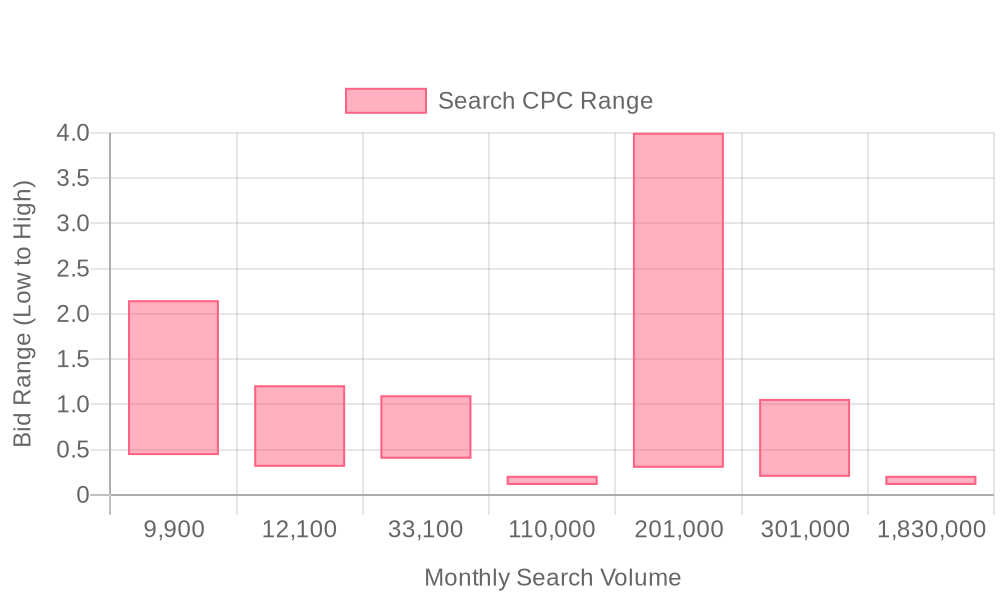
| Industry | Keyword | Monthly Search Volume | Competition Level | Low Bid | High Bid |
| Fabric Stores | fabric warehouse | 9900 | HIGH | 0.44 | 2.15 |
| Fabric Stores | fabric online | 12100 | HIGH | 0.31 | 1.21 |
| Fabric Stores | online fabric store | 33100 | HIGH | 0.4 | 1.1 |
| Fabric Stores | joannes | 110000 | LOW | 0.11 | 0.21 |
| Fabric Stores | fabric stores | 201000 | HIGH | 0.3 | 4 |
| Fabric Stores | fabric stores near me | 301000 | HIGH | 0.2 | 1.06 |
| Fabric Stores | joann fabric | 1830000 | LOW | 0.11 | 0.21 |
Integrating Google Ads into an online fabric store marketing mix allows revenue teams to capture high-intent buyers who are actively searching for specific textiles and fabric deals. While channels like social and email drive awareness and nurture relationships, Google Ads ensures your brand is visible at the crucial moment when prospects are closest to purchase.
- Strategic Value: A data-driven keyword strategy enables fabric retailers to connect with buyers looking for “discount upholstery fabric,” “organic quilting cotton,” or “fabric discount codes.” This level of specificity keeps ad spend focused on those most likely to convert, sharply improving Google Ads ROI for fabric businesses. Adtargeting keyword insights provides additional insights on keyword opportunities in the fabric and craft space.
- Precision Targeting: Intent-based audience segments let you reach fabric enthusiasts when they are researching or ready to buy. By building audiences from both search behaviors and on-site interactions, marketers can serve tailored ads to new prospects as well as re-engage returning visitors who have shown interest in niche categories such as “seasonal fabric sales” or “wholesale textiles.” For more on driving Google Ads performance with intent models, see our guide on intent retargeting.
- Measurable Roi: Advanced attribution models now track effectiveness from an ad click through to both online and in-store purchases, even in industries where sales cycles are longer or involve multiple touchpoints. With enriched conversion tracking, fabric retailers gain a clear path from first engagement to completed sale and can validate the impact of every campaign.
- Recommended Keywords
- High Volume, Low Competition: “fabric discount codes” captures motivated buyers searching for deals, supporting efficient Google Ads budget allocation for fabric stores.
- Seasonal: “seasonal fabric sales” and “holiday fabric specials” align ad spend with peak demand periods, maximizing return during high-traffic shopping windows.
- Negative Filters: Exclude terms like “DIY fabric” or “free patterns” to prevent unqualified traffic and wasted spend, ensuring ads are delivered to genuine buyers rather than hobbyists seeking free resources.
Integrating real-time visitor identification and dynamic audience updates means marketers can spot high-value accounts as they engage, then instantly adjust keyword bids or creative based on actual buyer intent. Solutions such as Sona Audiences support automated audience updates, so teams can ensure every ad dollar targets only the most qualified leads. This approach unlocks actionable insights and helps fabric retailers continually refine their Google Ads strategies for textiles and optimize performance metrics at every stage.
Step-by-Step Campaign Execution Framework
Step 1: Build Targeted Keyword Lists
Curating keyword lists for fabric stores begins with a granular approach: focus on commercial buyer intent, localized search terms, and exclusion of broad DIY or crafting queries that dilute spend. Audience analysis tools help marketers see not only which keywords convert but which segments show the strongest purchase readiness, whether that's a home sewer stocking up before a holiday project or a small upholstery business buying in bulk. Pairing this with intent signals lets teams shift budget toward in-market searchers as they appear. As visitors interact with ads and site content, data platforms can identify the companies behind that traffic, offering a direct line to in-market prospects who are more likely to request swatches, order samples, or visit a local store.
Dynamic audience curation means these keyword groups and segments evolve automatically as new data flows in. For fabric stores running seasonal promotions or launching new collections, this ensures campaigns quickly reflect shifts in demand, optimizing for phrases like “organic linen fabric near me” or “bulk upholstery fabric supplier.” The result is tighter alignment between ads and customer needs, reducing wasted spend and increasing ROI across Google Ads best practices for textiles.
Most fabric stores advertisers stop at keyword volume. The better move is layering in intent and identity signals: connecting website-visitor data and CRM records with Sona Marketing Measurement shows which specific search terms bring in the accounts and customers who actually convert, so bidding can favor those terms over the ones that merely rank high in search volume.
Step 2: Craft Compelling, Sensory Ad Copy
The effectiveness of ad copy in the fabric business hinges on its ability to evoke tactile experiences and visual appeal. Persuasive messaging should leverage industry-specific terminology, referencing fabric textures, patterns, sustainability attributes, or exclusive in-store services. Emotional triggers, such as the satisfaction of selecting the perfect fabric for a home project, drive higher click-through rates.
With intent data, ad copy can shift to match a visitor's stage in the buying journey. A first-time visitor might see a message about free swatch samples, while a returning wholesale buyer sees an offer for bulk-order pricing. That kind of personalization depends on syncing enriched visitor profiles and lead data between ad accounts and CRM systems, so each prospect gets the offer that fits where they actually are. Solutions such as Sona Journeys support this kind of tailored messaging by aligning ad content with real-time customer behavior.
Step 3: Optimize the Landing Page Journey
An optimized landing page delivers on the promise of the ad, guiding users from curiosity to conversion with minimal friction. For fabric retailers, this means a mobile-responsive interface showcasing high-definition product imagery, detailed fabric descriptions, and clear calls-to-action, such as “Order a Free Sample” or “Visit Store for Exclusive Fabrics.” The journey must remain seamless, loading quickly and reducing confusion at every step.
Integrating real-time behavioral insights, landing pages adapt as users interact: frequent buyers might see personalized recommendations or pre-filled lead forms, while new visitors are encouraged to sign up for fabric guides or event invites. Conversion tracking is granular and tracks both online actions and in-store visits, allowing teams to attribute revenue across all touchpoints and refine the landing experience based on true performance metrics. Shopify shopping ads guide provides a deeper look at optimizing this journey for ecommerce and retail brands.
Step 4: Iterate and Optimize with Data
Continuous optimization is critical in the fast-moving textiles market. Teams regularly analyze campaign data to identify high-performing ads, keywords, and audiences, using this intelligence to reallocate budget and refine creative assets. The ability to track conversions both online and offline gives fabric retailers a holistic view of which campaigns generate actual sales or in-store visits.
Advanced platforms automate much of this process by updating audiences as leads progress through the funnel and surfacing in-market behaviors that signal readiness to buy. When market trends shift, such as rising demand for sustainable fabrics or a new seasonal collection, campaigns can be updated instantly, keeping messaging and targeting aligned with customer intent. For more insights on measuring and attributing campaign results, check out our guide on revenue attribution. This agile approach ensures that every dollar invested in Google Ads for fabric stores translates to measurable improvements in both ROI and customer engagement.
Sona Marketing Measurement closes the gap between clicks and revenue. It captures every ad click with first-party measurement, then ties that click through UTM capture and ad-platform APIs to the actual record in your CRM, and reports ROAS by keyword and campaign instead of by last-click form fill. Feeding that revenue signal back into Smart Bidding and Performance Max compounds over time: the algorithms optimize toward booked fabric stores revenue, not cheap leads.
Tips on Expanding Your Fabric Store Presence

Fabric retailers can achieve significant growth by blending digital advertising with content-driven engagement strategies. A modern, data-informed approach not only attracts more qualified buyers but also strengthens the brand’s footprint in both local and emerging markets.
- Cross-pollinate Digital Channels: Integrating content marketing objectives within your retargeting strategies ensures you reach diverse, high-intent audiences across platforms. When visitors engage with educational blog posts, style guides, or video tutorials, these interactions become valuable signals for building dynamic retargeting pools. By identifying which content resonates most, marketers can serve sequential Google Ads that move users from initial research to purchase. Company-level visitor identification means even anonymous web traffic can be attributed to a business or customer segment, allowing for more precise retargeting and ad personalization. Sona's Identity Resolution helps fabric retailers reveal valuable buyer signals from anonymous web visitors, driving higher conversion rates and maximizing the efficiency of your Google Ads budget for fabric stores.
- Leverage Industry Relationships: Building partnerships with trusted vendors, local designers, or complementary retailers creates opportunities for referral traffic through co-branded promotions or joint campaigns. Co-marketing initiatives, such as limited-edition fabric collections, exclusive workshops, or dual-branded online events, can be promoted through targeted Google Ads campaigns for textiles, amplifying reach within visually-driven audiences. Co-marketing case study shares strategies for craft and fabric stores.
- Geo-targeted Google Ads In Emerging Markets: Tapping into regional demand with localized Google Ads targeting for fabric stores uncovers new growth channels. By layering intent data and offline attribution, you can measure impact on both online and in-store sales, optimizing future campaigns based on real results. As leads move through the funnel, enriched audience data syncs seamlessly across CRM and advertising platforms, ensuring messaging evolves with each customer touchpoint. For more on maximizing ad performance with intent-driven strategies, check out our guide on intent retargeting. This creates a unified, high-performance system for online fabric store marketing that delivers measurable gains in untapped regions.
Final Thoughts
A robust Google Ads strategy for fabric stores blends precise audience targeting, compelling creative, and adaptive data-driven decisions. Success means consistently reaching the right customers with messaging that resonates, and using measurement to turn insight into ad spend that actually moves revenue.
Launching ads is the easy part. The harder, more valuable work is harmonizing paid media with real shopper intent, using campaign data to refine both online and in-store results. Google Ads tips offers more on staying ahead in a retail category where buyers still want to touch the product before they commit.
Optimizing ad spend for fabric businesses starts with understanding which campaigns and audiences actually drive conversions. Real-time behavioral insights let teams shift budgets to the audiences demonstrating in-market intent, maximizing ROI without guesswork. This builds on the strategies outlined in our Retargeting Guide for leveraging first-party signals in paid media.
Audience sync between CRM systems and ad platforms has become essential for fabric and textiles marketers. By automatically updating Google Ads audiences as leads engage with your content or move through the sales cycle, you ensure ad messaging always matches buyer readiness. Solutions such as Sona Audiences support seamless audience updates and segmentation for higher conversion rates.
Beyond Google Ads: Winning the AI Answers Fabric Stores Buyers Now Trust
Paid search captures demand at the moment someone types a query. But a fast-growing share of fabric stores buyers no longer start at Google at all, they ask ChatGPT, Gemini, or Perplexity before they ever run a search, and Google's own AI Overviews increasingly summarize an answer above the traditional results. If your business isn't referenced in those AI answers, you're invisible at the exact moment buyers build their shortlist.
Sona AI Visibility shows where your business shows up across ChatGPT, Gemini, Perplexity, Google AI Overviews, and 10+ engines, and, much like a keyword report, which prompts actually send you buyers, so you can prioritize the ones that convert. Run the two together and you cover the entire buyer path: get cited where buyers research (AI Visibility), then prove which of that demand turns into booked revenue (Marketing Measurement).
Helpful resources
Conclusion
Fabric retailers who win in Google Ads treat search as the first data point in a longer story, not the whole campaign. The keywords, ad copy, and landing pages matter, but the retailers pulling ahead are the ones tying every click to what actually happens next: a swatch order, a store visit, a completed sale.
That means the next competitive edge isn't a better keyword list, it's knowing which searches, ads, and audiences actually turned into booked revenue, and feeding that back into how budget gets spent.
Ready to see how seamless and effective your campaigns can be? Start a free trial to experience the platform and its capabilities firsthand.
FAQ
What are the best Google Ads strategies for fabric stores?
The best strategies include using intent-focused targeting, developing data-driven keyword lists, precise audience segmentation, crafting compelling ad copy, and optimizing landing pages for conversion.
How much should I budget for Google Ads for my fabric business?
Budgeting should focus on allocating funds to high-value searches and audiences by using intent signals and optimizing cost per acquisition, ensuring the budget targets the most likely converters.
What types of Google Ads work best for fabric retailers?
Search campaigns, display ads, video ads, and remarketing are effective types for fabric retailers, each catering to different stages of the buyer journey.
How can I measure the success of my Google Ads campaigns for fabric stores?
Success can be measured by tracking conversions both online and offline, using advanced attribution models, and analyzing performance metrics across all digital touchpoints.
What are common mistakes to avoid when using Google Ads for fabric businesses?
Common mistakes include targeting unqualified traffic, not using negative keywords, failing to align landing pages with ad intent, and not continuously optimizing campaigns based on real-time data.







