


A dog owner searching "puppy obedience classes near me" at 9pm is already reaching for their wallet, not browsing. Google Ads lets pet training businesses meet that urgency directly, showing up exactly when someone needs a trainer for a new puppy, a reactive dog, or a service-dog certification. Many training businesses still lose these prospects simply because inquiries never make it into a CRM, so a call comes in and no one follows up. This guide walks through building Google Ads campaigns for pet training that catch high-intent searches like "dog obedience classes near me" and the growing volume of queries around virtual pet training, while making sure every lead actually gets tracked and worked.
How to Generate Google Ads for Pet Training Leads: A Step-by-Step Guide

Winning with Google Ads in pet training means matching campaigns to how differently a new-puppy owner and someone dealing with a dog's sudden aggression search and decide. Businesses that turn real-time behavioral insights into targeted campaigns consistently beat competitors running generic, one-size-fits-all templates. For a practical walkthrough, this step-by-step Google Ads guide for dog training businesses covers campaign setup and optimization in detail.
- Build a keyword strategy specific to pet training so campaigns stop bleeding spend on generic terms: Successful lead generation here starts with keyword lists that mirror how pet owners actually describe their problem. Skip broad terms and go granular: "puppy obedience classes," "dog aggression help," "service dog certification." These phrases surface owners who are already deciding, not just researching. Refreshing keyword targeting with real-time search insights keeps spend pointed at the queries most likely to convert. Sona's Identity Resolution helps teams see which companies are behind anonymous search traffic, so a click becomes a named account instead of a mystery, sharpening both ad creative and the follow-up that comes after.
- Design compelling ad copy that highlights unique offerings like puppy obedience classes: Exceptional ad copy for pet training services does more than restate keywords. It articulates clear value propositions, such as certified trainers, results-backed methodologies, or flexible scheduling. Including social proof, like client testimonials or success metrics, builds trust and encourages immediate action. Testing different value statements and calls-to-action through A/B testing helps uncover which messages resonate with distinct audience segments. Data-driven insights from campaign analytics reveal not just what gets clicks, but which ad variations actually drive high-quality inquiries and bookings. This ensures budgets are allocated to the messages that yield the greatest business impact.
- Create landing pages that align with your ads for maximum conversion and prevent delayed follow-up on leads: Every ad should direct traffic to a landing page that mirrors the promise and language of the original offer, reducing friction and increasing the likelihood of conversion. High-performing landing pages for pet training feature concise service explanations, visible booking forms, and transparent pricing, all designed to match the intent of the search. Integration with visitor identification tools allows marketers to capture and enrich lead data as soon as a prospect lands on the page, enabling instant qualification and personalized follow-up. Automated workflows can trigger real-time notifications to sales teams or sync leads directly into CRM systems, ensuring no opportunity slips through the cracks.
- Use CRM integration to close the gap where high-value leads currently go missing: When ad platforms, analytics, and CRM systems talk to each other, a business can follow a lead from first click to signed contract. Automated syncing of leads and audience segments between platforms removes manual handoffs, the usual place where a promising inquiry falls through the cracks. Trainers can then follow up with content matched to the exact issue a prospect raised, whether that's leash reactivity or crate training, instead of a generic "thanks for your interest" email. Tying CRM activity back to specific campaigns and keywords gives teams granular attribution insights into which keywords are actually producing paying clients.
- Optimize continuously with A/B testing and audience insight, tracking each touchpoint through to revenue: Standing still is how pet training advertisers lose ground. Advanced analytics platforms separate leads who merely click from those who become paying clients. Dynamic audience management keeps remarketing focused on people who've shown recent, relevant behavior, downloading a training guide, booking then canceling a consultation, rather than everyone who ever visited the site. Full-funnel attribution shows which campaigns, keywords, and creative are actually producing revenue, so teams can put more budget behind what works and cut what doesn't.
Why does Google Ads matter for Pet Training

Pet training is a trust purchase: owners are hiring someone to spend hours with an animal they love, often after a stressful incident like a bite or a lost dog. Google Ads gives trainers a way to reach these owners at the exact moment they're searching, rather than waiting for referrals. For a step-by-step approach to campaign setup and optimization, see this Google Ads for dog training guide.
With advanced conversion tracking, pet training providers can see precisely which ads and keywords produce booked appointments, not just form fills, closing the gap between ad spend and real revenue. Fast campaign setup and real-time budget shifts matter most during predictable surges, puppy season in spring, post-holiday behavior issues, or a sudden spike in searches after a local news story about a dog bite, letting businesses capture that demand before competitors adjust.
- Capture high-intent pet owners: Google Ads for Pet Training places your brand in front of owners searching for phrases like “dog trainer near me” or “puppy obedience class today,” maximizing lead quality and reducing wasted impressions.
- Deliver measurable ROI: By syncing CRM data and offline conversions, teams can trace each inquiry back to its source, optimizing for ads that drive actual revenue rather than just clicks.
- Enhance visibility in competitive markets: Local advertising for pet services can be fine-tuned to geography, demographics, and even pet type, ensuring your budget is spent on audiences most likely to engage and book.
- Provide immediate response capabilities: Dynamic campaign controls let marketers launch promotions or adjust bids on the fly, keeping campaigns aligned with fast-changing demand and preventing hot leads from cooling off.
By pairing Google Ads for Pet Training with unified go-to-market data, teams can move beyond anonymous clicks to identify high-value visitors and create dynamic audiences. This integration means that marketing and sales can focus their efforts on the pet owners who matter most, driving faster conversion cycles and more predictable pet training business growth. Ready to see these results for yourself? Get started for free with Sona.
Common Types of Google Ads Campaigns for Pet Training Services

- Search Campaigns: Search campaigns are the backbone of Google Ads for pet training. They target owners actively searching for help with dog behavior, puppy training, or a local trainer, right when the need is urgent. Within Search, Responsive Search Ads let a business test multiple headlines and descriptions so Google can serve the combination most likely to convert. Using visitor identification technology, teams can shift spend toward queries that signal real buying intent, like someone searching for consultation availability rather than general dog facts. As leads move through the funnel, dynamic audience updates keep messaging and offers relevant, improving conversion rates.
- Display Ads: Display ads extend the reach of pet training brands by building awareness across pet-related content sites, forums, and apps. These visual placements reinforce brand familiarity among pet owners who may not be actively searching but are potential future clients. Consistency in creative and messaging across channels is essential for trust and recall. Integrated audience enrichment allows marketers to segment and target display ads based on enriched CRM data, ensuring impressions are served to pet owners who match ideal client profiles or have previously shown interest in training services. For more ideas on optimizing your display strategies, visit this step-by-step guide to Google Ads for dog training.
- Video Ads: Video campaigns offer an engaging way to demonstrate the value of training programs, highlight trainer expertise, and showcase real-world transformations. Success stories and educational content build credibility and emotional connection with pet owners. Video ads align with multiple buyer stages, from initial awareness to final decision, by delivering targeted narratives that address specific behavioral pain points. Advanced conversion tracking, including both online and offline engagements, provides a comprehensive view of how video interactions influence pipeline velocity and eventual bookings, ensuring that ad spend is directly linked to measurable business outcomes.
- Remarketing: Remarketing re-engages visitors who showed interest but didn't convert, addressing the common lag in pet training purchases, an owner might research trainers for weeks before booking, often after a specific incident finally pushes them to act. Personalized remarketing reminds them of their original interest, surfaces a tailored offer, and prompts a return visit. With synchronized CRM and ad platforms, audiences update automatically as leads engage, so ads stay relevant to where each prospect actually is in their decision.
Where to Find Growth Opportunities in Pet Training Google Ads

Untapped growth in Google Ads for pet training comes from combining vertical knowledge with intent data. The advertisers who pull ahead move past standard keyword lists, pairing Performance Max campaigns and Search with audience intelligence to find demand competitors are ignoring.
- Vertical keyword expansion: Real growth often comes from targeting emerging services: virtual training sessions, puppy socialization webinars, certified animal behaviorist consultations. These terms tend to carry less competition and attract owners looking for a specific kind of help, which shows up in stronger conversion rates and better Google Ads ROI for dog trainers. Watching search trends closely lets marketers keep surfacing for in-demand but underserved queries before they get crowded.
- Competitor gap analysis: Mapping competitor ad copy, landing pages, and keyword coverage shows which segments local and national players are ignoring. That might mean service dog training for children with disabilities, or advanced agility classes for working breeds, niches that rarely get direct ad coverage. Using intent data, teams can move budget toward these openings as they appear, rather than waiting for a quarterly review.
- Industry-specific placements: Rather than relying on broad targeting, growth-focused pet training businesses place ads on sites, forums, and content hubs where pet owners actively seek advice or solutions. Industry-specific placements, such as training blogs, pet adoption partner pages, or veterinary advice portals, provide a channel to reach owners at the moment of need. Integrating campaign data across these placements with visitor identification enables marketers to pinpoint which sources drive the most qualified leads, informing spend allocation and creative messaging for future campaigns.
Teams that get this right unify campaign data, keywords, placements, audience movement, and conversion outcomes into a single view. That makes real-time optimization possible, along with seamless syncing of enriched audiences and leads into CRM and ad platforms via Sona Destinations. Pet training marketers can then build audiences that evolve as prospects move from interest to booking, whether they came through a Search campaign, a Performance Max asset group, or remarketing. Get started for free with Sona.
How to Apply Audience Segmentation for Pet Training

Audience segmentation in pet training marketing unlocks higher engagement by ensuring every campaign message aligns with the unique context of each prospect. Segmenting your audience allows your team to connect with both new pet owners and seasoned handlers, increasing relevance and minimizing wasted ad spend. Discover more strategies for effective advertising techniques for your pet training business or dive into our collection of actionable playbooks to elevate your targeting approach.
Defining clear audience segments is the foundation for effective Google Ads for Pet Training. For example, new pet owners are likely seeking guidance on foundational obedience and socialization, while experienced handlers may prioritize advanced skills or behavioral troubleshooting. By distinguishing these groups early in your campaign setup, you can avoid generic messaging that fails to resonate and instead craft creative assets that directly address each segment's specific pain points.
Going deeper, overlays such as behavioral cues and distinct training needs further refine your audience. Behavioral overlays highlight pet owners who exhibit in-market intent, such as searching for "puppy biting solutions" or "aggression training for dogs." These real-time signals help prioritize high-value leads, ensuring that budget is allocated to prospects most likely to convert. Using smart fit scoring, marketers can identify which segments demonstrate readiness for purchase and shift spend toward these opportunities, directly improving Google Ads ROI for dog trainers.
Customizing ad groups around audience challenges and interests enables campaigns to speak directly to what matters most to each segment. For example, ad groups can focus on challenges like housebreaking, separation anxiety, or off-leash reliability, each featuring tailored creative and landing pages. By tying ad messaging and offers to specific customer journeys, you build trust and accelerate decision cycles for pet training business growth.
Today’s leading teams go beyond surface demographics by incorporating visitor identification to match anonymous web sessions with real prospects and companies. This approach empowers marketers to recognize exactly who is engaging, aligning campaign messaging with known business attributes or prior training interactions. As leads progress through consideration, dynamic audiences update in real time, ensuring that retargeting and nurturing efforts always reflect the prospect’s current stage and interests.
Advanced conversion tracking and CRM integration close the loop, allowing pet training marketers to measure true online and offline ROI. When enriched audience data and lead records sync seamlessly with platforms like Google Ads and Salesforce, it streamlines follow-up, ensures consistent handoff to sales, and powers highly personalized remarketing strategies. This unified workflow transforms audience segmentation from a static exercise into a dynamic, revenue-driving engine for online advertising for dog training. Ready to take your segmentation and targeting to the next level? Get started for free with Sona.
This is also where measurement changes the economics. With Sona Marketing Measurement you can identify the companies behind your ad clicks, not just anonymous sessions, and segment audiences by who actually becomes a customer. That lets you build bid adjustments and audience signals around the segments that convert and de-prioritize the ones that don't, so you feed Google's algorithms "this click became a paying pet training customer" instead of just "someone filled out a form."
Keyword Strategy & Sample Target Terms
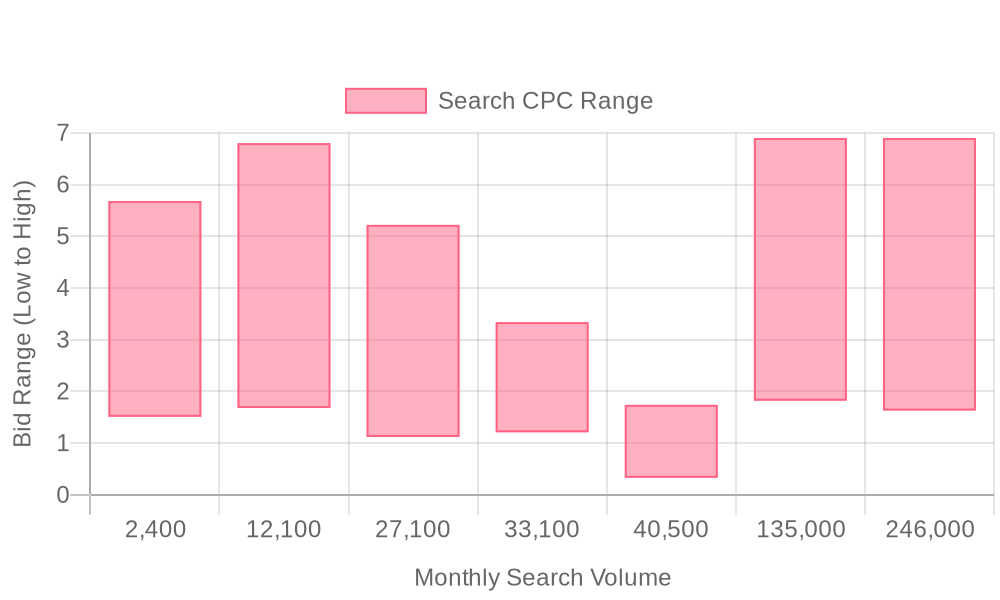
| Industry | Keyword | Monthly Search Volume | Competition Level | Low Bid | High Bid |
| Pet Training | pet training | 2400 | MEDIUM | 1.51 | 5.68 |
| Pet Training | dog behaviorist near me | 12100 | MEDIUM | 1.68 | 6.8 |
| Pet Training | dog obedience training near me | 27100 | MEDIUM | 1.12 | 5.22 |
| Pet Training | service dog training | 33100 | MEDIUM | 1.21 | 3.34 |
| Pet Training | crate training a puppy | 40500 | LOW | 0.33 | 1.74 |
| Pet Training | dog training | 135000 | LOW | 1.82 | 6.9 |
| Pet Training | dog training near me | 246000 | MEDIUM | 1.63 | 6.9 |
A robust keyword strategy is essential for maximizing the impact and efficiency of Google Ads for pet training businesses. Prioritizing terms such as "dog training near me" or "puppy obedience classes" aligns your campaigns with local, high-intent searches, ensuring every click has a strong likelihood of converting to qualified leads. For a deeper dive into how pet trainers can set up and optimize their campaigns, explore this step-by-step Google Ads guide for dog training businesses. Additionally, visit our blog hub for more actionable insights on audience targeting and campaign optimization.
Expanding into niche keyword opportunities, like "virtual pet training ads," enables your campaigns to tap into emerging markets and unique service offerings. This approach not only differentiates your business from competitors but also attracts clients with specific needs, such as remote training or specialty pet behavior challenges. Incorporating these specialized terms during campaign planning ensures your ads appear for trending and less saturated queries, often resulting in a lower cost per click and higher engagement rates. Leverage real-time audience segmentation tools to help identify and reach these niche audiences more effectively.
Applying negative keywords is critical for filtering out low-value traffic and focusing budget on prospects ready to engage. Excluding terms like "free dog training tips" or "DIY pet obedience" prevents your ads from serving audiences unlikely to purchase professional services. In this context, leveraging visitor identification allows marketers to dynamically adjust negative keyword lists, responding to shifts in search behavior and maintaining campaign efficiency.
As audience behaviors and funnel stages evolve, updating keyword lists and audience segments is necessary for sustained success in pet training lead generation. Solutions that unify audience data across CRM and ad platforms enable seamless sync of enriched keywords and audiences, ensuring your Google Ads targeting for dog training adapts in real time. To experience the benefits of real-time data-driven targeting, get started for free with Sona and transform your pet training business growth through precision marketing.
Dog training businesses face a different set of constraints than most advertisers. Their market is hyper-local, and bookings depend on trust and reputation more than impulse, few people hire a trainer sight unseen. That's precisely why Google Ads works so well here: it puts a business in front of someone at the moment they've decided a problem, jumping, biting, pulling on leash, needs professional help. Optimizing these campaigns takes careful local targeting, keyword selection built around specific behavioral issues, and ad copy that reads as credible rather than salesy.
Many trainers struggle to track the true ROI of their advertising spend. Google Ads offers basic conversion tracking, but it rarely connects an online click to an actual booked session. Sona's Identity Resolution closes that gap by identifying the companies visiting a site, even before a form is filled out, so trainers can prioritize the highest-intent leads instead of waiting on incomplete data.
The key to sustained client growth is not just attracting clicks, but nurturing prospects across the entire buying journey. Sona’s Buyer Journeys tool tracks every touchpoint and milestone, surfacing marketing’s influence on deals and giving trainers the visibility they need to optimize follow-up.
For those seeking inspiration or proven tactics, Videnglobe’s guide to effective advertising offers practical case studies on growing a pet training business through digital marketing. Aligning these insights with real-time audience segmentation, for example, using Sona’s Audiences tool, enables trainers to reach the right pet owners at the right moment with tailored offers.
Tips on Expanding Your Pet Training Presence
Strategic expansion for pet training businesses goes beyond basic digital advertising. High-performing teams leverage advanced tactics to sustain engagement, build regional relevance, and tap into new client pools.
- Cross-promote video content: Integrate video demonstrations and training snippets into remarketing campaigns to re-engage visitors who previously showed interest. This approach maintains visibility among high-intent prospects, increasing the likelihood of conversion as they witness real training outcomes in action. With advanced visitor identification, marketers can transition from anonymous retargeting to targeting known individuals or companies, enriching each subsequent touchpoint with greater personalization.
- Localize ad campaigns: Tailor ad messaging and creative assets for different neighborhoods or cities to address unique local needs, such as breed popularity or common behavioral issues in specific regions. Localized Google Ads for Pet Training not only improve click-through rates but also drive more qualified inquiries, directly impacting ROI for dog trainers and broader pet service providers. Real-time intent data allows budget allocation to shift dynamically toward regions where in-market demand is highest, ensuring resources are always focused on the most promising accounts.
- Collaborate for niche exposure: Partner with local trainers and associations to access targeted audiences that might otherwise remain untapped. This collaboration can take the form of shared webinars, guest blog posts, or co-hosted community events, expanding reach into high-value segments. Leveraging CRM and ad platform integrations, marketers can synchronize enriched leads from these partnerships directly into Google Ads or sales workflows, guaranteeing that every new relationship is quickly activated and nurtured for pet training lead generation.
With these techniques, pet training businesses can make sure their Google Ads spend not only attracts new clients but keeps them through every stage of the buying journey.
Beyond Google Ads: Winning the AI Answers Pet Training Buyers Now Trust
Paid search captures demand at the moment someone types a query. But a fast-growing share of pet training buyers no longer start at Google at all, they ask ChatGPT, Gemini, or Perplexity before they ever run a search, and Google's own AI Overviews increasingly summarize an answer above the traditional results. If your business isn't referenced in those AI answers, you're invisible at the exact moment buyers build their shortlist.
Sona AI Visibility shows where your business shows up across ChatGPT, Gemini, Perplexity, Google AI Overviews, and 10+ engines, and, much like a keyword report, which prompts actually send you buyers, so you can prioritize the ones that convert. Run the two together and you cover the entire buyer path: get cited where buyers research (AI Visibility), then prove which of that demand turns into booked revenue (Marketing Measurement).
Helpful resources
Conclusion
Google Ads works for pet training when keyword targeting, ad copy, and landing pages all point at the same specific need, whether that's a new puppy owner or someone dealing with a dog's sudden aggression. That alignment is what turns a search into a booked consultation.
The next shift in pet training marketing isn't another keyword list, it's making sure your business shows up in the AI answers pet owners now consult before they ever open Google. Trainers who connect their ad data to real booking outcomes today will be the ones with the evidence to act on that shift first.
To put this into practice, a platform that unifies marketing data and surfaces which campaigns actually produce paying clients makes the difference. Start for free to see it applied to your own pipeline.
FAQ
What are the best practices for Google Ads in dog training?
Best practices include developing a comprehensive keyword strategy, designing compelling ad copy, creating aligned landing pages, utilizing CRM integration for lead tracking, and optimizing campaigns with data-driven insights.
How can I create effective Google Ads for my pet training business?
To create effective Google Ads, focus on specific keyword strategies, compelling ad copy with value propositions, aligned landing pages, and CRM integration for seamless lead tracking and management.
What budget should I allocate for Google Ads in pet training?
The budget allocation should focus on targeting high-intent pet owners and optimizing for ads that drive actual revenue rather than just clicks, with adjustments based on peak demand periods and real-time data insights.
How do I measure the success of my Google Ads for dog training?
Success can be measured through advanced conversion tracking, syncing CRM data, and offline conversions to trace each inquiry back to its source, optimizing for ads that drive actual revenue.
What keywords should I target for Google Ads in pet training?
Target keywords specific to pet training, such as 'dog obedience classes near me,' 'puppy obedience classes,' and 'virtual pet training ads,' while incorporating niche terms to tap into emerging markets and applying negative keywords to filter out low-value traffic.







