


A family searching for a diabetic alert dog trainer, or a veterans' organization vetting PTSD service dog programs, rarely starts with a referral, they start with a Google search. Google Ads for Service Animal Training lets trainers meet that search at the moment it happens, when a prospect has already decided to act and is choosing who to call first. Email and social build awareness over time, but paid search intercepts people mid-decision, whether they're following up after a networking event, responding to a referral from a physician's office, or comparing certification programs late at night. With precise targeting and terminology specific to this field, trainers can connect at that moment, measure which clicks turn into enrollments, and fold paid search into a broader marketing plan instead of running it in isolation. Someone searching "service dog training certification" is not browsing, they're evaluating. The businesses that win these searches are the ones whose tracking and follow-up are fast enough to match that urgency; the ones that don't invest in either lose high-value prospects to the first competitor who calls back.
How to Generate Google Ads for Service Animal Training Leads: A Step-by-Step Guide

Service animal training businesses operate in a uniquely specialized niche, where every new client represents a high-value, long-term partnership. To efficiently scale lead generation, service animal trainers require a digital advertising approach that reaches both individual decision-makers and institutional buyers precisely when they are evaluating training providers. For a practical overview of Google Ads management tailored to the pet industry, you can explore this guide to Google Ads for dog trainers.
This guide delivers a proven, data-driven framework designed to attract leads actively seeking service animal expertise. By focusing on advanced targeting and dynamic audience segmentation, trainers and marketers can maximize returns from their Google Ads investments while closing the gap between online activity and meaningful business outcomes. For further reading on marketing analytics and attribution strategies, visit our marketing blog.
- Targeted keyword and audience strategies specific to service animal clients: Identifying intent-rich search terms and layering them with audience signals ensures that ads appear for prospects ready to engage or purchase. Sophisticated targeting also enables trainers to connect with organizations, healthcare providers, and advocacy groups whose needs extend beyond standard pet training.
- Techniques for aligning landing pages and creative elements to drive conversion: Landing pages tailored to each segment, whether for mobility assistance, therapy animal certification, or psychiatric service animal training, raise conversion rates and build immediate trust. Messaging aligned with ad creative, combined with clear calls to action, ensures that every visitor encounters a seamless experience from the first click through to inquiry submission. For actionable guidance on building high-converting landing experiences, review our demand generation playbooks.
- Methods for optimizing ad performance to enhance marketing ROI: Continuous monitoring and optimization allow trainers to allocate budget toward the highest-converting audiences and keywords. Real-time intent signals enable the shift of spend to in-market accounts, while advanced conversion tracking surfaces which campaigns deliver qualified consultations or program enrollments, not just website visits.
- Ways to integrate with other channels to strengthen marketing efforts: Unifying Google Ads data with CRM and sales engagement platforms enables dynamic audience updates and more rapid lead follow-up. Marketers can identify which anonymous website visitors are actually high-value organizations, sync enriched contact details into their outreach workflows, and nurture prospects across multiple touchpoints for higher win rates. For a step-by-step guide on integrating ad data with your CRM, check out how to integrate Sona with HubSpot CRM.
This comprehensive approach addresses common industry pain points: missing high-value prospects due to anonymous web activity, delayed response to inquiries, and inefficient budget allocation. By fully leveraging targeted digital advertising strategies, service animal trainers can reach the audiences that matter most and accelerate their business growth. If you're ready to apply these strategies in your business, get started for free with Sona and turn more website visitors into qualified opportunities.
Why Does Google Ads Matter for Service Animal Training

Service animal training providers operate in a market where client urgency, compliance, and personalization drive outcomes. Digital marketing strategies must address the reality that each inquiry represents a unique need, often with high stakes and significant investment on the line.
- Complex Audience Needs: Google Ads pinpoints high-intent prospects precisely when they seek specialized service animal training, enabling trainers to reach individuals and organizations with urgent or complex requirements. Unlike broader awareness tactics, this approach ensures every qualified inquiry is captured, and by leveraging company-level identity resolution, marketers can move beyond anonymous clicks to recognize which organizations are behind genuine intent.
- High Value Services: The typical service animal training engagement involves multiple sessions, advanced obedience, or multi-animal scenarios, each representing substantial revenue. Google Ads enables budget optimization by focusing spend on these high-value segments, ensuring that trainers acquire new clients ready for advanced programs rather than expending resources on less profitable leads. Syncing enriched audience data and lead information with ad platforms and CRM systems guarantees that high-potential prospects are nurtured at every touchpoint.
- Rapid Response to Demand: Prospective clients frequently require immediate assistance, whether for a newly identified medical need or a facility seeking therapy animals. Google Ads delivers rapid campaign activation, letting trainers respond to spikes in demand and preventing missed opportunities from delayed outreach. Real-time intent signals allow marketers to quickly reallocate spend toward accounts demonstrating urgent need, shortening sales cycles and increasing conversion rates.
- Expanding Market Presence: Service animal training businesses looking to broaden their geographic footprint or break into new verticals benefit from Google Ads’ precise targeting. Campaigns can be tailored to emerging markets, and dynamic audience segmentation ensures ads reach organizations and individuals most likely to engage. As audience profiles evolve, automated updates keep campaigns aligned with in-market prospects, maintaining relevance as new opportunities arise.
- Integrated Data Analysis: The true impact of advertising service animal training is revealed through integrated analytics that follow the journey from initial click to program enrollment. Unifying online and offline conversion data provides a complete view of ROI, giving insight into which keywords, ads, and audiences drive actual business results. With advanced conversion tracking, revenue teams can inform broader marketing strategies, optimize spend, and ensure every dollar generates measurable value for the service animal training business. For a deeper dive into Google Ads strategies, explore this guide for dog trainers.
Common Types of Google Ads Campaigns for Service Animal Training
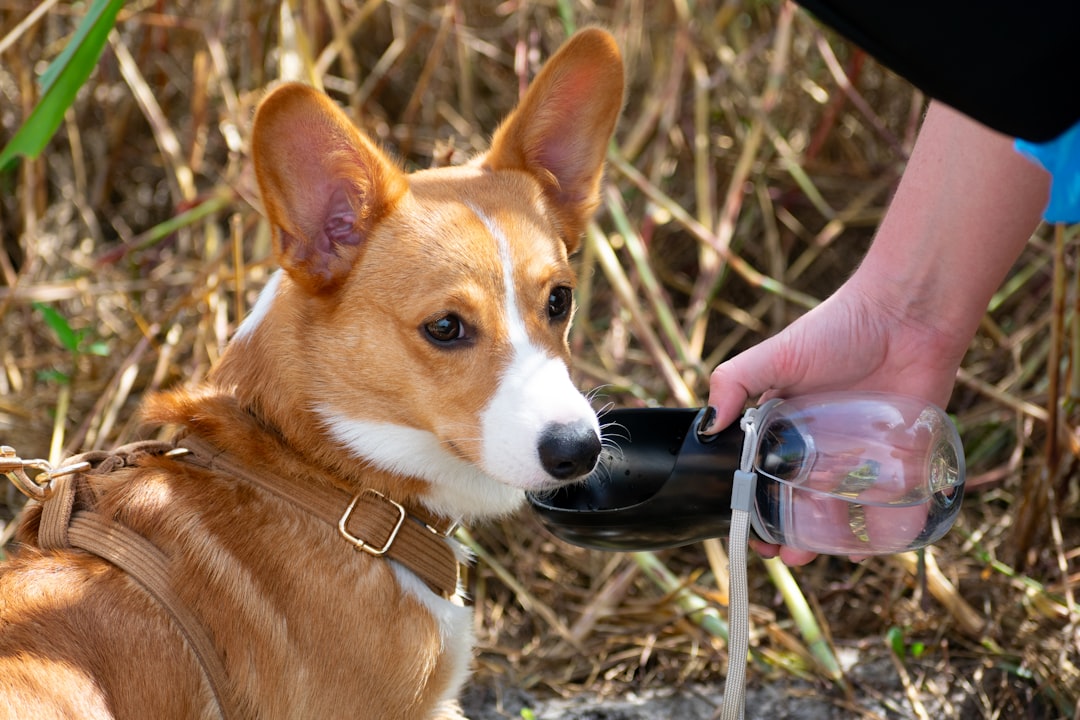
- Search Campaigns: Direct search campaigns ensure that your budget reaches individuals actively seeking service animal training. By targeting high-intent keywords, you engage decision-makers who are ready to take the next step, reducing wasted spend and maximizing conversion rates. Enhanced by real-time intent data and account-level visitor identification, marketers can focus spend on those most likely to convert, adapting strategy as new high-value leads emerge.
- Display Ads: Display campaigns maintain visibility across relevant content platforms and animal-focused sites. These placements reinforce your message as prospects browse resources, forums, or news related to service animals. Leveraging dynamic audience segments that update in real time as users move through the buyer journey ensures your ads stay top-of-mind for decision-makers showing ongoing interest in service animal training.
- Video Ads: Video ad campaigns visually demonstrate your training expertise, building trust and credibility with your audience. This format is particularly effective for showcasing methodologies and outcomes for service dogs and therapy animals, allowing viewers to connect emotionally with your brand. For a practical example, see this video tutorial on Google Ads for dog training businesses. By tracking engagement and intent signals, you can retarget viewers who have interacted with your content but have not yet converted, driving them further down the funnel.
- Remarketing: Remarketing campaigns re-engage users who previously visited your site or interacted with your ads, bridging the gap from initial interest to action. Through advanced segmentation, you can tailor messaging for each stage of the decision process, nurturing leads until they are ready to commit. Integrating CRM and enriched audience data helps deliver personalized follow-ups, ensuring prospects receive relevant reminders across their preferred channels.
- Assets: Using ad assets, you can showcase certifications, testimonials, and unique attributes of your service animal training programs. These enhancements not only build credibility but also provide additional entry points for prospects to engage with your offerings. Assets integrate seamlessly with other campaign formats, supporting a cohesive and authoritative buyer journey that guides clients toward conversion.
To see how these strategies can be tailored to your business, get started for free with Sona.
Where to Find Growth Opportunities in Google Ads for Service Animal Training

Vertical keyword targeting elevates Google Ads for Service Animal Training by capturing specialized intent that broad, generic terms miss. Aligning targeted phrases like "diabetic alert dog programs" or "PTSD service dog certification" with your campaigns ensures your ads appear for high-intent searches, reaching buyers who are actively evaluating solutions. This approach not only sharpens your spend efficiency but also fills gaps left by content marketing, positioning your brand as the go-to resource for nuanced service animal needs. For more on building high-performing ad segments, see how keyword match types align specialized intent with your targeting.
Competitor gap analysis offers a direct route to untapped segments. Utilizing auction insights and market share data, advertisers uncover which audiences are underserved or overlooked by rival service animal training providers. This intelligence enables targeted remarketing efforts, focusing your budget on prospects who have shown interest but have not yet converted. By integrating company-level identity resolution and intent signals, teams can prioritize segments most likely to engage, reallocating spend to those with rising purchase signals.
Industry placements on niche forums, directories, or professional networks supplement Google Ads for therapy animals and other specialized training. These placements reach stakeholders who may not engage with organic content but frequent trusted industry platforms when researching service animal solutions. Aligning ad spend with insights from offline conversions, such as completed intake calls or program enrollments, helps ensure investments are mapped to channels driving measurable business growth. For a look at specialized ad strategies, explore this Google Ads guide for dog trainers.
Content retargeting expands your campaign’s reach by engaging prospects who interact with high-value resources like service animal training guides or video testimonials. This tactic keeps your offering top-of-mind as users progress through their research journey, providing comprehensive coverage throughout the funnel. Advanced conversion tracking and CRM syncing allow you to attribute both online and offline conversions with precision, ensuring your ads drive real ROI for service animal training business growth. As leads evolve, dynamic audiences automatically update, reflecting changes in prospect behavior and intent, so every dollar spent accelerates the journey from interest to enrollment.
How to Apply Audience Segmentation for Service Animal Training

Effective audience segmentation is essential for building profitable Google Ads strategies for service animals. By tailoring segments to your actual customer journey, you can allocate budgets and messaging with precision, resulting in higher engagement and improved conversion rates across every stage of the funnel. For a practical guide to implementing Google Ads campaigns in the animal training space, visit this guide to Google Ads for dog trainers.
- Define Segments: Start by differentiating your audience into meaningful groups such as families seeking support for a child, adults with acquired disabilities, or organizations requiring therapy animal programs. This clarity enables you to craft ad copy and offers that resonate with each segment’s motivations, such as independence, daily assistance, or integration into public spaces. Adjust segmentation further by training complexity: clients needing basic obedience versus those pursuing advanced, task-specific training like medical alert or psychiatric support. Each segment requires distinct creative and ad extensions to address their unique priorities and barriers. To deepen your understanding of segment-based messaging, explore how to create real-time signal-based audiences.
- Overlay Intent Signals: Leverage behavioral and search-based signals to pinpoint where prospects are in their decision journey. For example, someone searching “service dog certification near me” indicates advanced readiness, while broader research-focused queries like “service animal training options” suggest early-stage consideration. Intent signals let you prioritize ad spend towards in-market accounts showing the strongest purchase signals, while dynamically suppressing or nurturing those who are still evaluating. This ensures efficiency by aligning message intensity and offer timing with actual buyer intent, boosting the relevance of every impression.
- Create Ad Groups by Segment: Build granular ad groups that map directly to the segments you’ve defined, allowing you to allocate creative resources and budgets based on predicted value. For example, budget more aggressively for campaigns targeting high-value therapy animal placements with hospitals or veterans’ groups, while running tailored, lower-funnel messaging for families navigating initial service animal research. By syncing CRM data and audience lists, you can keep each group’s messaging, call-to-actions, and landing pages closely aligned with their current needs, reducing friction and improving lead quality.
- Validate Conversion Paths: Continuously monitor the journey from ad click through inquiry, consultation, and program enrollment. Integrate attribution data to ensure critical touchpoints, like application form visits or eligibility screenings, are captured and relayed to your revenue teams. This enables you to pinpoint where prospects drop off and which audience segments yield the highest lifetime value, guiding ongoing optimization. With accurate, real-time audience enrichment, you unlock the ability to personalize follow-up, retargeting, and nurture workflows, accelerating the path to enrollment and improving ROI for your service animal training business.
This is also where measurement changes the economics. With Sona Marketing Measurement you can identify the companies and buyers behind your ad clicks, not just anonymous sessions, and segment audiences by who actually becomes a customer. That lets you build bid adjustments and audience signals around the segments that convert and de-prioritize the ones that don't, so you feed Google's algorithms "this click became a paying service animal training customer" instead of just "someone filled out a form."
Keyword Strategy & Sample Target Terms
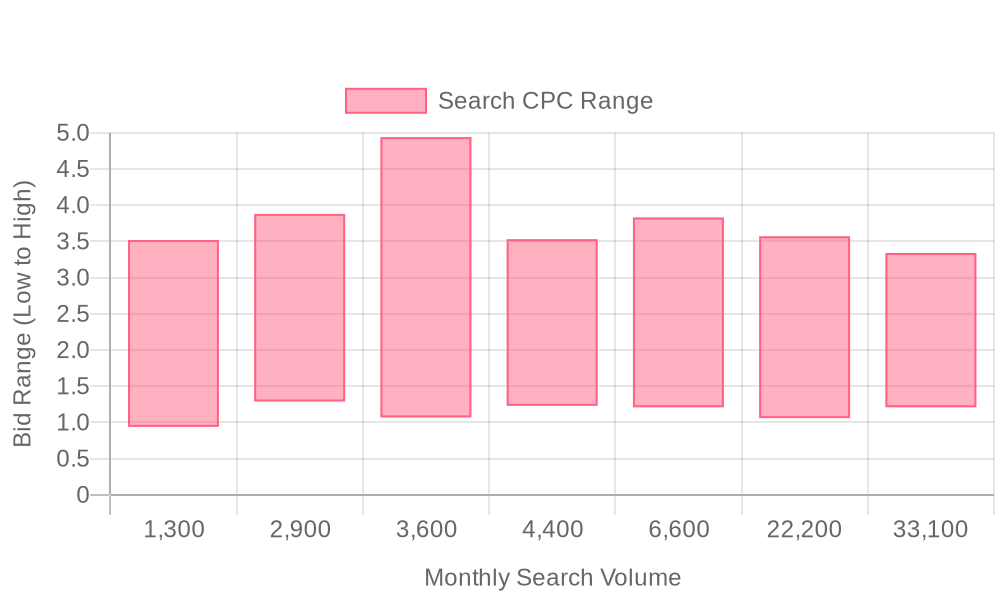
| Industry | Keyword | Monthly Search Volume | Competition Level | Low Bid | High Bid |
| Service Animal Training | low cost dog training near me | 1300 | HIGH | 0.94 | 3.52 |
| Service Animal Training | service animal training | 2900 | MEDIUM | 1.29 | 3.88 |
| Service Animal Training | dog grooming course | 3600 | MEDIUM | 1.07 | 4.94 |
| Service Animal Training | emotional support dog training | 4400 | MEDIUM | 1.23 | 3.53 |
| Service Animal Training | psychiatric service dog training | 6600 | LOW | 1.21 | 3.83 |
| Service Animal Training | service dog training near me | 22200 | MEDIUM | 1.06 | 3.57 |
| Service Animal Training | service dog training | 33100 | MEDIUM | 1.21 | 3.34 |
Precision in keyword strategy is essential for effective Google Ads for Service Animal Training. Selecting and refining the right keywords enables service animal trainers to reach stakeholders actively seeking specialized training solutions, maximizing every marketing dollar. High-performing campaigns start with close analysis of search volume and intent for terms such as “Google Ads best practices for trainers,” “customized google ads for service animal training,” and “affordable service animal training google ads.” For more insights, explore this guide to Google Ads for dog trainers to see how similar strategies can be adapted. These keywords map directly to buyers who are ready to engage, ensuring that ad spend is focused on audiences with true conversion potential.
The most successful advertisers prioritize intent-rich phrases, including “service animal training ads,” “Google Ads strategies for service animals,” and “advertising service animal training.” These terms indicate decision-makers in the research or purchase phase. Broader keywords like “targeting service animal clients,” “Google Ads for therapy animals,” and “service dog training marketing” help capture adjacent demand. For additional tactics, review our actionable playbooks for campaign refinement. Analyzing keyword trends, seasonality, and local market nuances further refines campaign focus, allowing for dynamic budget allocation as new opportunities arise.
Advanced practitioners leverage continuous keyword intelligence to identify emerging terms and test performance against core targets. Integrating offline conversion data into analysis ensures that keyword strategies are not only driving clicks but also contributing to the bottom line. When visitor identification and real-time intent signals are unified, marketers can detect which companies and individuals are demonstrating high-value behaviors and pivot spend toward those who are most likely to convert. To modernize your keyword strategy and audience targeting, get started for free with Sona and unlock actionable insights for your campaigns.
Step-by-Step Campaign Execution Framework
Step 1: Build Targeted Keyword Lists
Effective Google Ads for Service Animal Training campaigns begin with carefully structured keyword lists. Marketers should group keywords according to service type, such as basic obedience, advanced skills, or specialized therapy animal training, to capture highly relevant searches and match user intent. For a practical example of building targeted lists, review this guide to Google Ads for dog trainers. Integrating location-based phrases ensures ads reach prospects in the right geographic regions, whether you serve a specific city or offer services across several states. Including question-based queries, such as “how to train a service dog for PTSD”, addresses informational search intent and helps position your business as a trusted resource.
Applying negative keywords is essential to filter out irrelevant traffic, such as users looking for pet sitting or general obedience classes unrelated to service animal needs. This approach minimizes wasted ad spend and improves lead quality. By aligning keyword strategy with your broader organic content plan, you create a unified search presence that reinforces your authority and increases conversion rates. Advanced platforms let marketers resolve the identity of visiting companies, turning generic site traffic into actionable sales intelligence.
The upgrade most service animal training advertisers miss is going beyond raw keyword volume to layer in intent and identity signals. By connecting website-visitor data and CRM records with Sona Marketing Measurement, you can see which specific search terms bring in the accounts and customers that actually convert, and weight your keyword and bidding strategy toward those rather than the terms with the highest search volume alone.
Step 2: Develop Compelling Ad Copy
In advertising service animal training, ad copy must directly address the pain points of your target audience. Headlines that speak to the unique challenges of finding reputable, certified trainers, such as “Certified Service Dog Programs for Veterans”, immediately connect with prospects seeking proven expertise. Highlighting trust signals, including accreditations, client success stories, and third-party endorsements, further increases credibility and motivates action.
Urgency can be fostered by featuring limited-time offers or program availability, encouraging prospects to inquire before slots fill. Utilizing ad extensions like call buttons or localized highlights improves both visibility and accessibility, making it easier for high-intent users to contact your team or learn about specialized offerings. Consistent messaging across ads and social channels reinforces brand reliability and positions your business as the go-to provider for service animal training. Platforms that sync dynamic audiences across campaigns ensure that messaging updates as leads progress through the sales funnel, enabling truly personalized engagement.
Step 3: Design Effective Landing Pages
Landing pages should align closely with your Google Ads for Service Animal Training campaigns, reflecting both the keywords and offers featured in your ads. Segmenting landing pages by service level and user intent allows you to deliver a tailored experience, such as separate pages for therapy animal certification versus mobility assistance training. Incorporating interactive tools, like eligibility quizzes or virtual consultations, and placing clear calls to action at strategic points guide users toward conversion.
Ensuring seamless integration between your landing pages, CRM, and marketing automation workflows enables rapid follow-up and nurturing of high-value leads. This connection streamlines data capture and helps your team prioritize outreach based on real-time visitor intent. Marketers leveraging unified data sources can identify which landing pages drive the best results and continually optimize content to maximize ROI.
Step 4: Implement Data-Driven Optimizations
To maximize the effectiveness of Google Ads strategies for service animals, marketers should track a variety of conversion types, from online consultations to form fills and offline appointments. For an overview of management services that can help boost your results, see Google Ads services for pet businesses. Leveraging advanced bidding strategies, such as Target CPA, allows for greater efficiency by automatically adjusting bids to prioritize high-value conversions. Regularly testing ad layouts and calls to action helps uncover which creative approaches resonate most with prospective clients.
Integrating offline conversion data, such as confirmed appointments or completed assessments, refines bidding accuracy and ensures that your budget is allocated to channels delivering real business outcomes. By unifying analytics across all marketing channels, you gain a holistic view of performance and can create content that supports each stage of the client journey. This data-driven approach ensures Google Ads for therapy animals and other specialized services remain aligned with your broader marketing strategy, enabling sustained business growth and improved client acquisition.
Sona Marketing Measurement closes the gap between clicks and revenue. It captures ad clicks with first-party measurement, ties each one through UTM capture and ad-platform APIs to the actual record in your CRM, and reports ROAS by keyword and campaign instead of by last-click form fill. Feeding that revenue signal back into Smart Bidding and Performance Max compounds over time: the algorithms optimize toward booked service animal training revenue, not cheap leads.
Tips on Expanding Your Google Ads Presence for Service Animal Training
Expanding your Google Ads presence in the service animal training sector requires a blend of strategic content marketing, precise audience targeting, and adaptive campaign management. By cross-promoting educational resources in retargeted ads, you ensure prospects receive timely follow-ups that encourage deeper engagement without losing momentum. For an in-depth guide on ad strategies tailored to dog training, explore this Google Ads for dog trainers guide to discover actionable tactics for boosting client engagement in your campaigns.
Utilizing CRM data to segment high-value prospects allows for tailored upsell opportunities, targeting clients most likely to benefit from advanced or related training services. Dynamic audience updates, driven by real-time CRM and behavioral data, ensure that your Google Ads campaigns automatically adjust as leads progress through the decision-making funnel. This integration amplifies conversion rates by keeping your messaging relevant and personalized at every stage.
Collaborating with industry associations for co-branded campaigns extends your reach and enhances credibility, tapping into established trust networks within the service animal and therapy animal communities. These partnerships increase exposure to highly qualified prospects and elevate your brand’s reputation through shared educational content and joint initiatives. For additional insights on building authority through content, visit our marketing analytics blog.
Localizing your advertising by region allows for greater market dominance in key service areas, especially when combined with granular attribution of offline conversions. Tying online ad engagement to in-person consultations and training sessions through advanced conversion tracking provides a clearer, more accurate picture of ROI. This localized strategy ensures marketing resources are allocated to the highest-performing regions and service types.
Regularly mining search query data enables you to identify emerging content topics and refine your overall campaign targeting. By leveraging these insights, you can continuously optimize your advertising strategy and content roadmap, ensuring your service animal training ads remain aligned with the evolving needs of your target audience. Integrated analytics and identity resolution make it possible to go beyond anonymous clicks and pinpoint high-value companies or organizations engaging with your resources, streamlining follow-up and maximizing campaign efficiency.
To effectively manage and expand your Google Ads for service animal training, prioritize strategic keyword targeting, tailored segmentation, and compelling creative anchored in user-friendly experiences. Real-time intent signals enable you to shift budget toward accounts demonstrating the highest likelihood to convert, while seamless CRM and ad platform integration keeps your campaigns responsive and efficient. Addressing operational challenges such as delayed follow-up and incomplete ROI tracking ensures you maintain a holistic, data-driven view of your campaign performance, empowering continuous growth and superior lead generation outcomes.
Beyond Google Ads: Winning the AI Answers Service Animal Training Buyers Now Trust
Paid search captures demand at the moment someone types a query. But a fast-growing share of service animal training buyers no longer start at Google at all, they ask ChatGPT, Gemini, or Perplexity before they ever run a search, and Google's own AI Overviews increasingly summarize an answer above the traditional results. If your business isn't referenced in those AI answers, you're invisible at the exact moment buyers build their shortlist.
Sona AI Visibility shows where your business shows up across ChatGPT, Gemini, Perplexity, Google AI Overviews, and 10+ engines, and, much like a keyword report, which prompts actually send you buyers, so you can prioritize the ones that convert. Run the two together and you cover the entire buyer path: get cited where buyers research (AI Visibility), then prove which of that demand turns into booked revenue (Marketing Measurement).
Helpful resources
Conclusion
Service animal training sits at an unusual intersection: high stakes for the buyer, long sales cycles, and a search market where generic pet-training keywords tell you almost nothing about who's actually ready to enroll. Google Ads works for this trade precisely because it can separate a family with an urgent medical need from someone still researching, and because every one of those signals, keyword, landing page, conversion, can be tied back to whether the click became a client.
The next competitive edge won't come from keywords alone. As buyers increasingly ask AI tools to shortlist trainers before they ever open Google, the businesses that pair sharp Search campaigns with visibility in those AI answers, and with measurement that connects clicks to enrollments, will be the ones still capturing demand when the search itself starts disappearing.
To take the next step in refining your advertising strategy, start for free and explore our platform's capabilities today.
FAQ
What are the best Google Ads strategies for service animal training?
The best strategies include using intent-rich keywords, advanced targeting, audience segmentation, and integrating offline and online data for comprehensive marketing efforts.
How can I effectively target clients looking for service animal training?
Use advanced audience segmentation and intent signals to target high-intent prospects, and tailor ad copy and landing pages to specific audience needs.
What budget should I allocate for Google Ads in service animal training?
Budgets should focus on high-value segments and be flexible to shift towards the highest-converting audiences and keywords using continuous monitoring and optimization.
What keywords should I use for Google Ads in service animal training?
Use intent-rich keywords such as 'service animal training ads' and 'advertising service animal training,' and integrate location-based and question-based queries for targeted reach.
How can I measure the success of my Google Ads campaigns for service animal training?
Measure success by tracking various conversion types, integrating offline and online data, and using advanced conversion tracking to unify analytics and optimize spend based on ROI.







