


A dog left off-leash near an open road, an invisible fence installer with a two-week backlog in early spring: this is the texture of demand in pet containment services, and it rewards advertisers who can meet urgency with precision. Google Ads lets you intercept pet owners the moment they search "invisible pet fencing services near me" or "pet fence installation," turning a research query into a booked consultation. Done well, it also connects that first click to what happens afterward, so spend follows the searches that actually become customers rather than the ones that merely look promising. Many of the highest-value prospects in this trade never fill out a form at all; they browse a pricing page, compare installers, and leave. Identifying those anonymous visitors and folding them into your customer data lets you keep advertising to real decision-makers instead of paying for traffic that was never going to convert.
How to Generate Google Ads for Pet Containment Services Leads: A Step-by-Step Guide
Pet containment services compete on trust as much as price: a homeowner choosing between an invisible fence installer and a physical fencing contractor is often weighing safety, warranty, and reputation before cost. Google Ads for Pet Containment Services gives that business a direct line to pet owners already searching for a solution, so spend concentrates on buyers with real intent rather than casual browsers. For firsthand experiences and advice on using Google Ads in the animal welfare sector, consider exploring this discussion thread on Google Ads.
The strongest results come from unifying Google Ads with other marketing channels and letting data refine targeting and messaging at every touchpoint. When a CRM syncs cleanly with ad campaigns, teams see the full buyer journey and can act on real-time signals to nurture high-value prospects rather than treating every lead the same.
- Strategic channel integration: Combine Google Ads with email, social, and organic content to maximize reach and reinforce your message. Unified data from these channels enables marketers to identify which touchpoints drive engagement, adjusting spend and creative for maximum efficiency.
- Precision keyword targeting: Build lists around specific containment needs, such as "wireless pet fence installation" or "electric dog fence near me", to capture high-intent local searches. Dynamic keyword tools and real-time audience insights help teams adapt quickly as pet owner needs and search trends evolve, increasing ad relevance and click-through rates.
- Landing page alignment: Ensure landing pages mirror ad messaging, featuring clear value propositions, trust signals, and conversion-focused design. Personalizing these pages by audience segment, first-time pet owners versus experienced dog owners need different reassurances, boosts form completions, especially when paired with company-level visitor identification and behavioral data.
- Performance optimization and testing: Continuously monitor campaign metrics, shifting budgets towards ads and audiences generating the highest ROI. Real-time intent signals allow marketers to prioritize in-market leads, while A/B testing refines creative and targeting to reduce cost per acquisition and maximize conversions.
- CRM enrichment and intent signals: Advanced solutions enrich CRM records with behavioral intent, ensuring every follow-up is timely and relevant. Automated workflows sync enriched audiences and leads into Google Ads, streamlining retargeting and lookalike campaigns for pet containment services and moving prospects swiftly through the funnel.
Ready to increase your qualified leads and streamline your ad campaigns? Get started for free with Sona.
Why Does Google Ads Matter for Pet Containment Services?
Precision targeting is crucial in pet containment advertising because pet owners typically search for solutions when they have immediate needs, such as repairing a damaged fence or installing a new containment system to protect a new puppy. Google Ads captures these high-intent moments with unmatched specificity, ensuring that marketing spend reaches homeowners actively looking for pet containment services in their area.
Service urgency is a defining characteristic of this market, where delayed outreach often results in lost business to competitors who respond faster. By leveraging systems that identify website visitors and their in-market behavior, marketers can shift budget toward accounts demonstrating real buying intent, accelerating those prospects into the sales pipeline. This approach minimizes wasted impressions and maximizes the chance of converting urgent leads when they are most receptive.
Local visibility is another significant advantage, as Google Ads allows pet businesses to target ads down to the ZIP code or neighborhood level where demand for containment solutions is strongest. Dynamic audience updates ensure that ad targeting evolves as prospects move through the buying journey, capturing repeat visits or renewed interest. This continuous refinement not only increases relevancy but also improves campaign efficiency by focusing efforts on regions and audiences with the highest conversion potential.
Data-driven insights derived from Google Ads provide a foundation for smarter pet business online advertising strategies. Integrating advanced attribution and CRM syncing delivers a unified view of conversions across online and offline touchpoints, enabling teams to measure true Google Ads ROI for pet businesses. These actionable insights inform where to allocate budget, which offers resonate most, and how to personalize outreach for local pet services marketing and pet containment service promotions.
Common Types of Google Ads Campaigns for Pet Containment Services
- Search Campaigns: Search campaigns capture high-intent pet owners actively seeking containment solutions, such as “pet fence installation near me.” By aligning ad copy and landing pages with these transactional keywords, marketers can intercept demand at the moment of purchase consideration. Sona's Identity Resolution reveals which companies are visiting your website, even when no one fills out a form, and syncing that enriched data into Google Ads ensures high-value traffic translates into sales pipeline rather than remaining an anonymous visit.
- Display Campaigns: Display ads build brand recognition among pet owners across news sites, blogs, and forums where potential customers research pet safety and home improvement. Implementing real-time audience segmentation, marketers can deliver visually compelling ads to segmented groups: new pet adopters, multi-pet households, or those previously searching for fencing solutions. For a practical look at how fence companies can leverage Google Ads, see this guide to Google Ads for fence contractors.
- Video Campaigns: Video campaigns allow pet containment brands to demonstrate installation techniques, highlight safety features, or share customer testimonials. These assets establish trust and educate prospects who may be unfamiliar with electronic fencing. By leveraging intent signals from video engagement, marketers can prioritize retargeting budgets for viewers displaying purchase-ready behaviors, ensuring resources focus on the highest-converting prospects.
- Remarketing: Remarketing re-engages visitors who viewed product pages or requested quotes but did not convert. Robust audience systems feed behavioral data into remarketing cohorts, triggering tailored follow-up ads with offers like free consultations or limited-time promotions. Sona enhances this process by dynamically updating remarketing audiences as leads advance through the funnel, driving higher engagement and reducing wasted spend on unqualified segments. To explore community-driven advice, visit this Google Ads discussion for animal welfare organizations.
- Assets: Ad assets such as location, call, and sitelinks increase visibility and drive direct actions like calls or store visits. For local pet containment service providers, surfacing a click-to-call button or map pin can boost conversion rates from mobile searchers. Sophisticated tracking setups, such as Sona's advanced attribution, tie these interactions back to closed deals, giving marketers a clear view of Google Ads ROI for pet businesses and informing budget allocation for future campaigns.
Where to Find Growth Opportunities in Pet Containment Advertising

Growth in pet containment advertising depends on uncovering untapped demand and outperforming competitors in precision and follow-up. Modern pet businesses that leverage unified intent data, audience insights, and conversion signals are able to allocate budget to the highest-value opportunities and achieve measurable improvements in campaign ROI.
- Keyword targeting for niche services: Identifying keyword opportunities for pet containment services that are not widely covered in mainstream pet advertising opens access to low-competition, high-intent search traffic. Phrases such as "wireless pet fence installation near me" or "dog containment for large yards" attract motivated buyers who are actively seeking solutions. Platforms that unify search trends and behavioral signals enable marketers to prioritize keyword groups most likely to convert, ensuring ad spend flows to the best-performing segments.
- Competitor gap analysis: Analyzing competing pet containment providers uncovers missed markets and messaging gaps. By tracking competitors’ ad placements, offer types, and engagement rates, marketers can position their services as the expert solution for unique scenarios, such as multi-pet households or properties with complex layouts. When solutions consolidate website and ad interaction data, revenue teams can identify which segments are under-served, craft tailored campaigns, and shift resources to fill those market voids.
- Placement strategies on pet-focused directories and forums: Advertising on specialized pet directories, review platforms, and niche forums drives brand awareness among communities already invested in pet safety and containment. For strategies and advice shared by animal welfare professionals, see this discussion thread on Google Ads. Marketers that receive real-time insights into which placements drive qualified traffic can quickly optimize spend and creative for maximum return.
- Aligning retargeting with promotions and new launches: Growth accelerates when retargeting campaigns track seasonal offers, product launches, or local service updates. Promoting a spring installation discount to visitors who browsed containment solutions in late winter, when thawing ground makes installation possible again, catches intent at its peak. With advanced tracking and intent signals, marketers can personalize retargeting sequences based on the specific products or pages viewed, cutting wasted impressions and lifting conversion rates.
Without consolidated insight into which companies and decision-makers are interacting with key digital assets, follow-up efforts risk being poorly timed or irrelevant. Marketers who use tools that transform pageview and engagement data into actionable sales signals can orchestrate timely outreach and nurture campaigns, driving better-qualified leads and maximized Google Ads ROI for pet businesses. To see how you can unify your growth strategy with data-driven precision, get started for free with Sona.
How to Apply Audience Segmentation for Pet Containment Services
Audience segmentation is the foundation of effective digital marketing for pet services, enabling pet containment providers to deliver highly relevant, compelling messages to distinct buyer groups. By segmenting based on property type, installation urgency, and geographic market, campaigns reach homeowners seeking permanent underground containment, renters exploring portable solutions, or rural pet owners who require large-area coverage. For tips on Google Ads strategies tailored for the pet containment industry, visit this guide for fence contractors.
- Define Segments: Segmenting audiences by property type, installation need, and geography ensures each group receives offers tailored to their environment and use case. Urban pet owners may respond to discreet, wireless fence solutions, while suburban segments respond better to messages about professional installation and yard safety. Enriching these segments with up-to-date company and demographic data lets marketers identify not just anonymous website visitors but the specific households or businesses most likely to invest in premium pet containment. Explore more actionable strategies in our marketing playbooks.
- Intent Signals: Prioritizing segments showing active interest is critical for maximizing Google Ads ROI for pet businesses. High-value signals include recent visits to pricing pages, requests for installation guides, or engagement with comparison content. Integrating real-time behavioral data enables marketers to dynamically adjust spend, focusing budget on those leads most likely to convert. By leveraging enhanced data sets, revenue teams overcome incomplete or outdated targeting, ensuring that every ad dollar is directed toward decision-makers demonstrating true intent.
- Ad Group Customization: Tailoring ad groups to distinct audience pain points increases relevance and lifts conversion rates. For instance, messaging for new pet owners can emphasize safety and peace of mind, while experienced owners may respond to advanced features like customizable boundary zones or compatibility with existing systems. Dynamic audience updates ensure that as prospects move through the funnel, from initial research to consultation requests, ad creative and offers evolve in lockstep, maintaining engagement and accelerating purchase decisions. For more on campaign structure, check out our blog insights.
- Conversion Path Tracking: Robust CRM integration is essential for tracking conversions across both online and offline channels in pet containment service promotions. When a lead submits a form or calls to schedule an installation, seamless data sync with ad platforms and sales tools provides a unified view of every touchpoint. Revenue teams can attribute bookings and sales to specific campaigns, enabling granular optimization. This transparency ensures that marketing and sales are aligned, and that the true impact of each segment and message variation is accurately reflected in pipeline and revenue metrics.
Ready to unlock better targeting and higher ROI? Get started for free with Sona.
This is also where measurement changes the economics. With Sona Marketing Measurement you can identify the companies and buyers behind your ad clicks, not just anonymous sessions, and segment audiences by who actually becomes a customer. That lets you build bid adjustments and audience signals around the segments that convert and de-prioritize the ones that don't, so you feed Google's algorithms "this click became a paying pet containment services customer" instead of just "someone filled out a form."
Keyword Strategy & Sample Target Terms
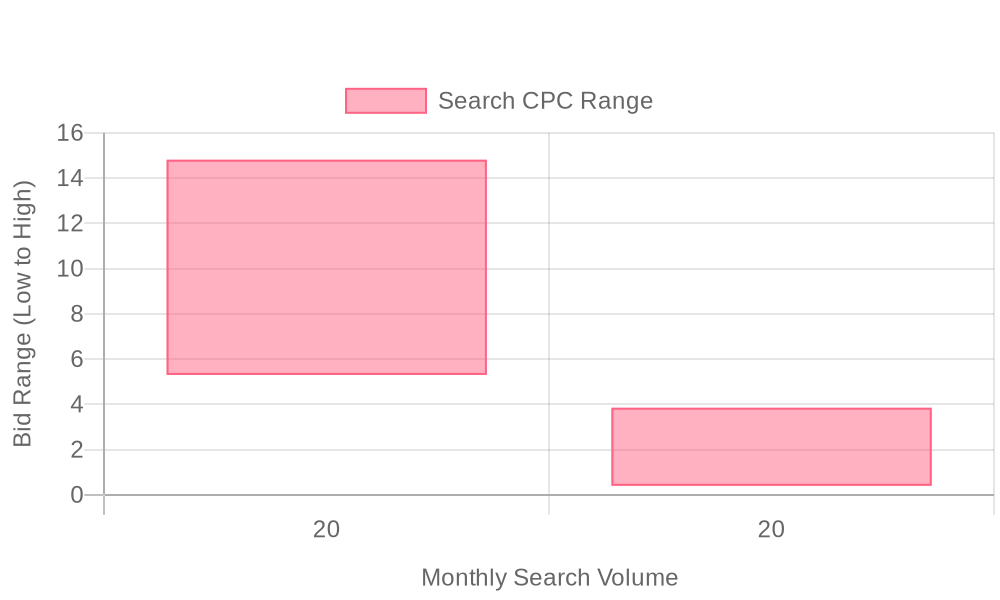
| Industry | Keyword | Monthly Search Volume | Competition Level | Low Bid | High Bid |
| Pet Containment Services | pet containment services | 20 | HIGH | 5.3 | 14.81 |
| Pet Containment Services | pet stop electric fence collar | 20 | HIGH | 0.4 | 3.85 |
Effective keyword strategy is essential for maximizing the return on investment in Google Ads for pet containment services. Intent-driven queries, such as "pet containment system installation" or "wireless dog fence installers," consistently deliver high-quality leads by capturing users who are actively searching for a solution. When these core keywords are combined with service-specific modifiers like "professional," "certified," or "custom," campaigns align more closely with the buyer's journey, increasing the likelihood of conversions. For additional insights on keyword opportunities, visit organic keyword data for 'dog fence'.
Geographical modifiers elevate local pet services marketing by narrowing campaign reach to the most relevant audiences. Incorporating terms like “pet containment system installers near me” or “dog fence installation [city]” ensures ads show to prospects in serviceable areas, reducing wasted spend on out-of-market clicks. With platforms that identify visitor location and intent, marketers can dynamically sync campaigns to target companies and individuals showing strong in-market signals, ensuring budget is directed toward the accounts most likely to convert.
Long-tail keywords are critical for capturing specialized and nuanced searches, such as “invisible dog fence for small yards” or “cat containment system for apartments.” These lower-volume queries generally face less competition and can be bid on more cost-effectively, delivering a higher conversion rate at a lower cost per acquisition. When advanced tools support dynamic audience updates, new long-tail search terms discovered during campaign optimization can be rapidly added, enabling teams to take advantage of emerging trends and shifting customer needs. Audience segments are automatically enriched as leads move through the funnel, supporting personalized retargeting and nurturing strategies that drive higher engagement and measurable results.
Integrating enriched keyword lists with CRM data and lead scoring allows pet containment advertising to connect Google Ads targeting for pet services with downstream sales outcomes. This closed-loop approach ensures that pet containment service promotions are always aligned with the highest-propensity buyers, optimizing digital marketing for pet services and delivering measurable Google Ads ROI for pet businesses. To streamline your next campaign, get started for free with Sona.
Step-by-Step Campaign Execution Framework
Step 1: Build Targeted Keyword Lists
Precision in keyword selection directly influences the quality of leads for Google Ads for Pet Containment Services. Focusing on service-specific and locality modifiers, such as “electronic dog fence installation in Austin” or “wireless pet containment near me,” captures motivated buyers searching for immediate solutions. Aligning keyword groups with consumer intent, segmenting by high-intent, research, and competitor queries, ensures campaigns match every stage of the decision journey. A robust negative keyword list filters out searches like “DIY pet fence” or “free pet fence installation,” protecting budgets and improving cost per lead. With Sona's Identity Resolution, marketers can go beyond surface-level search data and pinpoint which companies are researching containment services, building dynamic keyword lists that reflect evolving in-market demand. For trends and search volume insights, see this dog fence keyword analysis.
The upgrade most pet containment services advertisers miss is going beyond raw keyword volume to layer in intent and identity signals. By connecting website-visitor data and CRM records with Sona Marketing Measurement, you can see which specific search terms bring in the accounts and customers that actually convert, and weight your keyword and bidding strategy toward those rather than the terms with the highest search volume alone.
Step 2: Develop Compelling Ad Copy
Effective ad copy for pet containment advertising starts with addressing core pain points in headlines, such as “Keep Your Dog Safe at Home” or “Stop Escapes with Professional Pet Fencing.” Adding trust signals, including certifications, warranty badges, or customer testimonials, reduces friction and reassures pet owners. Highlighting limited-time offers like “Spring Installation Discount” or “Free Consultation for New Customers” increases urgency and drives click-through rates. Cohesion across channels is critical: synchronizing Google Ads messaging with ongoing social and email campaigns delivers a consistent brand narrative, maximizing brand recall and conversion rates. When real-time intent signals surface high-value accounts, marketers can dynamically adjust ad messaging for those segments, ensuring the most relevant offers reach the right pet owners at the perfect moment. Explore our marketing playbooks for actionable ad copy strategies.
Step 3: Design Effective Landing Pages
Landing pages for pet containment service promotions require a direct 1:1 mapping with ad groups, so each click lands on a page tailored to the promise in the ad. Including ROI calculators lets pet owners estimate long-term savings over physical fencing, while trust badges and third-party endorsements reinforce credibility. Prominent, simple lead forms connected to advanced systems guarantee leads enter the CRM instantly, supporting rapid follow-up and personalized nurture tracks. Sona’s destinations feature automates this process, enriching each new lead with behavioral and firmographic insights, then syncing them back into Google Ads, Salesforce, and HubSpot for seamless remarketing and pipeline progression. For examples of effective landing page design in the pet containment industry, review Hidden Fence of Wisconsin.
Step 4: Implement Data-Driven Optimizations
Ongoing optimization is vital to sustaining Google Ads ROI for pet businesses. Monitoring conversion metrics, cost per lead, call tracking, form fills, and booking rates, enables dynamic bid adjustments that prioritize high-performing geographies, devices, or audience segments. Leveraging Google Ads data, marketers refine campaign strategies with granular insights on search terms, ad performance, and audience behavior. Contemporary tools like Sona enrich real-time intelligence, allowing marketers to identify surges in high-intent activity and automatically update targeting, audiences, and bid strategies. To learn how pet businesses use PPC to drive growth, review this pet marketing PPC overview.
Sona Marketing Measurement closes the gap between clicks and revenue. It captures every ad click with first-party tracking, ties that click through UTM capture and ad-platform APIs to the actual record in your CRM, and reports ROAS by keyword and campaign instead of by last-click form fill. Feeding that revenue signal back into Smart Bidding and Performance Max compounds over time: the algorithms optimize toward booked pet containment services revenue, not cheap leads.
Tips on Expanding Your Pet Containment Presence

Strategic expansion in the pet containment sector relies on a blend of educational outreach, refined audience segmentation, and regionally focused market efforts. By prioritizing high-impact tactics and insights from advanced ad data, businesses can move from sporadic wins to sustained growth across local and regional markets. For more actionable insights on boosting visibility, review three types of Google Ads campaigns fencing companies can use for increased leads.
- Promote educational content in remarketing settings: Deploying targeted educational resources, such as how-to guides or safety tips, within remarketing campaigns keeps your brand top-of-mind for pet owners still weighing containment options. Using enriched audience data, you can identify those who engaged with specific topics and deliver tailored content that resolves their unique concerns, leading to increased trust and eventual conversion. When these insights are unified across channels, retargeting efforts become smarter, automatically updating audiences as prospects show deeper buying intent.
- Leverage segmented audience data for cross-promotions: Segmentation allows you to identify high-value customer subsets, such as new pet adopters or owners of multiple animals. By analyzing interactions and purchase history, you can craft cross-promotion campaigns, offering training services alongside fence installations or promoting premium equipment to repeat customers. Technologies that unify CRM, web, and ad data enable the real-time syncing of audiences directly into your Google Ads account, ensuring your promotions target the right individuals at the right time.
- Collaborate with local pet agencies to gain direct referrals: Building partnerships with veterinary clinics, shelters, and trainers provides direct access to pet owners actively seeking containment solutions. Co-branded educational events or referral programs can drive highly qualified leads to your business. Integration of these referral insights with your digital marketing platforms helps you attribute offline introductions to online conversions, closing the loop on ROI.
- Explore state-specific targeting to dominate regional markets: Utilizing Google Ads location targeting and state-level audience breakdowns, you can focus spend where containment demand is highest. Regional campaigns tailored to local regulations, climate, and pet owner preferences consistently outperform generic messaging. Unified analytics platforms help you identify emerging hotspots by tracking engagement and conversions down to the ZIP code, allowing for agile budget reallocation.
- Enrich your marketing content with insights drawn from Google Ads data: Continuous improvement in messaging and creative assets is possible by integrating learnings from ad performance, such as which value propositions resonate in different markets or which ad copy drives the most clicks among certain demographics. When your data pipelines connect seamlessly, content teams can rapidly iterate on messaging, ensuring all touchpoints, from search ads to landing pages and follow-up emails, reflect what actually moves the needle for pet containment service promotions.
Mastering Google Ads for Pet Containment Services means building a feedback loop where every dollar spent is informed by real buyer behavior. Aligning campaign execution with that behavior lets revenue teams identify high-intent leads quickly, adjust promotions, and improve ROI even in a crowded local market.
Beyond Google Ads: Winning the AI Answers Pet Containment Services Buyers Now Trust
Paid search captures demand at the moment someone types a query. But a fast-growing share of pet containment services buyers no longer start at Google at all, they ask ChatGPT, Gemini, or Perplexity before they ever run a search, and Google's own AI Overviews increasingly summarize an answer above the traditional results. If your business isn't referenced in those AI answers, you're invisible at the exact moment buyers build their shortlist.
Sona AI Visibility shows where your business shows up across ChatGPT, Gemini, Perplexity, Google AI Overviews, and 10+ engines, and, much like a keyword report, which prompts actually send you buyers, so you can prioritize the ones that convert. Run the two together and you cover the entire buyer path: get cited where buyers research (AI Visibility), then prove which of that demand turns into booked revenue (Marketing Measurement).
Helpful resources
Conclusion
Google Ads works for pet containment services when the targeting matches how these buyers actually search: urgently, locally, and with a specific containment problem in mind. Getting the keyword, ad copy, and landing page in sync closes the gap between a search and a booked installation.
The businesses pulling ahead in this trade are the ones treating Google Ads as one part of a larger measurement system, tying clicks to bookings, not just to form fills, and letting that data sharpen the next campaign. That discipline compounds: better data produces better bidding, which produces cheaper, more qualified leads.
FAQ
What are the best practices for Google Ads in the pet containment industry?
Best practices include integrating Google Ads with other marketing channels, using precision keyword targeting, aligning landing pages with ad messaging, optimizing performance through testing, and enriching CRM data with intent signals.
How can I effectively target local customers with Google Ads for pet services?
You can target local customers by using geographical modifiers in your keywords, focusing on local visibility through ZIP code targeting, and ensuring your ads show to prospects in serviceable areas.
What budget should I allocate for Google Ads for pet containment services?
The budget should be allocated based on campaign metrics, focusing on ads and audiences that generate the highest ROI, and dynamically adjusting spend towards high-performing geographies and audience segments.
What keywords should I use for Google Ads targeting pet containment?
Use keywords like 'wireless pet fence installation', 'electric dog fence near me', and include service-specific and locality modifiers to capture high-intent local searches.
How do I measure the success of my Google Ads campaigns for pet services?
Success can be measured by monitoring conversion metrics such as cost per lead, call tracking, form fills, and booking rates, and using these insights for dynamic bid adjustments and campaign refinement.







