


Pet owners searching for training programs, weight-management plans, or agility classes tend to book with whoever answers first, and Google Ads is how a pet fitness business shows up in that narrow window. The harder problem is what happens after the click: many of these businesses lose high-value prospects who never enter the CRM, and have no visibility into anonymous site traffic that could otherwise be pursued. By targeting high-intent search queries and layering in real audience segmentation, pet fitness services can turn that traffic into booked sessions rather than lost inquiries.
How to Generate Pet Fitness Services Leads with Google Ads: A Step-by-Step Guide

Pet fitness services operate in a market where timely connection with motivated pet owners is critical. Google Ads empowers these businesses to capture high-intent leads at the moment they are actively searching for wellness solutions for their pets. For an overview of how pet care businesses can leverage Google Ads to attract new clients, visit the pet advertising with Google guide.
A modern approach to Google Ads for Pet Fitness Services leverages data-driven targeting, real-time optimization, and seamless integration with broader marketing efforts. The following framework outlines how to strategically implement and scale Google Ads as a reliable channel for pet fitness lead generation. For additional strategies, explore our marketing performance blog.
- Keyword and Audience Targeting: Identifying and targeting precise keywords, such as "pet fitness services near me" or "dog exercise programs", ensures ad spend is focused on audiences most likely to convert. Sona's Identity Resolution identifies the companies behind otherwise anonymous web traffic, so marketers can move past guesswork on who's actually visiting. By mapping search intent to actual service offerings, campaigns become more relevant and efficient. Audiences can be dynamically updated as leads progress through the funnel, so messaging and offers stay aligned to current interest and buying stage segmentation.
- Landing Page and Creative Alignment: For pet fitness services, ad clicks must lead to landing pages that reinforce the promise made in the ad copy. This includes consistent messaging, visuals that reflect the service, and clear calls to action tailored to pet owners' needs. Trust signals such as customer testimonials, certifications, or transparent pricing help overcome hesitation. With enriched audience insights, creative assets and landing pages can be dynamically personalized to address concerns or motivations unique to each segment.
- Performance Optimization: Effective optimization starts with granular, real-time analytics that track both online engagement and offline conversions. With unified reporting, revenue teams can quickly see which ad placements, keywords, and audiences drive the highest ROI. Bid strategies can shift as in-market behavior changes, directing budget toward high-converting segments. Conversion tracking ensures each lead is attributed correctly, giving a true read on campaign profitability.
- Cross-Channel Integration: Integrating Google Ads insights with data from email, social, and CRM systems creates a unified marketing strategy. This allows pet fitness providers to synchronize audience segments and retarget users with tailored messaging regardless of channel. By syncing enriched audience data and audiences between platforms, teams avoid silos and ensure all touchpoints reinforce each other, increasing engagement and driving conversions. For best results, ensure your solution supports seamless CRM and ad platform integration, so every campaign benefits from the latest prospect data.
Ready to accelerate your pet fitness lead generation? Get started for free with Sona.
Why Google Ads Matter for Pet Fitness Services Businesses
Maximizing digital visibility is essential for pet fitness service providers seeking to reach motivated, time-sensitive buyers. Effective campaigns connect businesses with pet owners who are already searching for solutions, driving higher-quality leads and reducing wasted spend. For a deeper dive on how Google Ads can grow your pet care business, visit this overview of advertising with Google. Marketers can also explore our blog for additional strategies to boost their online presence.
- Specialized Audience Targeting: Google Ads empowers pet fitness services to precisely target pet owners with intent-rich searches such as "dog fitness classes near me" or "canine weight management programs." By leveraging Sona's visitor identification feature, marketers can move beyond anonymous website traffic and pinpoint which prospects are engaging. This granular insight transforms outreach, allowing teams to tailor messaging and offers based on real-time buyer signals.
- Immediate Demand Fulfillment: The fast-paced nature of pet fitness, covering training sessions, group classes, and health assessments, requires rapid response to customer inquiries. Google Ads supports this immediacy by delivering ads to prospects the moment they search for relevant services. When paired with platforms that map Sona's buyer journey stages, campaigns dynamically adjust to serve timely, context-specific content. This approach not only boosts lead conversion rates but also allows for agile budget reallocation toward audiences demonstrating in-market intent.
- Comprehensive ROI Measurement: Pet fitness services benefit from Google Ads' robust tracking, covering the entire customer journey from ad impression to booking. By integrating advanced attribution, including both online and offline interactions, marketers gain unmatched clarity into which activities drive real business outcomes. Seamless CRM and ad platform syncing ensures enriched audience data flows bi-directionally, powering accurate reporting and enabling teams to close the loop on marketing investment.
Common Types of Google Ads Campaigns for Pet Fitness Services

Pet fitness services marketing requires precise campaign strategies that match the intent and behaviors of pet owners. Google Ads offers several campaign types, plus ad formats like Responsive Search Ads within Search campaigns, each serving a distinct role in the customer acquisition funnel and supporting different marketing objectives.
- Search Campaigns: These campaigns capture high-intent prospects by targeting pet owners actively searching for fitness services for their pets. By carefully selecting keywords aligned with pet fitness, grooming, or training, marketers reach customers with immediate purchase intent. Integrating real-time visitor identification allows teams to see which companies are behind each search click, enabling rapid budget shifts to the best-performing segments.
- Display Ads: Staying top-of-mind is critical in pet product advertising, especially for services that benefit from repeated exposure. Display ads maintain visibility across relevant pet-focused sites and forums, supporting broader awareness campaigns. Marketers can further refine display targeting by syncing enriched account lists directly into ad platforms. For a broader perspective on how pet care businesses can use Google Ads to attract new clients and grow their customer base, see this overview for pet care businesses.
- Video Ads: Video campaigns give brands the ability to visually showcase pet fitness services, highlight success stories, and educate pet owners through engaging content. Video ads excel at building emotional connections, especially when demonstrating the transformation and benefits experienced by pets. By leveraging dynamic audience capabilities, video campaigns adjust in real time as leads engage with content, moving prospects further down the funnel with personalized storytelling.
- Remarketing: Remarketing campaigns re-engage previous site visitors who have shown interest but have not yet converted. By identifying visitors with high in-market intent, marketers can deliver tailored ads and offers that address specific objections or hesitations.
Each of these campaign types, when orchestrated with unified data and advanced audience management, enables pet fitness service providers to deliver highly targeted, measurable, and ROI-driven marketing programs. To experience these advanced capabilities firsthand, get started for free with Sona.
Each of these campaign types, when orchestrated with unified data and advanced audience management, enables pet fitness service providers to deliver targeted, measurable, ROI-driven marketing programs. To experience these advanced capabilities firsthand, get started for free with Sona.

Growth in pet fitness services marketing hinges on proactively identifying and capitalizing on new channels, evolving user intent, and untapped audience segments. Revenue teams that systematically analyze their campaigns and align their messaging with the most relevant buyer needs consistently outperform the market.
- Keyword Research: Effective Google Ads for Pet Fitness Services campaigns begin with targeted keyword research. Prioritize niche terms and long-tail phrases, think "dog agility training near me" or "cat weight management programs", which signal high purchase intent and lower competition. By continuously monitoring search trends and integrating real-time intent data, marketers can dynamically shift budget toward the highest-converting keywords as user behavior changes. Leveraging unified go-to-market data, you can map granular search queries directly to conversion outcomes, ensuring every dollar is invested in attracting and converting your ideal customer profile.
- Competitor Analysis: Monitoring direct competitors provides actionable benchmarks and helps expose overlooked opportunities. Examine their ad copy, landing pages, and keyword portfolios to spot gaps in their targeting or messaging. Advanced segmentation and cross-channel audience insights empower your team to build audiences that evolve as leads progress through the buyer's journey. This allows for timely, relevant outreach that addresses prospects' evolving needs, something static campaign structures often miss.
- Industry Placements: Establishing a presence on pet care directories, forums, and industry-specific websites extends your reach into high-value micro-communities where your ideal customers already engage. These placements supplement standard search and display campaigns, offering contextual relevance and higher trust. Pet fitness services PPC strategies should include curated placements on platforms frequented by pet owners, trainers, and wellness advocates. When you unify engagement and conversion data from these placements with your CRM, sales teams can prioritize outreach to the most engaged accounts, streamlining follow-up and accelerating sales cycles.
How to Apply Audience Segmentation for Pet Fitness Services

Audience segmentation is a foundational strategy for pet fitness services seeking higher ROI and more relevant engagement. By breaking down broad audiences into actionable groups, marketing teams can deliver messaging that feels personal, timely, and directly tied to each prospect's intent. For a deeper dive into segmenting and activating audiences with real-time signals, explore Sona's Audiences tool.
- Define Groups: Segment potential clients by pet type, dog owners versus cat owners, and by fitness goal: weight management, agility, or general conditioning. Behavioral data from past site visits and service inquiries sharpens this further, letting you target, say, owners of senior dogs interested in low-impact exercise programs or cat owners searching for enrichment-focused activities. Seasonality matters too: interest in weight-loss programs tends to spike after the holidays, while agility and outdoor classes pick up in spring. For hands-on resources on growing your business with Google Ads in the pet sector, visit this advertising guide for pet care businesses.
- Intent Signals: Monitoring real-time search behavior and on-site engagement is critical to identifying where each pet owner is in their decision journey, whether they're comparing group class schedules or ready to book an assessment. Marketers can use these intent signals to adjust targeting dynamically, reaching people currently exploring fitness solutions or ready to book. Sona's Identity Resolution helps marketing teams move past anonymous web traffic by identifying the companies behind high-value inquiries, which sharpens segment accuracy and prioritizes high-intent leads.
- Customized Ad Groups: Tailor ad groups to each segment so messaging and bids align with specific pain points, puppy training copy shouldn't look like senior pet fitness copy. Syncing enriched audience segments from a CRM or data platform directly into Google Ads keeps each segment's offers and follow-ups current. This keeps campaigns agile as leads move through the funnel, sharpening the return on pet fitness services PPC spend.
This is also where measurement changes the economics. With Sona Marketing Measurement you can identify the companies behind your ad clicks, not just anonymous sessions, and segment audiences by who actually becomes a customer. That lets you build bid adjustments and audience signals around the segments that convert and de-prioritize the ones that don't, so you feed Google's algorithms "this click became a paying pet fitness services customer" instead of just "someone filled out a form."
Keyword Strategy & Sample Target Terms
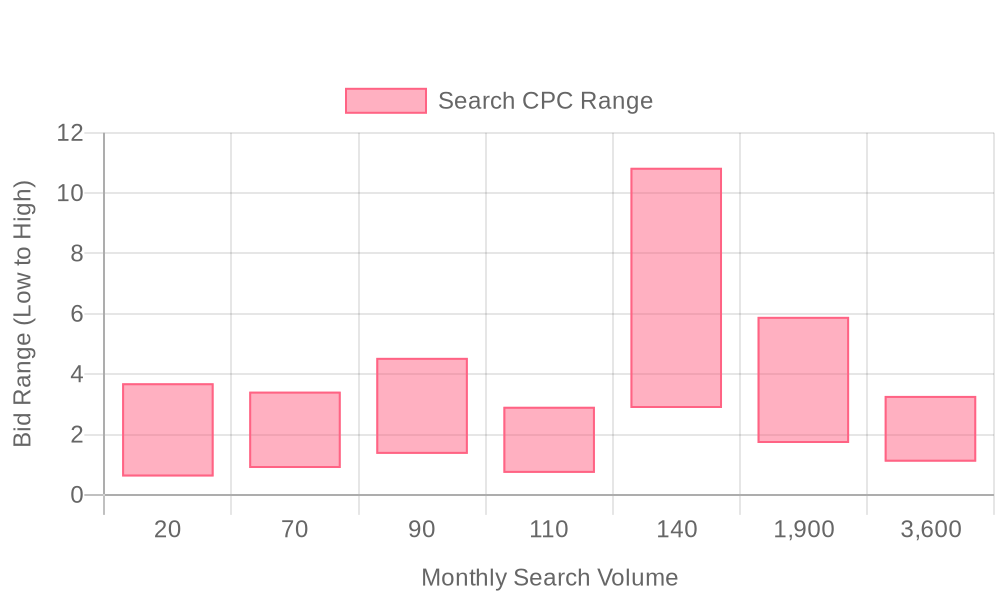
| Industry | Keyword | Monthly Search Volume | Competition Level | Low Bid | High Bid |
| Pet Fitness Services | basic dog training cost | 20 | MEDIUM | 0.61 | 3.7 |
| Pet Fitness Services | therapy dog trainer | 70 | MEDIUM | 0.89 | 3.42 |
| Pet Fitness Services | psychiatric dog training near me | 90 | MEDIUM | 1.36 | 4.54 |
| Pet Fitness Services | diabetic alert dog training near me | 110 | MEDIUM | 0.73 | 2.92 |
| Pet Fitness Services | dog trainer boarding near me | 140 | MEDIUM | 2.88 | 10.84 |
| Pet Fitness Services | cheapest dog training near me | 1900 | HIGH | 1.72 | 5.9 |
| Pet Fitness Services | cost of dog training | 3600 | MEDIUM | 1.1 | 3.28 |
Driving lead generation in pet fitness services requires a sharp focus on keywords that attract motivated, local pet owners. High-intent search terms such as "pet fitness services near me" or "dog exercise programs in [city]" help campaigns reach those actively seeking solutions, minimizing wasted ad spend and emphasizing relevance. For a detailed overview of how pet care businesses can use Google Ads to attract new clients, explore this guide to advertising with Google.
Location-based terms are essential for pet fitness services marketing, especially when combined with service-specific keywords like "dog agility training" or "cat exercise classes." Bidding strategies should be adjusted based on the competitiveness of each term, allocating more budget to keywords with a proven track record of driving conversions and higher ROAS. Incorporating negative keywords, such as "DIY pet fitness" or "free pet exercise tips", filters out low-value clicks, further refining campaign performance. For more actionable insights, visit our collection of marketing playbooks.
Dynamic keyword lists become even more valuable when paired with real-time visitor identification and intent tracking. With unified data from platforms like Sona, marketers can go beyond anonymous impressions, recognizing companies or individuals who engage with ads and tailoring follow-up communication. Audience lists update automatically as prospects progress through the buying journey, ensuring that remarketing efforts stay timely and relevant. Ready to elevate your campaigns? Get started for free with Sona.
Step-by-Step Campaign Execution Framework
Pet fitness services operate in a rapidly growing sector, and digital visibility is crucial for capturing high-intent customers. With search-driven marketing, every click and conversion can be mapped directly to real business outcomes, making precise execution essential for ROI. Explore how pet care businesses use Google Ads to attract new clients and grow their customer base by reviewing this overview of Google Ads for pet care.
Strategic Google Ads frameworks enable pet care businesses to reach local pet owners at the exact moment their needs arise. Modern marketers leverage real-time audience data, behavioral signals, and dynamic audience updates to elevate campaign performance and consistently exceed acquisition benchmarks. For more expert marketing strategies, see our company blog.
Step 1: Build Targeted Keyword Lists
- Local intent modifiers: Integrate keywords such as "pet fitness classes near me" or "dog gym open now" to attract audiences in your service area. This approach raises ad relevance and lowers wasted spend by zeroing in on prospects with high purchase intent.
- Negative keywords: Use negative terms like "DIY" or "pet fitness videos" to filter out do-it-yourself searchers and focus investment on prospects looking for hands-on services. This ensures your campaigns reach only those ready to engage with your offerings.
When campaign data is unified, marketers can move beyond guesswork by pinpointing which search queries drive actual conversions. Sona's Identity Resolution and CRM sync features help teams enrich keyword targeting with granular audience insights, enabling the dynamic creation of high-performing keyword segments that evolve as intent signals shift.
The upgrade most pet fitness services advertisers miss is going beyond raw keyword volume to layer in intent and identity signals. By connecting website-visitor data and CRM records with Sona Marketing Measurement, you can see which specific search terms bring in the accounts and customers that actually convert, and weight your keyword and bidding strategy toward those rather than the terms with the highest search volume alone.
Step 2: Develop Compelling Ad Copy
- Pain points and solutions: Craft headlines that directly address common customer concerns, such as "Is your dog overweight?" or "Struggling to find pet fitness near you?" Follow up with concise solutions that speak to the specific services you provide.
- Tailored incentives: Promote offers like "First session free" or "Complimentary fitness assessment" based on where the user is in the buying journey. Incentive alignment increases click-through rates and drives more qualified leads.
Ad copy that resonates is informed by real-time intent data. By analyzing in-market actions and previous engagements, marketers can personalize messaging and adjust copy dynamically as leads progress through the funnel. For actionable campaign tactics, visit our marketing playbooks.
Step 3: Design Effective Landing Pages
- Message and offer alignment: Ensure every landing page matches the promise of the ad and the keywords triggering it. Consistent messaging reduces friction and builds trust, which is essential for converting pet fitness prospects.
- Clear, actionable CTAs: Use straightforward calls-to-action, such as "Book Your Pet's Assessment" or "Reserve a Spot Today." Prominent, easy-to-find CTAs are proven to lift conversion rates.
Tracking visitor journeys from ad click to on-site behavior allows marketers to identify where users drop off and which elements drive engagement. Sona's attribution capabilities help link online and offline actions, informing ongoing landing page optimization efforts for higher ROI.
Step 4: Implement Data-Driven Optimizations
- Conversion tracking and A/B testing: Monitor every lead form, call, and booking generated from your ads. Routinely test variations in copy, creative, and landing page layout to identify top performers.
- Real-time targeting refinement: Use live campaign data to shift budget toward audiences showing the strongest intent, ensuring resources are allocated to segments most likely to convert.
With unified analytics and CRM sync, marketers can track performance across the funnel, attribute revenue back to campaigns, and refresh audience lists based on new engagement signals. Sona's advanced attribution and audience sync functions allow teams to seamlessly update Google Ads audiences as leads move through buying stages, maximizing the impact of every marketing dollar spent. For more business growth resources, see ProPetBusiness.
Sona Marketing Measurement closes the gap between clicks and revenue. It captures every ad click with first-party measurement, then ties that click through UTM capture and ad-platform APIs to the actual record in your CRM, and reports ROAS by keyword and campaign instead of by last-click form fill. Feeding that revenue signal back into Smart Bidding and Performance Max compounds over time: the algorithms optimize toward booked pet fitness services revenue, not cheap leads.
Tips on Expanding Your Pet Fitness Services Presence

Expanding your pet fitness services requires a multi-channel approach that leverages both digital and local strategies. Value-driven marketing, precise audience targeting, and real-time engagement with pet owners create a foundation for sustainable growth in a highly competitive sector.
- Cross-Promotion: Use educational assets, video guides or infographics, to retarget users who have already interacted with your brand. Deliver these assets through social and programmatic channels to reinforce your expertise and stay top-of-mind. Pairing these tactics with Sona's Identity Resolution, which maps returning visitors to company records, lets marketers nurture high-value leads that would otherwise stay anonymous, driving more personalized follow-ups and campaign relevance.
- Partnerships: Collaborate with pet stores or veterinary clinics to tap into trusted networks. Referral programs and co-branded events introduce your services to well-qualified audiences already primed for pet wellness solutions. These partnerships expand reach while enabling your brand to build credibility and trust among pet owners who value recommendations from their preferred local providers. For more inspiration on leveraging partnerships and business growth, explore this pet care business resource hub.
- Localization: Dominate local search results by tightly focusing campaigns on specific regions, neighborhoods, or cities. Tailor ad copy and landing pages to reflect neighborhood-specific needs, leveraging visitor analytics data to optimize spend and messaging for each market. Even when competitors have larger budgets, a localized strategy built on granular insights and dynamic audience segments ensures your services are seen by the most relevant pet owners.
Google Ads can significantly impact the growth trajectory of pet fitness services businesses by strategically connecting with high-intent pet owners at the moment they are searching for solutions. Smart keyword selection, precise segmentation, compelling creative, and continuous optimization are critical to campaign success. By integrating modern platforms that unify go-to-market data, marketers can unlock real-time insights, enrich audience profiles, and sync qualified leads into CRM and ad platforms for seamless activation and measurable ROI.
Beyond Google Ads: Winning the AI Answers Pet Fitness Services Buyers Now Trust
Paid search captures demand at the moment someone types a query. But a fast-growing share of pet fitness services buyers no longer start at Google at all, they ask ChatGPT, Gemini, or Perplexity before they ever run a search, and Google's own AI Overviews increasingly summarize an answer above the traditional results. If your business isn't referenced in those AI answers, you're invisible at the exact moment buyers build their shortlist.
Sona AI Visibility shows where your business shows up across ChatGPT, Gemini, Perplexity, Google AI Overviews, and 10+ engines, and, much like a keyword report, which prompts actually send you buyers, so you can prioritize the ones that convert. Run the two together and you cover the entire buyer path: get cited where buyers research (AI Visibility), then prove which of that demand turns into booked revenue (Marketing Measurement).
Helpful resources
Conclusion
Google Ads works for pet fitness services because it puts your business in front of someone at the exact moment they're deciding to book, not months earlier when they're just browsing. That timing advantage, combined with precise keyword targeting and segmentation, is what turns ad spend into booked sessions rather than impressions.
The businesses that win in this space treat AI Overviews and chat-based answers as a second front, not an afterthought, since more pet owners are asking an AI assistant for recommendations before they ever type a search query. Pairing Google Ads with visibility into that channel, and measurement that ties clicks to booked revenue, is what separates a campaign that generates form fills from one that fills class schedules.
To take the next step, start for free to see how unifying your marketing data can sharpen every campaign decision from keyword bids to audience targeting.
FAQ
How can I target pet owners with Google Ads for my fitness services?
To target pet owners, use precise keywords like 'pet fitness services near me' and leverage audience segmentation to focus on high-intent prospects actively searching for pet fitness solutions.
What are the best keywords for Google Ads in the pet fitness niche?
Effective keywords include 'pet fitness services near me,' 'dog exercise programs,' 'dog agility training,' and 'cat exercise classes,' which attract motivated local pet owners.
How can I track the ROI of my Google Ads for pet fitness services?
Utilize advanced conversion tracking to monitor online engagement and offline conversions, integrating CRM and ad platform data for comprehensive ROI measurement.
What are some successful Google Ads examples for pet fitness businesses?
Successful examples include search campaigns targeting high-intent keywords, display ads for maintaining visibility, and video ads showcasing pet fitness transformations.
How do I set up and optimize Google Ads for my pet fitness service?
Set up targeted keyword lists, create compelling ad copy, align landing pages with ad promises, and use real-time data to optimize targeting and budget allocation for better performance.







