


Massage supply buyers research before they buy: they compare table weight capacities, read reviews on linens and oils, and often disappear into a spreadsheet before requesting a quote. That long, quiet research phase is exactly where Google Ads earns its keep, connecting you with spa owners, clinic managers, and independent therapists at the moment they're actively searching, not just browsing. Done well, it turns anonymous traffic into identifiable leads your sales team can actually follow up on, and it ties online research to offline purchasing decisions so ad spend keeps landing on real buyers rather than window shoppers.
How to Generate Massage Supply Company Leads with Google Ads: A Step-by-Step Guide
Massage supply companies face a unique set of challenges in digital acquisition: buyers conduct extensive research, purchasing cycles are long, and many prospects interact anonymously before taking action. Generating consistent, high-quality leads requires a data-driven Google Ads strategy that connects the dots between buyer intent signals, targeted messaging, and measurable results.
A modern paid search approach for massage supplies hinges on precise analytics and the ability to recognize engaged buyers across the funnel. Marketers who identify visitor companies and in-market behaviors early can move budget toward high-converting segments, maximizing the return on every advertising dollar. This advanced insight enables revenue teams to prioritize accounts that are most likely to purchase, rather than relying on surface-level click or impression data.
- Data-Driven PPC Approach: Granular analytics show how massage therapists, spa owners, and wellness centers actually research and buy equipment, whether that's comparing table weight capacities, checking bulk linen pricing, or reading oil ingredient lists. First-party data reveals which ad groups and keywords generate real sales inquiries rather than idle visits. For a real-world look at how paid search can drive growth, review this case study on scaling a beauty brand with Google Ads. Unifying ad data with CRM records lets you attribute revenue to specific campaigns, keywords, and audience segments, closing the loop between spend and sales.
- Targeting Strategies: The most effective Google Ads strategies for massage supplies focus on high-intent keywords such as “buy massage tables in bulk” or “professional massage equipment supplier.” Audience segmentation goes beyond simple demographics, leveraging real-time audience data about company size, purchase history, and engagement patterns. As leads move through the funnel, dynamic audience updates ensure that retargeting and lookalike campaigns always reflect the latest buyer readiness.
- Landing Page Optimization: Aligning ad copy with landing page content is critical for conversion. Pages should emphasize value propositions relevant to professional buyers: durability, bulk discounts, financing options, and shipping reliability. Real-time visitor identification tools can personalize content further, showing returning prospects custom offers or testimonials that match their segment. The result is higher conversion rates and more captured leads with genuine purchasing intent.
- Performance Tactics: Continual optimization is the foundation of cost-effective Google Ads for massage supplies. Marketers should monitor performance signals across search, display, and remarketing channels, adjusting bids and creative based on real-time results. Integrating cross-channel insights helps unify digital marketing efforts, ensuring that valuable lead data from paid, organic, and social sources flows back into ad targeting and conversion tracking. With advanced attribution models, teams can measure the full impact of their campaigns, from first click through to closed sale, driving a cycle of constant improvement and increasing ROI for all advertising massage products online.
Why Does Google Ads Matter for Massage Supply Companies

Google Ads empowers massage supply companies to capture demand at the exact moment buyers are comparing options, researching specifications, and preparing to purchase. This channel enables marketers to intercept decision-makers with targeted offers, ensuring that high-value leads are reached during critical procurement windows. For a practical breakdown of how massage supply stores can leverage digital advertising strategies, see marketing solutions for massage supply stores.
- Reaching Specialized Audiences: Precision targeting in Google Ads connects with procurement managers, spa owners, and wellness business operators actively seeking massage tables, chairs, oils, and related supplies. By syncing CRM data with ad platforms, marketers can identify site visitors and match them to key accounts, resulting in relevant outreach and fewer wasted impressions.
- Promoting Niche Services: Google Ads supports the promotion of high-margin, specialized massage products, such as ergonomic tables, heated pads, or eco-friendly linens, through campaigns designed to surface these offerings to in-market professionals. Marketers can dynamically update real-time audiences as contacts move from initial interest to active evaluation, ensuring that messaging remains aligned with buyer intent.
- Immediate Response Generation: Demand for massage supplies spikes around trade shows, spa openings, and holiday gifting season, and it cools quickly once the moment passes. Google Ads lets you activate campaigns fast enough to catch that window, while real-time intent data helps you shift budget toward accounts showing genuine purchase readiness, like a clinic manager researching bulk table orders ahead of a renovation, rather than casual browsers.
- Enhancing Data-Driven Insights: Granular metrics from Google Ads, combined with advanced conversion tracking, provide a full view of campaign performance, from first click to completed sale, whether online or through offline channels. Marketers can unify these insights with broader revenue data to refine targeting, measure true ROI, and optimize digital marketing for massage supply businesses at every stage.
Common Types of Google Ads Campaigns for Massage Supply Services
Search, Display, Video, and Remarketing each serve a distinct role below; a well-rounded account often adds Performance Max as well, letting Google's automation surface massage supply ads across Search, Display, YouTube, and Gmail from a single campaign.

- Search Campaigns: Capture high-intent buyers actively searching for massage tables, oils, sheets, and equipment. This campaign type ensures your products appear at the moment potential customers are expressing commercial intent, which reduces wasted spend and drives qualified traffic to massage tables or product pages. With unified go-to-market data, marketers can leverage visitor identification to move beyond anonymous clicks, matching searches to specific businesses or purchasing teams for precision targeting.
- Display Ads: Keep your massage supply brand visible across relevant health, spa, and wellness websites. Display campaigns are ideal for building brand recall and influencing research-driven buyers who are not ready to convert on their first visit. By syncing CRM-enriched audience segments, marketers can serve tailored creative to decision-makers, ensuring display impressions reach those most likely to move down the funnel. For additional ideas on boosting visibility, explore this guide for beauty salons using Google Ads.
- Video Ads: Engage professional therapists and buyers with demonstrations of massage equipment, care tips, or customer testimonials. Video ads educate and inspire trust, clarifying product value and encouraging consideration among B2B audiences. Real-time intent data allows teams to optimize budget allocation, prioritizing video placements for accounts showing increased interaction or product interest.
- Remarketing: Reengage previous site visitors who explored product pages or started a quote request but did not convert. Effective remarketing campaigns use timely, relevant creative to nurture warm leads and accelerate decision cycles. By integrating CRM and ad platforms, marketers can automate audience updates, triggering follow-up messages or exclusive offers as leads progress from initial research to purchase, and capturing both online and offline conversions for complete ROI measurement.
Where to Find Growth Opportunities in Massage Supply Advertising

Massage supply companies operate in a competitive digital landscape where conventional search strategies leave valuable segments untapped. Growth comes from leveraging advanced audience insights and data-driven optimization that align with the specific buying cycles and product needs of wellness professionals.
- Specialty Keyword Targeting: Identifying high-value, niche queries is crucial for Google Ads for Massage Supply Companies. Terms like “ergonomic massage chair for clinics” or “bulk disposable massage table covers” capture intent missed by broad keyword lists. For a step-by-step approach on campaign setup and optimization, see this guide on Google Ads for massage therapists. By analyzing real search behavior, marketers can expand beyond generic categories and target decision-makers as they actively research solutions using intent signals.
- Competitor Analysis: A sophisticated approach to competitor insights reveals not just who is bidding, but where gaps or inefficiencies exist. Integrating predictive analytics, teams can track which keywords are saturated, anticipate cost fluctuations, and shift spending to high-ROI terms. With advanced visitor identification, marketers can pinpoint which competitor’s clients are engaging with their ads and tailor offers or content to accelerate conversion.
- Industry Placements: Direct engagement on niche forums, supplier directories, and professional networks increases visibility among buyers already in-market for massage supplies. Placing display and native ads in these environments ensures messaging reaches vetted audiences, while audience sync helps keep targeting lists updated as leads engage with content across platforms. This consistent, context-aware presence nurtures trust and shortens sales cycles.
- Content Retargeting: Using educational assets like comparison guides, setup tutorials, and ROI calculators as retargeting creative deepens engagement for mid-funnel prospects. Automated audience segmentation enables brands to dynamically serve content based on each user’s journey stage, whether they viewed a product page or downloaded a whitepaper. Advanced conversion tracking ensures every touchpoint is measured for true impact and campaign optimization.
How to Apply Audience Segmentation for Massage Supply Companies

Audience segmentation is the cornerstone of cost-effective Google Ads for massage supplies. By dividing prospects into distinct groups based on business type, purchase history, and intent signals, marketers reach the right buyers at the optimal stage of their decision process. This reduces wasted ad spend and increases conversion rates by matching creative and budget to each segment’s needs.
- Define Segments: Segment audiences such as spa chains, independent therapists, and retail buyers using firmographic and behavioral data. This differentiation allows for targeted Google Ads strategies for massage supplies, ensuring that ad messaging resonates with each buyer type. For example, spa owners may respond best to bulk discounts and product bundles, while retail buyers are motivated by new arrivals or seasonal promotions.
- Intent Signals: Track actions indicating readiness to buy, such as repeat visits to high-value product pages or engagement with financing options for premium equipment. Dynamic audience updates, informed by real-time intent, ensure ad spend targets in-market accounts rather than low-probability leads. When marketing teams use platforms that identify the companies visiting their site, they can prioritize follow-up for those showing signs of bulk purchasing or interest in high-end massage tables.
- Create Ad Groups by Segment: Structure campaigns with separate ad groups for each audience, using customized headlines, ad copy, and offers based on predictive scoring models. This ensures messages align with buyer stage, such as featuring educational content for early-stage prospects or limited-time deals for decision-ready accounts. Budgets can be reallocated in real time to top-performing segments, maximizing ROI and supporting Google Ads optimization for massage supplies.
- Validate Conversion Paths: Test and confirm that all digital touchpoints, landing pages, lead forms, and checkout processes, seamlessly route prospects into sales channels. Advanced conversion tracking, including both online and offline attribution, provides a full view of the customer journey. With CRM and ad sync capability, enriched audience data flows directly into platforms like Google Ads, HubSpot, and Salesforce, closing the loop between ad spend and revenue. This unified approach delivers actionable insights for continuous improvement in advertising massage products online.
This is also where measurement changes the economics. With Sona Marketing Measurement you can identify the companies and buyers behind your ad clicks, not just anonymous sessions, and segment audiences by who actually becomes a customer. That lets you build bid adjustments and audience signals around the segments that convert and de-prioritize the ones that don't, so you feed Google's algorithms "this click became a paying massage supply customer" instead of just "someone filled out a form."
Keyword Strategy & Sample Target Terms
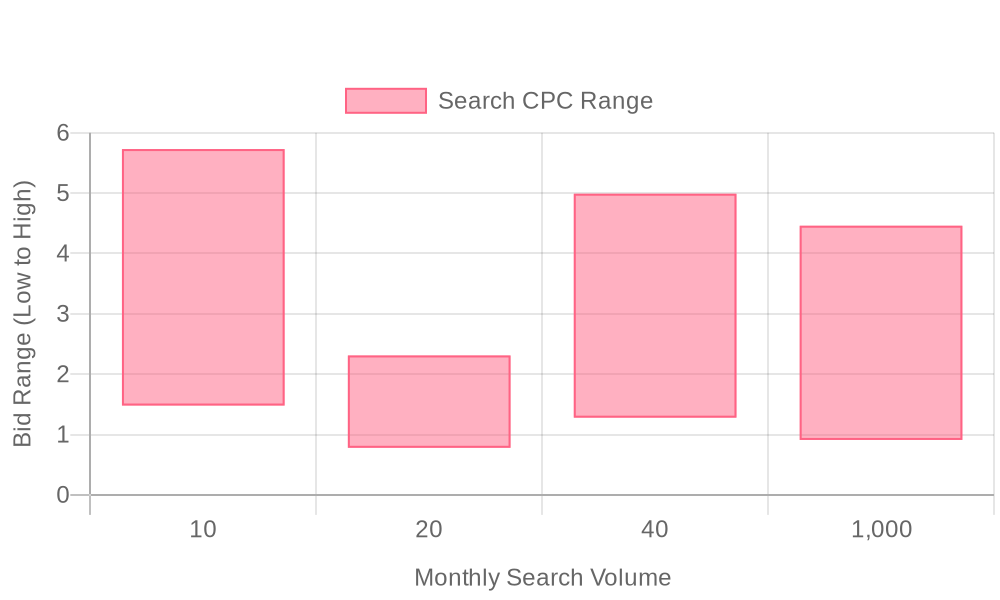
| Industry | Keyword | Monthly Search Volume | Competition Level | Low Bid | High Bid |
| Massage Supply Companies | massage supply companies | 10 | HIGH | 1.48 | 5.73 |
| Massage Supply Companies | massage wholesale suppliers | 20 | HIGH | 0.78 | 2.31 |
| Massage Supply Companies | massage equipment suppliers | 40 | LOW | 1.28 | 4.99 |
| Massage Supply Companies | massage suppliers | 1000 | HIGH | 0.91 | 4.46 |
A robust keyword strategy is foundational to driving measurable results for massage supply companies investing in Google Ads. By anchoring campaigns around intent-driven search terms, you position your products directly in front of buyers actively seeking massage tables, chairs, lotions, oils, and accessories. This approach allows you to maximize the efficiency of your ad spend, improve click-through rates, and attract high-value commercial clients such as spas, clinics, and wellness centers. For more on optimizing your campaigns, explore our collection of actionable playbooks.
- Target High-Intent Keywords: Prioritize specific product names, model numbers, usage contexts, and commercial modifiers. For example: “professional massage tables for sale,” “bulk massage linens supplier,” “best massage oils for relaxation,” or “wholesale massage chairs Los Angeles.” Integrating geo-targeting ensures your message reaches local buyers or multi-location franchises seeking reliable suppliers. Enhance your targeting with real-time audience insights to reach decision-makers precisely when they're ready to buy.
- Identify Low-Competition Opportunities: Research niche or long-tail phrases overlooked by competitors but frequently searched by ready-to-purchase users. Phrases such as “buy heated massage table covers” or “extra-wide portable massage tables Canada” can be highly valuable. Predictive scoring powered by B2B data platforms helps surface these terms and prioritize them based on account fit and historical conversion rates.
- Apply Negative Keywords: Regularly update your negative keyword lists to exclude irrelevant or low-converting queries, such as “massage therapy jobs,” “massage courses,” or “DIY massage oil recipes.” This filters out non-commercial traffic, protects your budget, and sharpens campaign focus. Learn how to measure and optimize your pipeline with our guide on attribution models.
- Integrate Cross-Channel Keywords: Include keywords that users might search on YouTube, LinkedIn, or industry forums, such as “massage expo supplier booth” or “best massage products for spas.” This broadens your digital marketing coverage, aligns messaging across channels, and ensures you capture intent regardless of where the research begins. Streamline your data flow by syncing audience data into destinations like your CRM and ad platforms.
Modern platforms let revenue teams go beyond basic keyword lists by mapping in-market behavior and identifying visitors at the company level. That makes it possible to dynamically update audiences, sync enriched lead data into Google Ads and connected CRMs, and shift budget to the segments showing the highest purchase intent. By leveraging unified data and real-time signals, massage supply companies can move from generic search targeting to precision-driven campaigns that increase qualified pipeline and ROI.
Step-by-Step Campaign Execution Framework
Massage supply companies face unique digital marketing challenges due to a specialized audience and complex sales cycles. Success with Google Ads depends on precise targeting, intelligent use of data, and campaign structures that map to the distinct needs of professional buyers in this sector.
This execution framework provides a clear path to scalable, high-impact advertising for massage tables, chairs, oils, and accessories. Each step leverages advanced audience insights to deliver measurable improvements in lead quality, conversion rates, and long-term ROI.
Step 1: Build Targeted Keyword Lists
Effective Google Ads for Massage Supply Companies begins with a robust keyword strategy that reflects both product specificity and buyer intent. Segment keywords by product category, such as massage tables, portable chairs, or wholesale linens, and further organize by the stage in the buyer's journey. Use predictive analytics and historical campaign data to prioritize high-value, bottom-of-funnel keywords while identifying emerging search trends among wellness professionals.
With the right integration, marketers can identify not just anonymous traffic but the companies visiting their site, allowing for refined keyword targeting and bid adjustments. This visibility ensures spend is directed toward searches most likely to convert, directly impacting Google Ads ROI for massage products.
The upgrade most massage supply advertisers miss is going beyond raw keyword volume to layer in intent and identity signals. By connecting website-visitor data and CRM records with Sona Marketing Measurement, you can see which specific search terms bring in the accounts and customers that actually convert, and weight your keyword and bidding strategy toward those rather than the terms with the highest search volume alone.
Step 2: Develop Compelling Ad Copy
Ad copy in the massage supply industry must resonate with professionals who value product performance, durability, and post-purchase support. Highlight pain points such as equipment longevity or ergonomic design, and emphasize benefits that distinguish your products within a crowded marketplace. For leads at the consideration stage, address common objections or requirements, such as bulk discounts or fast shipping for clinics and spas.
Dynamic audience segmentation enables marketers to tailor messaging as prospects progress through the funnel. When audience lists update in real time based on engagement signals, ad copy can shift focus, from introductory offers for new visitors to demonstration requests or volume pricing for returning buyers.
Step 3: Design Effective Landing Pages
Every ad group should direct users to a landing page that delivers on the ad’s promise and aligns with the searcher’s stage of intent. For example, a campaign targeting “massage table wholesale” must lead to a page with bulk pricing, technical specs, and a clear path to request a quote. Ensure that landing pages feature trust signals such as certifications, testimonials, and transparent shipping policies to boost conversion rates.
Integrating advanced visitor identification tools reveals which companies are engaging with each landing page, empowering sales teams to follow up with relevant content or offers. This closed-loop process bridges the gap between digital marketing and sales outreach, optimizing each touchpoint for higher conversion and retention.
Step 4: Implement Data-Driven Optimizations
Continuous optimization is critical for cost-effective Google Ads for massage supplies. Review campaign performance regularly, leveraging unified data from ad platforms, CRM systems, and offline sales to measure true ROI. Adapt bidding strategies, pause underperforming keywords, and allocate budget to high-converting segments identified through real-time intent analysis.
Seamless CRM and ad platform synchronization ensures that audiences and conversions are always up to date. This approach allows for advanced conversion tracking, including attribution of both online and offline sales, enabling marketers to refine campaigns based on accurate, end-to-end performance insights. As demand patterns shift, dynamic retargeting keeps your brand top-of-mind for decision-makers actively researching massage supply solutions. To see how you can streamline your campaign management and reporting, get started for free with Sona.
Sona Marketing Measurement closes the gap between clicks and revenue. It captures ad clicks with first-party measurement, ties them through UTM capture and ad-platform APIs to the actual record in your CRM, and reports ROAS by keyword and campaign instead of by last-click form fill. Feeding that revenue signal back into Smart Bidding and Performance Max compounds over time: the algorithms optimize toward booked massage supply revenue, not cheap leads.
Tips on Expanding Your Massage Supply Presence
Expanding your massage supply presence requires a multifaceted approach that combines precise targeting, compelling content, and data-driven decision-making. Companies that capitalize on advanced Google Ads strategies position themselves to capture demand from both established wellness businesses and emerging practitioners. To further optimize your paid and organic results, explore strategies in the Sona blog for practical marketing insights.
- Cross-Promotion: Informative educational content, such as product use guides or comparison charts, amplifies Google Ads campaigns by attracting buyers already researching massage equipment. By supporting ads with relevant resources, massage supply companies can establish credibility and accelerate purchase decisions among high-intent prospects. Integrating real-time visitor identification further refines this process, allowing marketers to recognize which organizations are engaging with these assets and tailor outreach accordingly.
- Upselling Techniques: Leveraging CRM data to recommend complementary products, such as pairing massage tables with carry cases or oils, improves average order values. Tracking these upsells through advanced offline conversion attribution in Google Ads closes the loop on sales initiated online but finalized through sales reps or distributors. Syncing enriched audience segments between CRM and ad platforms ensures that ads remain personalized and contextually relevant, maximizing cross-sell opportunities.
- Localize Efforts: Customizing campaigns for specific regions boosts relevance and captures geographic search intent, a crucial factor for businesses supplying local spas or clinics. Localized messaging and assets, such as store pickup options or regional promotions, drive higher engagement. Sophisticated attribution models help pinpoint which local campaigns deliver qualified leads and actual revenue, allowing budget reallocation to the best-performing markets.
- Content Initiatives: Search data can reveal trending topics or emerging product needs within the massage industry. By feeding these insights into content calendars, companies produce targeted landing pages, blog posts, or FAQs that address current demand. This not only strengthens organic rankings but also enhances paid campaign performance by improving quality scores and on-site engagement. Dynamic audience creation lets marketers retarget visitors who engage with new content, nurturing them through the funnel until they are ready to purchase.
Employing these advanced tactics ensures that massage supply companies maximize their visibility, efficiently allocate marketing spend, and create a sustained pipeline of high-value customers. The integration of unified audience data and robust attribution further elevates performance, providing a clear path to scalable growth. Ready to see results? Get started for free with Sona.
Beyond Google Ads: Winning the AI Answers Massage Supply Buyers Now Trust
Paid search captures demand at the moment someone types a query. But a fast-growing share of massage supply buyers no longer start at Google at all, they ask ChatGPT, Gemini, or Perplexity before they ever run a search, and Google's own AI Overviews increasingly summarize an answer above the traditional results. If your business isn't referenced in those AI answers, you're invisible at the exact moment buyers build their shortlist.
Sona AI Visibility shows where your business shows up across ChatGPT, Gemini, Perplexity, Google AI Overviews, and 10+ engines, and, much like a keyword report, which prompts actually send you buyers, so you can prioritize the ones that convert. Run the two together and you cover the entire buyer path: get cited where buyers research (AI Visibility), then prove which of that demand turns into booked revenue (Marketing Measurement).
Helpful resources
Conclusion
The massage supply companies that win with Google Ads in the next year won't be the ones bidding highest on "massage table wholesale." They'll be the ones who can tell Google which clicks turned into paying customers and which didn't, and who show up in the AI answers buyers now consult before they ever open a search bar.
Ready to see the impact firsthand? Start for free and see how unifying your go-to-market data turns ad clicks into a pipeline you can measure.
FAQ
What are the best Google Ads strategies for massage supply companies?
The best Google Ads strategies for massage supply companies include targeting high-intent keywords, audience segmentation based on firmographic and behavioral data, and continually optimizing performance through data-driven insights.
How can I effectively advertise my massage products using Google Ads?
Effectively advertise massage products using Google Ads by aligning ad copy with landing page content, using precise targeting strategies, and integrating CRM data to reach decision-makers during critical procurement windows.
What budget should I allocate for Google Ads in the massage supply industry?
Allocate your budget based on analytics that identify high-converting segments, ensuring spending is directed towards searches most likely to convert, thus maximizing ROI.
What targeting options are available for Google Ads in the massage sector?
Targeting options for Google Ads in the massage sector include high-intent keywords, audience segmentation by company size and purchase history, and real-time audience updates for retargeting and lookalike campaigns.
How do I measure the success of my Google Ads campaigns for massage supplies?
Measure the success of Google Ads campaigns by integrating ad data with CRM intelligence to attribute revenue to specific campaigns and keywords, and using advanced attribution models to track the full customer journey from first click to closed sale.







