


A massage chair is a considered purchase, often a four-figure one, and buyers rarely click and convert in the same session. They compare zero-gravity recline against heat therapy, read reviews for weeks, and check return policies before they commit. Google Ads gives massage chair brands a way to reach these researchers while they're actively comparing models, but only if the campaign can tell a serious buyer from someone bouncing between review sites. Many businesses lose these prospects entirely: a visitor researches for weeks, never fills out a form, and the retailer has no record the visit happened. Identifying which companies and households are already researching lets brands put budget behind real buyers instead of anonymous traffic.
How to Generate Google Ads for Massage Chairs Leads: A Step-by-Step Guide
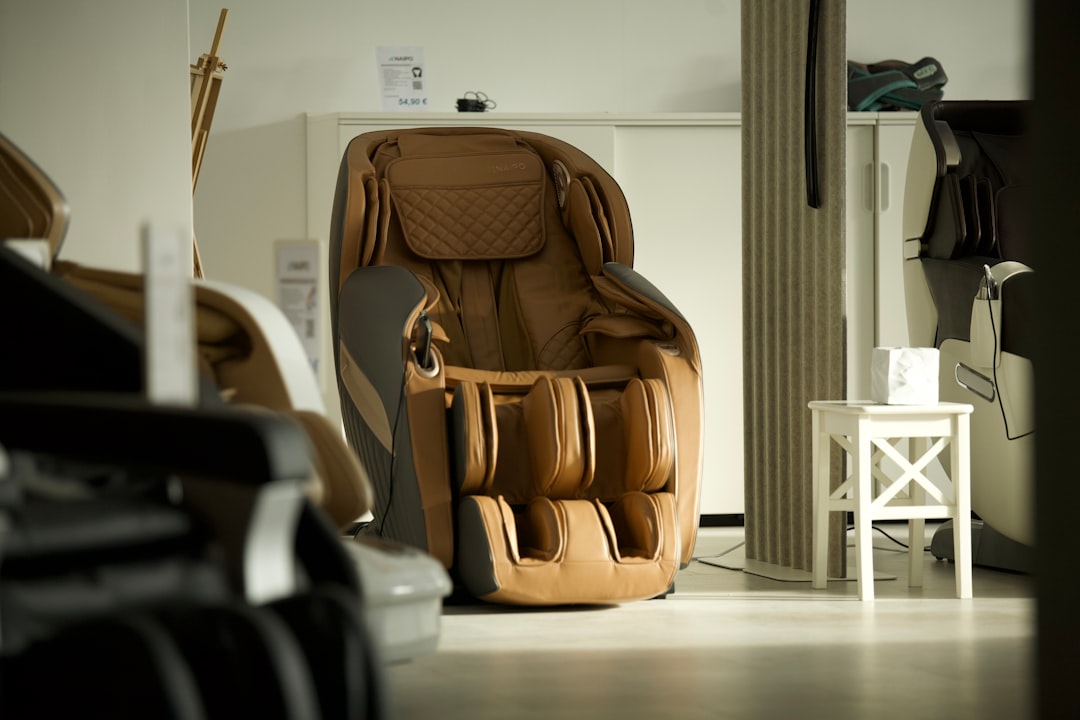
Modern marketing for massage chairs demands campaigns that mirror how buyers research, compare, and commit to high-value wellness investments. The most successful revenue teams use precise data, timely personalization, and continuous optimization to reach decision-makers when intent is highest.
Generic bidding, wasted spend, and slow reaction to in-market demand are the usual failure modes of massage chair PPC. Segmentation, real-time behavioral signals, and automated workflows fix this by routing budget toward the searches and audiences that actually convert. One analysis in Massage Chair Campaigns looks at how industry leaders apply these tactics in a crowded wellness market.
- Bid on Demand, Not on Habit: A static bidding model misses the swings in demand that define this category, a surge before the holidays, a spike when a review site publishes a new comparison, a lull in the off-season. Data-driven bidding lets teams shift budget toward the keywords and audiences showing active buying intent right now. When a lead engages with a product page or requests a demo, bids can rise automatically so the highest-value prospects see tailored offers first. Connecting click and conversion data across the funnel also shows which campaigns actually influence sales, not just which ones generate clicks.
- Segment Keywords by Purchase Stage: Broad match and stale keyword lists inflate cost with little to show for it. Segmenting by intent, "massage chairs for sale" for a buyer ready to purchase, "best massage chair for back pain" for someone still comparing, keeps messaging matched to where the searcher actually is. Negative keywords strip out the DIY and repair searches that never convert. For more on this approach, see our guide on Buying Stage Segmentation.
- Match Creative to the Buyer, Not the Category: A spa owner evaluating chairs for a waiting room and a shopper furnishing a home office are not moved by the same pitch. Behavioral and firmographic data lets teams adjust headlines, benefits, and calls-to-action for each: ROI and client satisfaction for wellness clinics, stress relief and ease of use for home buyers. As a segment moves from awareness toward purchase, the creative should move with it, which cuts wasted impressions and lifts conversion rates.
- Refine Targeting Before Hot Leads Cool: A shopper who requests a brochure or lingers on a product page today may be comparing three competitors by next week, so delayed follow-up is costly in this category. Audience management tools let marketers pinpoint visitors by company, buying stage, and onsite behavior. Sona Audiences helps teams deliver personalized ads to decision-makers who've shown recent interest in premium models or add-ons.
- Optimize for Conversions, Not Just Clicks: Optimizing massage chair advertising means more than tweaking landing pages or button copy. Predictive scoring can flag which leads are likeliest to buy, based on engagement patterns, demographic fit, and history. Real-time attribution ties ad spend to both online and offline conversions, showing the true return on each keyword, creative, and audience segment. Automated routing gets enriched, prioritized leads to sales the moment a high-intent action happens, so momentum isn't lost.
Why Google Ads Matters for Massage Chairs
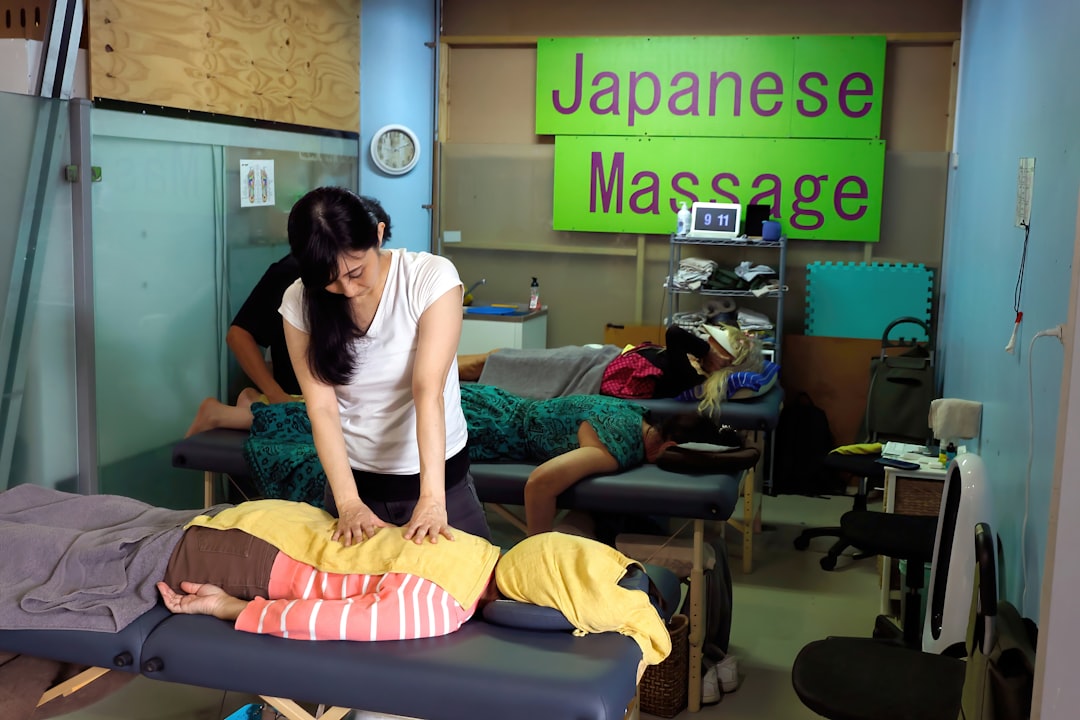
Reaching buyers at the precise moment of their search is fundamental in the massage chair industry, where decisions are often driven by immediate need or peak seasonal demand. Google Ads empowers marketers to intercept these high-intent prospects, using real-time data to position premium and specialty massage chairs in front of audiences already exhibiting strong purchase signals. Massage Chair Products provides an overview of leading products and trends in the category.
Sophisticated targeting is essential to connect with discerning consumers searching for luxury massage chairs, eco-friendly models, or specific wellness features. By leveraging granular keyword strategies, brands capture not only broad commercial traffic but also niche segments comparing high-end options or seeking specific therapeutic benefits. This builds on the strategies outlined in the Retargeting Guide, which details how to maximize audience relevance and ROI.
Optimizing for cyclical trends and high-intent queries, such as "high-end massage chair comparison," lets revenue teams stay responsive to shifts in consumer behavior. Modern platforms can identify which companies are showing buying intent even before they convert. Sona's Identity Resolution supports campaign optimization by revealing high-value prospects and their engagement patterns, helping marketers tie each touchpoint to revenue and justify spend with confidence.
Common Types of Google Ads Campaigns for Massage Chairs

- Search Campaigns: Search campaigns deliver high-intent traffic by targeting users actively seeking massage chair promotions, features, or deals. By tailoring ad groups to different price points and chair functionalities, marketers can match messaging to each stage of the buying journey and avoid wasted spend on generic terms. Real-time audience updates ensure that as leads progress from initial research to purchase consideration, messaging and budget allocation adjust dynamically to maximize conversion opportunities.
- Display Ads: Display campaigns excel at building brand awareness and nurturing interest among users browsing wellness, lifestyle, or work-from-home content. Unique creative variations can be served to specific audience segments, such as fitness enthusiasts or corporate wellness buyers, ensuring relevant messaging at scale. With advanced visitor identification, marketers can pinpoint organizations showing strong buying signals and prioritize ad placements where they are most likely to drive qualified engagement. Massage Chairs Display Ads provides a detailed look at how display ads are used in the massage and relaxation category.
- Video Ads: Video ads immerse potential buyers in the experience of advanced massage chairs, highlighting features like zero-gravity recline, heat therapy, or smart controls through compelling visuals. Targeting options allow for alignment with audience intent, whether addressing pain relief needs or showcasing luxury benefits to executive decision makers. As users interact with video content, in-market signals feed back into campaign optimization, prompting real-time shifts in spend toward viewers most likely to convert.
- Remarketing: Remarketing campaigns recapture the attention of visitors who have already engaged with your website or digital assets but have not yet purchased. By dynamically updating audience lists as prospects revisit product pages or download guides, marketers can deliver hyper-relevant follow-ups that reflect current intent and buying stage. Integration with CRM and sales data enables seamless syncing of enriched lead profiles, ensuring that remarketing efforts are focused on accounts with the highest revenue potential. This builds on the strategies outlined in Retargeting Playbook.
- Assets: Ad assets (formerly called extensions) enrich search and display ads with actionable business information such as store locations, customer ratings, and limited-time offers. These enhancements streamline the conversion journey, making it easier for users to find showrooms, read reviews, or claim promotions. When assets are linked to unified data sources, they automatically surface the most relevant offers and contact options based on user location and engagement history, boosting conversion rates for massage chair campaigns.
Where to Find Growth Opportunities
Growth opportunities in digital marketing for massage chairs are most abundant where data-driven insights intersect with intent-based audience targeting. Marketers who prioritize precise segmentation and predictive analysis regularly unlock underexploited demand, especially when aligning paid campaigns to high-value buyer signals. By focusing efforts on vertical keyword targeting, teams enhance visibility in niche segments, ensuring massage chair promotions consistently reach prospects who are actively searching for solutions. For a deeper dive into maximizing your Google Ads efforts, Google Ads ROI Playbook offers actionable tactics tailored to high-intent audiences.
Competitor gap analysis drives a smarter allocation of budget by highlighting segments where rivals underperform, such as emerging product features or untapped local regions. Predictive models can then suggest where incremental investments will generate the best return, allowing Google Ads strategies to remain agile and responsive to market shifts. Google Keyword Planner Guide provides a look at how to leverage keyword tools for niche visibility. Leveraging industry-specific forums and directories positions your online advertising for massage chairs in front of informed buyers, often at the final stage of their decision-making process. These channels provide a direct path to high-intent audiences, supporting both B2B and DTC initiatives.
Content retargeting, coordinated with branded assets and synchronized email or social campaigns, keeps messaging consistent across touchpoints. Marketers using unified data platforms can identify the companies behind known visits and build audiences around them as prospects move through the funnel. Identity Resolution tools help recognize returning visitors and segment them for tailored messaging, so every engagement stays relevant to the buyer's current stage, which shortens sales cycles and lifts ROI.
How to Apply Audience Segmentation for Massage Chairs
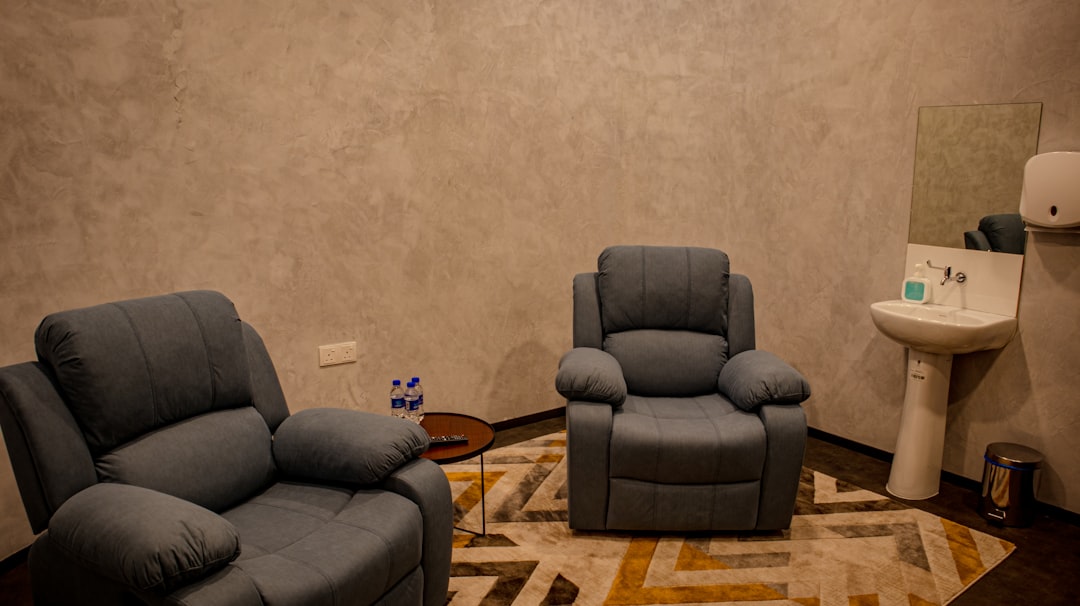
Modern massage chair marketers accelerate revenue by delivering tailored ads to the right audience at the right time. Audience segmentation in Google Ads for massage chairs allows brands to focus spend on buyers most likely to convert, reducing wasted budget and maximizing campaign ROI.
- Define Segments: Differentiating segments based on consumer needs or budget provides the foundation for every effective campaign. Separating audiences into luxury buyers seeking advanced features and entry-level shoppers who prioritize affordability ensures that messaging, offers, and product recommendations resonate deeply at every touchpoint. This approach addresses the challenge of engagement drop-offs and directly targets the segments that drive the highest return.
- Overlay Intent Signals: Overlaying real-time intent signals surfaces buyers actively searching for massage chair promotions, deals, or immediate purchase options. Marketers can prioritize budget and creative toward these high-intent segments, responding fast enough that a lead doesn't cool off waiting. When platforms unify behavioral data, spend can shift precisely to accounts showing purchase signals, such as repeat visits to product pages or engagement with financing details. For more on maximizing Google Ads results for niche products, spa PPC tips offers additional context.
- Create Ad Groups: Building ad groups tailored to each segment’s preferences and purchase motivations ensures ongoing relevance in messaging and timing. Luxury-focused ad groups speak to comfort, technology, and wellness, while entry-level groups highlight discounts or simplified delivery. Dynamic audience management enables campaigns to automatically update as prospects move through the funnel, ensuring creative and offers always align with their latest buying stage and interests. This builds on the strategies outlined in retargeting strategies.
- Validate Conversion Paths: Accurate conversion tracking is critical for linking every key action, like showroom appointments, online purchases, or call inquiries, back to revenue. Integrating advanced attribution solutions enables both online and offline activity to be measured, offering a complete view of which audience segments and creative combinations truly drive sales. By automating the sync of enriched audiences and lead data into ad platforms and CRMs, marketers can scale what works, reduce manual effort, and prove the ROI of digital marketing for massage chairs with confidence.
This is also where measurement changes the economics. With Sona Marketing Measurement you can identify the companies and buyers behind your ad clicks, not just anonymous sessions, and segment audiences by who actually becomes a customer. That lets you build bid adjustments and audience signals around the segments that convert and de-prioritize the ones that don't, so you feed Google's algorithms "this click became a paying massage chairs customer" instead of just "someone filled out a form."
Keyword Strategy & Sample Target Terms
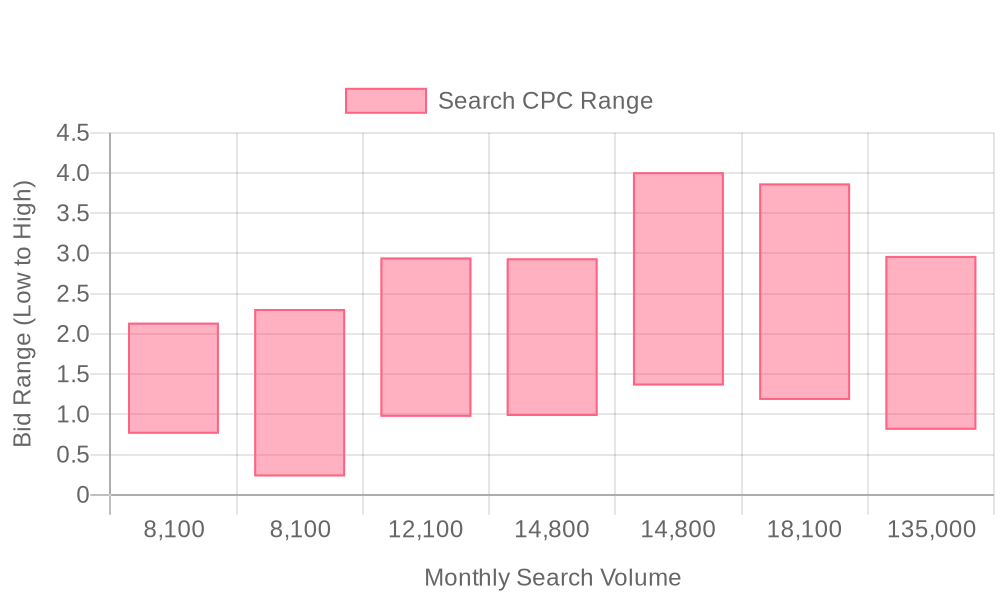
| Industry | Keyword | Monthly Search Volume | Competition Level | Low Bid | High Bid |
| Massage Chairs | full body massage chair | 8100 | HIGH | 0.76 | 2.14 |
| Massage Chairs | human touch massage chair | 8100 | HIGH | 0.23 | 2.31 |
| Massage Chairs | zero gravity massage chair | 12100 | HIGH | 0.97 | 2.95 |
| Massage Chairs | massage chair for sale | 14800 | HIGH | 0.98 | 2.94 |
| Massage Chairs | best massage chair | 14800 | HIGH | 1.36 | 4.01 |
| Massage Chairs | osaki massage chair | 18100 | HIGH | 1.18 | 3.87 |
| Massage Chairs | massage chairs | 135000 | HIGH | 0.81 | 2.97 |
Effective keyword strategies are central to maximizing performance in Google Ads for massage chairs. Selecting the right search terms aligns your campaigns with the intent of buyers actively exploring both luxury and value-focused models. A strong keyword approach ensures every dollar spent attracts high-fit prospects instead of unqualified clicks.
- Luxury Massage Chair Keywords: Targeting phrases like “luxury massage chairs,” “high-end massage chair brands,” and “premium massage chair reviews” positions your ads in front of discerning shoppers ready to invest in quality and advanced features. These terms often attract larger average order values and higher lifetime value customers. By focusing on these keywords, your campaigns tap into a well-defined, purchase-ready audience segment interested in top-tier wellness products. Promote luxury products provides a deeper look at marketing strategies for premium audiences.
- Promotion-focused Keywords: Including terms such as “massage chair sale,” “massage chair discounts,” and “massage chair promotions” captures intent from buyers seeking timely deals or limited offers. Ads leveraging these keywords tend to generate strong click-through rates during seasonal events or product launches. This approach is particularly effective when supported by data-driven insights that highlight which promotions resonate with your most valuable segments.
- Long-tail And Comparison Keywords: Integrating long-tail phrases like “best massage chair for back pain 2024,” “Shiatsu vs. zero gravity massage chair,” or “high-end massage chair comparison” refines targeting and reduces wasted spend. These detailed queries typically come from buyers deeper in the decision process, seeking specific features or direct comparisons. Campaigns that dynamically update these keyword sets based on real-time search trends and audience intent can rapidly scale high-converting traffic. For more insights on leveraging intent, check out our guide on Intent Retargeting.
- Negative Keyword Filters: Applying negative keywords such as “DIY,” “used,” “repair,” or “manual” ensures your ads are shielded from irrelevant clicks. This filtering is crucial for protecting ROI and focusing spend on users with genuine buyer intent. Leveraging advanced analytics, marketers can continually refine their exclusion lists to adapt to shifting search behavior and cut down on low-quality leads.
Keyword lists earn their keep when they evolve with buyer signals instead of sitting static. Tools that identify specific companies and in-market behaviors, not just anonymous searchers, let teams prioritize bidding where intent is highest. As leads move from research to purchase, audience lists and keyword targets can update and sync directly into Google Ads and connected CRM platforms. Sona Audiences helps marketers attract and segment these high-intent visitor groups for more targeted campaigns.
Step-by-Step Campaign Execution Framework
Step 1: Build Targeted Keyword Lists
Effective Google Ads for massage chairs begin with highly specific keyword research rooted in real buyer intent. By leveraging SEO insights, purchase history, and behavioral data, revenue teams can map out both high-volume and long-tail keywords that signal commercial interest in massage chair products, such as "zero gravity massage chair deals" or "office massage chair supplier." Audience segmentation further refines these lists, aligning keywords with distinct personas like local spa owners, B2B wellness buyers, or high-end residential consumers.
This process becomes more precise when marketers unify search and CRM datasets, allowing them to identify which terms drive actual conversions versus those that simply generate traffic. Keyword Planner provides practical tools for discovering and validating these high-intent terms. Dynamic keyword lists adjust in real time as leads progress from research to purchase, ensuring paid campaigns remain tightly focused on qualified, in-market buyers.
The upgrade most massage chairs advertisers miss is layering intent and identity signals on top of raw keyword volume. Connecting website-visitor data and CRM records with Sona Marketing Measurement shows which search terms actually bring in accounts and customers who convert, so keyword and bidding strategy can weight toward those terms rather than whichever has the highest search volume.
Step 2: Develop Compelling Ad Copy
Ad copy for massage chair campaigns must address the nuanced pain points of buyers who expect both quality and wellness outcomes. Successful messaging goes beyond generic comfort claims, highlighting advanced features such as customizable massage programs, posture correction technology, and exclusive promotions. Marketers who tailor copy to reflect the language and needs of their audience, whether targeting a corporate wellness manager or an individual seeking health benefits, consistently achieve stronger engagement.
By integrating real-time visitor insights, marketers can personalize ad copy based on where a lead is in the funnel or which pages they have viewed. For more insights on maximizing Google Ads performance, check out our guide on Google Ads ROI. As audiences evolve, messaging adapts to resonate with decision-makers and influencers, increasing click-through and conversion rates across all segments.
Step 3: Design Effective Landing Pages
Landing pages that convert for massage chair campaigns deliver a seamless experience from ad click to action. The most effective pages mirror the exact messaging and offers featured in the ad, building trust through clear product benefits, high-quality images, customer testimonials, and easy pathways to purchase or schedule a demo. Landing Page Tools provide a deeper look at this trend, showing how interactive tools, such as product configurators or virtual showroom tours, keep buyers engaged and drive them toward meaningful actions.
Real-time data integration allows marketers to dynamically update landing page content based on the specific search terms, referral sources, or company profiles of incoming visitors. This ensures that every prospect, from local business buyer to high-net-worth household, receives a relevant, frictionless journey that maximizes their likelihood of converting. Continuous A/B testing and heatmapping, powered by unified analytics, further optimize each page element for higher conversion rates.
Step 4: Implement Data-Driven Optimizations
Continuous campaign optimization is essential in the competitive niche of online advertising for massage chairs. Marketers who analyze performance in real time, adjusting bids, creative, and audience segmentation, outperform those relying on static, manual updates. By monitoring granular data such as keyword conversion rates, device performance, and geographic trends, teams can quickly identify which tactics yield the strongest ROI and which require pivoting.
Platforms like Sona Attribution are designed to help revenue teams track leads across channels and measure true ROI, ensuring that every campaign decision is grounded in actionable insight. As a result, B2B teams can scale massage chair promotions with confidence, knowing every optimization is grounded in unified, actionable insight.
Sona Marketing Measurement closes the gap between clicks and revenue. It captures every ad click with first-party measurement, ties that click through UTM capture and ad-platform APIs to the actual record in your CRM, and reports ROAS by keyword and campaign instead of by last-click form fill. Feeding that revenue signal back into Smart Bidding and Performance Max compounds over time: the algorithms optimize toward booked massage chairs revenue, not cheap leads.
Tips on Expanding Your Massage Chairs Presence
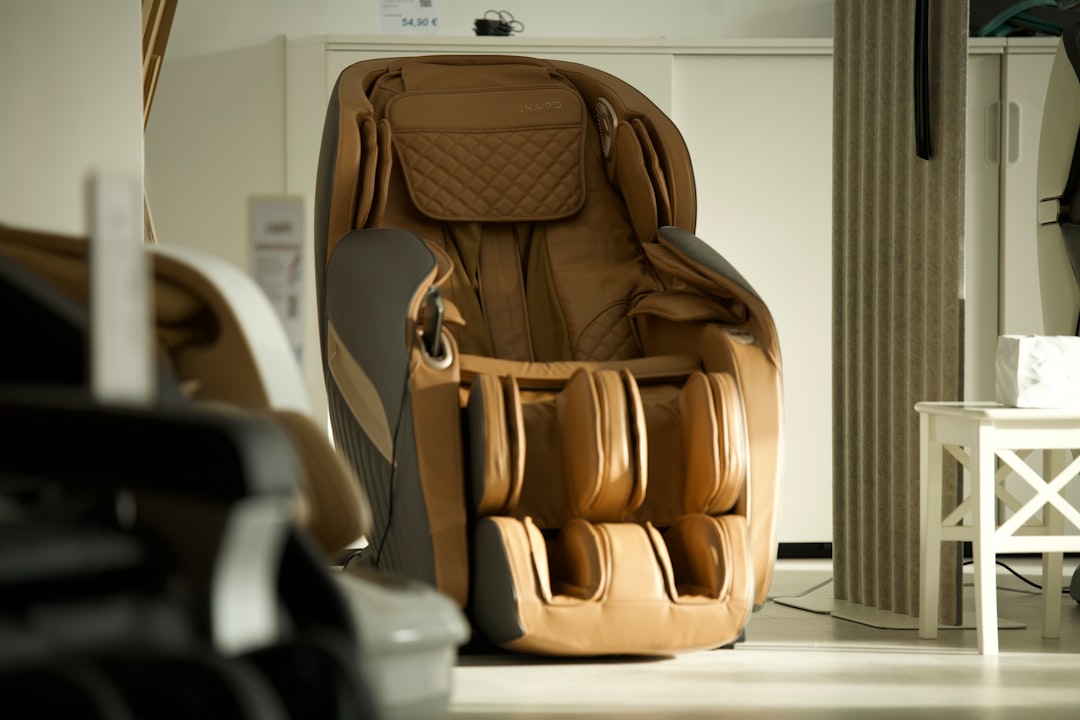
Expanding your massage chairs presence requires precise orchestration of digital channels, personalized content, and intelligent audience segmentation. A data-driven approach that leverages behavioral insights can help brands outpace the competition and establish lasting visibility in a crowded marketplace.
- Cross-promote Branded Content In Retargeting Campaigns To Maintain Brand Presence Across Channels: Retargeting is most effective when it delivers consistent, value-focused messaging to users who have previously engaged but not yet converted. By synchronizing audiences and identifying high-value prospects in real time, marketers can serve relevant branded content on Google, Facebook, and programmatic networks without delay. Platforms like Sona Audiences help marketers build and activate precise audience segments for retargeting, ensuring brand recall remains strong as users move between research and buying phases, ultimately shortening the sales cycle and boosting conversion rates.
- Utilize Crm Data To Upsell Ancillary Services Or Products, Ensuring Timely And Relevant Outreach: Strategic use of CRM data allows for more than just customer retention, it opens opportunities for upselling extended warranties, accessories, or in-home installation for massage chairs. When CRM data is enriched and synced directly into ad platforms, marketers can automatically trigger upsell campaigns whenever a customer reaches a predefined lifecycle stage. The Emulent playbook provides a deeper look at how real-time integration can drive higher average order values and improve customer satisfaction.
- Form Partnerships With Industry Allies Or Associations For Expanded Reach And Credibility, Leveraging Common Challenges To Build Stronger Campaigns: Building credibility goes beyond paid ads. Partnerships with wellness associations, ergonomic product vendors, or local spas can introduce your brand to new, but highly relevant, audiences. Co-branded webinars, joint promotions, and referral programs allow massage chair brands to tap into trusted networks, which can be further amplified through targeted digital campaigns. For more insights on partnership-driven growth, check out our guide on affiliate partnerships.
- Localize Campaigns To Target Specific Metro Or Regional Areas With Demographic Precision, Addressing Local Market Factors: Local targeting is crucial for high-ticket items like massage chairs, where showroom visits or in-home trials often drive final purchase decisions. By leveraging geo-targeting and analyzing local demographic data, marketers can tailor creative, bids, and offers to specific neighborhoods or cities with the highest conversion potential. Instapage shares industry benchmarks for building location-optimized campaigns in the wellness space.
Mastering Google Ads for massage chairs means capitalizing on strategic keyword targeting, audience segmentation, and conversion tracking. As consumer demand for wellness products grows, brands must refine their Google Ads strategies to align with shifting behaviors, emerging trends, and full-funnel attribution models. This builds on the strategies outlined in our guide on Google Ads ROAS, helping businesses identify in-market buyers, optimize ad spend, and drive measurable growth in both digital and offline sales environments.
Beyond Google Ads: Winning the AI Answers Massage Chairs Buyers Now Trust
Paid search captures demand at the moment someone types a query. But a fast-growing share of massage chairs buyers no longer start at Google at all, they ask ChatGPT, Gemini, or Perplexity before they ever run a search, and Google's own AI Overviews increasingly summarize an answer above the traditional results. If your business isn't referenced in those AI answers, you're invisible at the exact moment buyers build their shortlist.
Sona AI Visibility shows where your business shows up across ChatGPT, Gemini, Perplexity, Google AI Overviews, and 10+ engines, and, much like a keyword report, which prompts actually send you buyers, so you can prioritize the ones that convert. Run the two together and you cover the entire buyer path: get cited where buyers research (AI Visibility), then prove which of that demand turns into booked revenue (Marketing Measurement).
Helpful resources
Conclusion
The advantage in this category won't stay with whoever bids highest, it will go to whoever can tell a serious buyer from a browser and prove which clicks turned into booked revenue. As more shopping research shifts to AI assistants, that same identity and measurement discipline extends beyond Google Ads to wherever massage chair buyers are actually forming their shortlist.
Start a free trial to see how Sona connects your massage chairs ad spend to real revenue.
FAQ
What are the best practices for using Google Ads to promote massage chairs?
Best practices include using data-driven bidding strategies, developing comprehensive keyword strategies, aligning ad creatives with customer preferences, refining targeting using audience data, and optimizing conversions with predictive models.
How can I optimize my Google Ads campaigns for massage chairs?
Optimize campaigns by leveraging advanced segmentation, real-time behavioral signals, automated workflows, and continuous performance monitoring to increase lead volume and lower acquisition costs.
What keywords should I target for Google Ads in the massage chair niche?
Target keywords such as 'luxury massage chairs,' 'massage chair sale,' and long-tail phrases like 'best massage chair for back pain 2024' while using negative keywords to filter out irrelevant searches.
How do I measure the success of my Google Ads for massage chairs?
Measure success by tracking conversions through advanced attribution solutions, linking actions like purchases or inquiries to revenue, and using real-time data to adjust campaigns for better ROI.
What budget should I allocate for Google Ads when advertising massage chairs?
Allocate budget by focusing on high-intent keywords and audience segments, using predictive models to prioritize investments where they will generate the best return, and continuously adjusting based on performance data.







