


Massage clients rarely browse for a therapist the way they browse for shoes. They search when a shoulder locks up, a marathon looms, or a doctor recommends bodywork for pain management, and they book with whoever answers that search well. Google Ads lets a practice show up in that exact moment, but sloppy targeting burns budget fast: broad match keywords pull in people hunting for massage chairs or DIY stretches, not appointments. This guide walks through building campaigns that reach people ready to book, from keyword selection through measuring which clicks actually turn into paying clients.
How to Generate Massage Therapy Leads with Google Ads: A Step-by-Step Guide
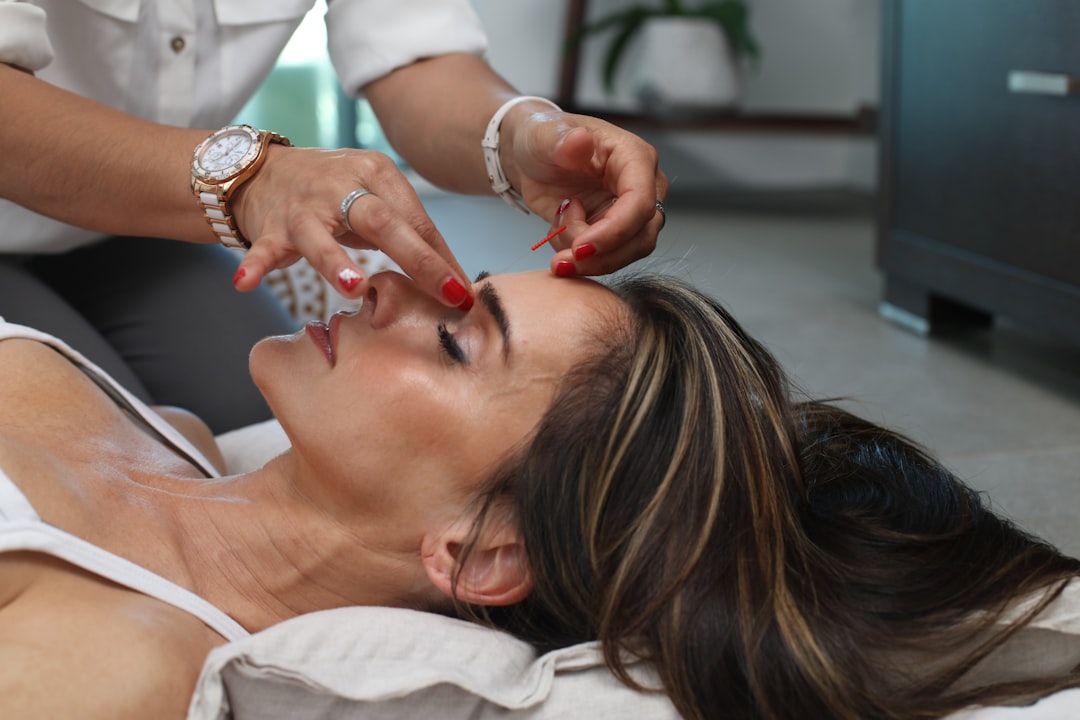
Modern massage therapy businesses increasingly rely on digital channels to attract clients who value efficiency and tailored wellness experiences. Google Ads for massage therapists empowers practices to engage high-intent prospects precisely when they are searching for services, building a steady stream of qualified leads.
Each step below builds on the last, moving from targeting and keyword selection through ad copy, landing pages, and measurement, so a practice can see exactly which dollars produce booked sessions.
- Define Your Goals: Defining clear objectives is the foundation of any effective Google Ads setup for therapists. Set measurable targets such as acquiring new client bookings, promoting seasonal packages, or elevating brand recognition. With modern data platforms, marketers can segment high-value audiences, enabling messaging tailored to specific buyer journeys and improving campaign ROI.
- Keyword Research: Rigorous keyword analysis ensures that you capture only the most relevant, high-converting traffic. Select search terms like "massage therapy sessions," "therapeutic massage near me," or "deep tissue massage booking" to position your ads in front of clients with immediate intent. For more insights on high-performing keyword strategies, check out our guide on Google Ads ROI.
- Develop Compelling Ad Copy: Lead with what actually separates one practice from the next, licensure and specialty certifications, modalities like prenatal or sports massage, or a first-visit discount for new clients. Segmenting your audience lets you swap that messaging depending on where someone is in their search, a first-time visitor comparing options versus a past client rebooking. Solutions such as Sona Audiences support identifying and targeting the right visitor segments to keep that messaging sharp.
- Optimize Landing Pages: Aligning ad messaging with dedicated landing pages creates a frictionless path from search to booking. Use landing pages that highlight your core services, display authentic testimonials, and feature one-click scheduling options. With integrated conversion tracking, you can attribute every booked appointment, whether online or via phone call, to the original ad, capturing complete ROI data and informing ongoing campaign refinement.
Why Does Google Ads Matter for Massage Therapists?

Digital marketing continues to reshape how massage therapists acquire clients and grow revenue. Google Ads for massage therapists delivers a direct path to visible, measurable results by connecting practices with people who are actively searching for massage therapy services in their area. Google Ads for Massage Therapists provides a deeper look at this trend.
- Capturing High-intent Clients: Audience targeting lets therapists reach people already searching for deep tissue massage, sports recovery, or prenatal care. Company-level identification and first-party measurement can surface which businesses (for corporate wellness accounts or referral partners) are engaging with your site, so budget and creative can concentrate on the highest-value prospects rather than anonymous clicks. Sona's Identity Resolution helps reveal that activity, supporting more effective campaign targeting.
- Promoting Unique Services: Differentiation is crucial in a competitive market. Advertising for massage therapists using Google Ads lets practices highlight specialties, such as medical massage, hot stone therapy, or wellness packages, while dynamic audience segmentation ensures messaging lands with the right demographic. With integrated audience management, as leads engage and move through the funnel, campaign audiences update automatically, ensuring every impression and click aligns with a prospect’s current needs.
- Immediate Visibility: Unlike organic massage therapy marketing, PPC for massage therapists provides instant exposure atop search results. Automated campaign management adapts targeting and spend, placing ads in front of the most relevant users at the precise moment they express intent. For B2B wellness providers and larger clinics, syncing CRM and advertising data streamlines audience activation and enables precise retargeting, accelerating appointment bookings and maximizing every marketing dollar invested. For more insights on maximizing ROAS from paid campaigns, check out our guide on Boosting Google Ads ROAS.
Common Types of Google Ads Campaigns for Massage Therapy Services
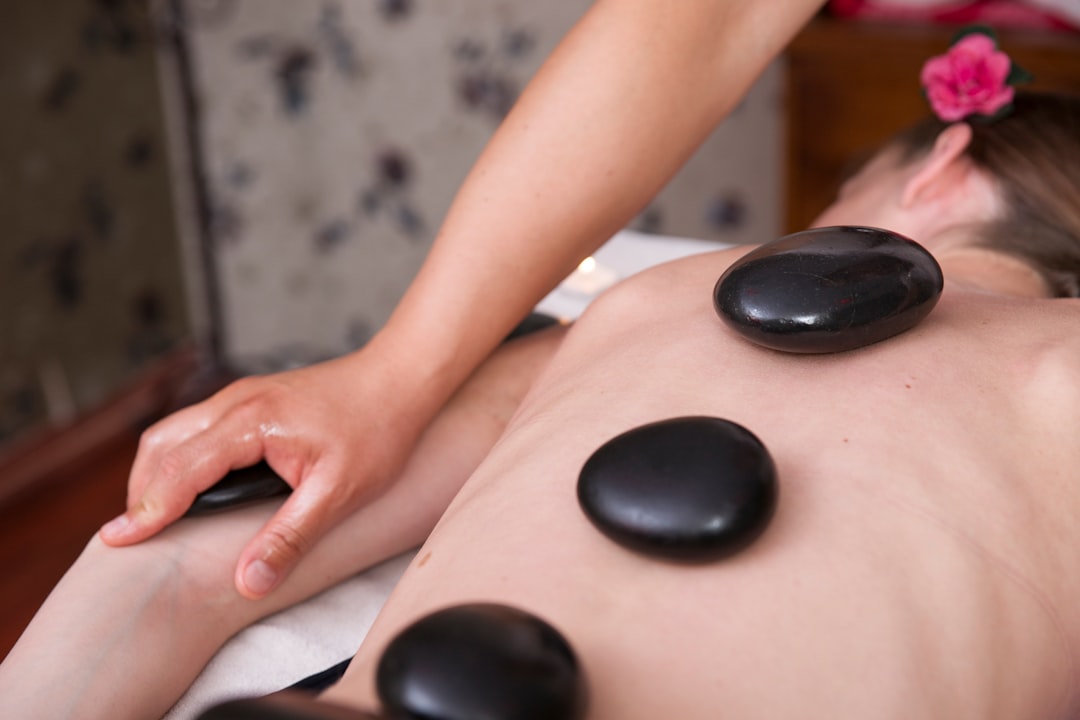
- Search Campaigns: Search campaigns put massage therapists at the top of results when someone actively searches "massage near me" or "therapeutic massage in [city]." This captures people at their highest point of interest, which tends to make conversions more likely and cost per lead easier to control. Company-level identification lets marketers see which businesses are searching, enabling faster follow-up both online and offline. Sona's Identity Resolution helps massage therapy businesses pinpoint high-value leads by connecting search activity to real visitor data.
- Display Ads: Display campaigns help massage therapy practices maintain brand visibility across a wide network of websites and apps. By targeting relevant placements and audiences, these ads keep your services top of mind for people who may not be searching directly but are browsing topics related to wellness, stress relief, or local health providers. For a practical breakdown of display strategies tailored to wellness providers, Display Strategies for Massage provides useful examples.
- Video Ads: Video ads offer a compelling way to highlight the unique aspects of your massage therapy services, such as special techniques, facility tours, or client testimonials. These visual formats quickly communicate your value proposition, increasing trust and interest among potential clients. Real-time intent signals allow you to optimize budget allocation, prioritizing viewers who interact or show in-market behaviors.
- Remarketing: Remarketing campaigns address the challenge of lost website visitors by re-engaging people who have previously shown interest. Ads are tailored to remind them of their initial visit, encouraging return bookings or further inquiries. Advanced conversion tracking enables you to connect ad clicks with actual appointments, both online and offline, while CRM and ad sync ensures every remarketing audience is enriched with the latest engagement data for highly targeted follow-ups. For more on maximizing retargeting impact, check out our guide on Intent-Based Retargeting.
Where to Find Growth Opportunities

Massage therapy practices can capture more value by focusing on specific, data-backed growth levers. Success stems from prioritizing high-converting opportunities rather than spreading budget thin across generic tactics.
- Long-tail Keywords: Specific phrases, such as "swedish massage therapy for athletes" or "prenatal massage downtown," reach clients who already know what they want. These searchers tend to be further along in deciding, which usually means higher conversion rates and lower acquisition costs. Tracking which niche queries consistently produce booked appointments, rather than just clicks, lets you shift spend toward what works. The Keysearch keyword list is a useful starting point for relevant massage-related terms.
- Geographic Targeting: Focusing campaigns on nearby towns or neighborhoods with demonstrated demand makes budget go further. Hyperlocal targeting reaches people most likely to actually visit, while exclusion zones stop spend from leaking into areas outside a reasonable drive. Company-level identification paired with CRM sync helps marketers see which businesses are engaging from specific locales, useful for corporate wellness outreach, and enables more tailored follow-up. Sona's Identity Resolution helps practices recognize and segment website visitors by location for more precise outreach.
- Seasonal Promotions: Deploying time-sensitive offers through Google Ads, such as holiday specials or post-marathon recovery sessions, helps drive conversions during high-competition periods. By monitoring campaign engagement and real-time intent signals, marketers can shift budget toward promotions that resonate with in-market audiences, ensuring every dollar works harder. This approach also enables dynamic audience updates, allowing ads to retarget clients who have shown interest in past seasonal campaigns, further boosting ROI. For more ideas on maximizing returns, see our guide on Boosting ROAS.
How to Apply Audience Segmentation for Massage Therapy
Effective audience segmentation unlocks higher campaign performance by ensuring every ad dollar reaches prospects most likely to convert. By aligning your messaging with specific buyer traits and behaviors, you minimize wasted spend and create more meaningful connections that directly impact your bottom line.
- Client Demographics: Tailoring messaging to distinct demographic groups, such as age, gender, or occupation, allows massage therapists to match offers and language to the unique needs of each segment. For example, targeting busy professionals with stress relief packages or new parents with relaxation offers increases the relevance of your massage therapist ads. When demographic data integrates with your CRM and ad platforms, you gain the ability to identify not just anonymous clicks, but real prospects and companies. This enriched view of your audience streamlines campaign management and allows for precise retargeting or exclusion, helping you avoid budget drift toward less-qualified leads.
- Intent-based Segmentation: Someone searching for stress relief after a hard week isn't the same buyer as someone recovering from a running injury or managing chronic pain, and the ad they see shouldn't be either. Shifting spend toward audiences actively researching therapeutic or injury-recovery services, based on browsing behavior and site engagement, keeps ads relevant at the moment potential clients are most receptive. For more on optimizing budget toward the right in-market segments, see our guide on intent retargeting.
- Custom Audiences: Building custom audiences from past client interactions or identifying individuals who have recently moved to your service area provides a measurable boost to targeted ads for massage therapists. When you sync enriched audience segments, such as former clients, high-lifetime-value prospects, or new movers, directly into your Google Ads account, you enable hyper-personalized outreach. Platforms like Sona Audiences are designed to help marketers create and activate custom segments for more impactful campaigns. This seamless connection between data sources and advertising platforms supports advanced conversion tracking, including both online and offline attribution. By measuring campaigns holistically across all touchpoints, you gain a true view of ROI and can optimize future outreach based on what actually drives bookings and revenue.
This is also where measurement changes the economics. With Sona Marketing Measurement you can identify the companies and buyers behind your ad clicks, not just anonymous sessions, and segment audiences by who actually becomes a customer. That lets you build bid adjustments and audience signals around the segments that convert and de-prioritize the ones that don't, so you feed Google's algorithms "this click became a paying massage therapy customer" instead of just "someone filled out a form."
Keyword Strategy & Sample Target Terms

| Industry | Keyword | Monthly Search Volume | Competition Level | Low Bid | High Bid |
| Massage Therapists | home massage service | 3600 | LOW | 0.83 | 3.46 |
| Massage Therapists | in home massage near me | 5400 | LOW | 0.96 | 5.41 |
| Massage Therapists | in home massage | 6600 | LOW | 1.05 | 5.77 |
| Massage Therapists | mobile massage near me | 27100 | LOW | 1.07 | 4.86 |
| Massage Therapists | massage therapists | 201000 | LOW | 1.15 | 4.49 |
| Massage Therapists | massage therapy near me | 246000 | LOW | 0.99 | 3.16 |
| Massage Therapists | massage places near me | 368000 | LOW | 0.84 | 2.54 |
A well-designed keyword strategy is foundational to effective Google Ads for massage therapists. High-performing campaigns begin with careful selection of search terms that reflect both local demand and specific service offerings, ensuring your message reaches audiences most likely to book appointments. By focusing on clear commercial intent and filtering out irrelevant searches, therapists drive qualified leads while maximizing budget efficiency.
- High-intent Keywords: Phrases such as "massage therapy appointment," "deep tissue massage booking," or "best massage therapist near me" capture prospects ready to book. These keywords convert well because they match the urgency of someone actively seeking relief now. Sona surfaces intent signals so marketers can detect in-market behavior and shift spend to the most promising opportunities.
- Negative Keywords: Excluding low-quality or informational traffic is crucial for cost-effective advertising for massage therapy. Terms like "DIY massage techniques," "massage chair reviews," or "free massage tips" should be added as negative keywords. This tactic helps avoid wasted spend and keeps your ads focused on audiences with commercial intent. Negative keyword guide provides a practical overview of how to build and optimize negative keyword lists for Google Ads.
- Use Of Modifiers: Adding local or service-specific modifiers, such as city names, neighborhoods, or specialty services, ensures ads appear for highly relevant searches. Examples include "sports massage downtown Austin" or "prenatal massage therapist in Seattle." Modifiers not only boost click-through rates but also connect your practice with individuals most likely to convert. With dynamic audience features, campaigns automatically adapt as prospects progress through the funnel, matching ad creative and offers to their specific stage and location for higher engagement.
A unified data approach enables massage therapy marketing teams to sync CRM insights and enriched audience details directly with Google Ads. This alignment improves Google Ads setup for therapists by ensuring each keyword group matches real-world buyer journeys, unlocking more precise and impactful online advertising for massage therapists. For more tactical strategies to increase your ad performance, check out our guide on Google Ads ROAS. Consistent data flow enhances campaign management, delivering actionable insights and measurable ROI.
Step-by-Step Campaign Execution Framework
Every successful google ads for massage therapists strategy starts with a precise, data-driven blueprint. Each phase addresses a core challenge in digital acquisition, ensuring that campaigns for massage therapy reach motivated, local clients, and consistently drive measurable bookings.
By aligning each tactical step with real-time prospect intent and unified marketing data, modern teams can connect the dots between ad spend, pipeline impact, and actual service bookings. This approach removes the guesswork from online advertising for massage therapists, maximizing return on every dollar invested.
Step 1: Build Targeted Keyword Lists
Effective PPC for massage therapists begins with robust keyword research, focusing on terms that capture high-intent local traffic. Use variations like "relaxation massage near me" and weave in neighborhood or city names to ensure ads surface for users actively searching in your service area. Massage Keywords provides a deeper look at high-volume massage-related terms and trends.
Integrating first-party data to uncover which keywords drive the highest-value conversions lets teams double down on what works. For more insights on maximizing your ad ROI, check out our guide on Google Ads ROI Guide.
Most massage therapy advertisers stop at keyword volume. Layering in intent and identity signals goes further: connecting website-visitor data and CRM records with Sona Marketing Measurement shows which search terms bring in the clients who actually book and pay, so you can weight keyword and bid strategy toward those terms rather than the ones with the highest raw search volume.
Step 2: Craft Relevant Ad Copy
Ad copy is where the value proposition meets client motivation. Address pain points directly: emphasize relief from stress, expert certifications, flexible scheduling, or positive client outcomes. Incorporate testimonials or star ratings to build immediate trust and differentiate your practice from generic listings. Clear, compelling calls to action, like "Book Your Session Today" or "Get 20% Off Your First Visit", remove friction and encourage faster conversions.
With real-time intent signals, ad messaging can adapt to the stage of the customer journey. Sona's Intent Signals surface actionable insight that helps tailor messaging to in-market prospects.
Step 3: Design Engaging Landing Pages
A seamless transition from ad to landing page is essential for maximizing conversion rates. Ensure landing pages reflect the promises made in your ads, with matching headlines, relevant service descriptions, and visible contact or booking forms. Minimize distractions and streamline the booking process to reduce drop-offs, incorporate trust signals like client testimonials, professional affiliations, and transparent pricing when possible.
Advanced platforms enable identification of anonymous visitors, allowing you to personalize landing page content for repeat or high-value prospects. Wellness centers use similar tactics to attract clients who value personalized, health-focused service.
Step 4: Implement Ongoing Optimizations
Continuous campaign optimization is crucial for sustainable success in Google Ads campaign management. Regularly monitor performance metrics such as click-through rates, cost per lead, and booking volume. Use audience feedback and behavioral data to adjust bids, pause underperforming keywords, and test new ad variations.
Dynamic audience segmentation lets you retarget visitors as they move through the funnel, presenting timely offers or reminders to those most likely to convert. This builds on the strategies outlined in Retargeting Strategies, which shows how first-party intent data can drive high-impact campaigns. With advanced attribution, teams can connect online ad clicks to offline bookings, ensuring every budget shift is driven by true ROI. This granular insight supports cost-effective advertising for massage therapy and empowers marketers to scale what works, trim what does not, and maintain a competitive advantage in targeted ads for massage therapists.
Sona Marketing Measurement closes the gap between clicks and revenue. It captures every ad click with first-party, cookieless tracking, then ties that click through UTM capture and ad-platform APIs to the actual record in your CRM, and reports ROAS by keyword and campaign instead of by last-click form fill. Feeding that revenue signal back into Smart Bidding and Performance Max compounds over time: the algorithms optimize toward booked massage therapists revenue, not cheap leads.
Tips on Expanding Your Massage Therapy Presence
Expanding your massage therapy business requires a multi-channel approach that elevates brand visibility, nurtures client relationships, and converts consideration into action. Applying the latest digital advertising strategies ensures you reach high-intent prospects at exactly the right moment, minimizing wasted spend and maximizing the impact of every campaign.
- Leverage Remarketing Tactics: Strategic remarketing transforms casual website visitors into engaged prospects. By deploying targeted ads across Google’s platforms, you can re-engage individuals who previously showed interest but didn’t book. One analysis in Google Ads Guide explores how remarketing can improve campaign efficiency and ROI. Modern platforms connect the dots between anonymous sessions and real-world companies, enabling you to prioritize remarketing spend toward organizations or individuals demonstrating genuine buying intent. With unified data, marketers gain granular visibility, allowing budget allocation to focus on accounts with the highest likelihood of conversion. Audiences update in real time as prospects engage or move further down the funnel, ensuring messaging is always relevant to the current stage of the buyer journey.
- Video Ad Campaigns: Video advertising for massage therapists offers a unique opportunity to visually communicate the value and atmosphere of your practice. Short, compelling video ads can highlight service benefits, showcase testimonials, or demonstrate techniques, all of which help build trust with new clients. When video viewership and website interactions are tracked and attributed in a unified system, you can identify which creative assets drive the most engagement and optimize budget accordingly. For more insights on maximizing campaign performance with real-time intent data, check out our guide on Retargeting Tactics. By integrating real-time intent signals, advertising efforts can be dynamically shifted to audiences displaying high engagement with your video content, maximizing return on ad spend.
- Use Of Assets: Enhancing your ads with call assets streamlines the booking process, removing friction for clients ready to take action. Adding a direct-call option to your ads can increase inquiries and boost appointment rates. This guide on call extensions looks at the tactic and its effectiveness for service businesses. When call and lead data sync automatically between your ad platform and CRM, you can attribute bookings to specific campaigns for a full-funnel view of ROI.
Expanding your massage therapy presence works best when remarketing, video, and easy lead capture reinforce each other, all measured through the same data. This approach builds stronger brand recall, higher conversion rates, and steady growth in client bookings.
Beyond Google Ads: Winning the AI Answers Massage Therapists Buyers Now Trust
Paid search captures demand at the moment someone types a query. But a fast-growing share of massage therapists buyers no longer start at Google at all, they ask ChatGPT, Gemini, or Perplexity before they ever run a search, and Google's own AI Overviews increasingly summarize an answer above the traditional results. If your business isn't referenced in those AI answers, you're invisible at the exact moment buyers build their shortlist.
Sona AI Visibility shows where your business shows up across ChatGPT, Gemini, Perplexity, Google AI Overviews, and 10+ engines, and, much like a keyword report, which prompts actually send you buyers, so you can prioritize the ones that convert. Run the two together and you cover the entire buyer path: get cited where buyers research (AI Visibility), then prove which of that demand turns into booked revenue (Marketing Measurement).
Helpful resources
Conclusion
Google Ads works for massage therapists who treat it as a targeting problem first: reaching people at the moment they need relief, not just anyone curious about massage.
The practices seeing the best returns now are pairing that search intent with visibility in AI answers, since more clients are asking chatbots for recommendations before they ever type a query into Google. Getting both right, precise keyword targeting today and citation in AI-driven research tomorrow, is what keeps a practice booked out ahead of competitors still relying on organic listings alone.
Ready to put these strategies into action? Start a free trial to experience Sona's platform and its capabilities.
FAQ
What are the best practices for Google Ads for massage therapists?
The best practices include defining clear goals, conducting rigorous keyword research, developing compelling ad copy, optimizing landing pages, and leveraging audience segmentation to reach high-intent clients.
How much should a massage therapist spend on Google Ads?
The article does not specify an exact amount but emphasizes maximizing ROI by targeting high-intent keywords and optimizing campaigns based on data-driven insights.
What keywords should massage therapists target in Google Ads?
Massage therapists should target high-intent keywords like 'massage therapy sessions,' 'therapeutic massage near me,' and 'deep tissue massage booking' to capture prospects ready to book appointments.
How do I create a Google Ads account for my massage therapy business?
The article does not provide specific steps for creating a Google Ads account, but it suggests starting with defining goals and conducting keyword research to set up effective campaigns.
What are the common mistakes to avoid in Google Ads for massage therapists?
Common mistakes include ineffective targeting, not using negative keywords to filter out low-quality traffic, and failing to align ad messaging with landing page content.







