


Homeowners rarely hire a designer on a whim. They search, compare portfolios, check reviews, and often wait for a renovation budget or a change of season before reaching out, which makes Google Ads a natural fit for home design services: it puts a firm in front of a client at the moment intent turns into action. For designers, interior decorators, and renovation specialists, paid search bridges the gap between polished portfolio work and the everyday reality of being found by the right prospect. Done well, it means intercepting inquiries early, targeting with precision, and tracking ROI back to actual booked consultations rather than form fills. Done poorly, incomplete CRM tracking lets high-value prospects slip through unnoticed, a gap that better data strategies are built to close.
How to Generate Google Ads Leads with Home Design Services: A Step-by-Step Guide
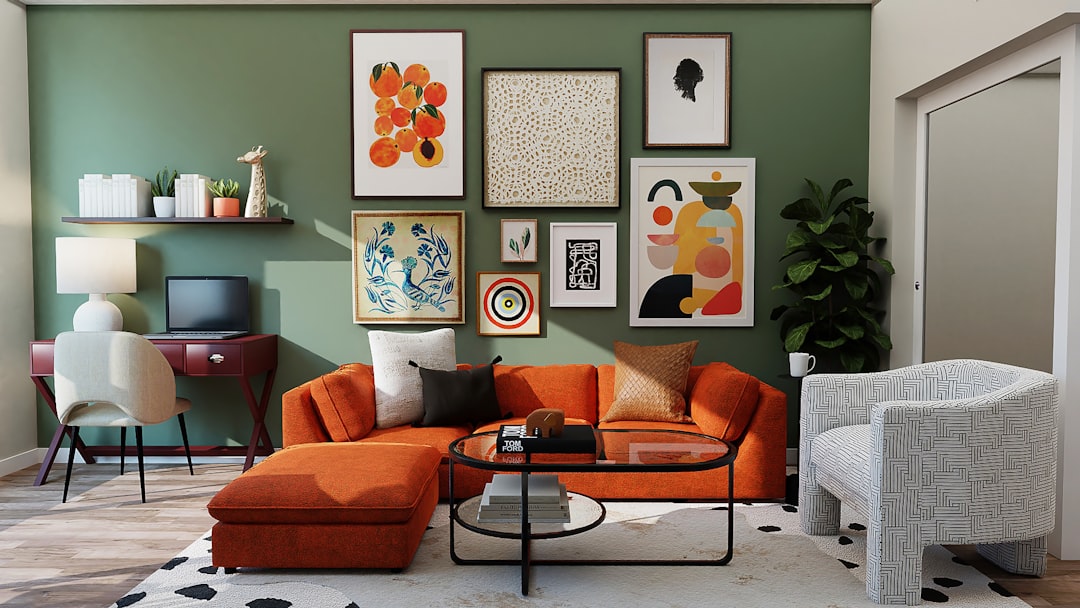
Home design businesses succeed when every lead is captured, qualified, and nurtured with precision. Effective digital marketing for designers is not just about visibility but about creating a direct, measurable path from high-intent search to booked consultation, often achieved through advanced Google Ads strategies for interior designers.
Today’s market demands more than generic online advertising for designers. Brands that leverage unified go-to-market data consistently outperform, using granular audience insights and cross-channel engagement to drive higher lead quality and improved conversion rates. Robust Google Ads strategies for home design services combine advanced audience targeting, dynamic creative, and data-driven optimization to maximize every dollar spent.
Implementing this approach means moving beyond surface-level Google Ads campaign setup. Marketers must align search intent with ad messaging, synchronize audiences in real time, and ensure landing pages reflect the offer and design sensibility that prospects expect. By integrating platforms that enrich anonymous web traffic into actionable company and contact profiles, teams can eliminate wasted budget and reallocate spend to accounts showing real purchase intent.
The following framework outlines how modern B2B teams generate, qualify, and convert Google Ads leads for home design services using a stepwise, data-centric approach. Each phase addresses the common failure points, incomplete lead profiles, fragmented attribution, and missed retargeting windows, so that every campaign delivers measurable business impact. If you're ready to capture higher-quality leads and maximize your ad investment, get started for free with Sona.
Why does Google Ads matter for Home Design Services?
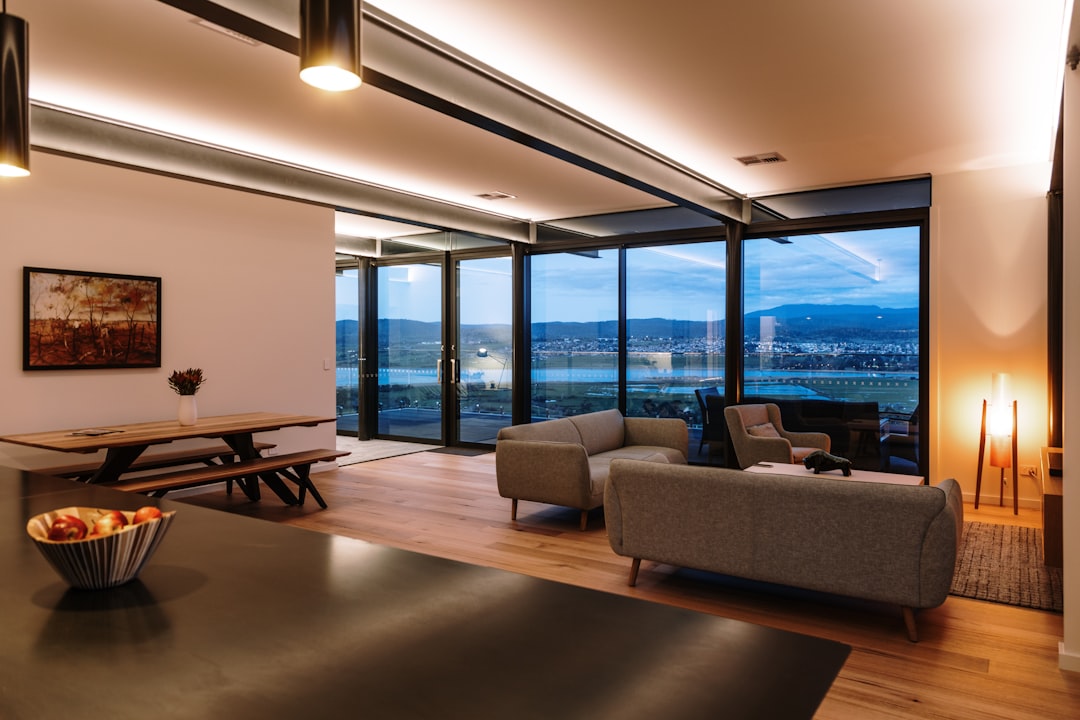
Home design businesses operate in a highly visual, competitive market where client intent can shift quickly and traditional referrals alone no longer sustain predictable growth. Google Ads empowers these firms to intercept potential clients at the exact moment they are seeking inspiration, vetting providers, or requesting quotes, making every marketing dollar accountable and responsive.
Strategic investment in Google Ads for Home Design Services turns anonymous web visits into identifiable companies and accounts, so sales teams can prioritize outreach to the prospects most likely to convert. Real-time audience insights let marketing leaders shift budget toward campaigns and regions showing peak in-market activity, sharpening the entire digital spend for measurable pipeline impact.
By layering in advanced tracking and real-time CRM audience syncs, revenue teams can unify ad-attributed leads with offline consultations and closed deals. This integration delivers a closed-loop view of ROI, making it possible to analyze which keywords, creatives, and audience segments drive the highest value customers for home design services. The result is a smarter, data-backed approach to demand generation that consistently fills the sales pipeline with high-intent opportunities.
Common Types of Google Ads Campaigns for Home Design Services
Search campaigns can run as standard keyword-targeted ads or as Responsive Search Ads, an ad format within Search that tests multiple headlines and descriptions to find the best-performing combination. Alongside Search, Display, Video, and Remarketing, Performance Max is worth considering: it draws on Google's full inventory, Search, Display, YouTube, Maps, and Discover, from a single campaign, which suits home design firms that want broad coverage without managing each channel separately.
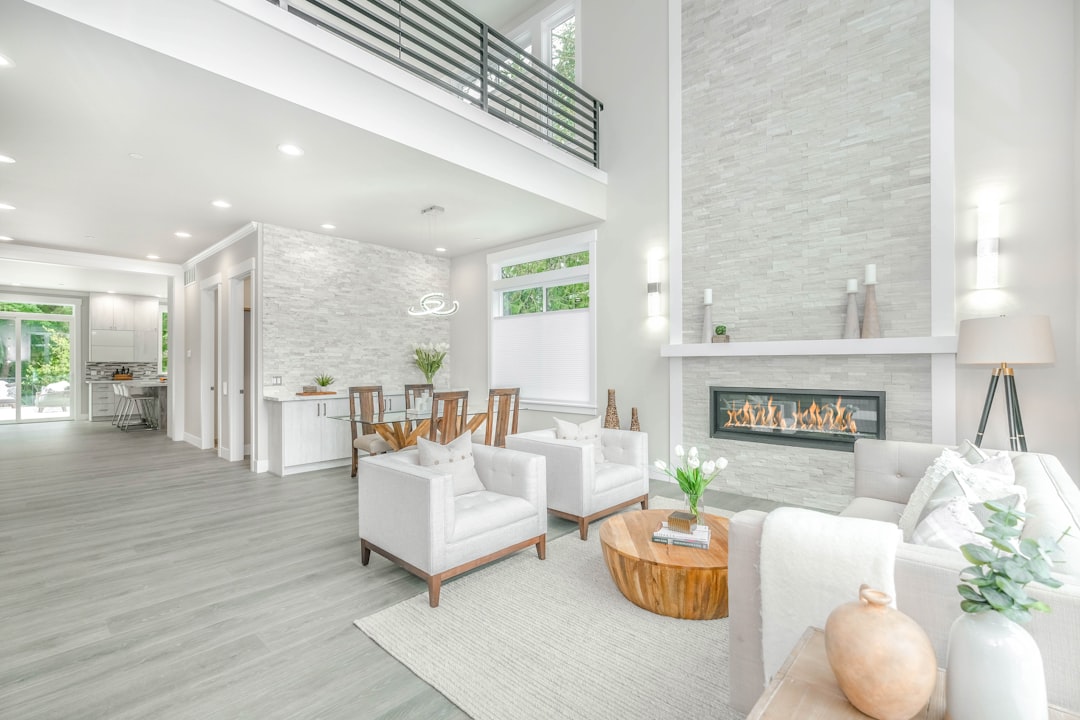
- Search Campaigns: Direct search campaigns form the backbone of Google Ads for Home Design Services. By targeting specific queries such as “luxury kitchen remodel” or “residential interior design consultation,” teams reach prospects with clear intent. Instead of relying on generic, broad-match keywords, marketers can refine targeting by analyzing historical engagement and conversion data. Enhanced platforms now allow identification of visitors at the company level, enabling precise retargeting and prioritization of in-market accounts. For a deeper dive into how interior designers can utilize Google Ads to attract more clients, see this comprehensive guide.
- Display Ads: Display campaigns keep home design brands top-of-mind among audiences browsing home improvement forums, decor blogs, and lifestyle websites. Maintaining consistent presence across the web is crucial for long sales cycles typical in home design and renovation. Instead of static audience lists, dynamic segmentation continuously updates based on recent web interactions and intent. For more actionable digital marketing strategies, explore our home design marketing guides.
- Video Ads: Video ads excel at illustrating complex design transformations, from concept to finished space. These campaigns drive interest and trust by showcasing client testimonials, before-and-after visuals, and process walkthroughs. Audience segmentation can be refined by analyzing which viewer cohorts watch full videos or interact with key calls to action. Sona surfaces this intent data quickly, allowing marketers to shift spend toward high-converting segments and adapt messaging to match the specific needs of commercial or residential clients.
- Remarketing: Remarketing campaigns powerfully re-engage visitors who have shown interest but not yet converted. Fast follow-up is key: leveraging timely engagement data and lifecycle signals prevents leads from going cold. With unified data flows, remarketing lists automatically update as prospects move through the funnel, ensuring ads reach only those with genuine ongoing interest. To learn more about successful home service digital marketing campaigns, review these case studies.
- Assets: Ad assets, such as sitelinks, callouts, and location details, increase trust and drive action by making it easy for clients to navigate, call, or visit. Integrating online and offline data provides a more complete attribution picture, linking ad engagement with showroom visits or phone consultations. When CRM and ad platforms are seamlessly synced, marketers can attribute revenue from both digital and offline interactions, refining campaigns for optimal ROI and eliminating blind spots in the customer journey.
Where to Find Growth Opportunities in Home Design
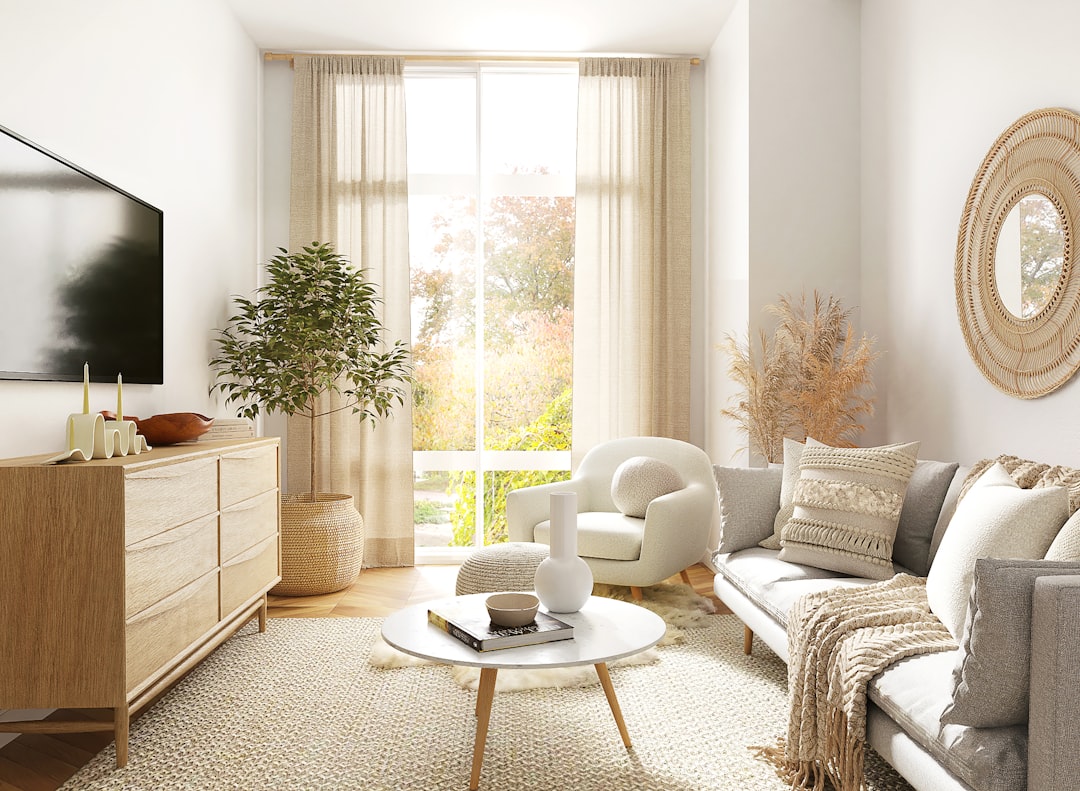
Growth within the home design sector comes from recognizing overlooked digital touchpoints and leveraging data-driven tactics that surface intent-rich audiences. Marketers who capitalize on niche renovation and design keywords, as well as buyer journeys outside mainstream search, consistently unlock new streams of demand resistant to saturation. For a deeper dive into how interior designers can use Google Ads to attract more clients and grow their business, check out this Google Ads for interior designers guide.
- Niche renovation keywords: Moving beyond broad terms like “interior design” or “home remodel” allows brands to attract high-value prospects with specific needs such as “mid-century modern bathroom renovation” or “sustainable kitchen cabinetry.” These detailed phrases reveal greater purchase intent and reduce wasted spend on generic traffic. Using unified audience insights, marketers can identify which long-tail searches consistently attract engaged visitors, then prioritize budget to these opportunity clusters.
- Competitor and category gaps: Insights platforms highlight underserved queries where competitors are missing or underperforming. Monitoring SERP changes and engagement trends quickly exposes shifts in buyer behavior and seasonal spikes across categories like "luxury closet redesign" or "remote home office makeovers." Sona surfaces real-time intent signals so revenue teams can move budget toward emerging gaps as soon as they appear, maximizing share of voice while costs remain manageable.
- Vertical placements and forums: Forums and content hubs focused on renovation, DIY, and home improvement attract highly qualified prospects seeking advice or vendor recommendations. By integrating advanced identification, marketers can move from anonymous clicks to pinpointing which companies and segments are interacting with ads and content. This enables personalized outreach, tight retargeting, and audience sync with CRM and sales platforms, ensuring no interested buyer falls through the cracks.
- Advanced integration for conversion tracking: Connecting online ad engagement with offline consultations, showroom visits, or design bookings is crucial for measuring true ROI. Platforms that support full-funnel attribution allow marketers to close the loop between ad spend and final project value, empowering smarter budget allocation and ongoing campaign optimization.
Revenue teams in home design who unify their audience insights and conversion data are best positioned to seize growth, especially as privacy changes and rising CPCs demand greater efficiency. By proactively identifying and activating these underutilized digital opportunities, marketers can drive sustained pipeline growth and maintain a competitive edge.
How to Apply Audience Segmentation for Home Design Services
Audience segmentation is the foundation of high-performing digital marketing for designers and home design firms. By structuring campaigns around audience cohorts such as residential homeowners, commercial property managers, or architects, marketers move beyond generic messaging and target prospects with relevant offers and content. This clarity in segmentation enables campaigns to deliver higher engagement rates and stronger conversion signals, as each audience receives tailored creative and value propositions that align with their unique needs. For practical strategies tailored to the home design industry, explore this guide to Google Ads for interior designers.
Segmentation deepens when overlaying additional intent signals, such as distinguishing renovation projects from new builds or identifying early-stage inspiration seekers versus those ready to hire. Advanced teams use real-time behavioral data and in-market activity to shift budget and messaging toward segments showing the highest conversion potential. Attribution models that sync online and offline conversion data validate which audience segments drive the most revenue, allowing ongoing refinement of targeting and spend allocation.
Modern platforms enable dynamic audience updates as leads progress through the funnel, automatically refining segments based on CRM-enriched data and predictive scoring. This approach ensures that as a prospect moves from an initial inquiry to a qualified lead or booked consultation, ad creative and retargeting lists evolve in lockstep. Syncing enriched audiences and conversion events directly into Google Ads allows for precise retargeting, exclusion of closed deals, and measurement of true ROI across every audience segment. The result is a unified, data-driven strategy that sharpens Google Ads performance, improves home design lead generation, and supports scalable growth for design firms competing in local and national markets.
This is also where measurement changes the economics. With Sona Marketing Measurement you can identify the companies behind your ad clicks using first-party data, not just anonymous sessions, and segment audiences by who actually becomes a customer. That lets you build bid adjustments and audience signals around the segments that convert and de-prioritize the ones that don't, so you feed Google's algorithms "this click became a paying home design services customer" instead of just "someone filled out a form."
Keyword Strategy & Sample Target Terms
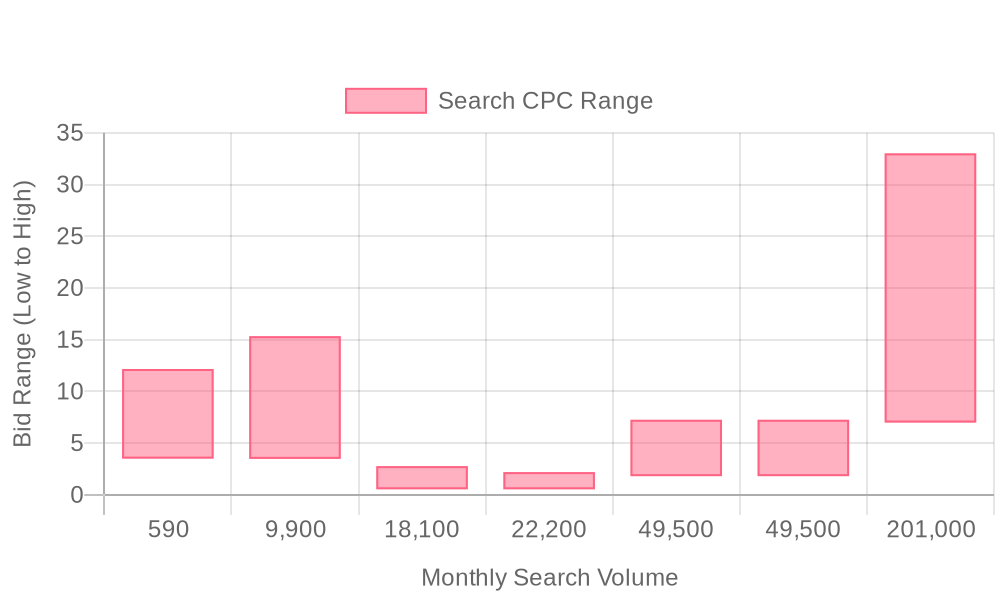
| Industry | Keyword | Monthly Search Volume | Competition Level | Low Bid | High Bid |
| Home Design Services | home design services | 590 | LOW | 3.51 | 12.17 |
| Home Design Services | kitchen designers near me | 9900 | LOW | 3.48 | 15.34 |
| Home Design Services | home design | 18100 | HIGH | 0.54 | 2.78 |
| Home Design Services | house design | 22200 | HIGH | 0.54 | 2.2 |
| Home Design Services | interior designers near me | 49500 | LOW | 1.81 | 7.26 |
| Home Design Services | interior decorator near me | 49500 | LOW | 1.81 | 7.26 |
| Home Design Services | bathroom remodel | 201000 | MEDIUM | 6.99 | 33.01 |
A data-driven keyword strategy for home design services unlocks higher campaign efficiency and faster ROI. High-intent search terms combined with granular geo-targeting ensure your ads reach motivated prospects ready to engage. By focusing on specificity and intent, businesses avoid wasted spend and capture leads that convert at a greater rate.
- Local geo-modifiers: Embedding city, neighborhood, or zip code qualifiers into keywords narrows your reach to audiences most likely to book in-person consultations or site visits. For example, "interior designer in Austin," "Scottsdale luxury home remodel," or "modern kitchen design Brooklyn" directly address users searching for services in their area. This approach increases relevance, reduces CPC, and improves lead quality. For additional keyword inspiration, explore this list of home decoration keywords.
- Long-tail service keywords: Targeting precise phrases like "eco-friendly home design consultation," "custom basement renovation," or "open-concept living room redesign" aligns your ads with prospects who have moved beyond the research phase and are seeking a specific solution. Long-tail keywords often reflect higher commercial intent and face less competition, lowering acquisition costs while boosting conversion rates. Learn more about advanced marketing guides for actionable strategies.
- Negative keyword implementation: To prevent budget erosion from irrelevant clicks, negative keywords like "DIY," "template," "free design ideas," or "job openings" are essential. This filtering ensures your ads are shown only to users with genuine purchase or inquiry intent. It also enables campaign managers to maintain focus on qualified traffic, which leads to a more predictable and scalable lead pipeline.
Advanced platforms further amplify these tactics by integrating visitor and account-level identification. When marketers unify CRM and ad engagement data, they gain insight into which keywords drive high-value actions and can dynamically adjust keyword lists as leads move through the funnel. This responsiveness allows for real-time audience updates, extends reach to similar in-market accounts, and eliminates lag between intent signals and audience activation. As a result, digital marketing for designers and home design advertising efforts become more precise, measurable, and revenue-aligned.
Step-by-Step Campaign Execution Framework for Home Design
Step 1: Keyword Research and Targeting
Building a profitable Google Ads for Home Design Services strategy begins with pinpoint keyword selection. "Near me" and service-specific modifiers capture homeowners actively researching a renovation or design project in their area, whether they're comparing quotes ahead of a spring remodel or searching urgently after storm damage or a failed inspection. This approach ensures your ads reach prospects with immediate intent, not passive browsers scrolling for inspiration. Use search trends and competitor insights, such as those found in high-performing home decoration keywords, to identify overlooked keyword opportunities, including seasonal terms tied to permit timelines or licensing requirements that shift demand throughout the year.
Leveraging enriched visitor identification enables marketers to recognize which keywords drive real engagement, rather than relying on surface-level click metrics. With real-time intent signals and unified account-level data, you can move beyond generic targeting to reach decision-makers from companies most likely to convert. For more actionable tips on advanced targeting and segmentation, explore our marketing playbooks.
The upgrade most home design services advertisers miss is going beyond raw keyword volume to layer in intent and identity signals. By connecting website-visitor data and CRM records with Sona Marketing Measurement, you can see which specific search terms bring in the accounts and customers that actually convert, and weight your keyword and bidding strategy toward those rather than the terms with the highest search volume alone.
Step 2: Crafting Enchanting Ad Copy
Effective ad copy for home design advertising speaks directly to the aspirations and concerns of your audience. Highlighting signature design capabilities, such as sustainable materials or bespoke layouts, resonates with distinct buyer segments identified during targeting. Trust markers matter more here than in most trades: licensing, bonding and insurance status, industry certifications, and verified client testimonials reassure a homeowner about to hand over both their house and a significant budget.
Dynamic audience insights enable you to personalize messaging based on real-time behavior, ensuring that ads reflect the evolving needs and interests of each segment. For detailed strategies on utilizing Google Ads to attract home design clients, consider this guide for interior designers. As leads progress through the funnel, ad copy can automatically update to promote premium consultations, seasonal offers, or tailored follow-ups, reinforcing relevance and driving stronger engagement with every impression.
Step 3: Building Engaging Landing Pages
A seamless user experience is critical for home design lead generation. Each landing page should closely map to its corresponding keyword and ad, maintaining message consistency and reducing bounce rates. Visual galleries, interactive cost calculators, and clear calls-to-action help convert curiosity into qualified inquiries. Prioritizing mobile optimization ensures your pages perform flawlessly for users researching on smartphones or tablets, where a significant share of design service searches now originate.
Integrating cross-channel data with Destinations empowers marketers to identify which landing page elements and user journeys result in the highest conversion rates. By unifying insights from website, CRM, and ad platforms, optimization can be continuous and informed, ensuring every visitor receives a personalized, frictionless experience that accelerates their path to booking a consultation or requesting a quote. To see how digital marketing campaigns drive results for home service providers, review these case studies.
Step 4: Continual Performance Optimization
Ongoing optimization is the cornerstone of successful Google Ads strategies for home design firms. Delays in lead engagement can be mitigated by tracking conversions across online and offline touchpoints in real time, offering a complete view of the customer journey with Buyer Journeys. These insights support granular bid adjustments, budget reallocation, and creative refreshes that respond to shifting demand without delay.
With predictive analytics and advanced ad conversions tracking, marketers can measure true Google Ads ROI, identifying which channels and audience segments yield the most profitable outcomes. CRM and ad platform synchronization ensures newly qualified leads are automatically enrolled in retargeting or nurture campaigns, keeping your brand top-of-mind and streamlining the progression from initial inquiry to signed contract.
Sona Marketing Measurement closes the gap between clicks and revenue. It captures ad clicks with first-party measurement, ties them through UTM capture and ad-platform APIs to the actual record in your CRM, and reports ROAS by keyword and campaign instead of by last-click form fill. Feeding that revenue signal back into Smart Bidding and Performance Max compounds over time: the algorithms optimize toward booked home design services revenue, not cheap leads.
Tips on Expanding Your Home Design Presence
Modern home design firms achieve stronger digital visibility by integrating cross-channel promotion of their design portfolios within retargeting campaigns. Presenting completed projects and testimonials on multiple platforms ensures that prospects repeatedly see relevant, high-quality work, reinforcing trust and brand recall throughout the research and decision cycles. For insights on effective Google Ads strategies tailored to interior designers, explore this guide.
Successful design companies take expansion further by leveraging CRM data to upsell complementary services and localize ad messaging. When marketers connect CRM insights to their Google Ads strategies, ads dynamically reflect client interests, service history, and preferred locations, increasing relevancy and engagement. This approach elevates digital marketing for designers, ensuring that campaigns reach homeowners and commercial clients actively seeking related solutions in specific neighborhoods or metro areas. For more tips on leveraging integrated data, see our actionable playbooks.
Audience segmentation and advanced tracking play critical roles in counteracting revenue loss from untracked or offline conversions. When enriched audience data is synchronized with advertising platforms, such as Google Ads, businesses achieve more precise budget allocation and audience targeting. Real-time updates on lead status and intent allow dynamic audience lists to reflect each prospect's place in the funnel, ensuring retargeting ads and offers always match current needs. This holistic approach to home design advertising sharpens Google Ads performance and captures the true impact of both online and offline touchpoints.
Beyond Google Ads: Winning the AI Answers Home Design Services Buyers Now Trust
Paid search captures demand at the moment someone types a query. But a fast-growing share of home design services buyers no longer start at Google at all, they ask ChatGPT, Gemini, or Perplexity before they ever run a search, and Google's own AI Overviews increasingly summarize an answer above the traditional results. If your business isn't referenced in those AI answers, you're invisible at the exact moment buyers build their shortlist.
Sona AI Visibility shows where your business shows up across ChatGPT, Gemini, Perplexity, Google AI Overviews, and 10+ engines, and, much like a keyword report, which prompts actually send you buyers, so you can prioritize the ones that convert. Run the two together and you cover the entire buyer path: get cited where buyers research (AI Visibility), then prove which of that demand turns into booked revenue (Marketing Measurement).
Helpful resources
Conclusion
Google Ads works for home design services when it's treated as an extension of the sales process, not a billboard. The firms that win are the ones that can say, with evidence, which keyword or campaign led to a signed contract, not just a form fill.
The next shift is already underway: buyers increasingly form their shortlist before they ever type a query into Google, asking AI tools instead. Home design firms that pair tight, measurable Google Ads campaigns with visibility in those AI answers will be the ones still winning the client relationship before a competitor even shows up in search.
FAQ
What are the best practices for using Google Ads in home design?
Best practices include aligning search intent with ad messaging, using advanced audience targeting, dynamic creative, data-driven optimization, and integrating CRM data to enhance lead capture and conversion.
How can I create effective Google Ads for my home design services?
To create effective ads, focus on precise keyword targeting, craft compelling ad copy that highlights your design capabilities, and ensure landing pages offer a seamless, relevant user experience.
What budget should I allocate for Google Ads in the home design industry?
The budget should be dynamically allocated based on real-time audience insights and campaign performance, ensuring spend is focused on high-intent opportunities and optimizing for measurable pipeline impact.
How do I measure the success of my Google Ads campaigns for home design?
Success is measured by tracking conversions across online and offline touchpoints, analyzing ROI, and identifying which keywords, creatives, and audience segments drive the highest value customers.
What keywords should I target for Google Ads in home design services?
Target specific, high-intent keywords like 'luxury kitchen remodel' and use geo-targeting and long-tail service keywords to reach prospects with immediate intent, while also employing negative keywords to filter irrelevant traffic.







