


A burst pipe or a dead furnace doesn't wait for business hours, and the homeowner searching for help wants a contractor now, not a brand they'll remember next month. That urgency is what makes Google Ads different from the rest of a home repair company's marketing mix: it intercepts the search at the exact moment someone needs a plumber, roofer, or HVAC technician, rather than hoping they recall an ad later. Too often, though, high-value visitors land on a site, look around, and leave untracked, and that gap between a click and a booked job is where revenue quietly disappears. Google Ads closes it by targeting prospects with precision, measuring return on investment against actual jobs rather than clicks, and reinforcing other channels through remarketing. Used well, it lets a home repair business reach decision-makers, follow a lead from first click to closed deal, and spend its marketing budget where the evidence says it works.
How to Generate Home Repair Service Leads with Google Ads: A Step-by-Step Guide

Today’s home repair businesses face intense competition for digital attention, making it critical to reach high-intent prospects when they are actively searching for solutions. Leveraging Google Ads for Home Repair Services enables brands to target urgent, local demand with precision and scale, delivering immediate visibility where it counts most.
Integrating paid search into your home repair marketing mix provides a unique opportunity to unify your data, capture real-time customer intent, and drive performance beyond what traditional channels offer. By blending advanced audience targeting, landing page personalization, and cross-channel activation, you can ensure every marketing dollar is tied to measurable outcomes and optimized for lead quality.
- Data-driven paid search: Incorporate robust analytics and attribution to understand which keywords, devices, and regions drive the most valuable appointments and service calls. With Sona's Identity Resolution, marketers can go beyond anonymous clicks and identify which companies or households are showing in-market signals for plumbing, HVAC, or appliance repair. This lets you prioritize spend toward the most profitable segments, reducing wasted budget and improving conversion rates.
- Keyword and audience targeting: Effective keyword research for home services means isolating transactional phrases like “emergency water heater repair” or “same-day appliance service” and pairing them with dynamic audience lists. Real-time behavioral insights allow for continuous refinement; as prospects engage or move further down the funnel, their audience status updates and syncs across both Google Ads and your CRM. This ensures the right offer is delivered at the right time, driving higher engagement and faster bookings.
- Landing page and creative alignment: Avoid generic landing pages that dilute your message. Tailor each page to the specific service, location, and urgency reflected in your ads. For example, a user searching “24/7 furnace repair near me” should be met with a page highlighting emergency response and local credentials, not a broad service list. Marketers gain a performance edge by tracking which creative elements and calls-to-action yield the highest conversion rates, then iterating quickly to maintain relevance and authority in the market.
- Performance optimization tactics: Advanced conversion tracking, including online form fills and offline call booking, allows for a clear view of true ROI. By tying revenue outcomes back to each ad group and keyword, you can optimize bids and budgets in real-time, ensuring that hot leads receive immediate follow-up before they cool off. Integrating your CRM with Google Ads further streamlines this process, automatically syncing lead data and enabling rapid, personalized outreach by your sales or dispatch team.
- Cross-channel integration strategies: Reinforce your Google Ads investment by connecting insights and audiences across paid social, email, and SEO. Dynamic audience sync ensures that once a lead expresses interest or books a service, they are automatically excluded from prospecting campaigns and added to retention or upsell workflows. This closed-loop approach maximizes the impact of every interaction, minimizing overlap and driving more revenue from every touchpoint in the customer journey.
Ready to increase your home repair leads? Get started for free with Sona.
Why Google Ads Matter for Home Repair Services

Home repair businesses operate in a competitive market where rapid response to customer demand is essential for growth. Digital channels alone rarely offer the precision or speed required to capture homeowners and landlords who need immediate assistance, making Google Ads a strategic lever for connecting with high-intent prospects. For those looking to maximize every website visit, Sona's Identity Resolution can reveal which companies are visiting, even if no form is filled, turning anonymous traffic into real opportunities.
- Specialized Audience: Google Ads campaigns are uniquely positioned to capture property owners actively searching for repair services at the moment of need. This ability to surface your business in front of individuals already in-market cuts down on the manual labor of qualifying and chasing leads, while also providing deeper insights into which companies and individuals are interacting with key landing pages. When integrated with advanced visitor identification tools, marketers can move beyond anonymous web traffic, pinpointing exactly which buyers are researching urgent repairs and which companies are showing repeated intent signals. This specificity drives higher conversion rates and increases operational efficiency.
- Urgent Needs: Unlike organic SEO, which builds awareness over time, Google Ads for Home Repair Services delivers your brand to the top of search results precisely when emergencies occur, such as burst pipes or malfunctioning HVAC units. This immediacy ensures that leads remain warm and actionable, with less drop-off due to delayed follow-up. When real-time intent data is unified into campaign management, revenue teams can instantly shift budget toward the highest-converting service lines or geographies, capturing urgent demand before competitors react.
- Local Visibility: Home repair marketing demands hyper-local targeting to ensure visibility in the metro areas where service calls originate. Google Ads enables granular control over service radii, zip-code targeting, and neighborhood-level reach, allowing businesses to efficiently allocate spend to high-value service areas. Unified data on geo-targeted interactions reveals which regions drive the most engagement, empowering marketers to double down on neighborhoods where demand is spiking or where conversion rates outpace the average.
- ROI Tracking: Google Ads campaigns provide a closed loop for ROI analysis, from the initial click through to signed contracts and completed repairs. Advanced conversion tracking, including offline attribution, gives businesses a clear picture of which keywords, ads, and service lines deliver true revenue, not just digital leads. By syncing enriched lead data and dynamic audiences directly into Google Ads and connected CRM platforms, marketers can analyze campaign performance at every stage and optimize cross-channel strategies for maximum impact. This comprehensive approach ensures every dollar invested in Google Ads for Home Repair Services is measured, optimized, and directly linked to business outcomes. To see how unified data can accelerate your campaigns, get started for free with Sona.
Common Types of Google Ads Campaigns for Home Repair Services
Most home repair advertisers rely on a mix of Search, Display, Video, and Performance Max campaigns, each suited to a different stage of the buyer's decision, from an emergency search to a considered remodeling project. Responsive Search Ads, an ad format within Search campaigns rather than a separate campaign type, let you feed multiple headlines and descriptions so Google can test combinations for each query.

- Search Campaigns: Search campaigns are the foundation for driving high-intent leads in home repair marketing. By targeting urgent search queries such as "home repair services near me" or "emergency appliance repair," these campaigns capture customers already motivated to act. Effective keyword segmentation and negative keyword filtering focus spend on ready-to-buy prospects, minimizing wasted impressions and irrelevant clicks. When marketers unify their intent signals and account-level data, they can dynamically adjust bidding to prioritize neighborhoods and property types most likely to convert, increasing both efficiency and campaign ROI. For a step-by-step approach to using Google Ads in this space, see this Google Ads for appliance repair guide.
- Display Ads: Display ads expand reach by placing home repair brands across relevant blogs, forums, and local news outlets frequented by homeowners. This channel supports awareness and nurtures consideration, especially for services with longer decision cycles such as remodeling or large-scale repairs. Marketers who connect display audience segments to real-time web visitor data can optimize creative assets based on user behavior, driving consistent engagement across devices and platforms. Integrated data flows enable rapid response to engagement spikes, ensuring that display budgets fuel brand lift in the right contexts.
- Video Ads: Video campaigns provide an opportunity to visually demonstrate expertise, showcase before-and-after project results, and convey trustworthiness in a crowded marketplace. These ads appear on YouTube and Google’s video partners, appealing to homeowners researching contractor quality and repair techniques. Leveraging unified audience insights, marketers can tailor video content to match the specific pain points or interests of each viewer segment, maximizing the persuasive power of visual storytelling. When video engagement is tracked alongside CRM data and search interactions, teams can accurately attribute leads to the most effective creative and messaging strategies.
- Remarketing: Remarketing campaigns re-engage homeowners who have previously visited service pages or initiated quote requests but did not book an appointment. This tactic is essential for capturing delayed decisions, as many home repair prospects compare multiple providers or discuss options with family before acting. By syncing audiences directly from CRM and web analytics, remarketing lists stay fresh and reflect true buyer intent. This ensures that follow-up messages are timely and relevant, improving the conversion rate of previously missed opportunities and lowering acquisition costs.
- Assets: Ad assets (formerly called extensions) enhance credibility and conversion potential by adding actionable information like location, reviews, service certifications, and call buttons directly to ads. For home repair companies, these assets address customer trust concerns and streamline the path from ad to contact. When asset performance data is unified with business profiles and customer feedback, teams can rapidly highlight top-rated technicians, showcase recent projects, or promote Google Guaranteed status to boost response rates. This level of tailored engagement helps move prospects from search to appointment with confidence. If you're ready to optimize your campaigns, get started for free with Sona.
Identifying Growth Opportunities
Home repair service providers face a rapidly shifting digital landscape, where incremental growth is achieved not by simply increasing ad spend but by uncovering hidden demand and engaging under-tapped audiences. Maximizing Google Ads for Home Repair Services means looking beyond standard search campaigns, using data-driven insights to surface new verticals, refine targeting, and extend reach into niche service areas.
- Vertical keyword targeting: Using Google Ads for Home Repair Services, vertical keyword targeting allows marketers to capture specialized repair and renovation projects that often go unnoticed in broad campaigns. By analyzing long-tail search terms and seasonal trends, teams can identify high-intent queries like "historic window restoration" or "emergency sump pump repair" that indicate immediate need and lower competition. Audience enrichment tools can reveal which companies or households are repeatedly searching for specific services, allowing for targeted offers and hyper-personalized outreach that drive higher conversion rates.
- Competitor analysis and gap identification: Growth-oriented teams stay ahead by mapping the digital footprints of competitors and unearthing under-served segments. Advanced tracking platforms help surface where competitors are investing in PPC for home repair, which keywords they may be neglecting, and how their ad copy resonates with local audiences. To see a step-by-step guide on using Google Ads to generate more appliance repair leads, visit this external resource.
- Targeted placements on directories and forums: In markets where organic search results are saturated or thin, targeted placements on trusted directories and industry forums become essential for home service lead generation. Directly reaching homeowners on platforms like Angie’s List or specialty forums fills gaps left by organic SEO and maintains omnichannel brand consistency. Integrating visitor identification enables marketers to distinguish between anonymous browsers and qualified homeowners, so follow-up messaging can be tailored to each stage of the buying journey.
- Retargeting with educational content: Retargeting is most effective when it delivers timely, value-driven content that guides prospects toward decision. By deploying educational assets, such as video walkthroughs of common repairs, downloadable maintenance guides, or interactive checklists, marketers can re-engage past website visitors and nurture hesitant leads back to conversion. Dynamic audience segmentation ensures that as users interact with content or move through the sales funnel, retargeting lists update in real time. This increases relevance and allows for more precise budget control, with offline conversion tracking attributing closed jobs to specific retargeting efforts for clearer Google Ads ROI.
By leveraging unified data to pinpoint opportunity gaps, synchronize audiences across platforms, and activate intent-based engagement, home repair teams can grow revenue efficiently. These strategies drive measurable results, giving marketers a competitive edge in a crowded home improvement advertising market.
Audience Segmentation for Home Repair Services

Audience segmentation forms the backbone of high-performing Google Ads for Home Repair Services campaigns. Homeowners, landlords, property managers, and real estate investors approach a repair decision differently, so messaging and follow-up should reflect each group's priorities and timeline. A landlord juggling multiple units cares about turnaround and price; a homeowner with a flooded basement cares about how fast someone can show up. That precision cuts wasted spend and keeps campaigns speaking to the actual concerns of each group. For a comprehensive overview of how Local Service Ads can benefit home service providers, including setup tips and lead generation potential, review this Local Service Ads for home services guide.
Sona's Intent Signals help distinguish between audiences seeking urgent help and those researching a longer-term renovation. A search for "emergency water heater repair" calls for an immediate-response campaign, while "kitchen remodeling ideas" is a research query that benefits from educational content and a nurture sequence rather than a hard sell. Licensing and insurance claims in the ad copy matter more for big-ticket renovation searches, where buyers are comparing credentials, than for a same-day repair call. These intent-based distinctions let budget shift dynamically toward the segments most likely to convert.
Custom ad groups and messaging further refine the user journey, combatting poor ROI that often results from overly broad targeting. When ad creatives and landing pages reflect the specific pain points of each segment, such as urgent repairs for homeowners or value-focused offers for landlords, conversion rates rise. With unified data infrastructure, marketers can track every interaction and conversion, syncing high-value engagements directly into CRM systems. This seamless integration ensures that sales teams maintain an accurate, real-time view of which accounts are progressing through the funnel and which require additional engagement, closing the loop between digital ad spend and closed revenue.
This is also where measurement changes the economics. With Sona Marketing Measurement you can identify the companies and buyers behind your ad clicks, not just anonymous sessions, and segment audiences by who actually becomes a customer. That lets you build bid adjustments and audience signals around the segments that convert and de-prioritize the ones that don't, so you feed Google's algorithms "this click became a paying home repair services customer" instead of just "someone filled out a form."
Keyword Strategy & Sample Target Terms
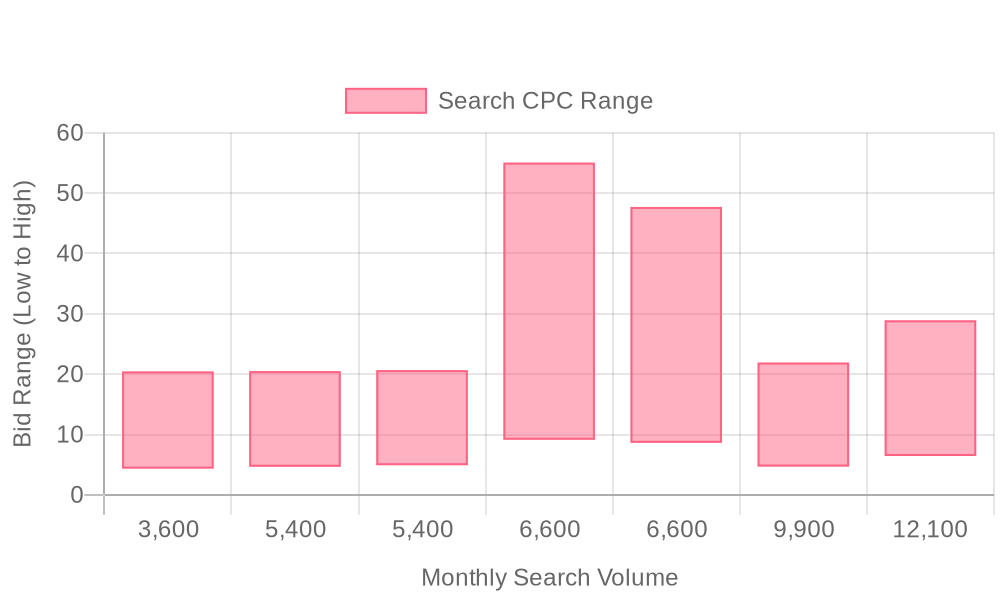
| Industry | Keyword | Monthly Search Volume | Competition Level | Low Bid | High Bid |
| Home Repair Services | home window repair near me | 3600 | MEDIUM | 4.35 | 20.45 |
| Home Repair Services | home repair services | 5400 | LOW | 4.66 | 20.51 |
| Home Repair Services | house window repair | 5400 | MEDIUM | 4.92 | 20.67 |
| Home Repair Services | house foundation repair | 6600 | LOW | 9.14 | 55.05 |
| Home Repair Services | house window replacement | 6600 | MEDIUM | 8.63 | 47.71 |
| Home Repair Services | home window repair | 9900 | MEDIUM | 4.7 | 21.92 |
| Home Repair Services | home repair | 12100 | MEDIUM | 6.44 | 28.92 |
A structured keyword strategy remains the foundation of high-performing Google Ads for home repair services. Targeting the right mix of high-intent, location-specific, and service-based keywords ensures that each advertising dollar reaches homeowners actively seeking solutions, whether in urgent situations or planned projects. To explore more about optimizing campaign measurement, see this guide to first-touch vs. last-touch attribution models. This approach drives qualified traffic to your site, reduces wasted clicks, and increases the likelihood of converting leads into revenue-generating jobs.
Prioritize search terms such as "home repair contractors near me," "emergency plumbing repair," and "roof repair services" since these reflect immediate commercial intent and location relevance. By analyzing historical search data and leveraging AI-driven insights, marketers can identify seasonal surges in demand, like increased roof leak searches during rainy months, and adjust ad spend accordingly. For step-by-step tactics on attracting local leads, review this Google Ads for appliance repair guide. Integrating dynamic intent signals allows for continuous budget reallocation, ensuring the most promising audiences receive focused attention when their need is highest.
Filtering out low-value traffic is just as critical as attracting qualified leads. Use negative keywords to exclude searches driven by DIY interest, job seekers, or unrelated home improvement topics, which often dilute campaign efficiency. For example, blocking terms like "repair tutorial," "how to fix," or "free estimates" prevents unqualified clicks from inflating cost-per-lead metrics. This precise filtering is enhanced when marketers can identify anonymous visitors and tie them to real companies or households, enabling ad spend to be focused on prospects most likely to convert.
Advanced keyword strategies also go beyond static lists. Dynamic audiences update in real time as leads move through the sales funnel, enabling more nuanced retargeting and message personalization. By syncing enriched lead data from CRM systems directly into Google Ads, marketers ensure that high-value prospects are nurtured with the right offers throughout their decision-making process. This holistic approach to keyword research and audience management maximizes Google Ads ROI while supporting scalable, data-driven home repair marketing. Ready to take the next step? Get started for free with Sona.
Step-by-Step Campaign Execution Framework
Step 1: Build Targeted Keyword Lists
Effective home repair marketing starts with a robust keyword strategy that mirrors your business offerings and customer search habits. Segmenting keywords by service type, such as roofing, plumbing, and electrical repairs, enables precise campaign targeting and reduces wasted spend on irrelevant clicks. Incorporating modifiers like “near me” and specific city names ensures your Google Ads for Home Repair Services appear at the exact moment a prospect initiates a local search, increasing the likelihood of conversion.
For teams managing large keyword sets, advanced platforms make it possible to identify which companies and people are visiting your website, even if they don't fill out a form. This level of precision elevates keyword research for home services by connecting anonymous searches to real businesses or individuals, giving revenue teams actionable intelligence on which neighborhoods or business segments generate the highest-quality leads. As audiences engage and move through the funnel, signal-based audience segmentation helps you prioritize spend toward the segments showing the strongest in-market intent.
The upgrade most home repair advertisers miss is going beyond raw keyword volume to layer in intent and identity signals. By connecting website-visitor data and CRM records with Sona Marketing Measurement, you can see which specific search terms bring in the accounts and customers that actually convert, and weight your keyword and bidding strategy toward those rather than the terms with the highest search volume alone.
Step 2: Craft Engaging Ad Copy
Ad copy is the first touchpoint for many prospects, and in home improvement advertising, urgency and clarity are essential. Headlines should directly address urgent needs, such as “Emergency Plumbing Repair 24/7”, to connect with homeowners in decision-making mode. Highlighting trust markers, including professional certifications, years of experience, and real customer reviews, builds immediate credibility and sets your brand apart from less established competitors.
With enriched intent signals and lead data, your team can tailor ad copy in real time, ensuring that home repair ads reflect each user’s context, whether they’re seeking a quick fix or a major renovation. Integrating CRM data with your ad platform means every headline and call-to-action can be personalized based on known customer attributes, maximizing relevance and increasing click-through and conversion rates for contractors targeting high-value accounts.
Step 3: Design Responsive Landing Pages
A high-performing home repair campaign depends on the seamless connection between ad copy and landing page experience. Landing pages should mirror the promises made in the ad, providing a clear path from headline to call-to-action. Essential elements include strong CTAs (“Book Service Now”), a concise FAQ section addressing common concerns, and prominent display of trust symbols such as insurance badges, licensing info, and customer testimonials.
Responsive landing pages also allow for real-time adaptation based on incoming lead data. When platforms sync visitor intent and profile data into your marketing stack, you can present hyper-relevant offers (like discounts on specific repairs) or even trigger personalized follow-ups. This unification of ad engagement and website experience closes the loop in home service lead generation, helping contractors capture and convert high-intent prospects efficiently.
Step 4: Optimize Performance with Data
Optimization is ongoing and data-driven. Conversion tracking not only reveals which channels and campaigns perform best, but also enables granular adjustments to bidding strategies. By integrating online and offline conversion events, contractors gain full-funnel visibility, allowing for precise calculation of Google Ads ROI and more informed budget decisions.
A/B testing is crucial for ad optimization for contractors, ensuring every ad variant and landing page element is systematically evaluated. When audience and conversion data are automatically synced across your CRM and ad platforms, your team can iterate faster, shifting budgets toward the highest-performing keywords and creative. Real-time insights into which service areas or customer segments are driving revenue empower revenue teams to allocate spend with confidence, capturing more high-value jobs while maintaining strict control of Google Ads budget tips.
Sona Marketing Measurement closes the gap between clicks and revenue. It captures every ad click with first-party measurement, ties that click through UTM capture and ad-platform APIs to the actual record in your CRM, and reports ROAS by keyword and campaign instead of by last-click form fill. Feeding that revenue signal back into Smart Bidding and Performance Max compounds over time: the algorithms optimize toward booked home repair services revenue, not cheap leads.
Tips for Expanding Your Home Repair Business with Google Ads
Growth-oriented home repair businesses secure a measurable advantage by using Google Ads to drive targeted visibility and generate qualified leads at scale. Strategic campaign expansion relies on advanced segmentation, timely messaging, and deep audience insights that eliminate wasted budget and unlock new market opportunities.
- Cross-promote services during retargeting instead of running one generic ad for everyone: Many home repair companies leave revenue on the table by retargeting every past visitor with the same message. By reading real-time visitor activity and intent signals, marketers can offer HVAC maintenance to a recent plumbing customer, or a gutter inspection to someone who just booked roof repair, based on what each visitor actually needs next. Synchronized CRM and ad platforms keep those audience segments current, so campaigns serve the right upsell the moment a prospect shows buying signals rather than weeks later.
- Utilize industry partnerships for co-branded ads to enhance campaign credibility: Building trust is critical in home repair marketing, especially where large investments or urgent services are involved. When home services teams collaborate with trusted local brands or industry associations, co-branded Google Ads elevate perceived reliability. Marketers can leverage unified data platforms to identify shared audience segments and synchronize messaging, ensuring that joint campaigns reach in-market households with personalized offers. Explore a step-by-step guide to using Google Ads for appliance repair to discover actionable tactics for driving more qualified leads through joint marketing efforts.
- Localize ads for increased presence in targeted regions, effectively capturing market needs: Expanding into new neighborhoods or cities requires tailored messaging and precise geo-targeting. High-performing home repair campaigns deploy localized ad copy, service pages, and call tracking to match each region’s language, seasonal needs, and market conditions. By integrating address-level data and real-time intent triggers, marketers can shift budgets to areas with rising demand or prioritize high-value ZIP codes, ensuring that spend follows the most promising opportunities. CRM and ad platform integration further allows teams to track every lead from click through job completion, closing the attribution loop and optimizing future budget allocation for each geographic segment. This method ensures that expansion efforts translate into sustainable, profitable growth rather than diluted marketing returns.
Final Thoughts
Optimal Google Ads performance for home repair services depends on a blend of precise targeting, compelling creatives, and real-time data-driven optimization. By segmenting audiences based on behavior and intent, home repair marketers can engage high-value prospects at the moment they are most likely to convert, reducing wasted spend and maximizing campaign impact.
When home repair businesses focus on high-intent keywords and dynamic audience segmentation, every dollar spent on Google Ads works harder. Using Sona's Identity Resolution to identify visiting companies and surface intent in real time, teams can prioritize the accounts that have both the need and the budget for urgent repairs or upgrades. For an actionable, step-by-step process, see this guide to implementing Google Ads for home service companies.
Ensuring prompt, personalized follow-up is critical for home improvement advertising. Integrating enriched audience data from web visits and CRM systems into Google Ads enables real-time retargeting and smart budget reallocation. As prospects move through the sales funnel, dynamic audience updates ensure that only the most relevant users receive your ads.
By unifying campaign, audience, and attribution data, marketers can see which keywords, offers, and creatives drive the most profitable leads. This closed-loop process unlocks sustainable growth, helping home repair businesses win higher conversion rates, lower acquisition costs, and stronger customer relationships. Personalized follow-up, backed by real data on what actually converts, is becoming the baseline for home service lead generation, not a differentiator.
Beyond Google Ads: Winning the AI Answers Home Repair Services Buyers Now Trust
Paid search captures demand at the moment someone types a query. But a fast-growing share of home repair services buyers no longer start at Google at all, they ask ChatGPT, Gemini, or Perplexity before they ever run a search, and Google's own AI Overviews increasingly summarize an answer above the traditional results. If your business isn't referenced in those AI answers, you're invisible at the exact moment buyers build their shortlist.
Sona AI Visibility shows where your business shows up across ChatGPT, Gemini, Perplexity, Google AI Overviews, and 10+ engines, and, much like a keyword report, which prompts actually send you buyers, so you can prioritize the ones that convert. Run the two together and you cover the entire buyer path: get cited where buyers research (AI Visibility), then prove which of that demand turns into booked revenue (Marketing Measurement).
Helpful resources
Conclusion
Google Ads works for home repair services because it meets a homeowner at the moment the water heater fails or the roof starts leaking, when intent is highest and patience for research is lowest. Precise keyword targeting, service-specific landing pages, and ad copy that speaks to urgency turn that moment into a booked job rather than a lost click.
The businesses that pull ahead won't just spend more on search, they'll tie every click to a real outcome: a booked appointment, a completed repair, a repeat customer. As AI answers and Performance Max take over more of the buying journey, the advantage shifts to whoever can prove which keywords and creatives actually produced revenue, and feed that proof back into their bidding.
To bring that kind of measurement into your Google Ads strategy, start for free and see how Sona connects your ad spend to actual jobs booked.
FAQ
What are the best practices for using Google Ads for home repair services?
Best practices include targeting high-intent keywords, creating personalized landing pages, using advanced audience targeting and remarketing strategies, and continuously optimizing campaigns with data-driven insights.
How can I optimize my Google Ads campaigns for home improvement?
Optimize campaigns by integrating conversion tracking, using dynamic audience lists, personalizing ad copy and landing pages, and leveraging unified data for real-time adjustments.
What is the cost of Google Ads for home repair businesses?
The cost varies based on factors like keyword competition, targeting precision, and geographic focus, but effective use of Google Ads can maximize ROI by focusing spend on high-intent prospects.
How do local service ads work for home repair services?
Local service ads target prospects based on their location, ensuring visibility in specific service areas, and allow businesses to appear prominently in search results when potential customers are in urgent need.
What keywords should I target for Google Ads in the home repair industry?
Target high-intent, location-specific, and service-based keywords such as 'emergency plumbing repair' and 'roof repair services' to attract qualified leads actively seeking solutions.







