


Passive House construction sits at an unusual intersection: rigorous building science and a buyer who often has to be educated before they'll even recognize the need. Google Ads matters here because it catches people mid-question, when a developer or homeowner is searching for airtightness standards, PHIUS certification, or a builder who actually understands a heat-recovery ventilator. For Passive House construction services, that means reaching project developers and sustainability-minded homeowners at the moment they're comparing options, then moving them through a sales cycle that tends to be longer and more research-heavy than typical residential construction. This guide covers how to make Google Ads work for that specific buying pattern.
How to Generate Passive House Construction Services Leads with Google Ads

High-value leads in passive house construction often conduct extensive research across digital channels before ever reaching out directly. Google Ads offers a unique opportunity to intercept these prospects at the precise moment of intent, positioning your services ahead of less agile competitors. Marketers can refine their targeting by leveraging real-time audience intelligence to focus ad spend on accounts most likely to convert.
Success hinges on the alignment between ad messaging and landing page experience. Showcase passive house certifications, energy-saving case studies, and your unique approach to green building. Use tracking tools to analyze visitor behavior and reveal which creatives and value propositions resonate. Real-time data lets you adjust messaging, capture qualified leads, and sync updated audiences across Google Ads and CRM systems for seamless follow-up. For more actionable playbooks on conversion, visit our marketing resource hub.
Ongoing optimization is essential for maximizing ROI in a category where the sales cycle can run months and one lost lead means a lost multi-hundred-thousand-dollar project. Monitor search term performance, cost-per-lead, and conversion rates to identify winning tactics and eliminate wasted spend. Sona's Intent Signals surface which accounts are actively researching passive house services, so budget can shift toward the ones showing real buying interest rather than early-stage browsing.
Passive house buyers often engage across multiple platforms before converting. Integrate Google Ads with email, social, and outbound efforts to create a unified brand presence. Dynamic audience updates help leads move smoothly through the funnel, with enriched contact data and campaign insights flowing automatically into sales enablement platforms. To experience how seamless segmentation and automation can accelerate your lead generation, get started for free with Sona.
Why does Google Ads matter for Passive House Construction Services?
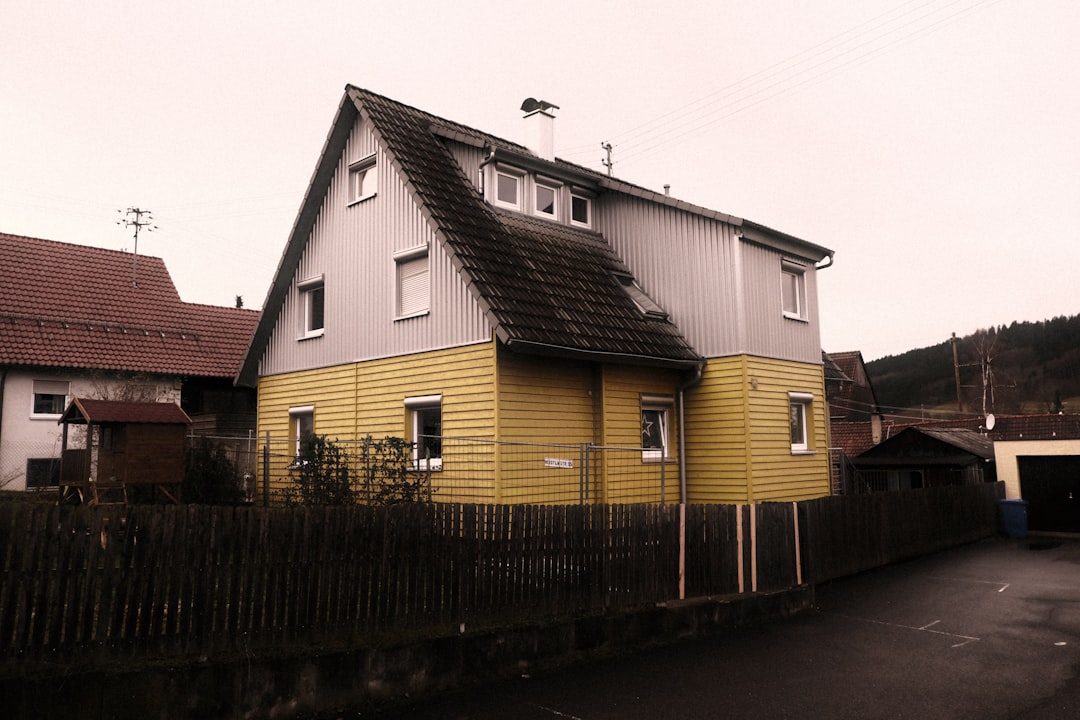
Passive house construction services require precision in audience targeting and timing. Google Ads empowers these firms to engage future homeowners and building professionals as they actively search for eco-friendly, energy-efficient solutions. The ability to appear at the top of search results for high-intent keywords like "passive house builder" or "energy-efficient home construction" means companies can connect with prospects when the demand is real and immediate, see how a passive house builder on Cape Cod uses this approach for green building marketing.
Many website visits originate from anonymous users, leaving valuable leads hidden. Sona's Identity Resolution helps passive house marketers move beyond surface-level analytics by identifying which companies are investigating their services, even before a form is filled out. That visibility turns previously anonymous traffic into actionable sales opportunities, fueling more personalized and impactful follow-up.
- High-cost service advantage: With Passive House projects representing six-figure-plus investments, Google Ads lets firms concentrate spend on keywords and geographies tied to new, high-value developments, new-construction permits, major renovations, and net-zero retrofits rather than casual DIY searches. This is especially effective in metro regions where demand for certified green building is accelerating, keeping budget focused on the most lucrative prospects. Explore more best practices for B2B marketing reports to optimize your strategy.
- Fast response to demand: Timing is critical during peak homebuilding and renovation seasons. Google Ads delivers immediate campaign results, allowing teams to launch targeted outreach at the first sign of increased interest. Real-time intent data can further guide spend toward in-market accounts, helping capture leads before competitors can react.
- Comprehensive data analysis: Passive house companies can connect every digital touchpoint, from initial click to quote request, into a unified measurement strategy. By integrating advanced conversion tracking and offline attribution, revenue teams gain a full view of which campaigns and keywords drive actual project inquiries. This closed-loop insight enables continuous optimization, shifting investment to the top-performing channels and accelerating the sales cycle for high-intent prospects.
Common Types of Google Ads Campaigns for Passive House Construction Services

- Search Campaigns: Targeting prospects who are actively searching for sustainable construction and passive house solutions ensures ad spend is focused on high-intent buyers. Marketers can leverage insights from unified go-to-market data to refine keywords, prioritize in-market accounts, and increase visibility for terms like "energy-efficient construction" or "green building services." For additional campaign targeting ideas, see this list of high-performing Google Ads keywords specifically for the construction industry.
- Performance Max: A goal-based campaign type that combines Search, Display, YouTube, and other Google inventory into a single automated campaign. For Passive House builders with strong conversion tracking and creative assets (project photography, certification badges, testimonial video), Performance Max can extend reach to in-market homeowners and developers who haven't yet typed a direct search query.
- Display Ads: Maintaining visibility across eco-focused forums and green living websites keeps passive house brands in front of the right audiences beyond the search engine. Dynamic audience segmentation allows marketers to build custom lists based on specific company profiles or behavioral signals, ensuring display ads are served to stakeholders most likely to take action. To explore more lead generation tactics, visit our collection of actionable playbooks.
- Video Ads: Visual storytelling is critical in passive house construction marketing. Video campaigns can demonstrate complex building techniques, showcase project outcomes, and build trust through educational content. By integrating engagement data from video ad views with CRM records, marketers can identify which accounts are responding to specific messaging and tailor follow-up strategies accordingly, accelerating movement from awareness to consideration.
- Remarketing: Engaging prior site visitors through remarketing keeps passive house construction services top of mind for decision-makers evaluating options. Advanced visitor identification unlocks the ability to retarget both known leads and previously anonymous visitors, bridging the gap between digital engagement and sales outreach. Learn more about how to convert more leads with buying stage segmentation.
- Assets: Using location and certification assets builds credibility, helping audiences quickly identify local, qualified passive house builders. When connected with unified audience and conversion data, assets can be tailored to highlight relevant certifications or eco-friendly credentials for each region or buyer persona. This alignment of ad creative with the user's stage in the buyer journey supports informed decision-making. To experience these strategies firsthand, get started for free with Sona.
Where to Find Growth Opportunities
Growth in passive house construction marketing requires a precise approach that targets eco-conscious clients actively seeking sustainable solutions. By using data-driven insights, B2B revenue teams can identify channels and tactics that deliver the highest return on investment for green building services.
- Leverage specialty and long-tail keywords for niche eco-friendly building services: Utilizing long-tail keywords such as “passive house builder near me,” “energy-efficient home construction,” and “certified green building contractor” allows marketers to reach prospects with specific intent. These granular searches tend to have lower competition and higher conversion rates. When paired with real-time audience data, marketers can prioritize ads for segments showing strong in-market signals, ensuring budget is allocated to high-value accounts. For inspiration on keyword selection and targeting, explore this list of construction keywords for Google Ads.
- Identify competitor service gaps: Analyzing the competitive landscape reveals service offerings or geographic areas underserved by others. By surfacing these gaps, marketers can strategically place ads on trade sites and search results where competitors are weak, positioning their services as a clear alternative. Unified go-to-market data further refines this approach by highlighting which accounts are engaging with multiple competitors, allowing teams to deploy targeted ads for sustainable construction where they’re most likely to win.
- Retarget content consumers: Many buyers in the green building sector spend weeks or months researching before choosing a partner, comparing certifications, energy modeling claims, and past projects. Retargeting these visitors with educational content, technical FAQs, case studies, deepens engagement and nudges them toward conversion. By integrating Sona's Identity Resolution and CRM syncing, teams can move beyond anonymous web traffic, personalizing follow-up across ads and owned channels. This keeps content relevant and timely, reinforcing expertise in energy-efficient construction and increasing the likelihood of securing high-intent leads.
How to Apply Audience Segmentation for Passive House Construction Services

Audience segmentation is critical for marketing teams aiming to drive consistent, high-value leads in the passive house construction sector. By leveraging precise audience segmentation, marketers can direct resources toward the prospects most likely to convert, improving ROI and ensuring messaging relevance across complex buyer journeys.
- Segment by Project Type: Start by defining core audience segments according to project type, such as residential versus commercial passive house construction. Tailoring creative and messaging to each segment enables teams to showcase specific value propositions, like energy savings for residential clients or LEED compliance for commercial developers. For inspiration on positioning in the green building space, explore this passive house builder example.
- Intent Signal Mapping: Enhance segmentation with Sona's Intent Signals, tracking interest in renovation versus new-build projects. Map these signals to buyer stages, then sync the data with ad platforms so dynamic audiences stay current as leads progress through the funnel. Unifying go-to-market data this way helps shift budgets in real time to in-market accounts, improving efficiency and campaign outcomes. To dive deeper on using intent data, check out this intent data guide.
- CRM Integration for Lead Tracking: Integrate conversion paths with your CRM to guarantee no lead is lost, regardless of whether they originate online or offline. This unified approach to attribution and data management prevents inefficient outreach and allows for advanced conversion tracking, including both digital and non-digital touchpoints. By syncing enriched audiences and tracked leads into tools like Google Ads, HubSpot, or Salesforce, marketers ensure every high-intent prospect receives the right follow-up at the right time.
Audience segmentation, done with unified data and real-time signals, turns passive house construction marketing from broad outreach into focused, actionable engagement, improving both lead quality and revenue velocity. If you want to experience the benefits of automated segmentation and real-time data syncing, get started for free with Sona.
This is also where measurement changes the economics. With Sona Marketing Measurement you can identify the companies behind your ad clicks, not just anonymous sessions, and segment audiences by who actually becomes a customer. That lets you build bid adjustments and audience signals around the segments that convert and de-prioritize the ones that don't, so you feed Google's algorithms "this click became a paying passive house construction services customer" instead of just "someone filled out a form."
Keyword Strategy & Sample Target Terms
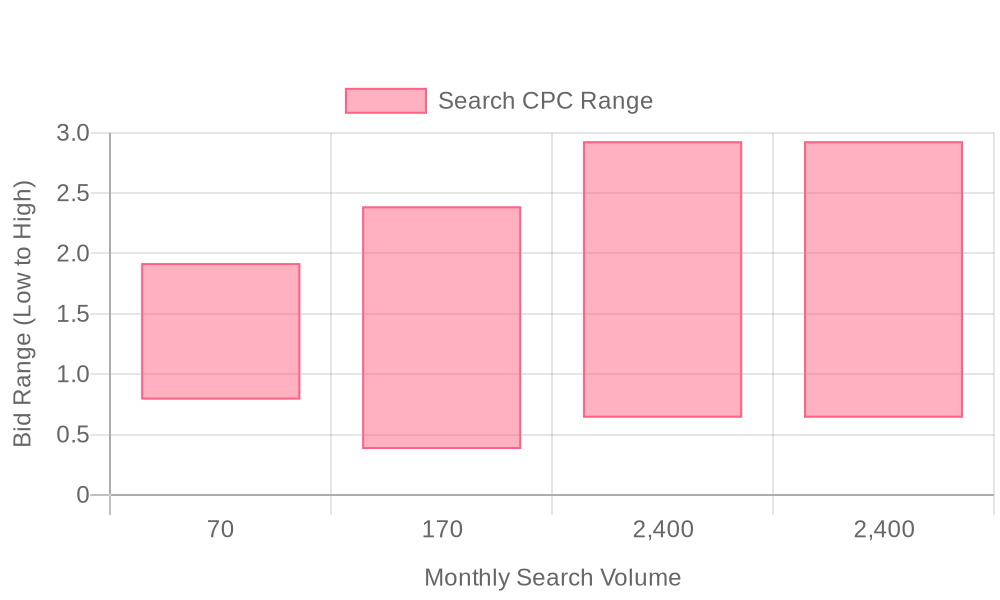
| Industry | Keyword | Monthly Search Volume | Competition Level | Low Bid | High Bid |
| Passive House Construction Services | passive home design plans | 70 | MEDIUM | 0.79 | 1.92 |
| Passive House Construction Services | passive home construction | 170 | LOW | 0.38 | 2.39 |
| Passive House Construction Services | passive house design | 2400 | LOW | 0.64 | 2.93 |
| Passive House Construction Services | passive home design | 2400 | LOW | 0.64 | 2.93 |
Winning with Google Ads for Passive House Construction Services hinges on precise keyword targeting and real-world search intent. Modern buyers seeking sustainable, energy-efficient, or eco-friendly home solutions use nuanced queries that often include their location or specific needs. For practical inspiration, review this passive house builder example to see effective positioning in action.
- Long-tail local queries: Prioritize phrases like "passive house builders near me," "eco-friendly architects in [city]," or "energy-efficient construction companies [region]." These long-tail, high-intent terms help capture prospects who have moved past the research phase and are ready to engage a provider. This approach also lowers wasted spend by focusing impressions on users with clear purchase intent. Explore more actionable keyword and campaign strategies in our marketing playbooks.
- Negative keyword management: Proactively exclude unrelated queries (e.g., "DIY passive house plans," "passive house books") to prevent budget dilution. Frequent refinement ensures your ads surface only for relevant, high-value searches, keeping cost per lead in check.
- Sample target terms: Expand coverage with terms like "green building services," "sustainable home construction contractors," and "eco-friendly home builders." Including variations tied to specific certifications or standards (e.g., "PHIUS certified passive house") further strengthens your market presence.
By integrating your ad platform with unified go-to-market data, you can identify not just keywords but the actual companies and decision-makers searching for these terms. This allows you to dynamically update audience lists and shift budget to in-market accounts, ensuring every dollar is optimized for intent and conversion. For teams ready to streamline their targeting, get started for free with Sona and experience data-driven lead generation.
Step-by-Step Campaign Execution Framework
Modern passive house construction services operate in a market driven by measurable outcomes and client trust. Precision in digital campaign execution ensures that every marketing dollar moves the right accounts closer to a decision. For more insights on maximizing your marketing ROI, explore the Sona blog.
Step 1: Build Targeted Keyword Lists
- Service-specific keywords: Prioritize phrases directly linked to insulation upgrades, airtightness solutions, or energy-efficiency certifications. Deepen targeting by using competitive analysis to discover underserved search terms that highlight niche expertise within passive house construction. For a comprehensive list of effective Google Ads keywords in construction, visit this resource.
- Geographic modifiers: Layer in city, region, or neighborhood names to connect with prospects actively seeking eco-friendly home builders or green building services in their area. This ensures that campaigns reach highly motivated, local audiences.
With real-time visitor identification, marketers can segment keyword strategies by known companies or in-market accounts, letting teams deploy budget to the highest-value opportunities.
The upgrade most Passive House advertisers miss is going beyond raw keyword volume to layer in intent and identity signals. By connecting website-visitor data and CRM records with Sona Marketing Measurement, you can see which specific search terms bring in the companies and customers that actually convert, then weight your keyword and bidding strategy toward those rather than the terms with the highest search volume alone.
Step 2: Ad Copy Development
- Unique value propositions: Center messaging on tangible benefits: lower long-term energy costs, superior indoor comfort, and compliance with emerging green building codes. Align every headline and description with the prospect’s priorities, using data to surface high-converting themes.
- Trust-building extensions: Feature industry certifications like LEED, Passive House Institute US (PHIUS), or Energy Star through structured snippets and callouts. These extensions reinforce expertise and establish credibility at the moment of decision.
Dynamic audience updates allow marketers to adjust copy in real time, tailoring messaging as leads progress through the funnel. Integrating CRM attributes further personalizes ad content, increasing relevance and engagement.
Step 3: Design Landing Pages
- Ad-message match: Ensure that each campaign routes to a landing page reflecting the promise of the ad, whether the focus is energy-efficient construction, sustainable materials, or passive house consultation services.
- Visual validation: Use clear metrics, such as percentage energy savings, project timelines, or carbon reduction stats, supported by client testimonials and project photos. Interactive calculators or downloadable case studies can further boost conversion rates for passive house construction marketing. See this example of a passive house builder effectively showcasing their offerings.
Visitor-level attribution allows teams to measure which landing page experiences yield the strongest engagement and closed deals. By syncing enriched lead data into Google Ads and CRM, marketers can automate nurturing workflows and retargeting audiences based on real outcomes.
Step 4: Optimization
- Continuous refinement: Analyze performance data to identify which keywords, ads, and landing pages attract the most qualified leads for green building services. Adjust bidding strategies and reallocate spend toward campaigns that deliver lower cost per acquisition and higher deal velocity. Learn how builders can quickly launch and optimize campaigns for faster results.
- High-value prospect focus: Prioritize budget and creative testing for audiences showing real-time buying intent. Use advanced conversion tracking, encompassing both online actions and offline sales activity, to accurately attribute ROI and inform future campaign investments.
Integration between ad platforms and CRM ensures that every engagement, from initial click to signed contract, is tracked and actionable. Marketers get a single view of campaign impact, enabling rapid optimization and sustained growth in a competitive category.
Sona Marketing Measurement closes the gap between clicks and revenue. It captures ad clicks with first-party measurement, ties that click through UTM capture and ad-platform APIs to the actual record in your CRM, and reports ROAS by keyword and campaign instead of by last-click form fill. Feeding that revenue signal back into Smart Bidding and Performance Max compounds over time: the algorithms optimize toward booked passive house construction services revenue, not cheap leads.
Tips on Expanding Your Passive House Construction Presence

Passive house construction businesses grow fastest when they leverage both digital and offline strategies to build trust, engage prospects, and educate their target audience. High-value clients are drawn to brands that provide actionable insights and demonstrate expertise in sustainable, energy-efficient building. For a real-world example of a company specializing in passive house building and green construction, visit passive house builders on Cape Cod.
- Promote educational content through multiple channels: Share case studies, webinars, and technical guides on social platforms, industry forums, and via email marketing. This approach positions your team as thought leaders while reaching audiences actively researching eco-friendly and energy-efficient construction solutions. Explore additional strategies in our marketing, attribution, and revenue operations insights.
- Localize services to grow market share in key areas: Tailor your messaging and landing pages to reflect local regulations, incentives, and climate considerations. Geographically relevant content increases conversion rates by addressing the unique needs of each target market. Leverage real-time audience insights to segment and personalize outreach for each locality.
- Partner with associations for increased trust and visibility: Collaborate with green building councils and passive house organizations to co-host events, publish joint resources, and gain third-party validation. These partnerships expand your network and instill confidence in prospective clients evaluating your services. For more actionable playbooks, check out our collection for marketers.
- Identify new topics for content marketing from search queries: Use search data to surface trends and questions relevant to passive house construction. Aligning your content strategy with evolving search intent ensures your resources stay current and accessible to potential leads. Discover best practices for lead generation and campaign optimization.
Integrating these tactics with advanced marketing analytics enables revenue teams to identify which channels and messages resonate best. Combining Sona's Intent Signals with campaign insights lets marketers pinpoint engaged companies visiting their site, even if those visitors don't initially convert. This visibility uncovers high-value accounts and enables timely, personalized outreach, keeping your brand top-of-mind as clients progress in their decision-making. Want to turn more website visitors into leads? Get started for free with Sona.
Beyond Google Ads: Winning the AI Answers Passive House Construction Services Buyers Now Trust
Paid search captures demand at the moment someone types a query. But a fast-growing share of passive house construction services buyers no longer start at Google at all, they ask ChatGPT, Gemini, or Perplexity before they ever run a search, and Google's own AI Overviews increasingly summarize an answer above the traditional results. If your business isn't referenced in those AI answers, you're invisible at the exact moment buyers build their shortlist.
Sona AI Visibility shows where your business shows up across ChatGPT, Gemini, Perplexity, Google AI Overviews, and 10+ engines, and, much like a keyword report, which prompts actually send you buyers, so you can prioritize the ones that convert. Run the two together and you cover the entire buyer path: get cited where buyers research (AI Visibility), then prove which of that demand turns into booked revenue (Marketing Measurement).
Helpful resources
Conclusion
Google Ads works for Passive House construction because it puts your firm in front of people at the exact moment they're comparing certified builders, not months earlier when they're still browsing inspiration photos. Used well, it increases visibility, attracts better-qualified leads, and builds a pipeline of buyers who already understand what Passive House construction involves before they call.
The firms that win this category long-term are the ones that pair paid search with real measurement, so every campaign decision is grounded in which leads actually became signed projects, not just which ads got clicks. That discipline compounds: better data leads to sharper targeting, which lead to lower waste, which frees budget for the keywords and geographies where Passive House demand is genuinely growing.
FAQ
How can I target potential clients with Google Ads for passive house construction?
You can target potential clients by using Google Ads to intercept high-intent prospects searching for eco-friendly and energy-efficient construction solutions, focusing on decision-makers like project developers and sustainable building enthusiasts.
What are the best keywords for Google Ads in the passive house construction industry?
Best keywords include long-tail phrases like 'passive house builder near me,' 'energy-efficient construction companies,' and terms tied to specific certifications or standards such as 'PHIUS certified passive house.'
How much should I budget for Google Ads for my passive house construction business?
The budget should focus on high-intent keywords and geographies tied to new, high-value developments, particularly in metro regions with increasing demand for sustainable renovations, ensuring marketing budgets target lucrative prospects.
What is the conversion rate for Google Ads in the passive house construction sector?
Conversion rates can be optimized by aligning ad messaging with landing page experiences, using real-time data to track and adjust campaigns, and integrating Google Ads with CRM systems for seamless follow-up, thus capturing high-value leads.
How can I measure the ROI of my Google Ads campaign for passive house construction services?
Measure ROI by monitoring search term performance, cost-per-lead, and conversion rates, using advanced solutions to attribute both online and offline conversions, and shifting budget toward high-converting accounts with proven interest.







