


CPR certification providers compete for a narrow, urgent window: someone needs a card before a job start date, a licensing renewal, or a workplace deadline, and they're searching right now. Google Ads lets you meet that moment, putting your courses in front of HR managers, healthcare coordinators, and individual learners exactly when they're comparing class times and prices. The harder problem is reaching the right niche within a crowded market of national franchises and local instructors. Company-level identification of anonymous site visitors helps here, letting you focus spend on the organizations most likely to book group training rather than casual browsers. Paired with offline conversion tracking, Google Ads becomes a channel you can measure all the way from click to completed certification.
How to Generate CPR Certification Leads with Google Ads

Effective digital marketing for CPR certification relies on the ability to reach high-intent prospects at the exact moment they are ready to enroll. A strategic Google Ads approach for CPR certification enables education providers to capture this demand, outperform local competitors, and consistently fill classes with motivated learners.
A data-driven Google Ads strategy for CPR certification courses starts with deep audience understanding and precise keyword targeting. Successful campaigns move beyond basic demographic filters and instead analyze real-time signals, such as search intent, job function, and industry context, to surface prospects most likely to convert. Platforms like Sona Audiences help marketers identify not just anonymous traffic but the specific companies and contacts engaging with their ads, enabling tailored messaging and offers for each high-value segment.
Aligning your Google Ads campaigns with a unified cross-channel marketing approach ensures CPR course ads deliver a seamless and consistent experience from first impression to enrollment. This means synchronizing campaign audiences and messaging with your CRM, email, and organic search initiatives, so every touchpoint reinforces your brand’s credibility and value proposition. Google Ads tips provide a deeper look at how syncing enriched audiences and lead data can dynamically update targeting as leads move through the funnel, closing the gap between ad spend and revenue impact.
Landing page alignment is crucial for maximizing conversion rates in the competitive CPR certification market. Each ad should send users to a purpose-built landing page with content, registration forms, and trust signals that directly reflect the ad’s promises. Using advanced conversion tracking, including both online registrations and offline enrollments, provides a holistic view of campaign ROI and pinpoints which tactics drive real revenue.
Continuous performance optimization is essential in Google Ads for training programs and healthcare certification. By actively monitoring keyword performance, audience behavior, and attribution across both digital and offline channels, marketers can identify where to adjust budgets, creative, or targeting. Solutions with real-time intent analytics empower teams to shift investment to the highest-converting accounts as soon as new data emerges, ensuring that every dollar spent is driving measurable business outcomes.
Integrating Google Ads with ongoing marketing initiatives is vital for CPR certification providers aiming to build sustainable, predictable pipelines. For more insights on orchestrating paid campaigns across channels, check out our guide on intent retargeting. This approach turns disconnected campaigns into a cohesive growth engine, empowering revenue teams to continuously optimize for both scale and efficiency in the CPR certification market.
Why does Google Ads matter for CPR Certification

CPR certification training operates in a demand-driven market where timing and intent are everything. Using Google Ads, providers can connect with motivated learners the moment they search for life-saving certification, ensuring marketing spend drives real business outcomes.
- Niche Audience Targeting: Precision targeting lets CPR certification businesses appear only before audiences actively seeking a specific course type, BLS for nurses, pediatric CPR for daycare staff, or OSHA-compliant training for construction crews. Skipping generic consumer advertising cuts wasted impressions and puts budget behind healthcare professionals, educators, and safety officers who convert at far higher rates. Company-level visitor identification adds another layer, revealing which organizations are researching your courses so you can prioritize follow-up with the accounts most likely to book group certifications. Solutions such as Sona's Identity Resolution support pinpointing which organizations are engaging with your content, helping you tailor outreach.
- Immediate Demand Capture: Google Ads delivers ads at the moment of need, intercepting individuals who are ready to purchase or register for CPR training. This intent-based delivery not only cuts through ad noise but also ensures that every click is from a user actively considering certification. Real-time intent signals, such as recent searches or site behaviors, now empower marketers to dynamically shift budget and prioritize high-converting prospects, amplifying campaign impact. Google Ads tips provides a deeper look at this trend.
- Data-driven Insights: Advertisers get clear, end-to-end visibility into the marketing funnel, tracking the journey from initial ad click to completed course registration. This transparency supports precise budget allocation and strategy adjustments, making it easier to tie revenue back to individual ads, keywords, or audience segments. For more insights on optimizing attribution, check out our guide on attribution.
- Complementary Strategy: Google Ads works alongside inbound marketing by remarketing to previous site visitors who showed interest but didn't enroll. This keeps CPR certification offerings top-of-mind, re-engaging cold leads and nudging them toward registration. Dynamic audiences update automatically as users move through the funnel, keeping every remarketing effort relevant and timely.
Common Types of Google Ads Campaigns for CPR Certification

A high-performing Google Ads strategy for CPR certification training requires distinct campaign formats to target learners at every touchpoint. Each campaign type contributes to a cohesive, data-driven approach that elevates visibility, engagement, and conversions.
- Search Campaigns: These campaigns directly capture high-intent prospects searching for terms like “online CPR certification near me” or “onsite CPR classes.” By aligning search keywords with real-time intent data, marketers can prioritize spend on leads showing immediate interest in certification. Tightly integrating CRM and ad platforms ensures that enriched, high-potential audiences are activated as soon as prospects are identified, moving beyond anonymous clicks to named companies and decision-makers. Best practices for Google Ads provides a deeper look at optimizing these campaigns for better ROI.
- Display Ads: Display campaigns extend reach with visually engaging banners across medical, education, and local community sites. Audience insights from unified go-to-market data help target these ads to the right segments, aligning creative with buyer journey stages and recent engagement trends. Dynamic audience updating ensures that messaging always reflects where each lead is in the funnel, with budgets shifting toward accounts showing signals of readiness to purchase.
- Video Ads: Video content offers a compelling, immersive way to showcase course benefits, instructor expertise, or testimonials. These campaigns perform best when audience targeting leverages both demographic and behavioral signals, allowing marketers to serve video ads to those actively exploring CPR certification options. Video campaigns can also be synchronized with CRM systems, ensuring that video viewers are nurtured through tailored follow-up based on their engagement level. Google Skillshop shares industry benchmarks for Google video campaigns and certifications.
- Remarketing: Remarketing campaigns re-engage visitors who landed on course pages but did not register. By connecting web visitor identification with real-time account insights, ads can be tailored to address specific drop-off points or concerns. Automated audience updates ensure that as prospects progress, such as requesting info or engaging with content, the messaging adapts, increasing conversion rates and reducing wasted spend.
- Ad Assets: Ad assets add layers of information such as course schedules, certification credentials, and offers like a first-course discount. These features maximize ad effectiveness by providing immediate, relevant details that drive action. Assets can be personalized based on CRM and site analytics, highlighting the most relevant benefits for each audience segment, and tracked for offline conversions to measure full-funnel impact. For more insights on optimizing ad assets and increasing ROAS, check out our guide on Google Ads ROI.
Integrating these proven campaign types with unified data and advanced audience syncing transforms CPR certification advertising from generic outreach into a precision marketing engine, ensuring every ad dollar supports enrollment growth and measurable ROI. Sona's Identity Resolution helps pinpoint and activate high-potential prospects from your traffic.
Where to Find Growth Opportunities
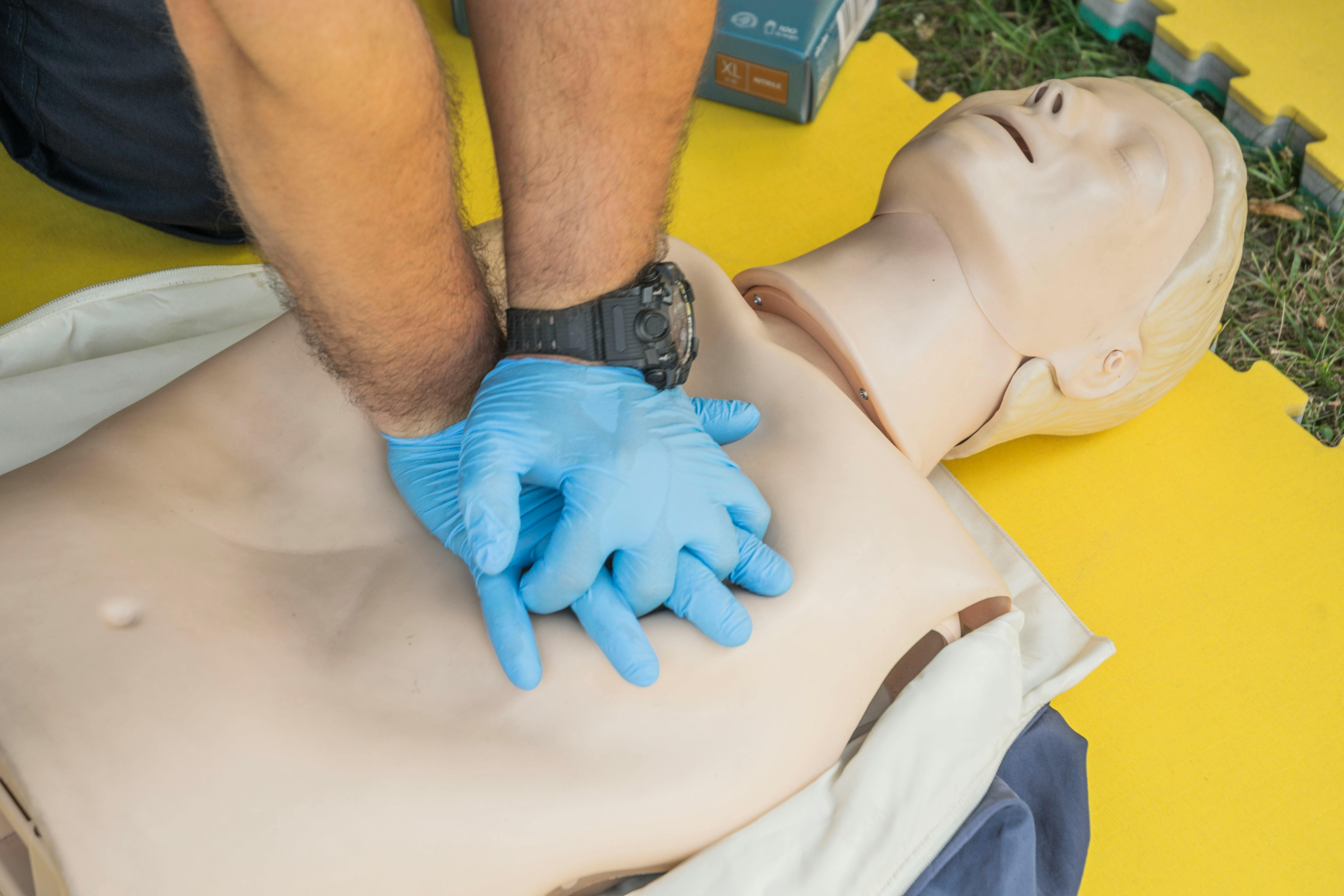
Growth-minded CPR certification providers need practical strategies that go beyond the obvious. Niche audiences and new digital approaches can dramatically expand reach and accelerate course enrollments, especially as competition intensifies and search behavior evolves.
- Specialized Vertical Keywords: Standard keyword campaigns miss the precision of targeting job-specific or compliance-driven searches. By researching and deploying terms like "CPR certification for teachers" or "OSHA-approved CPR training," marketers can capture intent from audiences overlooked by broader campaigns. Tools that surface vertical keyword opportunities enable teams to align spend with segments most ready to convert, increasing qualified leads and reducing wasted budget. See more digital tactics for CPR businesses.
- Competitor Gap Analysis: Identifying what your competitors ignore helps you reach untapped prospects. Using insights from intent data and advanced analytics, teams can uncover content themes, search queries, or certification formats not being addressed in the market. This approach lets you design campaigns that fill these gaps, targeting high-value audiences where competition is low and conversion potential is high.
- Industry Forum Placements: Decision-makers and influencers in the CPR certification space gather in specialized forums, association groups, and professional communities. Placing contextually relevant ads and sponsored content within these environments positions your brand as a trusted partner. With the right data infrastructure, you can identify which forums attract qualified traffic and dynamically adjust placements as audience engagement trends shift.
- Content Retargeting With Value-driven Assets: Whitepapers, guides, or instructional videos that address regulatory compliance, training best practices, or certification renewal cycles create engagement and build trust. Retargeting visitors who interact with these assets, using enriched data to segment audiences by interest or buying stage, enables personalized follow-up that drives higher conversion rates. Connecting these audiences directly to CRM and advertising platforms ensures no high-intent lead slips through the cracks, bridging online engagement with offline conversion. For more insights, check out our guide on retargeting strategies.
For B2B revenue teams, integrating company-level visitor identification and intent data into every touchpoint is essential. Marketers can pinpoint which companies are engaging with CPR certification content, adjust targeting mid-flight, and continuously update dynamic audience segments as prospects move through the decision-making process. Sona's Identity Resolution supports identifying high-value website visitor companies, enabling more efficient ad spend, clearer attribution, and higher ROI for CPR certification providers aiming to lead in a complex market.
How to Apply Audience Segmentation for CPR Certification

Precise audience segmentation enables CPR certification marketers to maximize ad efficiency by tailoring campaigns to distinct buyer groups. Effective segmentation transforms generic outreach into strategic engagement, increasing conversion rates and reducing wasted spend.
- Define Segments: Segmentation begins with identifying and separating key audiences such as healthcare professionals, educators, corporate HR departments, and safety officers. Each group has unique motivations, from regulatory compliance to workplace safety mandates. Differentiating your targeting strategy ensures messaging is relevant and actionable, avoiding a diluted, one-size-fits-all approach that often falls short in competitive CPR certification advertising.
- Overlay Intent Signals: Sona surfaces intent signals so marketers can prioritize prospects who show readiness to register for CPR courses. Monitoring in-market signals, such as recent searches for "same-day CPR certification" or "CPR renewal for nurses," enables dynamic budget allocation toward segments with the highest likelihood of conversion. For more information, see Google Ads intent signals to improve campaign performance.
- Design Segment-tailored Creatives: Crafting ad copy and visuals that speak directly to each segment’s needs is critical. For instance, healthcare professionals respond to messaging about compliance and accreditation, while HR managers value group booking and scheduling flexibility. Budgets can be adjusted to reflect each segment’s potential value, and creatives tested for engagement. For more insights on campaign messaging, check out our guide on stage segmentation.
- Validate Conversion Paths: Conversion tracking must extend beyond simple form fills or online sign-ups. Successful teams ensure every course registration, inquiry, or call, whether online or offline, is captured and attributed to the correct audience segment. Syncing CRM data with ad platforms allows for enriched lead profiles and seamless retargeting, offering full-funnel insight into which segments and creatives drive true ROI. Unified attribution across digital and offline touchpoints empowers CPR certification advertisers to confidently scale what works and refine underperforming tactics.
This is also where measurement changes the economics. With Sona Marketing Measurement you can identify the companies and buyers behind your ad clicks, not just anonymous sessions, and segment audiences by who actually becomes a customer. That lets you build bid adjustments and audience signals around the segments that convert and de-prioritize the ones that don't, so you feed Google's algorithms "this click became a paying CPR certification customer" instead of just "someone filled out a form."
Keyword Strategy & Sample Target Terms
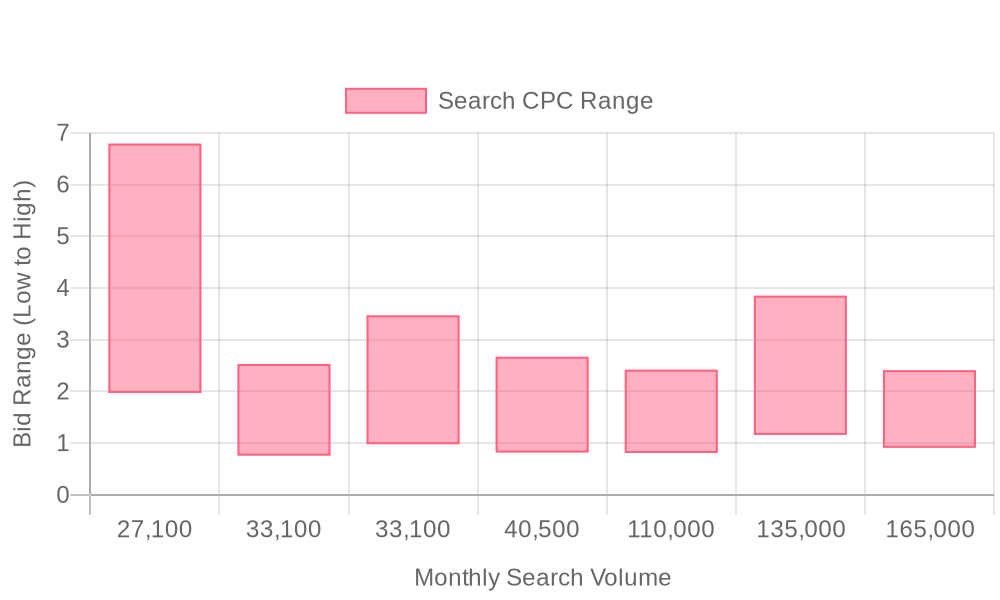
| Industry | Keyword | Monthly Search Volume | Competition Level | Low Bid | High Bid |
| CPR Certification | cpr certification online | 27100 | HIGH | 1.97 | 6.79 |
| CPR Certification | american heart association cpr | 33100 | MEDIUM | 0.76 | 2.53 |
| CPR Certification | cpr training | 33100 | LOW | 0.98 | 3.47 |
| CPR Certification | american heart association bls | 40500 | MEDIUM | 0.82 | 2.67 |
| CPR Certification | cpr classes near me | 110000 | MEDIUM | 0.81 | 2.42 |
| CPR Certification | cpr certification | 135000 | HIGH | 1.16 | 3.85 |
| CPR Certification | bls certification | 165000 | MEDIUM | 0.91 | 2.41 |
Precision in keyword selection drives the success of Google Ads for CPR certification. Focusing on targeted, high-intent search terms ensures each click is more likely to represent a genuine enrollment opportunity rather than a casual browser, and creates a direct line between campaign spend and measurable results.
Exact match and phrase match keyword strategies filter out ambiguity, capturing individuals who are actively searching for CPR certification advertising or related services. For example, targeting terms such as "CPR certification class near me" or "CPR certification course benefits" allows marketers to reach prospects with a demonstrated need, not just passive interest. Keyword matching options provide a deeper look at the impact of match types on campaign efficiency.
Negative keyword implementation is equally critical for digital marketing for CPR certification. By excluding queries like “free CPR course notes” or “CPR history facts,” advertisers eliminate irrelevant traffic that dilutes campaign performance. This proactive filtering ensures that every impression and click is directed toward high-value prospects, protecting budget efficiency and improving lead quality.
Company-level visitor identification and intent analysis further refine keyword strategy. Sona's Identity Resolution helps connect high-value search terms to the organizations behind them, so budget shifts toward the keywords bringing in accounts that actually convert, not just the ones with the highest click volume. See our guide on Google Ads ROI.
Step-by-Step Campaign Execution Framework
A results-driven digital campaign for CPR certification requires a systematic approach. Strategic use of data, tailored messaging, and precision targeting allow marketers to drive more qualified leads while optimizing spend at every stage.
Step 1: Build Targeted Keyword Lists
Effective keyword clustering groups terms by CPR certification type (such as BLS, ACLS, or pediatric CPR) and by audience segment, including healthcare professionals, educators, and corporate groups. This granular segmentation addresses the unique challenges of niche targeting, ensuring ads reach users searching for relevant training. Adding local modifiers like “near me,” city names, or neighborhood identifiers captures users with high purchase intent, often searching for immediate or convenient certification options.
Company-level visitor identification lets marketers match high-value searches to the actual companies and professionals landing on their site. By pinpointing which organizations are showing interest, campaign managers can prioritize bid strategies for high-intent segments and reallocate budget toward keywords driving the most valuable traffic. Sona's Identity Resolution helps identify these valuable visitor companies, making proactive targeting possible for campaigns focused on Google Ads for CPR certification.
The upgrade most CPR certification advertisers miss is going beyond raw keyword volume to layer in intent and identity signals. By connecting website-visitor data and CRM records with Sona Marketing Measurement, you can see which specific search terms bring in the accounts and customers that actually convert, and weight your keyword and bidding strategy toward those rather than the terms with the highest search volume alone.
Step 2: Develop Compelling Ad Copy
Addressing pain points directly in ad headlines, such as fast certification, weekend classes, or budget-friendly options, removes obstacles that commonly deter prospects from enrolling. Highlighting flexible scheduling or group discounts can further appeal to both individuals and organizations seeking efficient solutions for compliance or employment requirements.
Establishing trust is essential in healthcare-related advertising. Including recognized accreditations, official endorsements, or testimonial snippets in ads reassures prospects about the legitimacy of your CPR courses. Red Cross Certification provides a deeper look at standard certification requirements for reference. Marketers can deepen trust by dynamically updating ad extensions as leads move through the funnel, surfacing the most relevant partner endorsements or course highlights for each prospect segment.
Step 3: Design Effective Landing Pages
A seamless user experience starts with strict alignment between keyword, ad, and landing page. Each landing page should directly mirror the ad messaging and keyword focus, minimizing friction and confusion for users arriving with specific intent. This 1:1 mapping not only improves conversion rates but also enhances quality scores, reducing overall cost per acquisition for CPR certification advertising.
Credibility is reinforced with testimonials, trust badges from certifying bodies, and detailed instructor profiles. Marketers equipped with advanced visitor data can personalize landing page content based on company or user profile, presenting the most compelling proof points for each audience. For more insights on advanced landing page personalization, check out our guide on personalization at scale. This increased relevance encourages immediate action and builds long-term confidence in your training programs.
Step 4: Implement Data-Driven Optimizations
Tracking critical conversion metrics, such as form fills, phone calls, and even offline class registrations, provides a comprehensive view of campaign effectiveness. Real-time attribution connects ad interactions with both online and offline outcomes, giving marketers a true measure of ROI for every dollar invested in Google Ads for training programs.
Smart bidding strategies, such as Target CPA (cost per acquisition), leverage campaign data to automatically optimize bids toward the most profitable conversions. Choose a bid strategy provides a deeper look at effective optimization techniques. By syncing enriched CRM audiences and closed-loop conversion data into the Google Ads platform, marketers can further refine targeting and budget allocation. As leads are identified and nurtured throughout the funnel, dynamic audience updates ensure that advertising dollars remain focused on accounts with the highest likelihood to convert, driving efficiency and sustained growth for digital marketing for CPR certification.
Sona Marketing Measurement closes the gap between clicks and revenue. It captures ad clicks with first-party measurement, ties them through UTM capture and ad-platform APIs to the actual record in your CRM, and reports ROAS by keyword and campaign instead of by last-click form fill. Feeding that revenue signal back into Smart Bidding and Performance Max compounds over time: the algorithms optimize toward booked CPR certification revenue, not cheap leads.
Tips on Expanding Your CPR Certification Presence
CPR certification providers can unlock new growth by layering digital tactics that build both brand authority and course registrations. Success hinges on orchestrating targeted outreach, data-driven audience engagement, and partnerships that elevate your profile within the training industry.
- Cross-promote Webinars Or Tutorials Via Retargeting: Reengage previous site visitors by serving them tailored ads for upcoming webinars or advanced skills tutorials. Company-level visitor identification helps marketers match returning users to their organizations, increasing the relevance of retargeted content and maximizing reactivation rates. Sona's Identity Resolution helps recognize high-value visitor companies, enabling more personalized retargeting.
- Target Upsell Opportunities Using Database Insights: Utilize first-party data to identify customers due for recertification, or those who may benefit from advanced CPR courses. Integrating CRM data with Google Ads enables dynamic audience updates, so your campaigns always reach leads at the optimal stage for upsell, improving customer lifetime value across your portfolio. See Google Ads tips for optimizing campaigns in certification businesses.
- Collaborate With Industry Bodies For Increased Visibility: Partner with trusted organizations and CPR associations to co-host events or publish joint content. These alliances not only drive referral traffic but also lend credibility to your brand, positioning your certification programs as best-in-class within the safety and healthcare communities.
- Adapt Content Marketing According To Search Queries: Monitor real-time search trends and intent signals to produce educational content and ads that answer the most pressing questions in CPR training. Aligning your messaging with high-intent, emerging queries drives qualified traffic and ensures your campaigns remain ahead of shifting demand patterns.
Expanding your CPR certification presence is most effective when each touchpoint is connected, data-enriched, and continuously optimized. To learn more about prioritizing the right audiences using lead scoring, check out our guide on ICP scoring. By integrating campaign insights with lead-scoring models, you can prioritize spend on audiences most likely to convert, while smart bidding strategies ensure your Google Ads for CPR certification produce measurable ROI and guide prospects efficiently from initial search to completed registration.
Paid search catches a buyer mid-search. Increasingly, though, CPR certification buyers start somewhere else entirely: they ask ChatGPT, Gemini, or Perplexity before opening a search bar, and Google's own AI Overviews often summarize an answer above the traditional results. If your business isn't cited in those AI answers, you're absent at the moment a buyer builds their shortlist.
Paid search captures demand at the moment someone types a query. But a fast-growing share of CPR certification buyers no longer start at Google at all, they ask ChatGPT, Gemini, or Perplexity before they ever run a search, and Google's own AI Overviews increasingly summarize an answer above the traditional results. If your business isn't referenced in those AI answers, you're invisible at the exact moment buyers build their shortlist.
Sona AI Visibility shows where your business shows up across ChatGPT, Gemini, Perplexity, Google AI Overviews, and 10+ engines, and, much like a keyword report, which prompts actually send you buyers, so you can prioritize the ones that convert. Run the two together and you cover the entire buyer path: get cited where buyers research (AI Visibility), then prove which of that demand turns into booked revenue (Marketing Measurement).
Helpful resources
Conclusion
The CPR certification providers who win in Google Ads over the next year won't be the ones bidding highest on "CPR certification near me," they'll be the ones who can prove which keywords, campaigns, and audiences actually produce booked classes and recertifications. That means pairing tight, compliance-aware keyword targeting with company-level visitor identification and closed-loop revenue attribution, so every renewal cycle and every new hire mandate becomes a traceable, optimizable source of enrollment.
Ready to take your campaigns to the next level? Start a free trial to experience Sona's platform and its capabilities.
FAQ
What are the best practices for advertising CPR certification on Google Ads?
Best practices include precise keyword targeting, audience segmentation, and aligning ad copy with landing page content to maximize conversion rates. Using data-driven insights and advanced audience syncing further refines targeting and improves ROI.
How can I get certified to run Google Ads for healthcare services?
To get certified, you can complete training courses such as those offered by Google Skillshop, which provides industry benchmarks and certifications for running effective Google Ads campaigns.
What are the costs associated with Google Ads for CPR certification?
Costs can vary based on the keyword strategy, targeting precision, and competition for specific terms. Employing smart bidding strategies like Target CPA can help manage costs effectively by optimizing bids toward profitable conversions.
What are the benefits of using Google Ads for promoting CPR certification?
Benefits include increased visibility to high-intent prospects, immediate demand capture, data-driven insights for precise targeting, and the ability to complement other marketing strategies through remarketing and audience integration.
How do I measure the success of my Google Ads campaigns for CPR certification?
Success can be measured through conversion tracking, which includes online registrations and offline enrollments, as well as monitoring keyword performance and audience behavior to optimize budget allocation and creative strategies.







