


EMT programs live or die by cohort size, and every empty seat in a certification course is a marketing failure with a specific cause: a high-intent prospect who searched, clicked, and then vanished before anyone tracked them. Google Ads puts your program in front of people at the exact moment they're searching for EMT certification, but without the right tracking and targeting, those searches convert to clicks and nothing else. Predictive models and real-time data analytics let training providers spot which clicks are actually students ready to enroll, and build campaigns around them.
How to Generate EMT Training Program Leads with Google Ads: A Step-by-Step Guide

Modern EMT training programs require more than traditional outreach to fill seats with qualified, engaged students. Digital marketing for EMT programs, especially through Google Ads, delivers precision targeting, scalable reach, and real-time feedback that drive measurable enrollment results.
With the right strategy, you can zero in on prospective students actively searching for EMT certification promotion or online EMT training ads. By leveraging advanced targeting and analytics, these campaigns ensure your advertising budget works harder, attracting high-intent audiences and accelerating the path to application. Lead Generation with Google Ads provides a deeper look at this trend.
- Define Objectives For Lead Generation And Enrollment: Establish clear, outcome-oriented goals for every campaign. Specify whether the aim is to boost inquiries, drive direct applications, or nurture leads through the funnel. This clarity avoids generic messaging and supports granular measurement, making it easier to adapt creative or adjust spend where it delivers the highest engagement.
- Research And Select Targeted Keywords: Identify keywords that mirror the language and intentions of your ideal prospects. Phrases like "EMT training near me," "accelerated EMT certification," and "EMT courses online" capture students at the decision stage. Google Ads targeting for training programs performs best when these keyword lists are regularly refined using performance data and market shifts. When paired with behavioral insights, marketers can move beyond surface-level intent and focus on audiences demonstrating readiness to enroll. For more on maximizing Google Ads performance, see our guide on Improve Google Ads ROI.
- Craft Compelling Ad Copy: Develop messaging that addresses the unique motivations and concerns of aspiring EMTs, such as rapid job placement, flexible class schedules, or recognized accreditation. Highlight deadlines and tangible benefits, using dynamic content to match user queries and search context. With company-level visitor identification, your campaigns can adapt creative to match organization size, location, or previous engagement, further improving relevance and click-through rates.
- Design Optimized Landing Pages: Ensure your landing pages provide a seamless path from click to inquiry, spotlighting course details, tuition support, and program outcomes. Remove unnecessary navigation or friction points to maximize conversions. Mapping anonymous traffic to known companies or CRM records allows for personalized landing experiences, increasing the likelihood of qualified leads completing intent forms. Sona's Identity Resolution helps map website visitors to known accounts, improving landing page personalization.
- Implement Conversion Tracking: Set up robust tracking for every valuable action, including form fills, phone calls, and downloads. Advanced conversion tracking should connect online and offline activity, enabling you to attribute enrollments back to specific keywords, ads, and campaigns. Google Ads Conversion Tracking offers step-by-step instructions for accurate measurement.
- Enhance Targeting And Segmentation: Use predictive analytics to segment audiences by buying readiness, geography, or engagement level. Instead of static lists, dynamic audiences update in real-time as leads progress through the funnel or new high-intent visitors are identified. This continuous refresh means your Google Ads for EMT training programs are always focused on the most convertible prospects, reducing wasted spend.
- Continuously Test And Refine Campaigns: Launch frequent A/B tests on ad copy, landing pages, offers, and audience segments. Prioritize metrics that align with enrollment goals, such as cost per qualified lead and conversion rate. Real-time feedback loops, powered by unified marketing and sales data, accelerate learning and ensure the highest possible ROI for EMT training program advertising. To see these best practices in action, get started with Unified Data Onboarding and explore how unified data can transform campaign results.
Why Does Google Ads Matter for EMT Training Programs?

Google Ads for EMT training programs delivers immediate access to high-intent prospects who are actively searching for certification, reducing lag compared to traditional outreach methods. By capturing these motivated individuals at the precise moment of their interest, EMT programs can fill classes faster and minimize wasted ad spend.
The platform's precise conversion tracking supports measurable ROI, connecting ad clicks directly to program enrollments and enabling revenue teams to attribute every qualified lead or registration to its originating campaign, gaining full-funnel clarity and eliminating guesswork. When CRM data is unified with Google Ads, marketers can attribute every qualified lead or registration to its originating campaign, gaining full-funnel clarity and eliminating guesswork. Conversion tracking provides a technical overview of how this works in practice.
Advanced audience targeting elevates digital marketing for EMT programs by segmenting campaigns for healthcare professionals, students, and career switchers. Predictive audience models, refreshed in real time as leads engage or convert, ensure ad budgets focus only on the most promising prospects. This builds on strategies outlined in retargeting campaigns, which explores high-impact campaign optimization.
Common Types of Google Ads Campaigns for EMT Training Programs

Google Ads for EMT training programs allows organizations to reach prospects with precision, leveraging data-driven insights to prioritize high-converting audiences. With unified go-to-market data, revenue teams can pinpoint which ad placements and creative variations drive the most qualified leads, optimizing spend for maximum enrollment impact. One analysis in Emulent PPC Strategy explores how technical schools can maximize PPC effectiveness through audience segmentation.
- Search Campaigns: Search campaigns capture active intent by targeting queries like "EMT training near me" or "online EMT certification." By combining historical search data with real-time behavioral signals, marketers can dynamically adjust bids and messaging to focus on prospects most likely to convert. Integrating visitor identification and enriched lead profiles ensures that anonymous website traffic is transformed into actionable, account-level opportunities. Sona's Identity Resolution helps teams uncover the organizations behind anonymous traffic and enrich inbound leads for more precise targeting.
- Display Ads: Display ads boost program visibility across educational and healthcare networks, serving visually engaging banners that reinforce EMT certification benefits. Leveraging real-time audience data, marketers can deliver tailored creative to in-market users, ensuring each impression is contextually relevant. Advanced targeting synchronizes CRM and ad platform data, allowing teams to retarget previous website visitors and nurture them throughout the decision-making process.
- Video Ads: Video ads empower EMT programs to showcase unique features, such as simulation labs or alumni outcomes, to audiences on YouTube and partner sites. By tracking user engagement and mapping video viewers to CRM records, revenue teams can identify which content drives deeper funnel activity. Real-time intent signals ensure budget is allocated to video creatives resonating with high-value accounts, closing the loop between initial interest and application submission. Google Skillshop provides a deeper look at optimizing Google Ads video campaigns for education providers.
- Remarketing: Remarketing campaigns re-engage visitors who have shown interest but have not yet enrolled, using signals such as page visits, content downloads, or partial applications. Dynamic audience updates, informed by lead movement through the sales funnel, enable highly personalized ad experiences that keep EMT training top-of-mind. By syncing enriched lead data into Google Ads, marketers ensure that remarketing lists remain current and effective, maximizing the impact of every follow-up impression. For more insights on intent-based retargeting, check out our guide on retargeting strategies.
- Performance Max: Performance Max campaigns pool Search, Display, YouTube, and Discover inventory into one goal-driven campaign, letting Google's bidding algorithms find EMT prospects wherever they're browsing. Feeding it strong conversion signals, such as completed inquiry forms or application starts, matters more here than in single-channel campaigns, since the algorithm optimizes entirely on the signals it's given.
Ready to take your EMT program’s Google Ads campaigns to the next level? Get started now to see how smarter targeting can drive more qualified enrollments.
Where to Find Growth Opportunities?
Growth in EMT training marketing comes from spotting the searches and moments competitors miss: the career-changer researching night classes, the hospital tech asking about recertification, the parent searching on behalf of a graduating senior. Finding these pockets requires watching search terms and visitor behavior closely, not just running the obvious keywords.
- Vertical Keyword Targeting: Focus campaigns on EMT training-specific queries, such as "EMT certification courses," "emergency medical technician online training," and "accelerated EMT programs." This refined approach ensures that paid search efforts attract visitors with genuine interest in healthcare careers and increases lead quality for both in-person and online offerings. By analyzing search term data, marketers can further refine keyword lists to capture emerging demand in real time. For a deeper dive into optimizing paid campaigns for education, Google Ads lead generation provides actionable tips.
- Competitor Analysis And Sem Gap Identification: Regularly review competitors’ ad copy, landing pages, and keyword strategies to surface missed opportunities in ad placements or messaging. Pay close attention to shifts in market trends by monitoring visitor interaction patterns across your own digital assets. Real-time data from campaign dashboards can reveal which audience segments are converting best, guiding budget allocation and creative testing for maximum ROI.
- Trade Directory And Education Forum Placements: Featuring your EMT courses on industry-specific directories and forums expands reach among prospects already seeking education options. Leverage performance data from your Google Ads and analytics platforms to determine which external placements generate the highest engagement and enrollment rates. This data-driven approach helps you optimize listings and ad spend, ensuring that marketing resources are directed toward channels with proven impact. EMT program at Cambridge College highlights how directory visibility can drive enrollment.
- Intent Signal Enrichment And Crm Activation: Marketers can now transform anonymous web traffic into actionable insights by identifying high-fit companies and engaged individuals visiting EMT program pages. Real-time intent signals, such as repeated course guide downloads or program comparison activity, allow teams to prioritize outreach and nurture those most likely to convert. Sona surfaces intent signals to support the identification of high-intent visitors, fueling more strategic, personalized campaigns, while syncing enriched audiences and leads into advertising and sales platforms ensures a seamless, closed-loop demand generation cycle. This integration empowers marketing and sales teams to act on the most current, relevant information, maximizing every engagement and accelerating pipeline growth.
Ready to uncover more growth opportunities? Get started now.
How to Apply Audience Segmentation for EMT Training Programs?

Precise audience segmentation allows EMT training programs to minimize wasted spend and maximize engagement with relevant prospects. By distinguishing between groups such as high school graduates considering a healthcare career and practicing professionals seeking recertification, marketers deliver targeted outreach that resonates with each segment’s priorities.
- Define Audience Segments: Separate potential students, like recent graduates and career changers, from current healthcare professionals looking for advanced certifications. This distinction ensures that messaging, creative assets, and offers align with each group’s motivations, increasing the likelihood of qualified inquiries and reducing irrelevant clicks. Cambridge College EMT Program provides an example of distinct messaging tailored for different learner backgrounds.
- Overlay Intent Signals: Leverage behavioral indicators such as searches for “EMT certification fast-track” or “hybrid EMT courses” to pinpoint prospects most likely to convert. Real-time intent data enables campaigns to automatically prioritize budget allocation toward individuals actively seeking enrollment, rather than passive browsers. Solutions such as Sona Audiences support precise segmentation and intent-driven targeting for education marketers.
- Create Tailored Ad Groups: Build unique ad groups around each defined segment, customizing headlines, descriptions, and calls to action. For example, messaging for students can emphasize job placement support and flexible learning, while ads for healthcare professionals can highlight accelerated recertification and advanced skills modules. Dynamic audience updates ensure that as leads move through the funnel, such as from inquiry to application, ad messaging and offers adapt accordingly. WordStream PPC Training provides additional strategies for creating high-performing ad group structures.
- Validate Conversion Path With Crm Integration: Syncing CRM and advertising platforms enables seamless tracking of leads from click to enrollment. Marketers gain clarity on which segments, keywords, and ad variations are driving true conversions, both online and offline. This closed-loop attribution empowers teams to optimize targeting and creative based on real enrollment outcomes, not just superficial engagement metrics. For more insights on connecting campaign performance to revenue, check out our guide on Revenue Attribution. With robust data pipelines, audience lists also remain current and actionable across Google Ads and sales enablement platforms, supporting precise follow-up and retargeting.
This is also where measurement changes the economics. With Sona Marketing Measurement you can identify the companies behind your ad clicks, not just anonymous sessions, and segment audiences by who actually becomes a customer. That lets you build bid adjustments and audience signals around the segments that convert and de-prioritize the ones that don't, so you feed Google's algorithms "this click became a paying EMT training programs customer" instead of just "someone filled out a form."
Keyword Strategy & Sample Target Terms
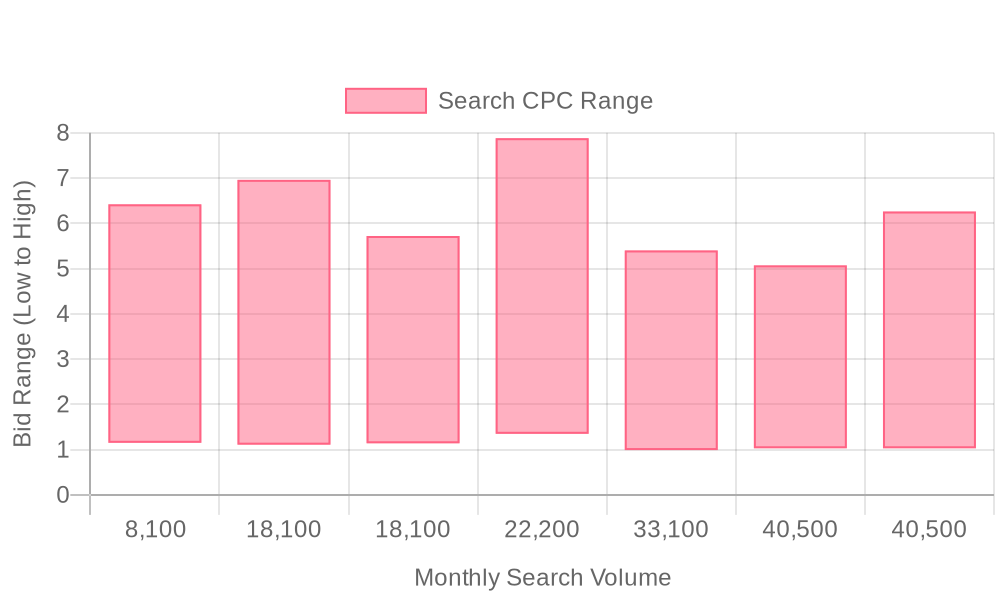
| Industry | Keyword | Monthly Search Volume | Competition Level | Low Bid | High Bid |
| EMT Training Programs | emt training programs | 8100 | LOW | 1.15 | 6.42 |
| EMT Training Programs | emt school | 18100 | LOW | 1.11 | 6.96 |
| EMT Training Programs | emt classes | 18100 | LOW | 1.14 | 5.72 |
| EMT Training Programs | paramedic school | 22200 | LOW | 1.35 | 7.88 |
| EMT Training Programs | emt training | 33100 | LOW | 0.99 | 5.4 |
| EMT Training Programs | emt certification | 40500 | LOW | 1.03 | 5.07 |
| EMT Training Programs | emt classes near me | 40500 | LOW | 1.03 | 6.26 |
A focused keyword strategy is the foundation of high-performing google ads for EMT training programs. Start with high-intent keywords like "EMT training program advertising," "EMT certification promotion," and "online EMT training ads" to capture users actively searching for education and certification pathways. Incorporating keyword variations tied to specific program offerings, such as "accelerated EMT courses" or "hybrid paramedic classes," helps ensure your ads are positioned for the most relevant, high-probability leads.
Adding local modifiers like "EMT courses near me" or "emergency medical technician training in your city" maximizes geographic relevance. Predictive location analysis lets marketers prioritize spend in high-conversion regions, while dynamic audience segmentation keeps ads visible to prospects with the strongest enrollment intent. Sona's Identity Resolution supports pinpointing the organizations behind your traffic for more granular keyword refinement and budget allocation.
Consistently guiding content and ad copy through keyword opportunities discovered within Google Ads ensures campaigns remain focused on the terms most likely to convert. Google Ads Best Practices provides actionable guidance for campaign optimization. Negative keywords play a crucial role in filtering out irrelevant or low-intent search queries, such as "EMT job descriptions" or "free EMT resources," so every dollar targets quality traffic. As leads progress through the funnel, dynamic audience updates and real-time intent signals further optimize targeting, ensuring your keyword strategy adapts to shifting market demand and drives measurable enrollment growth.
Step-by-Step Campaign Execution Framework
Step 1: Build Targeted Keyword Lists
A well-structured keyword strategy is foundational for driving high-quality leads in EMT training program advertising. Focus on course-specific, certification-related, and long-tail keywords that reflect prospective students’ intent: examples include “EMT certification near me,” “accelerated paramedic training,” and “online EMT classes with certification.” These variations capture a range of buyers, from those seeking foundational courses to those pursuing advanced credentials. Incorporate geotargeted phrases to align with local search demand, ensuring your ads surface for candidates ready to enroll in nearby programs.
With company-level visitor identification, marketers can move beyond anonymous web traffic to pinpoint the organizations most likely to convert. Sona's Identity Resolution helps uncover high-intent visitor segments, enabling more precise keyword targeting and campaign efficiency.
As users search for specific course attributes or schedule preferences, your campaigns automatically surface relevant ads, maximizing both reach and efficiency for Google Ads targeting for training programs. For further details on optimizing keyword strategies in technical education, see the Emulent playbook for actionable PPC tactics.
The upgrade most EMT training programs advertisers miss is going beyond raw keyword volume to layer in intent and identity signals. By connecting website-visitor data and CRM records with Sona Marketing Measurement, you can see which specific search terms bring in the accounts and customers that actually convert, and weight your keyword and bidding strategy toward those rather than the terms with the highest search volume alone.
Step 2: Develop Compelling Ad Copy
Conversion-focused ad copy is critical to stand out in the competitive landscape of Google Ads for EMT training. Highlight urgent enrollment windows, financial aid availability, and trust markers such as national accreditation or high pass rates. Use concise CTAs like “Apply for Spring Cohort” or “Reserve Your Spot” to prompt immediate action. Reinforcing program credibility in headlines and descriptions instills confidence, especially among career-focused prospects evaluating multiple options.
Leverage CRM data to segment audiences and tailor messaging to in-market users who have previously engaged with your site or expressed interest in specific course modalities. Platforms like Sona Audiences automate ad personalization and audience segmentation for higher campaign relevance.
Step 3: Design Effective Landing Pages
Landing pages should deliver a seamless experience that matches the promise of your ads and supports the EMT certification promotion journey. Focus page content on benefits such as flexible class schedules, job placement statistics, and clear next steps. Use persuasive design elements: prominent enrollment forms, eligibility checklists, and testimonials from recent graduates. Remove distractions and prioritize a single, compelling call-to-action to guide visitors toward enrollment or information requests.
With dynamic audience data, landing pages can adapt content based on user segment or prior engagement. For example, returning visitors may see fast-track enrollment options, while first-time users are presented with detailed program overviews. See high-converting CTAs for landing pages.
Integrated conversion tracking links online form fills and offline calls to advertising spend, enabling accurate attribution and ongoing optimization of your digital marketing for EMT programs.
Step 4: Implement Data-Driven Optimizations
Continuous campaign improvement is essential for maximizing ROI and minimizing wasted spend in Google Ads strategies for education. Deploy A/B testing frameworks to refine ad messaging, landing page layouts, and conversion paths. Use smart bidding strategies that respond to signals such as device, time of day, and user location to prioritize budget toward the highest-value actions. For more insights on measuring and attributing campaign revenue, check out our revenue attribution guide.
Advanced conversion tracking enables you to measure both online and offline interactions, attributing enrollment or consultation requests back to the original ad and keyword. As audience segments evolve through the funnel, dynamic syncing ensures your campaigns automatically adjust to target those most likely to convert. See Google Ads benchmarks for conversion tracking and optimization best practices.
This unified approach provides revenue teams with actionable insight, supporting data-backed decisions for advertising EMT courses and driving sustainable growth.
Sona Marketing Measurement closes the gap between clicks and revenue. It captures every ad click with first-party measurement, ties that click through UTM capture and ad-platform APIs to the actual record in your CRM, and reports ROAS by keyword and campaign instead of by last-click form fill. Feeding that revenue signal back into Smart Bidding and Performance Max compounds over time: the algorithms optimize toward booked EMT training programs revenue, not cheap leads.
Tips on Expanding Your EMT Training Program Presence

Digital-first marketing allows EMT training programs to reach prospective students where they actively research education options. Building a unified presence across platforms ensures that your brand stays top-of-mind during the decision-making process.
- Cross-promote Content In Ads: Repurpose high-performing blog posts, video testimonials, and alumni success stories within your Google Ads campaigns to nurture familiarity. When these assets are consistently distributed across search, display, and video placements, prospects encounter your program at multiple touchpoints, building trust and reinforcing value. Lead generation strategies provides a deeper look at this trend. Integrating cross-channel performance insights helps marketers identify which content resonates best, allowing for agile adjustments that maximize campaign efficiency.
- Highlight Outcomes And Success Rates: Focus ad messaging on tangible results like pass rates, job placements, and alumni advancement to differentiate your EMT training program from competitors. Use local and digital channels to showcase statistics such as certification exam pass percentages or average time to employment after graduation. When you unify outcome data with digital ad reporting, you can personalize ads to specific geographies or audience segments, boosting relevance and engagement.
- Partner With Allied Healthcare Organizations: Collaborate with hospitals, clinics, and allied educational institutions for co-marketing initiatives that elevate your program’s credibility. Joint webinars, sponsored events, and co-branded advertising campaigns can introduce your EMT courses to new, qualified audiences already invested in healthcare careers. Leveraging shared data from these partnerships, you can refine targeting and uncover new high-intent groups, amplifying your reach and enrollment potential. For more insights on effective partnership strategies, check out our guide on affiliate partnerships.
- Leverage Google Ads Insights For Strategy: Analyze campaign data to inform broader content marketing and discover emerging student interests or underserved training topics. Company-level visitor identification lets you go beyond anonymous clicks, pinpointing which organizations are engaging with your ads and landing pages. Sona's Identity Resolution helps uncover which organizations are interacting with your campaigns. Real-time intent signals highlight in-market prospects, guiding you to shift budget and creative focus toward audiences most likely to convert, while dynamic audience syncing ensures that remarketing lists and CRM pipelines reflect the latest prospect interactions and qualification stages.
Beyond Google Ads: Winning the AI Answers EMT Training Programs Buyers Now Trust
Paid search captures demand at the moment someone types a query. But a fast-growing share of EMT training programs buyers no longer start at Google at all, they ask ChatGPT, Gemini, or Perplexity before they ever run a search, and Google's own AI Overviews increasingly summarize an answer above the traditional results. If your business isn't referenced in those AI answers, you're invisible at the exact moment buyers build their shortlist.
Sona AI Visibility shows where your business shows up across ChatGPT, Gemini, Perplexity, Google AI Overviews, and 10+ engines, and, much like a keyword report, which prompts actually send you buyers, so you can prioritize the ones that convert. Run the two together and you cover the entire buyer path: get cited where buyers research (AI Visibility), then prove which of that demand turns into booked revenue (Marketing Measurement).
Helpful resources
Conclusion
Google Ads works for EMT training programs because it catches students at the moment they decide, not months earlier when a click means nothing yet. The programs that fill their cohorts fastest are the ones that stop treating every click the same and start feeding their campaigns proof of who actually enrolled.
The programs pulling ahead now are the ones connecting ad spend to enrollment data, not just inquiry counts, so their bidding gets smarter with every cohort instead of starting from zero each term.
FAQ
What are the best practices for using Google Ads in EMT training?
Best practices include defining clear lead generation and enrollment objectives, selecting targeted keywords, crafting compelling ad copy, designing optimized landing pages, implementing conversion tracking, enhancing targeting and segmentation, and continuously testing and refining campaigns.
How can I effectively target students for EMT training programs using Google Ads?
You can effectively target students by using advanced targeting and analytics to focus on high-intent audiences, leveraging predictive models and real-time data, and refining your audience segments based on their readiness to enroll.
What keywords should I use for Google Ads for EMT training?
Use keywords such as 'EMT training near me,' 'accelerated EMT certification,' and 'EMT courses online,' along with local modifiers to capture high-intent prospects actively searching for EMT training programs.
What is the cost of running Google Ads for EMT training programs?
The article does not specify the exact cost but emphasizes optimizing spend by targeting high-converting audiences and using data-driven insights to prioritize budget allocation for maximum enrollment impact.
How do I measure the success of my Google Ads for EMT training?
Success can be measured through conversion tracking, which involves tracking valuable actions like form fills and phone calls, and attributing enrollments to specific ads and keywords to optimize campaigns based on real outcomes.







