


A racer shopping for a new helmet or a set of racing seats rarely browses idly, they're usually chasing a specific spec, a certification deadline, or a part that failed at the last event. That urgency is what makes Google Ads so effective for car racing equipment sellers, and so easy to waste money on if targeting is loose. Businesses that can't track which clicks turn into buyers end up bidding blind, missing the professional teams and serious enthusiasts who are ready to purchase. Google Ads, used well, puts your gear in front of these buyers at the exact moment they're searching, and pairing that with Sona's company-level identification and CRM account enrichment lets you sharpen targeting and prove which campaigns actually produce sales, not just clicks.
How to Generate Leads in Car Racing Equipment with Google Ads: A Step-by-Step Guide
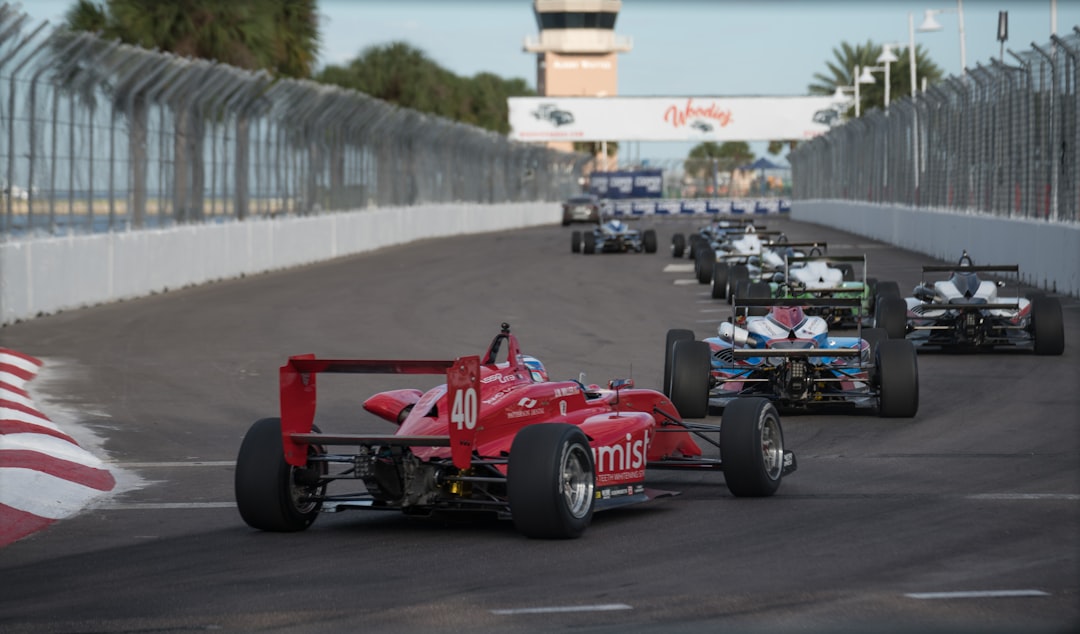
Precision targeting is crucial in the car racing equipment industry, where buyers demand specific technical features and rapid access to trusted suppliers. Leveraging Google Ads enables marketers to connect with high-intent professionals at the exact moment they are researching solutions or preparing to purchase. For an in-depth overview of how Google Vehicle Ads can be used for automotive advertising campaigns, see how Google Vehicle Ads work.
Success depends on more than budget allocation; it requires a tailored approach that reflects the unique behaviors and needs of racing enthusiasts and professionals. By aligning campaign execution with real-time audience data and seamless digital experiences, revenue teams can maximize lead quality and streamline the buyer's journey.
- Identify key pain points and desired features within your ad headlines to resonate with racers who often seek specific technical details: A headline naming a certification (FIA-approved, SFI-rated) or a hard spec, like harness pull-strength or brake pad compound, earns a click that generic phrases like "quality racing gear" won't. Sona's Identity Resolution helps marketers spot returning business accounts, such as a race team that requested a quote last season, so messaging can reference prior interest instead of starting from zero.
- Segment your audience based on interest in automotive performance parts or racing car accessories, reflecting varied purchase intents: Audience segmentation enables campaigns to target both the dedicated racing professional and the weekend enthusiast. Using dynamic audience management tools, teams can automatically update segments as prospects show new levels of intent, ensuring that ad spend follows the most promising accounts throughout the funnel.
- Align landing pages with ad campaigns for a seamless user journey: A buyer who clicks an ad for carbon fiber racing seats and lands on a general parts catalog will bounce. Matching the page to the exact product, spec sheet, and certification called out in the ad keeps that buyer moving instead of starting over. Integrating CRM and ad platform data lets teams personalize landing experiences and sync follow-up, building one path from first click to closed deal. See practical examples in retargeting strategies that reinforce messaging continuity.
- Refine campaigns continuously using predictive buying-stage signals: Ongoing optimization based on intent signals from Sona, attribution data, and conversion outcomes keeps campaigns efficient as racing seasons and event calendars shift demand. Tracking that captures both online form fills and offline sales gives clear, granular ROI analysis, informing fast budget shifts and creative changes.
Ready to enhance your lead generation strategy? Get started for free with Sona.
Why Google Ads Matter for Car Racing Equipment Businesses
The car racing equipment trade runs on precision, speed, and real-time intent, and Google Ads connects high-intent buyers directly with niche suppliers and manufacturers at the moment of need. Paid search aims each dollar at prospects genuinely searching for motorsports equipment, racing car accessories, or automotive performance parts, cutting wasted spend and improving lead quality. For a look at how Google Vehicle Ads can serve as a sales channel for auto retailers, see this analysis of Google Vehicle Ads.
- Targeting a Specialized Audience: Reaching professionals and enthusiasts searching for motorsports equipment or racing gear takes more than broad demographic filters. Google Ads lets campaigns act on sharp intent signals, like searches for racing team sponsorships or specific car racing gear, so ads surface only to those with immediate purchase intent. Sona's Identity Resolution moves marketers beyond anonymous traffic to identify the companies and decision-makers behind each click, enabling tailored messaging that speeds the buyer journey.
- Data-Driven Decisions: Without integrated data, valuable leads stay invisible and campaign performance is hard to measure. Unified reporting across platforms shows the path from first click to final sale, enabling granular optimization of budget and creative. Connecting CRM data, offline conversions, and Google Ads analytics lets marketers attribute revenue accurately, shift spend to high-performing keywords, and hold every campaign accountable to ROI. See measuring marketing's influence for more on campaign tracking and attribution.
- Complementing Other Channels: Consistency in messaging across digital touchpoints is critical for brand trust and recall in racing equipment. Google Ads supports this by enabling dynamic retargeting, re-engaging previous visitors across social platforms with personalized offers or updates on the latest motorsports equipment. When marketing teams sync audience segments and lead status updates in real time, they maintain cohesive outreach that reflects every stage of the funnel, driving deeper engagement and higher conversion rates. For B2B revenue teams, this synergy between paid search and broader digital campaigns ensures no high-value opportunity slips through the cracks.
Common Types of Google Ads Campaigns for Car Racing Equipment

Car racing equipment brands compete for buyers who move fast between research and purchase, often within a single race season's window. Google Ads offers campaign formats built for each phase, from first search to final order, so budget follows genuine intent rather than broad reach.
- Search Campaigns: Direct your budget toward high-intent queries like "buy racing harness online" or "best performance brake kits." These campaigns let you reach decision-makers actively searching for car racing gear, automotive performance parts, or motorsports equipment. By leveraging advanced visitor identification, marketers can move beyond anonymous clicks to pinpoint which companies or individuals are showing purchase intent. This level of insight means ad spend is consistently allocated to prospects most likely to convert, not wasted on low-value traffic.
- Display Ads: Keep your brand in the spotlight on racing forums, motorsport news outlets, and relevant automotive blogs. Display campaigns are invaluable for maintaining visibility and nurturing awareness among enthusiasts who may not be ready to buy but are researching options. With dynamic audience capabilities, your remarketing pools are automatically updated whenever a prospect's engagement level shifts, ensuring your display creative always matches where they are in the funnel. For SEO strategies specific to the racing parts industry, this external SEO guide can further boost your online visibility.
- Video Ads: Use high-impact video content to showcase the durability, innovation, and precision of your racing parts or accessories. Video ads excel on platforms like YouTube, where enthusiasts consume tutorials, product demos, and race highlights. Consistent messaging, paired with real-time intent data, enables marketers to adjust budget allocation as soon as a viewer's interest turns into active consideration.
- Remarketing: Reinforce your value proposition with dynamic remarketing, targeting users who've browsed specific products or left items in their cart. Advanced conversion tracking, integrating online and offline actions, lets you attribute sales to the precise campaign and touchpoint that moved the needle. Syncing enriched lead data directly into Google Ads and connected CRMs keeps remarketing audiences fresh and qualified, fueling repeat visits and higher conversion for car racing gear and racing team sponsorships alike.
Where to Find Growth Opportunities?
Identifying growth opportunities in the car racing equipment sector requires precision targeting and agile use of digital channels. Revenue leaders see the strongest returns when their Google Ads strategies are tailored to the specific buying behaviors and intent signals present in the motorsports community.
- Vertical keyword targeting: Niche, high-intent terms, such as "racing suspension kits," "FIA-approved helmets," or "carbon fiber racing seats," cut wasted spend on generic queries and capture buyers already searching for specialized equipment. Many of these searches spike around race weekends and championship seasons, so pairing keyword lists with CRM intelligence helps marketers catch intent shifts as accounts move from browsing to buying ahead of an event. For a list of high-performing, industry-specific keywords, refer to auto racing keywords.
- Industry-specific placements: A presence on automotive forums, racing blogs, and motorsport directories puts your brand in front of buyers already researching or discussing car racing gear. These placements build visibility in curated, high-trust environments among enthusiasts showing strong purchase signals. Sona's Identity Resolution helps marketers see exactly which users or companies are engaging with ads on these platforms, so they can qualify leads and adjust messaging in real time.
- Content retargeting campaigns: Leveraging how-to guides, installation tutorials, and product feature videos educates and nurtures prospects as they move from research to purchase. Dynamic audience segmentation ensures that viewers who engage with specific content, such as a video on roll cage installation, are automatically retargeted with relevant product offers or follow-up guides. Unified data infrastructure allows marketers to sync this engagement data with their CRM and Google Ads audiences, creating conversion-optimized flows and measurable lift in pipeline velocity. Learn more about dynamic audience segmentation.
Each tactic here works by pairing intent signals with audience intelligence, aiming ad spend at the highest-value opportunities in the car racing equipment market rather than the widest audience. Get started for free with Sona.
How to Apply Audience Segmentation for Car Racing Equipment
Audience segmentation is the foundation of high-performing digital campaigns for car racing equipment. Revenue teams gain a significant edge by meticulously distinguishing between professional racers and hobbyists, ensuring messaging resonates with each group's distinct motivations and purchasing criteria. For additional tips on building high-converting campaigns, explore our B2B marketing blog.
- Segment by racer type: Professional racers seek advanced, performance-driven products and expect technical specifications, durability, and compliance information. Hobbyists, on the other hand, respond well to value, ease of use, and style. Segmenting audience lists in Google Ads for car racing equipment around these profiles allows marketers to deliver creatives and landing pages that feel directly relevant, increasing the likelihood of engagement and conversion.
- Overlay intent signals for buyer stages: Incorporate behavioral signals such as recent site visits, page depth, or interactions with product configurators. Marketers using platforms that unify real-time intent data can dynamically prioritize budgets toward in-market leads progressing from research to active consideration. This approach means ad groups for automotive performance parts or racing car accessories can be tailored to match the urgency and readiness of each unique audience cohort.
- Tailor ad groups with custom creative: Use segmented ad groups to deploy messaging and creative assets that address each segment's priorities. Professionals may see ads highlighting technical advantages, while hobbyists encounter messaging about ease of installation or racing community benefits. With dynamic audience management, as users move deeper into the funnel or shift segments, creative updates automatically to maintain message relevance and prevent disengagement.
- Validate conversion paths and track key metrics: Ensure robust tracking mechanisms are set for each segment's conversion journey. Advanced conversion tracking, including both online and offline attribution, clarifies which buyer stages yield the highest value, whether that's inquiries about sponsorships, purchases of motorsports equipment, or requests for custom car racing gear. Integrations that sync CRM and enriched audience data back into Google Ads provide a holistic view, enhancing both targeting precision and campaign optimization. Learn more about SEO strategies for racing parts to further boost your online visibility.
Granular segmentation paired with real-time data and automated audience management lets marketing and revenue teams get more from every dollar spent on racing team sponsorships, motorsports equipment, and other car racing segments, driving engagement with the right prospects at the right stage.
This is also where measurement changes the economics. With Sona Marketing Measurement you can identify the companies behind your ad clicks, not just anonymous sessions, and segment audiences by which accounts actually become customers. That lets you build bid adjustments and audience signals around the segments that convert and de-prioritize the ones that don't, feeding Google's algorithms a signal closer to "this click became a paying car racing equipment customer" instead of just "someone filled out a form."
Keyword Strategy & Sample Target Terms
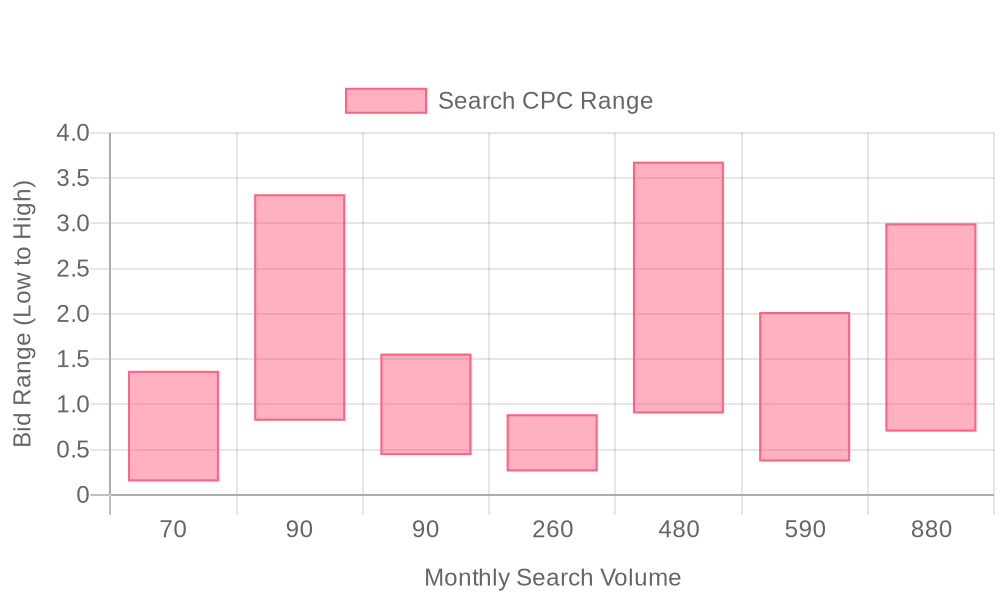
| Industry | Keyword | Monthly Search Volume | Competition Level | Low Bid | High Bid |
| Car Racing Equipment | summit racing truck parts | 70 | HIGH | 0.15 | 1.37 |
| Car Racing Equipment | car racing equipment | 90 | MEDIUM | 0.82 | 3.32 |
| Car Racing Equipment | race car wiring supplies | 90 | HIGH | 0.44 | 1.56 |
| Car Racing Equipment | race car window net | 260 | HIGH | 0.26 | 0.89 |
| Car Racing Equipment | air jacks for race cars | 480 | HIGH | 0.9 | 3.68 |
| Car Racing Equipment | car racing helmet | 590 | HIGH | 0.37 | 2.02 |
| Car Racing Equipment | racing ramps for trailer | 880 | HIGH | 0.7 | 3 |
Winning in the car racing equipment market requires more than a broad keyword list and generic targeting. Modern marketers gain a competitive edge by focusing on granular intent signals and aligning every ad dollar to buyers actively searching for high-performance car parts and motorsports equipment.
Prioritizing long-tail keywords, such as "high-performance car parts," "racing car suspension kits," and "track-ready brake systems," enables campaigns to capture buyers with clear buying intent using precise keyword matching. Terms like "motorsports equipment for pro teams" and "racing car gear near me" attract in-market audiences seeking specialized solutions. This approach avoids wasted spend on broad, low-converting terms and instead zeroes in on searchers with clear buying intent. For more keyword targeting strategies, explore our B2B marketing blog.
Negative keyword management is essential for protecting budget from irrelevant clicks. Exclude terms like "DIY kits," "used racing equipment," or "free racing gear" to prevent spend on hobbyist or bargain-seeking audiences. This tactic ensures ads serve only to high-intent searches, improving lead quality and cost efficiency.
Integrating predictive analytics further refines keyword strategy. By analyzing historical campaign data and real-time audience behavior, marketers can identify rising intent signals and shift budget to keywords driving conversions. When platforms synchronize CRM and ad data, audience lists dynamically update as users move through the funnel, allowing ads to reach the right prospects at the right stage. As a result, B2B revenue teams continuously improve alignment between keyword selection, customer intent, and campaign ROI. If you're ready to enhance your campaign results, get started for free with Sona.
Step-by-Step Campaign Execution Framework
Precision in campaign execution directly impacts the quality of leads and the efficiency of ad spend for car racing equipment providers. A tightly structured framework ensures every dollar is allocated to the highest-return strategies while minimizing wasted impressions on low-intent audiences. Leveraging unified data and live behavioral signals allows marketers to target enthusiasts and decision-makers exactly when they are most likely to convert. To see how this fits into broader B2B marketing tactics, explore our B2B marketing blog.
Step 1: Build Targeted Keyword Lists
Success with Google Ads for Car Racing Equipment starts with an expertly curated keyword list. Focus on keywords that capture intent for automotive performance parts, racing car accessories, motorsports equipment, and car racing gear. For inspiration, review this auto racing keywords list to maximize reach and relevance. Localizing keywords further refines targeting, reaching buyers in relevant regions and events. Connecting CRM enrichment capabilities enables marketers to align these keyword lists with real in-market audiences, ensuring even highly specific searches from racing teams or enthusiasts are addressed.
The upgrade most car racing equipment advertisers miss is going beyond raw keyword volume to layer in intent and identity signals. By connecting website-visitor data and CRM records with Sona Marketing Measurement, you can see which specific search terms bring in the accounts and customers that actually convert, and weight your keyword and bidding strategy toward those rather than the terms with the highest search volume alone.
Step 2: Develop Compelling Ad Copy
Ad copy must highlight what truly sets your car racing equipment apart, such as quality certifications, speed guarantees, or unique technical specs. Ads should be segmented to target ready-to-buy audiences, such as professional teams, motorsport retailers, or high-end hobbyists. With access to real-time intent data, marketers can dynamically adjust their messaging to focus on the features or promotions that align with current audience interests. For more tactical advice, explore our AI-powered personalization playbook.
Step 3: Design Effective Landing Pages
Consistency and relevance between ad copy and landing pages drive conversions. Landing pages for racing car accessories or motorsports equipment should reinforce the promises made in ads and streamline the buyer journey, providing clear calls to action and trust signals like testimonials or certifications. By tracking visitor identification, marketers can personalize content or offers for returning prospects, seamlessly moving leads through the funnel with tailored experiences.
Step 4: Implement Data-Driven Optimizations
Ongoing optimization depends on the quality and granularity of conversion tracking. Tracking that unifies online and offline conversions lets teams attribute pipeline and revenue to each ad group or keyword. For setting up conversion tracking on automotive campaigns, consult Google's vehicle ads setup guide. Syncing CRM and ad platforms keeps enriched audiences and new leads current with the latest engagement signals, so this closed-loop feedback lets marketers double down on high-performing segments and refine spend allocation.
Sona Marketing Measurement closes the gap between clicks and revenue. It captures ad clicks with first-party measurement, ties that click through UTM capture and ad-platform APIs to the matching record in your CRM, and reports ROAS by keyword and campaign instead of by last-click form fill. Feeding that revenue signal back into Smart Bidding and Performance Max compounds over time: the algorithms optimize toward booked car racing equipment revenue, not cheap leads.
Tips on Expanding Your Car Racing Equipment Presence

Expanding the digital presence of car racing equipment brands requires a blend of strategic partnerships, data-driven localization, and actionable insight from campaign analytics. Industry leaders leverage collaborative and targeted approaches to ensure their offerings consistently reach engaged, high-value audiences. For deeper B2B marketing tactics, explore the latest blog insights on lead generation and analytics.
- Partner with Racing Associations: Collaborating with prominent racing associations for co-branded marketing initiatives can dramatically boost visibility among enthusiasts and decision-makers. These partnerships create authentic connections, bridging your brand with organizations already trusted by your core audience. When running campaigns, syncing real-time audience segments into campaigns ensures that co-branded promotions are delivered directly to in-market buyers, maximizing relevance and engagement. Real-time identification of engaged visitors allows marketers to pinpoint which association-driven traffic is converting, enabling budget allocation to high-performing channels.
- Localize Campaigns for Niche Markets: Tailoring your ads for automotive performance parts or racing car accessories to specific regions or racing communities increases resonance and conversion rates. Localized messaging addresses the unique needs of each market, whether targeting grassroots motorsports, urban racing clubs, or regional racing events. By dynamically updating audiences as leads move through the funnel, marketers maintain agility, serving the right message at the right time to potential buyers. For compliance and setup, review the requirements for listing vehicles in Google Merchant Center.
- Leverage Search Query Insights for Content Strategy: Analyzing search queries from your motorsports equipment campaigns surfaces real-time trends and unmet customer needs. These insights inform content strategy, driving the creation of landing pages and resources that align with what high-intent prospects are actively searching for. Advanced conversion tracking enables marketers to attribute offline sales or sponsorship inquiries directly back to the search terms and creatives that influenced action. To unlock more actionable analytics and start optimizing your campaigns, get started for free with Sona.
Beyond Google Ads: Winning the AI Answers Car Racing Equipment Buyers Now Trust
Paid search catches demand the moment someone types a query. But a growing share of car racing equipment buyers start elsewhere now, asking ChatGPT, Gemini, or Perplexity before they ever run a search, while Google's own AI Overviews increasingly summarize an answer above the traditional results. If your business isn't referenced in those AI answers, you're invisible at the exact moment buyers build their shortlist.
Sona AI Visibility shows where your business shows up across ChatGPT, Gemini, Perplexity, Google AI Overviews, and 10+ engines, and, much like a keyword report, which prompts actually send you buyers, so you can prioritize the ones that convert. Run the two together and you cover the entire buyer path: get cited where buyers research (AI Visibility), then prove which of that demand turns into booked revenue (Marketing Measurement).
Helpful resources
Conclusion
The car racing calendar doesn't pause for a slow campaign, teams need parts before the next event, and enthusiasts research late into the off-season for the next build. As AI answers take a growing share of that research, the businesses that show up, in Google Ads, in AI Overviews, and in the CRM data that proves which clicks became customers, are the ones that will keep winning sponsorship deals and repeat buyers alike.
To put these strategies to work, start for free and see what unified data and clear attribution can do for your campaigns.
FAQ
What are the best Google Ads strategies for car racing equipment businesses?
The best strategies involve precision targeting, leveraging advanced tools to connect with high-intent professionals, and using real-time audience data to streamline the buyer's journey.
How can I target the right audience for my car racing equipment products using Google Ads?
You can target the right audience by segmenting them based on interest in automotive performance parts or racing car accessories and using dynamic audience management tools to update segments as prospects show new levels of intent.
What are the key performance indicators (KPIs) to track for car racing equipment Google Ads campaigns?
Key KPIs include ROI analysis, conversion outcomes, intent signals, and attribution data to ensure campaigns are efficient and aligned with market conditions.
How can I optimize my Google Ads for better ROI in the car racing equipment industry?
Optimize your ads by implementing continuous performance optimizations using insights like predictive buying stages, refining strategies based on conversion tracking, and adjusting budget allocations based on real-time data.
What are some examples of successful Google Ads campaigns for car racing equipment brands?
Successful campaigns often use search ads for high-intent queries, display ads for brand visibility, video ads for showcasing product features, and remarketing to re-engage users who have shown interest.







