


Race car dealerships sell to a buyer who already knows what they want, and who disappears fast if a competitor answers the phone first. That urgency, combined with a narrow pool of qualified buyers, makes generic PPC tactics a poor fit and Google Ads a critical tool for catching high-intent prospects at the exact moment they're ready to transact. This guide details how race car dealerships can use Google Ads to build online visibility and generate qualified leads, with strategies tailored to the realities of selling performance and track-ready vehicles.
How to Generate Race Car Dealership Leads with Google Ads: A Step-by-Step Guide
Race car dealerships operate in a market where every lead represents significant lifetime value, but competition and niche targeting make traditional advertising inefficient. Effective digital marketing now hinges on leveraging Google Ads to precisely engage high-intent buyers, present premium inventory, and drive qualified leads into the sales funnel. For a step-by-step overview tailored to automotive dealers, explore this guide for setting up Google Ads campaigns.
Integrating Google Ads into your dealership's strategy requires more than generic PPC tactics. Modern solutions unify CRM platforms, audience data, and intent signals, eliminating wasted spend and ensuring campaigns continuously engage real prospects, especially those ready to buy.
Common Types of Google Ads Campaigns for Race Car Dealerships
- Search Campaigns: These campaigns target high-intent queries such as “race cars for sale near me” or “track-ready Porsche GT3.” Custom keyword lists allow you to tailor ad copy to match the technical specifications and unique selling points of your inventory, connecting with buyers actively researching performance vehicles. Learn more in this overview of Google Ads campaign types.
- Vehicle Ads: Google Vehicle Ads showcase dealership inventory directly in search results, with images, pricing, and key specs. For race car dealerships, this format helps rare models and specialized builds stand out against generic used-car listings. Sharpen targeting with real-time audience intelligence to reach high-value prospects.
- Display Campaigns: Display ads build awareness among enthusiasts and professional buyers who frequent motorsport forums, automotive blogs, or high-performance parts retailers. Strategic placement and compelling creative increase your dealership’s visibility to audiences who may not be actively searching but are likely to convert with the right nudge.
- Video Campaigns: YouTube and video ads deliver immersive experiences, demonstrating vehicles in action, highlighting technical upgrades, and presenting testimonials from satisfied customers. These campaigns nurture trust and excitement, often driving direct inquiries from viewers.
- Remarketing Campaigns: Retargeting past website visitors or those who engaged with specific inventory keeps your dealership top of mind. Dynamic remarketing updates ad creative as inventory changes, allowing you to re-engage prospects with vehicles they previously viewed or similar high-performance models. Use intent-driven retargeting strategies to maximize campaign impact.
Step 1: Build Targeted Keyword Lists
Start with in-depth research into the terms your audience uses, such as “race car dealership lead generation” and “Google Ads for race cars.” Layer in modifiers that capture technical intent and regional demand, including specific makes, models, and racing certifications. With precise audience intelligence, marketers can pinpoint which keywords attract the highest converting segments, refining spend allocation to maximize ROI. Find actionable tips in this Google Ads targeting guide for auto dealers.
Most race car dealership advertisers stop at keyword volume. The bigger gain comes from layering in intent and identity signals: connecting website-visitor data and CRM records with Sona Marketing Measurement shows which search terms bring in accounts that actually convert, so you can weight keyword and bidding strategy toward those terms rather than the highest-volume ones.
Step 2: Define Audience Segments and Intent
Segment audiences by buyer type, track-day enthusiasts, professional racing teams, and collectors, using behavioral data and CRM integration. Sona's Intent Signals let campaigns shift focus in real time toward accounts showing active purchase signals, so ads reach buyers closest to conversion. Audience lists update dynamically as prospects move through the funnel, keeping messaging matched to their stage.
Step 3: Design Conversion-Optimized Landing Pages
Each ad should lead to a landing page built for conversion: full vehicle specs, technical documentation, and a clear call to action. Sona's Identity Resolution helps dealerships move beyond anonymous web traffic, surfacing the companies and contacts behind high-value visits so sales teams can follow up with personalized outreach instead of guessing who's on the site.
Step 4: Set Up Advanced Conversion Tracking
Set up granular conversion tracking that captures both online and offline engagement, from form fills to showroom visits. Linking Google Ads to your CRM lets dealerships attribute leads and sales back to specific campaigns and keywords, which is what a true ROI picture, and a clear read on which strategies actually drive sales, requires. See how offline attribution can maximize ROI.
Sona Marketing Measurement closes the gap between clicks and revenue. It captures ad clicks with first-party, company-level measurement, ties that click through UTM capture and ad-platform APIs to the actual record in your CRM, and reports ROAS by keyword and campaign instead of by last-click form fill. Feeding that revenue signal back into Smart Bidding and Performance Max compounds over time: the algorithms optimize toward booked race car dealership revenue, not cheap leads.
Step 5: Launch, Optimize, and Retarget
After launching your campaigns, monitor performance closely. Leverage real-time reporting to spot shifts in buyer intent and adjust budgets accordingly. Retargeting strategies keep high-potential leads engaged, using up-to-date audience data to serve relevant ads as prospects revisit your site or review new inventory. Syncing enriched lead profiles across Google Ads and your CRM ensures that every interaction is timely, personalized, and actionable.
Why Does Google Ads Matter for Race Car Dealerships?

Race car dealerships operate in a highly specialized market where buyer intent is both urgent and narrow. Prospects searching for high-performance vehicles often expect immediate responses, and delays can quickly cool their interest, costing dealerships valuable opportunities. For a step-by-step guide on setting up and optimizing campaigns, explore this Google Ads guide for car dealerships.
Google Ads addresses this directly by targeting in-market shoppers actively searching for race cars, custom builds, or performance upgrades. Campaigns can trigger in real time as prospects show purchase signals, so dealers reach leads while intent is highest. To sharpen targeting further, use Sona's Audiences tool, which auto-syncs with ad platforms for tightly targeted outreach.
Sona's Identity Resolution lets dealerships identify website visitors, revealing not just traffic but the actual companies and decision-makers showing active interest. Layered with dynamic audience segments, ads stay relevant as leads move from initial research to ready-to-buy. This lets race car dealerships shift budget toward high-converting accounts, sync enriched leads with CRM and sales systems, and measure both online and offline engagement for true campaign ROI.
Common Types of Google Ads Campaigns for Race Car Dealerships
- Search Campaigns: These campaigns target high-intent buyers searching for specific race cars or performance models. Focusing on granular keywords such as "FIA homologated race cars for sale" or "track-ready Porsche dealership" captures prospects at the crucial moment of consideration. Sona's Identity Resolution helps marketers align bids and messaging with the companies and buyers most engaged on their website, so every click is attributed to a real prospect, not just anonymous traffic. For an overview of various Google Ads campaign types relevant to car dealerships, see this campaign types guide.
- Display Ads: Display campaigns keep a race car dealership’s brand visible to potential buyers throughout their research journey. These visually-driven ads work well for promoting inventory launches, limited-edition models, or upcoming track events. With real-time audience segmentation, teams can monitor which companies are viewing key content and dynamically adjust audience targets and creative assets to reinforce interest among in-market accounts, maximizing brand recall with decision makers who matter.
- Video Ads: Video ads are ideal for showcasing the technical sophistication and unique features of race cars, think in-depth walkarounds, track footage, and driver testimonials. Video creative can be sequenced to tell a story, from first impression to technical deep dive, driving engagement with both enthusiasts and professional buyers. When audience engagement is tracked in real time, marketers can shift video budgets toward the segments demonstrating the strongest buying intent, ensuring that high-value accounts see the right message at the right time.
- Remarketing Campaigns: Remarketing ensures that prospects who have interacted with race car listings or downloaded spec sheets remain engaged throughout the sales cycle. By leveraging dynamic audiences that update as leads move through the buying funnel, dealerships can serve tailored ads, such as invites to private test drives or financing offers, based on the prospect’s most recent action. Enriching remarketing audiences with CRM and sales data ensures that messaging remains personalized, relevant, and conversion-focused, while advanced conversion tracking connects these efforts to both online and offline sales, giving a complete view of ROI.
Where to Find Growth Opportunities?
Race car dealership marketing thrives when outreach is tailored to the unique needs and search behaviors of high-performance vehicle buyers. Growth opportunities emerge by focusing on vertical keyword targeting and competitor gap analysis, as well as industry-specific placements that reach motivated prospects in the right digital environments.
One-size-fits-all campaigns dilute ROI and struggle to connect with specialized audiences interested in performance vehicles. By adopting vertical keyword targeting, race car dealerships can identify not just “race cars for sale,” but also nuanced search terms like “FIA homologated GT3 dealer” or “track-ready Porsche inventory.” These refined keyword sets capture intent from buyers who are further along in their purchasing journey, resulting in higher-quality leads and stronger conversion rates. For more ideas on building effective keyword lists and optimizing PPC strategies, explore our B2B marketing playbooks.
Competitor gap analysis uncovers where rival dealerships fail to bid on valuable search terms, whether that's specific chassis codes, racing series names, or regional track-day queries. Monitoring that landscape lets marketers identify underutilized keywords and placements, then align campaigns to intercept high-value traffic. Sona's Identity Resolution adds firmographic detail on top, enabling account-based segmentation that separates professional racing teams from club-level enthusiasts, groups with very different budgets, purchase cycles, and financing needs, so messaging and offers can be tailored to each.
Industry-specific placements in automotive forums, motorsport news sites, and event sponsorships ensure that advertising budgets are allocated to environments where serious buyers engage. Content retargeting strategies can then nurture these audiences using digital assets such as vehicle walkarounds, build sheets, and track performance videos. As leads interact with these assets, dynamic audience lists update in real time, ensuring that the most engaged prospects receive timely follow-ups and tailored offers.
How to Apply Audience Segmentation for Race Car Dealerships
Race car dealerships operate in a highly specialized market, where the nuances of each buyer’s journey require sharp audience segmentation and precision targeting. By mapping segments to the lifecycle of race car buyers, dealerships significantly improve messaging relevance, boost engagement rates, and accelerate pipeline velocity. Explore additional best practices for automotive PPC campaigns to further refine your digital marketing strategy.
Disconnected intent signals and siloed data often leave sales teams without the context needed to convert leads efficiently. Consistent messaging can only be achieved when marketing and sales teams work from unified, real-time audience insights that reflect both online behaviors and offline interactions.
- Demographic segmentation: Segmenting by age, geography, profession, or income ensures ads for performance track vehicles target racing professionals, collectors, or affluent enthusiasts, rather than casting a wide net.
- Intent-based segmentation: Using search query patterns and content engagement, dealers can identify whether a visitor is researching specifications, comparing models, or ready to schedule a test drive. Dynamic audience building tools continuously update lists as customers move through the funnel, keeping campaigns relevant from first click to final conversion.
- CRM and ad sync: Integrating CRM data with ad platforms lets race car dealerships sync enriched lead profiles and audience segments directly into Google Ads. Real-time syncing means budget shifts toward high-converting accounts as soon as CRM data changes, cutting wasted impressions.
- Conversion pathway tracking: Advanced conversion tracking, both online and offline, closes the loop on lead attribution. Dealerships can measure which segments generate the most qualified showroom visits or test drive bookings, optimizing spend and messaging accordingly.
This is also where measurement changes the economics. With Sona Marketing Measurement you can identify the companies behind your ad clicks, not just anonymous sessions, and segment audiences by which ones actually become customers. That lets you build bid adjustments and audience signals around the segments that convert and de-prioritize the ones that don't, so you feed Google's algorithms "this click became a paying race car dealership customer" instead of just "someone filled out a form."
Keyword Strategy & Sample Target Terms
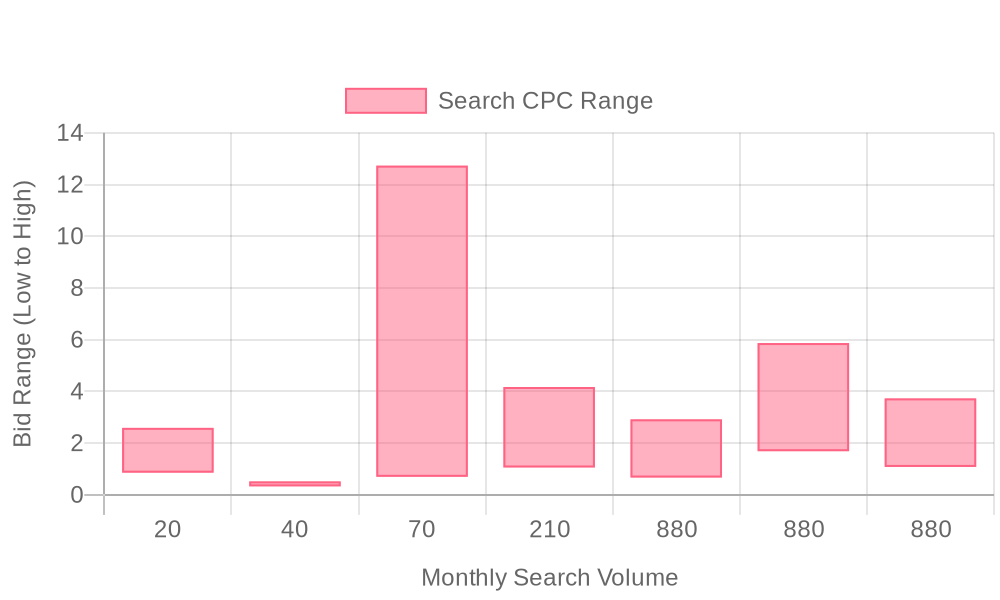
| Industry | Keyword | Monthly Search Volume | Competition Level | Low Bid | High Bid |
| Race Car Dealerships | daytona ford auto mall | 20 | HIGH | 0.86 | 2.59 |
| Race Car Dealerships | backdraft cobra dealers | 40 | LOW | 0.33 | 0.52 |
| Race Car Dealerships | brumos porsche dealership | 70 | HIGH | 0.7 | 12.73 |
| Race Car Dealerships | legends car dealerships | 210 | MEDIUM | 1.06 | 4.17 |
| Race Car Dealerships | daytona ford dealer | 880 | HIGH | 0.67 | 2.92 |
| Race Car Dealerships | darrell waltrip dealership | 880 | MEDIUM | 1.69 | 5.87 |
| Race Car Dealerships | race auto sales | 880 | LOW | 1.08 | 3.73 |
Race car dealership marketing demands a keyword strategy that aligns with the sophisticated decision-making of high-value buyers. Precision is essential: targeting broad terms results in wasted budget, while focused, purchase-intent keywords generate qualified leads and maximize ROI. The most valuable traffic comes from users actively searching for specific vehicles, dealership locations, or competitive features tied to racing performance and compliance. For a deep dive into structuring and optimizing campaigns for auto dealers, see this step-by-step guide for Google Ads in car dealerships.
A successful keyword approach prioritizes terms such as "race car dealerships advertising strategies," "Google Ads for Race Car Dealerships," "race car dealership lead generation," and "best local targeting practices for race car sales." These phrases attract buyers who are closer to making a purchase decision and searching for reputable sellers. Including "luxury race car dealerships" or "track-ready vehicles for sale" captures affluent, action-oriented prospects, while "digital marketing for race cars" and "automotive PPC campaigns" appeal to those researching options but open to retargeting and nurturing. Explore further best practices for auto dealer PPC to maximize campaign impact.
To refine campaign effectiveness, segment keywords into three intent buckets:
- Transactional intent: Phrases like "buy race cars online," "race car dealerships near me," and "race car dealership financing" signal readiness to purchase. Prioritizing these ensures ads surface for the most lucrative inquiries.
- Commercial investigation: Queries such as "best race cars for amateur racing" or "race car dealership reviews" indicate the user is evaluating options. These benefit from detailed ad copy and landing pages that address pain points and unique selling propositions.
- Informational intent: Searches like "how to finance a race car" or "track day car requirements" attract early-stage buyers. Target these with educational content and audience-building strategies for future remarketing.
Sona's Identity Resolution identifies visitors at the company level, letting marketers distinguish between a casual browser and a procurement officer from a major racing team. This enables real-time adjustment of keyword bids and dynamic audience updates as buyers move through the funnel. Integrating CRM data with audience sync feeds high-intent leads back into Google Ads, so enriched audiences power every stage from awareness to conversion. This reduces wasted spend and turns keyword intelligence into measurable revenue growth. Ready to take action? Get started for free with Sona.
Step-by-Step Campaign Execution Framework
A structured approach to Google Ads for race car dealerships is essential for capturing the attention of high-intent buyers and maximizing return on ad spend. Aligning every stage of the campaign, from keyword targeting to follow-up, ensures that revenue teams can prioritize qualified leads and drive showroom visits with measurable results. For a deeper dive into digital marketing tactics tailored to the automotive sector, explore this guide to Google Ads best practices for car dealerships. To further refine your marketing and sales performance, check out our actionable playbooks.
Step 1: Build Targeted Keyword Lists
Precision in keyword selection is the foundation of successful Google Ads for race car dealerships. Curate lists that mix broad match modifiers for brand awareness and exact match phrases for ready-to-purchase queries. Include keywords such as "race cars for sale," "track-ready vehicles near me," "FIA-certified race cars," and "performance car dealership." Layer in negative keywords like "street legal" or "DIY kits" to filter out irrelevant traffic. Continually refine these lists based on search term reports and CRM feedback to ensure budget is directed toward the highest-converting search intent.
With a unified data platform, marketers can leverage historical CRM data and web visitor profiles to discover high-value long-tail keywords not surfaced in standard tools. This integration enables teams to uncover search patterns unique to professional buyers, hobbyists, or event participants, making each campaign more responsive to real buying signals. For practical steps on integrating your ad data with analytics, see our guide on importing ad platform cost data into Google Analytics.
Step 2: Craft Compelling Ad Copy
Effective ad copy for race car dealership marketing should emphasize technical specifications, exclusivity, and urgency. Highlight unique selling points, such as "FIA-approved safety features," "track-ready inventory," or "limited-edition race cars available now." Use strong calls to action that prompt direct engagement, like "Book a private showing" or "Request dyno test results." Add sitelink, call, and location assets for inventory highlights, dealership address, and click-to-call, which shorten the path from search to inquiry.
By analyzing real-time visitor intent and engagement metrics, marketing teams can dynamically update ad messaging to align with what prospects care about most. For a step-by-step approach to optimizing ad campaigns in the automotive space, review this step-by-step guide for Google Ads for car dealerships.
Step 3: Design Conversion-Driven Landing Pages
Landing pages must deliver a seamless transition from ad copy to action. Feature high-resolution images and videos of each race car, detailed spec sheets, and trust signals such as manufacturer certifications and recent track performance. Embed lead forms above the fold, offering immediate ways to request information or schedule a consultation. Use interactive tools like 360-degree vehicle tours or downloadable technical documentation to increase engagement.
Integrating CRM and marketing automation platforms with Google Ads ensures that each lead’s journey is tracked from the moment of the click. As prospects engage, activity data syncs instantly to sales teams, triggering timely follow-ups and deepening personalization based on the visitor’s interaction history and prior touchpoints. For additional insight into automotive PPC strategies, browse this overview of automotive PPC services.
Step 4: Optimize Campaigns with Data-Driven Insights
Continuous optimization is critical for automotive PPC campaigns targeting race car buyers. Set up conversion tracking to measure actions such as lead form submissions, phone calls, and inventory downloads. Monitor metrics like click-through rate, cost per conversion, and circuit proximity engagement to evaluate campaign health. Implement A/B testing for ad copy, landing page layouts, and audience segments to identify high-performing combinations.
With advanced attribution and real-time feedback loops, marketing teams can connect online engagement with offline showroom visits and closed deals. This closed-loop reporting allows for accurate ROI measurement and enables budget reallocation to campaigns, keywords, or audiences delivering the best outcomes. For actionable advice on PPC optimization, see this best practices guide for car dealers using Google Ads PPC.
Step 5: Automate Follow-Up and Lead Nurturing
Manual follow-ups often lead to delayed responses and lost opportunities in race car dealership lead generation. Integrate Google Ads with CRM and marketing automation systems to trigger instant email or SMS outreach the moment a qualified lead submits an inquiry. Tailor follow-up sequences based on ad engagement, vehicle interest, and buyer history. For example, a prospect who spends significant time on GT4 inventory pages receives tailored content about upcoming track-day events or financing options.
By synchronizing enriched lead data directly into platforms like Salesforce or HubSpot, sales teams gain full visibility into ad-driven engagement. This enables a coordinated approach, where marketing and sales collaborate on high-priority prospects, personalize outreach, and accelerate deal velocity for both online and in-person transactions. For a practical example of how AI-driven audiences improve Google Ads performance in automotive, check out this case study on AI audiences and Google Ads performance.
Tips on Expanding Your Race Car Dealership Presence
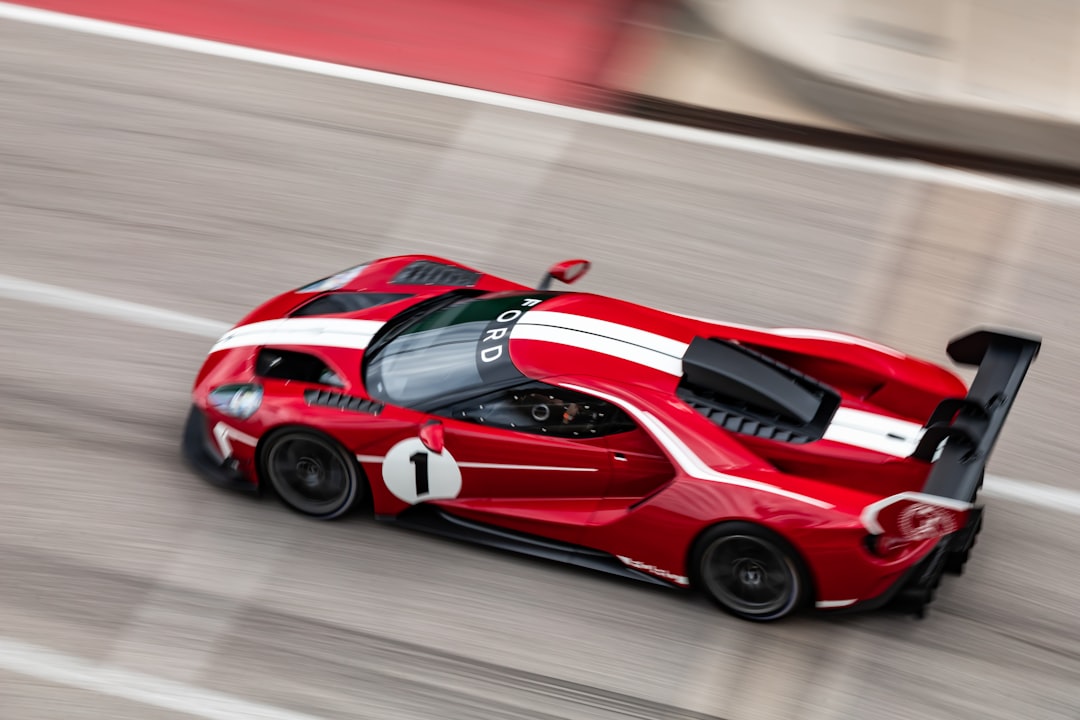
Modern race car dealerships benefit from a precision approach to market expansion, leveraging real-time behavioral data to craft highly targeted outreach that resonates with performance buyers and motorsport professionals. By integrating digital insights with tailored educational content and strategic partnerships, dealerships can move beyond passive inventory listings and become active resources in the racing community. For additional insights, explore our collection of articles on data-driven marketing.
- Cross-promote educational content: Develop and share guides, webinars, or video walkthroughs highlighting technical specifics, maintenance regimes, or compliance requirements for various race car models. Distributing this content across your website, email newsletters, and social channels not only drives organic engagement but also supports Google Ads for race car dealerships by providing high-value landing page experiences that improve Quality Scores and increase conversion rates.
- Upsell services and add-ons: Identify and promote premium services such as chassis tuning, performance upgrades, or track-day preparation packages. Integrating CRM data with your Google Ads campaigns allows you to dynamically surface these offers to buyers showing high in-market intent. When you sync audience segments and lead activity with your ad platform, you can shift budget toward users most likely to convert on high-margin services, ensuring efficient allocation of spend.
- Partner with associations and clubs: Form alliances with racing associations, track-day organizers, or enthusiast clubs to co-host events or share content. These collaborations increase brand credibility and generate high-quality referral traffic. By tracking event participants and syncing this data with your advertising audiences, you can retarget engaged prospects with tailored creative, further nurturing relationships through the sales funnel.
- Leverage search query intelligence: Continuously monitor search queries and user paths to identify emerging trends, technical needs, and content gaps. This data informs both PPC for race car dealerships and broader automotive advertising strategies by enabling you to create highly relevant campaigns and landing pages. With unified data, you can dynamically update audiences as their intent evolves, ensuring that messaging and offers remain aligned with each buyer’s position in the purchasing journey.
- Utilize advanced tracking and attribution: Implement a closed-loop measurement system that connects online actions, offline showroom visits, and post-sale interactions. When all touchpoints are attributed accurately, revenue teams gain clarity on which creative, keyword, or audience drove the highest-value conversions. This enables smarter optimization of race car dealership lead generation and ongoing digital marketing for race cars.
Expanding your dealership's presence requires more than generic outreach or static ads. Curating audience segments with real-time intelligence and combining education, upselling, partnerships, and search data turns your dealership into an authoritative, responsive presence in the racing community rather than just another inventory listing.
Beyond Google Ads: Winning the AI Answers Race Car Dealerships Buyers Now Trust
Paid search captures demand at the moment someone types a query. But a fast-growing share of race car dealerships buyers no longer start at Google at all, they ask ChatGPT, Gemini, or Perplexity before they ever run a search, and Google's own AI Overviews increasingly summarize an answer above the traditional results. If your business isn't referenced in those AI answers, you're invisible at the exact moment buyers build their shortlist.
Sona AI Visibility shows where your business shows up across ChatGPT, Gemini, Perplexity, Google AI Overviews, and 10+ engines, and, much like a keyword report, which prompts actually send you buyers, so you can prioritize the ones that convert. Run the two together and you cover the entire buyer path: get cited where buyers research (AI Visibility), then prove which of that demand turns into booked revenue (Marketing Measurement).
Helpful resources
Conclusion
Race car dealerships that treat Google Ads as a precision instrument, tuned to buyer urgency, technical intent, and the narrow pool of serious enthusiasts, outperform those running generic automotive campaigns. The tools for identifying exactly who's behind a click and what they're worth now exist; the dealerships that adopt them first will set the pace for the rest of the trade.
The dealerships winning this market now are the ones connecting ad spend to actual showroom revenue, not just leads, and showing up in the AI-driven research buyers increasingly do before they ever type a search query. Both are within reach with the right measurement in place.
If you're ready to take your advertising efforts further, start for free to unify your go-to-market data and get insight built for how race car dealerships actually sell.
FAQ
What are the best practices for Google Ads in race car dealerships?
Best practices include targeting high-intent keywords, integrating CRM platforms for precise audience targeting, and using a mix of search, display, video, and remarketing campaigns to engage potential buyers.
How can race car dealerships effectively use Google Ads?
Race car dealerships can effectively use Google Ads by targeting decision-makers with high-intent keywords, optimizing landing pages for conversions, and using dynamic remarketing to keep potential buyers engaged.
What keywords should race car dealerships target in Google Ads?
Dealerships should target keywords that include specific vehicle models, racing certifications, and buyer intent phrases such as 'race cars for sale' or 'track-ready vehicles near me'.
How to optimize Google Ads for race car dealerships?
Optimization involves using precise audience segmentation, aligning ad messaging with buyer intent, and implementing advanced conversion tracking to measure both online and offline engagements.
What budget should race car dealerships allocate for Google Ads?
The budget should be aligned with targeting high-converting keywords and audience segments, and dynamically adjusted based on campaign performance and ROI metrics.







