


Automotive equipment buyers rarely fill out a form the first time they visit a site. They compare specs, check financing terms, and read fleet reviews long before they raise a hand, which means most of the highest-value prospects in this trade never show up in a conventional lead list. Google Ads can close that gap: it puts your listings, service offers, and parts inventory in front of buyers at the exact moment they're searching, rather than hoping they notice a banner or an email. This guide lays out a setup framework for automotive equipment advertisers, along with tactics to sharpen targeting, lift lead quality, and get more out of every dollar of ad spend.
How to Generate Automotive Equipment Leads with Google Ads: A Step-by-Step Guide

In the automotive equipment sector, high-value leads are driven by accurate targeting and fast follow-up. Marketers who excel at integrating Google Ads with data-driven workflows consistently outperform those relying on siloed tactics.
Google Ads for Automotive Equipment delivers measurable results when aligned with a modern marketing stack. Companies that leverage both first-party data and real-time audience insights see higher conversion rates and stronger sales pipelines.
- Align Google Ads with Marketing Goals: Clear integration between Google Ads and broader marketing objectives is critical for creating a unified demand generation strategy. This alignment ensures that every campaign supports pipeline and revenue targets, not just clicks and impressions. By connecting campaign reporting with sales outcomes, teams can identify which keywords and ad groups directly impact closed deals, revealing the actual value of every ad dollar spent.
- Implement Targeted Keyword and Audience Strategies: Automotive equipment buyers have unique search patterns and decision timelines. Effective Google Ads strategies begin with deep keyword research that surfaces commercial intent phrases like "OEM-certified lifts," "fleet hydraulic parts," or "industrial vehicle diagnostics." Audience targeting becomes even more powerful when enriched with behavioral signals from site visits, content downloads, and previous engagements. With advanced solutions, marketers can go beyond anonymous traffic and pinpoint which companies are actively researching specific equipment, allowing for immediate budget allocation to in-market accounts.
- Align Landing Pages and Creatives for Conversion: Fast response is essential in automotive equipment marketing, where lead value can be lost in hours. Ad creatives and landing experiences must mirror the buyer's needs, addressing technical specifications, compliance, and financing options. High-performing teams leverage dynamic audience updates so site visitors see tailored messaging as they move from research to purchase intent. These seamless transitions between ad creative and landing pages minimize friction and lift conversion rates, especially when sales teams are alerted in real time to high-value prospect activity.
- Optimize with Data-Driven Tactics: As competition intensifies in PPC for automotive, ongoing optimization is no longer optional. Marketers must monitor cost-per-lead, click-through rate, and attribution models daily, continuously refining bids, audiences, and creative. Platforms that integrate intent signals, CRM enrichment, and advanced conversion tracking let teams shift budget quickly, double down on high-yield segments, and measure ROI accurately across both online and offline conversions, so resources go where revenue potential is highest.
- Continuously Integrate Channel Data: Modern automotive equipment advertising depends on a connected ecosystem. Integrating Google Ads data with CRM systems, sales pipelines, and website analytics provides end-to-end visibility into every buyer touchpoint. This integration is especially important when much of the buying journey happens anonymously. By syncing enriched audience data and lead activity directly into key sales tools, marketers maintain momentum with every qualified lead and give revenue teams the context needed for timely, relevant follow-up. This holistic approach turns digital marketing for automotive from a collection of isolated campaigns into a powerful, self-optimizing revenue engine.
To put these strategies into action and streamline your automotive lead generation, get started for free with Sona.
Why does Google Ads matter for Automotive Equipment?

Google Ads for Automotive Equipment delivers unmatched precision in reaching decision-makers actively searching for highly specialized machinery, parts, or service solutions. Its platform empowers marketers to efficiently align digital spend with sales targets, driving measurable results across complex B2B buying cycles. For a comprehensive overview of digital strategies in this space, see this guide to automotive digital advertising.
- Complex, Specialized Audience: Automotive equipment businesses must connect with a nuanced audience of procurement officers, fleet managers, engineers, and mechanics. Google Ads enables campaigns to zero in on these roles using granular targeting and intent signals, surfacing relevant offers at the moment of need. By leveraging visitor identification, marketers can uncover not just anonymous web traffic but the actual companies and individuals browsing for equipment, shifting outreach from speculative to strategic.
- Higher Margin Services: In the automotive equipment sector, contracts for leasing, installations, and service agreements often yield higher margins than product-only sales. Early detection of buying signals, such as repeated visits to financing or installation guides, allows marketers to prioritize and nurture these high-value opportunities. With real-time data enrichment and seamless sync to sales platforms, teams respond instantly to in-market accounts, focusing their energy on the most profitable leads.
- Faster Demand Response: Equipment needs in this industry fluctuate with seasonality, regulatory changes, and project cycles. Google Ads enables campaigns to pivot budgets and messaging on short notice, meeting spikes in demand for everything from diagnostic tools to heavy machinery rentals. Real-time intent monitoring ensures that as soon as a fleet operator or dealership signals readiness to purchase or upgrade, the right ad and offer are delivered, increasing conversion rates during critical windows.
- Visibility in Emerging Regions: As automotive equipment manufacturers and distributors enter new markets, establishing digital visibility is essential. Google Ads supports regional targeting strategies, enabling campaigns to launch in unfamiliar territories with confidence. Dynamic audience creation and localized ad creative ensure messaging resonates with new buyers, driving early traction even in competitive geographies.
- Integrated Data Analysis: Digital marketing for automotive equipment thrives on data unification, connecting online engagements, like ad clicks or landing page visits, to offline milestones such as quotes, site visits, or closed sales. Advanced analytics and CRM integration reveal the complete buyer journey, attributing revenue to specific ads and enabling continuous optimization. Marketers gain a holistic view of performance across channels, validating spend and informing both creative and sales strategy.
Common Types of Google Ads Campaigns for Automotive Equipment

- Search Campaigns: Search campaigns are essential for capturing buyers with clear purchase intent, particularly those searching for terms like "auto parts distributors" or "equipment leasing." By focusing on precise keywords and intent-rich queries, brands can address visibility gaps at the moment decision-makers are actively looking for solutions. Modern marketers leverage visitor identification and intent signals to go beyond anonymous clicks, pinpointing which companies are engaging and allowing for rapid adjustment of bids toward high-converting accounts. Integrating enriched audience data from CRM platforms ensures every search campaign remains tightly focused on the most valuable prospects.
- Display Ads: Display campaigns excel at keeping automotive equipment brands top-of-mind during longer B2B buying cycles. Visual banners and interactive creative assets run across industry publications, forums, and relevant news sites, nurturing prospects who have already demonstrated fit through previous site visits or content downloads. Dynamic audience capabilities make it possible to update targeting in real time as leads progress through the sales funnel, ensuring timely exposure to decision-makers evaluating multiple suppliers. Pushing updated audience lists from sales and CRM systems into Google Ads helps maintain alignment between digital advertising and broader account-based marketing efforts.
- Video Ads: Video formats provide an opportunity to showcase equipment functionality, demonstrate product differentiation, and build brand trust with technical buyers. Demos and testimonial-driven content capture attention and boost engagement, especially when tailored for engineers or procurement specialists researching solutions for their operations. Advanced intent monitoring tools help marketers spot spikes in video engagement from specific companies or regions, prompting rapid budget reallocation to maximize ROI. Syncing video campaign data with CRM records also enables teams to track which assets drive the most qualified pipeline activity.
- Remarketing: Remarketing strategies are vital in automotive equipment marketing, where sales cycles are lengthy and multiple stakeholders influence purchasing. By reconnecting with previous site visitors who engaged with spec sheets, pricing calculators, or contact forms but did not convert, marketers can deliver personalized messaging that addresses lingering objections or highlights new offers. Dynamic audience segmentation ensures that remarketing lists automatically evolve as prospects interact with different site sections, keeping messaging relevant and timely. Real-time updates from CRM and sales systems further refine these lists, allowing for precise follow-up at critical decision points.
- Assets: Ad assets add essential context to automotive equipment ads, increasing click-through rates and driving more qualified leads. Location assets help buyers find nearby dealers or service centers, while callout and structured snippet assets can highlight certifications, compliance, and rapid delivery guarantees. Marketers who integrate real-time company data and offline conversion signals into their asset strategy see improved attribution and more accurate measurement of true ROI. As leads engage and move closer to purchase, syncing asset performance with CRM insights allows for ongoing optimization to boost campaign effectiveness.
For a comprehensive overview of automotive digital advertising strategies, explore this guide to automotive digital advertising.
Where to Find Growth Opportunities in Automotive Equipment

Uncovering growth opportunities in automotive equipment marketing requires more than simply expanding search budgets or relying on traditional ad placements. Industry leaders are unlocking new sources of demand by moving beyond saturated digital channels and engaging buyers in specialized environments where purchasing decisions start earlier and intent is clearer. For a comprehensive overview of automotive digital advertising strategies and how to reach decision-makers throughout the funnel, see this automotive ads guide.
- Automotive forums and directories: Industry-specific forums, technical communities, and online equipment directories offer a direct line to niche audiences. These include fleet managers, procurement professionals, and maintenance leads who rely on peer recommendations and technical discussions before considering vendors. By participating in relevant conversations, sponsoring directory listings, or sharing targeted content, marketers tap into channels where competition from broad digital campaigns is low but buyer intent is often high. When integrated with first-party data, these placements provide marketers with an additional way to identify and nurture high-value leads who may never enter a traditional search funnel.
- Competitor gap analysis: Conducting a detailed gap analysis of competitors’ digital footprints exposes untapped or underserved market segments. Analyzing where rivals over-index or under-invest allows marketers to target overlooked verticals, geographic pockets, or buyer personas. For example, if a competitor is dominating the heavy equipment rental market in urban areas but lacks presence in secondary industrial zones, tailored campaigns and messaging can capture that latent demand. Marketers who connect this insight with advanced visitor identification tools can directly engage companies showing early research behavior, shifting budget to prospects with a higher likelihood of conversion.
- Retargeting with educational assets: Growth-minded teams move beyond simple product banners and instead deploy retargeting sequences centered on high-value assets, such as whitepapers, ROI calculators, or compliance checklists. These resources resonate with buyers exhibiting clear research intent, nudging them toward deeper engagement. By dynamically updating retargeting audiences based on real-time behavior and funnel stage, marketers ensure that interest is met with timely, relevant content. When these campaigns are orchestrated alongside CRM-integrated enrichment, sales teams receive complete context on each lead's digital journey, enabling faster and more personalized follow-up that accelerates deal velocity and improves ROI tracking.
How to Apply Audience Segmentation for Automotive Equipment

Defining precise audience segments is essential for effective digital marketing in the automotive equipment industry. Marketers who segment their campaigns by business type, such as new dealerships, repair shops, or fleet operators, avoid wasted spend on irrelevant clicks and ensure that offers and messaging are hyper-relevant to each group. For a deeper dive into automotive digital advertising strategies, explore this comprehensive overview of automotive ads. This approach allows for a budget strategy that reflects true market demand, so every dollar works harder toward high-value conversions.
Using real-time intent signals further refines your targeting by prioritizing prospects who actively research specific equipment, such as buyers searching for "automotive lift installation" or "OEM diagnostic scanners." These behaviors signal imminent purchasing decisions and enable the redirection of ad spend toward accounts most likely to convert. With advanced identification capabilities, marketers can go beyond anonymous web traffic and pinpoint the organizations or decision-makers visiting their site. This level of insight supports dynamic budget adjustments and ensures that ready-to-buy leads never slip through the cracks.
Highly targeted ad groups are the final layer in a sophisticated segmentation strategy. By aligning ad copy and offers to the audience's purchase journey, such as educational content for early-stage researchers or demo offers for warm leads, marketers maximize both relevance and ROI. Dynamic audience updates, based on engagement or CRM data, ensure that messaging evolves as buyers progress through the funnel. This seamless sync between your ad platform and sales stack creates a unified view of every prospect, enabling smarter retargeting, more accurate measurement, and a consistent experience from first click to closed deal.
This is also where measurement changes the economics. With Sona Marketing Measurement you can identify the companies behind your ad clicks, not just anonymous sessions, and segment audiences by which accounts actually become customers. That lets you build bid adjustments and audience signals around the segments that convert and de-prioritize the ones that don't, so you feed Google's algorithms "this click became a paying automotive equipment customer" instead of just "someone filled out a form."
Keyword Strategy & Sample Target Terms
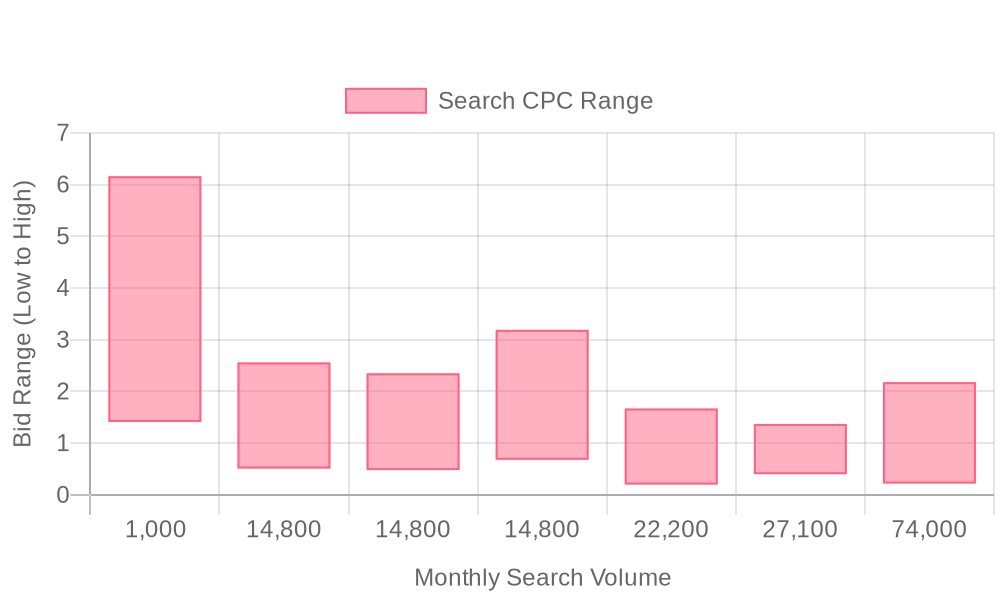
| Industry | Keyword | Monthly Search Volume | Competition Level | Low Bid | High Bid |
| Automotive Equipment | automotive equipment | 1000 | HIGH | 1.41 | 6.16 |
| Automotive Equipment | 4 post car lift | 14800 | HIGH | 0.51 | 2.56 |
| Automotive Equipment | 2 post car lift | 14800 | HIGH | 0.48 | 2.35 |
| Automotive Equipment | car diagnostic tool | 14800 | HIGH | 0.68 | 3.19 |
| Automotive Equipment | car lift for garage | 22200 | HIGH | 0.2 | 1.67 |
| Automotive Equipment | air compressor for car | 27100 | HIGH | 0.4 | 1.37 |
| Automotive Equipment | car lift | 74000 | HIGH | 0.22 | 2.18 |
B2B revenue teams in the automotive equipment sector need a keyword strategy that targets decision-makers at the moment they express clear intent. By aligning search terms with the unique needs of procurement officers, fleet managers, and technical buyers, campaigns capture high-value opportunities before competitors are even aware of them. This approach leverages the intent signals embedded in searches like "precision vehicle parts supplier," "equipment promotions for dealerships," or "lease options for heavy duty lifts," connecting sales-driven organizations to buyers with urgent requirements.
Precision targeting elevates campaign efficiency by moving beyond surface-level demographics and focusing on real-time activity. Marketers gain an edge by pinpointing organizations and individuals visiting key product or technical pages, enabling immediate responses to warm leads. With advanced identification, teams can reallocate budget dynamically, prioritizing major accounts that show heightened buying signals such as repeat visits or engagement with specification sheets. This means ad spend is continually optimized to attract leads that matter most, driving better conversion rates and shortening the sales cycle.
A successful Google Ads strategy for automotive equipment leverages measurable ROI by blending digital signals with offline milestones. For example, by integrating CRM and call tracking data, teams can attribute revenue not just to form fills, but to completed equipment demos or signed contracts. This level of insight clarifies which keywords and ads drive the highest business value, allowing ongoing optimization of every touchpoint. Channel synergy is achieved when these insights inform campaigns across display, video, and social media, reinforcing brand presence and supporting multi-step B2B journeys. For a comprehensive overview of automotive digital advertising strategies, explore this automotive ads guide. Marketers can then deploy remarketing to re-engage stakeholders who have entered the pipeline, ensuring that messaging evolves as prospects progress from research to purchase decision.
Step-by-Step Campaign Execution Framework
Step 1: Build Targeted Keyword Lists
Successful Google Ads for automotive equipment campaigns start with keyword lists engineered around service types and refined using location-specific modifiers. Precision clustering lets marketers tap into intent-rich searches, such as “heavy equipment repair Houston” or “OEM hydraulic parts Los Angeles,” reducing wasted impressions and elevating lead quality. For in-depth tactics on automotive digital advertising, explore this comprehensive overview of automotive digital advertising strategies. By prioritizing long-tail keywords, teams capture more motivated buyers while keeping CPCs competitive. Negative keyword filters are essential for excluding unrelated traffic, such as DIY searches or consumer-focused terms, ensuring the budget is invested only in commercial leads.
Leveraging modern data platforms, marketers can now pinpoint exactly which companies and decision-makers are searching for high-value equipment. Identifying anonymous website visitors and layering in firmographic data means high-priority accounts can be retargeted with higher bids or bespoke offers. As audience pools evolve, dynamically updated segments keep campaigns focused on those progressing through research and evaluation, making every keyword dollar actionable.
The upgrade most automotive equipment advertisers miss is going beyond raw keyword volume to layer in intent and identity signals. By connecting website-visitor data and CRM records with Sona Marketing Measurement, you can see which specific search terms bring in the accounts and customers that actually convert, and weight your keyword and bidding strategy toward those rather than the terms with the highest search volume alone.
Step 2: Develop Compelling Ad Copy
Compelling ad copy for the automotive equipment industry goes beyond generic value propositions. Messaging must reflect the specific pain points and requirements of each audience segment, whether targeting fleet managers concerned about downtime or procurement teams seeking compliance certifications. Clear, benefit-driven headlines like “Reduce Fleet Downtime with Certified Hydraulic Lifts” resonate much more than bland statements, while structured snippets showcasing ISO or OEM certifications drive credibility. For actionable ad creative examples, review real-world Google Ads success in automotive.
Marketers can further refine messaging by monitoring in-market behaviors and tailoring offers in real time. When a high-intent account starts evaluating product specs or downloads a whitepaper, ad copy can automatically highlight relevant case studies or limited-time financing options. This adaptive approach not only boosts engagement but also accelerates the path from click to qualified lead, increasing overall conversion rates.
Step 3: Design Effective Landing Pages
Landing page experiences must be meticulously matched to ad groupable offers to ensure continuity and relevance. When a campaign promises a quote on bulk transmission components, the landing page must deliver a frictionless process for requesting that quote, complete with detailed product information and transparent pricing options. For best practices on increasing conversion rates, see tips for optimizing PPC landing pages for automotive. Including trust elements, testimonials from industry peers, compliance badges, or mini case studies, reduces buyer hesitation and reinforces the brand’s authority in automotive equipment.
The integration of data enrichment tools allows marketers to personalize landing pages for returning prospects based on prior engagement. For example, visitors from key accounts can see pre-populated forms or content tailored to their segment, drastically improving submission rates. This alignment between ad and landing experience not only addresses conversion drop-off but also enhances the overall quality of leads entering the pipeline.
Step 4: Implement Data-Driven Optimizations
Continuous optimization is non-negotiable in high-competition sectors like automotive equipment. Marketers must monitor both micro-conversions (such as spec sheet downloads) and macro-conversions (such as demo requests or RFQs), using automated bidding strategies like Max Conversions to direct spend to the highest-performing segments. To understand how Google Vehicle Ads are shaping the market, see this analysis of Google Vehicle Ads' impact on the US automotive advertising landscape.
Advanced analytics sync both online and offline conversion data, allowing for smarter, more accurate bidding decisions. When a sales-qualified lead is logged in CRM or a deal is closed offline, real-time data feeds can automatically update audience pools and inform future budget allocation. This feedback loop empowers marketing and sales teams to work from a single source of truth, ensuring every optimization is grounded in actual revenue impact, not just digital form fills.
Sona Marketing Measurement closes the gap between clicks and revenue. It captures every ad click with first-party measurement, then ties that click through UTM capture and ad-platform APIs to the actual record in your CRM, and reports ROAS by keyword and campaign instead of by last-click form fill. Feeding that revenue signal back into Smart Bidding and Performance Max compounds over time: the algorithms optimize toward booked automotive equipment revenue, not cheap leads.
Tips on Expanding Your Automotive Equipment Presence
Expanding your automotive equipment presence demands a blend of technical acumen and audience intelligence. By integrating targeted digital tactics, brands unlock higher engagement and sustainable revenue growth.
Promoting educational materials through retargeting campaigns is a proven way to support engagement initiatives. Sharing technical guides, product demos, and industry whitepapers keeps your brand top-of-mind while cultivating more informed prospects. When retargeting, real-time visitor identification allows you to recognize high-value organizations returning to your site, not just anonymous clicks. This empowers marketers to deliver granular, relevant educational assets to those accounts most likely to convert.
Upselling becomes more effective when segmented lists are formulated from CRM insights. By syncing enriched audience segments, such as previous buyers of diagnostic tools or those interested in heavy machinery, directly into ad platforms, you can serve personalized offers that reflect each segment’s buying history. These campaigns consistently outperform generic upsell efforts, driving higher average order values and improving retention.
Fostering growth in new locales requires campaigns tailored to local demand nuance. Automotive equipment needs can vary widely based on geography, such as regional regulations or infrastructure projects. By analyzing geographic performance data, marketers can deploy campaigns that reflect specific market conditions, from city-based service ads to rural heavy equipment promotions. For a comprehensive playbook on PPC strategy tailored to heavy equipment, see this strategic guide for dealers.
Leveraging trend data for content creation guarantees alignment with real-time market dynamics and audience behavior. Monitoring industry search trends, seasonal demand spikes, and competitor activity allows for content and campaign strategies that anticipate what buyers need next. Marketers who embed trend analysis into their workflow consistently see better performance from both paid and organic channels, as content stays relevant and actionable for every stage of the buyer journey.
Mastering Google Ads for Automotive Equipment means building a responsive, data-driven engine that supports every part of your go-to-market strategy. Addressing slow follow-up or weak visibility early ensures you capture quality leads ready to convert. For step-by-step guidance on automotive PPC, refer to this guide to automotive PPC advertising.
Beyond Google Ads: Winning the AI Answers Automotive Equipment Buyers Now Trust
Paid search captures demand at the moment someone types a query. But a fast-growing share of automotive equipment buyers no longer start at Google at all, they ask ChatGPT, Gemini, or Perplexity before they ever run a search, and Google's own AI Overviews increasingly summarize an answer above the traditional results. If your business isn't referenced in those AI answers, you're invisible at the exact moment buyers build their shortlist.
Sona AI Visibility shows where your business shows up across ChatGPT, Gemini, Perplexity, Google AI Overviews, and 10+ engines, and, much like a keyword report, which prompts actually send you buyers, so you can prioritize the ones that convert. Run the two together and you cover the entire buyer path: get cited where buyers research (AI Visibility), then prove which of that demand turns into booked revenue (Marketing Measurement).
Helpful resources
Conclusion
The equipment buyers researching lifts, diagnostics, and fleet parts today are also the ones asking AI assistants for recommendations tomorrow. Automotive equipment advertisers who pair precise Google Ads targeting with company-level identification and revenue attribution now will be the ones with clean data to feed both Smart Bidding and the AI engines buyers consult next. Start building that foundation before the rest of the market catches up.
To experience a new level of data-driven marketing insight, get started for free with Sona and see how the platform sharpens targeting and measurement for your automotive equipment campaigns.
FAQ
What are the best practices for Google Ads in the automotive sector?
Best practices include aligning Google Ads with broader marketing objectives, implementing targeted keyword and audience strategies, optimizing ad creatives and landing pages, and continuously integrating channel data for a holistic view of performance.
How can I optimize my Google Ads for automotive equipment?
To optimize Google Ads for automotive equipment, focus on precise targeting with keywords and audience strategies, align ad creatives with buyer needs, and use data-driven tactics for continuous improvement in cost-per-lead and conversion rates.
What budget should I allocate for Google Ads in automotive equipment?
Budget allocation should reflect true market demand and be directed towards high-value segments identified through precise audience segmentation and keyword strategy, ensuring every dollar supports conversions and revenue goals.
What targeting options are available for automotive equipment ads?
Targeting options include using advanced audience segmentation based on business type and intent signals, enabling precise delivery of messaging to decision-makers like procurement officers and fleet managers.
How do I measure the success of my Google Ads campaigns for automotive equipment?
Success is measured by integrating Google Ads data with CRM systems to track conversions from ad clicks to offline sales, ensuring a clear attribution of revenue to specific campaigns and continuous optimization based on real-time data.







