


Wholesale floral distributors rarely lose deals to competitors with better flowers, they lose them to slower follow-up. A buyer searching for bulk peonies or a standing order program is often comparing three suppliers within the hour, and whichever rep replies first tends to win the account. Google Ads gives wholesale florists a way to catch that buyer at the exact moment they're searching, and to route the inquiry to the right person before the window closes.
How to Generate Google Ads for Wholesale Florists: A Step-by-Step Guide
Wholesale florists operate within a complex B2B landscape, where capturing decision-makers in real time can set the stage for sustained growth. Streamlined digital marketing paired with precise audience intelligence enables floral distributors to generate qualified leads, accelerate sales cycles, and fuel wholesale florist business growth.
A high-performing Google Ads strategy is built on a clear framework: define your objectives, align keyword targeting to B2B buyer intent, and ensure every touchpoint from ad creative to CRM integration is optimized for engagement and conversion. For wholesale florists, this means focusing on high-value inquiries, not just clicks, and using advanced data flows to surface and nurture the right accounts at the right moment.
- Goal setting for high-value leads: Begin by establishing concrete conversion goals directly tied to your sales pipeline, such as wholesale application completions or quote requests. Connecting ad platforms to your CRM systems allows for instant lead capture and prioritization, so your team can follow up with in-market buyers while intent is highest. This direct integration eliminates lost opportunities and ensures every marketing dollar is tied to revenue growth.
- Wholesale-specific keyword targeting: Build your campaigns around search terms that reflect the unique needs of commercial buyers. Focus on long-tail keywords like "bulk flower supplier," "wholesale roses for events," or "commercial floral distributor" to attract high-fit prospects. Regularly analyze search behavior to refine your keyword lists, and use negative keywords to filter out retail traffic, keeping your budget focused on meaningful B2B engagement.
- Landing page and creative alignment: Ensure your Google Ads creative and landing pages are tailored for wholesale intent, highlighting volume pricing, logistics capabilities, and industry certifications. Optimized landing pages with embedded lead forms or RFQ options drive conversions and make it easy for business buyers to take the next step. Sona's Identity Resolution lets you personalize ad journeys based on company, job title, or buying stage, further increasing conversion rates. For a step-by-step walkthrough of launching effective Google Ads campaigns for flower shops, see this guide to Google Ads for flower shops.
- ROI-driven conversion tactics: Implement robust conversion tracking to measure the true impact of your campaigns, including both online and offline sales activities. Use real-time analytics to identify which ads, keywords, and audiences generate the highest value leads. Automated attribution connects ad spend to closed deals, supporting smarter budget allocation and continuous improvement.
- Cross-channel data integration: Support your Google Ads program by syncing audiences and conversion data across all sales and marketing platforms. With cross-system integrations, B2B florists can update audiences in Google Ads as prospects move through the funnel, trigger retargeting campaigns based on CRM activity, and optimize bids for accounts showing in-market signals. This closes the loop between digital marketing and revenue, with Sona's Intent Signals keeping every interaction tracked and optimized for scale.
Ready to put these strategies into action? Get started for free with Sona.
Why Does Google Ads Matter for Wholesale Florists?
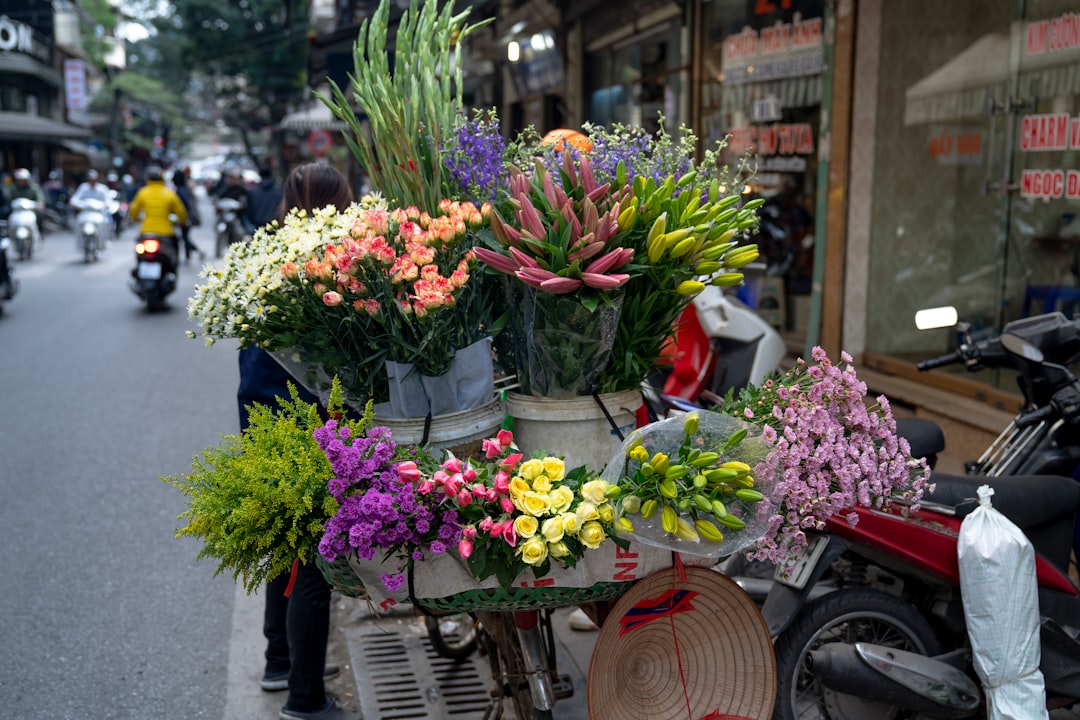
Wholesale florists operate in a market where efficient demand capture and relationship-based selling drive profitability. Google Ads enables these businesses to intercept high-value, in-market buyers at the precise moment they are searching for bulk floral supplies, ensuring that ad spend is focused on audiences with the strongest purchase intent. For a step-by-step approach on campaign setup and optimization, review this guide to launching Google Ads campaigns for flower shops.
- Target high-intent buyers: Search terms like 'wholesale flower distributor' or 'bulk floral supplier for weddings' signal a buyer with a purchase order, not someone browsing a bouquet for a birthday. Bidding on that language, and excluding retail-leaning queries, lets you spend against event planners, grocery chains, and corporate accounts placing recurring or large one-time orders. Sona's Audiences tool builds real-time, signal-based segments so outreach reaches those buyers directly.
- Acquire lucrative contracts: Retargeting capabilities make it possible to follow up with decision-makers who previously visited your site or engaged with product pages. These retrospective ads keep your brand top of mind while nurturing complex, high-margin deals through longer B2B sales cycles. Learn more about intent-driven retargeting campaigns to drive high-impact results.
- Capitalize on peak buying windows: Florist businesses often experience surges in demand around holidays and wedding seasons. Google Ads, when synchronized with inventory and sales data, allows you to shift budget and messaging dynamically to capture spikes in search volume, driving rapid order fulfillment. Track every key touchpoint and optimize campaign timing with Sona's buyer journey insights.
- Expand into new markets: Geo-targeting within Google Ads helps wholesale florists test and penetrate underserved regions. Real-time performance metrics identify which locations generate the most qualified leads, guiding expansion strategies and regional sales initiatives. For additional strategies, explore case studies on digital marketing growth in floristry.
- Unify marketing and sales data: Integrated analytics bridge the divide between online campaign actions and offline sales conversations. This holistic view empowers revenue teams to accurately attribute new business to specific ad campaigns, refine future targeting, and optimize the entire go-to-market motion. For frameworks and best practices, see our guide on measuring marketing’s influence on the sales pipeline.
Ready to elevate your wholesale florist business? Get started for free with Sona.
Common Types of Google Ads Campaigns for Wholesale Florists
Beyond these formats, Performance Max campaigns are worth testing once you have enough conversion data: they let Google's automation blend Search, Display, and other inventory to chase your highest-value wholesale accounts across channels from a single campaign.
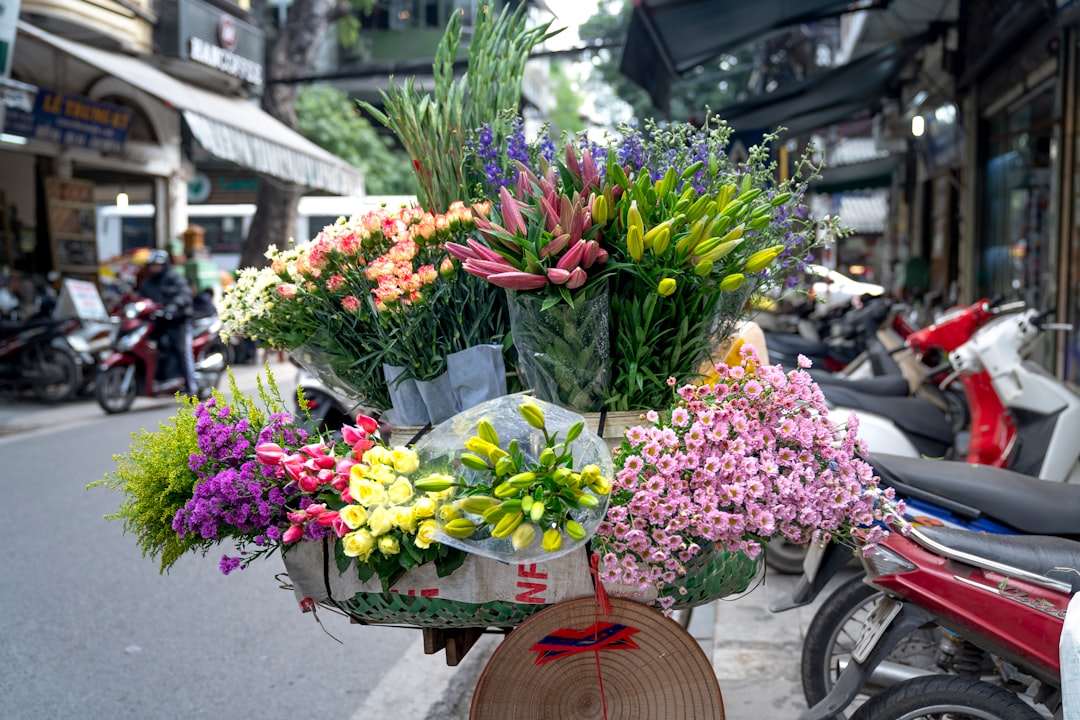
- Search Campaigns: Wholesale florists can capture high-intent commercial buyers at the critical moment they are searching for bulk floral supply, specialty arrangements, or event solutions. By layering CRM-driven insights and buyer profile data, marketers can prioritize bidding on keywords that are more likely to convert into qualified leads, maximizing efficiency during seasonal demand spikes and after offline campaigns generate new inquiries.
- Display Ads: Maintaining visibility with industry stakeholders, such as event planners, boutique retailers, and corporate buyers, requires consistent brand presence across relevant industry websites. Interest-based targeting elevates relevance, ensuring that display ads appear alongside content frequented by decision makers. Integrating unified first-party data enables dynamic creative adjustments and precise audience segmentation, keeping your brand top-of-mind as B2B prospects progress through longer consideration cycles. For a comprehensive overview of how florists can benefit from Google Ads, review this Google Ads setup guide for florists.
- Video Ads: For wholesale florists, video ads offer a powerful medium to demonstrate logistics capabilities, showcase large-scale floral arrangements, and communicate quality standards to procurement teams. This format builds credibility, especially when marketers use engagement data to retarget viewers who watch key product demonstrations or testimonials, guiding them further down the funnel with tailored follow-up offers.
- Remarketing: Re-engaging site visitors and prospects who abandoned inquiry forms is essential in the wholesale space, where sales cycles are longer and multiple stakeholders influence purchasing decisions. Remarketing lists can update in real time as leads engage with product pages or request quotes, allowing marketers to deliver highly relevant messaging that reflects a prospect's latest actions and stage in the buying journey. To explore more B2B marketing strategies, visit our blog on marketing analytics.
- Assets: Ad assets (formerly called extensions) provide critical context, such as business hours, direct contact information, and verified customer reviews, helping establish trust and credibility with B2B buyers. By connecting CRM and ad platforms, marketers ensure that details like sales team availability, location-specific contacts, and seasonal promotions remain accurate and current, reducing friction and increasing inquiry conversion rates. If you're ready to unlock advanced targeting and automation, get started for free with Sona.
Finding Growth Opportunities for Wholesale Florists
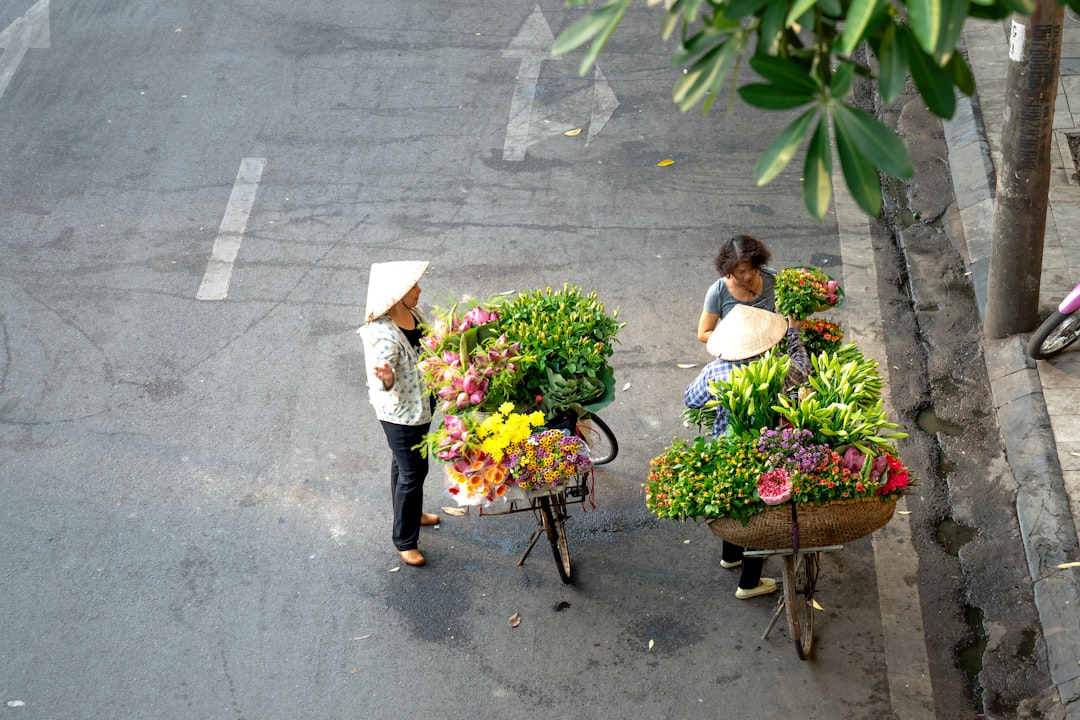
Wholesale florists can unlock new revenue channels by refining how they target, engage, and convert B2B buyers across digital platforms. Reaching the right audience starts with vertical keyword targeting to connect with floral professionals, event planners, and bulk buyers actively searching for specialized supplies or services. By focusing on keywords like "bulk wedding flowers" or "wholesale preserved roses," campaigns align messaging with buyer intent, capturing high-value prospects at critical decision points. This targeted approach avoids wasted spend on low-potential queries and ensures every click advances pipeline growth. For practical tips on leveraging Google Ads specifically for florists, see using Google Ads to market your flower shop website.
Competitor analysis remains essential for discovering untapped engagement opportunities. Reviewing search terms and ad placements used by industry peers helps identify neglected segments or emerging trends, such as the growing demand for eco-friendly floral options. By mapping these gaps, wholesale florists can craft differentiated digital strategies that outmaneuver competitors and win share in crowded markets. Sophisticated platforms now offer company-level identification and in-market intent signals, allowing marketers to see which accounts engage with competitor content and shift budget toward high-converting opportunities instantly.
Industry placements bring wholesale florists directly into the conversations that matter most. Advertising on trade forums, association websites, and B2B directories puts brands in front of decision-makers already seeking floral suppliers or event partners. These placements not only drive immediate lead generation but also reinforce authority within niche segments. When integrated with dynamic audience management, marketers can track which industry placements yield the most engagement and automatically adjust targeting as accounts progress through the sales funnel.
How to Apply Audience Segmentation in Google Ads for Wholesale Florists
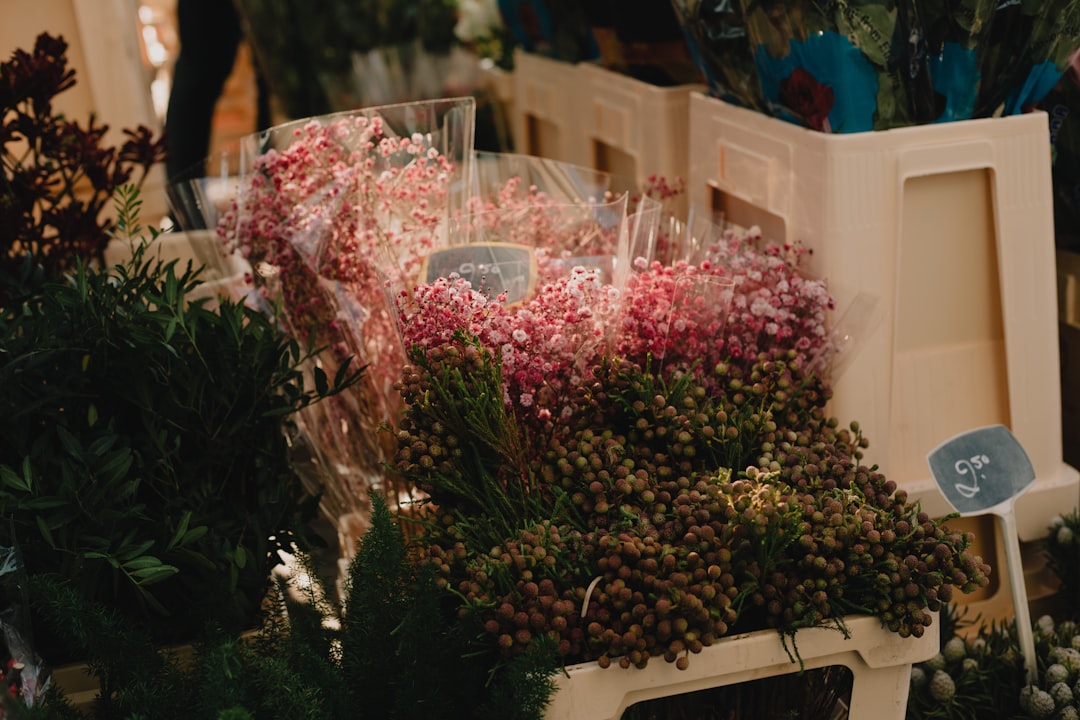
Wholesale florists excel when campaigns address the real differences between their B2B and direct consumer buyers. Precision audience segmentation in Google Ads ensures every touchpoint is relevant, efficient, and measurable, fueling higher engagement and more qualified leads. For additional strategies on segmentation and campaign optimization, explore our B2B marketing analytics blog.
- Define Segments: Wholesale florists serve a diverse audience that includes independent retailers, event planners, and, at times, direct consumers. Segmenting these groups allows marketers to tailor messaging, offers, and value propositions to each, improving both relevance and conversion rates. For example, retailers may prioritize volume discounts and consistent supply, while event planners require flexibility and specialty blooms for unique occasions. Use Sona’s Audiences tool to build real-time, intent-based segments for tailored outreach.
- Overlay Intent Signals: To truly optimize Google Ads for Wholesale Florists, Sona surfaces intent signals that help distinguish between buyers seeking large, recurring shipments and those with seasonal or one-off needs. Leveraging behavioral data, such as search terms like "bulk peonies for weddings" or "wholesale florist for events", enables ads to surface only when buyers demonstrate high commercial intent. Marketers can dynamically raise bids or shift budgets to accounts showing strong purchase signals, resulting in a more qualified pipeline.
- Create Ad Groups by Segment: Structuring ad groups around core buyer segments empowers florists to craft ad copy and offers that speak directly to each audience’s needs. Retailers might see ads promoting standing order programs, while event planners receive messaging around last-minute availability or custom sourcing. This tailored approach increases engagement and conversion rates by presenting the right solution at the right moment. Dynamic audience updating also allows ongoing refinement as leads progress through the funnel, ensuring touchpoints remain relevant as intent evolves.
- Validate Conversion Paths: Wholesale success relies on seamless handoff from marketing to sales. Integrating Google Ads with CRM and sales engagement tools enables real-time syncing of enriched leads and account activity back into Google Ads. This ensures every conversion, form fill, call, or catalog request, triggers timely, personalized follow-up from the sales team. Advanced attribution models connect digital touchpoints to offline sales, revealing true campaign ROI and enabling continuous improvement across the entire customer journey.
Want to see how these tactics drive results for your wholesale flower business? Get started for free with Sona.
This is also where measurement changes the economics. With Sona Marketing Measurement you can identify the companies behind your ad clicks, not just anonymous sessions, and segment audiences by who actually becomes a customer. That lets you build bid adjustments and audience signals around the segments that convert and de-prioritize the ones that don't, so you feed Google's algorithms "this click became a paying wholesale florists customer" instead of just "someone filled out a form."
Keyword Strategy & Sample Target Terms
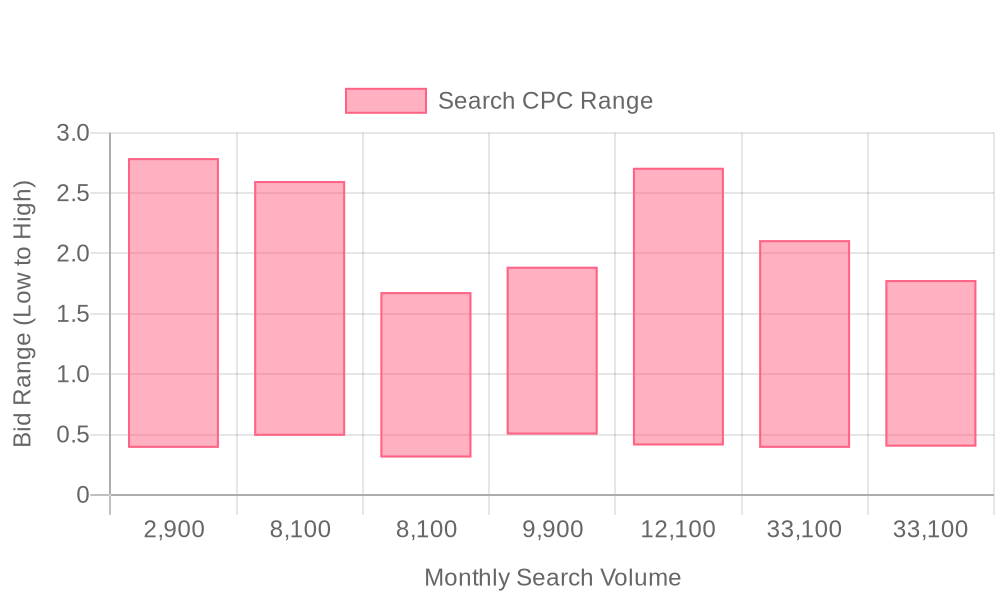
| Industry | Keyword | Monthly Search Volume | Competition Level | Low Bid | High Bid |
| Wholesale Florists | bulk flowers online | 2900 | HIGH | 0.39 | 2.79 |
| Wholesale Florists | wholesale florists | 8100 | HIGH | 0.49 | 2.6 |
| Wholesale Florists | fake flowers in bulk | 8100 | HIGH | 0.31 | 1.68 |
| Wholesale Florists | silk flowers wholesale | 9900 | HIGH | 0.5 | 1.89 |
| Wholesale Florists | bulk flowers | 12100 | HIGH | 0.41 | 2.71 |
| Wholesale Florists | wholesale flowers | 33100 | HIGH | 0.39 | 2.11 |
| Wholesale Florists | wholesale flowers near me | 33100 | HIGH | 0.4 | 1.78 |
Selecting the right keywords is foundational for any Google Ads for Wholesale Florists initiative. Wholesale floral buyers typically use highly specific, intent-driven search terms such as "wholesale flower delivery," "bulk flower discounts," and "commercial floral supply," making long-tail keywords essential for capturing high-value B2B demand. For a step-by-step breakdown on launching effective campaigns, review this guide to Google Ads for flower shops. This approach not only increases the relevance of your ads but also reduces wasted spend on broad, low-converting clicks. By drilling down into niche product categories and order types, marketers can attract event planners, retailers, and other professionals who are ready to buy in volume.
Incorporating local modifiers like city names or regional descriptors further refines your reach, ensuring your ads appear for searches such as "wholesale roses supplier Chicago" or "bulk tulips Los Angeles." These geographic cues help wholesale florists position themselves as accessible partners for local businesses, driving qualified traffic that is more likely to convert due to proximity and logistical convenience. As campaign data accumulates, real-time intent signals allow dynamic allocation of budget toward high-performing markets, maximizing ROI and minimizing inefficiencies.
A robust negative keyword list is indispensable for filtering out irrelevant traffic, terms like "DIY bouquet," "wedding flower ideas," or "cheap flower delivery" often attract retail customers rather than wholesale buyers. By actively excluding these phrases, campaigns maintain focus on commercial opportunities and reduce lead qualification workload for sales teams. Advanced audience and CRM integrations let revenue teams unify search behavior, form submissions, and sales outcomes in a single view, continuously updating target lists as buyers progress from research to purchase. To streamline your targeting and maximize business growth, get started for free with Sona.
Step-by-Step Campaign Execution Framework
Step 1: Build Targeted Keyword Lists
Effective wholesale florist campaigns begin with segmented keyword lists that align with distinct services and buyer intent. Start by identifying high-value phrases such as "wholesale flowers supplier," "bulk roses for florists," or "event flower wholesaler," then layer on local modifiers to capture customers searching within specific markets. Segmenting keywords by product category and region allows for granular budget allocation and more precise ad delivery, ensuring that marketing spend reaches only the most relevant prospects. For a comprehensive how-to on using Google Ads to promote florist websites, review this Google Ads guide for florists.
Refining these lists using search volume data and negative keywords helps filter out retail buyers and low-intent traffic. Marketers who integrate company-level identification and intent signals can further prioritize keywords driving engagement from verified business accounts. For more advanced strategies, explore our playbooks on website visitor intelligence.
The upgrade most wholesale florists advertisers miss is going beyond raw keyword volume to layer in intent and identity signals. By connecting website-visitor data and CRM records with Sona Marketing Measurement, you can see which specific search terms bring in the accounts and customers that actually convert, and weight your keyword and bidding strategy toward those rather than the terms with the highest search volume alone.
Step 2: Develop Compelling Ad Copy
Wholesale florist ads must address the needs of B2B buyers by highlighting pain points such as inventory reliability, pricing transparency, and fast fulfillment. Craft headlines and descriptions that promise solutions, offer volume discounts, or invite prospects to request a custom quote. Incorporating ad extensions, like callouts for "Next-Day Bulk Delivery" or structured snippets for "Available Flower Varieties", provides immediate answers and increases ad visibility. For practical examples on leveraging Google Ads, see these tips to market your flower shop website.
To improve campaign efficiency, marketers can use dynamic audience insights to align ad messaging with where a lead sits in the buying journey. As accounts show intent or progress through the funnel, ad copy can automatically shift from introductory offers to more personalized incentives. This ensures that messaging remains relevant, increasing click-through rates and reducing wasted ad spend.
Step 3: Design Effective Landing Pages
A seamless landing page experience is critical for converting wholesale inquiries. Landing pages must directly reflect the ad promise, featuring product lists, pricing calculators, and FAQs tailored to the wholesale floral buyer. Including interactive tools, such as quote generators or real-time inventory checks, demonstrates immediate value and encourages form submissions.
For revenue teams seeking deeper insight, integrating advanced visitor tracking with landing pages reveals which companies are evaluating your offerings, not just anonymous traffic. This enables instant lead routing into CRM systems, ensuring that high-value prospects receive priority follow-up. For actionable landing page tactics, check out our blog for marketing analytics insights.
Step 4: Implement Data-Driven Optimizations
Continuous improvement is essential in wholesale florist advertising. Leverage Google Ads data to A/B test creatives, landing page layouts, and audience segments, using conversion metrics to refine strategy. Track both online and offline conversions to measure true ROI and attribute sales to the exact keyword, ad, or campaign that drove initial engagement. To see how data-driven optimization can accelerate growth, review the Arena Flowers case study.
Synchronizing enriched leads and custom audiences with Google Ads and CRM tools ensures that revenue teams can coordinate outreach and retargeting efforts in real time. As leads progress or become inactive, audiences update dynamically, allowing for automated nurture campaigns or exclusion from active prospecting lists. This closed-loop optimization not only improves campaign efficiency but also enables smarter budget allocation, maximizing impact across every channel.
Sona Marketing Measurement closes the gap between clicks and revenue. It captures every ad click with first-party measurement, then ties that click through UTM capture and ad-platform APIs to the actual record in your CRM, and reports ROAS by keyword and campaign instead of by last-click form fill. Feeding that revenue signal back into Smart Bidding and Performance Max compounds over time: the algorithms optimize toward booked wholesale florists revenue, not cheap leads.
Expanding Your Wholesale Florist Presence via Google Ads

Wholesale florists increasingly rely on digital channels to extend their reach, and Google Ads stands out for its ability to connect with high-value business buyers at scale. Success depends on orchestrating campaign elements so that every impression, click, and conversion feeds actionable data back into the sales and marketing pipeline. For a step-by-step approach tailored to florists, explore this guide to launching Google Ads campaigns for flower shops.
Cross-promotion through retargeting is especially effective for maintaining engagement with previously interested prospects. By identifying visitors who have interacted with your educational resources, you can deliver timely, relevant ads that nurture consideration and guide wholesale buyers further along their journey. When integrated with real-time audience tools, these retargeting segments reflect current buyer intent and update automatically as leads progress, ensuring that messaging remains personalized and effective.
Leveraging CRM data to upsell related services is a proven method for further capitalizing on established relationships. Syncing enriched customer segments directly into Google Ads campaigns enables you to serve targeted offers, such as seasonal flower varieties or complementary supply services, to accounts with demonstrated purchase history. This approach increases cross-sell revenue while reducing wasted spend on low-fit audiences. Automate this process with Sona Destinations, which keeps ad platforms and CRM data in sync for seamless activation.
Strategic partnerships with industry associations open new avenues for traffic acquisition and brand credibility. Running co-branded Google Ads campaigns with trusted organizations exposes your business to curated, high-intent audiences that are already primed for B2B floral transactions. To see how partnerships and digital advertising fuel growth, review this Arena Flowers case study.
Localizing campaigns by region allows wholesale florists to expand market share and address the unique needs of different geographic territories. Fine-tuned regional targeting ensures your ads appear to the right buyers, factoring in delivery logistics, local demand patterns, and competitive dynamics. With robust data and conversion tracking in place, you can monitor performance by region and rapidly reallocate budget to the highest-return markets.
Beyond Google Ads: Winning the AI Answers Wholesale Florists Buyers Now Trust
Paid search captures demand at the moment someone types a query. But a fast-growing share of wholesale florists buyers no longer start at Google at all, they ask ChatGPT, Gemini, or Perplexity before they ever run a search, and Google's own AI Overviews increasingly summarize an answer above the traditional results. If your business isn't referenced in those AI answers, you're invisible at the exact moment buyers build their shortlist.
Sona AI Visibility shows where your business shows up across ChatGPT, Gemini, Perplexity, Google AI Overviews, and 10+ engines, and, much like a keyword report, which prompts actually send you buyers, so you can prioritize the ones that convert. Run the two together and you cover the entire buyer path: get cited where buyers research (AI Visibility), then prove which of that demand turns into booked revenue (Marketing Measurement).
Helpful resources
Conclusion
The wholesale florist accounts worth chasing, the ones placing standing orders for a hotel chain or sourcing flowers for a wedding season surge, are increasingly researching suppliers before they ever type a query into Google. Winning them means showing up in the search results and in the AI answers they consult first, then proving which of those touchpoints actually closes. That combination, not a bigger keyword list, is what separates florists who scale wholesale accounts from those still chasing retail-sized clicks.
To take your advertising strategy further, start for free and see the platform firsthand.
FAQ
What are the best practices for Google Ads for wholesale florists?
Best practices include defining clear objectives, aligning keyword targeting to B2B buyer intent, optimizing ad creative and landing pages for engagement, and integrating with CRM systems to capture and prioritize leads.
How much should I budget for Google Ads as a florist?
Budget should focus on high-value inquiries rather than clicks, using precise keyword targeting and audience segmentation to ensure ad spend reaches qualified leads and supports revenue growth.
What keywords should I target for my florist Google Ads?
Target long-tail keywords specific to wholesale needs, such as 'bulk flower supplier' and 'wholesale roses for events,' and use negative keywords to filter out retail traffic.
How can I measure the success of my Google Ads campaigns?
Measure success through robust conversion tracking, linking ad spend to closed deals, and using analytics to identify high-value leads and optimize budget allocation.
What are common mistakes to avoid in Google Ads for florists?
Avoid targeting retail traffic, not integrating CRM systems for lead follow-up, and failing to use precise keyword targeting and audience segmentation to focus on high-intent buyers.







