


A shopper who searches "same-day flower delivery" an hour before a funeral or an anniversary dinner is not browsing, they're buying, and the florist who shows up first usually wins the order. Yet retail florists routinely lose these high-intent visitors: someone checks delivery windows or bouquet prices, leaves without calling, and disappears back into the anonymous scroll of the internet. Newer measurement tools now let florists identify the companies and buyers behind that anonymous traffic and fold them back into targeted campaigns. This guide walks through setting up and optimizing Google Ads for retail florists, with practical detail on keyword strategy, campaign structure, and performance tracking.
How to Generate Retail Florist Leads with Google Ads: A Step-by-Step Guide

Retail florists operate in a market where timing decides who gets the order. Success means reaching local buyers at the exact moment they need flowers, whether that's a same-day emergency or a wedding booked months out, with campaigns tuned to seasonal demand and customer intent.
Google Ads for Retail Florist provides a direct route to customers actively searching for flower delivery, event arrangements, or specialty bouquets. Advanced data tools enable teams to unify online and offline engagement insights, ensuring that every marketing dollar is deployed with measurable impact. For actionable strategies on leveraging Google Ads in the floral industry, see this step-by-step Google Ads guide for florists.
- Determine Your Objectives: Begin by clearly defining your campaign goals. Whether your focus is on increasing in-store visits, driving online orders, or expanding brand reach, objectives should align with business growth targets. This clarity informs your budget, ad creative, and targeting tactics throughout the campaign lifecycle. For more on aligning objectives with outcomes, explore measuring marketing's influence on the sales pipeline.
- Conduct Keyword Research: Identify high-intent terms potential buyers are using, such as 'local flower delivery,' 'same-day florist near me,' or 'wedding bouquet shop.' Prioritize keywords with strong commercial intent and incorporate local modifiers to capture geo-targeted searches. Use search volume data to forecast demand, and refine your keyword set over time to maximize relevance and minimize wasted spend. For a guide on structuring your B2B keyword research, review how to calculate TAM, SAM, SOM.
- Set Up Targeted Campaigns: Leverage location and demographic targeting to reach flower enthusiasts in your service area. Campaign structure should reflect the unique delivery zones and product offerings of your business. Dynamic audience segmentation, powered by real-time visitor data, enables you to automatically update target lists as prospects engage or move through the buying journey, ensuring ads are always shown to the right people at the right time.
- Optimize Ad Creative: Craft compelling headlines and descriptions that highlight unique selling points, such as custom arrangements, express delivery, or seasonal specials. Incorporate high-quality visuals to showcase your designs and use ad assets like callouts, sitelinks, and location info to increase visibility and click-through rates. Tailoring creatives for events like Valentine's Day or weddings drives urgency and relevance, while data-driven insights allow for rapid A/B testing and ongoing creative optimization.
- Measure and Adjust: Continuously monitor key performance indicators such as click-through rate, conversion rate, cost-per-click, and overall ROI. Advanced conversion tracking bridges the gap between online interactions and offline sales, enabling attribution of in-store purchases or phone orders back to your ads. By syncing enriched audience data and lead outcomes directly into your CRM and marketing automation platforms, you gain a feedback loop that sharpens targeting and informs campaign adjustments in real time.
- Sharpen Targeting with Visitor Intent Data: Solutions that identify anonymous website visitors and match them to company profiles let marketing teams prioritize spend on high-value accounts, such as event venues or corporate accounts ordering recurring arrangements. Real-time intent tracking enables instant budget reallocation to audiences showing active buying signals, while dynamic audience syncing keeps Google Ads and CRM pipelines aligned with the most current lead data, so campaigns stay sharp as demand shifts.
Ready to modernize your florist lead generation? Get started for free with Sona.
Why Google Ads Matter for Retail Florist Businesses

Retail florists operate in a market where timing and intent decide who gets the sale. Precision targeting through Google Ads lets florists reach people actively searching for arrangements, whether for a same-day delivery or a wedding booked far in advance. By leveraging audience insights and advanced visitor identification, marketers can move past raw traffic counts to identify the companies and buyers behind a visit. That granularity keeps campaigns from being wasted on anonymous clicks and turns unknown visits into leads worth following up on.
Seasonal demand in the floral industry is intense but fleeting. Using Google Ads, retail florists can dial up their campaigns to capture peak interest around Valentine's Day, Mother's Day, and major holidays. Real-time intent data enables marketing teams to shift budgets toward high-converting, in-market buyers precisely when engagement is highest, maximizing ROI and reducing wasted ad spend. For actionable tips on attracting more customers with Google Ads, review this guide to marketing your flower shop website.
Comprehensive analytics are the backbone of long-term campaign success. Retail florists track every click, conversion, and customer journey within Google Ads, allowing for continuous refinement of targeting and creative. Integrating advanced conversion tracking, including online and offline attribution, delivers a unified view of which ads drive true revenue. For ongoing insights on optimizing campaign performance, explore our marketing analytics articles.
Synchronizing Google Ads with e-commerce platforms streamlines the buying process for customers and simplifies inventory management for florists. When CRM and ad platforms are tightly integrated, enriched audiences and leads can be synced in real time, ensuring high-intent prospects receive timely offers and personalized messaging. To see how this can elevate your results, book a demo with Sona and experience seamless marketing workflow integration.
Common Types of Google Ads Campaigns for Retail Florist
- Search Campaigns: Search campaigns give retail florists direct access to customers actively searching for floral arrangements, same-day flower delivery, or event bouquets. By targeting high-intent keywords such as "local flower delivery" or "wedding florist near me," shops can intercept buyers right as they express purchase interest. Within Search, Responsive Search Ads let you test multiple headlines and descriptions so Google can surface the combination that performs best for each query. Pairing this with visitor identification and real-time intent data lets revenue teams optimize bids for in-market leads and shift spend to keywords proven to convert, so every click ties back to measurable business value. For additional insights on capturing this demand, explore our marketing analytics blog.
- Display Campaigns: Display campaigns enable florists to maintain a consistent brand presence across popular websites, blogs, and apps frequented by local consumers or event planners. These visually compelling banner ads keep your business top-of-mind, even when buyers are not actively searching. Leveraging dynamic audience segmentation, marketers can update display ad targeting as new leads enter or progress through the sales funnel, maximizing the relevance of each impression.
- Shopping Ads: Shopping ads let florists showcase specific arrangements, pricing, and availability directly within search results. These visually rich placements allow buyers to compare flowers and prices at a glance, driving qualified traffic to product pages. With advanced conversion tracking and CRM integration, florists can attribute sales to individual ad interactions, both online and offline, enabling a complete view of campaign ROI and inventory performance. See a comprehensive guide to Google Ads for florists for more details.
- Remarketing Campaigns: Remarketing campaigns re-engage previous website visitors who browsed bouquets or started checkout but did not complete a purchase, common among shoppers comparing prices before a holiday deadline. Automated audience sync ensures that as leads revisit or interact with new offers, ads follow up seamlessly, reminding them of abandoned carts or special promotions. This approach recaptures interest that would otherwise go cold, and syncing enriched lead data into both ad platforms and CRM systems lets marketers personalize follow-up and lift conversion rates across channels.
Where to Find Growth Opportunities?
Retail florists operate in a dynamic environment where growth hinges on reaching qualified local buyers at the exact moment of need. Maximizing visibility requires a granular approach to keyword selection, campaign targeting, and community engagement, ensuring every marketing dollar delivers measurable return.
- Sector-Specific Keywords: High-performing campaigns begin with identifying unique floral terms and event-driven searches that resonate with the intent of modern buyers. This means incorporating trending phrases like "same-day flower delivery," "wedding floral arrangements," or "Mother's Day bouquets" alongside evergreen keywords. Marketers who unify their keyword data with real-time search trends quickly spot emerging interests and adapt campaigns to seasonal shifts. By integrating advanced audience insights, revenue teams can pinpoint which visitors are actively searching for specialized floral services, allowing them to shift budget toward segments most likely to convert.
- Competitor Analysis: Growth often hides in plain sight, specifically in gaps left by competitors' advertising strategies. A focused analysis of local and national competitors reveals underserved markets, missed keyword opportunities, and creative weak spots. Teams equipped with unified account-level data can identify which companies engage with competitor ads but fail to convert. For practical strategies on using Google Ads, visit this guide to market your flower shop website.
- Community Engagement: Retail florists thrive when they're woven into the fabric of their community. Campaigns that align Google Ads investments with local SEO for florists and event-driven strategies, such as partnerships with wedding venues, charity events, or neighborhood festivals, achieve stronger relevance and trust. Disconnected advertising and SEO efforts create mixed messages, causing confusion and weakening brand authority. Unifying campaign data ensures consistent messaging across all touchpoints, allowing florists to nurture audiences as they move through the funnel and reconnect online or offline. By syncing CRM and ad platforms, marketers can activate dynamic audiences based on real-time engagement and seamlessly measure the impact of local outreach on both digital and in-store sales.
Retail florists that unify their data, sharpen targeting, and invest in community-driven strategy consistently outpace competitors running fragmented campaigns. Connecting visitor intent to campaign execution turns marketing spend into revenue rather than impressions. Get started for free with Sona.
How to Apply Audience Segmentation for Retail Florist
Effective audience segmentation unlocks higher conversion rates and stronger return on ad spend for retail florists. Instead of relying on broad targeting, granular segmentation refines message delivery, increases ad relevance, and ensures marketing investments reach motivated buyers. To stay informed on the latest strategies, explore the retail florist marketing blog for actionable tactics.
- Define Specific Demographics: Segmenting by age, location, and purchasing history is foundational for retail florists. For example, separating urban professionals from suburban families enables distinct creative messaging and budget allocation. Modern segmentation tools allow florists to analyze purchasing trends, identify high-value zip codes, and adjust bids to prioritize neighborhoods with higher delivery demand. Dynamic segmentation can further optimize campaigns as new customer data streams in, keeping audiences fresh and performance-driven. For a detailed walkthrough on using Google Ads for florists, review this step-by-step guide.
- Utilize Intent Signals: Search behavior reveals immediate buying intent, especially around major floral occasions such as weddings, Mother's Day, or Valentine's Day. Retail florists can use search queries, site interactions, and seasonal triggers to build intent-based segments. When analytics platforms surface real-time intent signals, marketing teams can automatically shift spend toward high-converting audiences, such as couples searching for bridal bouquets or last-minute shoppers before a holiday. This capability streamlines the process of identifying and engaging with buyers who are most likely to convert, improving campaign efficiency.
- Create Targeted Ad Groups: Developing campaigns for distinct personas, like brides, event planners, or corporate gifting managers, ensures messaging and offers are highly relevant. Manual audience creation and list management can be labor-intensive and prone to error. Automated audience syncs between CRM and Google Ads platforms remove this friction, keeping targeting lists continuously updated as leads move through the funnel. This automation empowers florists to reach in-market buyers at the right stage, whether they're planning a large event or seeking a last-minute arrangement. Enhanced insights from unified marketing platforms help florists identify patterns, inform creative testing, and allocate budgets with surgical precision.
Technology now lets retail florists move beyond static demographic lists, using real-time audience and intent data for sharper targeting. Integrating enriched audience data and syncing it across ad platforms helps florists reach the right buyers at the right moment, improving PPC results while cutting wasted spend.
This is also where measurement changes the economics. With Sona Marketing Measurement you can identify the companies behind your ad clicks, not just anonymous sessions, and segment audiences by who actually becomes a customer. That lets you build bid adjustments and audience signals around the segments that convert and de-prioritize the ones that don't, so you feed Google's algorithms "this click became a paying retail florist customer" instead of just "someone filled out a form."
Keyword Strategy & Sample Target Terms
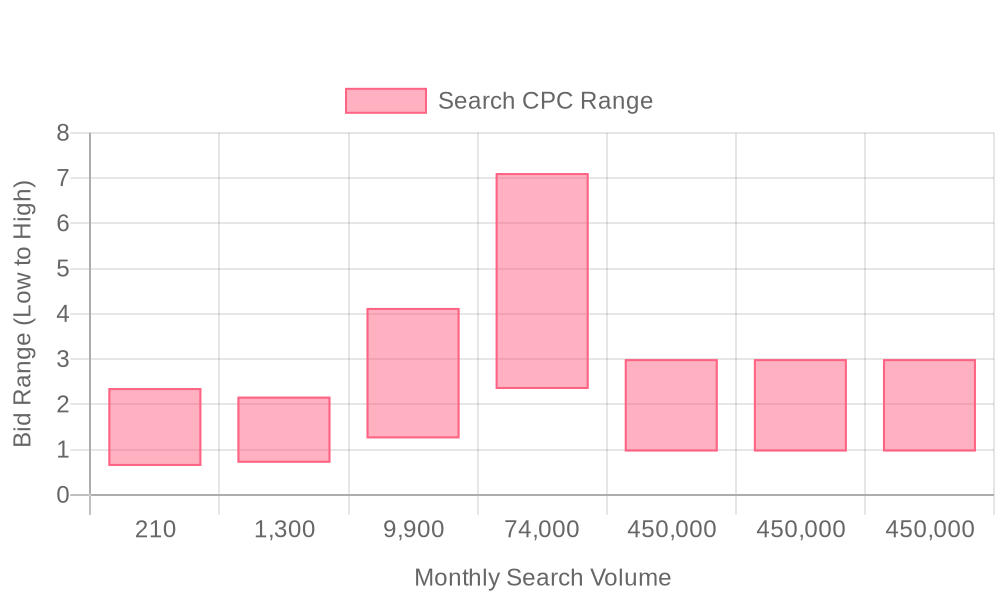
| Industry | Keyword | Monthly Search Volume | Competition Level | Low Bid | High Bid |
| Retail Florist | retail florist | 210 | LOW | 0.64 | 2.36 |
| Retail Florist | bouquet shop near me | 1300 | HIGH | 0.71 | 2.17 |
| Retail Florist | local flower shops near me | 9900 | HIGH | 1.25 | 4.13 |
| Retail Florist | flower shops near me that deliver | 74000 | HIGH | 2.34 | 7.11 |
| Retail Florist | flower shop near me | 450000 | HIGH | 0.96 | 3 |
| Retail Florist | floral shops near me | 450000 | HIGH | 0.96 | 3 |
| Retail Florist | shop flowers near me | 450000 | HIGH | 0.96 | 3 |
Effective keyword selection is the backbone of high-performing Google Ads for retail florists. Precision in keyword targeting ensures every dollar spent is directed toward prospects with genuine purchase intent, driving both online and in-store flower sales. Explore more marketing analytics and B2B growth strategies to bolster your florist campaigns.
- Primary Keywords: Focus on terms like "Google Ads for flower shops" and "online marketing for florists." These keywords consistently attract users actively searching for floral products and services, positioning your ads in front of a relevant, purchase-ready audience.
- Local Modifiers: Incorporate location-based modifiers such as "near me" or specific city names to capture high-intent, geographically targeted searches. For example, "florist near me" or "best flower delivery in Austin" ensures ads are visible to users most likely to convert. Advanced platforms like Sona's Identity Resolution help marketers understand visitor location patterns, supporting hyper-local ad delivery and improved attribution.
- Seasonal Keywords: Target event-driven and holiday-based searches like "Mother's Day flower delivery" or "wedding bouquet florist near me." These terms surge in volume during peak seasons, providing a timely opportunity to increase visibility and maximize ROI. By monitoring real-time intent signals, teams can dynamically allocate budget to campaigns aligned with upcoming occasions, ensuring relevance and driving higher conversion rates.
- Apply Negative Keywords: Mitigate wasted spend by filtering out irrelevant traffic with negative keywords such as "DIY flower arranging" or "artificial flowers." Regularly refining your negative keyword list ensures ads are served only to qualified prospects. Modern platforms streamline this process by providing ongoing insights into which queries drive low-value clicks, helping teams optimize for efficiency and effectiveness.
Step-by-Step Campaign Execution Framework
Step 1: Build Targeted Keyword Lists
Precise keyword targeting forms the foundation of any profitable Google Ads strategy for retail florists. Start by identifying high-intent phrases such as "fresh flowers delivery," "bridal flower arrangements," "same-day floral gifts," and region-specific terms. These keywords capture both transactional intent and local relevance, which is critical for flower shops seeking to intercept buyers ready to place an order. To explore more strategies for attracting customers, review this Google Ads guide for flower shops.
To further refine targeting, advanced platforms allow marketers to connect visitor identification data with search behavior. This integration pinpoints which companies and decision makers are engaging with top-converting search queries, enabling revenue teams to continuously update keyword lists based on real-time market demand and shifting buyer interests. As a result, florists gain the ability to prioritize spend on keywords that actually drive qualified leads, rather than relying on static keyword sets. For ongoing insights on optimizing your marketing approach, visit our blog.
The upgrade most retail florist advertisers miss is going beyond raw keyword volume to layer in intent and identity signals. By connecting website-visitor data and CRM records with Sona Marketing Measurement, you can see which specific search terms bring in the accounts and customers that actually convert, and weight your keyword and bidding strategy toward those rather than the terms with the highest search volume alone.
Step 2: Develop Compelling Ad Copy
Effective ad copy for florists focuses on immediate value, such as seasonal specials ("Mother's Day Bouquet Sale") or exclusive offers ("Free Delivery This Week"). Use customer testimonials that highlight satisfaction and reliability to build trust in a highly competitive market. Strong calls-to-action, like "Order Now for Same-Day Delivery," increase urgency and conversion rates by addressing what matters most to flower buyers: freshness and speed.
When audience segments are dynamically synced from CRM and website activity, ad copy can be tailored to each customer lifecycle stage. For example, new visitors see first-time buyer discounts, while returning customers receive loyalty perks. This alignment between CRM data and ad messaging results in highly personalized experiences, improving both click-through and conversion rates. Explore more actionable tactics in our playbooks.
Step 3: Design Effective Landing Pages
Landing pages are often the make-or-break moment for PPC advertising for flower shops. Ensure seamless navigation from ad click to checkout by reducing friction: use clear layouts, prominent "Shop Now" buttons, and minimal distractions. Showcase high-resolution floral imagery and highlight promotional offers above the fold to immediately engage visitors.
For maximum impact, sync landing page content with real-time campaign data. For instance, if a visitor clicks on an ad for "bridal flower arrangements," the landing page displays wedding collections, testimonials from bridal clients, and relevant seasonal offers. Integrating audience and conversion data lets teams test and optimize landing pages to lift both lead quality and conversion rates.
Step 4: Implement Data-Driven Optimizations
Continuous campaign improvement relies on deep analytics. Monitor performance metrics such as click-through rate, conversion rate, and average order value. Use real-time insights to adjust bids, budgets, and keyword priorities, ensuring investment flows to the highest-performing segments and ad groups. For a comprehensive how-to, see this Google Ads florist optimization guide.
Unified data platforms streamline attribution by combining online and offline conversion tracking, attributing revenue to specific ads and keywords. This online/offline attribution helps revenue teams measure the true ROI of their Google Ads spend and quickly reallocate funds to high-performing campaigns. By automatically syncing enriched audience data with tools like Google Ads and Salesforce, florists can maintain accurate, actionable reporting and unlock new growth opportunities in online marketing for florists.
Sona Marketing Measurement closes the gap between clicks and revenue. It captures ad clicks with first-party measurement, then ties that click through UTM capture and ad-platform APIs to the actual record in your CRM, and reports ROAS by keyword and campaign instead of by last-click form fill. Feeding that revenue signal back into Smart Bidding and Performance Max compounds over time: the algorithms optimize toward booked retail florist revenue, not cheap leads.
Tips on Expanding Your Retail Florist Presence
Expanding a retail florist business takes more than beautiful arrangements: it takes a data-driven approach to customer engagement and targeted outreach. Precision on digital channels lets florists capture high-intent buyers, whether they're planning a wedding months out or ordering same-day sympathy flowers, and convert fleeting online interest into repeat business. Using Sona's Identity Resolution, you can reveal which companies are visiting your website, turning anonymous traffic into qualified opportunities.
- Utilize Social Proof: Embedding authentic customer reviews and showcasing high-resolution images in your digital ads builds immediate trust and credibility. This approach not only increases click-through rates but also elevates conversion rates by reducing purchase anxiety. When integrated with advanced visitor identification tools, florists can pinpoint which segments respond best to specific creative assets, optimizing ad spend toward high-converting audiences. Explore more practical insights in our marketing analytics blog.
- Partner with Influencers: Partnering with local event planners and wedding organizers enables florists to tap into new networks and audiences, often at key decision-making moments. These collaborations drive word-of-mouth marketing and create opportunities for co-branded content in both paid and organic channels. By syncing CRM contact lists and partner leads with advertising platforms, retail florists ensure their campaigns reach verified, engaged prospects, making influencer partnerships even more actionable and measurable through Sona's Destinations.
- Experiment with Video Ads: Showcasing the artistry behind floral arrangements through video content captures attention and inspires action, especially among visually-driven shoppers. Consistent retargeting of viewers maintains engagement, nurturing leads until they are ready to purchase. For a step-by-step visual guide, watch this Google Ads setup tutorial for florists. Dynamic audience features keep these retargeting lists fresh, automatically updating as potential customers interact with your brand across channels, ensuring no high-intent lead slips through the cracks.
Beyond Google Ads: Winning the AI Answers Retail Florist Buyers Now Trust
Paid search captures demand at the moment someone types a query. But a fast-growing share of retail florist buyers no longer start at Google at all, they ask ChatGPT, Gemini, or Perplexity before they ever run a search, and Google's own AI Overviews increasingly summarize an answer above the traditional results. If your business isn't referenced in those AI answers, you're invisible at the exact moment buyers build their shortlist.
Sona AI Visibility shows where your business shows up across ChatGPT, Gemini, Perplexity, Google AI Overviews, and 10+ engines, and, much like a keyword report, which prompts actually send you buyers, so you can prioritize the ones that convert. Run the two together and you cover the entire buyer path: get cited where buyers research (AI Visibility), then prove which of that demand turns into booked revenue (Marketing Measurement).
Helpful resources
Conclusion
Google Ads works for retail florists because it meets buyers at the moment of need, not before and not after. Targeted campaigns, sharpened creative, and disciplined measurement turn that moment into a sale rather than a missed click.
The florists pulling ahead now are the ones treating paid search as one part of a measurement loop: they know which keywords bring in buyers who actually place orders, not just clicks, and they're starting to show up in the AI answers where more of that research is quietly moving. Start for free to see what that looks like for your shop.
FAQ
How do I set up a Google Ads campaign for my florist business?
Start by determining your objectives, conduct keyword research to find high-intent terms, set up targeted campaigns with location and demographic targeting, optimize your ad creative, and continuously measure and adjust your campaign based on key performance indicators.
What are the best keywords for Google Ads in the floral industry?
Focus on high-intent terms like 'local flower delivery,' 'same-day florist near me,' and 'wedding bouquet shop.' Incorporate local modifiers and seasonal keywords to capture geo-targeted and event-driven searches.
How can I target local customers with Google Ads for my flower shop?
Use location and demographic targeting in your campaigns to reach local buyers, and incorporate local modifiers in your keywords. Dynamic audience segmentation can help you automatically update target lists based on real-time engagement.
What are some effective ad copy examples for Google Ads in the retail florist niche?
Craft ad copy that highlights unique selling points such as custom arrangements or express delivery. Use compelling headlines and include offers like 'Mother's Day Bouquet Sale' or 'Free Delivery This Week' to drive urgency and engagement.
How can I track and measure the success of my Google Ads campaign for my florist business?
Monitor key performance indicators such as click-through rate, conversion rate, and ROI. Use advanced conversion tracking to attribute both online and offline sales to your ads, and integrate audience data with your CRM for real-time feedback and adjustments.







