


Flower shops live and die by timing. A bride needs centerpieces by Saturday, a son remembers Mother's Day at 11 p.m. on Friday, a family needs sympathy arrangements delivered within hours, and in each case the buyer is searching Google with real urgency, not browsing idly. Google Ads lets florists meet that urgency head-on, appearing at the exact moment someone searches for a same-day bouquet or a specific arrangement. This article walks through how to build Google Ads campaigns that capture that high-intent demand, convert it into orders, and hold up across the seasonal swings that define floral retail.
How to Generate Florist Leads with Google Ads: A Step-by-Step Guide
Building a steady stream of qualified leads is essential for profitable growth in the floral industry. Modern flower shops that utilize data-driven Google Ads strategies consistently outperform their peers in both customer acquisition and local brand recognition.
Effective florist advertising through Google Ads relies on precise targeting, seamless digital experiences, and robust measurement. The following approach gives florists a proven framework to maximize digital visibility, convert interested searchers, and scale flower shop marketing with confidence.
- Keyword And Audience Targeting: Start by identifying high-intent search queries such as “peony bouquet delivery” or “same-day florist near me.” Keyword research lets you filter for searches with strong commercial intent, whether that's a last-minute delivery request or a corporate account planning recurring office arrangements, and focus spend where it's most likely to book. For a practical take on audience segmentation and targeting, see audience segmentation tips tailored for florists. With enriched company and individual data, marketers can move beyond anonymous site visits to see which organizations, wedding planners, event venues, corporate offices, are actively browsing arrangements, and when to follow up.
- Landing Page Optimization: The transition from ad click to landing page must be frictionless. Showcase unique floral arrangements, transparent pricing, and expedited delivery options directly on the landing page, mirroring the promise made in your ad. Optimized landing experiences drive higher conversion rates, especially when personalized with visitor intent signals and past interaction data. For more on leveraging intent signals, see our guide on retargeting strategies. For mobile shoppers, ensure the journey is intuitive and fast, as more than half of flower shop sales now begin on smartphones.
- Tracking And Attribution: Implement conversion and event tracking that follows the full customer journey, from search to checkout to post-sale engagement. Attribution shows which keywords, ads, and audience segments actually drive revenue, not just clicks, which matters for florists because a cheap click on "flower shop near me" can be worth far less than a costlier click on "wedding florist consultation." Tools like campaign attribution help reveal which channels and campaigns truly drive value, making real-time budget shifts possible as in-market behavior surfaces, so high-value accounts, like recurring corporate gifting clients, get prioritized attention.
This step-by-step guide delivers actionable insights and Google Ads tips for florists, equipping you to generate qualified leads, refine PPC for florists, and accelerate florist business growth through targeted, measurable digital campaigns.
Why Does Google Ads Matter for Florists?

Florists operate in a market where customer intent is fleeting and timing is crucial. Leveraging Google Ads gives flower shops the power to appear precisely when customers are searching for arrangements or delivery, often during urgent or emotional occasions.
- Targeted Reach: By focusing ad spend on high-potential periods such as Valentine’s Day or Mother’s Day, florists ensure their offerings are visible at the exact moment customers are ready to buy. Using advanced analytics, advertisers can pinpoint surges in local demand and adjust campaigns to capture attention during these lucrative windows. This approach supports both impulse and planned purchases, maximizing every promotional opportunity, see Florist Google Ads Tips for a deeper look at this trend.
- Immediate Insights And Adjustments: Real-time performance data allows florists to quickly identify which ads, keywords, and promotions are driving conversions. With ongoing measurement, teams can reallocate budget toward high-converting audiences, pause underperforming campaigns, and test new creative, all in a matter of hours. Sona's Identity Resolution helps flower shops turn anonymous website traffic into actionable prospects, enabling deeper audience segmentation and better campaign results.
- Complementary To Organic Efforts: Paid advertising amplifies the impact of organic flower shop SEO by ensuring prominent placement for time-sensitive offers and special events. When combined, these efforts drive comprehensive coverage across both paid and organic search results, boosting overall visibility and click-through rates. For more insights, check out our guide on Google Ads ROAS.
Common Types of Google Ads Campaigns for Florist Services
Choosing the right campaign type directly influences your ability to reach customers at every stage of the buying journey. For florist businesses, tailoring campaign selection to fit customer intent and behavior, urgent same-day searches versus a bride researching venues months out, can mean the difference between an anonymous site visitor and a loyal, high-value client. This adaptability to different search behaviors and customer journeys is core to modern search marketing.
- Search Campaigns: Search campaigns are essential for florists aiming to capture immediate demand from users actively searching for flower delivery or specific arrangements. These campaigns place your ads at the top of search results, ensuring your offerings appear precisely when potential customers are ready to purchase. By combining real-time intent signals with dynamic audience lists, marketers can direct spend toward searchers most likely to convert, maximizing every click’s value. Learn more about search campaigns for local businesses.
- Display Ads: Display campaigns keep your flower shop visible across the web, even when users are not actively searching for flowers. These ads reinforce brand recognition and can nurture interest by appearing on relevant blogs, local news, and lifestyle sites. With integrated visitor identification, display ads can be refined to target companies or individuals already showing interest in floral services, ensuring impressions reach those most likely to engage later. Solutions such as visitor identification support this by revealing anonymous site visitors and enabling more precise targeting.
- Responsive Search Ads: Responsive search ads automatically test combinations of headlines and descriptions to find what resonates with a given searcher, making them well-suited to showcasing a variety of floral arrangements or seasonal promotions within a single Search campaign. For florists, this means the same campaign can surface "same-day delivery" messaging to an urgent searcher and "custom wedding arrangements" messaging to someone researching further out. Audience data unified from multiple sources keeps this messaging relevant as customer intent shifts from browsing to booking.
- Remarketing: Remarketing campaigns reconnect with visitors who have interacted with your website or shown interest in your offerings but did not complete a purchase. This approach is particularly effective for florists, as it reminds shoppers of that perfect bouquet they browsed or the event consultation they almost booked. Enhanced conversion tracking and CRM syncing ensure remarketing audiences update in real time, so every follow-up ad speaks directly to the customer’s current stage in the buying process.
- Performance Max: Performance Max campaigns run across Search, Display, YouTube, Gmail, and Maps from a single campaign, using Google's automation to find florist customers wherever they're most likely to convert. This suits florists well during peak periods, Valentine's Day, Mother's Day, wedding season, when demand spans multiple channels at once and manual campaign-by-campaign management can't keep pace.
Using these campaign types in concert accelerates florist business growth and supports a measurable, data-driven approach to online advertising for florists. For more insights on optimizing Google Ads strategy, check out our guide on Google Ads ROI. Each method plays a distinct role within a comprehensive florist digital marketing strategy.
Where to Find Growth Opportunities?
Florist businesses that want to outpace the competition must consistently uncover new avenues for expansion. The most effective growth strategies leverage both digital and local market insights to capture audiences that standard approaches overlook.
- Target Niche Keywords To Tap Into Specialized Markets: By focusing on niche, intent-driven search terms, florists can reach high-value customers with specific needs, like wedding planners or event coordinators, who are ready to convert. Tools that identify in-market behaviors and connect those signals to real business opportunities let marketers refine their keyword lists in real time. Sona's Intent Signals support targeting these audiences by surfacing purchase intent earlier in the research phase, such as a corporate buyer researching recurring office flower contracts, ensuring your advertising spend reaches those most likely to take action.
- Leverage Local Cultural Events For Timely, Localized Campaigns: Local festivals, community celebrations, and regional holidays present opportunities to craft campaigns tailored to local interests. By mapping Google Ads targeting to these events, florists can quickly pivot creative, offers, and budgets to match local demand surges. Google Ads strategies provides a closer look at effective tactics for local florists.
- Position Your Business On Forums And Directories To Broaden Exposure: Listing your flower shop on industry directories and participating in community forums extends your digital footprint beyond search results. This strategy not only increases brand visibility but also drives referral traffic from sources where your organic SEO may not rank. For more on attributing conversions from less trackable sources, see our guide on tracking dark social.
Ready to put these strategies into practice? Start identifying new growth opportunities for your shop with Sona onboarding.
How to Apply Audience Segmentation for Florists
Audience segmentation is central to maximizing ROI from florist advertising. By distinguishing between customer types, such as first-time shoppers and loyal repeat buyers, florists can allocate budget and messaging where it delivers the greatest impact. This tailored approach ensures every advertising dollar is spent with clear intent, improving both engagement and overall sales efficiency.
Smart segmentation leverages intent signals like active inquiries about ongoing flower subscriptions or high-value corporate gifting. These behaviors let marketers anticipate needs and shift spend toward audiences showing imminent purchase signals. Sona Audiences helps florists prioritize high-intent segments and dynamically update their ad audiences as leads progress through the funnel, ensuring campaigns remain relevant and budget stays focused on the most promising prospects.
- Define Segments: Categorize customers into actionable groups based on lifecycle stage, such as first-time buyers, returning customers, or subscription prospects. This refinement helps craft personalized offers and messaging that address the specific motivations of each group, such as introductory discounts for new clients or loyalty perks for regulars.
- Intent Signals: Overlay traditional segmentation with real-time digital footprints, like recent website activity or cart abandonment, to pinpoint shoppers on the verge of converting. This advanced insight allows florists to instantly reengage high-potential leads while deprioritizing low-intent traffic, streamlining online advertising and driving better conversion rates. Florist Google Ads provides a deeper look at this trend.
- Create Ad Sets By Segment: Build unique ad sets that speak directly to segmented audience needs. For example, a segment identified as interested in wedding arrangements receives creative and offers tailored to event planning, while repeat customers see exclusive loyalty deals. By syncing CRM and digital ad data, florists keep audience lists continuously enriched and up to date, making each ad campaign highly targeted.
By applying precise segmentation backed by unified data, florists move beyond one-size-fits-all campaigns to deliver personalized experiences that drive measurable florist business growth and stronger customer relationships. For more insights on buying stage segmentation, check out our guide on Segmentation Advantage. This approach elevates flower shop marketing by making every touchpoint more relevant and actionable.
This is also where measurement changes the economics. With Sona Marketing Measurement you can identify the companies behind your ad clicks, corporate accounts, event venues, wedding planners, not just anonymous sessions, and segment audiences by who actually becomes a customer. That lets you build bid adjustments and audience signals around the segments that convert and de-prioritize the ones that don't, so you feed Google's algorithms "this click became a paying florist customer" instead of just "someone filled out a form."
Keyword Strategy & Sample Target Terms
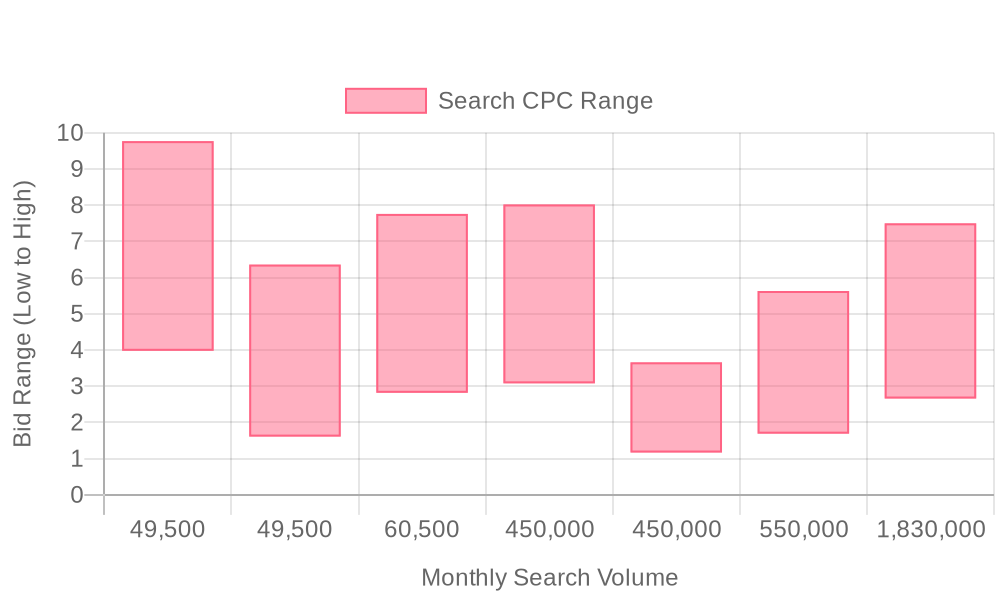
| Industry | Keyword | Monthly Search Volume | Competition Level | Low Bid | High Bid |
| Florist | same day flower delivery | 49500 | HIGH | 3.98 | 9.77 |
| Florist | mothers day flowers | 49500 | HIGH | 1.61 | 6.36 |
| Florist | send flowers | 60500 | HIGH | 2.82 | 7.76 |
| Florist | flower delivery | 450000 | HIGH | 3.08 | 8.02 |
| Florist | florist near me | 450000 | HIGH | 1.17 | 3.66 |
| Florist | florist | 550000 | MEDIUM | 1.69 | 5.63 |
| Florist | flowers | 1830000 | HIGH | 2.66 | 7.5 |
Effective florist digital marketing begins with a deliberate keyword strategy that aligns with how customers search for floral products and services. High-performing Google Ads campaigns for florists are rooted in research-driven keyword selection and matching options that reflect real buyer intent and local demand. This approach ensures campaigns capture searchers at the precise moment they express intent.
- Specialized Keywords: Using targeted terms like “florist near me,” “flower delivery service,” or “flower subscription services” allows you to capture customers at the exact moment they’re searching for what you offer. Specialized keywords help segment audiences by intent, ensuring your online advertising for florists reaches those most likely to convert, whether they need a bouquet for a special occasion or are seeking ongoing floral arrangements for their business. By going beyond generic phrases, you position your flower shop marketing to connect with purchase-ready users who expect relevance and speed.
- Local Modifiers: Pairing keywords with geographic or urgency-based modifiers such as “same-day delivery,” “emergency florist,” or “[city] flower shop” increases your visibility for searches tied to immediate local needs. This approach is essential for Google Ads setup for florists because searchers looking for fast solutions are often ready to buy. Dynamic local targeting, combined with real-time intent data, enables you to shift spend towards high-converting, in-market accounts in your delivery area. For more insights on maximizing paid search for brick-and-mortar flower shops, check out our guide on Google Ads ROI.
- Tail Long-tail Queries: Incorporating precise, lower-volume phrases like “peach rose bouquet,” “tropical wedding centerpieces,” or “eco-friendly funeral flowers” helps you reach niche customer groups with specific purchase intentions. These long-tail keywords reduce wasted spend and increase conversion rates because they speak directly to detailed needs. Solutions such as Sona Audiences support building segmented audiences that update dynamically as leads move down the funnel, delivering highly personalized ad experiences for every unique search. This strategy not only supports PPC for florists but also strengthens flower shop SEO, ensuring ongoing florist business growth through cost-effective, targeted engagement.
Step-by-Step Campaign Execution Framework
A disciplined campaign execution framework is essential for florists seeking reliable, scalable growth from digital advertising. Professional marketers who embrace structure avoid wasted spend, improve visibility for their flower shop, and connect with buyers at the moments that matter most.
By integrating advanced data insights and continuous optimization, florists can stay agile, shift budget where it delivers the biggest impact, and build a digital marketing program that delivers sustained results. Each step in the process below is designed to help florist businesses move beyond guesswork and build a performance-driven online advertising engine. Learn more about florist PPC trends.
Step 1: Build Targeted Keyword Lists
Effective PPC for florists starts with strategic keyword list creation. Focus on intent-rich niches, such as "wedding flowers," "funeral arrangements," or "same-day flower delivery," to capture buyers ready to convert. Granular segmentation by product type or occasion lets marketers align campaigns directly with searcher needs, minimizing wasted impressions.
With unified go-to-market data, marketers can identify not only which keywords drive clicks, but which convert into high-value leads and customers. Company-level identification moves beyond anonymous traffic, enabling revenue teams to pinpoint which businesses, wedding venues, corporate offices, event planners, are actively searching for floral services. Sona's Identity Resolution helps florists discover which businesses are actively seeking their services, ensuring ad spend targets the right audience.
The upgrade most florist advertisers miss is going beyond raw keyword volume to layer in intent and identity signals. By connecting website-visitor data and CRM records with Sona Marketing Measurement, you can see which specific search terms bring in the accounts and customers that actually convert, and weight your keyword and bidding strategy toward those rather than the terms with the highest search volume alone.
Step 2: Develop Compelling Ad Copy
Florist digital marketing thrives on urgency and relevance. Craft ad copy that emphasizes time-sensitive offers, such as "Next Day Delivery Available" or "Order Today, Delivered Tomorrow", to tap into immediate shopper motivations. Headlines should reflect the specific service or occasion, while descriptions highlight unique value, like local sourcing or exclusive designs.
Dynamic audience segmentation allows marketers to tailor messaging as leads move through the funnel. When data shows a prospect shifting interest from sympathy flowers to wedding arrangements, ad copy adjusts in real time, reflecting new priorities. This adaptability increases engagement, click-through rates, and conversion potential for every audience segment.
Step 3: Design Visually Engaging Landing Pages
Landing pages are the bridge between ad click and sale. For flower shops, visually compelling imagery, high-resolution bouquets, event setups, or seasonal specials, immediately communicates quality and builds trust. Every page should be streamlined for conversion, featuring clear calls to action, transparent pricing, and delivery details.
Unified performance tracking connects online interactions with backend sales, so marketers can see which landing pages and creative approaches close the most deals. For more insights on optimizing ad creative, check out our guide on intent retargeting.
Step 4: Implement Ongoing Campaign Optimizations
The florist market is highly seasonal, with spikes around holidays and life events. Ongoing campaign optimization is vital to align with these shifting trends. Track core metrics, impressions, clicks, conversions, cost per acquisition, then make data-driven adjustments to bidding, budgeting, and creative on a regular cadence.
Advanced attribution models finally close the loop between online ad spend and offline sales, providing a true picture of ROI. Seamless CRM and ad platform syncing ensures enriched lead and customer data flows back to Google Ads and sales platforms, allowing for dynamic audience updates and smarter retargeting. To see how leading florists maximize their Google Ads ROI, start your free trial and get personalized recommendations with Sona onboarding.
Sona Marketing Measurement closes the gap between clicks and revenue. It captures every ad click with first-party measurement, ties that click through UTM capture and ad-platform APIs to the actual record in your CRM, and reports ROAS by keyword and campaign instead of by last-click form fill. Feeding that revenue signal back into Smart Bidding and Performance Max compounds over time: the algorithms optimize toward booked florist revenue, not cheap leads.
Tips on Expanding Your Florist Presence
Expanding your florist business requires a deliberate blend of creative partnerships, trust-building content, and advanced data utilization. Local flower shops can accelerate market reach by collaborating with event venues, wedding planners, or corporate venues, allowing both parties to share audiences and increase exposure without inflating budgets. For more insights on maximizing partnership-driven growth, check out our guide on affiliate revenue partnerships. These cross-promotional partnerships create a seamless customer journey, positioning your shop as the preferred provider for venue-based floral needs, from weddings to corporate events.
Integrating authentic customer testimonials into your advertising nurtures credibility and resonates with new prospects. Testimonials highlight your reliability and quality, addressing the emotional component of flower purchases. When featured in ad copy or landing pages, these endorsements differentiate your shop from generic online retailers and help convert high-intent visitors into repeat customers.
Leveraging insights from Google Ads analytics moves your marketing from guesswork to precision. Florist Google Ads tips provides a deeper look at this trend, showing how tracking which ads, keywords, and offers drive the most valuable engagement can help you invest in channels and messages that deliver concrete growth. Platforms that unify ad analytics with CRM and website data enable you to identify high-value leads, adapt creative strategies in real-time, and sync dynamic audiences across both search and retargeting campaigns. This closed-loop approach ensures every dollar advances overall florist business growth, making each campaign smarter and more effective than the last.
Beyond Google Ads: Winning the AI Answers Florist Buyers Now Trust
Paid search captures demand at the moment someone types a query. But a fast-growing share of florist buyers no longer start at Google at all, they ask ChatGPT, Gemini, or Perplexity before they ever run a search, and Google's own AI Overviews increasingly summarize an answer above the traditional results. If your business isn't referenced in those AI answers, you're invisible at the exact moment buyers build their shortlist.
Sona AI Visibility shows where your business shows up across ChatGPT, Gemini, Perplexity, Google AI Overviews, and 10+ engines, and, much like a keyword report, which prompts actually send you buyers, so you can prioritize the ones that convert. Run the two together and you cover the entire buyer path: get cited where buyers research (AI Visibility), then prove which of that demand turns into booked revenue (Marketing Measurement).
Helpful resources
Conclusion
The florists winning right now aren't the ones spending the most, they're the ones connecting ad spend to which clicks actually became paying customers, and feeding that back into how Google's algorithms bid. That loop, keyword to click to booked order, is what turns a Google Ads account from a cost center into a growth engine.
Ready to see the difference data-driven advertising can make? Start a free trial to experience the platform and its capabilities firsthand.
FAQ
What are the best practices for Google Ads for florists?
Best practices include precise keyword targeting, seamless landing page experiences, robust conversion tracking, and using audience segmentation to reach high-intent customers.
How can I set up a Google Ads campaign for my flower shop?
Begin by identifying high-intent keywords, create compelling ad copy, design engaging landing pages, and implement tracking to measure campaign success.
What keywords should I use for Google Ads targeting florists?
Use specialized keywords like 'florist near me' or 'same-day flower delivery' and include local modifiers to capture immediate local demand.
How do I measure the success of my Google Ads for a florist business?
Measure success through attribution models to connect online ad spend to offline sales.
What budget should I allocate for Google Ads as a florist?
The budget should align with your business goals and seasonal demand, reallocating funds towards high-converting campaigns and periods with high customer intent.







