


Water main breaks don't wait for business hours, and the contractor who shows up first usually wins the job. Google Ads gives water main contractors a way to be that first call, surfacing your business the moment a property manager, municipal buyer, or homeowner searches for emergency repair, replacement, or installation. Done well, it turns search intent into signed contracts and gives you a clearer read on ROI than door hangers or truck wraps ever could.
How to Generate Water Main Contractor Leads with Google Ads: A Step-by-Step Guide

B2B revenue teams in the water main contracting sector face unique challenges when generating qualified leads. Precision targeting and real-time audience engagement are essential for sustainable growth in this competitive space.
A systematic approach to Google's Local Services Ads unlocks consistent lead flow by combining data-backed keyword targeting, high-converting ad copy, and conversion-focused landing pages. When digital marketing for water main contractors leverages unified go-to-market data, teams can act on buyer intent signals and avoid missed opportunities.
Using Google Ads allows for granular audience segmentation, meaning campaigns reach only the most relevant prospects. When enriched audience data flows seamlessly from your CRM into your ad platforms, marketers eliminate wasted spend and focus on accounts most likely to convert. Enhanced visitor identification enables teams to move beyond anonymous clicks, revealing which companies are actively evaluating water main solutions.
By integrating advanced attribution and tracking, every lead can be connected to both online and offline sales outcomes. This comprehensive visibility ensures that PPC advertising for plumbing and water main services is both accountable and scalable, providing actionable insights that directly impact revenue. With this step-by-step guide, teams can implement best practices and optimize for continual improvement in Google Ads performance. If you're ready to accelerate your lead generation, get started for free with Sona.
Why Google Ads Matter for Water Main Contractors Businesses

Water main contractors operate in a high-stakes environment where response speed, project value, and targeting precision dictate business growth. Google Ads delivers a direct line to decision-makers actively searching for urgent repair, replacement, or installation services, putting contractors in front of their ideal audience at the decisive moment.
- Specialized Audience Targeting: Campaigns can zero in on facility managers, property developers, and municipal procurement teams, avoiding wasted spend on irrelevant clicks. By leveraging Sona's Intent Signals and enriched firmographic data, marketers can identify both anonymous and known visitors, ensuring ad spend is focused only on qualified prospects who demonstrate real buying intent.
- High-Value Services: Water main projects often represent substantial revenue opportunities and long-term client relationships. Optimized Google Ads strategies help contractors capture these lucrative jobs by surfacing ads for high-conversion keywords and geographies, while dynamic audience updates ensure continued focus on in-market leads as they progress through the funnel.
- Immediate Demand Fulfillment: Water main emergencies demand instant response. Google Ads offers the agility to reach prospects in real time, enabling contractors to fill urgent needs and reduce delays in lead capture. Real-time behavioral insights further allow for rapid budget shifts toward the highest-intent accounts, maximizing win rates during peak demand.
- Precise Regional Visibility: Expanding into new territories requires more than broad awareness. Geographically-targeted campaigns help contractors grow their footprint efficiently, reaching only those in serviceable locations. Integrated CRM and ad platform syncs streamline the inclusion of new leads and regions, supporting seamless expansion strategies.
- Integrated Analytics: In an industry where every lead counts, detailed ROI tracking from click to completed project is essential. Advanced attribution and conversion measurement provide full visibility into campaign effectiveness, empowering contractors to optimize spend and eliminate the risk of missed high-value opportunities.
Common Types of Google Ads Campaigns for Water Main Contractors

- Search Campaigns: These campaigns reach high-intent prospects at the exact moment they search for solutions like "water main contractor near me" or "emergency water main repair." By aligning keywords and ad copy with real-time search behavior, contractors can eliminate wasted spend and maximize lead capture. Integrating real-time visitor identification ensures your campaigns not only capture inquiries but also match searches to known accounts, enabling rapid follow-up by sales teams. For more guidance on running effective local campaigns, explore Google's Local Services Ads overview.
- Display Ads: Display advertising keeps your brand visible on content sites relevant to property managers, municipal buyers, and facility directors. By leveraging dynamic audience lists, marketers can shift spend to the most promising accounts as interest signals change. Audience lists update automatically as users interact with your site or content, ensuring only engaged prospects see your ads, which maintains message relevance throughout the buying journey. For additional tactics, see our actionable playbooks.
- Video Ads: Video formats allow contractors to visually demonstrate expertise, showcase project outcomes, and build credibility with complex water main projects. These ads support education-based marketing by detailing process steps and compliance standards. Marketers benefit from granular engagement data, which helps retarget viewers showing strong buying intent, further optimizing campaign spend.
- Remarketing: Remarketing campaigns re-engage website visitors who researched services but did not convert, reducing potential lead loss. With advanced intent tracking, you can pinpoint which accounts have shown significant in-market behavior and automatically re-engage them with tailored messaging. This approach increases the chance of conversion by keeping your brand top-of-mind as prospects move through their decision process.
- Assets: Ad assets (formerly called extensions) boost campaign performance by including direct calls to action, highlighting certifications, and specifying geographic service areas. By syncing CRM data with your ad platform, assets can dynamically update to reflect your latest offers, service territories, or accreditations, keeping every impression relevant to the searcher. To see how this works for water main contractors, get started for free with Sona.
Where to Find Growth Opportunities?
Growth-minded water main contractors consistently outperform their competition by looking beyond traditional lead sources. The most effective strategies blend market intelligence, niche targeting, and continuous audience nurturing to capture and convert high-value opportunities. For actionable guidance on building these capabilities, explore the library of playbooks.
- Leverage vertical keywords: Expand keyword sets to include both core and specialty services, such as "emergency water main replacement" or "trenchless pipe repair." This approach unlocks visibility among customers seeking highly specific solutions, driving more qualified traffic. By tracking real-time search intent and updating keyword lists dynamically, marketers ensure ad spend prioritizes the most lucrative segments.
- Conduct competitor analysis: Identify gaps in local and regional markets by benchmarking ad copy, offers, and landing page experiences. Understanding where rivals lack presence or fail to address urgent needs creates room to position your services as the immediate, trusted solution. Visitor identification technology further enhances this process by revealing which companies engage with your ads and landing pages, enabling targeted outreach and custom follow-up.
- Utilize industry-specific placements: Placing ads on contractor directories, trade association sites, and local news outlets ensures outreach to relevant property managers, municipal buyers, and commercial clients. These placements increase the likelihood that ads reach procurement decision-makers. Audience syncing with CRM platforms guarantees messaging continuity and up-to-date targeting as new contacts enter the funnel.
- Retarget content consumers: Engage site visitors and content downloaders with educational assets, such as guides on compliance or case studies of past water main projects. Retargeting campaigns keep your brand top-of-mind and nurture prospects who may not convert on the first interaction. Advanced attribution models, including offline lead tracking, measure the full impact of these touchpoints, ensuring every engagement is tied to pipeline and revenue outcomes.
By systematically applying these tactics, water main contractors can uncover untapped demand, close market gaps, and win a larger share of regional bids. Discover how Google's Local Services Ads help local businesses attract more customers.
How to Apply Audience Segmentation for Water Main Contractors

Precise audience segmentation empowers water main service providers to connect with the right accounts at the right moments, increasing efficiency and marketing ROI. By aligning digital marketing for water main contractors with nuanced customer journeys, revenue teams ensure spend is focused where intent is highest and messaging truly resonates. For more on segmenting and targeting key accounts, explore real-time audience segmentation.
- Define Segments: Differentiating municipal from commercial accounts is foundational. Municipal buyers often prioritize compliance, scale, and reliability, while commercial property managers may be driven by operational continuity and cost efficiency. Segmenting campaigns by these audience types enables tailored messaging that addresses the distinct priorities and pain points of each group. Get additional guidance on defining and prioritizing high-value accounts in this essential guide.
- Overlay Intent Signals: Not all water main service inquiries are equal. Emergency service seekers display urgent, high-conversion intent, whereas routine maintenance requests signal longer buying cycles and lower immediate value. By integrating real-time intent data, marketers can automatically shift budget and attention to accounts demonstrating urgent needs, reducing wasted impressions and maximizing the impact of every ad dollar.
- Customize Ad Groups: Ad groups should reflect both segment and intent. For example, creative for emergency municipal repairs should highlight rapid response and regulatory expertise, while campaigns for scheduled commercial maintenance can focus on long-term cost savings and preventative care. Budget allocations should mirror segment value and probability of conversion, ensuring high-ROI audiences receive proportionate investment. Consider how Google Local Services Ads can help water main contractors reach urgent local needs, then refine targeting with data-driven audience strategies.
- Track Conversion Paths: Accurate measurement and optimization require seamless tracking across every stage of the buyer journey. When CRM audiences auto-update in real time, revenue teams gain visibility into which segments engage, convert, or drop off. This integration bridges the gap between ad platforms and sales pipelines, eliminating blind spots and ensuring every high-intent lead is nurtured from first click to closed deal. Sona's syncing capabilities streamline this process, dynamically updating Google Ads audiences as prospects move through the funnel, so marketing and sales always operate from a unified, enriched data set.
This is also where measurement changes the economics. With Sona Marketing Measurement you can identify the companies and buyers behind your ad clicks, not just anonymous sessions, and segment audiences by who actually becomes a customer. That lets you build bid adjustments and audience signals around the segments that convert and de-prioritize the ones that don't, so you feed Google's algorithms "this click became a paying water main contractors customer" instead of just "someone filled out a form."
Keyword Strategy & Sample Target Terms
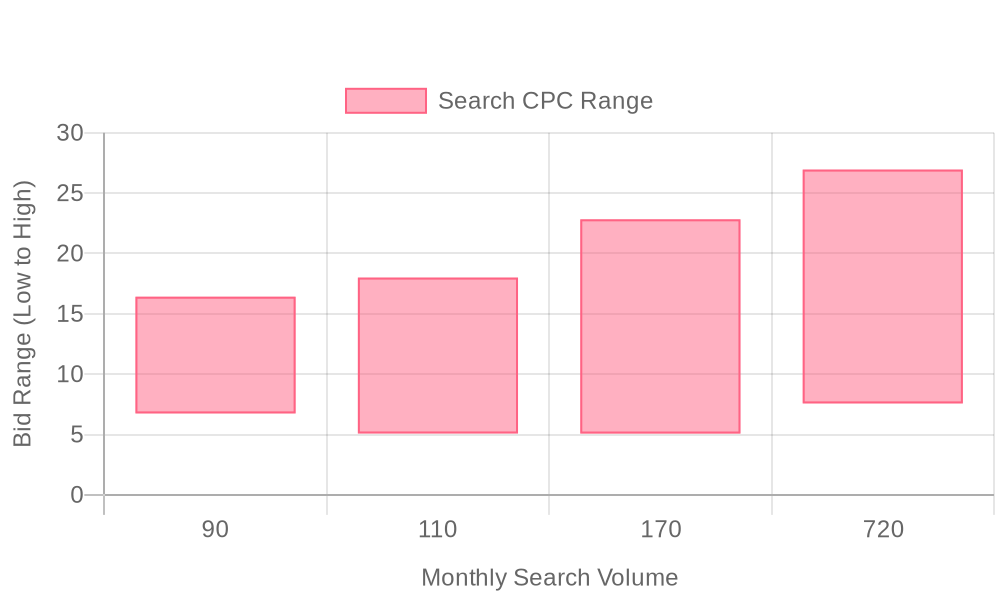
| Industry | Keyword | Monthly Search Volume | Competition Level | Low Bid | High Bid |
| Water Main Contractors | water main contractors | 90 | LOW | 6.75 | 16.42 |
| Water Main Contractors | water main contractors near me | 110 | LOW | 5.09 | 18 |
| Water Main Contractors | water main installers | 170 | LOW | 5.08 | 22.83 |
| Water Main Contractors | water main and sewer contractors near me | 720 | MEDIUM | 7.58 | 26.95 |
Water main contractors operate in a competitive, demand-driven market where capturing the right search intent is crucial for revenue growth. Success with Google Ads for Water Main Contractors hinges on a strategic approach to keyword selection that prioritizes high-value, conversion-ready audiences. For additional guidance on maximizing impact, review our latest blog posts.
Integrating Google Ads into a multi-channel digital marketing strategy starts with identifying long-tail, location-specific keywords directly aligned with water main repair and installation needs. By focusing on search phrases like "emergency water main repair near me," "commercial water main replacement [city]," or "licensed water main contractor [region]," campaigns target users who are actively seeking immediate solutions. This granular targeting not only boosts click-through rates but also ensures marketing spend is directed at prospects further along the buying journey. Explore Google's keyword matching options to see how verified, pay-per-lead advertising can support these efforts.
Advanced audience segmentation is essential for maximizing PPC advertising for plumbing and water main services. Leveraging real-time audience data, revenue teams can prioritize keywords that match their ideal customer profiles. For example, dynamic keyword lists update in real time as new high-intent behaviors emerge, allowing marketers to adapt spend and messaging based on in-market activity. When these audiences are enriched and synced directly with ad platforms, such as Google Ads, campaigns consistently engage the most relevant accounts.
To further improve Google Ads optimization for home services, negative keywords should be implemented to exclude irrelevant or low-intent traffic, such as residential DIY searches when targeting commercial contracts. Combining this approach with performance data gathered across channels enables ongoing refinement of keyword lists, continually increasing the efficiency and ROI of digital marketing for water main contractors.
Step-by-Step Campaign Execution Framework
Executing profitable Google Ads for water main contractors requires a disciplined, data-backed approach that moves beyond generic PPC tactics. Modern growth teams that unify campaign data, track granular performance, and activate dynamic audiences consistently outperform those relying on static, siloed workflows. The following framework delivers practical steps that drive measurable leads and revenue in the competitive plumbing and contractor market.
Step 1: Build Targeted Keyword Lists
A successful campaign starts with high-intent, well-organized keyword clusters. Segment keywords by core service offerings, such as emergency water main repair, leak detection, or trenchless replacement, and refine further by geographic targets, ensuring your ads trigger only for relevant local searches. Incorporate long-tail keywords and question-based queries that match real customer search behavior, such as "water main repair near me" or "how to fix a broken water line." Negative keywords are essential to eliminate unqualified clicks, preventing wasted spend on unrelated queries like "DIY water main replacement" or general plumbing advice.
Teams leveraging real-time visitor identification can go beyond basic keyword targeting by uncovering which keyword clusters drive the most value at both company and account level. This approach helps water main contractors rapidly test and expand their keyword lists with precision, fueling data-driven campaign growth. For additional keyword strategies and market insights, review our marketing analytics blog.
The upgrade most water main contractors advertisers miss is going beyond raw keyword volume to layer in intent and identity signals. By connecting website-visitor data and CRM records with Sona Marketing Measurement, you can see which specific search terms bring in the accounts and customers that actually convert, and weight your keyword and bidding strategy toward those rather than the terms with the highest search volume alone.
Step 2: Develop Compelling Ad Copy
Compelling ad copy is the engine of effective Google Ads for water main contractors. Headlines should immediately address urgent pain points, such as minimizing property damage from leaks or fast response times for emergencies, to capture attention from searchers in need. Supporting copy must build credibility, referencing licensing, years of experience, and satisfaction guarantees. Utilize ad extensions like call buttons, location snippets, and review highlights to improve trust and drive higher click-through rates.
When revenue teams centralize messaging insights, they can automatically align ad copy with each prospect's buying stage and regional requirements. Dynamic messaging powered by real-time intent signals enables ad variants that speak directly to commercial property managers, homeowners, or municipal buyers, increasing engagement and relevance in every auction. For a complete overview of how local businesses can attract customers through verified, pay-per-lead advertising, see this Google Local Services Ads guide.
Step 3: Design Effective Landing Pages
Every click should land on a page designed to convert, not a generic homepage. Ensure each landing page aligns tightly with its associated keywords and ad copy, mirroring phrases, addressing the same pain points, and offering tailored solutions for the specific water main service sought. Prominently display clear calls-to-action (CTAs), such as "Request Emergency Service" or "Free Water Main Inspection," above the fold. All landing pages must be mobile-optimized, as urgent plumbing needs often originate from smartphones onsite.
Landing page performance improves dramatically when marketers integrate audience and behavioral data. By tracking which segments respond best to specific page layouts or offers, teams can run targeted A/B tests and personalize the user experience based on company size, previous engagement, or intent signals. For more techniques to unify landing page and ad performance across your funnel, explore our collection of actionable playbooks.
Step 4: Implement Data-Driven Optimizations
Continuous optimization separates top-performing Google Ads for plumbing services from those that plateau. Track both micro-conversions (form fills, call clicks) and macro-conversions (booked appointments, closed deals) to understand which touchpoints drive real business outcomes. Implement regular A/B tests on ad copy, keyword bids, and landing page variations, using conversion data to iterate quickly and efficiently.
Advanced platforms enable water main contractors to predict buying stages, segment audiences dynamically, and sync enriched leads directly into CRM and advertising platforms. This integration allows for automated retargeting, updating ads as prospects move through the sales funnel, and attributing both online and offline conversions for true ROI measurement. These insights empower revenue teams to shift budget toward the highest-converting campaigns and eliminate wasted spend, creating a cycle of continual improvement and measurable growth.
For more granular strategies, explore best practices in retargeting strategies for home services.
Sona Marketing Measurement closes the gap between clicks and revenue. It captures every ad click with first-party measurement, then ties that click through UTM capture and ad-platform APIs to the actual company record in your CRM, and reports ROAS by keyword and campaign instead of by last-click form fill. Feeding that revenue signal back into Smart Bidding and Performance Max compounds over time: the algorithms optimize toward booked water main contractors revenue, not cheap leads.
Tips on Expanding Your Water Main Contractors Presence

Establishing a strong digital footprint is critical for water main contractors aiming to grow pipeline and revenue in a competitive market. High-performing teams leverage interconnected data insights and targeted digital tactics to maximize every opportunity and accelerate growth efficiently.
- Upsell complementary services: Segmenting CRM data allows contractors to pinpoint which clients are ideal for upgrades or add-on services, such as emergency pipe repair or routine inspections. This approach ensures outreach is personalized and relevant, making upsell conversations more productive and increasing average deal size. When advanced marketing platforms unify CRM and web activity data, sales teams receive real-time signals about customer needs, streamlining both timing and messaging for upsell outreach.
- Partner for referral traffic: Building mutually beneficial relationships with local home service businesses can fuel a consistent stream of quality referrals. By integrating partner-shared data into a unified marketing platform, you can track which partnerships drive the highest conversion rates, double down on winning alliances, and ensure referral leads are nurtured through custom audience campaigns.
- Localize campaigns for regional growth: Precise geographic targeting in digital advertising ensures marketing budgets are spent on the territories that matter most. Localized Google Ads strategies, paired with dynamic audience updates, enable contractors to increase visibility in priority neighborhoods while preventing wasted spend on irrelevant regions. With real-time intent signals, marketing teams can reroute ad spend to ZIP codes where high-value prospects are actively searching for water main services or leverage Local Services Ads to capture in-market leads.
Optimizing Google Ads for Water Main Contractors requires sophisticated keyword targeting and granular audience segmentation to reach decision-makers at the right moment. By unifying CRM, website, and ad engagement data, contractors can identify high-intent prospects, automate follow-up, and prevent valuable leads from slipping through the cracks. Advanced attribution tools connect online ad clicks to offline service bookings, providing full-funnel visibility and allowing for precise budget allocation toward the channels and campaigns that drive measurable business impact.
Beyond Google Ads: Winning the AI Answers Water Main Contractors Buyers Now Trust
Paid search captures demand at the moment someone types a query. But a fast-growing share of water main contractors buyers no longer start at Google at all, they ask ChatGPT, Gemini, or Perplexity before they ever run a search, and Google's own AI Overviews increasingly summarize an answer above the traditional results. If your business isn't referenced in those AI answers, you're invisible at the exact moment buyers build their shortlist.
Sona AI Visibility shows where your business shows up across ChatGPT, Gemini, Perplexity, Google AI Overviews, and 10+ engines, and, much like a keyword report, which prompts actually send you buyers, so you can prioritize the ones that convert. Run the two together and you cover the entire buyer path: get cited where buyers research (AI Visibility), then prove which of that demand turns into booked revenue (Marketing Measurement).
Helpful resources
Conclusion
Water main work will always start with an emergency call or a bid deadline, but where contractors find that next job is shifting. Google Ads, done with real targeting discipline and tied to actual booked revenue rather than form fills, turns search demand into a pipeline you can forecast.
The contractors who pull ahead will be the ones who can prove which keywords, campaigns, and creative actually produced a signed contract, not just a click. That proof is what lets you defend and grow your ad budget instead of guessing at it next quarter.
FAQ
What are the best Google Ads strategies for water main contractors?
The best strategies include precision targeting, using data-backed keyword targeting, high-converting ad copy, conversion-focused landing pages, and integrating advanced attribution and tracking to connect leads to sales outcomes.
How can water main contractors leverage Google Local Services Ads?
Contractors can use Google Local Services Ads to unlock consistent lead flow by targeting high-conversion keywords and geographies, focusing on in-market leads, and ensuring precise regional visibility to expand their service footprint.
What are the costs and benefits of using Google Ads for water main services?
Google Ads provide targeted reach to decision-makers, offering benefits like immediate demand fulfillment and precise regional visibility, while costs are managed through granular audience segmentation and measuring geographic performance.
How do I set up and manage Google Ads for my water main contracting business?
Set up by building targeted keyword lists, developing compelling ad copy, optimizing landing pages, and continuously optimizing through A/B testing and conversion tracking to enhance campaign performance and ROI.
What are some examples of successful Google Ads campaigns for water main contractors?
Successful campaigns include search campaigns targeting high-intent searches, display ads for brand visibility, video ads for showcasing expertise, remarketing to re-engage visitors, and using ad extensions for enhanced performance.







