


A virtual tour company lives or dies on the moment a prospect decides to click "schedule a demo" instead of closing the tab, and too many of those moments happen anonymously, invisible to a CRM that only logs form fills. Google Ads is the tool built for that exact instant: it catches high-intent searches at the point of decision, before a lead disappears into the wrong channel or a competitor's inbox. For businesses selling virtual tour technology or services, tying Google Ads spend to both online and offline pipeline turns scattered clicks into a system. This guide walks through the integrations, targeting choices, and data practices that make that system work.
How to Generate Virtual Tour Industry Leads with Google Ads: A Step-by-Step Guide
Data-driven marketers in the virtual tour industry consistently outperform their peers by integrating Google Ads into a holistic demand generation approach. By focusing on high-intent keywords and leveraging real-time audience insights, they position their campaigns to capture engaged prospects at the optimal moment.
Targeting strategies tailored for the virtual tour sector utilize both demographic and intent-based signals to tap into audiences ready to book or engage. This approach mitigates wasted spend common in broad targeting and ensures ads reach decision-makers actively comparing online experiences, property walkthroughs, and interactive tours.
Landing page optimization is essential for converting Google Ads traffic into qualified leads. Alignment between ad creative and landing experience reduces bounce rates and increases the likelihood of form fills or booking requests. Marketers see best results when virtual tour previews and booking CTAs are contextually woven into the page, creating a seamless flow from ad click to conversion. For actionable tactics, see our playbook library.
Cross-channel integrations amplify the impact of Google Ads by connecting web, CRM, and offline engagement. When visitor identification tools bridge anonymous ad clicks to company-level data, teams can instantly route high-value leads to sales or trigger personalized nurture streams. This unified view of the buyer journey ensures that spend is tracked and attributed accurately across all touchpoints.
Automation keeps campaign targeting current as prospects move through a research cycle that can stretch from a single browsing session to a multi-week vendor comparison. Dynamic audience updates, driven by on-site engagement and CRM signals, keep retargeting lists focused on accounts still actively shopping rather than ones that already booked or went cold. That means Google Ads spend stays pointed at the buyers most likely to schedule a walkthrough this week, not the ones who inquired last quarter. Attribution that connects online clicks to booked tours or signed contracts gives revenue teams a real read on which campaigns produce pipeline, not just traffic. To see these strategies in action, get started for free with Sona.
Why Does Google Ads Matter for the Virtual Tour Industry?

Reaching decision-makers in the virtual tour industry means understanding that each visitor’s intent is both nuanced and highly specialized. Buyers are often searching for specific solutions such as immersive 360° views, interactive walkthroughs, or white-label virtual tour platforms, making general digital campaigns inefficient at capturing true demand. Google Ads stands out by enabling marketers to intercept high-value leads right at the moment of need, leveraging granular keyword and intent targeting to drive qualified inquiries that generic online advertising for tours would miss.
Immediate demand response is vital in a sector where the sales cycle can hinge on a single well-timed interaction. Google Ads allows virtual tour providers to activate campaigns that respond to seasonality, regional surges, or new product launches without waiting for slower organic or social channels to deliver results. By combining real-time search signals with behavioral intent data, marketers can dynamically allocate budget toward segments exhibiting in-market behaviors, maximizing the impact of every advertising dollar. For a practical overview of effective Google Ads setup and optimization for tour operators, see this beginner's guide to Google Ads for tour operators.
Measuring ROI in the virtual tour industry is uniquely challenging, since offline engagements, like scheduled in-person tours or booked consultations, often follow digital interactions by days or weeks. Data analytics platforms fill the gap by unifying online campaign data with CRM and sales activity, offering a true picture of campaign effectiveness. Advanced solutions track every touchpoint and attribute revenue back to individual ads and audience segments, so both digital conversions and offline outcomes count toward digital marketing for virtual tours. Get started for free with Sona.
Common Types of Google Ads Campaigns for Virtual Tours

- Search Campaigns: Search campaigns are vital for capturing high-intent prospects actively researching virtual tour services, whether that's a property manager comparing 3D walkthrough vendors or an admissions office pricing out campus tour platforms. These campaigns intercept users at the decision stage, converting interest generated from social media, referrals, or organic channels into concrete inquiries. Responsive search ads, an ad format within Search campaigns, let you test multiple headlines and descriptions to find the combination that resonates with each audience. By leveraging precise audience intelligence, marketers can direct budget to keywords most likely to produce qualified leads. With advanced visitor identification, marketers can pinpoint which companies are searching for specific tour offerings, further refining keyword strategy and ad messaging for maximum relevance.
- Display Ads: Display campaigns keep your virtual tour brand in front of audiences as they browse industry news, property listings, or travel blogs. Display ads build top-of-mind awareness and nurture prospects throughout longer decision cycles typical of real estate, travel, or education markets. By integrating real-time intent data, teams can automatically refine placements to sites and audiences demonstrating emerging interest in virtual experiences. For a detailed guide on leveraging display strategies and Google AdWords to increase bookings, see this Google AdWords guide for tour operators.
- Video Ads: Video ads visually immerse prospects in the value of your tours, providing a compelling preview that static imagery cannot match. These ads extend content reach to platforms like YouTube and Google’s video partners, showcasing interactive walkthroughs of destinations, properties, or venues. Marketers benefit from enriched audience segmentation, syncing behavioral data from video views to dynamically update retargeting lists and nurture flows. When video engagement signals are unified with website and CRM data, teams can trigger personalized follow-ups for viewers who watch key virtual tour segments, increasing conversion rates and accelerating deal velocity.
- Remarketing: Remarketing campaigns re-engage previous website visitors and nurture those who interacted with virtual tours but did not convert. These campaigns create targeted touchpoints based on past behaviors, such as time spent on specific tour features or abandoned inquiry forms. Advanced audience management enables marketers to update retargeting lists in real time as leads progress through the funnel, ensuring messaging remains personalized and timely. To see a case study on how Google virtual tours drove more leads and conversions, review this virtual tour case study for increased lead generation.
- Assets: Ad assets (formerly called extensions) amplify campaign credibility by adding location details, certifications, and other proof points that reinforce brand trust. Location assets drive foot traffic by making it easy for users to find physical sites, while callout and structured snippet assets highlight unique amenities or virtual tour features. When assets are managed using integrated marketing data, marketers can automatically showcase the most relevant trust signals based on user context, such as surfacing industry certifications to enterprise buyers or proximity details to local prospects. This granular control over ad assets supports higher click-through and conversion rates, ultimately increasing campaign ROI.
Where to Find Growth Opportunities

Unlocking new growth in the virtual tour industry demands a strategy that moves beyond generic keywords and casts a wider net for high-value demand. B2B revenue teams can maximize their Google Ads investments by precisely targeting specialty services keywords that prospects are actively searching for, such as "virtual tour integrations for real estate," or "interactive 3D walkthroughs for hospitality." These search terms capture intent that broad, top-of-funnel keywords often miss, ensuring that marketing efforts resonate with decision-makers seeking tailored solutions. When these keywords are mapped to a broader search strategy, marketers eliminate waste and direct budget toward segments with the highest deal velocity and revenue potential. For a comprehensive beginner’s guide on setting up and optimizing Google Ads campaigns in the tour industry, explore this beginner's guide for tour operators.
A deep competitor gap analysis using auction insights surfaces overlooked opportunities in the online advertising for tours space. By examining impression share, overlap rates, and top-of-page positioning, growth teams identify where competitors are under-invested or absent, often in specific metro markets or vertical niches like senior living tours or hotel walkthroughs. This intelligence reveals underserved segments where budget can outperform competitors at a lower cost-per-acquisition. Leveraging Sona's Identity Resolution, marketers can see which companies are engaging with ads even when those visitors remain anonymous on the website, helping prioritize outreach and adjust campaigns dynamically.
Content retargeting opens a powerful avenue for nurturing prospects who have shown interest but have not yet converted. By aligning whitepapers, how-to guides, and industry reports with paid media efforts, marketers can re-engage prospects at various funnel stages. Advanced Sona Audiences ensures that audiences update automatically as leads consume more content or progress through the buying journey. For example, downloading a guide on "virtual tour ROI benchmarks" can trigger customized retargeting sequences that surface case studies or demo offers. With enriched CRM and ad platform sync, these retargeted audiences remain fresh, relevant, and primed for conversion, ensuring that the pipeline never grows stale and every high-intent signal receives timely attention. Ready to put these strategies into action? Get started for free with Sona.
How to Apply Audience Segmentation for Virtual Tours
Audience segmentation for the virtual tour industry enables marketing teams to break free from static, outdated audience lists. Instead of relying on broad targeting, professionals can define nuanced segments such as educational institutions seeking campus tours, real estate companies promoting property walkthroughs, or hospitality groups offering immersive previews to event planners. For guidance on building dynamic, signal-based segments, explore real-time audience segmentation to reach high-intent prospects with tailored messaging.
By overlaying real-time intent signals, marketers can identify where each segment sits within the buying journey. For example, universities researching virtual orientation tools signal different needs than real estate brokers actively comparing 3D tour providers. Dynamic segmentation ensures that ad spend is directed toward accounts displaying in-market behaviors, prioritizing those most likely to convert and maximizing the impact of every impression.
Customizing ad groups for each segment sharpens messaging and creative, making every touchpoint relevant. A real estate audience might see virtual staging highlights and seamless booking CTAs, while educational buyers respond better to features focused on student engagement or accessibility. With enriched data flowing between CRM, website, and Google Ads, teams can automatically update audiences as leads progress, preventing wasted budget on users who have already converted or lost interest. Discover best practices for campaign setup and optimization in this beginner's guide to Google Ads for tour operators.
This is also where measurement changes the economics. With Sona Marketing Measurement you can identify the companies behind your ad clicks at the account level, not just anonymous sessions, and segment audiences by which accounts actually become customers. That lets you build bid adjustments and audience signals around the segments that convert and de-prioritize the ones that don't, so you feed Google's algorithms "this click became a paying virtual tour customer" instead of just "someone filled out a form."
Keyword Strategy & Sample Target Terms
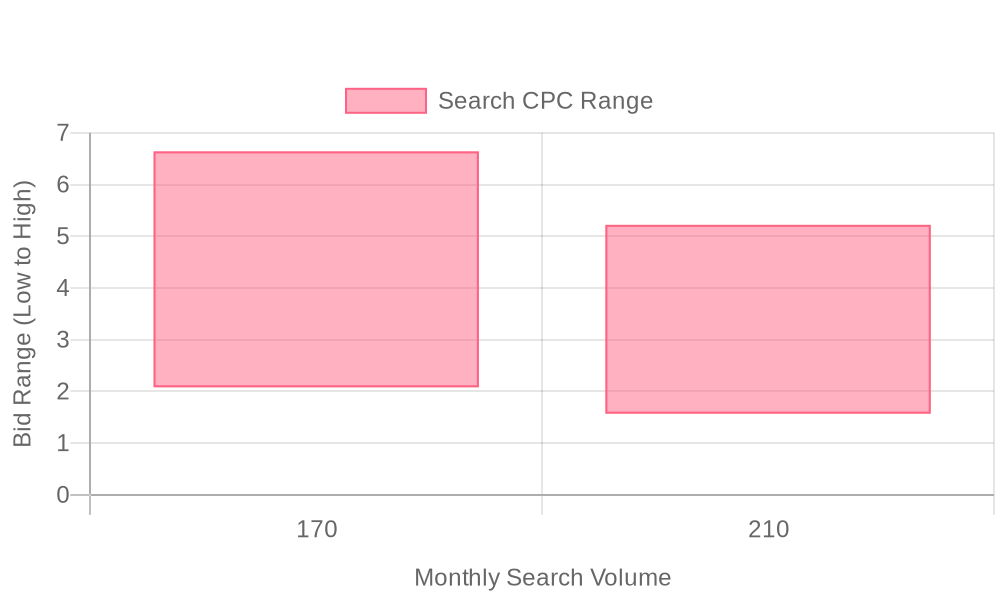
| Industry | Keyword | Monthly Search Volume | Competition Level | Low Bid | High Bid |
| Virtual Tour Industry | vr and tourism | 170 | LOW | 2.08 | 6.64 |
| Virtual Tour Industry | vr real estate tours | 210 | LOW | 1.57 | 5.22 |
A robust keyword strategy is the foundation for outperforming competitors in the virtual tour industry's digital ad landscape. B2B revenue teams unlock higher returns by methodically identifying high-volume, low-competition search terms that align with real buyer intent. This approach improves both campaign efficiency and cost-effectiveness by attracting qualified prospects actively seeking virtual tour solutions, as detailed in this beginner's guide to Google Ads for tour operators.
Targeting broad, high-intent phrases like “Google Ads for Virtual Tour Industry,” “virtual tour marketing,” and “PPC for travel industry” ensures that ads capture core demand. Supplementing these terms with more niche long-tail keywords such as “cost of Google Ads for virtual tours,” “digital marketing for virtual tours,” and “Google Ads strategies for tours” enables marketers to reach audiences researching specific solutions or ROI benchmarks. For additional insight on keyword prioritization and campaign design, explore our library of actionable playbooks.
Negative keyword lists are an essential component for campaign refinement. By excluding irrelevant or low-value queries (for example, “free virtual tour software” or “virtual tour jobs”), teams can prevent wasted spend and focus budget on audiences with commercial intent. This constant optimization not only reduces cost-per-click but also improves overall ad relevance and Quality Score, directly influencing campaign ROI.
Unifying keyword data with Sona's Identity Resolution allows marketers to move beyond surface-level targeting. Real-time analysis of in-market behaviors shows which search terms are driving engagement from high-value accounts. As leads interact with landing pages and virtual tour experiences, Sona Audiences updates dynamically, keeping ad spend directed at those most likely to convert. This feedback loop enables precise budget allocation, sharper reach to decision-makers, and measurable improvement in Google Ads ROI for tourism and related verticals.
Step-by-Step Campaign Execution Framework
Step 1: Build Targeted Keyword Lists
Every high-performing Google Ads campaign for the virtual tour industry starts with a targeted keyword strategy. Using service-specific clusters ensures your ads are shown to users actively searching for the exact experiences you provide, such as "3D home tour" or "virtual museum visit." Adding local modifiers like city names or neighborhoods elevates relevance, connecting your ads to prospective customers in the right geographic area. Long-tail keywords, including phrases like "interactive apartment tour in Boston," drive highly qualified traffic and minimize wasted spend on broad, low-intent queries.
Robust negative keywords keep budget from being consumed by irrelevant searches, like those seeking free software or unrelated job postings. Platforms that identify and segment visitors based on search behavior let marketers refine these lists continuously as market trends shift. By pinpointing not only which keywords generate clicks but also which visitors show purchase intent, B2B teams can prioritize high-value segments and filter out non-converting traffic. For a practical walkthrough on setting up Google Ads keywords for tour operators, see this beginner's guide for tour operators.
The upgrade most virtual tour advertisers miss is going beyond raw keyword volume to layer in intent and identity signals. By connecting website-visitor data and CRM records with Sona Marketing Measurement, you can see which specific search terms bring in the accounts and customers that actually convert, and weight your keyword and bidding strategy toward those rather than the terms with the highest search volume alone.
Step 2: Develop Compelling Ad Copy
Ad copy within the virtual tour space must directly address the unique pain points of your audience. Emphasizing features like immersive walkthroughs, real-time booking, or remote property access captures the attention of prospects looking for solutions that save time and enhance decision-making. Trust markers, such as security certifications, verified reviews, or client logos, build immediate credibility, reducing friction and overcoming skepticism about digital experiences. For marketers seeking tactical inspiration, explore best practices for Google Ads in tours and activities.
Urgency works differently in this trade than in transactional retail, since a booked tour or signed licensing deal is rarely an impulse decision. Framing like "Schedule your virtual tour demo before your next leasing cycle starts" or "See this season's booking calendar before slots fill" ties urgency to a buyer's real timeline, such as a leasing season, an admissions cycle, or an event booking deadline, rather than a generic countdown. Platforms that dynamically update ad copy based on a prospect's stage in the funnel keep messaging relevant as a lead moves from first click to demo request. This approach prevents manual errors and supports consistent performance as new leads are identified and existing leads progress toward conversion.
Step 3: Design Effective Landing Pages
Landing pages for virtual tour campaigns should be tightly aligned with both keyword intent and ad messaging. When a user clicks on an ad for a "360° hotel suite tour," they must arrive at a page featuring that exact experience, without distractions or unnecessary navigation. Mobile-friendly design is no longer optional; more than half of virtual tour interactions occur on smartphones and tablets. Fast load times, intuitive navigation, and clear calls to action, such as "Schedule a Live Demo" or "Request More Info," are essential for maximizing conversions.
For B2B revenue teams, platforms that unify data from ad clicks, CRM entries, and offline interactions enable landing pages to adapt dynamically to each visitor. This ensures that the content, offer, and CTA presented reflect the prospect’s previous touchpoints and current readiness to engage. Efficient forms, interactive widgets, and embedded communication tools further accelerate lead capture and qualification directly from the landing experience. For additional ideas on leveraging 360° experiences, review twelve essentials to maximize ROI on 360 virtual tours.
Step 4: Implement Data-Driven Optimizations
Optimizing Google Ads campaigns for the virtual tour industry requires precise tracking of both micro and macro conversions. Micro conversions, such as video completions or tour segment views, provide early signals of engagement quality, while macro conversions, completed bookings or demo requests, show true revenue impact. Revenue teams equipped with unified analytics platforms can attribute each conversion accurately, closing the gap between online engagement and offline sales. Learn how to maximize ROI with effective PPC for even greater impact.
Employing A/B testing reveals which ad creatives, landing page layouts, or CTAs drive the highest performance. Smart bidding strategies, powered by real-time intent data, automatically shift budget to audiences or keywords with the greatest likelihood of conversion. Advanced systems can sync CRM data and in-market behavior to Google Ads in real time, ensuring that dynamic audiences are always current and that high-intent leads are prioritized for follow-up. This continuous optimization cycle maximizes ROI and ensures every advertising dollar drives measurable results for virtual tour providers. Ready to transform your campaigns? Get started for free with Sona.
Sona Marketing Measurement closes the gap between clicks and revenue. It captures ad clicks using first-party data rather than third-party cookies, ties that click through UTM capture and ad-platform APIs to the actual record in your CRM, and reports ROAS by keyword and campaign instead of by last-click form fill. Feeding that revenue signal back into Smart Bidding and Performance Max compounds over time: the algorithms optimize toward booked virtual tour revenue, not cheap leads.
Tips on Expanding Your Virtual Tour Presence
Expanding your virtual tour presence requires a systematic approach to audience segmentation and campaign orchestration. Modern B2B marketers face the challenge of scaling outreach without losing the personal touch that drives conversions in the digital marketing for virtual tours landscape.
- Segmented audience strategies: Cross-promoting educational assets and upselling services is most effective when audiences are segmented by behavior, interest, and engagement level. Instead of manually building custom audiences, marketers can now leverage platforms that automatically refresh and enrich these segments as prospects interact with tours, webinars, or gated content. This dynamic approach ensures that only the most relevant viewers receive targeted upsell or educational messaging, reducing wasted impressions and increasing conversion rates. When visitor identification is paired with real-time intent analysis, teams can spotlight in-market accounts and quickly shift budget toward high-converting segments, optimizing Google Ads budget for travel and elevating the ROI of every campaign.
- Co-branded partnerships for referral growth: Partnering with industry associations unlocks referral traffic and broadens your reach beyond existing audiences. By launching co-branded ads or curated virtual events, you tap into established communities that already trust the association’s reputation. This not only drives highly qualified traffic but also opens up cross-promotional opportunities, such as featuring your virtual tours in association newsletters or member portals. For B2B companies, these partnerships can be tracked back to pipeline impact by syncing enriched lead and engagement data from both partners into your CRM and Google Ads ecosystem, enabling precise attribution and informed decision-making.
- Content ideation from search query data: Search query data reveals the evolving language and pain points of your target audience for virtual tours. Mining this data allows marketers to identify content gaps and create assets that address specific needs, such as "virtual campus tours for admissions" or "interactive property walkthroughs for remote buyers." Incorporating these insights into your advertising virtual experiences ensures that you stay ahead of audience demand. By integrating CRM and ad platforms, content performance and lead quality data flow seamlessly across your stack, helping you double down on topics and formats that drive qualified pipeline and measurable Google Ads ROI for tourism.
Beyond Google Ads: Winning the AI Answers Virtual Tour Buyers Now Trust
Paid search captures demand at the moment someone types a query. But a fast-growing share of virtual tour buyers no longer start at Google at all, they ask ChatGPT, Gemini, or Perplexity before they ever run a search, and Google's own AI Overviews increasingly summarize an answer above the traditional results. If your business isn't referenced in those AI answers, you're invisible at the exact moment buyers build their shortlist.
Sona AI Visibility shows where your business shows up across ChatGPT, Gemini, Perplexity, Google AI Overviews, and 10+ engines, and, much like a keyword report, which prompts actually send you buyers, so you can prioritize the ones that convert. Run the two together and you cover the entire buyer path: get cited where buyers research (AI Visibility), then prove which of that demand turns into booked revenue (Marketing Measurement).
Helpful resources
Conclusion
The next twelve months will separate virtual tour advertisers who treat Google Ads as a lead-volume lever from those who treat it as a revenue system. The difference is whether clicks get tied to booked tours and signed contracts, or left to sit as anonymous traffic in a dashboard. Teams that close that loop will keep teaching Google's bidding models what a real customer looks like, and their cost per booked tour will keep improving while competitors guess.
To put these strategies to work, start for free and connect your Google Ads account to real pipeline data.
FAQ
What are the best practices for Google Ads in the virtual tour industry?
Best practices include integrating Google Ads into a holistic demand generation approach, focusing on high-intent keywords, and leveraging real-time audience insights to capture engaged prospects at optimal moments.
How can I optimize my Google Ads for virtual tours?
Optimization can be achieved through precise targeting strategies, landing page alignment with ad creatives, and using data-driven insights to enhance campaign effectiveness.
What budget should I allocate for Google Ads in the tourism sector?
Budgets should be dynamically allocated based on real-time search signals and behavioral intent data, maximizing the impact of every advertising dollar by targeting segments exhibiting in-market behaviors.
What keywords should I target for virtual tour advertising?
Target broad, high-intent phrases like 'Google Ads for Virtual Tour Industry' and supplement them with niche long-tail keywords such as 'cost of Google Ads for virtual tours' to attract qualified prospects.
How do I measure the success of my Google Ads campaigns for virtual tours?
Success is measured by tracking conversions through unified analytics platforms that connect online campaign data with CRM and sales activities, offering a true picture of campaign effectiveness.







