


Tour operators live and die by timing: a traveler searches for "guided kayak tour" or "family city tour near me" and books within days, sometimes hours. Google Ads lets operators intercept that moment directly, bridging the gap between brand awareness and actual bookings with sharper targeting and clearer measurement than most offline channels allow. The persistent challenge is speed: high-value prospects who research on multiple devices, or who convert offline by phone, are easy to lose track of. Modern tracking closes that gap, letting operators engage prospects promptly and keep ad spend pointed at real decision-makers, whether the goal is turning trade-show interest into bookings or simply sharpening tour advertising online.
How to Generate Google Ads for Tour Operators Leads: A Step-by-Step Guide

Integrating Google Ads into your marketing mix allows tour operators to capture high-quality leads at every stage of the buyer journey. By leveraging real-time audience insights, marketing teams can act quickly on high-intent signals and prioritize outreach to the accounts most likely to convert.
A data-driven approach is foundational for tour operators aiming to bridge tracking gaps. Traditional channels often leave blind spots, especially when prospects research on multiple devices or interact with your brand over time. With robust attribution and unified data, marketers capture the full path to conversion, ensuring every interaction is measurable and actionable.
Targeted keywords and audience strategies are essential for reaching travel seekers when they are making booking decisions. High-intent search terms, like “best guided kayak tours in Wisconsin” or “family-friendly city tours near me”, signal readiness to engage. Segmenting audiences by travel habits, destination interests, or buying stage allows for dynamic updates as leads progress through the funnel. For a practical guide, review these Google Ads basics for tour operators to ensure your marketing budget is focused on visitors with authentic in-market intent.
Landing page alignment is critical in converting clicks into bookings. A one-size-fits-all approach typically underperforms, as travelers expect relevant content and a seamless booking experience tailored to their interests. By synchronizing each campaign’s creative and landing page, tour operators can reinforce unique selling points and streamline the conversion path, reducing drop-off at the most crucial moments. See how real-time data activation ensures your audience data syncs directly into your sales and marketing systems for the highest relevancy.
Continuous optimization is necessary to maximize ROI from Google Ads for tour operators. Ongoing performance reviews reveal which segments are driving bookings, helping you reallocate spend to top-performing audiences and pause underperforming campaigns. Real-time intent signals into account-level engagement enable timely follow-up, whether through personalized retargeting or prioritized sales outreach, ensuring no active opportunity is missed.
Integrating Google Ads with the broader marketing ecosystem amplifies results. When audience and lead data sync seamlessly across platforms like Google Ads, HubSpot, and Salesforce, every touchpoint is enriched with real-time context. This holistic view empowers revenue teams to execute smarter travel marketing strategies, align digital campaigns with sales initiatives, and deliver personalized engagement that drives higher conversion rates and long-term loyalty. To see how this works in your operation, get started for free with Sona.
Why Does Google Ads Matter for Tour Operators?
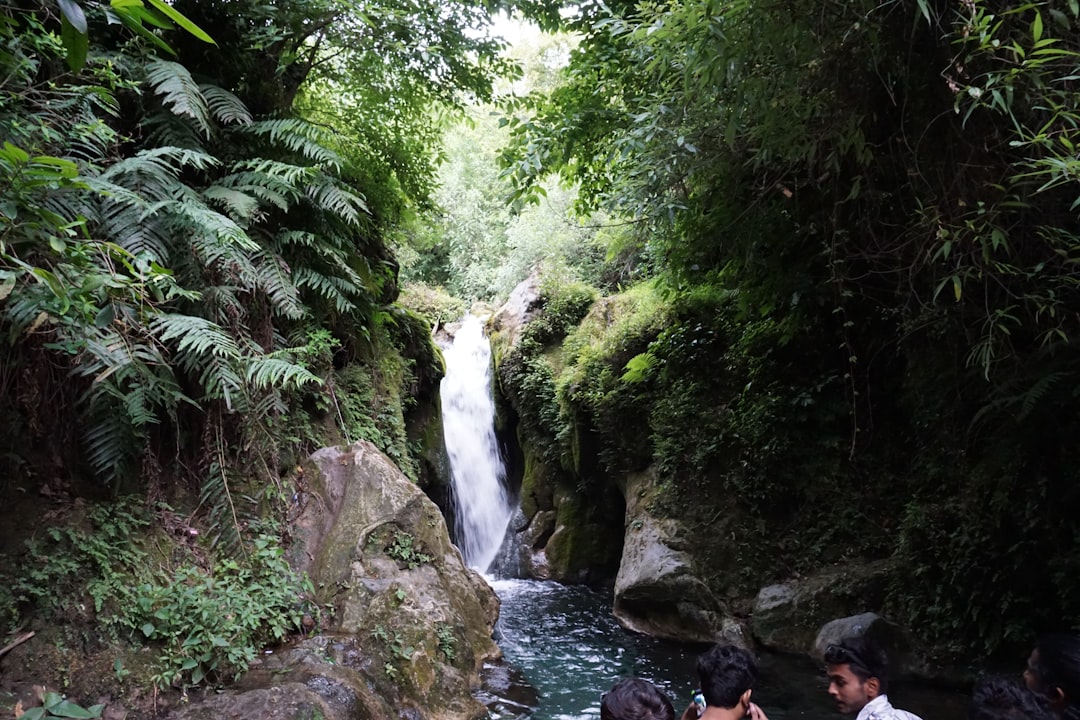
Tour operators operate in a landscape where visibility and timing are everything. High-value travel bookings are often won or lost in moments when travelers research destinations, compare providers, and seek unique experiences. For a practical overview of how Google Ads can help tour operators attract more bookings online, see this Google Ads guide for beginners.
Google Ads solutions address the challenge of reaching these high-intent travel seekers with precision. With robust targeting, operators can intercept future customers as they actively search for tours, activities, or adventure packages, eliminating wasted spend on broad, low-interest audiences.
Seasonality and regional demand shifts add complexity to tour operator marketing. Google Ads allows rapid adjustments in visibility, ensuring campaigns remain prominent during peak seasons or in trending destinations. The ability to dynamically shift budget and creative to align with real-time travel intent means operators can stay ahead of changing market conditions.
Measurable ROI is a core advantage of Google Ads for tour operators. Every click, call, and booking is tracked, providing clear attribution from ad spend to revenue. This data-driven approach distinguishes high-performing campaigns and directs investment toward audiences and keywords that consistently convert.
For tour operators managing large lead volumes or complex buyer journeys, the value multiplies when leveraging platforms that unify digital ad data with CRM and sales activity. By bridging online and offline attribution, operators gain a complete view of marketing performance and accelerate growth through smarter, more personalized engagement at every stage of the booking funnel.
Common Types of Google Ads Campaigns for Tour Operators

- Search Campaigns: Search campaigns allow tour operators to capture high-intent queries from travelers actively seeking local tours or experiences, from "same-day city tour" to "licensed whitewater rafting guide." By targeting keywords tied to destinations, activities, or last-minute bookings, operators can intercept decision-makers at the moment they're most likely to convert, and Responsive Search Ads let a single ad group test headline and description combinations to find what resonates with each query type. With advanced solutions, marketers can identify the companies behind these searches, shifting resources to audiences with the highest booking potential. For a comprehensive overview of Google Ads basics tailored for tour operators, visit this beginner's guide.
- Display Ads: Display advertising keeps tour brands top-of-mind as travelers browse travel blogs, review sites, and itinerary planners. These visual placements reinforce awareness after the first touch, reaching visitors who may be in early research mode. Dynamic audience capabilities ensure that ads follow prospects as their interest deepens, automatically updating segments as users revisit tour pages or show intent signals.
- Video Ads: Video campaigns give operators a powerful way to showcase destinations and experiences through immersive storytelling. Short clips or full-length tour highlights capture attention and inspire action, especially when tailored to the interests of specific audience cohorts. By layering in real-time behavioral insights, marketers can direct budget toward segments most likely to engage, maximizing the impact of creative assets. Discover how tour and activity operators can optimize Google Ads campaigns for better results.
- Remarketing: Remarketing strategies re-engage potential travelers who previously visited a site or interacted with a booking form. These campaigns deliver timely reminders and personalized offers, preventing leads from cooling off during the research-to-purchase window. Advanced tracking and online/offline attribution allow operators to measure every touchpoint, from website visits to phone calls and in-person bookings, ensuring remarketing investments drive true incremental revenue.
- Assets: Ad assets (formerly called extensions) let tour operators present richer, more informative listings across search and display inventory. Location, call, and sitelink assets offer direct paths to booking actions and allow for tailored messaging based on user context, such as surfacing a cancellation policy or a licensing credential alongside the main ad. When assets are synced with CRM and marketing automation platforms, audience and creative updates happen in real time, ensuring messaging always reflects current tour availability, seasonal offers, or personalized recommendations for each traveler segment.
Where to Find Growth Opportunities for Tour Operators

Targeting high-value growth opportunities requires precise alignment between digital advertising strategy and evolving traveler demand. For tour operators, vertical keyword targeting surfaces niche intent signals that standard broad campaigns overlook. By drilling into specific experience types, such as "eco-adventure zipline tours" or "culinary walking tours," teams ensure budget is reserved for prospects actively searching for specialized offerings. This granular approach filters out low-intent clicks, focusing spend on segments proven to convert at a higher rate. For a detailed look at building real-time, signal-based segments and auto-syncing with ad platforms, explore precise audience intelligence.
Competitor gap analysis reveals untapped market segments where tailored campaigns can outperform generic approaches. By systematically mapping competitors’ paid search coverage and organic rankings against your own, it's possible to spot underserved keywords, seasonal gaps, or experience types competitors neglect. This insight informs campaign design, allowing operators to reach travelers seeking experiences no other provider is actively promoting. When enriched with unified intent and engagement data, operators can accelerate time-to-market for new campaigns and shift budget quickly to the most promising opportunities. You can also reference this overview of Google Ads basics for tour operators to further refine your paid search approach.
Visibility among travel decision-makers increases when operators leverage trade forums and directories favored by B2B buyers and travel planners. These platforms are frequented by group coordinators, corporate travel agents, and destination management companies who influence high-value bookings. Display and discovery campaigns targeting these ecosystems yield warmer leads compared to traditional consumer channels. Integrating visitor identification data enables marketers to directly attribute interest and engagement from these forums back to specific companies or buyer segments, creating tailored follow-up across channels.
Content retargeting, especially when layered with travel guides or itineraries, aligns ads with users displaying genuine planning intent. By mapping engagement with in-depth content, operators can retarget audiences who have demonstrated interest in a destination or experience but have not yet booked. Dynamic audience updates ensure that as leads progress from research to booking-ready, messaging and offers are automatically adjusted. This personalized approach increases booking rates, shortens sales cycles, and maximizes return on advertising investment by focusing on those closest to conversion. If you want to streamline your growth strategy, get started for free with Sona.
How to Apply Audience Segmentation in Tour Operations

Audience segmentation is the foundation of tour operator marketing that drives measurable gains in both engagement and conversion. Creating distinct groups such as families, solo travelers, adventure seekers, and leisure tourists prevents wasted spend on generic campaigns while ensuring each message lands with the right audience. For actionable strategies, explore this overview of Google Ads basics for tour operators. This clarity enables marketing teams to allocate resources more efficiently by matching offers, visuals, and value propositions to those most likely to convert.
Leveraging intent signals transforms basic segmentation into a dynamic, high-impact tactic. By tracking actions like browsing for guided tours, seeking luxury experiences, or exploring eco-tourism offers, marketers can identify in-market travelers and shift budget toward these high-potential segments. This approach maximizes ad relevance and improves the quality of leads funneled to sales teams. Solutions that unify digital touchpoints and visitor intent make it possible to prioritize spend on audiences actively moving through the booking funnel, instead of relying on static demographic assumptions. For more strategies, review our playbooks for optimizing marketing and sales.
Once segments are defined, customizing ad groups for each audience becomes essential for maximizing campaign effectiveness. Each ad group should deliver tailored messaging, creative assets, and budgets that reflect the unique motivations and pain points of its audience. As audiences evolve, such as a lead moving from considering to booking, a unified audience management platform can update lists in real time, ensuring messaging and offers adapt instantly. This dynamic audience management reduces lag between user behavior and campaign response, improving lead nurturing and minimizing lost opportunities.
Validating conversion paths is critical for capturing actionable data at every stage of the journey. Prompt, frictionless forms, customized for each segment, enable operators to gather relevant qualifying information without introducing delays or drop-offs. Advanced tracking connects online and offline conversion events, providing a complete view of which segments drive the highest-quality bookings. When audience-level data and conversions are synced directly into ad platforms, operators gain the insight needed to optimize campaigns, attribute true ROI, and prove the value of each segment to internal stakeholders. This unified, data-driven approach empowers tour operators to make informed decisions, refine targeting strategies, and continuously improve digital marketing for tours. Ready to streamline your segmentation and campaign management? Get started for free with Sona.
This is also where measurement changes the economics. With Sona Marketing Measurement you can identify the companies behind your ad clicks, not just anonymous sessions, and segment audiences by who actually becomes a customer. That lets you build bid adjustments and audience signals around the segments that convert and de-prioritize the ones that don't, so you feed Google's algorithms "this click became a paying tour operators customer" instead of just "someone filled out a form."
Keyword Strategy & Sample Target Terms
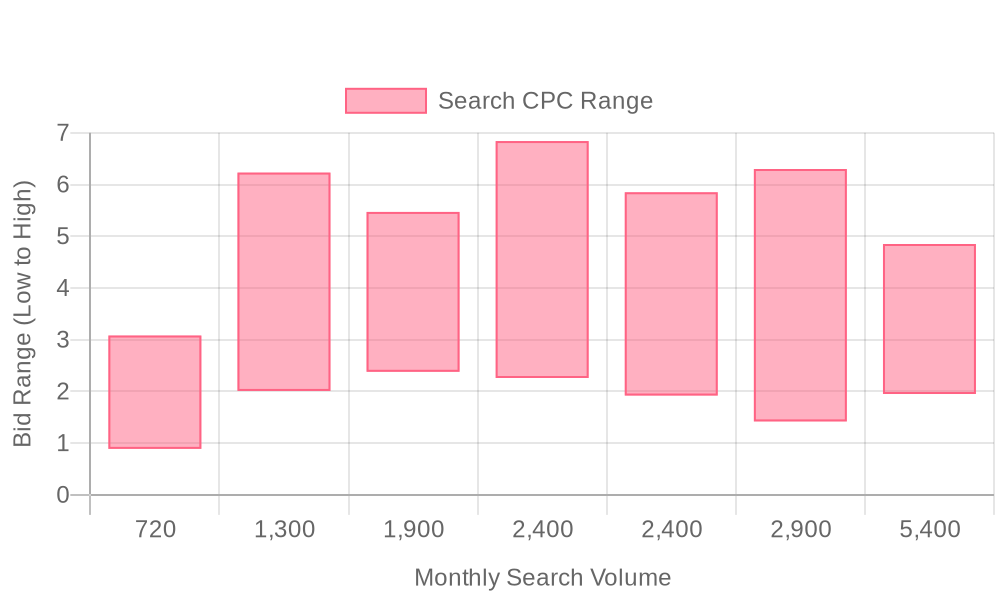
| Industry | Keyword | Monthly Search Volume | Competition Level | Low Bid | High Bid |
| Tour Operators | tauck tours for seniors | 720 | MEDIUM | 0.89 | 3.08 |
| Tour Operators | tour operators | 1300 | LOW | 2.01 | 6.23 |
| Tour Operators | travel tour companies | 1900 | MEDIUM | 2.38 | 5.47 |
| Tour Operators | group travel companies | 2400 | MEDIUM | 2.26 | 6.84 |
| Tour Operators | abercrombie and kent tours | 2400 | MEDIUM | 1.92 | 5.85 |
| Tour Operators | best travel agency near me | 2900 | LOW | 1.42 | 6.3 |
| Tour Operators | tour companies | 5400 | MEDIUM | 1.95 | 4.85 |
Identifying the right keywords is the cornerstone of effective Google Ads for tour operators. Campaigns should revolve around high-intent, high-search terms such as "local tour operators," "private city tours," or "family-friendly safari." These phrases not only capture motivated travelers but also reflect the experiences that drive actual bookings. Incorporating local modifiers like city names or landmarks, "New Orleans ghost tours," "Kyoto food tours", increases ad relevance, improves Quality Score, and ensures each ad dollar is directed toward prospects most likely to convert. For a detailed list of high-impact keywords tailored to travel, review this SEO keywords for travel agency resource.
A robust keyword strategy also involves building a negative keyword list to filter out irrelevant or low-converting traffic. Terms like "free tours," "tour guide jobs," or "virtual tours" siphon budget without generating bookings. Continually refining these lists based on real-time search data and historical campaign performance preserves spend for high-value clicks. Advanced tools enable marketers to go beyond surface-level targeting by identifying the companies and people visiting your website, allowing for granular budget allocation that aligns with in-market travel intent.
Optimizing for local relevance requires ongoing analysis of which geographic modifiers and experience descriptors resonate with specific traveler segments. For multi-location or specialized operators, segmenting keywords by experience type, such as "eco-friendly hiking tours" or "luxury wine tastings", further increases campaign efficiency. Integrating real-time intent signals and dynamically updating keyword lists as audience priorities shift ensures that campaign focus stays aligned with market demand. When this approach is paired with dynamic audience syncing and enriched CRM data, marketers can deliver tailored ad experiences to high-potential leads as soon as they move through the sales funnel, maximizing every opportunity for direct booking. To see how this works in practice, get started for free with Sona.
Step-by-Step Campaign Execution Framework
Step 1: Build Targeted Keyword Lists
Segmented keyword lists form the backbone of high-performance Google Ads for tour operators. By clustering keywords according to specific tour types, such as cultural excursions, adventure activities, or culinary experiences, marketers can align offerings with distinct traveler interests. This structure ensures ad spend is directed toward the most relevant, conversion-ready audiences. Geographic modifiers like city names, landmarks, or region-specific attractions should be integrated to sharpen targeting and capture travelers searching for nearby or destination-specific experiences. For a practical overview of Google Ads basics tailored to travel offerings, see this beginner’s guide for tour operators.
Negative keywords are essential for campaign efficiency. Carefully curated exclusions, terms like "tour guide jobs" or "virtual tours," keep ads off irrelevant or low-value searches and protect budgets from wasted clicks. An advanced approach uses Sona's Identity Resolution to see which search terms correlate with high-intent bookings, so keyword lists can be refined as buyer behavior shifts. Real-time feedback on which clusters drive qualified engagement lets teams adapt strategy on the fly, so every dollar works harder.
The upgrade most tour operators advertisers miss is going beyond raw keyword volume to layer in intent and identity signals. By connecting website-visitor data and CRM records with Sona Marketing Measurement, you can see which specific search terms bring in the accounts and customers that actually convert, and weight your keyword and bidding strategy toward those rather than the terms with the highest search volume alone.
Step 2: Develop Compelling Ad Copy
Tourism-focused ad copy must instantly resonate with potential travelers. Headlines should tap into the emotional draw of each experience, sparking curiosity or excitement about the destination. Trust and safety are top priorities for today’s travelers, so highlighting certifications, verified reviews, and safety protocols provides reassurance and sets operators apart in a crowded ad landscape. For inspiration, explore these effective Google Ads examples.
Incentive-driven messaging, such as "early bird discounts" or "limited-time offers," encourages timely conversion and can help fill off-peak tours or new launches. Sona surfaces intent signals so marketers can dynamically adjust ad copy to reflect current traveler motivations or shifts in demand, whether that's a surge of interest in a newly trending destination or last-minute searches ahead of a holiday weekend. This agility ensures the right message reaches the right audience at the ideal moment, increasing the likelihood of turning interest into bookings.
Step 3: Design Effective Landing Pages
Landing pages should provide a seamless continuation of the search experience, mirroring the ad’s promise and aligning with user intent. Focused content tailored to each tour type or offer increases engagement and reduces bounce rates. High-quality imagery showcasing destinations, activities, and guest experiences adds visual appeal and builds trust, while concise descriptions and clear calls to action streamline the booking process. For best practices in optimizing landing pages and digital advertising, explore digital advertising for tour and activity operators.
Most travel research and many bookings now happen on mobile devices, so mobile optimization is non-negotiable. Responsive design, fast load times, and frictionless booking flows are critical to capturing on-the-go interest. Using insights from Sona's Destinations feature, operators can personalize landing pages based on prior engagement or visitor profile, offering tailored content that speeds decision-making and lifts conversion.
Step 4: Implement Data-Driven Optimizations
Continuous optimization transforms one-off campaigns into scalable revenue engines. Tracking both micro-conversions (such as brochure downloads or itinerary requests) and macro-conversions (completed bookings) offers a granular view of the traveler’s journey. This layered measurement approach uncovers which touchpoints drive the highest value, informing both creative and budget allocation decisions. Learn more about PPC campaign analysis techniques to assess and refine your strategy.
Smart bidding strategies, such as Target CPA, enable dynamic adjustment to changing market conditions, helping maintain profitability across seasonal fluctuations and competitive landscapes. Integration with advanced attribution tools enables marketers to unify online and offline conversion data, creating a complete ROI picture for every campaign. Automated audience updates with Sona's Audiences tool ensure remarketing targets remain fresh as leads move through the funnel, maximizing the impact of every impression and closing the loop on missed opportunities.
Sona Marketing Measurement closes the gap between clicks and revenue. It captures every ad click with first-party tracking, ties that click through UTM capture and ad-platform APIs to the actual record in your CRM, and reports ROAS by keyword and campaign instead of by last-click form fill. Feeding that revenue signal back into Smart Bidding and Performance Max compounds over time: the algorithms optimize toward booked tour operators revenue, not cheap leads.
Tips on Expanding Your Tour Operators Presence
Cross-promotion of high-value guides in retargeting campaigns offers tour operators a pathway to engage decision-makers at the earliest stages of the buying cycle. By surfacing relevant content assets to past visitors, marketers not only nudge prospects toward conversion but also support SEO and content marketing objectives, creating a cycle where each visit builds on the last. With modern ad platforms, these efforts can be amplified by leveraging real-time audience data to serve personalized recommendations, ensuring that every touchpoint is tailored to where the prospect is in their journey.
Partnering with established travel hubs for co-branded marketing initiatives can significantly elevate your tour brand’s visibility. Joint campaigns with airlines, regional tourism boards, or hotel chains help capture the attention of high-intent travelers at the point of research or booking. These collaborations open new audience segments and foster credibility by association, especially when supported by seamless audience sync across channels. With the right integrations, enriched lead and account data can flow directly into your ad platforms and CRM, ensuring every co-branded effort targets the most promising prospects and delivers measurable pipeline impact.
Analyzing search queries from both paid and organic channels uncovers emerging traveler interests and unmet demand, giving tour operators a foundation for developing new, differentiated travel packages. By segmenting queries by intent, geography, and timing, marketers can surface trends that inform product development and campaign messaging. When search data integrates with visitor-level intent signals, marketing teams gain the agility to not just react to shifts in demand, but proactively create offers for niche segments as they emerge. This closed feedback loop, driven by unified insights, translates into smarter budget allocation, reduced time-to-market for new experiences, and higher conversion rates across every segment.
Beyond Google Ads: Winning the AI Answers Tour Operators Buyers Now Trust
Paid search captures demand at the moment someone types a query. But a fast-growing share of tour operators buyers no longer start at Google at all, they ask ChatGPT, Gemini, or Perplexity before they ever run a search, and Google's own AI Overviews increasingly summarize an answer above the traditional results. If your business isn't referenced in those AI answers, you're invisible at the exact moment buyers build their shortlist.
Sona AI Visibility shows where your business shows up across ChatGPT, Gemini, Perplexity, Google AI Overviews, and 10+ engines, and, much like a keyword report, which prompts actually send you buyers, so you can prioritize the ones that convert. Run the two together and you cover the entire buyer path: get cited where buyers research (AI Visibility), then prove which of that demand turns into booked revenue (Marketing Measurement).
Helpful resources
Conclusion
Google Ads works for tour operators because it meets travelers at the exact moment they're deciding where to go and who to book with. Precise targeting, tight keyword lists, and ad copy built around trust signals like certifications and reviews turn that moment into a booking rather than a bounce.
The operators who pull ahead won't just run more campaigns, they'll close the loop between ad spend and actual bookings, so every dollar buys a clearer picture of which travelers convert and which don't. That feedback is what turns a good Google Ads account into one that gets sharper every season.
To unify your go-to-market data and turn it into actionable insight, start for free with Sona today.
FAQ
How can tour operators effectively use Google Ads?
Tour operators can effectively use Google Ads by integrating it into their marketing mix to capture high-quality leads at every stage of the buyer journey, leveraging real-time audience insights, and optimizing ad campaigns through targeted keywords and audience strategies.
What budget is recommended for Google Ads in the travel industry?
The article does not specify an exact budget, but emphasizes focusing ad spend on high-intent, high-converting audiences and continuously optimizing campaigns based on performance data.
What are the best practices for Google Ads targeting in tourism?
Best practices include targeting high-intent search terms, segmenting audiences by travel habits, dynamically updating campaigns, and using real-time data to ensure ad relevance and maximize conversions.
How do I measure the success of my Google Ads campaigns for tours?
Success can be measured by tracking every click, call, and booking, using robust attribution to understand the full path to conversion, and adjusting campaigns based on performance reviews and real-time intent signals.
What keywords should tour operators focus on for Google Ads?
Tour operators should focus on high-intent keywords such as 'local tour operators', 'family-friendly city tours', and incorporate local modifiers like city names or landmarks to increase ad relevance and capture motivated travelers.







