


Training video providers face a familiar frustration: demo requests and content downloads pile up, but many never convert because there's no system for timely follow-up. Google Ads gives these businesses a way to reach organizations actively searching for training and upskilling content, while modern retargeting tools bring back the prospects who leave before converting. With precise targeting and clear analytics, training video providers can reach the right buyers, tie ad spend to pipeline, and measure what's actually driving revenue. This guide covers how Google Ads fits into a training video provider's marketing operation, from campaign structure to keyword strategy to closing the loop between ad clicks and enrollments.
How to Generate Leads with Google Ads: A Step-by-Step Guide for Training Video Providers

Training video providers operate in a market where rapid lead capture and precise targeting are critical for growth. Google Ads offers a scalable and data-rich environment to identify, engage, and convert high-intent prospects at each stage of the buying cycle. For deeper insights into marketing analytics and lead generation, explore our blog.
Delayed or manual follow-up is one of the biggest reasons training video providers lose warm leads. Automated workflows and real-time data syncing close the gap between a prospect clicking an ad and receiving a relevant response. Sona's Destinations syncs enriched audience data across platforms automatically, so a lead who clicks an ad for, say, compliance training content is routed and followed up on without manual handoffs. With unified data, teams can trace exactly which ad touchpoints led to each inquiry, cutting manual errors and making nurture sequences more consistent.
Training video demand is often tied to compliance deadlines, onboarding cycles, and seasonal budget resets, so keyword and targeting strategy needs to track that rhythm rather than stay static. By leveraging intent signals and in-market behaviors, providers can build keyword lists that shift with real demand, surfacing when a company is actively searching for safety certification videos ahead of an audit, or onboarding content ahead of a hiring push. For actionable keyword research strategies, check out our playbooks.
Crafting compelling ad creatives and aligning them with landing pages prevents one-size-fits-all messaging that could lead to poor engagement. High-performing campaigns use precise language and visuals tailored to the specific needs of distinct audience segments. For example, an ad targeting IT professionals seeking upskilling will direct to a landing page featuring relevant case studies, course content, and certification outcomes. Integrating visitor-level data enables marketers to swap creative assets and calls to action based on who is viewing the ad, maximizing resonance and conversion potential.
Performance optimization keeps messaging aligned to each segment as campaigns run. Continuous A/B testing, real-time reporting, and conversion tracking help providers see quickly what drives enrollment, not just clicks. Integrating offline and online conversion data gives a true picture of campaign performance and supports smarter budget allocation. Get guidance on tracking and measuring offline channels. When CRM and ad platforms are fully synchronized, every campaign adjustment reflects complete, current insight, which lowers acquisition costs and raises lead quality.
Cross-channel integration ties specific touchpoints to revenue, which makes ad spend easier to justify. Training video providers benefit from seamless sync between Google Ads, CRM, and marketing automation systems, enabling enriched audience data and real-time lead status updates to flow freely. This supports advanced retargeting and gives full transparency into which channels and creative elements actually contribute to pipeline and bookings. By connecting every digital interaction, providers can scale ad investment with confidence while keeping cost and conversion quality in check.
Why Google Ads Matters for Training Video Providers

Training video providers operate in a landscape where connecting with niche, high-value audiences is critical. Google Ads delivers the precision needed to engage these segments, ensuring that marketing investment reaches active learners and decision-makers when intent peaks. For a deeper understanding of how to maximize your campaigns, explore the Google Ads help page.
Effective targeting within Google Ads allows providers to address the common pitfalls of generic campaigns, such as missed follow-ups and wasted impressions. By leveraging real-time audience criteria and in-market signals, teams can focus spend on accounts demonstrating real-time interest in educational solutions, reducing the risk of lead decay and maximizing engagement during critical decision windows.
Measurable ROI is essential in competitive training markets. Google Ads offers granular analytics, enabling providers to attribute conversions to specific touchpoints and campaigns. When integrated with unified marketing analytics, these insights expand further: visitor identification tools move beyond anonymous clicks, surfacing the exact companies and contacts engaging with content. This empowers teams to build enriched, high-fit audiences that can be dynamically updated as leads progress through the funnel, supporting more sophisticated retargeting and nurturing strategies.
Visibility remains a key competitive driver for training video providers, especially as new platforms and learning formats emerge. Google Ads secures prominent placement in search and video environments, ensuring educational offerings are discoverable precisely when prospects are researching or comparing solutions. With advanced conversion tracking and seamless CRM synchronization, providers can link marketing investment directly to enrollments and revenue, continuously optimizing for the highest-yield opportunities.
Common Google Ads Campaign Types for Training Video Providers

- Search Campaigns: Training video providers benefit from search campaigns by capturing high-intent queries from organizations actively seeking educational resources or upskilling solutions. These campaigns target keywords like "corporate compliance video training" or "online leadership courses," ensuring ads appear precisely when potential buyers are demonstrating purchase intent. Within Search, Responsive Search Ads let marketers test multiple headlines and descriptions so Google can serve the best-performing combination. By integrating real-time identification data on website visitors and surfacing in-market behavior, marketers can dynamically adjust keyword targeting and budget to prioritize accounts showing the strongest signals of readiness, improving efficiency and pipeline quality.
- Display Ads: Display campaigns allow providers to maintain consistent brand visibility across relevant educational platforms, industry blogs, and professional forums. Even if a visitor does not convert on the first interaction, these visual placements reinforce brand recognition and keep offerings top-of-mind. When display audiences are enriched with firmographic and behavioral insights, marketers can tailor creative and placements to decision-makers at high-value companies, increasing the likelihood of a return visit and follow-up engagement.
- Video Ads: Video campaigns enable providers to showcase the quality and impact of their training content with engaging, visually-driven messages. Customizing video creative for segmented audiences, such as HR leaders, learning and development teams, or technical managers, ensures relevance and drives higher engagement. By leveraging real-time audience data that updates as leads interact with different content topics or modules, video ads can be sequenced to nurture viewers through the funnel, delivering personalized experiences that match their current interests and readiness to buy.
- Remarketing Campaigns: Remarketing strategies re-engage potential clients who previously visited course pages, watched demo videos, or started but did not complete a registration. This keeps your solutions visible as buyers evaluate options or get distracted by competing priorities. With dynamic audience lists that automatically refresh based on user activity, remarketing campaigns can serve specific messages to prospects based on their last interaction, increasing conversion rates and accelerating deal cycles. For more actionable marketing best practices, explore our collection of actionable playbooks.
- Assets: Ad assets (formerly called extensions) add critical information such as course accreditations, instructor credentials, or client testimonials, enhancing ad credibility and user engagement. Sitelinks, callouts, and structured snippets provide additional context and direct users to high-value landing pages. When assets are enriched with verified organizational data, they further build trust and can be used to highlight exclusive offers or events tailored to target accounts, especially in scenarios where initial engagement has occurred but decision-makers need a final nudge to convert.
Where to Find Growth Opportunities for Training Video Providers

Growth-focused training video providers use vertical keyword targeting to reach audiences searching for specific instructional content. Successful campaigns prioritize terms tied directly to in-demand certifications, trending skills, and niche learning outcomes, which attracts high-conversion prospects. By leveraging unified campaign data, marketers can identify which verticals are gaining momentum and shift budget accordingly, ensuring every dollar is allocated to segments with the strongest purchase intent. For campaign optimization guidance, explore the Google Ads help page for best practices on setup and ongoing performance.
Competitor analysis enables training video providers to identify overlooked market segments and emerging topics, rather than relying on generic approaches. Deep visibility into which keywords and placements drive results for rivals helps pinpoint opportunities for differentiation. When combined with real-time visitor identification and intent data, teams can prioritize outreach to prospects who have shown strong signals of interest but have yet to convert, reducing wasted spend and increasing win rates. For more strategies on using intent data, see the intent data guide.
Industry-specific placements in digital education forums and professional communities allow providers to secure visibility among motivated learners and decision-makers. Selecting placements that align with relevant interests ensures ads appear in high-value contexts, which elevates brand authority and engagement rates. Automated content retargeting further expands reach by serving whitepapers, case studies, or tutorial videos to users who engage but do not purchase, nurturing them with educational value until they are ready to enroll. If you want tactical guidance on retargeting, the intent-driven retargeting playbook offers actionable steps for leveraging first-party signals.
When training video providers integrate dynamic audience management into their Google Ads strategies, segments automatically update as users move through the funnel, from initial content consumption to repeat engagement and ultimately to conversion. By syncing enriched audience profiles and lead data back into marketing and sales systems, providers can trigger timely outreach and personalized campaigns, streamlining demand generation and maximizing campaign ROI. To see how this works in practice, get started for free with Sona and unlock data-driven growth for your training video business.
Applying Audience Segmentation in Google Ads for Training Video Providers

Defining clear audience segments based on educational needs and stages transforms campaign relevance for training video providers. Segmenting by learning objectives, such as onboarding, upskilling, or certification prep, allows marketers to deliver specific messaging that resonates with each segment’s current challenges and priorities. For practical strategies on segmenting and targeting, review this Google Ads help guide. For more on building effective segments, explore our audience segmentation playbooks.
Overlaying real-time intent signals enables teams to prioritize high-value prospects at the exact moment they demonstrate learning interest. By monitoring behaviors like video engagement, course search queries, and resource downloads, teams can shift budget to audiences showing genuine intent. Sona’s ability to surface these in-market signals empowers B2B marketers to capture demand as it emerges, driving higher conversion efficiency than static demographic or interest targeting alone.
Creating tailored ad groups for each audience segment boosts both ad relevance and engagement. For example, segmenting by job function or experience level, such as targeting HR managers seeking leadership training versus engineers looking for software tutorials, ensures the ad copy and calls-to-action are deeply aligned with each group’s needs. Dynamic audience updates further enhance this process: as contacts progress through the funnel, Sona continuously refreshes audience lists, guaranteeing that only the most relevant users receive specific ad creatives and offers.
Validating conversion paths with robust CRM integration is critical to prevent hot leads from cooling off. By automatically syncing enriched lead data from Google Ads into platforms like HubSpot or Salesforce, Sona Destinations enables immediate, coordinated follow-up actions across both marketing and sales. This seamless connection not only accelerates response times but also enables attribution models that reflect true online and offline conversions, giving training providers a comprehensive view of Google Ads ROI for training videos and supporting continual campaign refinement. If you’re ready to improve your segmentation and ROI, get started for free with Sona.
This is also where measurement changes the economics. With Sona Marketing Measurement you can identify the companies behind your ad clicks, not just anonymous sessions, and segment audiences by which companies actually become customers. That lets you build bid adjustments and audience signals around the segments that convert and de-prioritize the ones that don't, so you feed Google's algorithms "this click became a paying training video providers customer" instead of just "someone filled out a form."
Keyword Strategy & Sample Target Terms
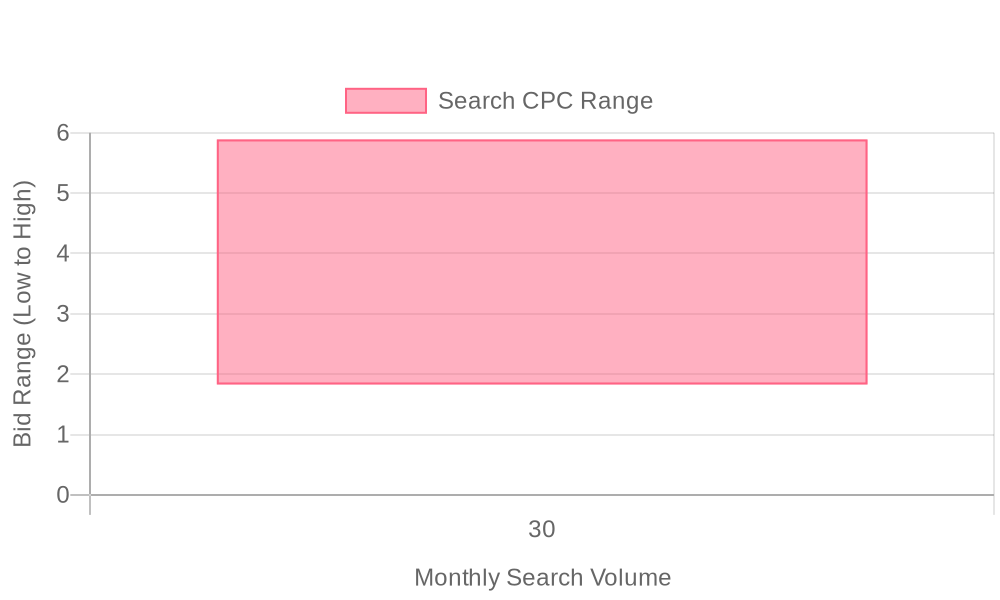
| Industry | Keyword | Monthly Search Volume | Competition Level | Low Bid | High Bid |
| Training Video Providers | evv training video | 30 | LOW | 1.83 | 5.89 |
Strategizing keyword selection is foundational for training video providers seeking to maximize their Google Ads investment. High-volume, high-intent keywords directly position offerings in front of businesses already signaling purchase readiness, driving more qualified traffic to key landing pages. To go beyond guesswork, explore Google's official training platform for insights on keyword research and campaign optimization.
Identifying the right keywords for each stage of the buyer's journey ensures engagement with audiences at the precise moment of need. Early-stage terms like "best training videos for employees" or "corporate learning video platform" attract information seekers, while mid-funnel searches such as "Google Ads for training videos" and "video-based onboarding solutions" capture comparison shoppers. Using intent data to map keywords to funnel stages helps connect with prospects who are actively evaluating or seeking training video solutions.
Prioritizing keywords based on search volume, competition, and cost-per-click allows training video providers to deploy budgets where returns are highest. Tools that analyze real-time visitor behavior help revenue teams spot which terms are driving the most in-market activity, so they can shift spend to the strongest converting segments as the funnel evolves. This performance-driven approach identifies shifting market dynamics early, ensuring campaigns stay one step ahead of competitors.
Utilizing negative keywords is equally essential. Filtering out traffic such as "free video tutorials," "YouTube learning videos," or searches unrelated to business training avoids wasteful clicks and ensures every impression is targeted toward the right audience. When dynamic audience updates and negative keyword management are combined, marketers can continuously refine reach as prospects move through awareness, consideration, and decision stages. This level of precision is further enhanced when platforms sync enriched lead and company data back into Google Ads, keeping targeting aligned with the most current funnel movements.
Sample target terms for training video providers aiming to leverage Google Ads effectively include:
- "Google Ads for training video providers"
- "employee onboarding video solutions"
- "corporate training video platform"
- "interactive video training for companies"
- "training video content for businesses"
- "LMS video integration"
- "enterprise learning videos"
- "Google Ads strategies for video providers"
- "promoting training videos with Google Ads"
- "Google Ads campaign for video marketing"
Aligning these keyword strategies with robust audience data, intent insights, and automated sync to CRM or marketing platforms ensures every ad dollar works harder to drive measurable revenue outcomes. To see how this can work for your campaigns, get started for free with Sona and unlock deeper keyword and audience insights.
Step-by-Step Campaign Execution Framework
Step 1: Build Targeted Keyword Lists
Thorough keyword development is the foundation for high-performing Google Ads for Training Video Providers. Start by mapping specific services, like leadership workshops, compliance modules, or software tutorials, to tightly themed keyword clusters. Expand lists using both high-intent commercial terms ("buy Excel training video course") and research-driven queries ("how to improve presentation skills"), ensuring alignment with the interests and language used by your audience. For marketers seeking structured learning, the best Google Ads courses can provide actionable tactics to refine keyword strategies.
With granular keyword mapping, marketers can segment campaigns for better budget allocation and relevance. By using tools that identify on-site visitor intent, you can go beyond generic traffic and prioritize search terms that signal readiness to engage or enroll. This real-time insight lets you optimize for high-value accounts, shifting spend to audiences most likely to convert. For a deeper dive into maximizing intent data, see our intent data guide.
The upgrade most training video providers advertisers miss is going beyond raw keyword volume to layer in intent and identity signals. By connecting website-visitor data and CRM records with Sona Marketing Measurement, you can see which specific search terms bring in the accounts that actually convert, and weight your keyword and bidding strategy toward those rather than the terms with the highest search volume alone.
Step 2: Craft Engaging, Insight-Driven Ad Copy
Engaging ad copy is critical for standing out in the crowded landscape of online education. Move beyond generic messaging by highlighting unique learning outcomes, expert instructors, or exclusive content. Use dynamic insertion to personalize ads based on search intent or industry, further increasing click-through and engagement rates. Marketers can leverage account-level insights to ensure each ad interaction is highly relevant.
Smart marketers use behavioral data and CRM signals to tailor ad messaging, ensuring that every interaction feels personalized. When intent signals and CRM data are unified, ad creative can reflect recent engagements, like offering a special discount to someone who watched a sample module, driving deeper connections and conversions.
Step 3: Design Conversion-Optimized Landing Pages
Each ad group should connect to a landing page specifically built for its audience segment. Pages should mirror the ad copy’s promise, whether that’s a free trial, demo video, or downloadable curriculum, and reduce friction with easy navigation and strong calls to action. Incorporate conversion-oriented elements such as testimonial carousels or video previews to build trust and drive sign-ups.
To further increase campaign ROI, unify online lead capture with offline engagement data. By syncing CRM and ad platforms, every form submission, video view, or event registration automatically updates user profiles and triggers timely follow-ups. This integration ensures leads receive the most relevant nurture sequence, turning one-time visitors into long-term customers.
Step 4: Implement Data-Driven Optimizations
Ongoing optimization is essential for sustaining and scaling Google Ads ROI for training videos. Analyze campaign performance by segment, such as device, geography, or audience intent, and adjust bids, creative, and targeting based on real conversion and engagement data. Explore official Google Ads help to stay updated on best practices for campaign optimization.
With unified data from CRM, ad platforms, and website analytics, revenue teams can build dynamic audiences that automatically update as leads move through the funnel. This enables precise retargeting, nurturing prospects who watched a demo but didn’t enroll, or upselling advanced courses to recent graduates. Advanced conversion tracking solutions, like ad conversions, ensure every touchpoint is measured, so optimization decisions are always based on true business impact.
Sona Marketing Measurement closes the gap between clicks and revenue. It captures ad clicks with first-party measurement, ties each one through UTM capture and ad-platform APIs to the matching company record in your CRM, and reports ROAS by keyword and campaign instead of by last-click form fill. Feeding that revenue signal back into Smart Bidding and Performance Max compounds over time: the algorithms optimize toward booked training video providers revenue, not cheap leads.
Tips on Expanding Your Presence as a Training Video Provider
Expanding your reach as a training video provider means executing initiatives that both widen your audience and deepen engagement with your core segments. Impactful growth comes from precise audience segmentation, strategic partnerships, regional focus, and smart content distribution, all while leveraging advanced advertising tools and unified data for greater targeting efficiency.
- Cross-promote educational content: Amplify your content marketing by distributing video modules, course previews, and educational snippets across multiple digital channels. Consistent cross-promotion on platforms like YouTube, LinkedIn, and industry-specific forums introduces your training videos to untapped audiences and drives organic growth. When these cross-channel campaigns are linked with unified tracking and audience mapping, you can identify which viewers are most likely to convert, allocate budget to high-performing segments, and avoid wasting spend on disengaged viewers.
- Develop segmented audiences for upselling: Avoid generic messaging by tailoring offers and communications to distinct audience segments, such as first-time learners, advanced professionals, or corporate training managers. By monitoring in-market behavior and engagement data, you can dynamically update these audiences as prospects move from awareness to consideration and purchase. Integrating real-time audience insights into your campaigns allows for timely upsell of related courses, certifications, or premium content, maximizing lifetime value per learner.
- Collaborate with educational associations: Partnering with professional associations, academic institutions, or credentialing bodies can dramatically increase your referral traffic while boosting credibility. These collaborations open access to highly qualified, trust-driven audiences who are actively seeking specialized training. By aligning your Google Ads campaign targeting with referral data and syncing enriched audience profiles into your advertising workflow, you can precisely retarget association members with relevant offers and case studies, reinforcing your expertise and authority within the sector.
- Strategize local targeting: Regional markets often represent high-potential but underserved segments for training video providers. Local targeting in Google Ads, supported by visitor identification and intent data, helps you prioritize regions where demand is rising or competition is lower. Running localized campaigns with tailored messaging, such as region-specific certifications or language offerings, enables you to build stronger brand presence and drive higher conversion rates in key markets. As leads engage and enroll, syncing this data with your CRM and ad platforms ensures a seamless feedback loop for continuous optimization.
Beyond Google Ads: Winning the AI Answers Training Video Providers Buyers Now Trust
Paid search captures demand at the moment someone types a query. But a fast-growing share of training video providers buyers no longer start at Google at all, they ask ChatGPT, Gemini, or Perplexity before they ever run a search, and Google's own AI Overviews increasingly summarize an answer above the traditional results. If your business isn't referenced in those AI answers, you're invisible at the exact moment buyers build their shortlist.
Sona AI Visibility shows where your business shows up across ChatGPT, Gemini, Perplexity, Google AI Overviews, and 10+ engines, and, much like a keyword report, which prompts actually send you buyers, so you can prioritize the ones that convert. Run the two together and you cover the entire buyer path: get cited where buyers research (AI Visibility), then prove which of that demand turns into booked revenue (Marketing Measurement).
Helpful resources
Conclusion
Google Ads works for training video providers when targeting, creative, and measurement pull in the same direction, not as isolated tactics. The providers who win aren't the ones spending the most, they're the ones who can see which keywords, accounts, and campaigns actually turn into enrollments, and who keep feeding that signal back into their bidding.
As AI-driven search reshapes how training video buyers research vendors, the providers who tie their ad spend to verified revenue, not just form fills, will be the ones who can keep scaling. Start for free and see what that looks like for your campaigns.
FAQ
What are the best practices for using Google Ads for training video providers?
Best practices include precise targeting, using robust analytics, engaging ad creatives with tailored landing pages, leveraging automated workflows for timely follow-up, and integrating Google Ads with CRM systems for unified data and optimized campaign performance.
How can I create effective Google Ads campaigns for my training videos?
To create effective campaigns, develop targeted keyword lists, design engaging ad copy, optimize landing pages for conversions, and continuously refine campaigns using data-driven insights and A/B testing.
What budget should I allocate for Google Ads as a training video provider?
Allocate budgets based on keyword search volume, competition, and cost-per-click, focusing on high-intent keywords that drive the most qualified traffic and aligning spend with segments showing the strongest conversion potential.
Are there specific Google Ads features that benefit training video services?
Features like dynamic audience management, ad extensions, remarketing campaigns, and CRM synchronization are beneficial as they enhance targeting precision, improve ad relevance, and ensure timely follow-up.
How can I measure the success of my Google Ads campaigns for training videos?
Success can be measured through conversion tracking, real-time reporting, integration with CRM for offline and online data synchronization, and analyzing ROI by attributing conversions to specific campaigns and touchpoints.







