


Vegan menus and packaged goods sell to a buyer who researches before ordering: checking certifications, comparing plant-based substitutes, hunting for allergen and sourcing details. Google Ads reaches that buyer mid-search, when SEO and social are still working on awareness. The vegan food category is crowded and increasingly seasonal (Veganuary spikes, holiday catering, back-to-school meal kits), so budget has to move toward the moments when intent is highest. This guide covers how to build a Google Ads program that lifts return on ad spend (ROAS) and conversion rate (CVR) for vegan food providers.
How to Generate Leads with Google Ads for Vegan Food Providers: A Step-by-Step Guide
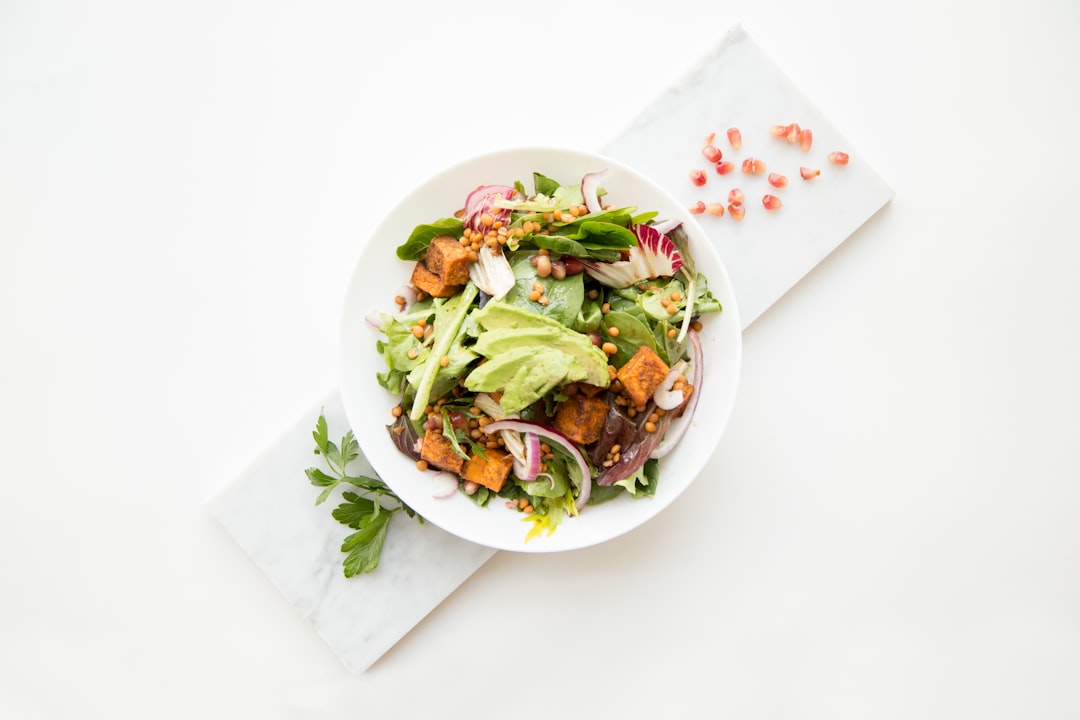
The vegan food sector is experiencing rapid digital transformation, requiring marketers to adopt smarter, intent-driven methods for lead generation. By using Google Ads strategically, vegan food providers can capture the attention of consumers who are already searching for plant-based, ethical, and health-conscious products. See vegan marketing trends for a deeper look at how digital behaviors are reshaping the space.
A step-by-step approach built on data, creative alignment, and performance optimization ensures every advertising dollar drives measurable results. Granular audience targeting, dynamic keyword management, and seamless campaign integration with other digital channels enable brands to maximize their reach and conversion rates. For expert tactics on maximizing ad ROI, explore our guide on Google Ads ROAS.
- Data-driven Approach: Modern lead generation for vegan food providers relies on pinpointing high-intent audiences using behavioral data and granular segmentation. Marketers can go beyond anonymous clicks to identify the specific companies and buyers behind a visit, so outreach targets those most likely to convert. Sona's Identity Resolution helps reveal in-market accounts and enables more targeted prospecting.
- Compelling Ad Copy: Creative consistency is critical in vegan food advertising. Aligning ad messaging with landing pages and product offerings helps establish trust and clarity, which are essential for converting the growing segment of ethical consumers. By integrating real-time insights into ad copy, marketers highlight the unique health and sustainability benefits of their products, increasing relevance and engagement. For inspiration and best practices, see ad copywriting examples.
- Performance Optimization: Effective vegan food PPC campaigns demand constant refinement. A/B testing of creatives, landing pages, and calls-to-action allows marketers to respond quickly to shifts in performance metrics. Connecting online and offline conversion data provides a full view of ROI, revealing which tactics truly drive sales and which require pivots. Real-time attribution and lead scoring empower teams to optimize spend across channels and focus on high-value prospects.
- Cross-channel Integration: Coordinating Google Ads with social, email, and website touchpoints multiplies lead generation impact. By syncing enriched audiences and first-party data across platforms, marketers can target vegan consumers with ads at every stage of the buyer journey. Automated audience updates ensure retargeting campaigns reach engaged prospects, while CRM integration enables personalized follow-up and nurtures leads into loyal customers. This builds on the strategies outlined in our retargeting guide.
Utilizing these methods, vegan food providers gain a competitive edge in online advertising for vegan products, ensuring their brand stands out to the right audience at the right time. To start applying these strategies and track your results, get started with Sona Onboarding.
Why Does Google Ads Matter for Vegan Food Providers?
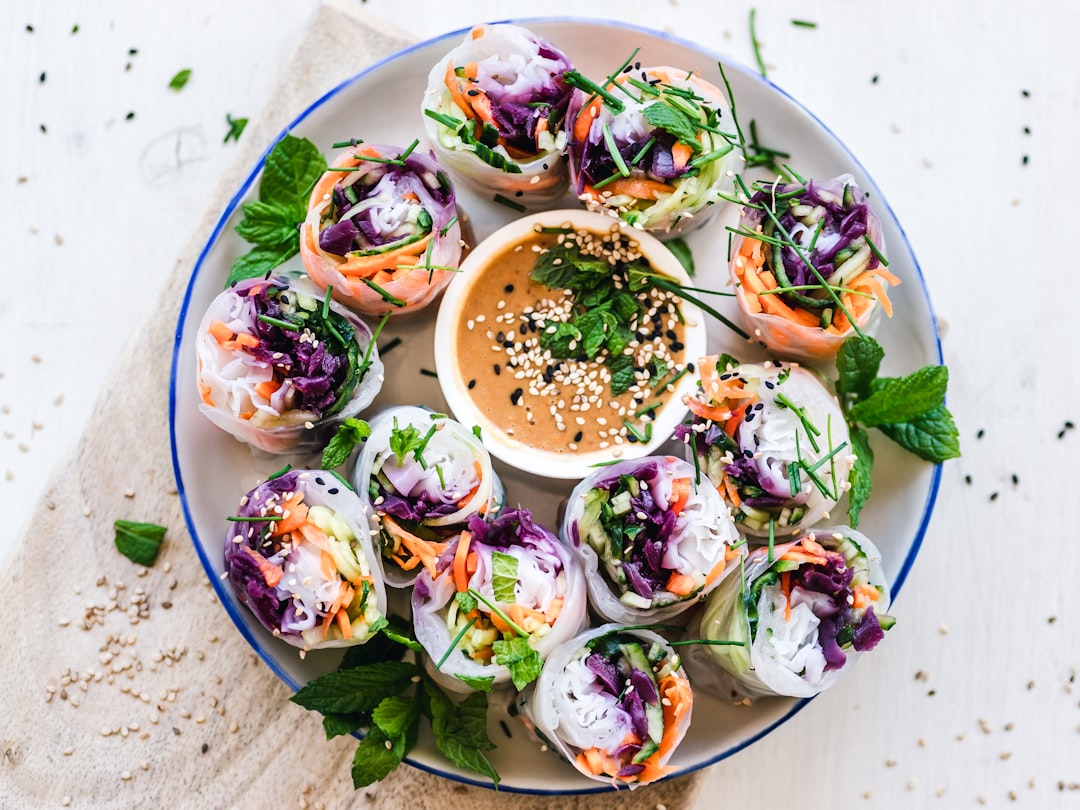
Vegan food providers face a unique set of marketing challenges that demand precise audience identification and rapid campaign adjustments. Digital marketing for vegan businesses thrives on platforms that reach consumers actively searching for plant-based options, making online advertising for vegan products more efficient and measurable compared to broad organic social approaches. Tastewise on vegan marketing provides a deeper look at this trend, highlighting how digital channels are reshaping vegan marketing.
Targeting niche audiences is fundamental for vegan food advertising. Advanced targeting capabilities in Google Ads empower marketers to direct spend toward high-intent vegan searches, ensuring that every ad impression reaches health-conscious, ethical consumers rather than a generic mass audience. With tools that surface detailed visitor data, marketers can move beyond anonymous traffic, pinpointing both individuals and organizations most likely to convert.
Google Ads lets vegan brands reach in-market buyers the moment they search, whether that's a last-minute catering order or a shopper comparing plant-based cheese brands at 9pm. Behavioral signals allow budget to shift toward the campaigns and audiences showing the strongest purchase signals, improving Google Ads ROI for vegan food. For more strategies to maximize performance, see our guide on Google Ads ROI tips.
Extended market reach is critical as plant-based trends accelerate in new regions. Google Ads lets vegan food PPC campaigns efficiently scale across geographies, focusing budget where vegan demand is growing. Integrated CRM and ad platforms mean enriched audiences and lead lists can be synced directly into campaigns, maximizing visibility and engagement for vegan restaurant marketing and product launches. This approach ensures vegan food providers stay ahead of shifting consumer demand, optimizing every dollar for relevance and growth.
Common Types of Google Ads Campaigns for Vegan Food Providers
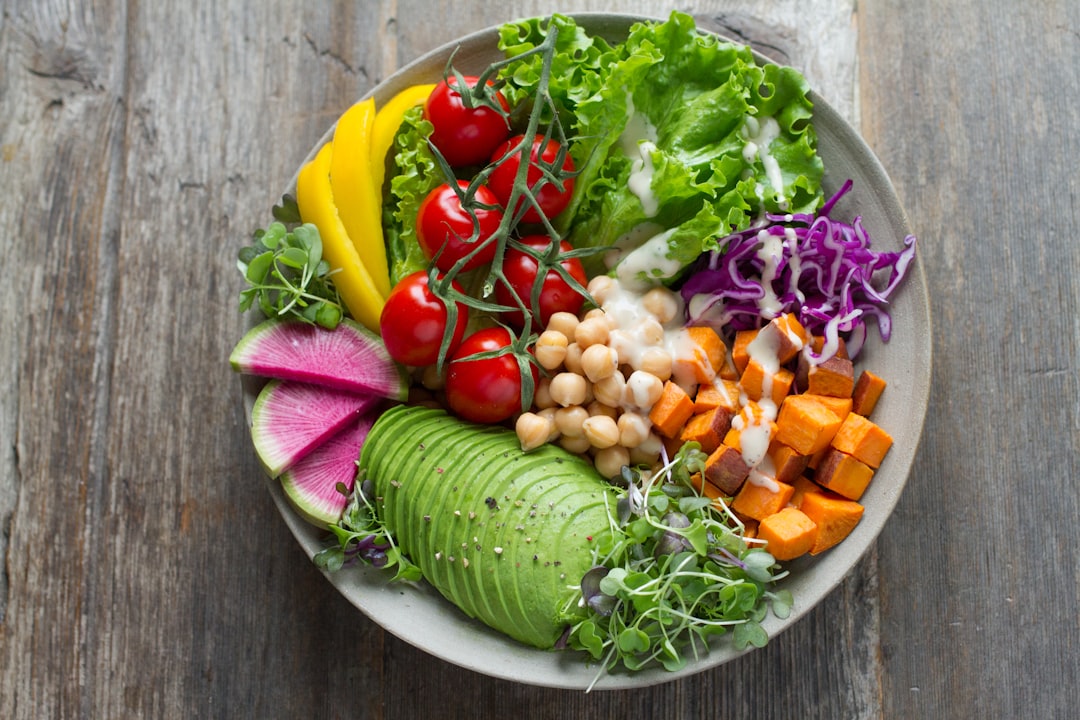
The vegan food market demands precise, data-driven advertising strategies to effectively reach ethically minded consumers and maximize return on ad spend. Choosing the right Google Ads campaign format is essential for capturing demand at each stage of the buying journey, from high-intent searches to ongoing brand reinforcement.
- Search Campaigns: Search campaigns target users actively looking for vegan food options, such as "vegan restaurants near me" or "plant-based snacks delivery." These campaigns prioritize high-intent, transaction-ready queries that directly connect local restaurants, meal kit services, or CPG brands with consumers ready to make a purchase. Real-time intent signals let marketers shift budget toward keywords and audiences showing the highest likelihood to convert. Sona's Identity Resolution helps enrich lead data and syncs it with CRM systems, aligning ad targeting with real sales opportunities and improving Google Ads ROI for vegan food providers.
- Display Ads: Display ads keep vegan food brands visible across relevant content hubs, such as recipe blogs, health magazines, and ethical lifestyle websites. This format supports top-of-funnel brand awareness and nurtures casual browsers who may not be actively searching for vegan products but are likely to be influenced by compelling visuals and messaging. Vegan marketing tips provides a deeper look at strategies for building awareness and credibility in this space.
- Video Ads: Video ads leverage the power of visual storytelling on platforms like YouTube, effectively demonstrating product benefits, meal preparation, or customer testimonials. For vegan food providers, this format is especially impactful for educating consumers on plant-based nutrition and ethical sourcing. Advanced conversion tracking connects viewer engagement to both online and offline sales, allowing for precise attribution and more informed budget allocation. For more on optimizing video campaigns, check out our guide on Google Ads ROI.
- Remarketing Campaigns: Remarketing campaigns re-engage previous website visitors, cart abandoners, or past purchasers with tailored ads that reinforce brand value and prompt action. This strategy maximizes return on previous marketing investments by maintaining persistent touchpoints with high-potential customers. Real-time audience updates ensure that remarketing lists are always current, automatically including or excluding users as they move through the buying journey. Platforms like Sona Audiences are designed to keep remarketing segments accurate and actionable.
- Ad Assets: Ad assets (formerly called extensions) enhance core campaigns with additional information, including location, call buttons, menu highlights, or promotional offers. For vegan food providers, these assets offer valuable trust signals and boost ad visibility, capturing interest from both local diners and online shoppers. Restaurant Ads Guide shares industry benchmarks and best practices for using ad assets effectively.
Selecting and orchestrating these campaign types enables vegan food marketers to address every stage of the customer lifecycle, from discovery through conversion and retention. Unified audience data, real-time intent insights, and closed-loop attribution ensure that campaigns are continuously optimized for maximum impact in the competitive vegan food advertising landscape.
Ready to maximize your vegan food ad performance? Start with Sona for smarter, data-driven campaign management.
Where to Find Growth Opportunities?
Vegan food providers face a fast-evolving digital marketplace, where standing out requires both strategic precision and creative reach. Identifying areas for expansion means leveraging data, audience insights, and highly targeted messaging tailored to the unique nuances of the vegan sector.
- Vertical Keyword Targeting: Using specialty vegan terminology such as “plant-based protein snacks,” “cruelty-free meal kits,” or “dairy-free cheese alternatives” allows your campaigns to move beyond generic search terms. This approach captures intent-rich traffic and positions your brand as a category leader in vegan food marketing. Read more at Tastewise for a deeper look at this trend and why niche targeting drives growth in vegan food segments. When unified campaign data identifies which niche terms drive the most engaged visits, budget allocation can dynamically shift to those high-converting segments, ensuring every dollar works harder for your growth goals.
- Competitor Gap Analysis: A thorough analysis of competitors’ ad coverage reveals both saturated topics and overlooked needs. When your team pinpoints unaddressed questions or products, such as gluten-free vegan desserts or eco-packaged vegan meals, you can launch targeted Google Ads for vegan food providers that address those gaps directly. For more insights on maximizing campaign ROI in competitive markets, check out our guide on Boosting Google Ads ROAS.
- Industry-specific Placements: Collaborating with vegan advocacy groups, recipe blogs, or top-rated vegan consumer sites creates authentic visibility among high-intent buyers. These placements drive engaged traffic, reinforce brand trust, and provide access to audiences that generic ad networks often miss. Sona's Identity Resolution helps identify visitors from these sources in real time, enabling more accurate retargeting and campaign optimization.
- Content Retargeting: Deploying assets like whitepapers on plant-based nutrition, video interviews with vegan chefs, or downloadable guides to sustainable eating extends your reach beyond a single ad interaction. When a visitor downloads a resource or watches a full-length video, advanced conversion tracking links their engagement across channels and surfaces them in dynamic retargeting audiences. Google Ads Benchmarks shares industry benchmarks for this approach, helping you evaluate and refine multi-touch retargeting strategies for vegan food PPC performance.
How to Apply Audience Segmentation for Vegan Food Businesses
Effective audience segmentation is the foundation of high-performance vegan food marketing. Vegan food businesses that leverage granular segmentation can align paid media spend with actual buyer intent, channeling resources to audiences that consistently demonstrate high conversion rates.
- Define Segments: Start by analyzing your customer base and separating casual diners from committed vegan lifestyle adopters. This distinction prevents budget dilution and ensures that marketing efforts focus on segments that drive sustained revenue. For example, committed vegans respond well to messaging around certification, sustainability, and exclusive product launches, while casual diners may engage more with promotional offers or trending plant-based menu items. Vegan marketing tips provides a deeper look at effective messaging strategies in the vegan space.
- Overlay Intent Signals: Enhance these segments by layering in behavioral and contextual intent data. Track actions such as browsing plant-based recipes, engaging with ethical food content, or searching for vegan nutrition guides. Integrating real-time intent signals allows vegan food advertising strategies to shift budget dynamically toward users who display in-market behaviors, boosting campaign ROI and minimizing wasted impressions.
- Create Ad Groups By Segment: Build Google Ads ad groups that align closely with each segment’s unique motivations. For example, develop separate ad groups and tailored messaging for flexitarians, vegan athletes, and ethical lifestyle consumers. As users interact across digital touchpoints, dynamic audience updates ensure each group receives relevant content and offers, increasing the likelihood of conversion while reducing ad fatigue. This builds on the strategies outlined in Intent Retargeting.
- Validate Conversion Paths: Ensure that every customer journey, from initial ad interaction to purchase or inquiry, is seamlessly tracked and integrated with your CRM. By connecting enriched audience and lead data directly into platforms like Google Ads, HubSpot, or Salesforce, vegan food providers gain end-to-end attribution. This holistic data sync empowers teams to measure true ROI, optimize retargeting, and refine engagement strategies for each segment with precision.
This is also where measurement changes the economics. With Sona Marketing Measurement you can identify the companies behind your ad clicks, not just anonymous sessions, and segment audiences by who actually becomes a customer. That lets you build bid adjustments and audience signals around the segments that convert and de-prioritize the ones that don't, so you feed Google's algorithms "this click became a paying vegan food providers customer" instead of just "someone filled out a form."
Keyword Strategy & Sample Target Terms

| Industry | Keyword | Monthly Search Volume | Competition Level | Low Bid | High Bid |
| Vegan Food Providers | whole food plant based physicians | 10 |
A data-driven keyword strategy enables vegan food providers to focus spend on the highest-value opportunities and maximize campaign ROI. By targeting precise, purchase-intent queries and avoiding wasteful clicks, marketers drive more qualified leads and increase conversions from every ad dollar.
- Top Keywords To Target: Focus on high-intent phrases such as "vegan restaurants near me," "vegan snacks," and "plant-based meal kits." These keywords reach consumers actively searching for products and services, which accelerates the path to purchase and improves the efficiency of vegan food PPC campaigns. Company-level visitor identification lets marketers uncover which keywords attract the most valuable audiences and double down on those segments for both acquisition and retargeting. Sona's Identity Resolution supports pinpointing these valuable visitor segments for improved targeting.
- Long-tail Keywords: Capitalize on highly specific searches such as "affordable vegan groceries" or "organic vegan food delivery." These niche terms are less competitive, reduce cost per click, and often signal a user who is closer to a buying decision. Dynamic audience updates ensure that as new long-tail search trends emerge, campaigns remain nimble and responsive, capturing demand in up-and-coming vegan food niches. Adtargeting Diet Keywords provides a deeper look at trending and niche keyword opportunities for the vegan sector.
- Negative Keywords: Exclude broad or non-commercial terms like "free vegan recipes" to prevent budget waste and maintain campaign focus on high-value prospects. Advanced conversion tracking can reveal which queries drive meaningful engagement versus unqualified traffic, allowing ongoing refinement of negative keyword lists. Syncing this intelligence across CRM and ad platforms ensures only in-market, high-intent prospects receive ad exposure, supporting better overall Google Ads ROI for vegan food providers.
A robust keyword approach, powered by unified data and audience insights, positions vegan food marketers to outpace competitors and respond quickly to shifts in consumer demand. For more insights on maximizing ad returns, check out our guide on Google Ads ROAS. This targeted, data-backed methodology is foundational for effective vegan food marketing and online advertising for vegan products.
Step-by-Step Campaign Execution Framework
Modern vegan food providers require performance marketing that adapts quickly to shifting consumer preferences and digital buying journeys. A structured framework for Google Ads ensures every campaign touchpoint is measurable, relevant, and optimized for both awareness and revenue outcomes. This approach transforms digital marketing for vegan businesses into a scalable growth engine.
Step 1: Build Targeted Keyword Lists
Precision in keyword selection fuels successful vegan food advertising. Start by clustering keywords according to consumer phrasing, such as "healthy vegan recipes" or "plant-based snacks," to align with the language real buyers use. Incorporate geographic modifiers to capture local demand, crucial for vegan restaurant marketing and specialty grocers targeting conscious shoppers in specific neighborhoods or cities. Long-tail queries like "organic vegan protein bars in Austin" allow you to zero in on high-intent, niche audiences who are ready to convert.
Negative keywords enhance ad spend efficiency by filtering out irrelevant search terms, such as “free vegan recipes” that typically attract non-buyers. Sophisticated marketers can further refine targeting by integrating real-time behavioral signals: using platforms that identify company-level website visitors and their in-market intent enables the creation of dynamic keyword clusters that update as audience segments evolve. This ensures vegan food PPC campaigns stay relevant and cost-effective as market conditions shift, as explored in Vegan Diet Keywords.
The upgrade most vegan food providers advertisers miss is going beyond raw keyword volume to layer in intent and identity signals. By connecting website-visitor data and CRM records with Sona Marketing Measurement, you can see which specific search terms bring in the accounts and customers that actually convert, and weight your keyword and bidding strategy toward those rather than the terms with the highest search volume alone.
Step 2: Develop Compelling Ad Copy
Effective ad copy for vegan food providers addresses common lifestyle pain-points, such as the search for healthy meal options or ethical sourcing, directly within headlines and descriptions. Messaging should reflect the core values of vegan consumers, highlighting commitments to sustainability, animal welfare, or ingredient transparency. Trust signals like eco-certifications, verified reviews, and customer testimonials further build credibility and reduce friction for first-time buyers.
Incentivizing new customers with offers, such as discounts on first orders or loyalty programs, increases conversion rates and helps drive initial trial. Enhancing visibility with ad extensions, such as sitelinks to featured products, callouts for fast shipping, or structured snippets about ingredient sourcing, broadens reach and improves click-through rates. For advanced teams, leveraging intent data allows ad creative to adapt automatically based on where prospects are in the buying journey, ensuring messaging stays relevant as leads progress through the funnel. For more on boosting Google Ads performance, see our guide on Boost Google Ads ROAS.
Step 3: Design Effective Landing Pages
A seamless connection between keyword, ad copy, and landing page is essential for vegan food marketing success. Each landing page should mirror the language and promises presented in the ad, reinforcing the unique benefits of the featured vegan products or menu items. Visual elements such as high-quality product images or explainer videos help clarify value propositions and build buyer confidence instantly.
Mobile-friendly design with persistent calls-to-action ensures every visitor can easily engage, whether purchasing, signing up for a subscription, or booking a table at a vegan restaurant. Marketers who unify online and offline data can further optimize these pages for conversion: real-time signals on user behavior, such as scroll depth or video engagement, allow for dynamic CTAs or personalized offers that drive higher conversion rates. Vegan Marketing Trends provides a deeper look at this trend and how data-driven UX influences vegan consumer engagement.
Step 4: Implement Data-Driven Optimizations
Continuous optimization is the hallmark of high-ROI Google Ads strategies for vegan food. Tracking key conversion actions, like add-to-cart events, newsletter signups, or in-store visits, provides granular insight into which campaigns and keywords are driving actual business outcomes. Smart bidding strategies optimize for cost-per-acquisition or conversion value, ensuring ad budgets are allocated to the most profitable actions rather than just clicks.
A/B testing of creatives, landing pages, and calls-to-action uncovers the messaging and offers that resonate most with targeted vegan consumers. By integrating enriched CRM data, marketers can automatically sync audiences and conversion events between platforms, enabling precise retargeting and bid adjustments based on real purchase intent. Sona's Marketing Measurement connects online and offline actions for a unified view of performance and campaign refinement, giving vegan food providers a clear read on true Google Ads ROI so they can continually refine vegan food PPC and online advertising, keeping every campaign aligned with growth and profitability.
Sona Marketing Measurement closes the gap between clicks and revenue. It captures ad clicks with first-party, company-level measurement, then ties that click through UTM capture and ad-platform APIs to the actual record in your CRM, and reports ROAS by keyword and campaign instead of by last-click form fill. Feeding that revenue signal back into Smart Bidding and Performance Max compounds over time: the algorithms optimize toward booked vegan food providers revenue, not cheap leads.
Tips on Expanding Your Vegan Food Business's Online Presence
Digital-first vegan food brands consistently gain momentum by meeting consumers where they search, shop, and engage online. Growth-focused teams that blend targeted campaigns with adaptive content strategies position themselves to capture a larger share of the rapidly expanding plant-based food market.
- Cross-promoting Educational Content: Enhance your reach by syndicating vegan nutrition guides, cooking tutorials, and sustainability articles across social, email, and your website. Pairing this with targeted remarketing keeps your brand relevant, ensuring visitors receive tailored follow-ups that align with their demonstrated interests and behaviors. Unified data platforms let marketers identify returning visitors and adjust messaging in real time, nurturing intent and lifting engagement rates. Sona's Identity Resolution supports accurate audience recognition, making these efforts more effective.
- Upselling Related Products: Utilize CRM and purchase data to segment audiences based on dietary preferences, previous orders, or browsing patterns. Personalize ad offers for bundle deals or complementary products (e.g., vegan cheese with plant-based pizza kits), increasing average order value and loyalty. Dynamic audience capabilities allow for seamless updates as shoppers move along the funnel, ensuring each upsell matches current needs and timing.
- Collaborating With Vegan Alliances: Strategic partnerships with vegan advocacy groups, influencers, or eco-conscious businesses drive referral traffic and enhance brand credibility. Co-branded campaigns and shared events position your business as an industry leader, expanding reach to high-intent prospects. Integrating partnership data with advertising platforms enables more precise targeting and attribution, so you can measure the true impact of each collaboration. See Vegan Social Media Promotion for practical examples of partnership-driven outreach in this space.
- Localizing Offers: Regionalizing ad creative and promotions helps capture demand in key vegan-friendly cities or neighborhoods. Tailor messaging to reflect local events, preferences, or cultural nuances, which increases relevance and conversion rates. Real-time campaign management solutions identify geographic trends, allowing for rapid optimization of budget allocation to the highest-performing locations.
- Creating New Content: Analyze search data to spot emerging vegan food interests, trending recipes, and rising consumer values. Develop blog posts, videos, or downloadable resources that address these topics, positioning your brand at the forefront of vegan food marketing. This builds on the strategies outlined in the Vegan Marketing Guide. This data-driven content strategy not only boosts organic visibility but also provides fresh creative for paid campaigns, amplifying your digital marketing for vegan businesses.
To optimize google ads for vegan food providers, prioritize smart targeting, keyword relevance, and seamless ad-to-landing page alignment. Use unified audience and intent data to continually refine targeting, ensuring every dollar spent is directed toward the highest-converting prospects. For more insights on maximizing return, see our guide on Google Ads ROI. Integrating your ad platform with CRM and sales tools further closes the loop, syncing enriched leads and measuring online and offline conversions for a holistic view of campaign ROI. This approach transforms online advertising for vegan products into a measurable, scalable growth engine.
Beyond Google Ads: Winning the AI Answers Vegan Food Providers Buyers Now Trust
Paid search captures demand at the moment someone types a query. But a fast-growing share of vegan food providers buyers no longer start at Google at all, they ask ChatGPT, Gemini, or Perplexity before they ever run a search, and Google's own AI Overviews increasingly summarize an answer above the traditional results. If your business isn't referenced in those AI answers, you're invisible at the exact moment buyers build their shortlist.
Sona AI Visibility shows where your business shows up across ChatGPT, Gemini, Perplexity, Google AI Overviews, and 10+ engines, and, much like a keyword report, which prompts actually send you buyers, so you can prioritize the ones that convert. Run the two together and you cover the entire buyer path: get cited where buyers research (AI Visibility), then prove which of that demand turns into booked revenue (Marketing Measurement).
Helpful resources
Conclusion
The vegan food category will keep splitting into sharper niches, allergen-specific, ultra-processed-free, hyper-local delivery, and buyers researching those niches are increasingly starting the conversation in AI tools before they ever type a query into Google. Providers who pair tight, intent-driven Search campaigns with real measurement of which clicks become paying customers will keep outspending competitors who are still guessing.
Ready to see the difference? Start a free trial to experience the platform and its capabilities firsthand.
FAQ
What are the best Google Ads strategies for vegan food providers?
The best strategies include using data-driven approaches to target high-intent audiences, compelling ad copy aligned with landing pages, performance optimization through A/B testing, and cross-channel integration to maximize reach and conversion rates.
How can vegan food businesses improve their Google Ads performance?
Improvements can be made by adopting a data-driven approach, refining audience segmentation, using real-time intent signals, and continuously optimizing campaigns through A/B testing and dynamic budget allocation.
What is the average ROAS for vegan food companies using Google Ads?
The article does not specify an average ROAS; however, it emphasizes maximizing ROAS through precise audience targeting and real-time performance optimization.
What are effective keywords for Google Ads targeting vegan food?
Effective keywords include high-intent phrases like 'vegan restaurants near me,' 'vegan snacks,' and 'plant-based meal kits,' as well as long-tail keywords such as 'affordable vegan groceries' and 'organic vegan food delivery.'
How do I create a successful Google Ads campaign for a vegan restaurant?
To create a successful campaign, build targeted keyword lists, develop compelling ad copy that addresses vegan consumer values, design effective landing pages, and use data-driven optimizations to refine your strategy continuously.







