


Diet food retailers spend heavily to reach shoppers who are already deciding between keto, vegan, or gluten-free options, and Google Ads is where that decision often gets made. Dietary preferences have splintered into dozens of overlapping niches, and generic advertising can't keep pace with a shopper searching for "low-FODMAP meal delivery" at 9pm. Google Ads closes that gap, putting a targeted offer in front of a buyer at the moment they're searching. For diet food retailers, that means capturing high-intent customers and linking online promotion directly to delivery or in-store fulfillment. The recurring failure is losing track of high-value prospects and anonymous visitors who don't convert on the first click, which quietly erodes return on ad spend. This guide covers the strategies that turn that spend into measurable results.
How to Generate Google Ads for Diet Food Retailer Leads: A Step-by-Step Guide

Diet food retailers operate in a market where high-intent buyers expect both relevance and authenticity from every digital interaction. Modern Google Ads strategies for this sector demand a blend of niche targeting, dynamic audience segmentation, and agile campaign management to convert health-conscious consumers. By leveraging company-level identification and first-party insight tools, B2B revenue teams can move beyond surface-level metrics and achieve sustainable lead generation at scale. To stay updated on the latest strategies, visit the Sona blog.
Today’s healthy food marketers must distinguish their offerings in a crowded landscape through precise keyword targeting, real-time audience enrichment, and seamless CRM integration. With technology enabling deeper visibility into buyer intent and journey stages, advertising spend can be directed toward prospects most likely to convert, driving higher ROI and stronger market share for dietary product promotion.
- Data-driven Keyword Targeting: Success in Google Ads for Diet Food Retailers hinges on identifying and activating niche diet-related keywords that reflect actual consumer intent. Terms like "vegan snacks," "keto meal delivery," and "gluten-free meal kits" allow for hyper-relevant ad delivery to prospective buyers actively searching for these specific solutions. With company-level visitor identification, marketers can move beyond generic clicks, recognizing which businesses and buyer groups are visiting and enriching those records. This directs ads toward accounts with a real likelihood of conversion, ensuring that online advertising for diet foods delivers measurable results rather than wasted impressions.
- Segmentation and Targeting: The best Google Ads strategies for healthy food marketing rely on granular segmentation informed by both behavioral and firmographic data. Sona's Identity Resolution helps B2B teams classify visitors at the company level, unlocking new layers of precision in dietary product promotion. Dynamic audience lists automatically update as leads progress through the funnel, such as moving from initial research to demonstration request, so ad spend always targets the right buying stage. Marketers can allocate budget more efficiently, nurturing high-value accounts with tailored messaging as their intent signals evolve.
- Landing Page Best Practices: High-performing diet food retail marketing requires seamless alignment between ad copy and landing page content. Messaging must clearly reflect the targeted dietary interest, whether for low-carb, organic, or allergen-free products. When high interest doesn't translate to conversions, Sona surfaces intent signals to spotlight those unconverted prospects. These insights empower marketers to launch tailored retargeting campaigns, serving personalized Google Shopping for diet products to visitors most likely to re-engage and convert.
- Optimization Strategies: Predictive analytics now make it possible to score accounts by likely buying stage, allowing marketers to refine ad spend toward high-intent searches and maximize Google Ads best practices for food retailers. By continuously analyzing in-market behavior, teams can dynamically shift budget to campaigns, channels, and audiences that show a greater likelihood of conversion. This approach ensures that every dollar spent on diet food advertising is tied to genuine buyer readiness, driving sustained pipeline growth and reducing acquisition costs. Real-time syncing between enriched audiences and CRM platforms streamlines lead follow-up, ensuring that no high-value prospect slips through the cracks.
Why Does Google Ads Matter for Diet Food Retailers?
Diet food retailers operate within a market defined by fast-changing consumer preferences, dietary trends, and high-value purchase cycles. Google Ads offers a direct channel to reach nutritionists, home chefs, and health-focused shoppers, leveraging granular audience segmentation to match ads with in-market buyers seeking specialized diet solutions. By enriching audience data, marketers can move beyond anonymous web traffic, identifying not just generic visitors but high-potential companies and individuals who are actively evaluating dietary products.
High-value transactions such as premium meal kits and specialty health snacks demand strategic budget allocation. By focusing ad spend on segments with proven purchase intent, retailers avoid wasted impressions and elevate campaign efficiency. With advanced analytics and unified data integration, teams can prioritize high-value prospects, dynamically updating audience segments as leads move through the funnel and ensuring that advertising investments consistently target the most promising accounts.
Diet food retail is highly responsive to seasonal trends, new diet movements, and shifts in consumer sentiment. Google Ads empowers retailers to react in real time, capturing surges in demand around events like New Year’s resolutions or trending diets, and adapting creative based on live intent signals. Enhanced visibility into visitor behavior and intent data enables teams to swiftly reallocate budget toward high-converting accounts, while robust attribution connects every click and conversion, whether online or offline, back to its true source, providing actionable intelligence for future campaign optimization. For more on how dietitians can leverage this platform, see best practices for dietitians using Google Ads.
Integrating Google Ads with unified analytics and CRM platforms further enhances campaign performance. By syncing enriched leads and audience data into downstream systems, teams ensure that every prospect who expresses interest receives consistent, personalized follow-up across email, sales outreach, and remarketing. This level of orchestration transforms online advertising for diet foods from isolated tactics into a cohesive, data-driven strategy that powers measurable revenue growth and long-term customer loyalty.
Common Types of Google Ads Campaigns for Diet Food Retailers

- Search Campaigns: Search campaigns are fundamental for diet food retailers aiming to capture high-intent demand. These campaigns target specific queries such as “keto snacks delivery” or “gluten-free meal kits,” connecting with consumers already in the consideration or decision stages. Within Search, Responsive Search Ads let marketers test multiple headlines and descriptions so Google can serve the best-performing combination for each query. By leveraging real-time intent signals, marketers can pinpoint high-value accounts, ensuring that budget is allocated to prospects most likely to convert. This data-driven approach enables instant adjustments, shifting spend toward keywords and accounts showing active purchase behavior to maximize every marketing dollar.
- Display Ads: Display ads offer consistent brand visibility across health blogs, recipe websites, and lifestyle platforms frequented by health-conscious consumers. This approach builds awareness and introduces dietary products to new audiences who may not be actively searching but exhibit relevant browsing habits. With dynamic audience creation, display strategies become more precise, enabling updates as individuals engage with ads or content. For B2B teams, leads who interact with display assets can be automatically synced into your CRM for targeted follow-up.
- Video Ads: Video campaigns are ideal for demonstrating product benefits, preparation methods, or customer success stories in a persuasive format. Healthy food marketing benefits from visually rich storytelling to address objections and reinforce brand trust, see how ready meal delivery brands leverage digital marketing for growth. Marketers can track both online and offline video engagement with advanced conversion tracking, revealing which creative assets drive the highest ROI in dietary product promotion.
- Remarketing: Remarketing campaigns re-engage visitors who previously interacted with diet food websites but didn’t convert. By leveraging granular site interaction data, brands can tailor follow-up messaging based on behavior, such as viewing a meal plan but not completing checkout. Integration with CRM systems ensures every re-engaged lead is tracked and attributed, closing the loop between ad spend and sales outcomes for improved online advertising for diet foods.
- Assets: Ad assets amplify diet food retail marketing by providing more information and direct pathways for action. Callout assets highlight unique selling points like “organic ingredients” or “free nutrition consultation,” while structured snippet assets show available meal plans or dietary categories. By syncing enriched business data into these assets, marketers ensure accuracy and relevance for every audience segment, driving higher engagement and supporting Google Ads best practices for food retailers targeting health-conscious consumers.
Where to Find Growth Opportunities?
Diet food retailers can accelerate growth by moving beyond crowded, generic channels and pursuing targeted strategies that capture demand from health-focused and specialty diets. Focusing efforts where high-intent audiences already gather, such as specialized forums or niche search queries, unlocks new revenue streams and minimizes wasted ad spend. Explore more insights on account-based marketing for go-to-market teams to refine your audience targeting strategy.
- Niche Keywords: Prioritizing search terms like "ketogenic snacks," "gluten-free meals," or "low-sugar breakfast bars" enables retailers to reach consumers who are actively researching specific dietary needs. By leveraging granular insights from campaign analytics, revenue teams can direct budget to keywords with above-average engagement and conversion rates. This approach maximizes visibility among the exact audiences most likely to convert, while dynamic audience lists update as consumer behaviors shift, ensuring ongoing relevance.
- Competitor Analysis: Using advanced analytics tools, marketers can map out gaps in competitors' coverage, revealing untapped opportunities in dietary product promotion. Identifying underserved products or audience segments enables retailers to quickly adjust Google Ads for diet food retailers campaigns for vertical growth. Real-time visitor identification also empowers teams to recognize which companies are researching their products, allowing for precise targeting and more personalized ad experiences.
- Industry Placements: Strategic partnerships with health forums and online communities bring ads directly to consumers who are already engaged in diet and wellness discussions. By placing ads on industry-relevant platforms, retailers reach high-intent prospects at the moment they are evaluating new diet solutions. This not only extends brand reach but also drives measurable increases in qualified traffic to both online stores and brick-and-mortar locations.
- Content Retargeting: Leveraging educational content, such as guides to healthy eating or nutrition webinars, creates multiple touchpoints for engaging prospects across the buyer journey. Content retargeting ensures that visitors who interact with valuable assets are guided back to purchase pages with tailored messaging. Integration with real-time intent data allows for automatic updates to remarketing audiences, ensuring that as leads engage or progress through the funnel, campaigns shift focus to those most likely to convert, maintaining efficiency and maximizing ROI.
By combining these strategies and unifying audience, intent, and conversion data, diet food retailers can consistently uncover and capitalize on growth opportunities in a competitive market. This data-driven, dynamic approach ensures that marketing investments are aligned with actual buyer behavior, fueling sustainable business expansion.
How to Apply Audience Segmentation for Diet Food Retailers
Diet food retailers succeed when every advertising dollar reaches the consumers most likely to buy. Audience segmentation ensures marketing messages are hyper-relevant, improving conversion rates and reducing wasted spend in a highly competitive market. For a deeper dive into strategies that help gluten-free and keto-friendly brands reach niche audiences, see this Google Ads guide for specialty food brands.
- Define Segments: Segmentation starts with granular audience definition by dietary preference, such as vegan, gluten-free, keto, or low-calorie. Each audience segment has distinct motivations, purchase triggers, and content needs. Treating these groups as interchangeable erodes efficiency and can dilute brand credibility. By mapping segments to the customer journey, diet food retailers can align messaging and offers with real purchase intent, allowing each campaign to address a unique set of challenges and aspirations.
- Intent Signal Integration: Robust segmentation incorporates explicit and implicit intent signals, including subscription sign-ups, product reviews, and behavioral cues like repeated visits to product pages or cart activity. Using these data points, marketers can dynamically prioritize users most likely to convert in the near term. Platforms that unify go-to-market data make it possible to activate these signals in real time, automating budget shifts toward high-converting accounts and surfacing in-market buyers before competitors engage them.
- Segment-Specific Ad Groups: High-performing campaigns organize ad groups around these audience definitions, tailoring creative, offers, and landing experiences to each segment. For example, a gluten-free segment may respond well to health certifications and ingredient transparency, while vegan buyers may prefer sustainability messaging. Revenue teams can use unified audience intelligence to update targeting criteria as leads progress, ensuring users who shift interests or move closer to purchase see the most relevant ads at each stage. Explore more actionable tactics in the Sona marketing playbooks.
- Validate Conversion Paths: Accurate attribution is crucial for understanding which audience segments drive the strongest results. Advanced conversion tracking captures both online and offline interactions, connecting ad clicks to actual sales, demo requests, or store visits. By integrating enriched audience and conversion data back into the CRM and ad platforms, marketers gain closed-loop insight, enabling predictive lead scoring and campaign refinement that maximizes lifetime value from each dietary niche. This level of precision ensures that every segment is measured and nurtured according to real impact, not just top-of-funnel activity. To experience the benefits firsthand, get started for free with Sona.
This is also where measurement changes the economics. With Sona Marketing Measurement you can identify the companies and buyers behind your ad clicks, not just anonymous sessions, and segment audiences by who actually becomes a customer. That lets you build bid adjustments and audience signals around the segments that convert and de-prioritize the ones that don't, so you feed Google's algorithms "this click became a paying diet food retailers customer" instead of just "someone filled out a form."
Keyword Strategy & Sample Target Terms
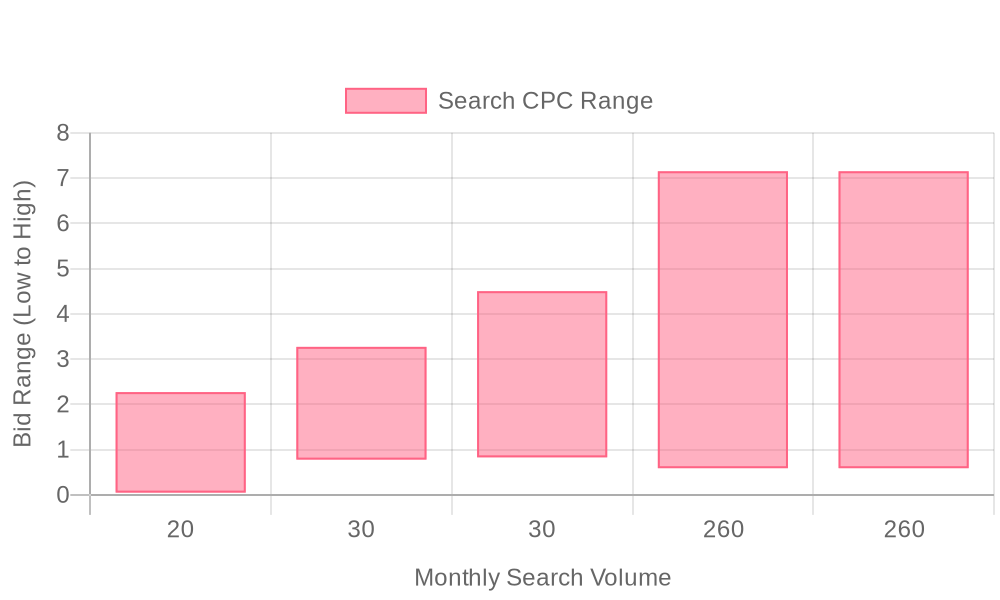
| Industry | Keyword | Monthly Search Volume | Competition Level | Low Bid | High Bid |
| Diet Food Retailers | science diet pet supermarket | 20 | MEDIUM | 0.05 | 2.27 |
| Diet Food Retailers | keto groceries near me | 30 | HIGH | 0.78 | 3.27 |
| Diet Food Retailers | science diet retail | 30 | HIGH | 0.83 | 4.5 |
| Diet Food Retailers | healthy food at sam's club | 260 | HIGH | 0.59 | 7.15 |
| Diet Food Retailers | healthy food sam's club | 260 | HIGH | 0.59 | 7.15 |
B2B revenue teams in the diet food retail space succeed when their keyword strategy is driven by specificity, intent, and continuous refinement. Precise targeting of high-value, dietary-focused terms ensures that ad budgets are invested in audiences actively seeking solutions, minimizing wasted spend and maximizing qualified lead flow. For additional strategic insights, explore Google Ads strategies for gluten-free and keto brands.
- Tailored Keywords: Strong campaign foundations start with focused terms such as "vegan food Google Ads," "meal prep service Google advertising," and "gluten-free meal delivery marketing." These keywords align closely with the purchase motivations of health-conscious consumers and B2B buyers. By continuously analyzing performance data, teams can surface additional long-tail phrases like "diet food retail marketing" or "healthy meal kit Google campaigns," further narrowing in on high-conversion opportunities. Regular keyword audits help marketers adapt quickly to shifting dietary trends, ensuring that the keyword list always reflects the most valuable queries in the category. To stay ahead of emerging trends, leverage insights from Sona's blog.
- Negate Lesser-Intent Keywords: Eliminating irrelevant traffic is just as important as capturing it. Excluding terms such as "diet tips," "easy recipes," or "weight loss at home" prevents budget from leaking into research-driven searches with low purchase intent. As campaigns mature, teams should review search term reports weekly, using real-world data to continuously sharpen negative keyword lists. This disciplined filtration process results in cleaner traffic, higher conversion rates, and a consistently stronger ROAS. For more guidance, review best practices for Google Ads in health care.
- Strategic Use of Modifiers: Leveraging local and dietary modifiers amplifies campaign relevancy and reach. Adding geographic qualifiers like "near me," "NYC," or "Los Angeles" to primary keywords focuses spend on regions with proven sales history or untapped growth potential. Similarly, dietary-specific modifiers such as "keto," "paleo," "plant-based," or "organic" enable hyper-targeted ads that resonate with niche audiences and drive higher engagement. Marketers who integrate intent signals and demographic data can dynamically adjust modifier use, ensuring campaigns always reach the most likely buyers.
When advanced platforms are layered into this process, marketers move beyond basic keyword matching. Company-level visitor identification bridges the gap between anonymous traffic and actionable lead data, allowing teams to recognize which businesses are engaging with diet food ads. Real-time audience updates further refine targeting by flagging high-value accounts as they show in-market activity, enabling on-the-fly budget shifts toward the audiences most likely to convert. As leads progress through the funnel, dynamic audience updates ensure that retargeting pools remain fresh and relevant. Seamless CRM and ad platform sync lets marketers deploy enriched audiences and conversion data back into Google Ads, maintaining a closed feedback loop that drives both precision and scale. This holistic approach empowers B2B diet food retailers to systematically outpace generic healthy food marketing strategies and maximize the impact of every advertising dollar.
Step-by-Step Campaign Execution Framework
Step 1: Build Targeted Keyword Lists
Effective campaigns for diet food retailers begin with the careful selection of niche and long-tail keywords reflecting real consumer search intent. By leveraging advanced data insights and competitive analysis, marketers can pinpoint high-value phrases such as "gluten-free meal delivery," "healthy snack subscriptions," or "keto-ready meals near me." This approach ensures that ad spend is concentrated on queries most likely to convert, reducing waste and increasing relevance. The use of real-time audience data enables continual refinement, allowing teams to quickly capitalize on emerging trends and shifts in customer demand.
Connecting keyword research directly with first-party data sources creates a feedback loop, helping marketers adjust their lists as audience behaviors and market conditions evolve. For example, as new dietary trends or product categories gain traction, enriched insights surface fresh keyword opportunities. For deeper insights into ROAS benchmarks for ready-to-eat meal companies, refer to industry ROAS benchmarks. This dynamic alignment ensures diet food advertising remains agile and competitive, targeting high-intent consumers as they enter the market.
The upgrade most diet food retailers advertisers miss is going beyond raw keyword volume to layer in intent and identity signals. By connecting website-visitor data and CRM records with Sona Marketing Measurement, you can see which specific search terms bring in the accounts and customers that actually convert, and weight your keyword and bidding strategy toward those rather than the terms with the highest search volume alone.
Step 2: Craft Compelling Ad Copy
Ad copy is the frontline of diet food promotion, so it must be both persuasive and compliant with industry standards. Addressing the pain points of health-conscious consumers, such as convenience, ingredient transparency, and nutritional value, establishes immediate relevance. Action-driven language and urgency-inducing calls to action, like “Order today for free shipping” or “Limited-time healthy meal offers,” can significantly lift response rates. By analyzing buyer journey data, ad messaging can be tailored to engage users at each phase, from awareness to conversion.
AI-enhanced modeling identifies the motivators unique to each audience segment, guiding copy adjustments in real time. As a result, advertisers can pivot messaging based on in-market behavior, delivering the right promise to the right customer at the right moment. This approach increases engagement and ensures that Google Ads for Diet Food Retailers consistently outperform generic food marketing campaigns. For additional tips, explore this step-by-step guide for dietitians to generate leads with targeted Google Ads.
Step 3: Optimize Landing Page Experience
Landing pages must deliver a seamless, relevant experience that aligns perfectly with the promise of the ad. For diet food retailers, this means designing mobile-optimized pages that showcase product benefits, nutritional information, and strong calls to action. Clear navigation and fast load times are critical, as health-focused shoppers are quick to abandon slow or confusing pages. Each landing page should be tightly linked to specific ad groups, reinforcing the message that brought the visitor there.
Integrating enriched audience insights into landing page personalization further boosts conversion rates. For example, returning visitors can be shown tailored offers or educational content based on their previous on-site actions. Learn how health food stores can optimize Google Ads to grow their local customer base in this digital marketing guide. This level of relevance not only improves immediate sales but also builds long-term loyalty among health-conscious consumers.
Step 4: Continuous Optimization Using Data Feedback
Success in online advertising for diet foods relies on a relentless commitment to optimization. Modern teams utilize advanced feedback loops, drawing on enriched real-time intent signals to continually test and refine ad creative, audience segments, and bidding strategies. Automated attribution models track both online and offline interactions, delivering a comprehensive view of true campaign ROI and highlighting high-performing channels or audience groups.
As leads move through the funnel, dynamic audience lists are updated and synced across marketing platforms, ensuring retargeting and nurture flows remain accurate. CRM integration enables seamless syncing of enriched leads and purchasing signals directly into Google Ads and sales platforms, driving timely follow-up and better attribution. This unified approach eliminates data silos, allowing revenue teams to reallocate budget to the highest-converting audiences and optimize diet food retail marketing for both acquisition and retention.
Sona Marketing Measurement closes the gap between clicks and revenue. It captures ad clicks with first-party measurement, ties that click through UTM capture and ad-platform APIs to the actual record in your CRM, and reports ROAS by keyword and campaign instead of by last-click form fill. Feeding that revenue signal back into Smart Bidding and Performance Max compounds over time: the algorithms optimize toward booked diet food retailers revenue, not cheap leads.
Tips on Expanding Your Diet Food Retail Presence
Bringing your diet food products to a wider audience requires a blend of precise targeting, audience insight, and agile campaign execution. Success in this category depends on your ability to address the unique purchase drivers of health-conscious consumers while leveraging real-time data to inform every marketing move.
- Retargeting Integration: Retargeting plays a pivotal role in driving repeat engagement and converting initial interest into tangible sales. By tracking past site visitors and reconnecting with them through tailored ad messaging, you can nurture prospects who have shown intent but have not yet purchased. With unified go-to-market data, marketers gain visibility into visitor-level actions, so retargeting efforts prioritize users with the highest likelihood to convert, supporting broader goals from awareness through to final purchase. For actionable strategies on retargeting health-focused audiences, see Google Ads for dietitians.
- Utilize CRM Audiences: Harnessing CRM data for audience segmentation empowers precise upsell and cross-sell campaigns. Segmenting existing customers by purchase history, dietary preferences, and engagement triggers ensures each message is relevant, increasing the chance of repeat business. When CRM data syncs automatically with ad platforms, audiences update as customers move through the funnel, so Google Ads campaigns always target the most qualified, in-market accounts and reduce wasted spend.
- Geographical Expansion: Expanding into new regions is most effective when driven by granular insights into demand pockets and underserved markets. Analyzing unified sales and search data uncovers high-potential geographies where diet food options are limited, guiding both ad targeting and resource allocation. Dynamic location-based campaigns can then be deployed to capitalize on these fresh opportunities, with real-time feedback loops adjusting spend based on conversion signals from each region. To learn more about location-based digital marketing for health food stores, explore digital marketing solutions for health food stores.
- Content-Driven Engagement: Content marketing should be continuously informed by search trends and campaign results, ensuring it directly supports your advertising and sales objectives. By mining search-derived topics and engagement data, retailers can develop educational content that aligns with active interests, driving organic discovery while supporting paid promotion. This approach fosters a cohesive brand narrative across channels and positions your diet food offerings as both relevant and authoritative within the healthy food market.
Beyond Google Ads: Winning the AI Answers Diet Food Retailers Buyers Now Trust
Paid search captures demand at the moment someone types a query. But a fast-growing share of diet food retailers buyers no longer start at Google at all, they ask ChatGPT, Gemini, or Perplexity before they ever run a search, and Google's own AI Overviews increasingly summarize an answer above the traditional results. If your business isn't referenced in those AI answers, you're invisible at the exact moment buyers build their shortlist.
Sona AI Visibility shows where your business shows up across ChatGPT, Gemini, Perplexity, Google AI Overviews, and 10+ engines, and, much like a keyword report, which prompts actually send you buyers, so you can prioritize the ones that convert. Run the two together and you cover the entire buyer path: get cited where buyers research (AI Visibility), then prove which of that demand turns into booked revenue (Marketing Measurement).
Helpful resources
Conclusion
Diet food retail runs on two clocks: the annual surge of New Year's resolutions and the slower churn of consumers cycling between keto, plant-based, and whatever diet trend has recently gone viral. Google Ads works because it lets retailers move at both speeds at once, catching a January spike in "meal plan delivery" searches while still holding evergreen campaigns for gluten-free or diabetic-friendly staples that sell steadily year-round.
The retailers who pull ahead won't be the ones bidding highest on "keto meal delivery," they'll be the ones who can prove which keywords and campaigns actually produced paying customers, then feed that signal back into Google's bidding algorithms. That's the difference between chasing clicks and compounding an advantage.
To put these strategies to work, start for free and see how Sona connects ad spend to actual revenue.
FAQ
What are the best Google Ads strategies for diet food retailers?
The best strategies include precise keyword targeting, dynamic audience segmentation, and agile campaign management to convert health-conscious consumers.
How can diet food retailers effectively target health-conscious consumers with Google Ads?
Retailers can target consumers by using niche keywords, real-time audience enrichment, and CRM integration to ensure ads reach high-intent prospects.
What budget should diet food retailers allocate for Google Ads?
Budgets should focus on segments with proven purchase intent, dynamically shifting to high-converting accounts to maximize ROI.
What keywords should diet food retailers use in their Google Ads campaigns?
Keywords such as 'vegan snacks,' 'keto meal delivery,' and 'gluten-free meal kits' should be prioritized to reflect consumer intent.
What are the common mistakes diet food retailers make with Google Ads?
Common mistakes include missing high-value prospects, failing to engage anonymous visitors, and not aligning ad copy with landing page content.







