


Animal food manufacturers sell into a buying cycle that mixes emotional pet-owner urgency with slow, compliance-heavy B2B procurement, and Google Ads has to serve both at once. Distributors search for wholesale terms and ingredient specs; pet owners search for grain-free or hypoallergenic formulas the week their vet raises a concern. This guide covers how to find the right keywords, build campaigns that respect that split intent, and win visibility against a crowded field of competitors, so that predictive targeting and cross-channel syncing catch high-value prospects who would otherwise slip past a generic campaign.
How to Generate Animal Food Manufacturer Leads with Google Ads: A Step-by-Step Guide
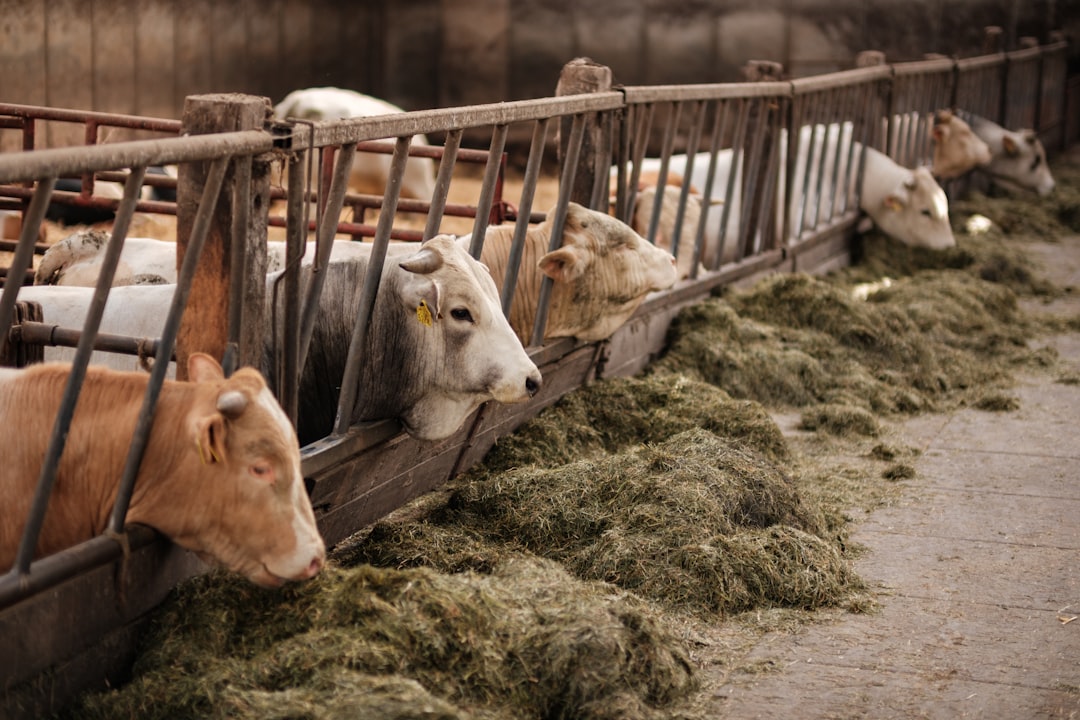
Pet food brands and animal food manufacturers face a rapidly evolving digital landscape, where precise targeting and data-driven strategies are critical for sustainable growth. Maximizing lead generation with Google Ads requires a tactical approach tailored to the unique buying triggers and competitive dynamics of the animal food industry. For a hands-on framework, refer to this step-by-step guide for pet product Google Ads, which details campaign setup and optimization.
By focusing on high-intent keywords, real-time audience segmentation, compelling creative, and detailed attribution, manufacturers can reach decision-makers and buyers at the right moment in their purchase journey. Integrating advanced data solutions enables marketers to move beyond guesswork, providing actionable insights that drive measurable demand and higher ROI.
- Keyword Research: Identifying high-converting keywords like "pet food marketing strategies," "animal food industry advertising," and "online marketing for pet food companies" is foundational. B2B teams should mine search pattern data for how procurement managers, distributors, and large-scale pet retailers actually phrase requests for quotes or ingredient specs. Layering in intent signals lets marketers refresh keyword lists as recall notices, ingredient trends, or seasonal demand shift, keeping campaigns relevant and cost-efficient.
- Audience Targeting: Precision targeting matters because animal food buyers range from independent pet stores placing small reorders to corporate procurement teams running formal RFPs. Using granular audience segmentation, teams can separate pet supply buyers, nutrition decision-makers, and pet owners actively comparing formulas. Real-time intent overlays help prioritize budget toward accounts showing in-market behavior, and Sona's Identity Resolution helps convert anonymous site traffic into named accounts for personalized follow-up.
- Ad Creative and Messaging: Effective ads for animal food manufacturers highlight differentiators such as sustainability, nutritional certifications, and health benefits tailored to specific pet types. Messaging should be clear, concise, and reflective of buyer priorities, whether that's bulk supply pricing, product traceability, or new ingredient innovations. High-performing campaigns use dynamic creative updates based on audience signals, maintaining engagement as prospects move through the funnel.
- Landing Page Optimization: Seamless alignment between ad copy and landing pages is essential for conversion. Each landing page must present a clear value proposition, direct CTAs (such as "Request a Quote" or "Get Product Details"), and trust-building elements like certifications or industry awards. By leveraging unified data and behavioral insights, marketers can personalize the landing page experience for each segment, reducing friction and increasing demo or inquiry submissions.
- Performance Monitoring: Continual measurement is necessary to refine strategy and maximize results. Conversion metrics should be tracked across both online and offline channels, allowing teams to understand the true impact of each campaign. With advanced attribution solutions, marketers can pinpoint which tactics drive qualified leads, optimize ad spend, and reduce wasted budget on low-intent demo requests. Dynamic audience updates and CRM syncs ensure high-value prospects are always prioritized for follow-up, further improving conversion rates and sales efficiency.
For animal food manufacturers, combining these Google Ads tactics with unified, actionable data transforms marketing from reactive to predictive, empowering teams to capture and convert more high-quality leads in a competitive market. Ready to put these strategies to work? Get started for free with Sona.
Why Google Ads Matter for Animal Food Manufacturers Businesses
Animal food manufacturers operate in a sector where buyers conduct extensive research before making purchasing decisions. Google Ads delivers unique value by connecting brands with these high-intent prospects at the exact moment they search for animal nutrition solutions.
- Targeting Niche Audiences: Google Ads empowers manufacturers to zero in on distinct pet food segments, such as specialty diets or breed-specific products. This focused targeting ensures ad budgets reach only those pet owners or distributors most likely to convert, maximizing efficiency and reducing wasted spend. For advanced segmentation and real-time targeting, Sona's Audiences tool allows you to build dynamic segments and seamlessly sync them with your ad platforms.
- High Margin Opportunities: By leveraging intent data, companies can tailor messaging to promote high-value products like veterinary diets or supplements. Intelligent engagement tracking further identifies upsell and cross-sell opportunities, helping to grow customer lifetime value with timely, relevant offers.
- Immediate Demand Response: Market trends in pet food shift quickly, especially with changing regulations and consumer preferences. Google Ads enables manufacturers to rapidly adjust campaigns in response to new product launches, ingredient trends, or competitor activity, ensuring they never miss a window of demand. Tools such as Sona Buyer Journeys provide a full view of key touchpoints, enabling timely and precise campaign adjustments.
- Analytics Integration: Effective marketing requires a unified data strategy. By syncing Google Ads results with CRM systems, animal food manufacturers gain a holistic view of customer journeys and campaign impact. Sona's Destinations feature ensures high-quality audience and campaign data flows seamlessly into your CRM and ad platforms for consistent messaging and smarter budget allocation.
Ready to optimize your digital advertising and audience targeting? Get started for free with Sona.
Common Types of Google Ads Campaigns for Animal Food Manufacturers

- Search Campaigns: These campaigns capture demand from pet owners actively searching for specific animal food products or nutrition solutions. By targeting high-intent queries, manufacturers position their brand in front of buyers already motivated to purchase. Leveraging real-time visitor identification, marketers can move beyond anonymous clicks to pinpoint valuable leads and optimize spend for the accounts most likely to convert.
- Display Ads: Display campaigns expand reach to relevant audiences browsing pet care content across the web. Well-placed display ads raise brand awareness among new prospects and reinforce messaging for those already familiar with the brand. Integrating dynamic audience updates ensures that as new prospects engage with your site, they are automatically added to relevant display audiences for timely follow-up.
- Video Ads: Video creatives on platforms like YouTube allow animal food manufacturers to demonstrate product benefits, showcase ingredient quality, and highlight customer testimonials. These highly visual ads convert strong interest from demonstration into measurable actions. With advanced conversion tracking, every engaged viewer and follow-up inquiry can be attributed to the source, connecting online and offline sales impact.
- Remarketing: Remarketing campaigns are essential for re-engaging visitors who demonstrated interest but left without converting. By surfacing previously anonymous interest and syncing enriched audience data back into Google Ads, marketers can deliver personalized, context-driven ads to high-potential buyers at just the right moment. This approach recaptures lost opportunities and drives incremental sales.
- Assets: Ad assets, such as location, call-out, and structured snippets, add valuable context to search ads and improve click-through rates. They help animal food manufacturers communicate unique selling points, availability, and product attributes directly within the ad unit. CRM and ad platform syncs ensure assets reflect the latest offers, store locations, and product details in real time, providing a seamless path from ad to purchase.
Where to Find Growth Opportunities?
Animal food manufacturers can capture untapped demand by pinpointing high-value verticals within their niche. Focusing on specific buyer segments, such as eco-conscious pet owners or those seeking grain-free products, enables targeted messaging and higher conversion rates compared to generic, broad-market campaigns.
- Exploring Verticals: Targeting specialty buyers is crucial for expanding reach and improving campaign efficiency. By analyzing in-market behaviors, manufacturers can identify surges in interest for emerging product categories, such as hypoallergenic or premium organic animal foods. Leveraging this data allows teams to prioritize spend on audiences most likely to convert, optimizing both ad budget and marketing resources.
- Competitor Analysis: Using advanced analytics tools, marketers can uncover gaps where competitors fail to engage or convert traffic. Identifying these missed opportunities, such as underserved search terms or neglected content formats, enables a proactive approach to campaign planning. Sophisticated platforms can match anonymous site visits to accounts, guiding ad spend toward prospects with higher purchase intent and reducing wasted impressions.
- Content Retargeting: Educational content focused on pet care and nutrition not only builds trust but also provides a foundation for re-engaging visitors who showed early interest but did not convert. With dynamic audience building, marketing teams can automatically update retargeting lists as users interact with content, ensuring follow-up messaging aligns with their current stage in the funnel. This data-driven re-engagement increases the likelihood of conversion, making each touchpoint more relevant and actionable for the buyer.
How to Apply Audience Segmentation for Animal Food Manufacturers
Precise audience segmentation gives animal food manufacturers a significant advantage in their digital marketing strategy. By identifying and targeting the right groups, marketers can deliver tailored messaging that resonates and drives measurable results. For a deeper dive into actionable frameworks, explore these marketing and sales playbooks.
- Defining Segments: Successful segmentation begins by grouping prospects into distinct categories. For animal food manufacturers, this often means differentiating between dog owners, cat owners, and pet health enthusiasts. Each segment has unique product needs, shopping behaviors, and triggers for purchase. For example, dog owners may prioritize nutrition and ingredient transparency, while pet health enthusiasts seek specialized diets or supplements. Segmenting at this level ensures messaging, creative, and offers are aligned with each group's specific interests, which increases engagement and conversion rates. Learn how to create effective pet food ads on Shopify to better address each segment's needs.
- Overlay Intent Signals: Segmentation is most effective when layered with real-time intent signals derived from browsing patterns, keyword searches, and recent content interactions. By analyzing these digital footprints, marketers can surface leads actively researching animal food products, rather than relying on static demographic data. Advanced platforms empower teams to move beyond anonymous web traffic by leveraging intent signals, pinpointing companies and decision-makers who are actively evaluating new suppliers or products. This capability enables animal food manufacturers to prioritize ad spend on high-intent accounts, improving efficiency and reducing wasted impressions.
- Create Ad Groups by Segment: Once segments and intent layers are established, creating dedicated ad groups for each audience segment is essential. Tailored creative and messaging for each group drives relevance and maximizes conversion probability. For example, an ad group for cat owners can emphasize feline-specific nutrition, while another for pet health enthusiasts can highlight research-backed formulations. Dynamic audience management ensures that as leads move through the funnel or demonstrate new behaviors, they are automatically shifted into the most appropriate segment. Connecting CRM and ad platforms allows enriched audience profiles to sync directly into campaign targeting, keeping segments fresh and aligned across channels.
Applying these segmentation strategies positions animal food manufacturers to deliver hyper-relevant campaigns that outperform broad-based approaches. Integrating dynamic segmentation, real-time intent, and audience sync ensures that every marketing dollar is spent influencing those most likely to convert. This unified, data-driven approach is essential for any modern pet food marketing strategies operation seeking predictable growth and improved ROI.
This is also where measurement changes the economics. With Sona Marketing Measurement you can identify the companies behind your ad clicks, not just anonymous sessions, and segment audiences by who actually becomes a customer. That lets you build bid adjustments and audience signals around the segments that convert and de-prioritize the ones that don't, so you feed Google's algorithms "this click became a paying animal food manufacturers customer" instead of just "someone filled out a form."
Keyword Strategy & Sample Target Terms
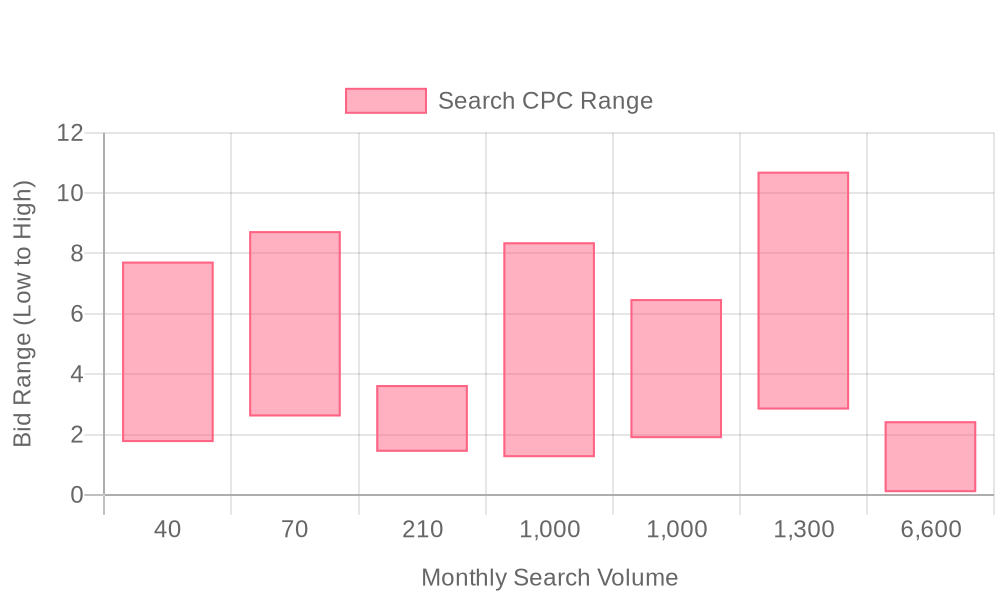
| Industry | Keyword | Monthly Search Volume | Competition Level | Low Bid | High Bid |
| Animal Food Manufacturers | animal food manufacturers | 40 | LOW | 1.75 | 7.73 |
| Animal Food Manufacturers | raw pet food suppliers | 70 | MEDIUM | 2.6 | 8.74 |
| Animal Food Manufacturers | wholesale dog food suppliers | 210 | HIGH | 1.43 | 3.64 |
| Animal Food Manufacturers | pet food suppliers | 1000 | MEDIUM | 1.25 | 8.37 |
| Animal Food Manufacturers | pet food manufacturers | 1000 | LOW | 1.88 | 6.49 |
| Animal Food Manufacturers | dog food supplier | 1300 | MEDIUM | 2.83 | 10.71 |
| Animal Food Manufacturers | diamond pet food | 6600 | HIGH | 0.09 | 2.44 |
Precision in keyword strategy fuels measurable results for animal food manufacturers aiming to generate qualified leads. A focused approach to keyword selection enables marketers to reach high-intent buyers, reduce wasted spend, and align ad campaigns with real purchasing behaviors unique to the pet food and animal nutrition sector. For step-by-step guidance on optimizing Google Ads campaigns for pet product businesses, explore this Google Ads pet products guide.
- Identifying Valuable Keywords: Start with search queries that signal purchase intent, such as 'natural pet food,' 'premium animal feed,' or 'grain-free dog food.' Analyze both broad and niche terms to capture volume while tapping into specialized needs, including trending product categories like 'organic cat food' or 'veterinary diet supplements.' By layering in-market signals and historical search data, marketers can prioritize terms that consistently convert. With unified go-to-market data, it becomes possible to distinguish between generic traffic and accounts actively researching animal nutrition products, allowing budget to flow toward campaigns with a demonstrable lift in pipeline.
- Developing Negative Keyword Lists: Filtering out irrelevant or low-value terms is critical for maintaining ROI. Exclude queries such as 'pet food recipes,' 'free dog food samples,' or 'homemade animal feed' to avoid attracting consumers not in a buying mindset. Negative keyword management should be iterative and data-driven, adjusted as new trends emerge. Advanced platforms enable real-time identification of intent shifts, automatically excluding patterns that do not convert, which prevents budget waste and keeps campaigns focused on revenue-impacting searches.
- Localized Targeting: Geo-targeted keywords like 'pet supplies near me,' 'animal feed distributor [city name],' or 'wholesale pet food [region]' enable brands to connect with buyers searching in specific markets. This approach supports both brick-and-mortar and regional e-commerce strategies, ensuring that ad spend aligns with actual supply chain capabilities. By integrating CRM and transaction data, marketers can continuously refine local keyword lists to match areas with proven demand and high customer value. This unified data approach ensures every keyword attracts the right segment, fostering engagement with leads most likely to convert.
For animal food manufacturers, a strategic blend of intent-driven, negative, and localized keywords sets the stage for efficient campaign execution. This foundation allows for dynamic updates to audience segments and messaging as new data becomes available, ensuring advertising efforts remain closely aligned with evolving market opportunities and buyer behaviors. Marketers ready to enhance their keyword campaigns can get started for free with Sona.
Step-by-Step Campaign Execution Framework
Animal food manufacturers face unique digital marketing challenges: fragmented buyer intent, fast-moving trends, and complex product lines. Leveraging a unified, data-driven approach to campaign execution is key to capturing high-intent buyers and maximizing ROI.
Competitive advantage comes from precise targeting, real-time audience insights, and seamless connection between marketing and sales data. Modern platforms now enable teams to identify decision-makers, attribute conversions more accurately, and optimize spend based on true intent signals.
Step 1: Build Targeted Keyword Lists
Effective Google Ads for Animal Food Manufacturers start with granular keyword segmentation. Segment keywords by product type, such as organic pet food, grain-free cat food, or hypoallergenic dog treats, and layer in local or regional modifiers. This prevents wasted spend on irrelevant searches and ensures ad visibility aligns with genuine buyer needs. Teams using unified data platforms can further refine targeting by identifying company-level search intent and prioritizing keywords that signal high buying probability. For a step-by-step approach to Google Ads in the pet industry, review this pet product campaign guide. When visitor identification is in place, marketers can move beyond anonymous clicks and build audience lists packed with verified accounts, driving more qualified traffic from the outset.
The upgrade most animal food manufacturers advertisers miss is going beyond raw keyword volume to layer in intent and identity signals. By connecting website-visitor data and CRM records with Sona Marketing Measurement, you can see which specific search terms bring in the accounts and customers that actually convert, and weight your keyword and bidding strategy toward those rather than the terms with the highest search volume alone.
Step 2: Develop Compelling Ad Copy
Ad copy must speak directly to both the emotional and rational concerns of pet owners and B2B buyers in the animal food sector. Highlighting benefits such as nutritional value, sourcing transparency, or allergy-friendly ingredients creates resonance. Meanwhile, including concrete calls-to-action, like "Request a distributor sample" or "Compare nutrition profiles," guides the user's journey with clarity. Real-time intent signals and dynamic audience data empower marketers to tailor messaging based on where leads are in the funnel, ensuring each prospect sees the most relevant offer. As audiences automatically update with behavior shifts or CRM changes, ad creative remains timely and effective.
Step 3: Design Effective Landing Pages
A seamless transition from ad to landing page is critical for conversion. Page content should reinforce the ad's promise, emphasize unique product differentiators, and feature testimonials from veterinarians or satisfied partners. Including detailed product specs and regulatory certifications addresses the practical needs of procurement teams and pet retailers. Integrating advanced conversion tracking allows teams to measure both online engagement and offline actions, such as sample requests or distributor sign-ups, ensuring no touchpoint is missed in the attribution model. Audience enrichment and CRM sync streamline the follow-up process, as every form fill or call is captured and routed to the appropriate sales workflow.
Step 4: Implement Data-Driven Optimizations
Continuous optimization is essential in the fast-paced animal food industry. Smart bidding strategies should prioritize segments with high engagement or conversion potential, automatically shifting budget toward top-performing audiences. To understand industry benchmarks and optimize spend, consult Google Ads CPM rates for pet food. Analyzing multi-touch attribution data uncovers which channels and creative combinations drive the most value, informing ongoing adjustments. Dynamic audience management ensures that as leads move through the funnel, such as from research to purchase intent, their ad experience evolves in real time. Unified data visibility enables revenue teams to act quickly on emerging trends, reallocate spend, and maximize ROI across every campaign.
Sona Marketing Measurement closes the gap between clicks and revenue. It captures ad clicks with first-party tracking, then ties that click through UTM capture and ad-platform APIs to the actual record in your CRM, and reports ROAS by keyword and campaign instead of by last-click form fill. Feeding that revenue signal back into Smart Bidding and Performance Max compounds over time: the algorithms optimize toward booked animal food manufacturers revenue, not cheap leads.
Tips on Expanding Your Animal Food Manufacturers Presence
Expanding market share in the animal food manufacturing sector requires a blend of tactical execution and data-driven agility. Success hinges on adapting to shifts in consumer demand and leveraging digital innovation to stay visible and relevant.
- Leverage Seasonal Trends: Capturing demand during holidays and pet-focused events delivers timely value and boosts engagement. Aligning promotional campaigns with these seasonal moments ensures messaging is contextually relevant, driving higher conversion rates and fostering customer loyalty.
- Partner with Influencers: Collaborating with trusted voices in the pet industry amplifies brand reach and credibility, particularly in markets where traditional advertising is less effective. Influencer partnerships create authentic touchpoints that resonate with targeted pet owners, increasing trust and driving qualified traffic to your campaigns. To further optimize campaign effectiveness, explore these actionable marketing playbooks.
- Localize Campaigns: Building awareness in regional markets enables animal food manufacturers to address unique local preferences and overcome audience disengagement. Using intent signals and visitor identification tools, marketers can precisely target high-value local segments, ensuring that ad spend is efficiently allocated to drive measurable growth in underpenetrated geographies.
Final Summary
Animal food manufacturers achieve stronger digital performance by prioritizing precise audience targeting, strategic keyword management, and ongoing optimization within Google Ads. These core practices allow brands to capture and convert high-intent buyers who are actively searching for specialized pet food products in a competitive market. For a comprehensive step-by-step approach, marketers can refer to this Google Ads guide for pet products to structure and optimize their campaigns effectively.
Integrating advanced tools amplifies these efforts by unlocking deeper insights into both audience behaviors and real-time engagement signals. By leveraging unified data, teams can move beyond anonymous web traffic, swiftly identifying high-value visitors and the companies behind them. This actionable intelligence enables marketers to dynamically adjust budgets, optimize creative, and deliver relevant messaging at every stage of the buyer journey.
Continuous campaign refinement, supported by robust online and offline conversion tracking, ensures that animal food brands measure the true impact of their digital investments. Seamless CRM and ad platform integrations further empower marketers to sync enriched leads and audience segments across Google Ads and core sales systems, maximizing each touchpoint and driving measurable revenue growth.
Beyond Google Ads: Winning the AI Answers Animal Food Manufacturers Buyers Now Trust
Paid search captures demand at the moment someone types a query. But a fast-growing share of animal food manufacturers buyers no longer start at Google at all, they ask ChatGPT, Gemini, or Perplexity before they ever run a search, and Google's own AI Overviews increasingly summarize an answer above the traditional results. If your business isn't referenced in those AI answers, you're invisible at the exact moment buyers build their shortlist.
Sona AI Visibility shows where your business shows up across ChatGPT, Gemini, Perplexity, Google AI Overviews, and 10+ engines, and, much like a keyword report, which prompts actually send you buyers, so you can prioritize the ones that convert. Run the two together and you cover the entire buyer path: get cited where buyers research (AI Visibility), then prove which of that demand turns into booked revenue (Marketing Measurement).
Helpful resources
Conclusion
Google Ads works for animal food manufacturers when targeting matches the split nature of the buyer base: pet owners chasing a specific formula and procurement teams running a formal evaluation. Get the keyword and audience strategy right and both segments find your products at the moment they're ready to act.
The manufacturers pulling ahead right now are the ones pairing that targeting with real attribution, so every dollar spent chases buyers who actually place an order, not just a click. Start for free to see how unified go-to-market data can sharpen that loop.
FAQ
What are the best Google Ads strategies for animal food manufacturers?
Effective strategies include precise keyword research, real-time audience segmentation, compelling ad creative, and optimized landing pages to capture high-intent buyers and maximize ROI.
How can animal food manufacturers target pet owners with Google Ads?
Manufacturers can target pet owners by using niche audience segments, leveraging predictive buying signals, and syncing campaigns across various channels to ensure precise targeting and engagement.
What is the average cost per click for Google Ads in the animal food industry?
The article does not specify an average cost per click for Google Ads in the animal food industry.
How can animal food manufacturers optimize their Google Ads for better ROI?
Manufacturers can optimize ROI by focusing on high-converting keywords, using advanced data solutions for audience insights, and aligning ad messaging with landing page content.
What are some successful case studies of Google Ads campaigns in the animal food manufacturing sector?
The article does not provide specific case studies but highlights strategies like using dynamic creative updates and leveraging intent data for successful campaign execution.







