


Valve automation buyers rarely browse. An engineer troubleshooting a failed actuator or a procurement manager sourcing a plant upgrade searches with intent and expects to find a vendor within minutes, not weeks. Google Ads matters here because it catches that moment: the search for a specific valve type, control protocol, or integration spec that signals a live project. Modern platforms extend that advantage further, connecting ad clicks to company identity, syncing CRM data with audience targeting, and tracking a lead from first click through closed deal. This guide walks through how valve automation businesses can put Google Ads to work across that full cycle.
How to Generate Valve Automation Systems Leads with Google Ads: A Step-by-Step Guide

B2B marketers in the valve automation sector need a precise, data-driven approach to paid media if they want to engage technical buyers and drive qualified pipeline. The competition for high-value leads is intense, and generic demand generation tactics rarely surface the decision-makers behind enterprise automation initiatives. For a deeper dive into successful B2B strategies, explore guides on account-based marketing.
A targeted Google Ads strategy enables revenue teams to put their solutions in front of engineers, plant managers, and procurement specialists at the exact moment they are researching automation upgrades. By layering campaign data with intent signals and account-level insights, teams can unlock more efficient ad spend and higher conversion rates.
Integrating advanced analytics tools gives marketers the ability to go beyond just impressions and clicks. Identifying anonymous website visitors and connecting their sessions to real company accounts transforms traditional paid search into an engine for account-based growth. This lets teams prioritize in-market accounts, nurture them with relevant messaging, and justify investment with true, pipeline-driven ROI. Data unification also means audiences are dynamically updated as leads engage across touchpoints, ensuring remarketing efforts focus only on those progressing through the funnel.
This comprehensive framework walks through proven strategies for Google Ads campaign setup for valve automation, including keyword research tailored to industry-specific buying cycles, landing page optimization for technical audiences, and actionable reporting that bridges online and offline attribution. Discover a video walkthrough of Google Ads automation fundamentals to see these concepts in action. Ready to optimize your pipeline? Get started for free with Sona.
Why Does Google Ads Matter for Valve Automation Systems?
Valve automation companies face a unique challenge: reaching a highly technical audience that often includes engineers, procurement teams, and decision-makers in industrial sectors. Google Ads offers a direct route to these niche buyers, allowing marketers to present precise solutions at critical stages of the procurement process. For a deeper dive into optimizing campaigns for technical audiences, explore this in-depth guide to Google Ads automation.
Visibility in this space remains difficult, especially when many decision-makers research anonymously before ever engaging with sales. Advanced digital tools now enable marketers to move beyond basic web analytics and pinpoint the companies behind anonymous visits with Sona's Identity Resolution, helping surface high-potential leads that would otherwise go unnoticed. By enriching custom affinity audiences with real-time visitor data, campaigns can prioritize firms already showing interest, ensuring ad budgets target accounts with the highest purchase intent.
Rapid response to surges in demand is another advantage. Valve automation projects often arise from urgent operational needs; Google Ads empowers marketers to capture these in-market buyers as soon as they begin searching. When CRM and ad platforms operate in sync, dynamic audience updates and real-time conversion tracking allow marketing teams to optimize spend as leads progress through the funnel. This unified approach fuels higher-margin service promotion in both established and emerging regions, steadily building pipeline through precise, data-driven targeting.
Common Types of Google Ads Campaigns for Valve Automation Systems Services

- Search Campaigns: These capture urgent, high-intent queries from engineers, procurement teams, and decision-makers actively searching for valve automation solutions. Using tightly themed ad groups aligned to technical keywords ensures ads appear for the most relevant searches, driving qualified inbound leads. Integrating CRM and web data allows for dynamic audience updates, so search ads target only those accounts progressing through the decision cycle.
- Display Ads: Display campaigns keep your valve automation brand visible on industry news sites, forums, and relevant B2B networks. They support awareness-building with consistent visuals and technical messaging that reinforce credibility. When combined with real-time visitor identification, display budgets can be shifted toward companies showing in-market buying signals, reducing wasted impressions and increasing competitive share-of-voice. For best practices on campaign setup and optimization, see this Google Ads automation guide.
- Video Ads: Valve automation systems are often complex, requiring visual demonstrations of product features, integration, and operational benefits. Video ads educate prospects at early stages, simplify technical concepts, and build trust through case studies or explainer content. With granular tracking, marketers can pinpoint which companies watch key videos, then sync these engaged audiences for follow-up search or retargeting campaigns.
- Remarketing Campaigns: Many B2B buyers research over weeks or months. Remarketing campaigns re-engage previous site visitors, tailoring creative to their original interest, whether product specs, industry certifications, or application expertise. By connecting web analytics and CRM activity, remarketing lists stay fresh as leads evolve, automatically excluding converted accounts or prioritizing those showing renewed interest.
- Ad Assets: Ad assets (formerly called extensions) add valuable trust signals and increase conversion rates. For valve automation, this means highlighting certifications, engineering support, case studies, and direct contact options within ads. Automated sync between CRM data and ad platforms ensures up-to-date assets, such as direct links to technical resources or regional sales contacts, are shown to the right buying groups throughout the funnel.
Strategically linking messaging across these campaign types is essential. Disconnected ads can confuse prospects or lead to channel cannibalization. When campaign workflows and audiences are unified via centralized data, each touchpoint aligns with the buyer journey, maximizing efficiency and driving measurable results for industrial automation marketers.
Where to Find Growth Opportunities?
Growth in the valve automation systems sector often shows up first in seasonal capital-spending cycles, plant shutdown windows, and regulatory-driven upgrade mandates, periods when procurement teams have budget approved and a deadline to hit. Precision in data-driven targeting, paired with advanced retargeting strategies, allows B2B teams to reach the accounts moving through these windows before standard campaigns even notice the demand.
- Vertical keyword targeting: Identifying and prioritizing industry-specific keywords such as “automated valve control solutions” and “industrial automation system upgrades” ensures that ads reach engineers, procurement managers, and plant operators actively seeking solutions. This granular approach improves ad relevance, click-through rates, and drives qualified traffic into the funnel.
- Competitor gap analysis: By analyzing where competitors are under-invested or missing key search and display placements, marketers can position their brand in front of unaddressed audiences. Tools that provide visibility into competitor share of voice and missed placements help teams capitalize on these gaps for incremental growth. For an in-depth guide to automation features and best practices, see Google Ads automation guide.
- Industry-specific placements: Targeting placements on engineering forums, automation technology publications, and procurement platforms delivers ad creatives to decision-makers in relevant research environments. Custom audiences can be built from site visitors, webinar registrants, or trade show attendees, then activated across the Google Display Network for sustained engagement.
- Content retargeting techniques: Not all high-intent visitors fill out demo or quote request forms. With modern visitor identification technology, marketers can pinpoint which companies or personas engaged with key product pages but failed to convert. Using this insight, tailored ads can be served to these accounts via retargeting strategies, reigniting interest and moving them further down the pipeline.
Integrating enriched CRM data with dynamic audience updates further refines segments as prospects advance through the sales cycle. By layering online engagement data with offline signals, such as sales calls or trade show interactions, revenue teams create a closed-loop feedback system that focuses investment where it drives measurable results.
How to Apply Audience Segmentation for Valve Automation Systems

Modern revenue teams in the valve automation industry are shifting from generic outreach to highly data-driven audience segmentation. This focus helps marketing and sales teams identify and prioritize high-value leads, driving more qualified pipeline and improving ROI. Explore more strategies for B2B growth in our marketing analytics blog.
Effective audience segmentation for valve automation systems begins by defining distinct buyer groups based on industry, company size, and purchasing behavior. Advanced platforms enable marketers to overlay real-time intent signals, surfacing which companies are actively researching solutions or demonstrating in-market activity relevant to valve automation. For a deeper dive into automation tools and peer recommendations, see this Google Ads automation tools discussion.
Custom ad groups can be constructed in Google Ads for Valve Automation Systems by aligning segment definitions with tailored messaging and unique value propositions. Marketers can sync enriched audience data and high-scoring leads directly into their ad platforms and connected CRMs, ensuring seamless continuity between digital campaigns and sales outreach. For actionable tactics on automating account research, refer to our account research playbook.
Dynamic audience updates play a critical role: as leads engage with content or progress through the funnel, segments automatically refresh, allowing ads to stay hyper-relevant at every stage of the buyer journey.
Conversion path validation is essential for valve automation systems marketing, especially when bridging online lead generation with offline sales cycles. Using advanced attribution and conversion tracking, teams can connect ad engagement to both digital form fills and offline actions like sales meetings or demo requests. For a comprehensive approach to offline attribution, check out our offline attribution guide.
This is also where measurement changes the economics. With Sona Marketing Measurement you can identify the companies behind your ad clicks, not just anonymous sessions, and segment audiences by which accounts actually become customers. That lets you build bid adjustments and audience signals around the segments that convert and de-prioritize the ones that don't, so you feed Google's algorithms "this click became a paying valve automation systems customer" instead of just "someone filled out a form."
Keyword Strategy & Sample Target Terms
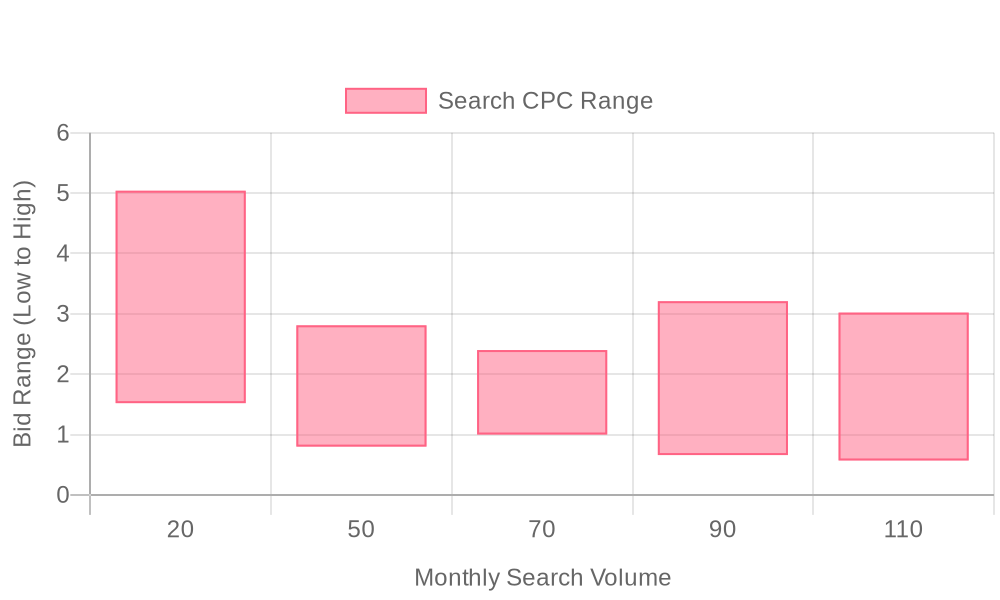
| Industry | Keyword | Monthly Search Volume | Competition Level | Low Bid | High Bid |
| Valve Automation Systems | automatic valve company | 20 | MEDIUM | 1.52 | 5.04 |
| Valve Automation Systems | automatic valve actuator | 50 | HIGH | 0.8 | 2.81 |
| Valve Automation Systems | automatic gate valve | 70 | HIGH | 1 | 2.4 |
| Valve Automation Systems | electric gate valves | 90 | HIGH | 0.66 | 3.21 |
| Valve Automation Systems | automatic pressure relief valve | 110 | HIGH | 0.57 | 3.02 |
Effective keyword strategy is foundational for capturing high-intent buyers in the valve automation systems sector. Precision in targeting ensures that ads reach decision-makers engaged in active research or procurement, translating directly to measurable pipeline impact. For marketers aiming to identify which companies and individuals are visiting their website, even those who remain anonymous, Sona's Identity Resolution provides deep insights to reveal buyer intent and trigger sales or marketing actions automatically.
For Google Ads campaigns in industrial automation, aligning keywords with the nuanced needs of engineers, plant managers, and procurement teams drives relevance and higher click-through rates. This sector benefits from focusing on terms such as industrial automation PPC, valve automation systems marketing, and automated advertising for valve industry. These keywords target users who are likely comparing vendors, technologies, and integration capabilities. Explore further best practices for campaign automation with this Google Ads automation guide.
Strategic positioning requires more than broad keyword targeting. Segmenting terms by buyer stage, awareness, consideration, and decision, enables the delivery of messaging tailored to each phase of the purchase journey. For example, keywords like "valve automation solutions comparison" or "best valve control system provider" capture bottom-funnel intent, while "industrial flow automation trends" or "how to automate valve systems" engage top-funnel research audiences. Marketers can leverage dynamic audience segmentation to ensure messaging matches the buyer’s journey stage and intent in real time.
Synergy between Google Ads and other digital channels maximizes campaign efficiency. Coordinating paid search with content syndication, email, and LinkedIn ensures consistent messaging and supports multi-touch attribution for complex B2B sales cycles. Real-time data platforms can further unify keyword performance data with CRM and website analytics, allowing marketers to dynamically refine targeting and budget allocation based on live intent signals from high-value accounts.
Disconnected or static keyword strategies often lead to wasted spend and missed market opportunities. Routine monitoring, coupled with integrated data insights, reveals which segments are advancing through the funnel and where messaging or budget adjustments are needed. Syncing audience data across CRM, Google Ads, and sales engagement platforms keeps targeting strategies current as leads progress, ensuring maximum return on ad spend and sustained pipeline growth.
Step-by-Step Campaign Execution Framework
Adopting a structured approach to Google Ads for Valve Automation Systems enables B2B revenue teams to reach technical buyers with precision. Every stage of this framework is designed to generate measurable growth, foster consistent messaging, and empower marketing leaders to scale pipeline impact.
Step 1: Build Targeted Keyword Lists
- In-depth keyword research: Start with specialized search terms tied to valve automation, including product categories, pain points, and industry-specific applications. Segment keywords by buyer stage to optimize for both discovery and conversion intent.
- Refined negative keyword strategy: Exclude unrelated queries such as residential valve products or DIY automation to ensure budget is allocated only to high-potential prospects. The result is more qualified traffic and lower wasted spend.
Enriching your targeting with real-time company identification allows for dynamic keyword prioritization. When Sona's Intent Signals flag new organizations entering the buying cycle, campaigns can automatically expand to include terms those companies are searching for, extending reach to accounts that are already in-market.
The upgrade most valve automation systems advertisers miss is going beyond raw keyword volume to layer in intent and identity signals. By connecting website-visitor data and CRM records with Sona Marketing Measurement, you can see which specific search terms bring in the accounts and customers that actually convert, and weight your keyword and bidding strategy toward those rather than the terms with the highest search volume alone.
Step 2: Develop Compelling Ad Copy
- Tailored messaging: Craft headlines and descriptions that address the unique challenges faced by industrial automation decision-makers. Highlight technical differentiators, certifications, and integration capabilities.
- Consistent brand voice: Ensure every ad variation reinforces product value while matching landing page content for seamless user experience.
Continuous message testing, informed by unified engagement data, surfaces high-performing themes and uncovers gaps where messaging can be further aligned to buyer pain points. Explore best practices for ad copy and automation in this in-depth guide to Google Ads automation. This alignment eliminates inconsistencies that can erode trust or reduce conversion rates.
Step 3: Design Effective Landing Pages
- Conversion-focused design: Build landing pages that facilitate fast, informed decision-making with clear calls to action, product visuals, and technical documentation downloads.
- Personalization at scale: Serve dynamic content blocks that adapt to visitor firmographics or funnel stage, reinforcing relevance and improving lead quality.
When visitor identification tools are layered in, marketers can route high-value prospects to tailored experiences or sales outreach sequences. For actionable strategies, see this playbook for amplifying cold outreach with website visitor intelligence. This approach ensures that every lead is nurtured according to their readiness and business context.
Step 4: Implement Data-Driven Optimizations
- Granular performance tracking: Use advanced conversion tracking to attribute pipeline and revenue back to specific campaigns, ad groups, and keywords, including both online and offline interactions.
- Iterative improvements: Analyze intent data and conversion trends to refine bidding, targeting, and creative assets on an ongoing basis.
Integrating CRM and ad platforms enables seamless audience sync: as leads progress through the sales funnel, retargeting lists update in real time. Discover a comprehensive breakdown of Google Ads automation tactics for further optimization. This keeps advertising spend focused on high-intent accounts and accelerates velocity through the buyer journey.
Sona Marketing Measurement closes the gap between clicks and revenue. It captures ad clicks with first-party tracking, then ties that click through UTM capture and ad-platform APIs to the matching account record in your CRM, and reports ROAS by keyword and campaign instead of by last-click form fill. Feeding that revenue signal back into Smart Bidding and Performance Max compounds over time: the algorithms optimize toward booked valve automation systems revenue, not cheap leads.
Step 5: Integrate with Existing Marketing Platforms
- Unified data flows: Connect with existing CRM, marketing automation, and analytics solutions to unify attribution and audience management.
- Automated workflows: Enable marketing and sales teams to act on campaign insights instantly, whether that means triggering nurture sequences, sales alerts, or custom reporting.
Full integration ensures that insights from campaign performance are immediately actionable across every revenue channel. As a result, teams eliminate data silos and maintain a cohesive strategy that addresses the most pressing pain points in valve automation systems marketing, such as inconsistent messaging and fragmented buyer journeys.
Tips on Expanding Your Valve Automation Systems Presence
Elevating your valve automation systems brand in a crowded market relies on a combination of tactical outreach and data-driven personalization. Success hinges on extending your reach, deepening engagement, and consistently delivering value to your most relevant audiences. If you want to see how advanced automation drives real marketing results, watch this video walkthrough on Google Ads automation for digital marketers.
- Cross-Promote Educational Content: Publishing technical guides, webinars, and case studies across your website, LinkedIn, and industry forums positions your team as thought leaders and keeps your solutions top-of-mind. To amplify your impact, share learnings from real-world applications that provide practical context for both engineers and decision-makers, prompting more informed inquiries.
- Upsell Related Services: Integrate after-sales support, predictive maintenance, or remote monitoring into your messaging to expand average deal size. Timely recommendations, paired with precise segmentation, ensure that existing customers discover complementary offerings as their needs evolve and increase lifetime value.
- Partner with Industry Associations: Aligning with professional bodies and trade organizations enables co-branded webinars and content placements, boosting credibility and opening direct channels to highly qualified buying groups in the valve automation segment. Leverage these partnerships to expand your authority and access to valuable audiences.
- Leverage Search Data for Content Expansion: Analyze search trends around industrial automation topics to spot emerging pain points and questions. Developing content clusters around these insights keeps your brand relevant and captures intent-driven traffic that is primed for conversion.
- Integrate Consistent Messaging and Intelligent Retargeting: Maintain a unified voice across PPC, website, and sales outreach to reinforce your brand promise. Advanced audience identification, such as matching site visitors to company records, enables nuanced retargeting that delivers tailored messages based on stage, behavior, and account fit, ensuring ongoing engagement with high-value prospects.
Blending these strategies with real-time data integration and intent monitoring empowers your team to identify purchase-ready accounts as they emerge. Dynamic audience updates and seamless CRM-to-ad platform sync ensure your campaigns adapt to shifting buying cycles, keeping your valve automation systems solutions in front of the most valuable decision-makers at every stage.
Final Thoughts
For Valve Automation Systems, effective Google Ads execution is foundational for reaching high-intent industrial buyers and accelerating the sales cycle. Precision in keyword targeting, audience segmentation, and creative messaging directly influences lead quality and market share within this highly competitive sector.
- Smart Keyword Targeting: Focusing on transactional and industry-specific keywords helps campaigns attract engineers, procurement professionals, and operations managers actively searching for automation solutions. By leveraging real-time intent signals, marketers can shift budgets toward accounts demonstrating purchase readiness, capturing demand as it develops.
- Audience Segmentation: Segmenting by company size, industry application, and buying stage allows for more personalized ad experiences. Dynamic audience syncing ensures that as leads progress through the funnel, messaging and offers remain relevant, reducing wasted spend and improving conversion rates.
- High-Converting Creative Solutions: Effective creative assets in Google Ads highlight technical differentiators and use cases. Consistent messaging across channels, supported by real-time visitor identification, reduces anonymous traffic and ensures decision-makers recognize brand value at each touchpoint.
- Real-Time Optimization: Continuous monitoring and adjustment of bids and creatives maximize campaign performance. Integrating online and offline conversion sources with advanced attribution provides a holistic view of ROI, enabling teams to allocate budgets with precision for measurable growth.
- Seamless Marketing Integration: Google Ads should operate as part of a unified marketing ecosystem. Syncing enriched audiences and leads into platforms like HubSpot and Salesforce ensures sales and marketing stay aligned on high-value accounts, minimizing gaps and maximizing engagement. To learn more about aligning your marketing and sales data, check out this integration guide.
Addressing persistent challenges such as anonymous web traffic and inconsistent campaign messaging elevates overall outcomes. Unifying intent data, audience movement, and conversion insights empowers revenue teams to drive stronger engagement, optimize spend, and achieve strategic growth targets in the valve automation space.
Beyond Google Ads: Winning the AI Answers Valve Automation Systems Buyers Now Trust
Paid search captures demand at the moment someone types a query. But a fast-growing share of valve automation systems buyers no longer start at Google at all, they ask ChatGPT, Gemini, or Perplexity before they ever run a search, and Google's own AI Overviews increasingly summarize an answer above the traditional results. If your business isn't referenced in those AI answers, you're invisible at the exact moment buyers build their shortlist.
Sona AI Visibility shows where your business shows up across ChatGPT, Gemini, Perplexity, Google AI Overviews, and 10+ engines, and, much like a keyword report, which prompts actually send you buyers, so you can prioritize the ones that convert. Run the two together and you cover the entire buyer path: get cited where buyers research (AI Visibility), then prove which of that demand turns into booked revenue (Marketing Measurement).
Helpful resources
Conclusion
The valve automation buyers worth chasing are already searching, the question is whether your campaigns can tell a genuinely in-market plant engineer from a curious browser, and whether your reporting can trace that click all the way to a signed order. As AI answer engines take on more of the early research phase, the same identity and measurement infrastructure that sharpens your Google Ads today will also determine whether your business gets cited when the next buyer asks an AI assistant instead of typing a query.
FAQ
What are the best Google Ads strategies for valve automation systems?
The best strategies include using targeted keyword lists, data-driven audience segmentation, and integrating CRM data for dynamic audience updates to reach high-intent buyers effectively.
How can I optimize my Google Ads for valve automation systems?
Optimize by refining keyword lists, developing compelling ad copy, designing conversion-focused landing pages, and implementing data-driven optimizations to ensure targeted and efficient ad spend.
What are the costs associated with running Google Ads for valve automation systems?
Costs can vary based on factors like keyword competitiveness and the extent of targeted campaigns but can be optimized by focusing on high-intent keywords and using advanced analytics for efficient ad spend.
How do I target the right audience with Google Ads for my valve automation products?
Target the right audience by using data-driven audience segmentation, intent signals, and CRM integrations to focus on engineers, plant managers, and procurement specialists actively searching for solutions.
What tools can I use to automate and manage my Google Ads for valve automation systems?
Tools like advanced analytics platforms, CRM integrations, and visitor identification technology help automate and manage Google Ads by providing insights into audience behavior and optimizing ad targeting.







