


Automation system providers sell into long, technical evaluations, plant managers, controls engineers, and procurement teams who research quietly before ever filling out a form. Google Ads can put a vendor in front of these buyers at the moment they start comparing suppliers, but most providers still lose ground because their CRM tracking misses the anonymous research phase entirely. Capture that activity with modern identification tools and ad spend starts targeting the actual people making the decision, not just the ones who happened to submit a form. Timing matters here: a competitor who identifies and follows up with a prospect first often wins the deal before a proposal is even requested. This guide covers how to build, target, and optimize Google Ads campaigns specifically for the automation sector.
How to Generate Automation System Provider Leads with Google Ads: A Step-by-Step Guide

A data-driven approach to lead generation empowers automation system providers to align Google Ads with existing marketing strategies for measurable impact. By integrating campaign data with CRM and sales platforms, marketers gain a unified, real-time view of high-value prospects by leveraging visitor identification technology, ensuring audience lists always reflect current intent.
Precise targeting is critical in the automation sector, where buying cycles are long and decision-makers are highly specialized. Advanced segmentation powered by real-time audience data enables teams to deliver messaging tailored to each stage of the buyer journey, whether initial research or final vendor evaluation.
Landing pages and creative content should be tightly aligned with ad targeting to maximize conversion rates. By consolidating all digital touchpoints, marketers can tailor content and calls-to-action based on specific company interests and user behaviors, driving higher engagement from qualified accounts.
Continuous performance optimization is essential for ROI improvement. Automated bidding strategies, powered by up-to-date intent signals, allow marketers to shift budget toward audiences with the highest probability of converting. Advanced ad performance tracking, including both online and offline attribution, ensures that marketing spend is accurately tied to downstream revenue, not just form submissions.
Integration with additional channels, such as programmatic display, social, and email, reinforces the marketing ecosystem for automation system providers. Account-level granularity, enriched through CRM and ad platform sync, enables revenue teams to accurately prioritize leads and orchestrate timely follow-up. Dynamic audience updates keep campaigns relevant as contacts move through the funnel, ensuring no high-potential opportunity is missed.
Why Does Google Ads Matter for Automation System Providers?
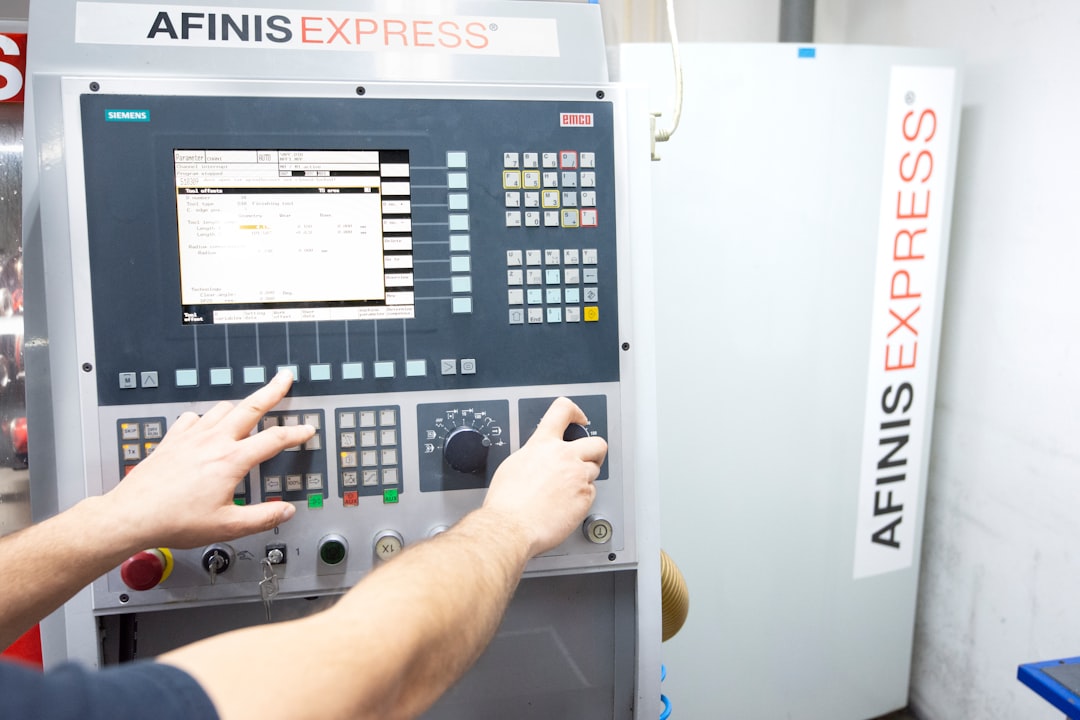
Automation system providers operate in a market defined by technical complexity and highly specialized buyer journeys. Google Ads enables these companies to engage directly with professionals actively searching for advanced automation solutions, reaching decision-makers at the exact moment of intent. This capability ensures providers do not lose visibility to competitors when high-value prospects are making crucial supplier choices. For providers looking to convert anonymous site visitors into pipeline, Sona's Identity Resolution reveals which companies and people are visiting your website, even if they don't fill out a form.
Traditional audience lists quickly become outdated as companies reorganize, individuals take on new roles, and industry interests evolve. Google Ads solves this challenge by supporting dynamic audience building and precision targeting, allowing automation providers to maintain relevance with real-time audience data. Resources like this overview of practical Google Ads automation strategies highlight how marketers can leverage automation to adapt to shifting in-market signals and unify CRM with web analytics data for more effective targeting.
Capturing high-intent prospects is only part of the equation. Automation system providers benefit from Google Ads' integrated campaign data analysis, which helps them close the loop between digital engagement and offline sales activity. With advanced attribution and real-time syncing between ad platforms and sales systems, teams can measure ROI accurately and optimize spend toward the audiences and keywords driving pipeline, not just web traffic.
Common Types of Google Ads Campaigns for Automation System Providers

- Search Campaigns: High-intent buyers in automation and industrial markets typically start with search. Search campaigns allow automation system providers to capture these prospects at the precise moment they are evaluating vendors, technologies, or implementation partners. By layering in real-time audience data, marketers can ensure that ad dollars are spent only on in-market accounts, not on passive browsers or competitors. This level of targeting becomes especially powerful when audiences are dynamically updated as leads progress through the funnel, enabling budget to shift fluidly toward those most likely to convert.
- Display Ads: Display campaigns are essential for building visibility across industry news, blogs, and technical content sites frequented by engineers and procurement teams. With advanced visitor identification, automation providers gain the ability to pinpoint companies and decision-makers behind anonymous site visits. This enables precise retargeting and custom creative, ensuring that brand impressions reach relevant buyers and influencers even before they engage directly. For an introduction to Google Ads automation basics in industrial marketing, see Google Ads automation for manufacturing.
- Video Ads: Video campaigns excel in communicating the complexity and value of automation solutions visually. Product demos, case studies, and explainer videos resonate with technical audiences when tailored to their unique pain points. By leveraging intent data, marketers can serve video content to users who have actively researched relevant technologies or visited key product pages. This targeted approach increases engagement rates and drives more qualified traffic back to sales teams. For more insights, explore our marketing analytics blog.
- Remarketing: Remarketing allows automation system providers to reengage website visitors with tailored messaging based on recent behaviors. Instead of generic reminders, remarketing lists can now reflect actual buying stage, product interests, and account-level engagement. By syncing CRM and ad audiences in real time, marketers ensure that follow-up ads are highly relevant, whether the prospect downloaded a spec sheet or requested a quote. This dramatically improves conversion rates and shortens sales cycles. Compare leading platforms in this remarketing services overview.
- Assets: Ad assets (formerly called extensions) play a crucial role in establishing trust and boosting click-through rates. For automation system providers, using structured snippets, callouts, and sitelinks to highlight certifications, case studies, and 24/7 support instantly differentiates their offering. These trust signals, when automatically enriched with the latest validation data and customer stories, make it easier for buyers to engage at the right moment. Assets also allow for seamless lead capture and instant connections to sales or technical teams, ensuring no high-value inquiry goes unanswered.
Where to Find Growth Opportunities?

Growth-minded automation system providers are prioritizing vertical keyword targeting to expand beyond traditional campaign footprints. By analyzing specific industry terms, such as those related to advanced robotics integration or PLC programming, marketers can reach new buyer segments that static keyword lists often overlook. These vertical terms capture the nuanced intent of engineers, plant managers, and procurement teams actively searching for automation solutions tailored to their industry. For a deeper look at practical automation strategies in Google Ads, review this overview of keyword matching options.
Competitor gap analysis remains a key driver for uncovering underserved market segments. By benchmarking against rivals, teams can spotlight keywords and audience segments that competitors neglect, then leverage real-time intent signals and site interactions to prioritize spend where it counts. This dynamic approach enables rapid identification of high-value opportunities, especially when supported by platforms that provide granular visibility into visitor company profiles and intent data.
Industry-specific placements further boost campaign reach and relevance. Targeted advertising on trade publications, technical forums, and niche directories ensures that messaging aligns with the environments where automation decision-makers research solutions. Integrating dynamic audience updates as leads progress through the sales funnel allows for more precise messaging at each stage, while advanced conversion tracking, including both online and offline attribution, offers actionable insights into which placements and segments are driving measurable ROI. When CRM and ad platforms are synced with enriched audience data, every campaign touchpoint becomes an opportunity to accelerate deal velocity and outmaneuver the competition.
How to Apply Audience Segmentation for Automation System Providers

Audience segmentation is foundational for industrial automation marketers who need to reach specialized buyers, from plant managers to systems engineers, across diverse verticals. By defining granular segments according to industrial application, solution type, or technology stack, PPC teams can eliminate wasteful spend and deliver messaging that resonates with each customer’s technical and operational priorities. Segmenting by factors like automation level, factory size, and regulatory requirements also helps avoid disconnected signals that dilute campaign relevance. For a practical overview of Google Ads automation strategies that can refine your segmentation efforts, see this Google Ads automation strategies resource.
Overlaying intent signals further sharpens this approach. When marketers can identify which companies are interacting with key product specification pages or technical documentation, they can prioritize outreach to accounts showing real project interest. Real-time engagement tracking allows budget to shift dynamically toward high-value segments, ensuring that Google Ads for Automation System Providers delivers measurable pipeline growth instead of surface-level engagement.
Customizing ad groups based on segment insights improves message fit and conversion rates. For instance, one group might focus on automotive robotics, while another targets pharmaceutical process automation, each with tailored value propositions and CTAs. Validating conversion paths for every segment ensures that inbound leads flow seamlessly into Sona's Destinations. This minimizes the risk of data silos or delays that can cause missed opportunities. When CRM and ad audiences stay in sync, sales teams receive enriched profiles immediately, enabling rapid, informed follow-up and supporting a unified, revenue-centric marketing operation.
This is also where measurement changes the economics. With Sona Marketing Measurement you can identify the companies and buyers behind your ad clicks, not just anonymous sessions, and segment audiences by who actually becomes a customer. That lets you build bid adjustments and audience signals around the segments that convert and de-prioritize the ones that don't, so you feed Google's algorithms "this click became a paying automation system provider customer" instead of just "someone filled out a form."
Keyword Strategy & Sample Target Terms
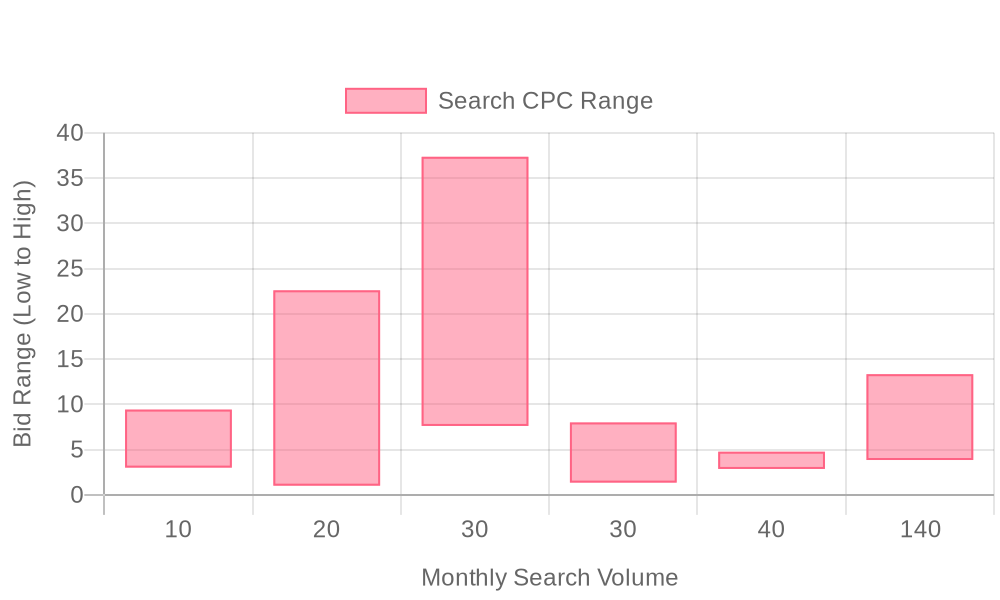
| Industry | Keyword | Monthly Search Volume | Competition Level | Low Bid | High Bid |
| Automation System Providers | long term care pharmacy automation | 10 | LOW | 3.01 | 9.42 |
| Automation System Providers | parata pharmacy automation | 20 | LOW | 1.02 | 22.6 |
| Automation System Providers | automatic payroll systems inc | 30 | LOW | 7.62 | 37.35 |
| Automation System Providers | parata pharmacy robot | 30 | LOW | 1.36 | 8 |
| Automation System Providers | bd pharmacy automation | 40 | MEDIUM | 2.87 | 4.77 |
| Automation System Providers | pharmacy automation solutions | 140 | LOW | 3.85 | 13.33 |
A precision-focused keyword strategy is foundational for automation system providers aiming to maximize lead quality and ad spend efficiency. Strategic keywords such as 'Google Ads automation', 'PPC automation tools', and 'automated advertising solutions' directly map to the solutions sought by operations leaders, procurement managers, and engineers responsible for industrial system upgrades. For a comprehensive overview of practical approaches, review Google Ads automation strategies, and explore our marketing analytics blog for ongoing keyword insights.
These core terms should be continuously optimized to reflect real-time shifts in industry demand and intent. Using advanced analytics, marketers can monitor which queries signal buying readiness versus early-stage research. For example, segmenting campaigns by buyer stage, discovery, evaluation, or decision, allows for highly relevant ad copy and landing page experiences. Service-specific structuring, such as grouping by robotics integration, PLC programming, or controls retrofits, ensures each keyword cluster aligns with the unique decision-making journey of industrial buyers.
Granular account structure is vital for tracking how prospects interact with ads across geographic regions, product lines, and deal stages. By integrating lead data and CRM signals, marketers can enrich automation system provider campaigns with real-world sales outcomes. This enables accurate attribution and smarter budget allocation, as high-intent keyword groups can receive dynamic budget increases based on observed conversion velocity and account progress. As a result, revenue teams move beyond generic traffic to prioritize and personalize engagement for accounts most likely to drive long-term value.
Step-by-Step Campaign Execution Framework
Step 1: Build Targeted Keyword Lists
Developing a robust keyword list is an essential first step for automation system providers aiming to attract high-value B2B buyers. Focus on terms that reflect both solution-based queries and specific industry pain points, such as “automated material handling systems” or “PLC integration services.” Apply granular filters to exclude irrelevant traffic, ensuring that every click comes from a potential decision-maker or influencer within your target accounts. Responsive keyword management is crucial: as search trends shift or new products launch, update your lists in real time to maintain alignment with evolving market demand. For a comprehensive approach to pay-per-click advertising tailored for manufacturing, refer to this PPC for manufacturers guide.
With unified campaign data, marketers can see which companies are actively searching for automation solutions and adjust bidding strategies accordingly. Dynamic keyword filters informed by real-time visitor intent allow teams to prioritize budget on high-converting accounts, avoiding wasted spend on out-of-scope industries or competitors’ research queries.
The upgrade most automation system providers advertisers miss is going beyond raw keyword volume to layer in intent and identity signals. By connecting website-visitor data and CRM records with Sona Marketing Measurement, you can see which specific search terms bring in the accounts and customers that actually convert, and weight your keyword and bidding strategy toward those rather than the terms with the highest search volume alone.
Step 2: Create High-Impact Ad Copy
Compelling ad copy is the engine that drives engagement and conversion in the B2B automation sector. Speak directly to the prospect’s technical requirements and operational challenges by highlighting industry certifications, proven ROI, or integration capabilities. Use messaging that differentiates your solution in a crowded market, such as “Reduce factory downtime by 40% with AI-driven robotics” or “Seamless MES integration for discrete manufacturing.” Explore a guide to optimizing Google Ads for B2B for more inspiration on messaging and positioning.
Leverage insights from account-level data to tailor headlines and descriptions to the precise needs and pain points of target segments. Personalized ad variants can be dynamically served to buyers as they progress from research to evaluation, with ad copy evolving in real time based on funnel position and engagement history.
Step 3: Design Aligned Landing Pages
Every ad click should direct prospects to a landing page that echoes the promise and message of the ad while providing a seamless path to conversion. For automation system providers, this means showcasing technical specifications, use cases, and trust signals, such as client logos and compliance badges, above the fold. Streamlined forms should collect only the most relevant lead information, and content offers should be mapped to the prospect’s stage in the buying journey, from downloadable spec sheets to demo requests. Real-time visitor identification technology can match anonymous traffic to company-level profiles, enabling marketers to deliver personalized content experiences and route high-intent leads directly to sales.
By automatically syncing enriched lead data into CRM and marketing platforms, teams can trigger immediate, relevant follow-up based on actual prospect behavior, eliminating lag between online engagement and sales outreach.
Step 4: Optimize with Data-Driven Insights
Ongoing campaign optimization is vital for maximizing ROI and lead quality in digital marketing automation for automation system providers. Monitor ad performance tracking metrics closely, from keyword-level conversion rates to advanced attribution across online and offline touchpoints. For insights on leveraging automation to streamline campaign workflows, review this overview of practical Google Ads automation strategies.
Integrating campaign data with CRM and sales intelligence systems provides a closed-loop view of lead journeys and revenue impact. Teams can identify disconnects, such as high click volume but low opportunity creation, and make rapid adjustments to audience targeting, creative assets, or landing page flows. This unified, data-driven approach empowers automation system providers to continually enhance campaign performance, eliminate wasted spend, and accelerate sales pipeline growth.
Feeding that revenue signal back into Smart Bidding and Performance Max compounds over time: the algorithms optimize toward booked automation system provider revenue, not cheap leads.
Tips on Expanding Your Automation System Provider Presence
Expanding your presence as an automation system provider requires a cohesive and data-driven approach that unites content marketing, paid advertising, and audience management. Delivering consistent value across touchpoints elevates brand authority, improves lead quality, and accelerates pipeline growth. To further refine your strategy, explore actionable insights from the Sona blog and review this overview of practical Google Ads automation strategies to improve campaign efficiency.
- Cross-promote educational assets: Integrate technical guides, webinars, and case studies across your website, social platforms, and Google Ads campaigns. By synchronizing these assets, you can nurture prospects at various stages of their decision journey while reinforcing your expertise. When linked with campaign data, educational resources help identify which content converts best, allowing you to refine messaging and allocate budget to the highest-value topics.
- Upsell related services with segmented audiences: Harness dynamically updated audience segments built from real-time interaction data to tailor upsell offers. For example, users who have downloaded a whitepaper on robotic integration can be automatically retargeted with offers for installation or maintenance services. Platforms that synchronize CRM and ad platforms enable marketers to move beyond static lists, ensuring that upsell and cross-sell messaging adapts as prospects engage or advance through the funnel. Activate dynamic audience segments to ensure your messaging stays relevant as engagement evolves.
- Localize campaigns for strategic growth: Analyze granular data to align Google Ads targeting with local demand patterns, industry clusters, and regional trends. Localized messaging and tailored offers resonate with buyers in specific markets, increasing conversion rates and driving sustained growth. With real-time insights into geographic engagement, you can quickly reallocate spend to high-performing regions, ensuring your campaigns remain agile and relevant as market conditions shift.
Maximizing the effectiveness of Google Ads for automation system providers involves more than keyword selection and bid adjustments. By integrating advanced Identity Resolution, real-time intent tracking, and dynamic audience management, marketers can capture high-intent traffic and connect with genuine decision-makers. This approach transforms automated advertising into a unified, performance-driven engine for business growth, strengthening ROI and market penetration.
Beyond Google Ads: Winning the AI Answers Automation System Providers Buyers Now Trust
Paid search captures demand at the moment someone types a query. But a fast-growing share of automation system providers buyers no longer start at Google at all, they ask ChatGPT, Gemini, or Perplexity before they ever run a search, and Google's own AI Overviews increasingly summarize an answer above the traditional results. If your business isn't referenced in those AI answers, you're invisible at the exact moment buyers build their shortlist.
Sona AI Visibility shows where your business shows up across ChatGPT, Gemini, Perplexity, Google AI Overviews, and 10+ engines, and, much like a keyword report, which prompts actually send you buyers, so you can prioritize the ones that convert. Run the two together and you cover the entire buyer path: get cited where buyers research (AI Visibility), then prove which of that demand turns into booked revenue (Marketing Measurement).
Helpful resources
Conclusion
Automation buying decisions rarely turn on the cleverness of a single ad. They turn on whether a provider shows up at the moment a plant manager starts comparing controls vendors, and whether that provider can prove, in CRM terms, that the click became a customer. Google Ads gives automation system providers the reach; identity resolution, intent signals, and closed-loop measurement give it the precision.
The providers who pull ahead over the next few years will be the ones who stop treating paid search as a lead-volume lever and start treating it as a revenue instrument, one that learns from actual closed deals, not just form fills, and one that shows up in the AI-generated answers buyers now consult before they ever open Google.
FAQ
What are the best automation tools for Google Ads?
The best tools integrate campaign data with CRM and sales platforms to provide a unified view of high-value prospects and support advanced segmentation and automated bidding strategies.
How can automation improve my Google Ads campaigns?
Automation can enhance targeting precision, optimize bidding strategies, integrate real-time audience data, and ensure campaigns are relevant by dynamically updating audience lists.
What features should I look for in a Google Ads automation system?
Look for features like real-time audience data integration, CRM synchronization, dynamic audience updates, and advanced performance tracking for both online and offline attribution.
How do I set up automated campaigns in Google Ads?
Setting up automated campaigns involves integrating your Google Ads with CRM systems, using real-time data for audience segmentation, and applying automated bidding strategies to optimize budget allocation.
What are the benefits of using automation for Google Ads management?
Automation helps in accurately targeting high-value prospects, optimizing ROI, maintaining up-to-date audience lists, and enhancing the effectiveness of ad spend by focusing on decision-makers with high conversion potential.







