


A cracked screen or a dead radio tuner rarely waits for business hours, and the shop that shows up first in search results usually wins the job. TV and radio repair businesses lose real revenue when high-intent local searchers can't find them, or when there's no way to see which clicks turned into paying customers. Google Ads lets repair shops capture that intent at the moment someone types "TV repair near me," while feeding data back into a broader marketing strategy that tracks customers from first click to completed repair. This guide covers how to build, run, and measure Google Ads campaigns built specifically for TV and radio repair, whether you're refining an existing account or starting from scratch.
How to Generate TV and Radio Repair Leads with Google Ads: A Step-by-Step Guide
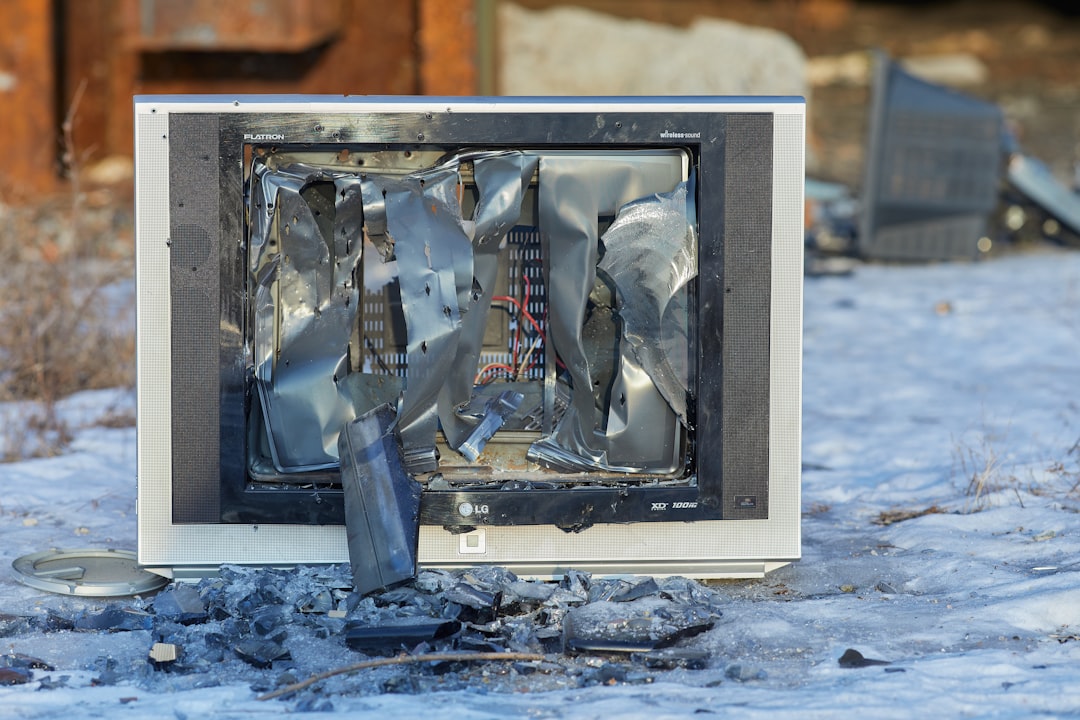
Digital-first marketing strategies allow TV and radio repair businesses to reach high-intent customers at the exact moment they seek technical solutions. Precise audience targeting and real-time data insights help teams move beyond broad visibility and toward measurable, conversion-driving engagement.
Combining Google Ads with a broader marketing mix creates a system for capturing both immediate leads and nurturing future demand. By integrating advanced data tools, repair shops can identify anonymous website visitors, attribute revenue to specific campaigns, and synchronize dynamic audiences between their CRM and ad platforms for unified, actionable outreach.
- Keyword and Audience Targeting: TV and radio repair campaigns perform best when built around specific, technical keywords and local search modifiers. Terms like "emergency TV repair downtown" or "radio receiver repair near me" reach customers with urgent needs, often after a storm knocks out reception or a screen fails mid-broadcast. Prioritizing these high-intent queries keeps budgets focused on likely conversions, while data enrichment lets marketers match site visitors to companies, surfacing B2B opportunities, like AV installers or property managers, that would otherwise stay anonymous.
- Landing Pages and Creative Strategies: Conversion rates increase when ad copy, keywords, and landing pages present a consistent, relevant message tailored to the prospect's problem. Repair businesses should align ad headlines with landing page headlines and ensure forms are frictionless, reducing drop-off. With data-driven platforms, teams can analyze behavioral signals and shift creative resources to the campaigns and messages generating real engagement, doubling down on what works.
- Performance Optimization: Effective campaign management relies on rigorous A/B testing, smart bidding, and real-time feedback loops. By integrating conversion tracking that spans both online interactions and offline repair appointments, shops can attribute revenue more accurately and adjust their spend for maximum ROI. Syncing CRM and ad audiences means remarketing lists automatically update as leads move through the funnel, ensuring ad dollars are spent on the right prospects at the right time. For a comprehensive look at how broadcast radio advertising can support your lead generation strategy, see this overview of radio ads for auto repair shops.
Why Google Ads Matter for TV And Radio Repair Businesses
TV and radio repair businesses operate in a market defined by urgency, competition, and high-value service calls. The ability to quickly capture demand from customers seeking immediate solutions provides a distinct edge over slower, less visible competitors.
Google Ads enables these businesses to address the challenge of anonymous website traffic by leveraging advanced visitor identification technologies. Teams can pinpoint which companies or individuals are viewing their service pages and segment audiences for more precise targeting, turning unknown visitors into actionable leads. This approach is especially valuable in local markets where capturing intent in real time can make the difference between a booked job and a lost opportunity.
Visibility is essential during peak demand moments, such as after major weather events or product recalls, where fast response times drive revenue. Google Ads amplifies local presence, ensuring your repair business appears prominently when time-sensitive customers search for help. Discover how broadcast radio advertising can generate leads and how blending channels can further expand your reach in urgent moments.
Comprehensive ROI measurement is another significant advantage. Google Ads tracks the full customer journey, from initial click to confirmed appointment or repair completion, offering granular insight into which campaigns generate the highest-value leads. Integrated conversion tracking and online/offline attribution eliminate gaps in reporting, empowering revenue teams to optimize spend and prove direct impact. When enriched CRM and ad data sync seamlessly, TV and radio repair providers can nurture prospects with personalized engagement, accelerating deal cycles and driving measurable growth.
Common Types of Google Ads Campaigns for TV And Radio Repair
Modern TV and radio repair businesses face a crowded digital landscape, making precision in campaign type selection essential. Leveraging the right Google Ads format not only amplifies visibility but also ensures ad spend drives measurable outcomes for repair shops focused on both residential and commercial markets. For deeper insights on optimizing campaign selection and outcomes, explore our marketing analytics blog.
- Search Campaigns: These campaigns capture intent-driven users actively searching for services like "TV repair near me" or "radio repair shop." Targeting keywords specific to electronics and appliance repair puts your ad in front of buyers at the moment of need. Sona's Identity Resolution helps marketers move beyond anonymous clicks, linking ad interactions to real companies or households in-market for repairs. With Sona's Intent Signals, budgets shift dynamically toward high-converting queries, improving efficiency in new customer acquisition.
- Display Ads: Display campaigns maintain brand visibility across relevant tech, DIY, and consumer electronics forums, engaging users at multiple touchpoints in their research journey. This is especially valuable in markets where purchase cycles are fragmented and attribution is complex. Advanced integration with analytics platforms provides a unified view of the customer journey, allowing marketing teams to visualize how users interact with content before making contact. For an overview of typical costs and ROI considerations specific to home service businesses, see Google Ads cost for home service businesses.
- Remarketing: Remarketing campaigns are essential for re-engaging previous site visitors who explored services but did not convert. By leveraging browsing behavior and business profile data, audiences can be segmented based on their service interest or repair urgency. Dynamic audience updates ensure that as prospects move from research to purchase, ad messaging remains relevant and personalized. Seamless CRM and ad platform syncing allows these segments to flow directly into Google Ads and sales workflows, aligning marketing and sales outreach for higher conversion rates and streamlined lead management.
- Performance Max: Performance Max campaigns pool inventory across Search, Display, YouTube, and Maps, letting Google's automation find TV and radio repair customers wherever they're most likely to convert. This is especially useful for capturing last-minute, high-urgency searches (a dead TV the night before a big game) that might not fit neatly into a single channel. Feeding it strong conversion data, including offline repair completions, helps the algorithm optimize toward real bookings rather than just clicks.
Where to Find Growth Opportunities?

Growth in the TV and radio repair industry requires precision: targeted outreach is critical for capturing specialized repair requests and building a consistent, high-value pipeline. Digital channels, especially Google Ads, empower businesses to capitalize on intent signals and reach prospects searching for solutions right when they need them.
- Vertical Keyword Targeting: Leveraging niche keywords such as 'LG TV repair', 'Sony radio diagnostics', or 'home audio system troubleshooting' enables businesses to surface in high-intent searches that generic keywords miss. This vertical approach pinpoints underserved market segments, driving efficient traffic and reducing wasted ad spend. When combined with dynamic audience technology, businesses can continually refine their keyword lists based on live behavioral data, ensuring campaigns remain aligned with evolving demand.
- Competitor Analysis: Systematic analysis of competitor campaigns reveals overlooked service offerings, seasonal gaps, and underused territories within the TV and radio repair space. By mapping competitor weaknesses to your own capabilities and targeting those gaps in Google Ads, you maximize campaign efficiency and outmaneuver rivals for market share. Enhanced lead intelligence, such as identifying which companies visited your site, supports this approach by providing actionable insights that inform both bidding strategies and creative messaging. To understand the impact of supplementing or replacing Google Ads with TV and radio advertising, review this argument for TV and radio advertising.
How to Apply Audience Segmentation for TV and Radio Repair
Precise audience segmentation transforms Google Ads for TV And Radio Repair by letting revenue teams reach the most relevant, high-intent prospects. This reduces wasted spend and boosts lead quality, directly impacting marketing efficiency and pipeline value. For a deeper dive into campaign optimization, visit the Sona blog for expert insights and actionable strategies.
- Define Audience Segments: Start by organizing potential customers into distinct groups based on their specific repair needs, device types, or brand preferences. For example, segments might include customers searching for television screen repairs, radio tuner issues, or upgrades to smart TV components. This level of granularity enables tailored ad messaging and landing pages, which increases engagement and conversion rates for each segment. Sona's Identity Resolution helps marketers identify anonymous traffic, match it with CRM profiles, and refine segments dynamically as customer intent signals evolve.
- Overlay Intent Signals: Enhance audience targeting by integrating real-time purchase intent signals, such as recent online searches for terms like "fix TV screen" or "radio repair near me." These signals help prioritize users who are actively seeking solutions, ensuring your budget targets higher-value prospects. Real-time behavioral data empowers marketers to shift spend toward segments demonstrating in-market activity, while dynamic audience updates keep campaigns aligned with lead movement through the funnel. For a comparison of Google Ads versus TV and radio advertising for local businesses, see this detailed breakdown.
This approach to segmentation in online advertising for home appliance repair and consumer electronics repair drives more relevant traffic and higher conversion rates. By merging audience insights with intent-based data, revenue teams can continuously optimize digital marketing for TV repair businesses and radio repair shop advertising, creating a more predictable and scalable demand generation engine. If you want to streamline your segmentation and campaign management, get started for free with Sona.
This is also where measurement changes the economics. With Sona Marketing Measurement you can identify the companies and buyers behind your ad clicks, not just anonymous sessions, and segment audiences by who actually becomes a customer. That lets you build bid adjustments and audience signals around the segments that convert and de-prioritize the ones that don't, so you feed Google's algorithms "this click became a paying TV and radio repair customer" instead of just "someone filled out a form."
Keyword Strategy & Sample Target Terms
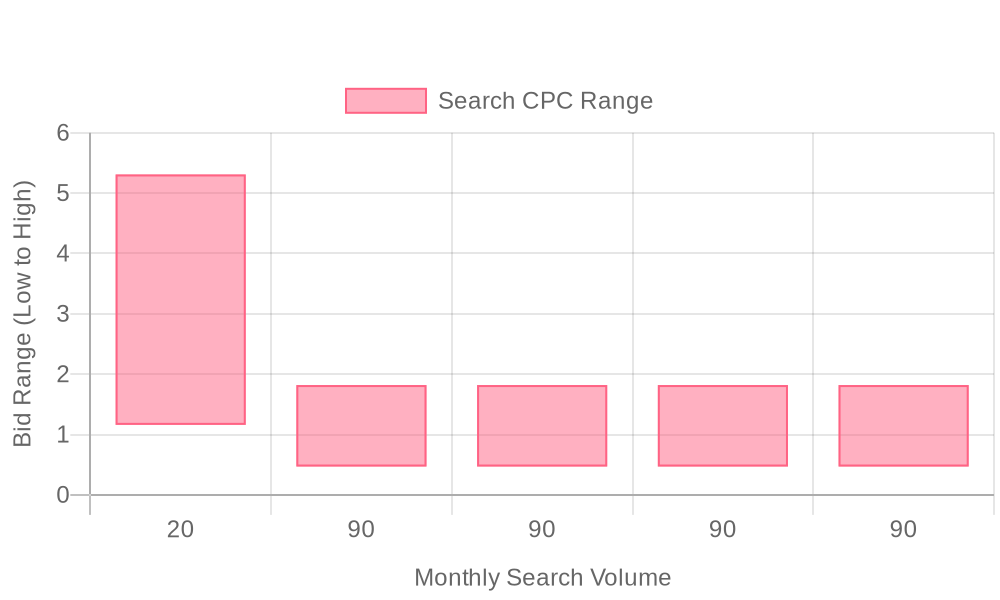
| Industry | Keyword | Monthly Search Volume | Competition Level | Low Bid | High Bid |
| TV And Radio Repair | radio and tv repair near me | 20 | LOW | 1.16 | 5.31 |
| TV And Radio Repair | tv and radio repair | 90 | LOW | 0.47 | 1.82 |
| TV And Radio Repair | radio and tv repair | 90 | LOW | 0.47 | 1.82 |
| TV And Radio Repair | radio tv repair | 90 | LOW | 0.47 | 1.82 |
| TV And Radio Repair | tv radio repair | 90 | LOW | 0.47 | 1.82 |
Capturing high-value customers in the TV and radio repair industry requires a focused keyword strategy built on actionable intent data. Modern professionals expect digital marketing for TV repair businesses to go beyond broad reach and prioritize terms that drive engagement and revenue.
Integrating Google Ads for TV And Radio Repair into your multi-channel strategy elevates your targeting precision. By identifying and bidding on specific queries such as "Sony TV repair near me," "vintage radio fix," and "emergency TV troubleshooting," you ensure visibility at the critical decision-making stage. For a breakdown of typical costs and ROI related to Google Ads in this sector, see this guide for home service businesses.
Leverage data segmentation to prioritize high-intent audiences actively seeking electronics or radio repair. Utilizing real-time visitor identification, marketers can refine campaign targeting, connecting with both consumers and institutions needing specialized repair services. Sona enhances this approach by enabling revenue teams to recognize anonymous website visitors, enrich lead profiles, and sync dynamic audiences directly into ad platforms and CRM systems.
This unified view supports smarter bidding and creative decisions, as well as more effective retargeting strategies for online advertising for home appliance repair. As users move through the funnel, audiences update in real time, ensuring your messaging remains relevant and your spend is directed toward those most likely to convert. For teams ready to scale, get started for free with Sona and unlock the full potential of data-driven marketing.
Step-by-Step Campaign Execution Framework
Step 1: Build Targeted Keyword Lists
Precise keyword selection is essential for TV and radio repair businesses seeking efficient digital reach. By categorizing keywords based on core services such as "TV screen replacement," "radio tuning," or "audio repair near me," marketers ensure campaigns focus on high-value customer intents. Segmenting lists by geographic modifiers further boosts local search relevance, helping ads reach people ready to act with targeted keyword strategies.
Sona's Identity Resolution lets B2B marketers move beyond anonymous web traffic. This approach surfaces which organizations and segments are actively searching for repair solutions, allowing focused budget allocation to the highest-value prospects. As the data syncs in real-time with Sona's Destinations feature, these dynamic audiences continuously evolve, reflecting the current pipeline and buyer journey.
The upgrade most TV and radio repair advertisers miss is going beyond raw keyword volume to layer in intent and identity signals. By connecting website-visitor data and CRM records with Sona Marketing Measurement, you can see which specific search terms bring in the accounts and customers that actually convert, and weight your keyword and bidding strategy toward those rather than the terms with the highest search volume alone.
Step 2: Develop Compelling Ad Copy
Effective ad copy in the TV and radio repair space must immediately address common pain points and offer concrete, timely solutions. Headlines like "Same-Day TV Screen Repair" or "Restore Your Radio's Sound Quality" grab attention, while proof points such as customer testimonials or service guarantees instill credibility and urgency. This direct communication bridges the gap between search intent and business value, converting clicks into qualified leads. Learn how broadcast radio advertising can generate leads and support your digital campaigns.
Integrated insights from Sona's Audiences tool enable marketers to tailor messaging based on real-time buyer signals. When a new account is identified as in-market for consumer electronics repair, ad creative and offers can be dynamically adjusted to match their stage in the funnel. This data-driven alignment increases conversion rates and maximizes every ad dollar.
Step 3: Design Effective Landing Pages
Landing pages must mirror the intent of each ad group with precision, ensuring visitors immediately see solutions relevant to their needs. For TV and radio repair, this means dedicated pages for each service, such as TV screen replacement, radio diagnostics, or home audio setup, with clear, action-oriented CTAs like "Book Your Repair Today" or "Request a Quote." Optimized layouts reduce friction, guiding users seamlessly from interest to action. For a comprehensive approach to B2B marketing reports, ensure your performance metrics are actionable.
Connecting landing page performance back to campaign data provides a continuous feedback loop. Sona's Ad Conversions feature attributes both online and offline conversions, giving a true picture of ROI for each campaign variant. With unified reporting, marketers can quickly identify which segments and pages deliver the best results and iterate with confidence.
Step 4: Implement Data-Driven Optimizations
Continuous optimization is crucial for maintaining a competitive edge in digital marketing for TV repair businesses and radio repair shop advertising. By routinely analyzing conversion data and campaign performance, marketers identify opportunities to refine targeting, bid strategies, and creative assets. See how Google Ads compare to TV and radio advertising to decide where to invest your next campaign dollar.
Real-time intent data and CRM integrations make these optimizations more effective. As leads move through the funnel, dynamic audience updates allow for precise retargeting and budget shifts toward high-converting segments. Unified attribution across online and offline touchpoints ensures visibility into the entire buyer journey, supporting smarter, evidence-based decisions in online advertising for home appliance repair and related services.
Sona Marketing Measurement closes the gap between clicks and revenue. It captures ad clicks with first-party measurement, ties that activity through UTM capture and ad-platform APIs to the matching company record in your CRM, and reports ROAS by keyword and campaign instead of by last-click form fill. Feeding that revenue signal back into Smart Bidding and Performance Max compounds over time: the algorithms optimize toward booked TV and radio repair revenue, not cheap leads.
Tips on Expanding Your TV and Radio Repair Presence

Expanding your TV and radio repair business requires a blend of smart digital tactics and precise audience targeting to overcome the fragmented nature of traditional and online demand. By addressing disconnected customer journeys, you capture more opportunities and foster long-term loyalty in local markets.
- Cross-Promotions: Retargeting enables repair shops to re-engage previous website visitors with personalized offers for maintenance or upgrade services. When data from web interactions, CRM systems, and appointment bookings is unified, messaging stays consistent across platforms, leading to higher engagement rates and lower acquisition costs. Advanced platforms can reveal visitor identity, connecting anonymous traffic to known prospects and surfacing accounts most likely to convert, ensuring that promotional efforts feel timely and relevant.
- Localized Campaigns: Customizing ads for each geographic market allows businesses to address regional device preferences and local repair trends. Hyper-local targeting through paid search and display ensures that campaigns reach the right neighborhoods, and ad copy can reference familiar landmarks or community events to drive authenticity. When audience data syncs in real-time with Google Ads and CRM tools, repair shops can dynamically update their targeting as customers move from awareness to service booking, improving the efficiency of every ad dollar spent.
With these strategies, TV and radio repair providers can shift from generic outreach to highly-personalized engagement, leveraging technology to unify their messaging and maximize market share. This unified approach not only solves the challenge of siloed campaigns but also ensures each customer touchpoint is informed by the latest intent and behavior data. For a broader perspective on how broadcast radio can generate leads and build brand awareness for repair shops, check out this broadcast radio advertising overview.
Beyond Google Ads: Winning the AI Answers TV And Radio Repair Buyers Now Trust
Paid search captures demand at the moment someone types a query. But a fast-growing share of TV and radio repair buyers no longer start at Google at all, they ask ChatGPT, Gemini, or Perplexity before they ever run a search, and Google's own AI Overviews increasingly summarize an answer above the traditional results. If your business isn't referenced in those AI answers, you're invisible at the exact moment buyers build their shortlist.
Sona AI Visibility shows where your business shows up across ChatGPT, Gemini, Perplexity, Google AI Overviews, and 10+ engines, and, much like a keyword report, which prompts actually send you buyers, so you can prioritize the ones that convert. Run the two together and you cover the entire buyer path: get cited where buyers research (AI Visibility), then prove which of that demand turns into booked revenue (Marketing Measurement).
Helpful resources
Conclusion
The repair shops winning local search aren't necessarily the ones spending the most, they're the ones that know which keywords, ads, and landing pages actually turn into booked repairs. Google Ads gives TV and radio repair businesses a way to show up exactly when a customer needs help, and to prove which of those moments paid off.
The next shift in this space isn't just better targeting, it's connecting every click to a real, attributable repair job, and increasingly, showing up in the AI answers buyers consult before they ever open Google. Shops that pair tight keyword and audience work with real revenue attribution will keep winning jobs their competitors never see coming. Start for free with Sona to connect your ad spend directly to booked revenue.
FAQ
How can I target local customers with Google Ads for my TV and radio repair business?
Target local customers by using highly specific, technical keywords combined with local search modifiers, like 'emergency TV repair downtown' or 'radio receiver repair near me', to reach users with urgent needs.
What are the best keywords for Google Ads in the TV and radio repair industry?
The best keywords are highly specific and technical, such as 'Sony TV repair near me', 'vintage radio fix', and 'emergency TV troubleshooting', tailored to capture high-intent searches.
How much does it cost to run Google Ads for a TV and radio repair business?
Costs vary based on factors like keyword competition and targeting strategies, but leveraging precise audience and keyword targeting can optimize budget spending on high-intent prospects.
What is the conversion rate for Google Ads in the TV and radio repair sector?
Conversion rates improve when ad copy, keywords, and landing pages present a consistent message tailored to the prospect's problem, with frictionless forms to reduce drop-off.
How can I measure the ROI of my Google Ads campaign for my TV and radio repair business?
Measure ROI by integrating conversion tracking spanning online interactions and offline repair appointments, providing insights into which campaigns generate the highest-value leads.







