


A repair technician doesn't get a call about a broken PBX system until it's already costing the client money, and that urgency is exactly what Google Ads can capture. Social media and email nurture existing relationships, but Google Ads intercepts a business the moment its phone system fails or its VoIP lines drop. Too often, though, a repair company's marketing loses track of which anonymous site visitors turn into paying accounts, because that activity never makes it into the CRM. Tools that automatically surface and target these prospects let phone repair businesses connect their online and offline efforts, using the technical specifications and industry terms decision-makers actually search for. Done well, Google Ads sharpens visibility, tracks return on investment from click to closed quote, and reinforces broader efforts like following up after trade shows or remarketing to past event attendees.
How to Generate Telephone Equipment Repair Leads with Google Ads: A Step-by-Step Guide
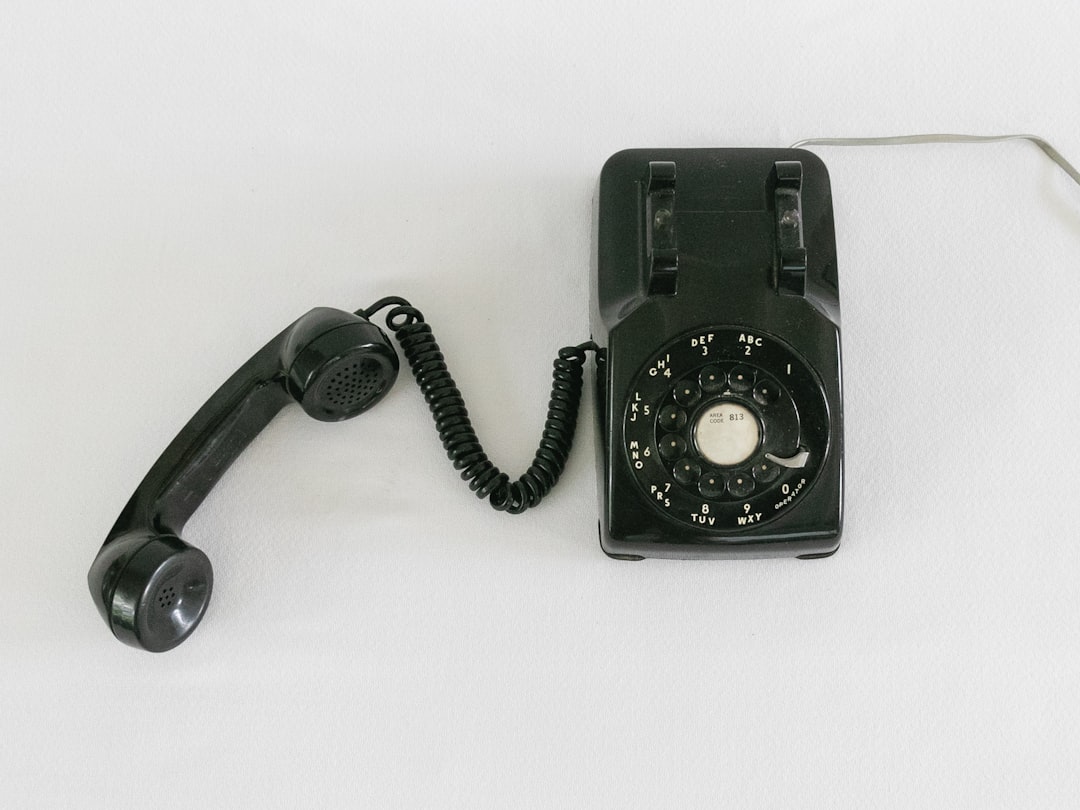
B2B marketers in the telephone equipment repair sector achieve rapid pipeline growth when their digital strategies capture intent signals from the right buyers. Prioritizing high-fit accounts that demonstrate real purchase intent results in lower acquisition costs and improved lead quality.
Integrating Google Ads into your telecom equipment repair marketing enables you to reach prospects at the exact moment they are searching for solutions. Sona's Identity Resolution turns anonymous site visits into identified company profiles, enriching custom affinity audiences for more precise targeting.
Effective PPC campaigns for repair businesses demand granular insight into both online and offline activity. Leveraging dynamic audiences, marketers can build segments that automatically update as leads move through the funnel, ensuring only the most relevant prospects receive tailored ad messaging. For additional perspective on Google's ad restrictions for repair services, review this forum discussion about Google Ads challenges. This approach not only increases conversion rates but also maximizes ROI by aligning spend with accounts most likely to close.
By syncing audience data and conversion events directly between your CRM and Google Ads, you ensure marketing and sales teams operate from a unified, accurate view of each lead. This continuous data flow transforms digital marketing for telephone repair businesses, fueling smarter budget allocation and more personalized engagement across every stage of the buying journey. To experience this unified approach, get started for free with Sona.
Why Google Ads Matter for Telephone Equipment Repair Businesses
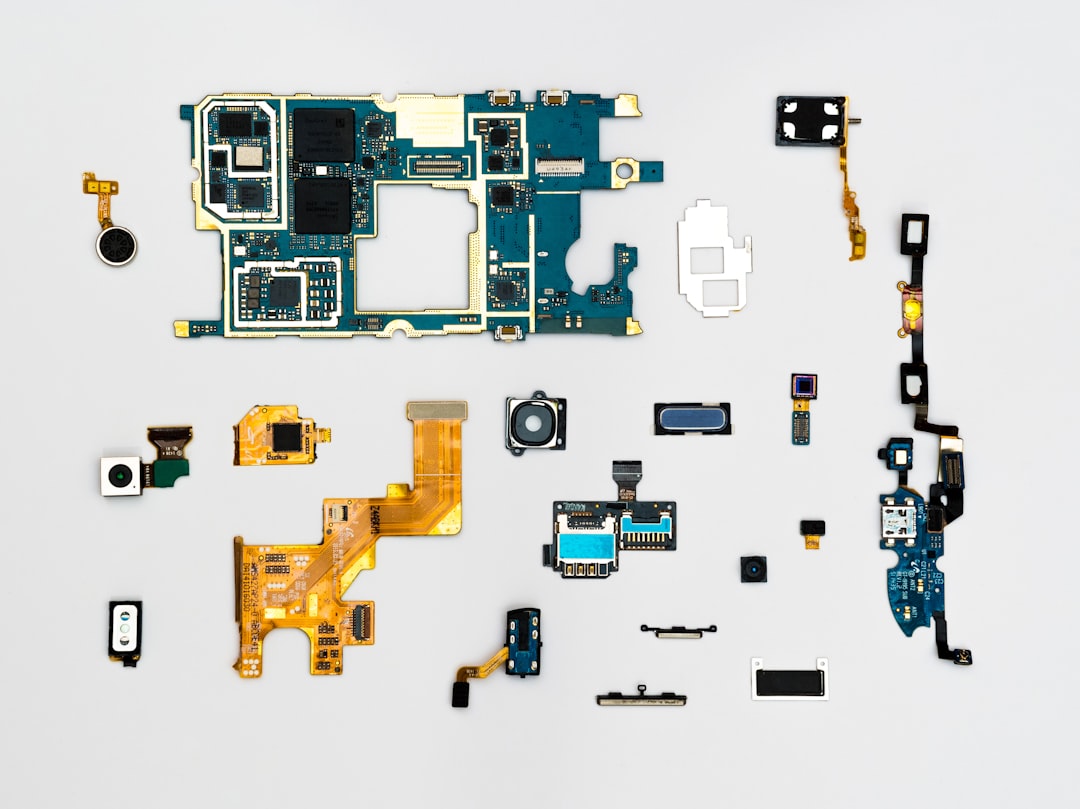
Precision in targeting is essential for telephone equipment repair providers aiming to attract enterprise decision-makers and IT teams seeking specialized repair solutions. Google Ads offers a direct channel to engage high-intent prospects at the exact moment they are searching for telecom repair expertise, making each ad impression and click a valuable opportunity for business growth.
Form submissions often represent only a fraction of true demand. Many valuable accounts visit landing pages but leave without converting, leaving revenue on the table. Sona's Identity Resolution helps marketers pinpoint which companies these visitors belong to and what solutions are top-of-mind. This approach helps surface qualified accounts that showed interest but haven't yet engaged, so teams can retarget them with relevant messaging through Google Ads.
Audience segmentation and Sona's Audiences tool keep ad spend focused on the prospects most likely to buy. Dynamic updates, based on both online and offline actions, keep the targeting list current as leads move through the funnel. Syncing enriched audiences and engagement data between Google Ads, CRM, and sales platforms eliminates manual list uploads and gives every team the same view of the buyer. Looking to streamline your targeting and conversion process? Get started for free with Sona.
Common Types of Google Ads Campaigns for Telephone Equipment Repair

- Search Campaigns: Search ads target users actively seeking telephone equipment repair. These campaigns capture intent-driven traffic by appearing at the top of relevant search results, ensuring the message reaches prospects at their moment of need. With unified data, revenue teams can synchronize keyword lists and ad messaging to match each stage of the buyer journey, minimizing wasted spend and maximizing conversion rates. For a deeper dive into aligning campaigns with buyer stages, explore this guide to account-based marketing strategies.
- Display Campaigns: Display campaigns build awareness among businesses needing telecom repair but not yet searching. Visual banners on industry sites and forums reinforce brand presence and keep repair services top-of-mind. Marketers can use dynamic audience updates so that display ads automatically adjust as prospects move closer to purchase, maintaining relevance and consistency across touchpoints.
- Remarketing Campaigns: Remarketing targets previous site visitors who did not convert, providing another opportunity to re-engage. By leveraging Sona's Identity Resolution, marketers can identify the companies behind that traffic and serve messages tied to the service pages or forms they viewed. This approach increases the odds of converting high-intent traffic while aligning outreach with actual buyer behavior. For tips on enhancing retargeting, consult this intent-driven retargeting playbook.
- Local Service Ads: Local campaigns prioritize visibility in specific service areas, connecting repair businesses directly with nearby companies searching for urgent repair solutions. Local Service Ads use Google's trust badges and call-based lead forms to drive qualified inquiries. When integrated with CRM and sales data, these campaigns ensure only the most relevant, high-value leads are pursued, boosting both efficiency and ROI.
- Performance Max Campaigns: Performance Max leverages automation to serve ads across Google's entire network, including Search, Display, YouTube, and Maps. For telephone equipment repair, this means unified coverage and intelligent budget allocation based on in-market behaviors and conversion likelihood. Audience and conversion data syncs in real-time, allowing campaigns to pivot instantly as prospects' needs evolve.
- Video Campaigns: Video ads showcase repair capabilities, testimonials, and case studies, enhancing trust for complex telecom equipment solutions. These campaigns are ideal for educating prospects or demonstrating technical expertise. When tied to advanced conversion tracking, video engagement metrics inform which leads are progressing through the funnel, enabling follow-up with contextually relevant outreach.
Running these campaign types without unified data leads to fragmented messaging and inconsistent prospect experiences. By mapping every campaign to specific buyer journey stages and synchronizing audiences across channels, revenue teams ensure each ad reaches the right account with the right message at the right time. Done well, this turns telephone equipment repair advertising into a precision growth lever rather than a scattershot spend.
Where to Find Growth Opportunities?
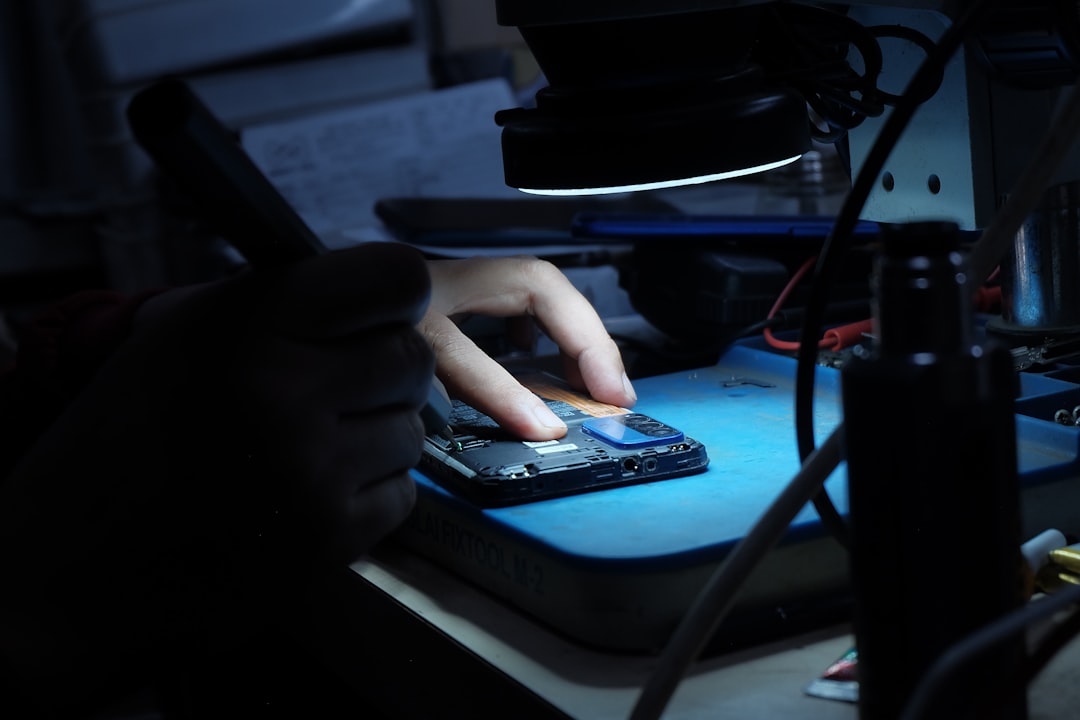
Identifying untapped growth channels in the telephone equipment repair market requires a focused approach to digital marketing and campaign execution. Decision-makers who leverage data-driven strategies can capture more high-intent leads and expand market share efficiently.
- Strategic Keyword Targeting: Specialty terms, VoIP troubleshooting, PBX system repairs, business phone installations, let you target the queries that signal real urgency, such as a downed office phone system or an expiring maintenance contract, rather than competing on generic "phone repair" terms that pull in consumer device traffic. Google also restricts some repair-related keywords, so campaigns should account for approval nuances alongside intent. This community insight on restricted keywords highlights what to watch for.
- Competitor Analysis: Regularly reviewing competitor ad placements and messaging reveals gaps in their coverage or weak value propositions. Marketers can then position their own offers to fill those gaps, using differentiation in ad copy and landing pages. Monitoring shifts in competitor spend or keyword focus also signals where demand is trending, guiding where to allocate budget for maximum impact. Explore competitive analysis tips to further refine your approach.
- Industry-Specific Placements: Placing ads on telecom industry forums, business IT resource sites, and local business directories ensures visibility among decision-makers actively seeking repair partners. Industry placements drive brand authority and build trust with commercial buyers, especially when paired with supporting content like case studies or testimonials.
Manual audience building for these tactics is slow and fraught with the risk of missing valuable accounts. Automation platforms now facilitate real-time audience enrichment, using firmographic and intent data to update targeting as new companies or decision-makers show buyer signals. For example, by syncing enriched account lists and real-time intent into Google Ads, marketers can ensure their campaigns focus only on businesses most likely to convert. This dynamic targeting reduces time spent on manual updates and eliminates wasted impressions, supporting demand generation at scale.
With the right combination of data integration and smart automation, telecom equipment repair firms can put every advertising dollar toward accounts static lists and manual processes would otherwise miss. Consistently syncing CRM and ad audiences means every campaign, whether initial outreach or retargeting, runs on the latest signals.
How to Apply Audience Segmentation for Telephone Equipment Repair
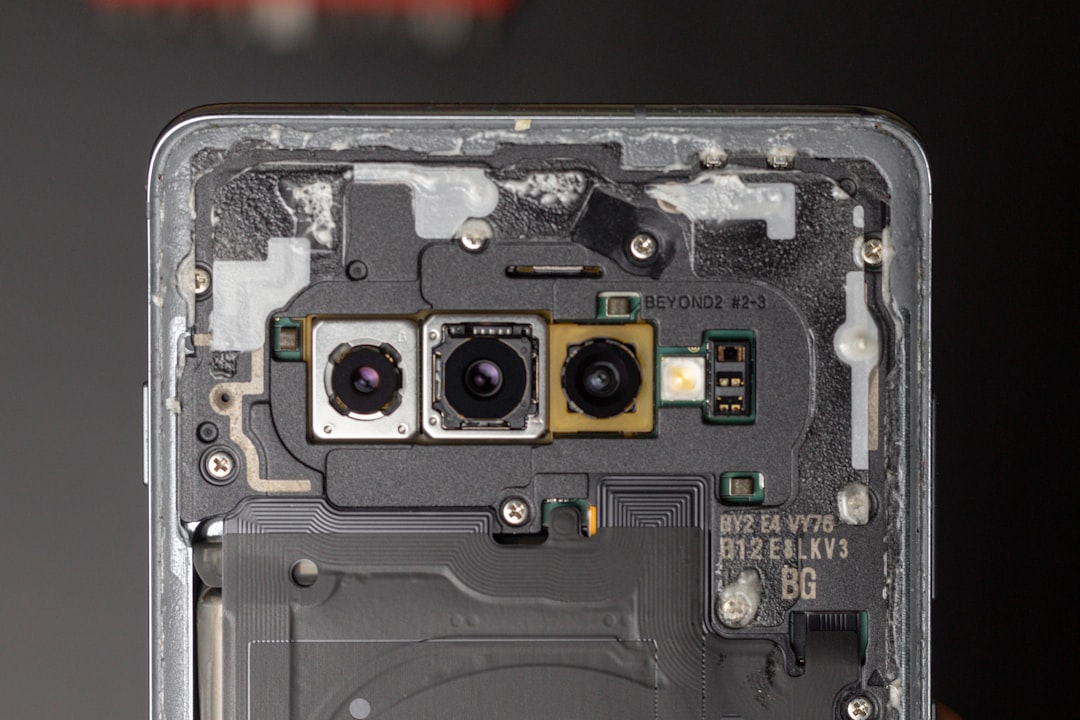
Effective audience segmentation is the foundation of high-performance digital marketing for telephone equipment repair businesses. Aligning Google Ads campaigns with the specific stages of the customer journey delivers relevant messaging that drives greater engagement and conversion. For additional insights on Google Ads restrictions and challenges in the repair industry, visit this discussion about ad policy nuances.
Start by mapping out distinct audience segments based on buyer intent, company size, and industry verticals. For example, separate prospects searching for emergency telephone repairs from those evaluating long-term maintenance contracts. Segmented targeting ensures each group receives tailored ad copy and offers that reflect their immediate needs, which increases the likelihood of qualified leads entering your funnel.
Audience segmentation should be actively maintained with real-time intent data and behavioral signals. As leads engage with your website or content, dynamic audience lists should update automatically, allowing for continuous alignment between your messaging and each buyer's stage in the journey. Integrating CRM and ad platforms streamlines this process, syncing enriched audience data across Google Ads, Salesforce, and HubSpot.
For B2B revenue teams, this unified audience management improves campaign precision and supports more accurate attribution by connecting online and offline touchpoints. Tracking how each segment interacts with assets, from first click to closed deal, reveals which tactics actually drive ROI. The essential guide to intent data covers strategies for putting this segmentation to work at every stage.
This is also where measurement changes the economics. With Sona Marketing Measurement you can identify the companies behind your ad clicks, not just anonymous sessions, and segment audiences by which accounts actually become customers. That lets you build bid adjustments and audience signals around the segments that convert and de-prioritize the ones that don't, so you feed Google's algorithms "this click became a paying telephone equipment repair customer" instead of just "someone filled out a form."
Keyword Strategy & Sample Target Terms
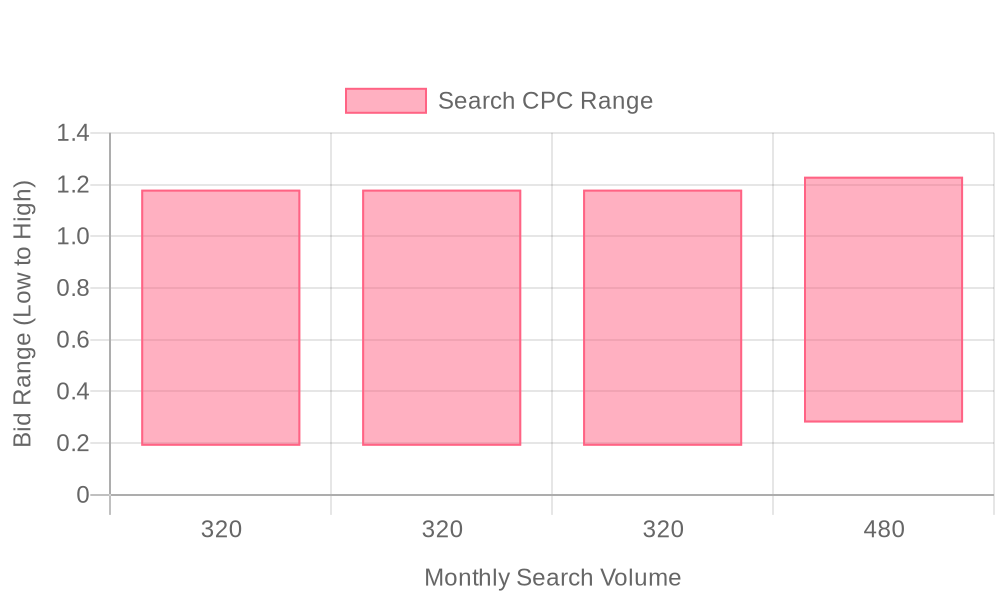
| Industry | Keyword | Monthly Search Volume | Competition Level | Low Bid | High Bid |
| Telephone Equipment Repair | cell phone repair tools | 320 | HIGH | 0.19 | 1.18 |
| Telephone Equipment Repair | mobile phone repair tools | 320 | HIGH | 0.19 | 1.18 |
| Telephone Equipment Repair | cellular phone repair tools | 320 | HIGH | 0.19 | 1.18 |
| Telephone Equipment Repair | tools for repairing phone | 480 | HIGH | 0.28 | 1.23 |
Keyword strategy in the telephone equipment repair space requires precision and depth. Successful campaigns start by targeting high-intent search terms such as "emergency telephone repair," "business phone system repair," and "smartphone repair services." These keywords reflect urgent needs and commercial intent, connecting repair providers with prospects already seeking professional solutions. Careful keyword selection also mitigates wasted ad spend by filtering out low-quality traffic and irrelevant queries, as discussed in this Reddit thread on Google Ads restrictions.
Comprehensive keyword research should include both core services and long-tail variations relevant to telephone equipment repair. Analyzing competitor terms and current market trends ensures the strategy aligns with real customer demand and search behavior. Consider building out lists that target device-specific queries, regional modifiers, and urgent repair scenarios, such as "24/7 VoIP repair" or "office phone troubleshooting fast." This approach not only maximizes reach but also strengthens campaign efficiency through relevance. For revenue teams, mapping keyword targets to CRM data can uncover which terms are driving the most qualified leads, supporting continuous optimization and higher return on ad spend with Sona's Destinations.
Integrating keyword lists with audience segmentation tools lets marketers update targeting dynamically as prospects move through the buying cycle. When a visitor searches for "telephone equipment repair near me" and later returns to compare solutions, real-time behavioral signals help shift budget toward the accounts showing genuine purchase intent. Marketers who sync enriched audience segments to Google Ads can act on in-market signals and personalize messaging at each stage of the funnel.
Step-by-Step Campaign Execution Framework
Effective digital marketing for telephone equipment repair demands a framework rooted in precision, automation, and ongoing optimization. B2B revenue teams gain a competitive edge by unifying campaign data and deploying actionable insights, minimizing manual bottlenecks and maximizing returns. With an organized approach, marketers can systematically address each lever of campaign performance, from targeting to conversion, ensuring consistent growth in high-value pipelines.
Step 1: Build Targeted Keyword Lists
Begin with granular keyword research that aligns with buying intent. Identify terms specific to telephone equipment repair, such as "business phone repair," "PBX system troubleshooting," and "VoIP device servicing," as well as broader service queries. Leverage negative keywords to reduce wasted spend and refine targeting. Insights from Google Ads keyword restriction discussion can help ensure compliance and avoid restricted terms. Enhanced platforms allow marketers to detect in-market segments and dynamically expand keywords as new opportunities emerge.
The upgrade most telephone equipment repair advertisers miss is going beyond raw keyword volume to layer in intent and identity signals. By connecting website-visitor data and CRM records with Sona Marketing Measurement, you can see which specific search terms bring in the accounts and customers that actually convert, and weight your keyword and bidding strategy toward those rather than the terms with the highest search volume alone.
Step 2: Develop Compelling Ad Copy
Develop tailored ad copy that emphasizes technical expertise, rapid turnaround, and certifications relevant to telecom equipment. Use ad assets to highlight service guarantees, emergency support, or free diagnostics. Data from unified platforms can inform which value propositions resonate with each segment. For more on optimizing B2B messaging, explore the Sona blog for actionable tips that can increase your click-through rates.
Step 3: Design Effective Landing Pages
Landing pages must deliver a seamless, relevant experience tied directly to ad messaging. Include testimonials from enterprise clients, clear service menus, and straightforward contact options. Integrate tracking pixels and forms that capture both online and offline conversion events, feeding this data into your CRM and marketing systems for robust attribution and actionable insights.
Step 4: Implement Data-Driven Optimizations
Implement conversion tracking across all touchpoints. Attribute phone calls, web form fills, and booked appointments to specific ads and keywords. With CRM and ad platform integration, every lead or customer interaction syncs in real time, giving a current view of ROI and campaign impact that supports sharper budget allocation and sales alignment. Run A/B tests on ad copy, audience definitions, and bidding strategies, then use insights from unified data to surface new high-intent accounts and adjust targeting. For additional strategies, refer to retargeting strategies that can further sharpen campaign efficiency.
Sona Marketing Measurement closes the gap between clicks and revenue. It captures ad clicks with first-party measurement, ties them through UTM capture and ad-platform APIs to the matching record in your CRM, and reports ROAS by keyword and campaign instead of by last-click form fill. Feeding that revenue signal back into Smart Bidding and Performance Max compounds over time: the algorithms optimize toward booked telephone equipment repair revenue, not cheap leads.
Tips on Expanding Your Telephone Equipment Repair Presence
Expanding your telephone equipment repair business requires a strategic approach that integrates education, partnerships, and precision marketing. High-value growth comes from building authority and trust while leveraging digital channels that reach decision-makers at the right moment. Explore Google Local Service Ads to connect directly with local customers actively seeking repair services, and stay updated with industry trends through our blog.
Leverage educational assets such as in-depth blog posts, video tutorials, and downloadable whitepapers to position your team as industry experts. These resources not only attract organic search traffic but also serve as high-value touchpoints for Google Ads campaigns, improving click-through rates and driving informed prospects to your site. Consistency in messaging across these materials reinforces credibility and ensures your ads resonate with both technical and business audiences.
Forming industry partnerships with telecom vendors, managed service providers, and local business associations can amplify your reach. Joint webinars, co-branded content, and referral programs expand your audience pool and unlock new avenues for targeted Google Ads. Integrating these partnerships into your account-based marketing efforts helps synchronize messaging, ensuring every touchpoint supports your broader marketing objectives.
Effective audience targeting is vital for sustained growth in online advertising for repair services. Harness CRM integration to align Google Ads audiences with your most valuable segments. By dynamically updating audiences as leads progress through your funnel, you ensure ad spend is always focused on high-potential opportunities. This type of real-time audience management enables telephone equipment repair providers to pinpoint in-market accounts and adjust bids instantly, maximizing campaign ROI.
Unified data across marketing and sales platforms gives a full view of campaign performance. Attribution that connects online interactions with offline conversions clarifies which touchpoints drive booked repairs and long-term growth, so budget goes toward the tactics that consistently deliver for your telephone equipment repair practice. For actionable tips on leveraging retargeting for telecom repair, visit retargeting strategies.
Beyond Google Ads: Winning the AI Answers Telephone Equipment Repair Buyers Now Trust
Paid search captures demand at the moment someone types a query. But a fast-growing share of telephone equipment repair buyers no longer start at Google at all, they ask ChatGPT, Gemini, or Perplexity before they ever run a search, and Google's own AI Overviews increasingly summarize an answer above the traditional results. If your business isn't referenced in those AI answers, you're invisible at the exact moment buyers build their shortlist.
Sona AI Visibility shows where your business shows up across ChatGPT, Gemini, Perplexity, Google AI Overviews, and 10+ engines, and, much like a keyword report, which prompts actually send you buyers, so you can prioritize the ones that convert. Run the two together and you cover the entire buyer path: get cited where buyers research (AI Visibility), then prove which of that demand turns into booked revenue (Marketing Measurement).
Helpful resources
Conclusion
Google Ads works for telephone equipment repair businesses because it meets buyers at the moment a phone system fails or a maintenance contract comes up for renewal, when urgency is highest and the search is specific. Targeting that moment well, and tracking it through to a closed repair contract, is what separates campaigns that scale from ones that just spend budget.
The repair businesses that win the next few years of search demand will be the ones that also show up when buyers ask an AI assistant instead of typing a query, and that can prove which of those channels actually produced a booked repair, not just a click.
FAQ
How can I set up Google Ads for my telephone equipment repair business?
To set up Google Ads for your telephone equipment repair business, start by building targeted keyword lists that align with buying intent, design audience segments based on firmographic and behavioral data, craft compelling ad copy, optimize landing pages for relevance and conversions, and implement advanced conversion tracking to attribute interactions to specific ads and keywords.
What are the best keywords for Google Ads in the telephone equipment repair industry?
Best keywords for Google Ads in the telephone equipment repair industry include high-intent search terms like 'emergency telephone repair,' 'business phone system repair,' and 'smartphone repair services,' as well as long-tail variations relevant to the services you offer.
How can I target the right audience with Google Ads for telephone equipment repair?
To target the right audience, use audience segmentation driven by firmographic and behavioral data, create dynamic audience lists that update as leads progress through the funnel, and integrate CRM and ad platforms to ensure your ads reach high-conversion prospects.
What is the cost-effectiveness of Google Ads for a telephone equipment repair business?
Google Ads can be cost-effective for a telephone equipment repair business by enabling precise targeting of high-intent prospects, reducing acquisition costs, and improving lead quality through synchronized data and intent-driven strategies.
How do I measure the success of my Google Ads campaign for telephone equipment repair services?
Measure the success of your Google Ads campaign by tracking conversion events across all touchpoints, utilizing real-time dashboards to monitor performance metrics like cost per acquisition and conversion rates, and syncing data with your CRM for accurate ROI analysis.







