


Video equipment repair shops win business in the moments right after something breaks: a camera housing cracks before a shoot, a broadcast deck fails mid-production, an editing console needs a part nobody stocks locally. Google Ads matters here because it catches buyers at that exact moment of need, not weeks earlier when they might have browsed casually. For businesses providing video equipment repair services, the harder problem is what happens after the click: most visitors never fill out a form, so the team has no idea which studios or production companies just looked at their site. Layering intent-based audience segmentation onto Google Ads closes that gap, matching ads to industry-specific terminology, tracking ROI through closed-loop reporting, and coordinating with remarketing and other channels instead of running Ads in isolation.
How to Generate Video Equipment Repair Leads with Google Ads: A Step-by-Step Guide
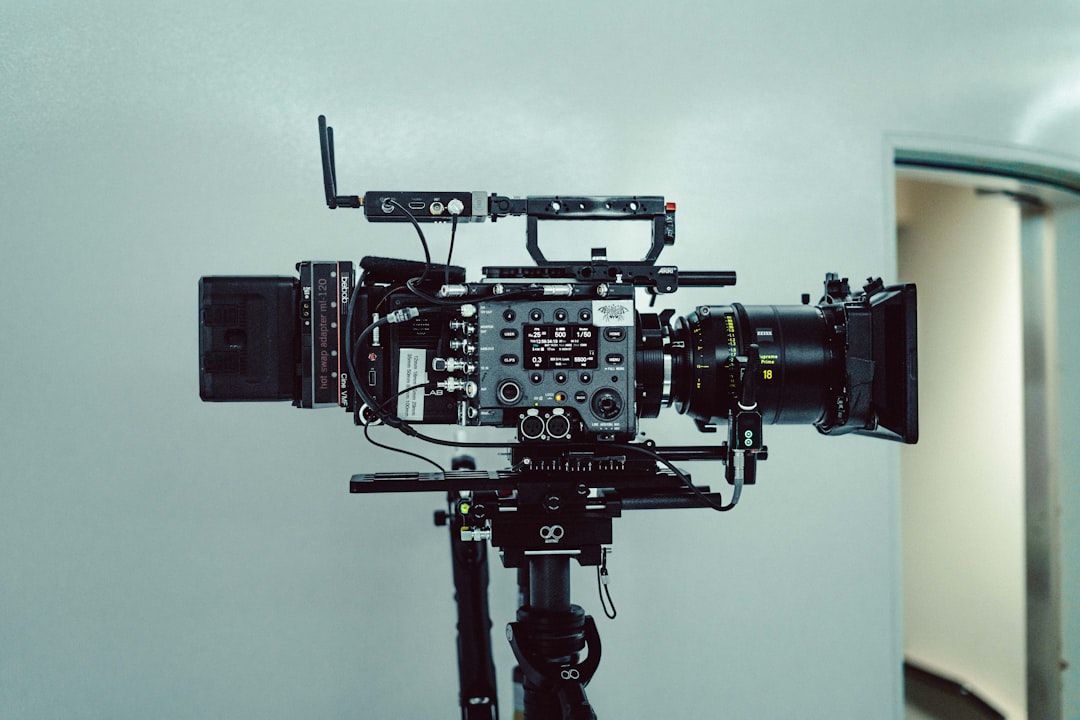
Modern video equipment repair companies can capture high-intent buyers online by leveraging advanced Google Ads strategies tailored to their niche. Targeted paid search unlocks a steady flow of qualified leads, while providing transparency into exactly which tactics drive new business, explore more digital growth tactics on our marketing analytics blog.
With the right data-driven approach, revenue teams identify not just clicks, but true buying signals from decision-makers researching repair services. Integrating visitor intelligence and real-time intent data means you can shift ad spend toward in-market accounts, maximizing ROI and reducing wasted budget.
This guide delivers a practical, step-by-step process for using Google Ads to generate repair leads. By unifying CRM, website, and ad data, video equipment repair businesses can move beyond form submissions to activate dynamic audiences, sync contacts, and personalize engagement at scale. Each section details how to structure campaigns, choose keywords, optimize targeting, and measure conversions with precision, empowering your team to act quickly on every valuable opportunity. Ready to put these steps into action? Get started for free with Sona.
Why Google Ads Matter for Video Equipment Repair Businesses
Video equipment repair businesses operate in a landscape where decision-makers often research providers online, reviewing services and credentials before initiating direct contact. This passive research behavior leaves revenue teams with limited insight into who is evaluating their offerings, increasing the risk of missed high-value opportunities. Using Sona's Identity Resolution, these businesses can discover which companies and buyers are visiting their website, even if no form is filled, helping teams act on hidden demand.
Google Ads empowers video equipment repair businesses to address these challenges with precision audience targeting and real-time engagement. Marketers can identify and segment anonymous website visitors, revealing the companies and roles behind each session. This visibility allows for prioritized follow-up and tailored messaging, especially when critical repairs require urgent responses. Learn more about Google Ads' capabilities to see how targeted advertising can support your service business.
High-margin repair contracts, the kind involving broadcast fleets or studio-wide equipment refreshes, usually start with someone quietly researching options online, not answering an outbound email. That makes intent signals essential: Google Ads targeting for video repair services lets a business shift budget as buying signals emerge, so spend concentrates on the accounts actually in the market rather than spreading evenly across everyone who might someday need a repair.
Expanding reach into new geographies is streamlined through Google Ads' advanced location targeting and granular audience segmentation. For businesses looking to move beyond local referrals or traditional marketing tactics, this provides a scalable path to growth. Audience segments are continually refreshed as leads move through the funnel, ensuring messaging stays relevant and conversion rates remain high.
Integrated analytics unify campaign data, CRM records, and conversion tracking to surface actionable insights. Real ROI can be measured by connecting online ad activity with offline sales, work order completions, and repeat service requests. By syncing enriched lead and company data directly into platforms like Sona's Destinations, revenue teams ensure every high-intent inquiry is actioned promptly and attributed accurately for continuous optimization. To see how you can start optimizing your campaigns, get started for free with Sona.
Common Types of Google Ads Campaigns for Video Equipment Repair
- Search Campaigns: Search campaigns capture prospects mid-emergency: a production house with a dead camera the night before a shoot, a broadcaster whose switcher just failed on air. Keyword targeting lets a repair shop show up for queries like "emergency video camera repair" or "broadcast equipment servicing" right when urgency is highest. Advanced platforms go further, identifying which companies are searching and syncing those leads into the CRM for immediate follow-up. That matters because repair inquiries are time-sensitive: a quote that arrives an hour late often loses the job to a competitor who answered first.
- Display Campaigns: Display ads reinforce your presence across the digital ecosystem and keep your brand top-of-mind for those researching video equipment solutions. Effective display strategies include retargeting website visitors and surfacing educational content to key decision-makers who may not have converted during their initial visit. Connecting display audiences with real-time behavioral data allows for dynamic audience updates, ensuring your display ads remain relevant and that ad spend is directed to accounts with the highest likelihood to convert.
- Video Campaigns: Video ads provide a unique opportunity to showcase complex repair processes, demonstrate technical expertise, and build trust visually. These formats excel on YouTube and other video platforms, where potential buyers can see before-and-after results, technician credentials, and customer stories. By integrating visitor-level insights, marketers can target video content to in-market accounts, personalize messaging based on previous website interactions, and align creative assets with the specific services a prospect has viewed. For a step-by-step walkthrough, refer to this YouTube tutorial.
- Remarketing Campaigns: Remarketing campaigns are essential for re-engaging prospects who expressed interest but did not convert. Whether targeting users who visited a specific repair service page or those who started a booking process, remarketing delivers tailored messaging that addresses objections and nudges prospects back into the funnel. Using CRM and ad platform integrations, remarketing audiences can be enriched with offline engagement data, enabling more granular segmentation and personalized follow-ups that increase conversion rates and overall ROI.
- Ad Assets: Ad assets add critical context and validation to your search and display ads by highlighting key business details such as location, repair certifications, customer reviews, and special offers. These assets not only increase ad visibility but also build credibility, especially in a technical field where trustworthiness and expertise are decision drivers. Assets can be dynamically updated as new services are added, ensuring every impression reflects your most current value proposition.
When each campaign type is supported by unified, real-time data and synced audience segments, marketers can optimize for performance, attribute conversions more accurately, and drive measurable growth in their video equipment repair pipeline. For specific strategies on maximizing recapture and conversion, see retargeting strategies for B2B. To see the impact of unified data on your campaigns, get started for free with Sona.
Where to Find Growth Opportunities?
Growth opportunities in the video equipment repair market hinge on identifying untapped demand, understanding customer intent, and acting faster than competitors. Revenue teams can capture these moments by leveraging vertical keyword targeting to reach segments actively searching for specific repair solutions, such as "broadcast camera repair" or "video editing hardware troubleshooting." By using Sona to build dynamic, intent-driven audience segments, marketers can engage high-value prospects in real time.
Expanding keyword coverage allows for increased visibility among niche, high-intent audiences. Using tools like SEMrush to analyze competitor ad gaps uncovers opportunities to intercept prospects not yet loyal to other brands. A focus on these missed search terms positions your business to fill unmet needs and drive incremental conversions. For a deeper dive into demand generation tactics, visit our growth strategies blog.
Modern marketers are addressing the fragmentation between channels by syncing real-time intent signals across platforms. When a visitor browses technical support articles or pricing pages, dynamic audience lists update instantly, ensuring ads reach those most likely to convert. By integrating CRM and website data, Sona enables campaigns to automatically shift budget to the highest-converting accounts and keep messaging relevant as leads progress through the funnel.
Industry-specific placements further boost campaign reach. Running video equipment repair ads on trusted trade publications or YouTube channels viewed by professional videographers ensures consistent messaging and maximizes brand relevance. Coupling these placements with content retargeting, serving follow-up ads based on engagement with blogs, guides, or case studies, strengthens brand recall and drives qualified traffic back to your site. Explore the Google Ads homepage to discover platform options, and for best practices in this area, review retargeting strategies tailored for B2B services.
Ready to capture new demand in your market? Get started for free with Sona.
Audience segmentation in video equipment repair marketing unlocks granular control over campaign targeting, aligning each ad group to a specific buyer journey stage. This method ensures that high-value prospects receive messaging tailored to their current needs and readiness to engage, increasing both relevance and conversion rates.
To start, define core customer segments based on your business's unique audience: for example, segment by business size (studios, independent videographers, corporate AV teams), equipment type (cameras, lighting, editing consoles), or urgency (emergency repair, routine maintenance, upgrade inquiries). Overlaying these segments with real-time intent signals, such as recent site visits, content downloads, or support requests, enables you to identify which accounts are actively researching repair solutions. When enriched with visitor identification technology, marketers can pinpoint not only the company but the specific decision-makers engaging with their assets, allowing for even finer targeting precision.
Create distinct ad groups in your Google Ads campaigns by segment. Each group should feature custom ad copy and tailored landing pages that speak directly to the segment's pain points and priorities. For example, an ad group aimed at enterprise broadcast studios will emphasize rapid turnaround and certified technicians, while another for freelance videographers may highlight affordable diagnostics and quick quotes. Dynamic audience syncing, powered by Sona's Audiences tool, keeps these segments up to date as leads move through the funnel, no manual list pulling required.
CRM integration plays a crucial role in validating conversion paths and ensuring attribution accuracy. By syncing enriched audiences into both your CRM and Google Ads, you enable seamless online/offline tracking and can surface engagement signals at the precise moment they matter most. This approach minimizes missed upsell and cross-sell opportunities, ensuring every interaction is actionable and measurable. For more on connecting segmentation to campaign results, explore retargeting strategies with unified intent data for greater ROI.
Ready to maximize your segmented campaigns? Get started for free with Sona.
This is also where measurement changes the economics. With Sona Marketing Measurement you can identify the companies behind your ad clicks, not just anonymous sessions, and segment audiences by which accounts actually become customers. That lets you build bid adjustments and audience signals around the segments that convert and de-prioritize the ones that don't, so you feed Google's algorithms "this click became a paying video equipment repair customer" instead of just "someone filled out a form."
Keyword Strategy & Sample Target Terms
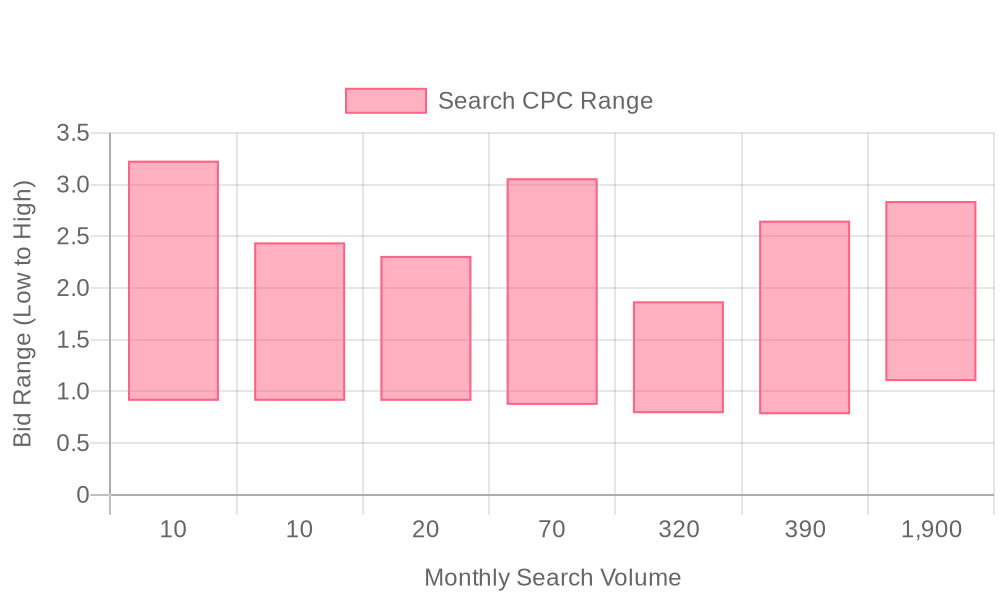
| Industry | Keyword | Monthly Search Volume | Competition Level | Low Bid | High Bid |
| Video Equipment Repair | sony video camera repair center near me | 10 | MEDIUM | 0.91 | 3.23 |
| Video Equipment Repair | panasonic video camera repair near me | 10 | MEDIUM | 0.91 | 2.44 |
| Video Equipment Repair | sony video camera repair near me | 20 | MEDIUM | 0.91 | 2.31 |
| Video Equipment Repair | canon video camera repair | 70 | LOW | 0.87 | 3.06 |
| Video Equipment Repair | video camera repair near me | 320 | LOW | 0.79 | 1.87 |
| Video Equipment Repair | video camera repair | 390 | LOW | 0.78 | 2.65 |
| Video Equipment Repair | sony video camera repair | 1900 | LOW | 1.1 | 2.84 |
Precision in keyword targeting is critical for video equipment repair businesses aiming to capture high-intent leads and drive quality inquiries. Effective strategies prioritize local and niche terms that align with how decision-makers search for urgent repair and maintenance services, minimizing wasted spend on broad, low-converting traffic.
Begin by mapping core service offerings to specific, high-volume intent keywords such as "video equipment repair near me," "broadcast camera repair services," and "emergency AV equipment restoration." This approach ensures ads surface for prospects ready to engage, particularly when layered with location modifiers. Supplement these with industry-specific terms, including "professional camcorder repair," "audio mixer maintenance," and "video production gear troubleshooting," to attract commercial clients and in-house technical teams.
Negative keyword lists play a crucial role in filtering out irrelevant clicks. Exclude generic or DIY-related queries that signal low purchase intent, like "how to repair video equipment at home" or "video equipment repair tutorials," to keep budgets focused on B2B buyers. Continually refine keyword lists using data from Google Keyword Planner, adjusting bids and adding new terms as search volumes and user behavior evolve.
Align search terms with your broader content marketing strategy, ensuring that landing pages and ad copy reflect the precise language of your target audience. Integrating CRM and site data enables marketers to identify which keywords drive qualified leads and repeat business, allowing for a feedback loop that sharpens both paid and organic efforts. As Sona syncs enriched audience and lead data directly into Google Ads, teams can dynamically update targeting and maximize campaign relevance, connecting each search with the most actionable messaging possible. To experience this advantage, get started for free with Sona.
Step-by-Step Campaign Execution Framework
Modern video equipment repair businesses grow when their digital marketing strategies are precise and backed by actionable data. Marketers in this space can deliver immediate value by aligning every Google Ads initiative to the real needs of both their clients and their own service models. To streamline attribution and ensure marketing efforts tie directly to sales outcomes, explore measuring marketing's influence on the sales pipeline.
Step 1: Build Targeted Keyword Lists
Comprehensive keyword research is the cornerstone of effective Google Ads for Video Equipment Repair. Build lists tailored to search intent: focus on service-specific phrases such as "camera repair near me," "video projector troubleshooting," and "same-day camcorder fix." Refine with geographic modifiers to capture high-value local traffic. Leverage in-market signals to identify prospects actively searching for repair services; this ensures ad spend only reaches those with urgent needs and higher conversion potential. By layering CRM and site analytics data, marketers can uncover which keywords drive not just clicks, but actual repair bookings, allowing for continuous keyword list refinement. For a deeper dive into the Google Ads platform, visit the official Google Ads homepage.
The upgrade most video equipment repair advertisers miss is going beyond raw keyword volume to layer in intent and identity signals. By connecting website-visitor data and CRM records with Sona Marketing Measurement, you can see which specific search terms bring in the accounts and customers that actually convert, and weight your keyword and bidding strategy toward those rather than the terms with the highest search volume alone.
Step 2: Develop Ad Copy Highlighting Pain Points
Craft ad copy that directly addresses the most pressing issues faced by customers: expensive downtime, missed shoots, and urgent service requirements. Use concise messaging that offers clear solutions, such as "24-hour turnaround," "certified technicians," or "on-site diagnostics," paired with urgency-driven offers like limited-time discounts or free consultations. Integrate real-time intent insights to dynamically adjust messaging based on visitor behavior. As prospects demonstrate readiness to engage, tailor headlines and descriptions to their specific needs, increasing relevance and click-through rates. For expert guidance on crafting effective Google Ads text, review this Google support article on creating text ads.
Step 3: Design 1:1 Aligned Landing Pages
Landing pages should mirror the ad promise with absolute clarity, minimizing friction in the user journey. Create dedicated pages for each service type and location, ensuring a one-to-one alignment from ad to page. Incorporate conversion-focused elements: calculators for instant repair estimates, customer testimonials, and proof of expertise such as certifications or case studies. Sync visitor identification tools to capture lead details as soon as they engage, allowing for personalized follow-up and nurturing. Dynamic audience updates support real-time personalization, optimizing the conversion path for every visitor.
Step 4: Implement Data-Driven Optimizations
Continuous improvement is essential for Google Ads optimization for video repair services. Track every conversion event, both online and offline, to attribute revenue accurately and fine-tune campaign performance. Use granular insights from integrated CRM and ad platforms to identify high-performing segments, reallocating budget to the most profitable audiences and keywords. Test multiple ad elements, headlines, calls-to-action, and visuals, to uncover winning combinations and eliminate wasted spend. Sync enriched audiences and lead data in real time, ensuring campaigns stay aligned with the latest buyer behaviors and sales priorities. This approach ensures each optimization cycle increases both efficiency and ROI, supporting scalable growth for video equipment repair businesses. For further campaign improvements, explore advanced retargeting strategies or get started for free with Sona to put these insights into action.
Sona Marketing Measurement closes the gap between clicks and revenue. It captures every ad click with first-party tracking, then ties that click through UTM capture and ad-platform APIs to the actual record in your CRM, and reports ROAS by keyword and campaign instead of by last-click form fill. Feeding that revenue signal back into Smart Bidding and Performance Max compounds over time: the algorithms optimize toward booked video equipment repair revenue, not cheap leads.
Tips on Expanding Your Video Equipment Repair Presence
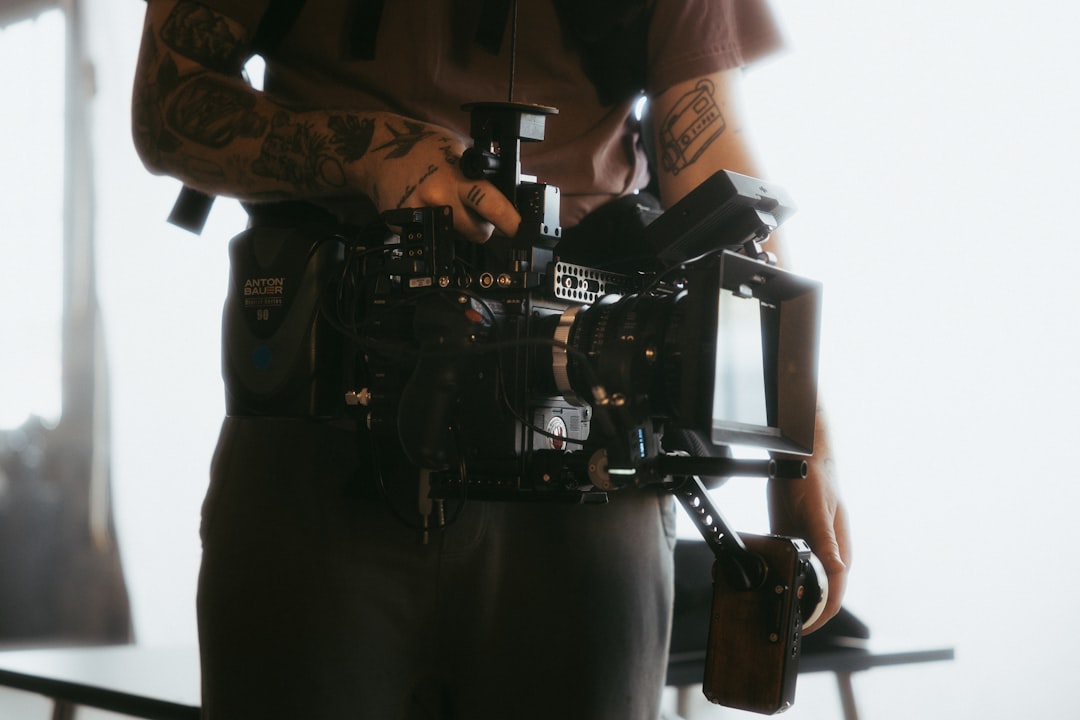
Expanding your video equipment repair business relies on blending targeted digital tactics with value-added partnerships and content. High-performing brands leverage data-driven segmentation and localized messaging to reach the right buyers at the right moment, bypassing wasted ad spend and generic outreach.
- Cross-promote educational resources: Share in-depth guides, troubleshooting videos, and technical articles across your audience segments. This approach positions your brand as an industry thought leader and provides an entry point for upselling advanced repair services or maintenance packages. By integrating CRM and website engagement data, you can identify which prospects engage with educational content, tailoring follow-up messaging for maximum impact, learn more about curated content strategies that drive leads.
- Upsell services with segmented audiences: Use dynamic audience lists that update in real time as leads engage with your repair services, download resources, or request quotes. Synchronizing these insights across your CRM and ad platforms enables more timely and relevant upsell messaging, increasing lifetime value without additional manual effort. For video equipment repair businesses using Google Ads, this means serving targeted offers based on service history or expressed interest, with clear attribution to track ROI across channels.
- Partner with industry associations: Joint webinars, co-branded content, and referral programs with associations or training organizations can introduce your services to new, qualified segments. These partnerships elevate your business's credibility and extend your reach into key professional networks, especially when campaigns are localized to match association chapters or regional events. For more on collaborating with partners, explore this ABM success guide.
- Localize campaigns by region: Tailoring your campaigns to specific cities, states, or service areas improves relevance and ad performance. Regional messaging, local testimonials, and city-specific offers help build trust while boosting click-through and conversion rates. At the platform level, syncing real-time location intent from web visits ensures your campaigns only reach in-market prospects, minimizing wasted budget.
- Leverage search query data for content: Regularly analyze the search terms triggering your ads and on-site searches to identify trending repair needs, equipment brands, or pain points. Use this data to inspire new blog posts and landing pages that address user intent, improving both organic SEO and paid ad performance. Consistently updating your content strategy with fresh, query-driven topics supports ongoing visibility and keeps your messaging aligned with real-time market demand.
- Maintain campaign consistency and relevance: Ensure that messaging, design, and calls-to-action remain consistent across all digital touchpoints, from ads to landing pages to email follow-ups. Unifying campaign data across tools like Google Ads, your CRM, and analytics platforms provides a holistic view of engagement, enabling revenue teams to optimize spend, measure true ROI, and react quickly to changes in buyer behavior. Looking to streamline your digital marketing processes? Get started for free with Sona.
Beyond Google Ads: Winning the AI Answers Video Equipment Repair Buyers Now Trust
Paid search captures demand at the moment someone types a query. But a fast-growing share of video equipment repair buyers no longer start at Google at all, they ask ChatGPT, Gemini, or Perplexity before they ever run a search, and Google's own AI Overviews increasingly summarize an answer above the traditional results. If your business isn't referenced in those AI answers, you're invisible at the exact moment buyers build their shortlist.
Sona AI Visibility shows where your business shows up across ChatGPT, Gemini, Perplexity, Google AI Overviews, and 10+ engines, and, much like a keyword report, which prompts actually send you buyers, so you can prioritize the ones that convert. Run the two together and you cover the entire buyer path: get cited where buyers research (AI Visibility), then prove which of that demand turns into booked revenue (Marketing Measurement).
Helpful resources
Conclusion
Google Ads works for video equipment repair businesses because it meets buyers at the moment something breaks, not weeks before or after. The campaigns that perform are the ones built around that urgency: precise keywords, ad copy that speaks to downtime and turnaround, and landing pages that get a technician on the phone fast.
The bigger shift ahead is where buyers look first. As more of them ask an AI assistant before they open a search bar, the businesses that show up in both places, paid search now and AI answers next, will be the ones that win the call before a competitor even gets the chance. Start for free and put that groundwork in place today.
FAQ
How can I target the right audience for my video equipment repair business using Google Ads?
You can target the right audience by using intent-based audience segmentation and integrating visitor intelligence and real-time intent data to focus ad spend on in-market accounts, ensuring your ads reach high-intent prospects.
What are the best practices for creating Google Ads for video equipment repair services?
Best practices include using targeted keyword lists, developing ad copy that addresses customer pain points, designing aligned landing pages, and implementing data-driven optimizations to ensure relevance and maximize conversions.
How can I measure the success of my Google Ads campaign for video equipment repair?
Success can be measured by connecting online ad activity with offline sales and work order completions using integrated analytics, CRM records, and conversion tracking to assess real ROI and optimize campaigns.
What is the average cost per click for Google Ads in the video equipment repair industry?
The article does not provide specific information on the average cost per click for Google Ads in the video equipment repair industry.
How can I improve my Google Ads ROI for my video equipment repair business?
To improve ROI, use dynamic audience segmentation, refine keyword targeting, personalize messaging, and integrate CRM data to focus on high-converting accounts and continuously optimize your ad campaigns.







