


Tube cleaning contractors live and die by timing. A heat exchanger fouls, a plant shuts down for scheduled maintenance, or a facility manager gets a compliance deadline, and in that window they search Google for help. Google Ads exists to catch that moment. By pairing Google Ads with the rest of a marketing program, tube cleaning providers can meet decision-makers exactly when they're ready to buy, whether that's an urgent emergency call or a scheduled annual service contract. Precise targeting on industry-specific terms, granular tracking from first click to signed service agreement, and remarketing that reinforces other channels all make Google Ads a strong fit for the trade. A well-run campaign lets a smaller tube cleaning company stand out against larger competitors by intercepting searches like "industrial tube cleaning services near me" or "emergency tube cleaning" at the exact moment they're typed.
How to Generate Tube Cleaning Service Leads with Google Ads: A Step-by-Step Guide

Tube cleaning service providers face a unique challenge: reaching decision-makers who actively need industrial cleaning, but often remain hidden in traditional sales pipelines. Precision in marketing can mean the difference between a pipeline full of high-value projects and missed growth opportunities. For a comprehensive overview of how to identify and engage these decision-makers, explore this guide to account identification.
This guide delivers a clear, actionable process for leveraging Google Ads to generate qualified leads for tube cleaning services. The steps outlined are built for revenue teams that need to unify fragmented data, capture intent signals, and maximize ROI across the entire marketing and sales funnel.
Advanced Keyword and Audience Targeting for Tube Cleaning Services
Effective lead generation for tube cleaning services starts with targeting the right audience. Data-driven keyword research should focus on high-intent phrases such as "industrial tube cleaning," "condenser tube cleaning services," and "heat exchanger cleaning." These terms attract buyers who are already searching for solutions, allowing campaigns to bypass low-quality traffic and focus budget on accounts most likely to convert. Marketers can further refine targeting by leveraging precise audience intelligence to ensure ads reach decision-makers at critical buying stages.
Traditional CRMs often miss out on identifying website visitors who don't submit forms. By integrating advanced tools that reveal anonymous traffic and match visitor data to company profiles, marketers can identify high-value prospects previously overlooked. For practical walkthroughs on Google Ads campaign setup for cleaning businesses, watch this step-by-step YouTube tutorial.
Aligning Landing Pages and Ad Creatives for Maximum Conversions

Tube cleaning professionals see the best results when their landing pages and ad copy are tightly aligned. Every click from Google Ads should land on a page tailored to the intent of the searcher, featuring relevant case studies, clear calls to action, and trust-building elements like certifications or client logos. For more actionable strategies, review this blog on Google Ads best practices for cleaning businesses.
The most successful teams continuously test and refine messaging based on real-time performance data. When CRM and web analytics are unified, conversion tracking can tie ad spend directly to completed sales, highlighting which messages and offers drive revenue. Automated syncing of enriched lead data into sales platforms accelerates follow-up and ensures no high-interest prospect is lost in handoff.
Continuous Optimization and ROI Improvement

Tube cleaning service campaigns require ongoing optimization to ensure budgets are allocated to channels and keywords that deliver the highest return. Regularly reviewing search terms, negative keywords, and audience segments prevents wasted spend on irrelevant clicks. For troubleshooting and improving campaign results, check out these Google Ads tips and mistakes to avoid.
Sophisticated attribution models that connect online interactions with offline sales reveal the true impact of each campaign. As leads move through the funnel, dynamic audience updates in Google Ads keep retargeting efforts focused on accounts showing active interest. Integrating real-time intent data enables marketers to shift spend to high-converting accounts, while automated reporting surfaces gaps in lead capture or outdated information. This closed-loop approach ensures every marketing dollar is measured and accounted for.
Integrating Google Ads for Tube Cleaning Services Into a Multi-Channel Strategy
Tube cleaning service providers benefit when Google Ads is integrated as part of a larger demand generation strategy. Paid search should work seamlessly with email nurturing, account-based marketing, and outbound sales sequences to maximize touchpoints with key accounts. For a holistic approach to demand generation, explore our collection of actionable playbooks.
Syncing enriched audiences and leads across platforms such as Google Ads, HubSpot, and Salesforce ensures that teams have up-to-date, actionable contact data. Real-time campaign insights power more personalized outreach, increasing the efficiency of both marketing and sales teams. This integrated approach drives higher-quality conversations, more bookings, and measurable growth for tube cleaning service providers.
Why Google Ads Matter for Tube Cleaning Services Businesses
Tube cleaning service providers face the challenge of reaching facility managers and operations leaders who are often difficult to engage through traditional marketing. Google Ads provides a direct line to these decision-makers in moments of immediate need, capturing active demand that other channels overlook.
- Complex, Specialized Audience: Unlike broad awareness campaigns on platforms like LinkedIn, Google Ads enables precise targeting of facility managers actively searching for tube cleaning solutions. Marketers can address the common challenge of anonymous web traffic by leveraging Sona's Identity Resolution to pinpoint visitor identities and company details, allowing for personalized outreach and improved lead quality.
- Higher-Value Services: Tube cleaning is a specialized, high-margin service. Google Ads excels at delivering qualified leads from prospects outside your existing funnel, especially when combined with technology that enriches anonymous clicks into actionable company profiles. For a practical guide on setting up Google Ads campaigns tailored to cleaning businesses, see this step-by-step walkthrough.
- Immediate Demand Fulfillment: Facilities often require emergency or seasonal maintenance, and Google Ads delivers a rapid response by connecting these urgent searchers with your business at the peak of intent. Pairing these campaigns with intent signals helps teams identify and prioritize high-intent prospects instantly.
- Targeting Emerging Markets: Traditional marketing channels tend to saturate familiar territories. Google Ads empowers tube cleaning providers to expand into new regions by targeting high-value keywords and monitoring in-market behavior, ensuring that ad spend is directed toward markets with the greatest growth potential. Marketers looking to maximize addressable market should consider this guide to calculating TAM, SAM, and SOM for strategic planning.
- Integrated Analytics: The closed-loop measurement available through Google Ads connects every click to contract, enhancing your marketing intelligence. Advanced analytics platforms unify online and offline attribution, enabling teams to analyze which campaigns drive revenue and refine strategies accordingly.
By aligning Google Ads with advanced audience identification, intent tracking, and CRM integration, tube cleaning service providers can transform complex data into actionable insights. This ensures that every marketing dollar is accountable, every opportunity is visible, and every campaign is optimized for maximum impact. Ready to capture more of your market? Get started for free with Sona.
Common Types of Google Ads Campaigns for Tube Cleaning Services

Selecting the right Google Ads campaign types is crucial for tube cleaning services aiming to connect with industrial buyers, facility managers, and procurement teams at the right stage of their decision process. Effective campaigns help ensure consistent messaging, maximize budget impact, and keep services visible in a competitive market. For a deeper dive into optimizing your advertising approach, visit the Sona blog for expert strategies and actionable insights.
- Search Campaigns: Search campaigns capture high-intent, urgent queries from prospects actively seeking tube cleaning services. These campaigns address disconnected messaging across channels by aligning ad copy with real-time search behavior, ensuring relevance when buyers are closest to action. Leveraging intent signals from all touchpoints can help shift budgets toward search terms driving conversions.
- Display Ads: Display ads reinforce brand presence for tube cleaning services on industry publications and relevant B2B sites. This approach complements both digital and offline marketing activities, keeping services top-of-mind during longer buying cycles. Integrating audience data as leads progress through the funnel allows for dynamic retargeting and more efficient budget allocation.
- Video Ads: Video ads provide a visual platform to explain complex tube cleaning processes and showcase certifications or unique capabilities. Video content extends the reach of existing content marketing strategies and clarifies value propositions for technical buyers. Marketers can use behavioral signals from video engagement to build dynamic audiences; explore a step-by-step walkthrough on setting up Google Ads campaigns for cleaning businesses for practical guidance.
- Remarketing: Remarketing campaigns reconnect with previous website visitors or prospects who abandoned inquiries, ensuring that tube cleaning services remain part of the ongoing vendor consideration set. By syncing CRM and ad audiences, marketers create precise retargeting lists based on engagement level, recency, and firmographic data.
- Assets: Ad assets for tube cleaning services add trust signals such as location, industry-recognized certifications, and rapid-response guarantees directly into the search ad. Including these elements increases credibility and improves click-through rates by addressing common concerns upfront. With advanced attribution, marketers can track which asset elements drive qualified leads.
Where to Find Growth Opportunities

Tube cleaning service providers can accelerate growth by tapping into overlooked market segments and leveraging precise audience targeting. Direct engagement with decision-makers in manufacturing, petrochemical, or HVAC sectors ensures your campaigns reach those most likely to require specialized cleaning solutions.
- Vertical Keyword Targeting: Focus on highly specific service queries such as "industrial tube descaling" or "heat exchanger cleaning." These niche keywords align content and ads with buyer intent, increasing relevance and reducing wasted spend. Advanced data unification tools empower teams to spot gaps in current keyword portfolios and maintain consistent messaging across campaigns.
- Competitor Gap Analysis: Use platforms like SEMrush to benchmark your visibility against competitors, revealing underserved keywords and unaddressed service areas. By cross-referencing this data with your CRM or analytics, you can identify segments where your competitors are absent and tailor offers to fill those voids, capturing untapped demand.
- Industry-Specific Ad Placements: Prioritize ad placements on trade association websites, equipment manufacturer directories, and niche engineering forums. These channels connect your services directly with procurement officers and facilities managers actively researching tube cleaning solutions, improving the quality of inbound leads. For more actionable strategies, access our collection of playbooks.
- Content Retargeting: Re-engage site visitors with follow-up ads that feature technical guides, case studies, or maintenance checklists. By integrating website visitor identification and intent data, marketers can refine retargeting lists to focus on accounts showing purchase signals, ensuring that educational content nurtures high-value prospects through the decision process.
How to Apply Audience Segmentation for Tube Cleaning Services
Modern B2B marketers in industrial cleaning face increasing demand for precise targeting and measurable results. Effective audience segmentation is the foundation for maximizing efficiency and ROI in campaigns like Google Ads for Tube Cleaning Services. For more strategies on optimizing your marketing analytics, visit our blog.
Aligning your targeting strategy with the customer journey delivers more relevant messaging and higher engagement. By mapping segments to real buyer behaviors, teams can move beyond basic demographic filtering to actionable insights that convert.
This is also where measurement changes the economics. With Sona Marketing Measurement you can identify the companies and buyers behind your ad clicks, not just anonymous sessions, and segment audiences by who actually becomes a customer. That lets you build bid adjustments and audience signals around the segments that convert and de-prioritize the ones that don't, so you feed Google's algorithms "this click became a paying tube cleaning services customer" instead of just "someone filled out a form."
Define Segments
- Industry Segmentation: Separate key verticals such as manufacturing plants, chemical processing facilities, and energy providers. Each segment faces unique compliance requirements, operational needs, and service expectations.
- Account Size and Geography: Further refine segments by company size or regional regulations, which can impact tube cleaning frequency and urgency.
- Operational Complexity: Group prospects based on the complexity of their machinery or volume of tube cleaning required. High-volume facilities may prioritize quick turnaround, while specialty manufacturers may need more technical expertise.
With unified data solutions, marketers can identify companies by industry, size, and location, even if initial website visits are anonymous. This enables creating precise segments that would otherwise be impossible with standard analytics alone.
Overlay Intent Signals
- Routine vs. Emergency Needs: Monitor digital signals to distinguish between companies seeking scheduled maintenance and those requiring urgent intervention. Search queries, site behavior, and engagement with specific service pages reveal real-time intent.
- Budget Sensitivity: Track patterns in content downloads and pricing page visits to identify accounts in the research or procurement phase.
- Lifecycle Triggers: Leverage CRM and ad platform integrations to detect when customers move from inquiry to intent, ensuring campaigns are dynamically updated.
Real-time intent data allows teams to shift ad spend toward in-market accounts likely to convert, optimizing every dollar invested. Advanced platforms can automate this process, enabling dynamic audience updates as leads move through the funnel.
Create Ad Groups by Segment
- Custom Messaging: Design ad creatives that mirror the language and pain points of each segment, such as regulatory compliance for chemical facilities or rapid response for manufacturing outages.
- Budget Allocation: Adjust bids and daily budgets to prioritize segments with higher revenue potential or immediate needs, rather than spreading spend evenly.
- Landing Page Personalization: Direct each segment to tailored landing pages addressing their specific challenges and solutions, increasing conversion rates.
When segmentation is paired with advanced analytics, marketers overcome the challenge of missing or incomplete data. Visitor identification technology can reveal which companies are engaging, allowing for hyper-personalized ad groups and budget optimization.
Validate Conversion Paths
- End-to-End Tracking: Ensure every step, from ad click to service booking, is captured in your analytics. Integrate website forms, phone tracking, and CRM updates for a complete view.
- Offline Attribution: Sync sales and service outcomes back into ad platforms, measuring true ROI beyond initial online conversion.
- Continuous Feedback Loop: Use data-driven insights to refine segments, messaging, and budget allocation based on actual performance.
Modern marketing stacks enable seamless CRM and ad sync, ensuring enriched leads and conversion events are instantly available for campaign optimization. This unified approach provides B2B teams with transparency and agility, closing the loop between marketing activities and revenue outcomes.
Keyword Strategy & Sample Target Terms
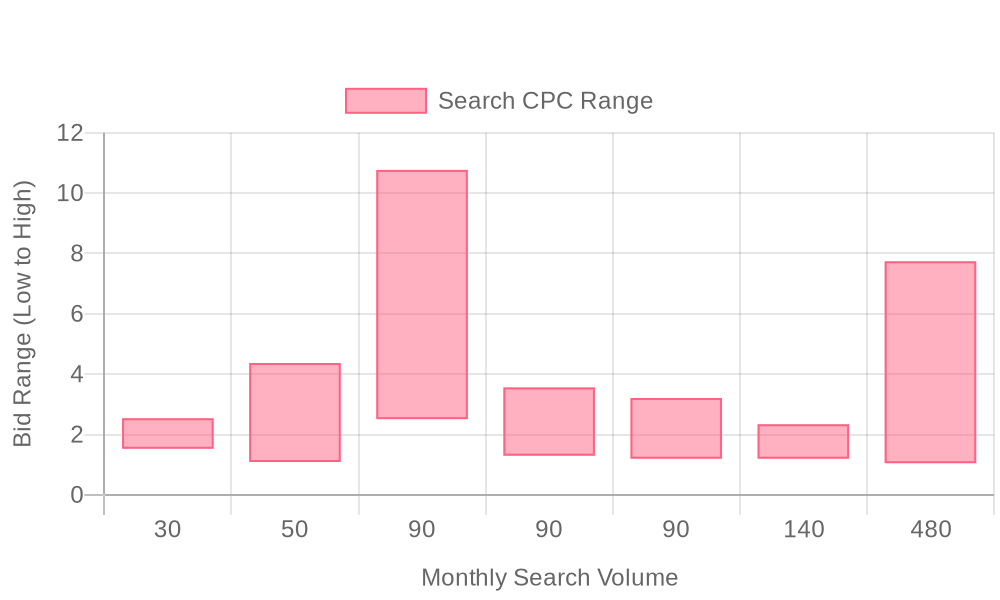
| Industry | Keyword | Monthly Search Volume | Competition Level | Low Bid | High Bid |
| Tube Cleaning Services | chiller condenser tube cleaning | 30 | LOW | 1.53 | 2.54 |
| Tube Cleaning Services | conco tube cleaning | 50 | LOW | 1.09 | 4.37 |
| Tube Cleaning Services | boiler tube cleaning | 90 | LOW | 2.51 | 10.77 |
| Tube Cleaning Services | heat exchanger tube cleaning | 90 | MEDIUM | 1.3 | 3.56 |
| Tube Cleaning Services | cleaning chiller tubes | 90 | MEDIUM | 1.2 | 3.21 |
| Tube Cleaning Services | condenser tube cleaning | 140 | LOW | 1.2 | 2.34 |
| Tube Cleaning Services | tube cleaning | 480 | HIGH | 1.05 | 7.74 |
Effective keyword strategy is the cornerstone of successful online marketing for tube cleaning services. Precision in keyword targeting ensures budgets reach prospects searching for industrial cleaning solutions, eliminating wasted spend and driving more qualified leads into the pipeline.
Strategic Keyword Use
- Precision Targeting: Aligning keywords with real customer intent is essential for tube cleaning services, where buyers often have urgent, technical needs. By leveraging granular keyword research, such as "industrial tube cleaning," "heat exchanger cleaning services," or "tube cleaning contractors near me," marketers can dynamically adjust campaigns to respond to shifts in demand. Advanced platforms allow teams to go beyond basic keyword lists and identify anonymous website visitors, matching them to companies already in the consideration phase and refining audience pools in real time.
- Measurable ROI: Tracking every step from ad click to quote request and closed deal is crucial for B2B cleaning services. This level of measurement requires robust conversion tracking that incorporates both online form fills and offline sales interactions. Integrating CRM data with ad platforms allows marketers to tie revenue back to specific keywords, making it possible to shift budget toward terms that reliably generate new business. With enriched audience insights and seamless CRM syncing, teams can identify which leads result from each campaign, ensuring transparent ROI.
- Channel Synergy: For tube cleaning and industrial cleaning services, keyword strategy should also support cross-channel retargeting. Selecting keywords that reinforce retargeting audiences on Google, LinkedIn, and Facebook improves customer journey continuity and overall conversion rates. As leads engage or move through the sales funnel, dynamic audience segmentation automatically updates ad lists, keeping messaging relevant and maximizing the impact of every touchpoint. This unified approach supports scalable retargeting strategies and ensures no high-value prospect falls through the cracks.
By focusing on intent-driven, measurable, and synergistic keyword use, tube cleaning service providers can convert high-quality leads and optimize every stage of their digital funnel. For more actionable insights on optimizing your efforts, explore retargeting strategies that drive even greater campaign efficiency.
Step-by-Step Campaign Execution Framework
Step 1: Build Targeted Keyword Lists
A methodical keyword strategy is essential in Google Ads for tube cleaning services. Begin by segmenting keywords according to service type, such as standard tube cleaning, industrial maintenance, and urgent emergency response. This granular grouping not only improves ad relevance but also minimizes wasted spend on irrelevant queries. For a detailed guide on tailoring your Google Ads strategy for cleaning businesses, see this step-by-step walkthrough.
Localizing keywords with city, state, or "near me" variants helps capture high-intent buyers searching specifically for providers in their area. Incorporate long-tail and industry-specific phrases to attract decision-makers looking for specialized solutions. Applying a robust negative keyword list further refines targeting, reducing unqualified clicks and preserving budget for the leads most likely to convert. Platforms that deliver real-time visitor identification and intent signals allow marketers to pinpoint high-potential accounts and adapt their targeting dynamically as audiences shift through the funnel, making each click count.
The upgrade most tube cleaning services advertisers miss is going beyond raw keyword volume to layer in intent and identity signals. By connecting website-visitor data and CRM records with Sona Marketing Measurement, you can see which specific search terms bring in the accounts and customers that actually convert, and weight your keyword and bidding strategy toward those rather than the terms with the highest search volume alone.
Step 2: Develop Compelling Ad Copy
Effective ad copy speaks directly to the pain points and priorities of industrial and commercial clients seeking tube cleaning services. Headlines should reference pressing industry challenges, such as compliance requirements or downtime reduction, to immediately resonate with prospective buyers. Including trust elements like industry certifications, customer testimonials, or case studies demonstrates credibility and mitigates perceived risk. Explore expert insights on crafting Google Ads for cleaning businesses for more proven strategies.
Integrate urgency into your messaging by using language such as "Book Today" or "Immediate Service Available," encouraging prompt action from prospects. Ad extensions, like call buttons and detailed service snippets, make it easy for users to engage directly from the search results. Leveraging unified CRM and ad data ensures your messaging reflects the stage and needs of each prospect, improving engagement rates and conversion potential.
Step 3: Design Effective Landing Pages
Landing pages must align tightly with the intent of the search query and the corresponding ad. Each page should be tailored to a specific service or industry segment, such as industrial plant maintenance versus commercial building cleaning. This 1:1 alignment improves quality scores and reduces friction for users, making it easier for them to act. For advanced tactics on optimizing landing pages and maximizing conversions, refer to this in-depth video tutorial.
ROI-focused features, such as interactive calculators, before-and-after galleries, or a robust FAQ section, help quantify value and answer objections in real time. Prominent, mobile-optimized calls-to-action ensure prospects can easily request a quote, schedule service, or initiate a call regardless of device. By integrating conversion data from both online and offline sources, marketers can attribute leads to the right touchpoints and optimize landing page experience for actual business outcomes.
Step 4: Implement Data-Driven Optimizations
Ongoing optimization is driven by robust data collection and analysis across the entire buyer journey. Track both micro-conversions, such as form fills or call clicks, and macro-conversions like closed sales or completed service appointments, to inform bid strategies and creative adjustments. Smart bidding algorithms, refined with actual lead and revenue data, ensure budget flows to the highest-performing segments. To see practical examples of optimizing Google Ads for service businesses, check out this case study on lead generation for cleaning companies.
Regular A/B testing of headlines, images, and calls-to-action reveals which variables drive the strongest engagement and conversion. Incorporating offline conversion data, such as sales closed through field reps or service contracts, enables full-funnel attribution, connecting ad spend directly to revenue. With seamless syncing between CRM systems and Google Ads, marketers can auto-update audiences as leads progress, providing a real-time feedback loop for creative and budget allocation. This level of integration ensures every optimization is tied to true business impact, not just surface-level metrics.
Sona Marketing Measurement closes the gap between clicks and revenue. It identifies the companies behind ad clicks using first-party measurement rather than third-party cookies, ties that click through UTM capture and ad-platform APIs to the actual record in your CRM, and reports ROAS by keyword and campaign instead of by last-click form fill. Feeding that revenue signal back into Smart Bidding and Performance Max compounds over time: the algorithms optimize toward booked tube cleaning services revenue, not cheap leads.
Tips on Expanding Your Tube Cleaning Presence
Expanding visibility in the tube cleaning sector requires a data-driven approach that goes beyond basic PPC for cleaning services. Companies that integrate actionable insights from their marketing stack achieve greater relevance and efficiency, positioning their brand in front of high-value prospects. For ongoing strategies and analytics insights, visit the marketing analytics blog.
- Cross-Promote Educational Assets: Leverage retargeting strategies to promote whitepapers, case studies, or instructional videos to previous website visitors. By identifying both anonymous and known visitors, marketers can serve tailored content and nurture leads more effectively, increasing the likelihood of conversion. Sona's Identity Resolution helps revenue teams dynamically update retargeting audiences as contacts engage with specific assets, ensuring that the most relevant information reaches in-market prospects at the right time.
- Upsell Complementary Services: Use enriched CRM intelligence to spot upsell opportunities among existing customers. With real-time syncing, marketing can deliver highly personalized offers targeting decision-makers who have shown intent but have not yet engaged with ancillary services. Explore how Sona Destinations can sync key audience signals for timely offers.
- Partner with Industry Associations: Collaborate with leading industry groups to access referral networks and co-branded content opportunities. These partnerships expand reach and boost credibility within specialized verticals. Unified data platforms make it easier to measure referral impact and attribute new business to these strategic alliances, ensuring investments yield measurable returns.
- Localize Strategies: Maximize share-of-voice in target geographies by customizing creative, ad copy, and offers based on local market dynamics. Geolocation insights help surface regional trends and preferences, allowing marketers to optimize spend and messaging for each area. When local performance data is unified with broader marketing analytics, teams can quickly identify and double down on high-performing regions.
- Use Search Query Insights: Analyze search query data to uncover emerging topics and customer pain points. These insights inform content creation, campaign messaging, and even product development. By integrating search data with CRM and campaign analytics, companies gain a holistic view of demand signals and can pivot strategies to address market needs in real time.
Beyond Google Ads: Winning the AI Answers Tube Cleaning Services Buyers Now Trust
Paid search captures demand at the moment someone types a query. But a fast-growing share of tube cleaning services buyers no longer start at Google at all, they ask ChatGPT, Gemini, or Perplexity before they ever run a search, and Google's own AI Overviews increasingly summarize an answer above the traditional results. If your business isn't referenced in those AI answers, you're invisible at the exact moment buyers build their shortlist.
Sona AI Visibility shows where your business shows up across ChatGPT, Gemini, Perplexity, Google AI Overviews, and 10+ engines, and, much like a keyword report, which prompts actually send you buyers, so you can prioritize the ones that convert. Run the two together and you cover the entire buyer path: get cited where buyers research (AI Visibility), then prove which of that demand turns into booked revenue (Marketing Measurement).
Helpful resources
Conclusion
Google Ads works because it meets tube cleaning buyers at the moment they need a contractor, not months before. The campaigns that win long-term aren't the ones with the cleverest headlines; they're the ones built to prove which keywords, ad copy, and audiences actually turn into signed service agreements, and to keep shifting budget toward those.
As more buyers start their research with an AI answer instead of a search bar, the providers who pair paid search with visibility into that shift, and who can trace a click all the way to a booked job, will keep taking share from competitors still guessing at what's working.
Ready to take the next step? Start for free to see how unifying your go-to-market data can sharpen your advertising strategy.
FAQ
How can I set up a successful Google Ads campaign for my tube cleaning service?
To set up a successful Google Ads campaign, begin by building targeted keyword lists segmented by service type, develop compelling ad copy, design aligned landing pages, and implement data-driven optimizations across your campaigns.
What are the best keywords for Google Ads in the tube cleaning industry?
Effective keywords include 'industrial tube cleaning,' 'condenser tube cleaning services,' and 'heat exchanger cleaning,' focusing on high-intent phrases that attract buyers actively searching for solutions.
How do I target the right audience with Google Ads for my cleaning business?
Target the right audience using data-driven keyword research, precise audience intelligence, and by leveraging advanced tools to reveal anonymous website visitors and match them to company profiles.
What are some effective ad copy examples for tube cleaning services on Google Ads?
Effective ad copy should address industry challenges like compliance requirements and downtime reduction, include elements of trust like certifications and testimonials, and use urgent language to encourage prompt action.
How can I track and measure the success of my Google Ads for tube cleaning services?
Track success by measuring return on investment through conversion tracking, tying ad spend to completed sales, and using sophisticated attribution models to connect online interactions with offline sales.
Are there any specific ad formats that work well for tube cleaning services on Google Ads?
Effective ad formats include search campaigns for high-intent queries, display ads for brand reinforcement, video ads for explaining complex processes, and remarketing campaigns to reconnect with past visitors.
What is the average cost per click for Google Ads in the tube cleaning industry?
The article does not provide specific information about the average cost per click for Google Ads in the tube cleaning industry.
How can I differentiate my tube cleaning service through Google Ads from competitors?
Differentiate by using precise keyword targeting, highlighting unique capabilities in ad copy, leveraging intent signals, and optimizing campaigns through audience segmentation and personalized outreach.
What are some common mistakes to avoid when running Google Ads for a tube cleaning business?
Common mistakes include not aligning landing pages with ad intent, failing to use precise targeting, neglecting to integrate offline conversion data, and not continuously optimizing campaigns based on performance data.







