


A commercial janitorial contract rarely starts with someone filling out a web form. It starts with a facilities manager typing "office cleaning near me" at 11pm after a bad walkthrough, or a property manager searching for emergency water damage cleanup before the insurance adjuster even calls back. Google Ads catches these moments of real intent, which is why it plays a critical middle-funnel role alongside referrals, review sites, and other offline channels that cleaning businesses rely on. Missing these searches costs cleaning service businesses real revenue, since not every decision-maker ever submits a form for traditional tracking to catch. Because Google Ads can measure ROI from click to closed job, it complements the rest of a cleaning company's marketing mix rather than competing with it.
How to Generate Google Ads for Cleaning Services Leads: A Step-by-Step Guide

A high-performing Google Ads strategy for cleaning services combines precision targeting, real-time audience insights, and seamless integration with your sales workflow. By layering advanced analytics and audience management into paid search, cleaning businesses can consistently surface their brand among buyers ready to convert.
This guide lays out a framework for embedding Google Ads into your multi-channel approach: methods to identify, engage, and nurture the best-fit leads. Each stage helps local operators, B2B marketers, and cleaning service providers move beyond generic campaigns and toward captured, high-value opportunities with less wasted spend. For a deeper dive into Google Ads strategies tailored for cleaning services, see this practical guide.
- A data-driven approach to paid search within your marketing mix: Modern cleaning service advertising succeeds by prioritizing data that reveals both who is searching and how close they are to booking. With the right tools, marketers can transform anonymous clicks into profiles, segmenting audiences by value and intent. This enables budget to flow toward prospects most likely to close, raising the performance bar for all digital marketing for cleaning efforts.
- Keyword and audience targeting strategies tailored to cleaning service buyers: Effective Google Ads strategies for cleaning services depend on granular audience targeting and keyword selection. By mapping search queries to buyer journeys, such as "commercial janitorial service near me" for facilities managers or "eco-friendly home cleaning" for affluent homeowners, ad spend aligns directly with business goals. Smart marketers leverage intent signals and real-time behavior to refine these segments, ensuring that ad delivery adjusts dynamically as priorities shift.
- Landing page and creative alignment for maximum conversion: The transition from ad click to website visit is where campaigns either convert or lose momentum. Creative messaging and landing page content need to align with what each audience expects. Best-in-class cleaning business marketing connects ad copy, offers, and forms to the specific needs of each visitor, increasing the likelihood of lead capture. This synergy is stronger when platforms can identify the companies visiting the site, making it possible to prioritize follow-up and personalize outreach at the account level.
Not all website visitors represent equal value to your cleaning business. By ranking Google Ads audiences based on fit, whether by company size, service need, or contract value, marketers can focus resources on the prospects most likely to drive revenue. Sophisticated solutions support this ranking by importing behavioral data and real-time intent, offering dynamic audience updates as leads progress through the funnel. This ensures that retargeting and nurturing efforts remain relevant, timely, and effective.
- Performance optimization methods for improved ROI: Optimization is ongoing. Marketers must monitor metrics such as conversion rate, cost per lead, and engagement by audience segment. By incorporating CRM data, it's possible to close the loop between ad spend and revenue, attributing every cleaning service lead to its source. This level of insight empowers revenue teams to adjust bids, creative, and targeting strategies in sync with sales outcomes, driving continual improvement in campaign performance.
- Cross-channel integration techniques to bolster your marketing ecosystem: Cleaning service providers that integrate Google Ads with CRM, email, and other digital channels see increased qualified lead flow and better cost efficiency. Solutions that sync enriched audiences and lead data across platforms make it easy to unify marketing and sales engagement, reducing manual work and increasing speed to revenue. As audiences update in real time, remarketing and nurturing tactics remain fresh, coordinated, and personalized, resulting in higher conversion rates and better return on every advertising dollar.
Why Does Google Ads Matter for Cleaning Services?
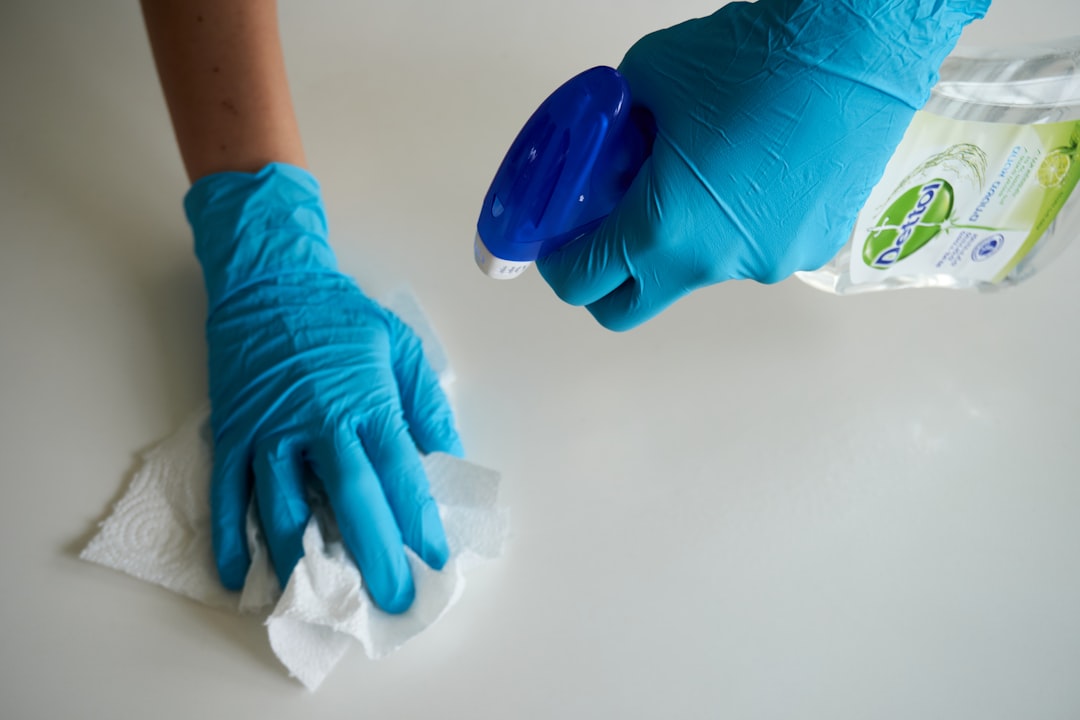
Modern cleaning services operate in a landscape where traditional awareness campaigns rarely convert at the pace or scale needed for sustainable business growth. Google Ads bridges the gap by reaching decision-makers at the moment they actively seek cleaning solutions, ensuring your business appears at the precise time buyers are ready to engage.
The platform is uniquely suited to attract high-margin projects such as commercial janitorial contracts, post-construction cleanups, and specialty disinfection services. With Google Ads, cleaning service providers can prioritize these opportunities by tailoring campaigns to urgent, high-intent searches, so sales teams can time follow-ups and never miss a prime deal. For strategies on identifying and targeting accounts most likely to convert, see how Sona's Identity Resolution reveals website visitors and scores intent.
Demand for cleaning services spikes with flu season, a norovirus outbreak at a school district, a burst pipe after a hard freeze, or a landlord scrambling to turn over units before a lease deadline. Google Ads lets cleaning businesses react to these spikes immediately, launching or scaling campaigns to catch new business right when and where demand appears, instead of waiting on slower, awareness-driven tactics to take effect. Real-time audience segmentation sharpens that responsiveness further, so ads reach the buyers most likely to need service this week rather than someday.
Expanding into new markets or growing metro areas is considerably more efficient with Google Ads. Precision geotargeting allows cleaning services to reach specific neighborhoods, business districts, or underserved regions, building visibility and generating leads in locations where competition is lower and new contracts are readily available. Discover more tips for scaling efficiently in the Sona blog.
Integrated data analysis transforms how cleaning companies measure marketing effectiveness. By connecting online ad interactions with offline sales outcomes, cleaning services gain a closed-loop view of ROI and can track each touchpoint in the buyer journey. Solutions that unify web analytics, CRM, and media attribution, such as syncing enriched audiences and lead data into ad platforms, allow marketers to identify which campaigns drive not just clicks, but real revenue and long-term customer relationships. This level of insight empowers cleaning businesses to optimize spend, refine targeting, and accelerate growth with confidence. Get started for free with Sona.
Common Types of Google Ads Campaigns for Cleaning Services

A strategic Google Ads mix elevates cleaning service growth by reaching prospects at every stage of their journey. Modern marketers harness each campaign format to ensure their brand remains present, persuasive, and measurable across the digital landscape. Explore our actionable playbooks for marketers to integrate these strategies seamlessly into your own campaigns.
- Search Campaigns: Search campaigns put cleaning businesses in front of users searching for solutions like "office cleaning near me" or "emergency carpet cleaning." Within Search, Responsive Search Ads let marketers test multiple headlines and descriptions to see which combinations convert best, an important lever for capturing high-intent leads ready to book or inquire. With Sona's Identity Resolution, revenue teams can shift budget dynamically to keywords and accounts showing immediate buying signals, improving return on every advertising dollar.
- Display Ads: Display advertising keeps your cleaning brand top-of-mind as prospects browse news, blogs, and local resource sites. By leveraging behavioral and contextual targeting, marketers extend reach beyond search, sustaining awareness with visually engaging banners that reinforce expertise and reliability. Dynamic audience management ensures that display impressions follow leads as they move from research to purchase, maximizing the value of each interaction.
- Video Ads: Video ads provide a platform for cleaning service providers to showcase specialized techniques, equipment, or detailed before-and-after transformations. This approach builds trust and credibility, particularly for commercial cleaning businesses needing to demonstrate regulatory compliance or unique service standards. For a step-by-step walkthrough on video campaign setup and optimization, check out this video guide for cleaning businesses. When paired with advanced conversion tracking, marketers can attribute offline contract wins or scheduled walkthroughs back to specific video engagements, closing the loop between initial interest and revenue.
- Remarketing: Remarketing campaigns re-engage website visitors who showed interest but did not convert, delivering personalized ads across search and display networks. This channel is essential for cleaning services with longer sales cycles or competitive markets, maintaining brand presence until the prospect is ready to act. Marketers can unlock additional value by syncing CRM segments to Google Ads, ensuring remarketing audiences automatically update as new leads progress through the funnel or re-engage after dormant periods.
- Assets: Ad assets (formerly called extensions) amplify cleaning service ads with additional information such as location, certifications, reviews, and direct call buttons. These enhancements increase ad space and trust signals, often driving higher click-through rates and conversions for local cleaning ads. When assets are fed by enriched business data, marketers can surface the most relevant credentials and contact options, tailored to residential or commercial clients.
Cleaning businesses that want full-funnel coverage should also consider Performance Max, which combines Search, Display, video, and remarketing inventory in a single campaign optimized toward booked jobs rather than clicks. Deployed thoughtfully, this mix of formats establishes consistent digital visibility, captures high-intent cleaning service leads, and creates a data-driven marketing experience that accelerates pipeline growth. Get started for free with Sona.
Where to Find Growth Opportunities?

Growth-focused cleaning businesses thrive by identifying market segments that competitors overlook and strategically positioning themselves where clients are most likely to engage. Expanding reach requires an intentional blend of data-driven keyword research, competitive intelligence, and creative placement in digital environments that attract high-value customers. For a deeper dive into performance marketing strategies, explore actionable cleaning business Google Ads tactics or review our marketing analytics blog.
- Vertical Keyword Targeting: Precision in keyword selection is essential for cleaning service advertising. By targeting niche phrases like "medical office disinfection," "post-construction cleaning," or "industrial floor waxing," teams can capture specialized demand not addressed by broader terms. This approach supports both Google Ads for Cleaning Services and organic strategies, surfacing your business to prospects with urgent, high-value needs. Unifying intent data across channels helps revenue teams identify which specialty service keywords produce the most qualified leads, allowing spend to be shifted accordingly for maximum impact.
- Competitor Gap Analysis: Using auction insights and share-of-voice data, teams can pinpoint where competitors are under-invested or absent. Identifying low-competition, high-conversion opportunities in certain geographies or service categories empowers cleaning businesses to allocate budget for rapid lead capture. When visitor identification and company-level data are unified, recognizing new business accounts or facilities management companies engaging with your ads, but not yet converting, becomes easier. This allows sales and marketing to prioritize outreach and create custom offers for those untapped segments.
- Industry-Specific Placements: Cleaning business marketing gains an edge by appearing in digital spaces that prospects trust but where organic SEO might struggle. Advertising placements in trade forums, commercial facility directories, or industry newsletters can supplement Google Ads targeting and ensure visibility to decision-makers during their research and vendor selection phases. Integration with real-time audience enrichment tools ensures these placements reach verified companies within your ideal customer profile, further increasing the odds of winning new contracts.
- Content Retargeting: Reinforcing your brand message with content retargeting keeps your cleaning business top-of-mind throughout a buyer’s journey. By promoting resources like cleaning checklists, case study videos, or whitepapers to users who have previously interacted with your website, you create multiple touchpoints that nurture leads and accelerate conversions. When retargeting audiences are dynamically updated based on real-time behaviors, such as downloading a pricing guide or watching a demo, teams can personalize follow-up and ad creative, increasing relevance and conversion rates for cleaning service leads. This unified data approach ensures no high-intent opportunity goes unnoticed as leads progress from first click to booked service.
Growth in cleaning business marketing comes from unifying intent signals, competitive intelligence, and targeted placements. Combined, these strategies help cleaning services continually identify, attract, and convert the most valuable prospects in any market.
How to Apply Audience Segmentation for Cleaning Services
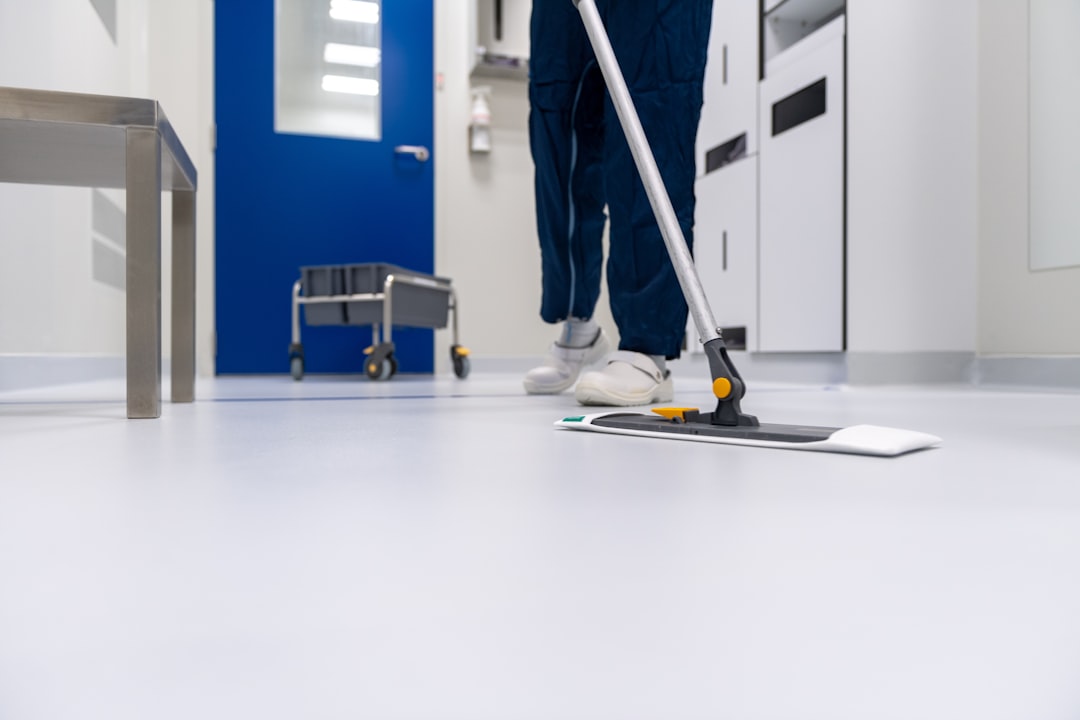
Audience segmentation is the cornerstone of effective cleaning service advertising, directly impacting how businesses capture, nurture, and convert leads. By segmenting audiences, cleaning companies can deliver hyper-relevant ads to the right buyers at precisely the right stage of their decision process, reducing wasted spend and increasing campaign efficiency. For more actionable strategies on segmenting and targeting, explore our playbooks for marketers.
- Define Segments: The first stage is to distinguish between core customer groups such as residential versus commercial clients, as well as customers seeking routine maintenance compared to those needing specialty services like post-construction cleaning. These distinctions allow marketers to map messaging and offers directly to the specific needs and pain points of each group, ensuring no segment is underserved. Advanced segmentation can also identify subgroups, such as property managers, real estate agents, or facility coordinators, which benefit from tailored proposals and dedicated landing pages. For a practical guide on creating targeted Google Ads for cleaning businesses, refer to this step-by-step guide.
- Overlay Intent Signals: Effective Google Ads for Cleaning Services campaigns go beyond basic demographics to capture live signals of purchase intent. For example, a prospect searching for "emergency water damage cleaning" versus "weekly office cleaning" represents different levels of urgency and value. Dynamic intent data enables marketers to shift budget and attention in real time toward high-converting segments, ensuring priority is given to those most likely to book quickly. When intent signals are integrated with audience data, cleaning service advertisers can reduce time-to-lead while maximizing relevance.
Technology has made it possible to create ad groups by segment and tailor messages for more effective engagement. Marketers now leverage sophisticated tools that identify not just anonymous web visitors, but actual companies and decision-makers expressing interest. This clarity transforms anonymous website traffic into actionable pipeline by revealing which businesses are actively researching cleaning solutions. With unified data, marketing teams can see which segments are moving down the funnel and update audiences automatically as prospects convert, re-engage, or drop off. This fluid audience management prevents wasted impressions and ensures every dollar spent is applied to prospects with genuine buying potential.
- Create Ad Groups by Segment: Each segment receives its own set of ad creatives and budget allocations, ensuring messaging resonates at a granular level. For example, commercial cleaning prospects can be targeted with value-driven offers and compliance credentials, while residential audiences respond best to messages around trust, convenience, and scheduling flexibility. By separating campaigns for one-time specialty cleans from recurring maintenance, cleaning businesses can optimize for both immediate wins and long-term retention, refining spend based on segment-specific performance data. Learn more about precision prospecting for cleaning services.
- Validate Conversion Paths: With audience segmentation in place, robust conversion tracking is critical. Cleaning service marketers must ensure lead forms, call assets, and booking tools are integrated with analytics platforms for precise attribution across the customer journey. Advanced solutions now enable full-funnel visibility, tracking both online conversions and offline interactions such as phone calls or field appointments. By syncing enriched audience and lead data into CRM and ad platforms, teams gain a unified view of prospect progression and campaign ROI, allowing for continuous refinement and rapid scaling of the segments delivering the highest value.
This is also where measurement changes the economics. With Sona Marketing Measurement you can identify the companies behind your ad clicks, not just anonymous sessions, and segment audiences by which accounts actually become customers. That lets you build bid adjustments and audience signals around the segments that convert and de-prioritize the ones that don't, so you feed Google's algorithms "this click became a paying cleaning services customer" instead of just "someone filled out a form."
Keyword Strategy & Sample Target Terms

| Industry | Keyword | Monthly Search Volume | Competition Level | Low Bid | High Bid |
| Cleaning Services | gutter cleaning | 60500 | MEDIUM | 5.78 | 27.07 |
| Cleaning Services | gutter cleaning near me | 74000 | MEDIUM | 6.15 | 28.55 |
| Cleaning Services | cleaning services | 110000 | MEDIUM | 4.26 | 14.11 |
| Cleaning Services | cleaning services near me | 165000 | MEDIUM | 4.07 | 14.94 |
| Cleaning Services | dryer vent cleaning | 165000 | MEDIUM | 5.9 | 22.55 |
| Cleaning Services | carpet cleaning near me | 201000 | MEDIUM | 2.76 | 14.15 |
| Cleaning Services | carpet cleaning | 450000 | HIGH | 1.78 | 10.29 |
A precise keyword strategy is the foundation for driving high-intent leads in cleaning services. Advanced targeting capitalizes on searchers ready to engage, ensuring every marketing dollar is directed toward prospects with immediate commercial intent. Data-driven keyword selection surfaces opportunities to intercept facility managers, property owners, and office administrators as they seek cleaning solutions, often before they complete inquiry forms or request proposals. For more actionable insights, explore our blog hub for marketing analytics.
The most effective Google Ads for cleaning services leverage a mix of core and long-tail keywords. Terms like "commercial cleaning services," "office janitorial quotes," "move-out cleaning near me," and "disinfection services for businesses" capture urgent needs while minimizing wasted spend. Layering in location modifiers such as "in [city]" or "nearby" narrows reach to the most relevant local audiences. High-performing campaigns also test variations addressing industry verticals, for example, "medical office cleaning" or "retail store cleaning," to match the intent of niche buyers. You can review a step-by-step tutorial on optimizing Google Ads for cleaning companies to improve ROI.
Precision targeting extends beyond simple keyword selection. Marketers can identify and segment audiences based on real-time audience insights, using data to dynamically shift budget toward accounts showing the highest likelihood to convert. With the right integrations, marketers can unify anonymous web activity with CRM records, revealing not just visits but the actual companies interested in cleaning solutions. This intelligence informs keyword bidding strategies, enabling teams to prioritize high-value terms and suppress spend on low-intent or irrelevant searches.
Attribution and measurement are critical to validating keyword performance. Sophisticated conversion tracking links every click, form submission, and offline lead source back to its originating keyword. Multi-touch attribution models capture the full customer journey, showing where Google Ads for cleaning services fits within the broader digital marketing mix. Teams can then measure true ROI by connecting ad interactions to booked jobs and recurring contracts, rather than relying solely on surface-level metrics. To further understand the differences in attribution models, see our guide on single vs multi-touch attribution.
Advanced audience management further refines targeting. As leads progress from inquiry to quotation and contract stages, audiences can be automatically updated across Google Ads and connected CRMs. This ensures retargeting campaigns only pursue viable prospects, reducing wasted impressions and aligning spend with sales priorities. The result: a keyword strategy that not only captures demand but continuously adapts to the evolving profile of your most valuable cleaning service leads. Ready to put advanced targeting into action? Get started for free with Sona.
Step-by-Step Campaign Execution Framework
Step 1: Build Targeted Keyword Lists
Building a robust keyword list forms the backbone of high-performing Google Ads for Cleaning Services. Start by clustering keywords according to your service lines: residential, commercial, carpet cleaning, or specialty services. Enhance targeting precision with geographic modifiers such as neighborhoods, city names, and zip codes to ensure your ads reach local prospects actively seeking cleaning solutions. For hands-on strategies, this guide to Google Ads for cleaning businesses provides actionable steps on generating leads through targeted campaigns.
Incorporate long-tail phrases and question-based queries that mirror how real customers search for cleaning services online. Phrases like "best commercial cleaning company downtown" or "how much does office cleaning cost" often signal higher purchase intent and deliver more qualified leads. Use negative keyword filters to exclude irrelevant searches; this protects your budget from users researching DIY tips or unrelated cleaning topics. As you build these lists, Sona's Identity Resolution lets you see which companies and buyers are engaging most, so you can prioritize those segments within your audience targeting.
The upgrade most cleaning services advertisers miss is going beyond raw keyword volume to layer in intent and identity signals. By connecting website-visitor data and CRM records with Sona Marketing Measurement, you can see which specific search terms bring in the accounts and customers that actually convert, and weight your keyword and bidding strategy toward those rather than the terms with the highest search volume alone.
Step 2: Develop Compelling Ad Copy
Crafting ad copy that resonates with your ideal customers is critical in online advertising for cleaning services. Use headlines that directly reference the prospect’s needs, like “24/7 Emergency Cleaning for Offices” or “Eco-Friendly Home Cleaning Near You,” to immediately capture attention. Trust markers such as industry certifications, five-star ratings, and years in business build credibility and reduce friction in the decision-making process. For additional inspiration, explore this list of top Google Ads tips for cleaning companies.
Urgency is a powerful motivator in PPC for cleaning services. Highlight limited-time promotions or discounts, such as “Book Today, Save 20%”, to encourage immediate action. With unified data from Sona Audiences, you can dynamically update your ad messaging to reflect which offers are performing best with specific audience segments or regions.
Step 3: Design Effective Landing Pages
High-converting landing pages are essential for capturing cleaning service leads and driving campaign ROI. The messaging on each page should align perfectly with the ad that brought the visitor there, maintaining consistency in keywords and value propositions. Including frequently asked questions responds to common buyer objections and improves the user experience, while clear, bold calls to action, like “Request a Free Quote” or “Schedule a Walkthrough”, drive both online and offline conversions. For a step-by-step approach to optimizing landing pages for cleaning businesses, review this tutorial for Google Ads landing pages.
For cleaning business marketing teams aiming to track performance across every channel, integrating online forms with Sona Destinations provides a complete view of the customer journey by syncing CRM data back to your Google Ads campaigns. This way, you gain visibility into which ads are driving not just clicks, but actual revenue-generating appointments or contracts.
Step 4: Implement Data-Driven Optimizations
Optimizing Google Ads strategies for cleaning services requires an agile approach to bidding and audience management. Tailor your bidding strategies to match campaign objectives, whether focusing on maximizing conversions, reducing cost per lead, or increasing contract value. By importing analytics and CRM insights into your marketing platforms, you can quickly identify which keywords, ads, and audiences deliver the strongest ROI. Discover how cleaning providers can extract actionable insights from Google Ads data in this resource on leveraging Google Ads insights.
With advanced integration, Sona Buyer Journeys surfaces every key touchpoint, letting you shift budgets toward high-converting accounts or services. Dynamic audience updates mean that as contacts move from initial inquiry to booked appointment, your Google Ads targeting evolves in sync, keeping spend focused on the prospects most likely to convert.
Sona Marketing Measurement closes the gap between clicks and revenue. It captures ad clicks with first-party, company-level measurement, ties that activity through UTM capture and ad-platform APIs to the actual record in your CRM, and reports ROAS by keyword and campaign instead of by last-click form fill. Feeding that revenue signal back into Smart Bidding and Performance Max compounds over time: the algorithms optimize toward booked cleaning services revenue, not cheap leads.
Tips on Expanding Your Cleaning Service Presence
Modern cleaning service companies can amplify their reach and client acquisition by combining digital-first strategies with data-driven audience insights. Effective expansion hinges on understanding in-market signals and leveraging real-time engagement data, adapting messaging to the specific nuances of each target segment for maximum resonance.
- Cross-promote Content: Reinforcing educational materials through retargeting keeps your cleaning brand top-of-mind and nurtures potential clients across multiple touchpoints. With company-level identification, marketers can serve tailored content to visitors who have engaged with service guides or FAQs, ensuring educational assets drive repeat site visits and accelerate the path to inquiry. Dynamic audience segmentation lets remarketing lists update as users move from awareness to consideration, delivering the right message at the right moment.
- Upsell Related Services: Using CRM data integrated into your Google Ads for Cleaning Services campaigns allows for granular audience segmentation focused on high-value prospects. By syncing enriched customer profiles and behavioral attributes, you can trigger upsell campaigns for complementary offerings such as carpet cleaning, window washing, or deep cleaning packages. The ability to connect CRM and ad platforms ensures timely, relevant offers reach leads who have previously booked services, streamlining cross-sell opportunities and improving campaign ROI.
- Partner for Cross-Promotion: Collaborating with industry associations, real estate agencies, or property management groups opens new referral channels and builds third-party trust. Joint webinars, co-branded content, or shared local events expand your audience while aligning your cleaning services with established community brands. Strategic partnerships not only extend reach but also create opportunities for cross-promotional Google Ads targeting, where lookalike audiences can be built from partner-supplied lead lists, increasing the conversion potential of every advertising dollar.
- Localize Efforts: Tailoring campaigns for specific regions or neighborhoods dramatically improves the efficiency of local cleaning ads. Hyper-local targeting ensures every impression and click comes from prospects within your service radius, reducing wasted spend and boosting lead quality. Enhanced geotargeting, combined with real-time intent tracking, enables marketers to dynamically adjust bids and budgets in response to shifting demand in high-potential neighborhoods, maximizing both engagement and marketing ROI for cleaning business growth.
Reflecting on Google Ads Strategy for Cleaning Services
Optimizing Google Ads for cleaning services requires more than a generic approach. Results are driven by precise keyword targeting, granular audience segmentation, and creative that speaks directly to high-intent prospects. When campaigns are structured around real-time data signals, cleaning businesses can consistently reach the right buyers at the right moments and maximize campaign performance.
Integrating these elements within a broader digital marketing strategy delivers measurable business outcomes. Smart marketers use advanced platforms to identify the companies behind otherwise anonymous website traffic and turn them into actionable leads, unlocking opportunities that traditional campaigns often miss. For a practical breakdown of how Google Ads can generate leads for cleaning businesses, review this step-by-step guide.
A key advantage of digital marketing for cleaning is the ability to track ROI comprehensively and attribute every lead or sale back to specific campaigns. This level of transparency is only possible when conversion data is unified across online and offline touchpoints, ensuring that budget allocation reflects performance down to the account level. Utilizing solutions that sync enriched audience segments and closed-won leads directly into Google Ads and CRM platforms further enhances campaign precision, enabling cleaning businesses to nurture prospects throughout the sales cycle with highly relevant messaging.
Continuous evaluation is essential. By regularly analyzing performance insights and fit scoring, cleaning service marketers can adapt to evolving market conditions and customer behaviors. This approach minimizes wasted spend and addresses common industry pain points, such as incomplete attribution and missed revenue opportunities.
Beyond Google Ads: Winning the AI Answers Cleaning Services Buyers Now Trust
Paid search captures demand at the moment someone types a query. But a fast-growing share of cleaning services buyers no longer start at Google at all, they ask ChatGPT, Gemini, or Perplexity before they ever run a search, and Google's own AI Overviews increasingly summarize an answer above the traditional results. If your business isn't referenced in those AI answers, you're invisible at the exact moment buyers build their shortlist.
Sona AI Visibility shows where your business shows up across ChatGPT, Gemini, Perplexity, Google AI Overviews, and 10+ engines, and, much like a keyword report, which prompts actually send you buyers, so you can prioritize the ones that convert. Run the two together and you cover the entire buyer path: get cited where buyers research (AI Visibility), then prove which of that demand turns into booked revenue (Marketing Measurement).
Helpful resources
Conclusion
Google Ads works for cleaning services because it meets buyers at the exact moment they need service, not weeks before or after. Precise targeting, audience segmentation grounded in real buyer signals, and creative that speaks to urgency turn clicks into booked jobs rather than wasted spend.
The next shift is already underway: buyers increasingly research cleaning vendors through AI assistants before they ever run a Google search. Cleaning businesses that pair strong paid search fundamentals with visibility in those AI answers, and measurement that connects both to booked revenue, will be the ones still winning contracts as buyer behavior keeps changing.
To begin, start for free and explore the platform's capabilities today.
FAQ
What are the best Google Ads strategies for cleaning services?
The best strategies include precise keyword targeting, granular audience segmentation, integration with CRM, and creative alignment with audience needs to capture high-intent leads efficiently.
How can I create effective Google Ads for my cleaning business?
Create effective ads by developing compelling ad copy that resonates with your target audience, aligning landing page content with ad messaging, and using data-driven optimizations to refine targeting and bidding strategies.
What budget should I allocate for Google Ads in the cleaning industry?
The budget should flow towards prospects most likely to close, based on data-driven audience segmentation and intent signals, ensuring efficient use of ad spend.
How do I target local customers with Google Ads for cleaning services?
Target local customers by using geographic modifiers in keywords, hyper-local targeting to focus on specific neighborhoods, and geotargeting to adjust bids based on local demand shifts.
What are common mistakes to avoid when using Google Ads for cleaning services?
Avoid generic campaigns by ensuring precise keyword targeting, aligning ad creative with landing pages, and continuously optimizing based on performance metrics and audience insights.







