


A truck driver training program lives or dies by how fast it fills seats, and Google Ads is where a large share of prospective drivers now begin that search. Schools that don't track these interactions carefully lose high-value candidates without ever knowing they were close. Google Ads surfaces people actively searching for CDL programs, career changes, or company-sponsored training, at the exact moment they're deciding where to enroll. With the right tracking in place, a truck driving school can follow a candidate from first click to signed enrollment, and see clearly which keywords and campaigns actually fill classes rather than just generating form fills.
How to Generate Truck Driver Training Leads with Google Ads: A Step-by-Step Guide

Recruiting for CDL programs has grown more competitive, and reaching the right candidate now takes sharper targeting than a generic search campaign. Truck driver training providers that use Google Ads well combine real-time intent signals with granular targeting, so they can reach candidates while they're actively comparing CDL schools and weighing a career change.
A data-driven paid search strategy fits seamlessly within a broader marketing mix, addressing the unique challenges of tracking and acquiring high-fit prospects in a complex, intent-driven space. By integrating advanced tracking and automation, education marketers gain visibility into which campaigns produce not just clicks, but genuinely qualified leads, enhancing the efficiency of every dollar spent on truck driver recruitment with Google Ads.
- Keyword and Audience Targeting Plans: Success begins with robust keyword research specific to CDL training ads, using both broad and long-tail terms that capture high-intent job seekers as well as those considering a career change. Strategic audience segmentation ensures messaging resonates with decision-makers often browsing anonymously, including veterans, career switchers, and those in relevant geographic regions. With dynamic audience updates, marketers can automatically shift focus toward users who advance through the funnel, ensuring ads always target the most engaged prospects.
- Landing Page and Creative Alignment: Every click from Google Ads for Truck Driver Training must land on a page fine-tuned for conversion. Optimized landing pages highlight job placement rates, flexible schedules, and financing options, while streamlined forms reduce friction for applicants. Connecting these pages with CRM systems allows immediate sales engagement, powered by rich intent signals that surface in-market leads as soon as they express interest.
- Performance Optimization and Real-Time Analytics: Continuous improvement is vital for maximizing ROI. Real-time analytics and advanced conversion tracking enable truck schools to pinpoint which keywords, ads, and audiences drive the highest quality leads, including both online submissions and offline enrollments. This data-driven feedback loop fuels automated budget reallocation, focusing spend on high-performing segments and reducing wasted impressions.
- Cross-Channel Integration and Messaging Consistency: Google Ads works best when harmonized with other digital channels. Integrating CRM and ad platforms allows enriched lead profiles and audience segments to sync across Google Ads, email, and social media. This creates a unified brand experience and ensures that messaging remains relevant and consistent, wherever candidates interact with your content.
This approach empowers CDL education providers to generate a steady stream of qualified leads while building the foundation for sustainable growth. By combining advanced targeting, dynamic audience management, and real-time performance insights, marketing teams can outpace competitors and capture the attention of motivated truck driver trainees. Get started for free with Sona.
Why Does Google Ads Matter for Truck Driver Training

Truck driver training programs operate in a market shaped by urgent demand, high-value enrollments, and shifting regional opportunities. Google Ads cuts through these complexities by connecting CDL schools directly with candidates who are actively seeking new career paths, providing actionable signals that traditional channels miss. Professionals gain unprecedented control over their funnel, reaching motivated prospects exactly when they are ready to engage.
- Specialized Audience: Other advertising platforms might drive broad awareness, but Google Ads uniquely targets individuals searching for CDL training with intent. This focus lets training providers capture high-potential leads at the moment of decision, streamlining outreach and reducing wasted impressions.
- High-Value Courses: For comprehensive CDL programs, often considered major investments, Google Ads bridges the gap between discovery and inquiry. By leveraging search intent, marketers can align ad messaging and lead capture with each stage of the buyer’s journey, eliminating the disconnect that leads to missed enrollment opportunities.
- Immediate Engagement: Enrollment windows can be short and competitive. Google Ads delivers instant visibility and lead flow during critical intake periods, moving beyond the delays and inefficiencies of manual outreach. This real-time feedback loop means teams can monitor and respond to demand spikes or urgent capacity needs as they happen.
- Emerging Market Reach: Expansion into new regions or underserved areas requires more than broad targeting. Google Ads enables precise outreach, allowing CDL schools to uncover and activate pockets of untapped demand with transparent ROI insights. Teams can allocate spend dynamically, ensuring resources are focused on the highest-yield geographies.
- Data-Driven Insights: Every click, call, and form submission provides closed-loop data that powers smarter decision-making. Google Ads analytics allow marketers to unify fragmented lead sources, benchmark campaign effectiveness, and refine budget allocation based on what truly drives enrollments. This clarity supports sustained growth and outperformance across all digital channels.
For organizations modernizing their truck driver recruitment and training pipelines, Google Ads offers both the targeting precision and the data foundation needed to scale. The platform's ability to unify intent signals, surface high-value audiences, and tie spend directly to outcomes makes it central to CDL education marketing. When enriched with company-level visitor identification and dynamic audience updates, teams gain a fuller view of their prospects, allowing for proactive, personalized engagement at every touchpoint.
Common Types of Google Ads Campaigns for Truck Driver Training

Revenue-focused teams in the CDL training sector leverage diverse Google Ads campaign types to address every stage of the candidate journey. Choosing the right combination of campaigns is essential for capturing high-intent leads, maximizing brand presence, and driving measurable enrollments. For a deep dive into running successful Google Ads campaigns across industries, see this comprehensive guide on running Google Ads.
- Search Campaigns: Search campaigns are the backbone of high-performing digital marketing for CDL schools. By targeting queries like “CDL training near me” or “truck driving school enrollment,” these campaigns capture candidates actively seeking programs, reducing wasted spend on low-intent traffic. Integrating advanced visitor identification and real-time intent signals, marketers can prioritize budget toward the most promising leads, especially those whose in-market activity aligns with historical conversion data. When audience and lead data are seamlessly synced from CRM and web analytics, campaigns evolve to focus on the highest-converting prospects, ensuring that every click is attributed to a real enrollment opportunity.
- Display Ads: Display campaigns expand brand reach across educational, career, and industry-specific websites. These ads reinforce the message delivered via other channels, keeping your CDL school top-of-mind as candidates compare options. Effective audience segmentation, powered by dynamic updates from CRM and web behavior, ensures display budgets are allocated to prospects moving through key funnel stages.
- Video Ads: Video campaigns excel at demonstrating the hands-on nature and career outcomes of truck driver training. Training walkthroughs, instructor interviews, and alumni testimonials deliver emotional impact that written ads cannot. With advanced conversion tracking that connects online video views to offline enrollments, schools attribute ROI more accurately, optimizing spend on the creative formats that drive real world outcomes. Offline event sync ensures that leads generated by video engagement are nurtured through both digital and admissions follow-up, closing the loop between awareness and signed applications.
- Remarketing: Remarketing campaigns are vital for re-engaging candidates who have visited your site but have not yet applied or scheduled a tour. Sophisticated remarketing leverages granular audience segmentation, automatically updating audiences as visitors move between stages such as viewing tuition details, downloading brochures, or starting an application. Audience enrichment tools ensure that sales teams are notified in real-time when high-intent leads return, allowing for timely outreach that’s tightly aligned with ad exposure and content viewed.
- Assets: Ad assets elevate campaign performance by adding actionable details. Location assets display campus addresses for local relevance, while call assets enable click-to-call for immediate engagement. When CRM and offline event data are synced, assets can be tailored to reflect real-time seat availability, event dates, or program-specific offers. This integration between digital and offline systems builds trust and urgency, driving more direct inquiries and walk-ins, especially when ad interactions are tracked back to actual on-campus events or enrollments.
This multi-campaign approach ensures that every dollar spent on Google Ads for truck driver training is optimized for both reach and conversion, while unified data flows empower teams to deliver precise, personalized engagement at scale.
Where to Find Growth Opportunities?

Growth in the truck driver training industry hinges on identifying prospects that traditional channels routinely overlook. Sophisticated marketers leverage digital signals and unified data layers to surface high-value audiences who signal intent but often remain anonymous in legacy reporting.
- Target niche services with vertical keywords: High-performing campaigns for truck driver training programs go beyond generic search terms. By focusing on vertical-specific keywords such as “CDL classes for logistics professionals” or “CDL refresher course for fleet operators,” marketers capture prospects actively seeking specialized training. Deanonymization technology transforms previously anonymous website visits into actionable company or individual profiles, enabling outreach to high-value candidates that would otherwise be missed.
- Identify competitor gaps using market intelligence: Applying tools like SEMrush or Google’s auction insights allows revenue teams to pinpoint underserved search segments. This approach highlights where major competitors are under-invested or absent, revealing space to acquire leads at a lower cost. Precision targeting ensures that marketing investments are directed toward audience segments that consistently exhibit purchase signals, such as recent research on accelerated CDL programs.
- Place ads on industry-specific platforms: Many CDL training providers rely heavily on Google Ads for Truck Driver Training, but growth accelerates when campaigns extend across niche job boards, trucking forums, and logistics industry newsletters. This multi-channel approach guarantees exposure to audiences not reached through organic SEO alone. Maintaining a unified user profile across platforms is essential, ensuring that messaging remains consistent and prospects receive relevant offers at every touchpoint.
- Retarget content with anchor assets: Growth-focused digital marketing for training programs includes retargeting users who have engaged with cornerstone content such as in-depth guides, video walkthroughs, or live webinars. These anchor pieces serve as the foundation for sequential advertising and nurture flows, seamlessly integrating with sales and CRM systems. As leads interact with content at various funnel stages, dynamic audience segments update automatically, ensuring each prospect receives messaging that matches their current intent and readiness to convert.
Revenue teams that connect these strategies, vertical keyword targeting, competitive gap analysis, industry platform outreach, and integrated retargeting, systematically uncover and capitalize on growth opportunities. Modern platforms unify these insights so that every lead, whether anonymous or known, is nurtured through a data-driven, intent-based engagement strategy tailored for the truck driver training market.
How to Apply Audience Segmentation for Truck Driver Training

Segmenting your audience for CDL training campaigns transforms generic outreach into high-impact, measurable recruitment. Accurate audience segmentation lets you direct resources toward those most likely to enroll, reducing wasted spend and elevating lead quality. To dive deeper into segmentation strategies for B2B marketing, explore real-time audience segmentation capabilities that help you reach the right prospects at the right time.
- Define Segments: Distinguish between full-time and part-time training prospects to tailor messaging and offers that match real enrollment intent. This segmentation reflects critical differences in browsing behavior, such as candidates interested in weekend classes versus those actively seeking immediate career transitions. Leveraging granular filters, you can also identify subgroups based on prior driving experience, military background, or geographic location, ensuring each segment receives contextually relevant creative. For additional tactics on advertising to truck drivers, review these effective strategies for reaching truck drivers.
- Overlay Intent Signals: Integrate real-time behavioral data to pinpoint where each prospect stands in the decision process. Initial inquiries, such as those requesting basic program information, signal early-stage interest, while users repeatedly visiting tuition or job placement pages demonstrate readiness to take action. Shifting budget and attention to users with clear in-market signals increases efficiency, as resources concentrate on those showing the highest likelihood to convert. Platforms that identify the companies and accounts behind site visits allow marketers to act on these signals immediately, further sharpening outreach.
- Create Ad Groups by Segment: Build Google Ads ad groups that correspond to each defined segment, customizing copy, offers, and even landing pages to resonate with unique needs. For example, an ad group targeting part-time learners might highlight flexible evening classes, while another for career changers emphasizes job placement rates and fast-track options. Dynamically updating audiences as leads progress through the funnel ensures messaging remains relevant at every stage, preventing mismatched follow-up and maximizing engagement. When CRM and ad platforms sync seamlessly with your data, every interaction reflects the prospect’s current status, creating a unified journey from click to enrollment.
- Validate Conversion Paths: Ensure robust tracking for key conversion actions, such as completed forms and inbound phone calls, so you can attribute every lead to its source and refine campaigns accordingly. Integrating this data with your CRM creates a closed-loop system, matching ad engagement to actual enrollment and providing a transparent view of ROI. With real-time updates, sales teams receive enriched lead data, allowing for rapid, personalized follow-up and more accurate forecasting. This holistic approach eliminates blind spots in the funnel, empowering marketers to continuously optimize both targeting and creative for the segments delivering the highest value.
This is also where measurement changes the economics. With Sona Marketing Measurement you can identify the companies and buyers behind your ad clicks, not just anonymous sessions, and segment audiences by who actually becomes a customer. That lets you build bid adjustments and audience signals around the segments that convert and de-prioritize the ones that don't, so you feed Google's algorithms "this click became a paying truck driver training customer" instead of just "someone filled out a form."
Keyword Strategy & Sample Target Terms
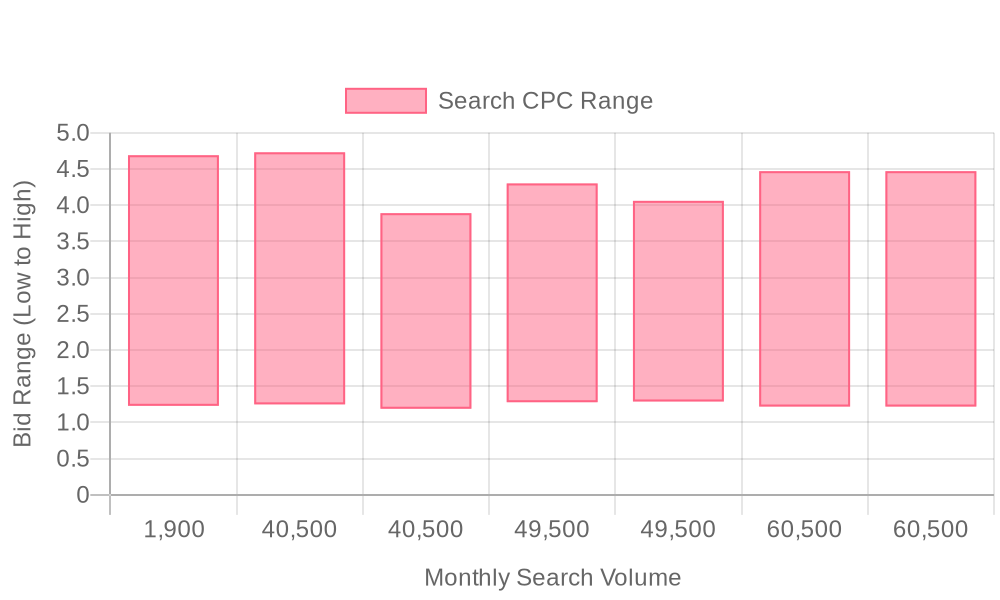
| Industry | Keyword | Monthly Search Volume | Competition Level | Low Bid | High Bid |
| Truck Driver Training | truck driver training | 1900 | LOW | 1.23 | 4.69 |
| Truck Driver Training | truck driving school | 40500 | LOW | 1.25 | 4.73 |
| Truck Driver Training | cdl classes | 40500 | MEDIUM | 1.19 | 3.89 |
| Truck Driver Training | cdl training | 49500 | MEDIUM | 1.28 | 4.3 |
| Truck Driver Training | cdl school | 49500 | MEDIUM | 1.29 | 4.06 |
| Truck Driver Training | cdl training near me | 60500 | MEDIUM | 1.22 | 4.47 |
| Truck Driver Training | cdl school near me | 60500 | MEDIUM | 1.22 | 4.47 |
A robust keyword strategy stands at the core of successful Google Ads for truck driver training, directly influencing both audience quality and campaign ROI. By aligning keyword selection with the actual intent of CDL prospects, revenue teams can ensure their ad spend is directed toward users most likely to convert, whether they are exploring initial career moves or actively comparing CDL training options. For an in-depth look at tailoring campaigns to driver recruitment, see this guide on Google Ads for trucking companies.
- High-Intent and Volume Keywords: Prioritizing search terms like "CDL driving school near me," "truck driver training programs," and "CDL classes in [city]" captures prospects searching for immediate solutions. These keywords map closely to high-conversion moments, reducing wasted impressions and strengthening engagement. Mapping keywords to buyer stages, discovery, evaluation, and decision, enables nuanced targeting, making it easier to segment campaigns and tailor ad messaging for each phase. For more on segmenting and targeting, explore Sona’s Audiences tool.
- Location Modifiers for Local Reach: Candidates typically consider schools within specific geographic areas, so integrating location-specific modifiers such as city, neighborhood, or region helps ads surface for the most relevant searches. Using terms like "best truck driving school in Dallas" or "CDL classes near Houston" ensures the campaign appears to candidates actively seeking options in your training radius. This approach not only increases lead quality but also supports higher ad relevance scores, resulting in lower costs per click. Get more actionable tips for local lead generation in our playbook library.
- Negative Keywords for Spend Precision: Filtering out non-relevant queries is essential for budget efficiency. Adding negative keywords like "DIY," "free CDL training," "CDL practice test," or "truck driving simulator" blocks traffic that is unlikely to convert, such as users looking for entertainment or complimentary resources. Regular review of search terms further refines audience quality, supporting more exact spending and a higher proportion of actionable leads. Discover more optimization techniques in our blog library.
Modern revenue teams enhance these keyword strategies by leveraging technology that turns broad, anonymous traffic into highly segmented audiences. Sona's Identity Resolution helps advertisers see which companies and individuals are engaging with CDL-related ads, allowing rapid shifts in budget allocation toward high-converting segments. As Sona surfaces intent signals, such as a prospect moving from research to application, the audience dynamically updates, ensuring messaging remains relevant and spend is continuously optimized. With enriched CRM and ad platform syncing, every new lead or audience member becomes instant fuel for remarketing or tailored nurture paths, tightening the feedback loop between ad spend and actual enrollment outcomes.
Step-by-Step Campaign Execution Framework
Step 1: Build Targeted Keyword Lists
Success in Google Ads for Truck Driver Training begins with a disciplined approach to keyword selection. Prioritize training-specific queries that reflect how real candidates search for CDL programs and truck driver recruitment opportunities. Incorporate localized terms such as “CDL training in [city]” or “truck driver school near me” to capture high-intent leads within your geographic reach. Negative keywords play a crucial role in filtering out irrelevant traffic, ensuring that only qualified prospects see your ads and protecting your budget from wasted clicks. For a comprehensive overview of running successful Google Ads campaigns, refer to this detailed guide.
Refining target audience segments is essential. By leveraging enriched company and candidate profiles, marketing teams can move beyond basic demographics and start identifying the nuanced behaviors and interests that indicate a readiness to enroll. Integrating terms from your content marketing enables your ads to align with the most timely, in-market intent signals. When platforms unify visitor identification and intent data, campaigns dynamically prioritize spend on the highest-converting audiences, helping you maximize ROI and drive consistent lead generation for truck schools.
The upgrade most truck driver training advertisers miss is going beyond raw keyword volume to layer in intent and identity signals. By connecting website-visitor data and CRM records with Sona Marketing Measurement, you can see which specific search terms bring in the accounts and customers that actually convert, and weight your keyword and bidding strategy toward those rather than the terms with the highest search volume alone.
Step 2: Develop Compelling Ad Copy
Ad copy for truck driver training programs must do more than describe services; it should directly address pain points faced by potential candidates. Headlines like “Get Your CDL Fast, Start Earning Sooner” or “Guaranteed Job Placement for Graduates” engage individuals actively searching for career advancement. Including trust elements, such as third-party accreditations, excellent student ratings, or safety records, reassures prospects who are comparing multiple programs. For inspiration on crafting persuasive ads that attract more drivers, see these tips for compelling advertisements.
Urgency is another critical driver. Adding limited-time incentives like “Register by Friday for Tuition Discounts” taps into candidates’ decision-making windows and accelerates conversions. By pairing these offers with dynamic audience updates, marketing teams ensure that messaging adapts in real time as prospects move through the funnel. When CRM and ad platforms are seamlessly synced, messaging shifts automatically to nurture existing leads or re-capture those showing renewed interest, resulting in a more personalized and effective ad experience.
Step 3: Design Effective Landing Pages
Landing pages for CDL training ads must deliver a seamless continuation of your ad’s promise. Maintaining strict 1:1 alignment between ad content and landing page messaging meets visitor expectations and minimizes bounce rates. Every page should feature clear, action-oriented CTAs, like “Book a Free Info Session” or “Apply for CDL Training Now”, and highlight customer testimonials to surface authentic buying signals. Integrating these elements supports frictionless conversions for both desktop and mobile users. For step-by-step tactics on optimizing landing pages for truck driver job ads, explore this PPC campaign guide.
The user experience must be optimized for all devices, recognizing that a significant share of truck driver candidates begin their search on mobile. Fast-loading pages, intuitive forms, and concise program details all contribute to higher conversion rates. Offline actions, such as phone calls or campus visits, should be tracked alongside digital behaviors to form a complete view of ROI. When lead forms are directly connected to CRM systems, each touchpoint is instantly actionable, giving sales and admissions teams real-time insight into prospect engagement and campaign performance. This tight integration allows for more accurate attribution and ensures that every marketing dollar is measured against actual enrollments.
Tips on Expanding Your Truck Driver Training Presence
Expanding your truck driver training presence demands a multi-layered approach that captures attention at every stage of the prospect’s journey. Success hinges on aligning digital outreach with the specific motivations of future drivers, ensuring every touchpoint is purposeful, data-driven, and tailored to audience needs. Explore additional strategies in our actionable marketing playbooks to refine your approach.
- Cross-promote educational resources in remarketing campaigns: Keeping your message relevant requires more than generic follow-ups. Infuse remarketing ads with timely educational content, such as tips on passing the CDL exam or career outlook infographics, correlated to a user’s recent engagement. With unified data, you can dynamically identify which site visitors are researching curriculum details or cost breakdowns and serve them content that answers those precise questions, increasing re-engagement rates and guiding them through the enrollment funnel. For advanced segmentation, leverage Sona’s Audiences tool to build real-time, signal-based segments that sync automatically with your ad platforms.
- Offer related services like transportation career counseling: Segmented audiences respond to offers that genuinely reflect their interests and readiness. Syncing your CRM with advertising platforms lets you identify which prospects are early-stage (seeking guidance) and which are ready for application. By offering value-added services, like resume workshops or career counseling, to users who’ve shown intent but haven’t converted, you nurture trust and drive higher-quality leads into your pipeline. Sona Destinations can help you automatically sync key audience data into your CRM and ad platforms, enabling timely follow-up.
- Partner with truck driving associations for collaborative promotions: Amplifying your credibility and reach means bridging the gap between traditional partnerships and digital measurement. Collaborative campaigns with industry associations or local driver groups can be tracked for online-to-offline impact. Connect digital ad interactions to event attendance or association sign-ups, using unique URLs or offline conversion tracking, for a holistic view of campaign ROI. For inspiration on effective digital partnerships, see this case study on United Truck Driving School.
- Use search engine data insights to discover fresh content topics: Staying top-of-mind in the truck driver training space requires ongoing content innovation. Analyze aggregate search trends and on-site behavior to unearth new questions or concerns emerging among your audience. Feeding these insights into your content and advertising calendar ensures you address real-time pain points and continually improve campaign relevance, bridging the feedback gap that can limit traditional marketing plans. To better understand how to create compelling, audience-driven content, visit our guide to intent data.
Executing effective Google Ads campaigns for truck driver training is about more than precision targeting. It relies on a feedback loop where high-impact creative, real-time audience updates, and advanced attribution power every decision. For a detailed look at recruiting drivers via Google Ads, view this step-by-step strategy. Integrating these insights with your CRM and ad platforms creates a strategy that not only attracts but actively nurtures future drivers, building a sustainable, scalable enrollment engine.
Beyond Google Ads: Winning the AI Answers Truck Driver Training Buyers Now Trust
Paid search captures demand at the moment someone types a query. But a fast-growing share of truck driver training buyers no longer start at Google at all, they ask ChatGPT, Gemini, or Perplexity before they ever run a search, and Google's own AI Overviews increasingly summarize an answer above the traditional results. If your business isn't referenced in those AI answers, you're invisible at the exact moment buyers build their shortlist.
Sona AI Visibility shows where your business shows up across ChatGPT, Gemini, Perplexity, Google AI Overviews, and 10+ engines, and, much like a keyword report, which prompts actually send you buyers, so you can prioritize the ones that convert. Run the two together and you cover the entire buyer path: get cited where buyers research (AI Visibility), then prove which of that demand turns into booked revenue (Marketing Measurement).
Helpful resources
Conclusion
The next twelve months will separate CDL schools that treat Google Ads as a lead-gen line item from those that treat it as an enrollment system. The difference isn't a bigger budget, it's whether a school can trace a click on "CDL training near me" all the way to a seat in a truck, and feed that answer back into targeting week over week.
That means keyword lists built around how drivers actually search, ad copy and landing pages that address licensing timelines and job placement head-on, and tracking that connects a form fill or a phone call to an actual enrollment, not just a lead. It also increasingly means showing up in the AI answers candidates consult before they ever type a query into Google.
Ready to connect your Google Ads spend to actual enrollments? Start for free and see which campaigns are actually filling seats.
FAQ
What are the best practices for using Google Ads for truck driver training?
Best practices include precise keyword targeting, audience segmentation, optimized landing pages, and integrated CRM systems to track conversions and maximize ROI.
How can I effectively target potential truck driver students with Google Ads?
Effectively target students by using industry-specific keywords, segmenting audiences by demographics and intent, and employing real-time intent data to engage candidates at critical decision points.
What budget should I allocate for Google Ads in truck driver training?
Budget allocation should be data-driven, focusing on high-performing segments and adjusting spend dynamically based on real-time analytics and conversion tracking to ensure efficient use of resources.
What keywords should I use for Google Ads targeting truck driver training?
Use a mix of high-intent keywords like 'CDL driving school near me' and location-specific terms, as well as negative keywords to filter out non-relevant traffic, ensuring ads reach the most qualified prospects.
How can I measure the success of my Google Ads campaigns for truck driver training?
Measure success through advanced conversion tracking, real-time analytics, and syncing data with CRM systems to attribute leads to their source and refine campaigns for better ROI.







