


A cracked head gasket at 2 a.m. on the interstate doesn't wait for business hours, and the shop that shows up first usually keeps that customer for years. Fleet managers and owner-operators searching for repair help are almost always deciding under pressure, which makes Google Ads one of the few channels that can put a truck repair business in front of them at the exact moment of need. Done well, it also closes the loop back to the shop floor: precise targeting on technical specifications, and ROI tracked from click to repair to return visit, so spend can be judged against actual jobs booked, not just clicks.
How to Generate Truck Repair Service Leads with Google Ads: A Step-by-Step Guide

Modern truck repair providers face an urgent need to capture and convert high-intent leads before they move on to competitors. Integrating a data-driven Google Ads strategy into your broader marketing approach helps you reach customers in moments of need while maximizing your ad spend’s impact.
Advanced tools now let marketing teams pinpoint which anonymous website visitors are most likely to become paying customers. Sona Audiences helps you identify and segment these high-potential prospects, so you can prioritize follow-ups with fleets and shops already signaling a need for truck repair.
Effective truck repair advertising starts by tailoring your keyword and audience targeting to the unique behaviors of truck owners and fleet managers. Instead of generic automotive terms, use search phrases that reflect urgent repair needs, such as “24/7 truck roadside assistance” or “diesel engine shop near me.” Auto repair terms provides a deeper look at terms that drive action in the industry.
Landing page optimization is critical for converting ad clicks into booked service calls. Align your landing pages with ad messaging and service offerings, incorporating clear calls-to-action and trust-building elements like customer testimonials or certifications. This alignment not only improves Quality Scores but also shortens the time from click to conversion.
Ongoing performance optimization is essential to enhance ROI in PPC for truck repair services. Monitor campaign data to identify high-performing keywords and audience segments, then shift budget toward those driving the most conversions. For more insights on boosting your PPC results, check out our guide on Google Ads ROAS.
Integrating Google Ads with other channels creates a unified marketing strategy that amplifies reach and attribution accuracy. Syncing enriched audience data and conversion insights across platforms, such as Google Ads, your CRM, and sales automation tools, lets you deliver personalized, timely messages to prospects at every touchpoint. Ready to streamline your truck repair customer acquisition? Start now with a seamless onboarding experience.
Why Does Google Ads Matter for Truck Repair Services?
Truck repair businesses operate in a complex market where decision-makers range from fleet managers to owner-operators, each with distinct service needs and urgency. Google Ads enables precise targeting of these segments, capturing demand from both high-volume commercial clients and local small businesses seeking immediate or scheduled repairs.
The platform provides a critical channel for attracting high-margin projects, such as engine rebuilds or fleet maintenance contracts, which often do not surface through word-of-mouth or organic search alone. Dieselmatic marketing guide provides a deeper look at how digital advertising elevates visibility for specialized service offerings.
Emergency breakdowns demand instant solutions, and Google Ads excels at intercepting searchers in urgent need, whether it's 2 a.m. roadside assistance or critical diagnostics for a stranded fleet. Responsive ad formats and call assets ensure that help is only a click away, boosting truck repair customer acquisition when time sensitivity is paramount.
Expanding regional reach is pivotal as the market for truck repair services evolves beyond traditional geographic boundaries. For more insights on scaling digital campaigns, check out our guide on Google Ads ROI tips.
Integrated attribution technology now ties each ad touchpoint directly to revenue outcomes, offering transparency into which campaigns drive booked jobs and closed-won opportunities. With advanced conversion tracking and CRM sync, revenue teams can justify Google Ads budget for truck repair by proving clear, data-backed ROI as leads progress from click to contract.
Common Types of Google Ads Campaigns for Truck Repair Services
- Search Campaigns: Truck repair businesses rely on search campaigns to target urgent, high-intent keywords such as "emergency truck repair near me" or "24/7 roadside assistance." These campaigns catch fleet dispatchers and drivers mid-breakdown, when a phone call in the next five minutes decides who gets the job. Identifying which local companies or fleet operators are behind that search traffic lets marketers tailor outreach, know which accounts to call back first, and spend budget where commercial urgency is highest. Sona's Identity Resolution helps reveal which businesses are actively researching repair services, supporting sharper targeting.
- Display Ads: Display campaigns keep truck repair brands visible across industry news sites, logistics forums, and other B2B trucking destinations. Consistent placement builds trust with fleet managers and commercial operators who research before they call, often across several visits before converting. Diesel repair marketing looks at how display ads sustain long-term awareness in the commercial vehicle sector.
- Video Ads: Video campaigns provide a unique opportunity to visually highlight complex repair capabilities, demonstrate rapid response times, or introduce technicians and shop infrastructure. Well-produced videos educate prospects on specialized services like diesel engine diagnostics or accident recovery, building credibility and shortening the sales cycle. Real-time intent monitoring helps shift budget to audiences who interact with key videos or demonstrate high engagement.
- Remarketing: Remarketing re-engages visitors who looked at your truck repair services but didn't book or submit a form. Syncing CRM data with ad platforms keeps remarketing lists current as leads move through sales, so follow-up offers reach only active, relevant prospects rather than people who already booked elsewhere. This sharpens PPC efficiency and shortens the path to conversion. Retargeting strategies covers this in more depth.
- Assets: Ad assets provide granular details like shop location, technician certifications, 24/7 operating hours, and direct call buttons. These enhancements build instant trust with searchers and reduce friction, especially among time-sensitive commercial clients. Syncing enriched business data and real-time shop status into Google Ads keeps this information accurate, improving ad relevance and ROI.
Where to Find Google Ads Growth Opportunities for Truck Repair Services

Truck repair businesses can accelerate growth by identifying new vertical keyword opportunities that expand beyond generic service terms. Instead of relying solely on phrases like “truck repair near me,” integrating industry-specific keywords such as “fleet maintenance for logistics companies” or “emergency diesel diagnostics” drives higher-value leads and extends reach into lucrative B2B segments. Buyergain provides a deeper look at this trend and how specialized terms can attract commercial clients.
A focused competitor gap analysis uncovers underserved markets where truck repair advertising can outperform. By evaluating where competitors underinvest, such as niche repair types or after-hours services, shops can shape their PPC for truck repair strategy to capture untapped local and regional demand. This approach helps direct Google Ads budget toward segments with lower competition and higher intent. This builds on the strategies outlined in Google Ads ROI Playbook.
Exploring trade forums and industry-specific websites presents valuable options for targeted ad placements. These platforms are frequented by fleet operators and commercial drivers actively seeking solutions, making them ideal for truck services advertising. Marketers can use these channels to drive qualified traffic that traditional search campaigns might miss, especially when paired with dynamic audience targeting that updates as new prospects engage.
Implementing content retargeting aligned with a broader media strategy increases the efficiency of truck repair customer acquisition. By serving tailored ads to visitors who have interacted with service pages or downloaded resources, shops remain top-of-mind as prospects move through the decision process. With advanced solutions, marketers can sync enriched audiences from their CRM into Google Ads, ensuring ads are always relevant to the buyer’s current journey stage and maximizing conversion rates.
Companies are closing the gap on disconnected intent signals by unifying data across web visits, sales engagement, and service histories. Identifying visitor companies and in-market behavior in real time lets budget shift automatically toward accounts showing the strongest purchase intent. Sona's Identity Resolution helps pinpoint high-value visitors and reveal in-market fleets, so truck repair shops can adapt campaigns accordingly and build both short-term leads and long-term customer value.
Applying Audience Segmentation in Truck Repair Services
Truck repair companies competing in local and regional markets need audience segmentation sharp enough to separate a stranded owner-operator from a logistics director managing a hundred-truck fleet. Fleet managers overseeing entire logistics operations, compliance-focused logistics directors tracking uptime and DOT inspection deadlines, and independent drivers needing fast turnaround all search differently and respond to different messaging, so treating them as one audience wastes budget on the wrong pitch.
Segmenting audiences by intent signals is essential for effective truck repair advertising. Drivers seeking emergency roadside assistance require urgent, solution-focused messaging, while fleet managers planning routine maintenance value transparency, reliability, and predictable costs. Marketers who leverage real-time behavioral data can dynamically adjust spend, prioritizing high-converting segments as intent signals shift. For a deeper look at optimizing paid campaigns, PPC strategy tips provide actionable strategies.
Validating conversion paths through structured CRM integration is critical for tracking online and offline customer journeys. Advanced conversion tracking ensures every form submission, phone call, or service booking is attributed accurately, revealing true campaign ROI. By syncing enriched audiences from CRM into platforms like Google Ads, marketing and sales teams maintain up-to-date, high-value target lists for retargeting and lookalike campaigns. This reduces wasted spend, streamlines truck repair customer acquisition, and empowers teams to focus on the prospects most likely to convert.
Without robust fit scoring and unified data enrichment, teams risk pouring budget into low-value prospects. We’ve covered advanced qualification and targeting in detail in the fit scoring guide. The result is a scalable, data-driven strategy that maximizes both campaign efficiency and revenue impact, ensuring online advertising for truck services delivers consistent, measurable growth.
This is also where measurement changes the economics. With Sona Marketing Measurement you can identify the companies behind your ad clicks, not just anonymous sessions, and segment audiences by which accounts actually become customers. That lets you build bid adjustments and audience signals around the segments that convert and de-prioritize the ones that don't, so you feed Google's algorithms "this click became a paying truck repair services customer" instead of just "someone filled out a form."
Keyword Strategy & Sample Target Terms
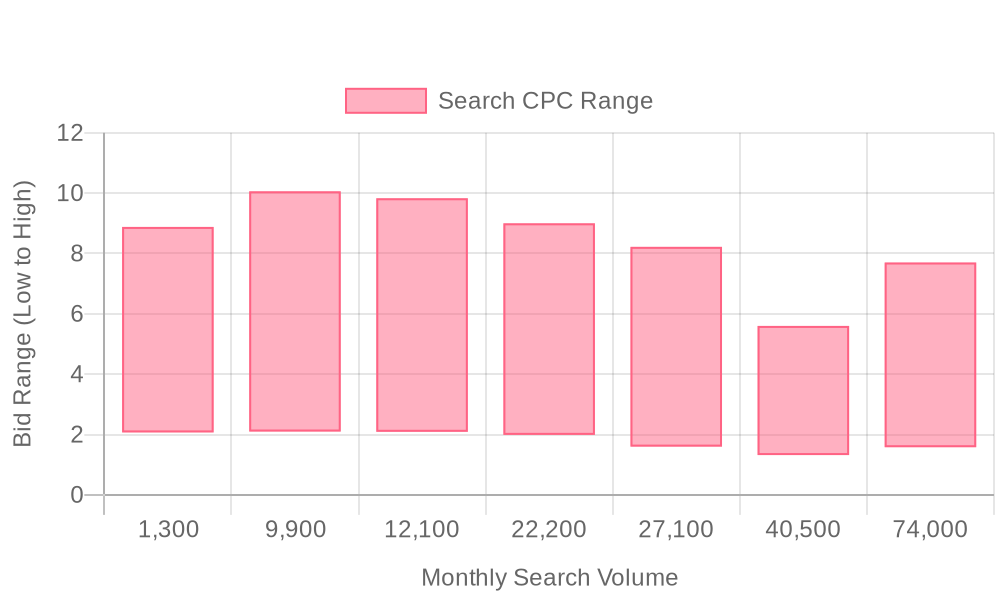
| Industry | Keyword | Monthly Search Volume | Competition Level | Low Bid | High Bid |
| Truck Repair Services | truck repair services | 1300 | LOW | 2.07 | 8.88 |
| Truck Repair Services | truck road service near me | 9900 | LOW | 2.1 | 10.06 |
| Truck Repair Services | mobile truck repair near me | 12100 | MEDIUM | 2.09 | 9.83 |
| Truck Repair Services | truck mechanic near me | 22200 | LOW | 1.99 | 9 |
| Truck Repair Services | semi truck repair near me | 27100 | LOW | 1.6 | 8.22 |
| Truck Repair Services | truck tire repair near me | 40500 | LOW | 1.32 | 5.6 |
| Truck Repair Services | truck repair near me | 74000 | LOW | 1.58 | 7.7 |
Truck repair businesses thrive on the ability to capture urgent, local demand in real time. A focused keyword approach ensures marketing budgets are invested in searches that drive qualified leads and fast conversions.
- Urgent Service Keywords: Prioritize terms reflecting immediate need, such as “emergency truck repair,” “24/7 diesel mechanic,” and “roadside truck service near me.” These high-intent phrases capture operators facing downtime and willing to act quickly, translating into higher conversion rates and faster sales cycles.
- Geographic Modifiers: Integrate city, county, or region-specific language, like “truck repair in Dallas” or “mobile truck service Phoenix.” Location-based keywords help dominate hyperlocal results and ensure ad spend is targeted to serviceable markets, reducing wasted impressions.
- Long-tail Queries: Include descriptive, service-specific searches, for example, “Peterbilt transmission repair shop” or “fleet engine diagnostics service near me.” These granular terms attract prospects with defined problems who are deeper in the buying funnel, increasing the likelihood of high-value engagements. Long-tail auto keywords provides insight into which long-tail terms consistently drive results.
- Negative Keywords: Add exclusions such as “DIY,” “training,” or “used truck parts” to prevent ads from surfacing on unrelated or low-commercial-intent queries. This proactive filtering helps preserve budget for searches that align with genuine repair needs.
- High-volume, High-intent Terms: Monitor and regularly update keyword lists based on search trends and service demand shifts. Terms like “truck brake repair,” “diesel emission testing,” and “commercial fleet maintenance” consistently deliver relevant traffic and should be foundational in any campaign. For more insights on optimizing ad campaigns, check out our guide on Google Ads tips.
Marketers using unified visitor identification can further refine keyword targeting by mapping anonymous site traffic to identified companies and service buyers. Sona's Identity Resolution helps businesses recognize high-intent visitors and sync enriched segments into Google Ads for dynamic bidding and better customer acquisition efficiency. This turns Google Ads for truck repair services into a precision tool for customer acquisition and operational growth.
Step-by-Step Campaign Execution Framework
Truck repair businesses operate in a high-urgency, service-driven environment where customer acquisition is tightly linked to digital visibility and fast response. Digital marketing for truck repair demands a focused, data-driven approach to cut through competition and convert qualified leads quickly. Truck repair marketing guide provides a deeper look at this trend.
With the right Google Ads strategies, truck repair shops can reach in-market prospects at the moment of need, aligning ad spend to the highest-value opportunities. Enhanced campaign execution ensures every dollar is measured, attributed, and optimized for real business results.
Step 1: Build Targeted Keyword Lists
Precise keyword targeting is foundational for PPC for truck repair services. Segment keyword lists by service categories such as emergency repairs, scheduled maintenance, diesel diagnostics, and fleet servicing. This granular categorization allows advertisers to match search intent, improve ad relevance, and control spend on the most valuable queries.
Dynamic audience technology now allows marketers to move beyond static keyword lists. As visitor intent shifts or new company accounts become active in-market, enriched audience segments are updated and synced directly into Google Ads. Platforms like Sona Audiences are designed to automatically update and sync high-intent segments into your campaigns, helping you reach decision-ready prospects and minimize wasted impressions.
The upgrade most truck repair services advertisers miss is going beyond raw keyword volume to layer in intent and identity signals. By connecting website-visitor data and CRM records with Sona Marketing Measurement, you can see which specific search terms bring in the accounts and customers that actually convert, and weight your keyword and bidding strategy toward those rather than the terms with the highest search volume alone.
Step 2: Develop Compelling Ad Copy
Crafting ad copy that resonates with truck owners and fleet managers is critical for truck repair advertising. Each ad should highlight speed, reliability, and specific pain points, such as “24/7 roadside assistance” or “Free same-day diagnostics.” Incentivize action with offers like “Instant quotes for breakdowns” or “Zero wait time for first-time customers.”
Marketers can leverage real-time intent data to tailor messaging for high-converting segments. When a business identifies that a potential lead is actively searching for urgent repairs, ad copy can dynamically shift to emphasize immediate availability or emergency discounts. We’ve covered best practices for adapting ad messaging in our Retargeting guide.
Step 3: Design Effective Landing Pages
Landing pages must be optimized for mobile users, with fast load times and clear calls to action such as “Book Now” or “Call for Immediate Service.” Content should directly address the service query, reinforce trust with certifications or reviews, and offer frictionless contact forms or click-to-call options. Truck repair Google Ads explores this further.
By integrating online and offline data sources, revenue teams can attribute each conversion, call, form fill, or appointment, back to specific keywords, ad groups, and campaigns. This unified view enables marketers to identify which landing pages and service offers drive the highest truck repair customer acquisition, supporting continuous improvement and resource allocation.
Step 4: Implement Data-Driven Optimizations
Continuous performance optimization is essential for maintaining efficiency in Google Ads budget for truck repair. Smart bidding strategies, such as target CPA or ROAS, help allocate spend toward the highest-converting segments. Regular A/B testing of ad copy, landing pages, and calls to action uncovers incremental wins and prevents stagnation.
Advanced conversion tracking closes the loop between digital and offline channels, fully measuring ROI from both online advertising for truck services and real-world appointments. As discussed in our Google Ads ROAS guide, automated audience updates ensure remarketing campaigns focus on the right leads, empowering truck repair shop marketing teams to achieve predictable, sustainable growth.
Sona Marketing Measurement closes the gap between clicks and revenue. It captures every ad click with first-party measurement, then ties that click through UTM capture and ad-platform APIs to the actual record in your CRM, and reports ROAS by keyword and campaign instead of by last-click form fill. Feeding that revenue signal back into Smart Bidding and Performance Max compounds over time: the algorithms optimize toward booked truck repair services revenue, not cheap leads.
Tips on Expanding Your Truck Repair Services Presence
Growth for a truck repair shop rarely comes from a bigger ad budget alone, it comes from spending that budget on the fleets and drivers most likely to need service again. Sharper targeting and retargeting convert more of the traffic you already have into booked jobs, and the tactics below push past surface-level click metrics into where the revenue actually shows up.
- Enhance Retargeting Campaigns: Advanced retargeting strategies allow truck repair services to reach undecided site visitors with relevant offers, tailored by browsing behavior and service interests. By connecting visitor-level insights with existing CRM records, marketers can continuously refine audience segments and prioritize those showing genuine in-market intent. Platforms like Sona Audiences help marketers identify and prioritize high-intent segments for more effective follow-ups.
- Upsell Using CRM Segmentation: Segmented audience data shows which current customers are likely to need additional services based on service history and engagement, such as a fleet due for its next round of preventive maintenance. Syncing CRM insights with ad platforms lets you promote upsells like specialized engine diagnostics or maintenance packages to exactly those high-propensity accounts, making every touchpoint more relevant and stretching the marketing budget further.
- Localize Campaigns by Region: Customizing campaigns to reflect local repair trends and regional demands ensures your message resonates with the audience most likely to convert. With granular geo-targeting and local search optimization, your ads appear to fleet managers and owner-operators searching for services nearby. The diesel marketing guide offers actionable steps for local advertising.
- Develop Content Informed by Search Data: Content that directly answers your audience's top queries, like warning signs of transmission failure or how long a DOT inspection takes, positions your shop as a trusted authority rather than just another listing. Our guide on intent retargeting covers using search intent for content strategy. Pairing these insights with your ad creative keeps campaign messaging aligned with what prospects are actually searching for, driving higher engagement and loyalty over time.
Executing these strategies with a unified data ecosystem empowers truck repair businesses to overcome fragmented intent signals or missed high-value leads. Continuous integration between audience insights, campaign performance, and CRM data supports agile marketing decisions, allowing your service to scale customer acquisition efficiently and outpace local competitors.
Beyond Google Ads: Winning the AI Answers Truck Repair Services Buyers Now Trust
Paid search captures demand at the moment someone types a query. But a fast-growing share of truck repair services buyers no longer start at Google at all, they ask ChatGPT, Gemini, or Perplexity before they ever run a search, and Google's own AI Overviews increasingly summarize an answer above the traditional results. If your business isn't referenced in those AI answers, you're invisible at the exact moment buyers build their shortlist.
Sona AI Visibility shows where your business shows up across ChatGPT, Gemini, Perplexity, Google AI Overviews, and 10+ engines, and, much like a keyword report, which prompts actually send you buyers, so you can prioritize the ones that convert. Run the two together and you cover the entire buyer path: get cited where buyers research (AI Visibility), then prove which of that demand turns into booked revenue (Marketing Measurement).
Helpful resources
Conclusion
The shops that win this channel long-term are the ones that stop paying for clicks and start paying for booked jobs, feeding real revenue data back into Google's bidding algorithms until the platform learns to find more of the fleets and drivers who actually convert. That compounding effect, not any single campaign tweak, is what turns Google Ads into a durable source of new customers.
Ready to put these insights into action? Start a free trial to experience the platform and its capabilities firsthand.
FAQ
What are the best practices for Google Ads in truck repair services?
Best practices include tailoring keywords to urgent repair needs, optimizing landing pages with clear calls-to-action, integrating Google Ads with other marketing channels, and continuously monitoring and adjusting campaigns based on performance data.
How much should I budget for Google Ads for my truck repair shop?
The budget should align with targeting high-intent keywords and audience segments, focusing on maximizing conversions and ROI by shifting spend towards high-performing campaigns.
What keywords should I target for truck repair Google Ads?
Target keywords reflecting urgent needs, such as 'emergency truck repair' or '24/7 diesel mechanic,' incorporating geographic modifiers for localized targeting, and using long-tail queries to attract more specific, high-value leads.
How can I measure the success of my Google Ads for truck repair?
Success can be measured by tracking conversions through advanced conversion tracking linked to specific keywords, campaigns, and ad groups, ensuring transparency in ROI from clicks to booked jobs.
What are the common mistakes to avoid in Google Ads for truck repair services?
Common mistakes include not using specific keywords, failing to align landing page content with ad messaging, neglecting ongoing performance optimization, and not integrating data across platforms for a unified strategy.







