


Employment training providers live and die by enrollment cycles: a certification cohort that doesn't fill by its start date is lost revenue, not a delayed one. Google Ads gives these programs a way to reach job seekers and career switchers at the moment they're searching, whether that's someone comparing OSHA safety courses or a laid-off worker researching a bootcamp with a placement guarantee. This guide covers how to set up, manage, and optimize Google Ads campaigns for employment training, with an eye toward the compliance requirements, seasonal enrollment windows, and buyer urgency that make this trade different from selling a typical product or service.
How to Generate Google Ads for Employment Training Leads: A Step-by-Step Guide

A data-driven employment training marketing strategy relies on accurate segmentation and real-time behavioral insights. Modern platforms allow revenue teams to prioritize the prospects most likely to convert, optimizing spend by focusing on high-value accounts and eliminating wasted impressions.
Advanced keyword research pinpoints relevant job skills search terms, capturing both broad and niche intent. By mapping search queries to learner profiles, advertisers intercept candidates at every stage: from exploring career changes to actively comparing certification programs. For an actionable overview of Google Ads best practices, see how leading organizations optimize campaigns and improve ROI.
Landing page experience is critical to minimizing drop-off. Creative assets, messaging, and form flows should align with the ad promise, ensuring a frictionless path from click to qualified lead. Integrating dynamic content and personalization increases the likelihood of form submission and accelerates the journey from inquiry to enrollment.
Performance optimization is an ongoing process, leveraging campaign data to refine targeting, bidding, and creative. By using audience insights and conversion analytics, marketers can shift budgets in real time to the best-performing segments. Platforms that unify online and offline conversion data enable precise ROI calculations, supporting continuous improvement and confident budget scaling. Ready to streamline lead generation? Get started for free with Sona.
Why Does Google Ads Matter for Employment Training

Precision-focused digital advertising is essential for employment training programs to connect with motivated learners amid rising competition and shifting job market demands. Google Ads empowers these organizations to engage individuals at the exact moment they search for career advancement, upskilling, or job skills training, ensuring every promotional dollar reaches those most likely to take action.
- Targeting specialized audiences: Advanced segmentation tools allow employment training providers to reach candidates based on skill interests, career stage, and intent signals. This ensures marketing budgets are directed toward high-value prospects, such as job seekers interested in digital marketing training, Google Ads certification, or technical trades. Enhanced audience data enables teams to identify the companies and organizations engaging with ads, not just anonymous web traffic, leading to more relevant and effective outreach.
- Immediate demand response: The ability to launch or adjust campaigns within hours gives providers a powerful advantage during critical enrollment windows or in response to urgent labor market needs. Real-time intent monitoring enables revenue teams to shift spend toward in-market audiences demonstrating active interest in Google Ads for beginners, online advertising courses, or industry-specific certifications. As these audiences move through the funnel, dynamic updates ensure messaging and offers remain relevant, maximizing conversion rates during periods of peak demand.
- ROI tracking: Modern Google Ads solutions provide detailed visibility into every stage of the learner journey, from first click to course enrollment. With robust conversion tracking and online/offline attribution, employment training marketers can pinpoint which keywords, audiences, and creative assets drive actual enrollments or placement outcomes. By syncing enriched audience and conversion data into connected CRMs and analytics platforms, teams can measure true ROI, streamline follow-up, and quickly re-engage high-intent leads who may not have converted on the first touch. This closes the loop between digital advertising and real-world program impact, enabling continuous optimization and smarter budget allocation.
Common Types of Google Ads Campaigns for Employment Training Services
Employment training advertisers typically run four campaign types on Search and Display, plus Performance Max, which pools Search, Display, YouTube, and Discovery inventory into a single goal-based campaign. Within Search campaigns, Responsive Search Ads are the standard ad format, letting Google test combinations of headlines and descriptions rather than a fixed single ad.

- Search Campaigns: Search campaigns give employment training providers direct access to high-intent candidates actively seeking job skills training or certification. By targeting precise keywords such as “digital marketing training” or “Google Ads for Employment Training,” organizations ensure their programs appear at the critical moment of decision. Enhanced visitor identification capabilities allow marketers to move beyond anonymous search traffic, pinpointing the organizations and individuals engaging with ads and enabling prompt, personalized follow-up. Explore best practices for Google Ads campaigns to maximize your results.
- Display Ads: Display campaigns keep training programs visible to potential registrants as they browse industry-relevant content across the web. Visual placements on reputable sites build consistent exposure, increasing brand recall and nurturing interest among passive job seekers. Leveraging dynamic audience updates ensures that ads are always shown to the right segment as prospects shift from casual browsing to active consideration.
- Video Ads: Video advertising enables providers to connect with diverse audiences through engaging, informative content. Demonstrating course outcomes, instructor expertise, and alumni success via short, compelling videos builds trust and motivates viewers to explore further. Real-time intent signals allow campaign managers to adjust spend toward viewers who show engagement, ensuring budget is allocated to the highest-converting segments.
- Remarketing: Remarketing campaigns re-engage visitors who previously interacted with training program content but did not enroll. Tailored messaging based on specific site behaviors, such as viewing certification details or downloading course brochures, guides prospects back into the funnel. Integrating advanced conversion tracking, including offline and online engagement, enables a comprehensive view of how remarketing drives deeper funnel actions and true program ROI.
- Assets: Ad assets, such as callouts and sitelinks, provide vital details that address the needs of both individual learners and organizational decision-makers. By integrating direct links to course syllabi, instructor bios, and enrollment information, assets streamline the path to action. When synced with CRM data, assets can be personalized to reflect the latest offers or events relevant to a specific audience segment, boosting click-through and conversion rates. If you're ready to optimize your campaigns, get started for free with Sona.
Where to Find Growth Opportunities for Employment Training

Employment training providers who consistently outpace the market capitalize on niche audience segments and data-driven tactics to reach untapped learners. High-performing teams uncover emerging demand signals and align outreach to evolving workforce needs, ensuring efficient growth in competitive talent markets. Teams that leverage real-time audience segmentation and campaign performance analytics often identify opportunities competitors overlook, accelerating learner acquisition and improving ROI.
- Vertical keyword targeting: By homing in on highly specific job skills training and certification phrases, providers reduce wasted spend and target candidates with genuine intent. This approach brings in more qualified inquiries, as searchers using detailed queries like "OSHA construction safety course" or "remote data analytics bootcamp" are typically closer to enrollment decisions. With advanced platforms, marketers automatically surface granular intent signals, identifying which vertical certifications or micro-credentials are trending and should receive additional investment. For a deeper dive on Google Ads optimization, review this overview of actionable best practices.
- Competitor analysis: Sophisticated market intelligence tools reveal which channels and creative strategies competitors are underutilizing, enabling precise resource allocation. For example, by analyzing lead flow and ad placements, teams can pinpoint geographic regions or skill segments where the competition is less aggressive, redirecting budget to capture underserved talent pools. These insights also help prioritize content development strategies for overlooked career tracks, ensuring campaign relevance and maximizing market share.
- Industry placements: Strategic positioning on specialized employment forums, apprenticeship directories, and training aggregators increases brand visibility among high-value prospects. Placement on platforms where workforce decision-makers and candidates seek continuing education elevates brand trust and accelerates the path from awareness to application. By leveraging rich visitor data, teams can refine outreach to match the preferred channels of their target audience, optimizing industry alignment and campaign ROI.
- Content retargeting: Re-engaging prospects who have interacted with brochures, webinars, or curriculum guides but failed to convert is crucial for efficient demand capture. Dynamic retargeting powered by real-time behavioral triggers ensures that messaging adapts as each lead progresses through the funnel. Marketers can synchronize segmented audiences across Google Ads, LinkedIn, and Facebook, maintaining personalized engagement and increasing conversion rates, while robust attribution tracks both online actions and offline enrollments for a full view of campaign effectiveness.
How to Apply Audience Segmentation for Employment Training

Precise audience segmentation is the cornerstone of high-performing Google Ads for Employment Training campaigns. By aligning your outreach with distinct learner personas, you can deliver messaging that resonates deeply, increasing both engagement rates and qualified enrollments. Modern marketing teams recognize that segmentation is not just about separating demographics, but about harnessing real-time audience and intent signals to dynamically refine who sees which message, when, and why.
- Define Segments: Differentiate between learners seeking vocational upskilling and those pursuing advanced professional credentials. For instance, campaigns should be structured to reflect whether the audience is interested in hands-on trade certifications or executive leadership development. Segmentation by intent, such as career switchers versus first-time job seekers, enables more effective budget allocation and ensures that creative assets speak directly to each group’s needs. Explore Google Ads best practices to structure campaigns for maximum engagement.
- Intent Signals: Analytics advancements enable training providers to capture subtle behavioral cues, such as repeat visits to curriculum pages or requests for program brochures. Leveraging these real-time intent signals, marketers can adjust budgets toward segments demonstrating high readiness to enroll. Platforms that surface in-market behaviors allow for rapid pivots in campaign strategy, putting resources behind audiences most likely to convert and accelerating the sales cycle.
- Custom Ad Groups: Maintaining consistent, targeted messaging within each ad group ensures that high-value prospects receive content tailored to their stage in the decision process. This approach reduces wasted spend on generic ads and sharpens the relevance of calls to action. Dynamic audience solutions can update groups automatically as users interact with ads and landing pages, ensuring your targeting remains tightly aligned with actual user behavior. For more actionable strategies, visit our library of marketing playbooks.
- Validate Conversion Paths: For employment training providers, it is critical to ensure that every segment’s journey is mapped and measured from first click through enrollment. This requires advanced attribution that captures both online and offline interactions, enabling a full view of what drives conversions. Integrating enriched audience data directly into CRM and advertising platforms ensures that follow-up communications are timely and personalized, closing the loop between marketing and enrollment teams and supporting sustained revenue growth. If you’re ready to elevate your audience segmentation and campaign performance, get started for free with Sona.
This is also where measurement changes the economics. With Sona Marketing Measurement you can identify the companies behind your ad clicks, not just anonymous sessions, and segment audiences by which accounts actually become customers. That lets you build bid adjustments and audience signals around the segments that convert and de-prioritize the ones that don't, so you feed Google's algorithms "this click became a paying employment training customer" instead of just "someone filled out a form."
Keyword Strategy & Sample Target Terms
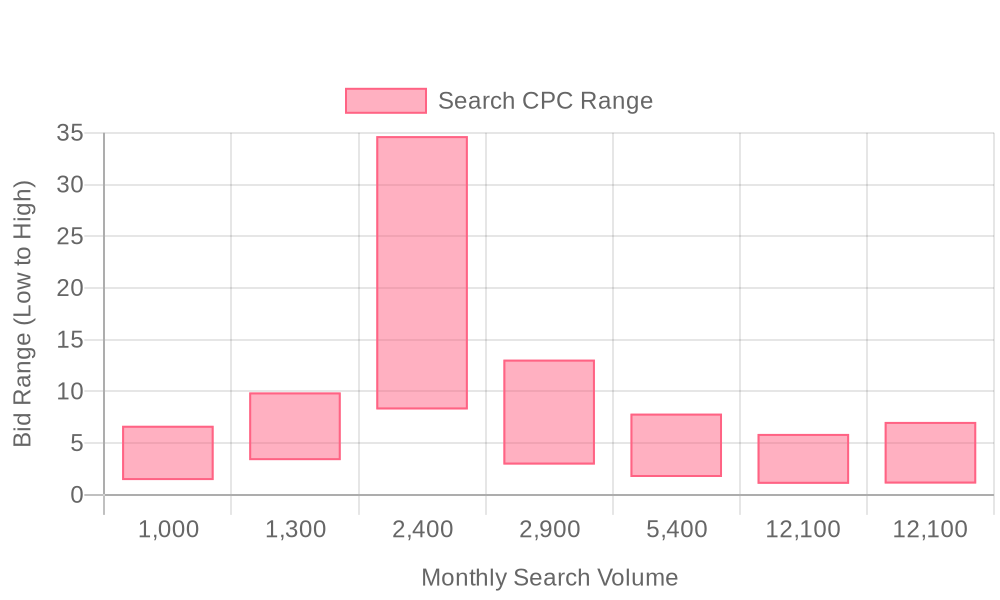
| Industry | Keyword | Monthly Search Volume | Competition Level | Low Bid | High Bid |
| Employment Training | on the job training programs | 1000 | MEDIUM | 1.43 | 6.68 |
| Employment Training | it training and job placement | 1300 | MEDIUM | 3.36 | 9.9 |
| Employment Training | employment training | 2400 | LOW | 8.26 | 34.68 |
| Employment Training | career training programs | 2900 | MEDIUM | 2.93 | 13.07 |
| Employment Training | job training programs | 5400 | MEDIUM | 1.73 | 7.85 |
| Employment Training | paid training jobs | 12100 | MEDIUM | 1.07 | 5.89 |
| Employment Training | job corps near me | 12100 | LOW | 1.1 | 7.05 |
Building an effective Google Ads for Employment Training campaign starts with a disciplined approach to keyword strategy. Prioritizing high-intent, conversion-focused terms ensures you attract candidates who are actively seeking job skills training, certification programs, or digital marketing training rather than those merely browsing. Integrating real-time visitor identification platforms allows you to see not only which keywords attracted visitors, but also which company or persona is behind each search, enabling continuous budget reallocation toward keywords that trigger in-market actions from high-converting accounts.
- High volume, high intent keywords: Center your campaign on terms reflecting urgent learner needs, such as "job skills training near me," "Google Ads certification course," "online advertising courses for beginners," and "digital marketing training with job placement." These keywords target users prepared to take action, increasing the likelihood of qualified leads and maximizing each ad dollar. For a comprehensive overview of actionable best practices to optimize your campaigns, review this Google Ads best practices guide.
- Localized terms: Incorporate geographic modifiers like "employment training in Chicago," "PPC advertising classes NYC," or "Google Skillshop workshops Los Angeles" to capture intent from users searching for nearby solutions. Localized targeting not only increases click relevance but also surfaces regional demand trends essential for workforce development providers. By syncing enriched audience data across your CRM and ad platforms, you can automatically update location-based campaigns as prospects move from awareness to consideration, ensuring your ads reach the right learners and hiring partners at the right time.
- Negative keywords: To avoid wasted spend, consistently refine your negative keyword list with terms like "free tutorials," "sample tests," and "unaccredited courses." This filters out low-value traffic, such as those seeking unpaid resources or information with no intent to enroll. Leveraging advanced conversion tracking and offline attribution makes it easy to see which queries drive actual course sign-ups or job placements, so you can keep your negative keyword lists agile and data-driven.
Step-by-Step Campaign Execution Framework
Step 1: Build Targeted Keyword Lists
Precision in keyword targeting is foundational for employment training providers aiming to capture high-intent learners. Start by mapping out job skills training, certification programs, and digital marketing training terms that reflect the language prospective candidates use. Focus on phrases like “Google Ads for Employment Training,” “online advertising courses,” and “job skills certification.” Harness data from past campaign queries and search trends to consistently refine and expand your keyword portfolio, ensuring alignment with real learner intent. For an in-depth overview of actionable best practices for Google Ads campaigns and improving ROI, explore Google Ads best practices.
True campaign efficiency comes from unifying all search behavior, both from inbound leads and anonymous website visitors. With advanced visitor identification, marketers gain visibility into which companies and decision-makers are searching for training programs, not just individual users. This makes it possible to prioritize budgets on accounts with proven engagement and readiness to enroll, rather than guessing based on surface-level metrics. For more strategies on optimizing demand generation, check out our marketing playbooks.
The upgrade most employment training advertisers miss is going beyond raw keyword volume to layer in intent and identity signals. By connecting website-visitor data and CRM records with Sona Marketing Measurement, you can see which specific search terms bring in the accounts and customers that actually convert, and weight your keyword and bidding strategy toward those rather than the terms with the highest search volume alone.
Step 2: Develop Compelling Ad Copy
Strong ad copy bridges the gap between search intent and program value. Highlight the transformative impact of your employment training, emphasize placement rates, practical skills, or job guarantees that differentiate your offering. Use concise headlines like “Accelerate Your Career with Google Ads Certification” or “Job-Ready Skills in Weeks,” paired with direct calls to action. For proven approaches to ad copy in education, review Google Ads for education.
Dynamic audience technology brings an additional layer of relevance, allowing your ad messaging to adapt as prospects move through the marketing funnel. When leads revisit your site or interact with course materials, ad content can shift in real time to address their current needs, whether it’s encouraging application completion or promoting advanced training modules for returning visitors.
Step 3: Design Effective Landing Pages
Landing pages must reflect the promise made in your ads, delivering a seamless, persuasive experience. Feature employer testimonials, transparent pricing, and clear enrollment pathways to reduce friction and build trust. Visual elements such as timelines, salary projections, or skills checklists help visitors quickly grasp program outcomes, decreasing abandonment rates. For a step-by-step guide to setting up Google Ads for online courses, see this landing page guide.
Integrating enriched lead data from your CRM ensures every landing page experience is tailored and relevant. When a visitor is recognized from a prior interaction or synced from a nurture campaign, personalized content and pre-filled forms accelerate conversions, creating an efficient, data-driven journey from ad click to enrollment.
Step 4: Implement Data-Driven Optimizations
Continuous optimization is essential to maximize campaign ROI in the competitive employment training market. Monitor performance by tying ad clicks and form submissions to actual enrollments, not just surface-level conversions. Advanced attribution models enable you to measure true ROI across both online and offline touchpoints, revealing which keywords and audiences drive revenue, not just leads. For official Google Ads policy guidelines, visit Google Ads policy.
Real-time intent signals allow budget shifts to the highest-converting accounts and geographies, while dynamic audience updates keep targeting in sync with evolving prospect behavior. When enriched leads and conversion outcomes are automatically synced between your CRM and ad platforms, campaign adjustments can be made rapidly, delivering ongoing improvements in cost per acquisition and overall program effectiveness. To experience these capabilities, get started for free with Sona.
Sona Marketing Measurement closes the gap between clicks and revenue. It captures ad clicks with first-party measurement, then ties that click through UTM capture and ad-platform APIs to the actual record in your CRM, and reports ROAS by keyword and campaign instead of by last-click form fill. Feeding that revenue signal back into Smart Bidding and Performance Max compounds over time: the algorithms optimize toward booked employment training revenue, not cheap leads.
Tips on Expanding Your Employment Training Presence
Expanding your presence in the employment training sector requires a multi-pronged approach rooted in actionable data and audience intelligence. Effective growth means not only reaching new prospects, but also increasing lifetime value and engagement from your existing learner base.
- Cross-promote: Integrate a comprehensive content strategy to capture candidates across multiple channels and touchpoints. By connecting retargeting lists with high-value blog posts, alumni case studies, and skill gap analysis reports, marketers can reinforce brand credibility and nurture leads further down the funnel. Dynamic audience updates allow retargeting efforts to focus on users who have demonstrated recent program interest or intent, ensuring ads and content are always relevant to the stage of the buyer journey.
- Upsell strategies: Use CRM-driven insights to pinpoint learners who have completed one program and are likely to benefit from additional certifications or advanced courses. Synchronizing enriched audience data into advertising platforms enables tailored upsell campaigns, such as promoting digital marketing training to graduates of foundational online advertising courses. Sona's Identity Resolution helps teams prioritize high-value prospects and optimize messaging for the highest conversion potential.
- Localize: Allocate budget to regions where demand and job readiness are highest, using geographic performance data to refine targeting. Responsive campaign adjustments based on local job market trends and search behavior help maximize ROI. Marketers can leverage visitor identification to identify which companies or organizations are exploring training options in specific territories, driving more localized and relevant ad experiences.
- Explore new content topics: Harness ongoing search data to inform content creation and campaign themes. Regularly analyze Google Ads for Employment Training keyword trends, emerging job skills training needs, and shifts in employment advertising demand. Developing content around new certifications, Google Ads training for beginners, or industry-specific Google Skillshop modules keeps your messaging fresh and aligned with market interest, fueling both paid and organic growth. For a step-by-step guide to setting up campaigns for online course marketing, see this resource.
Beyond Google Ads: Winning the AI Answers Employment Training Buyers Now Trust
Paid search captures demand at the moment someone types a query. But a fast-growing share of employment training buyers no longer start at Google at all, they ask ChatGPT, Gemini, or Perplexity before they ever run a search, and Google's own AI Overviews increasingly summarize an answer above the traditional results. If your business isn't referenced in those AI answers, you're invisible at the exact moment buyers build their shortlist.
Sona AI Visibility shows where your business shows up across ChatGPT, Gemini, Perplexity, Google AI Overviews, and 10+ engines, and, much like a keyword report, which prompts actually send you buyers, so you can prioritize the ones that convert. Run the two together and you cover the entire buyer path: get cited where buyers research (AI Visibility), then prove which of that demand turns into booked revenue (Marketing Measurement).
Helpful resources
Conclusion
Google Ads works for employment training providers because it meets job seekers and career switchers at the exact moment they're searching, not weeks earlier when a generic campaign might reach them, and not after they've already enrolled elsewhere. The providers who win aren't necessarily the ones with the biggest budgets; they're the ones who track enrollments back to the keyword and audience that produced them, and adjust accordingly.
The next step is connecting ad spend to actual enrollment outcomes, not just form fills, so budget moves toward the campaigns that fill cohorts rather than the ones that merely generate clicks.
Start for free to see how unified tracking and AI visibility can sharpen your Google Ads strategy for employment training.
FAQ
What are the best Google Ads training resources for employment?
Advanced platforms and market intelligence tools are essential for optimizing Google Ads campaigns, enabling precise keyword targeting, audience segmentation, and campaign performance analytics.
How can I use Google Ads to promote job openings?
Google Ads can be used to target specific keywords and audience segments, ensuring job openings reach high-value prospects likely to convert, with real-time adjustments to maximize reach during critical enrollment periods.
What skills can I gain from Google Ads training?
Google Ads training can enhance skills in keyword research, audience targeting, campaign optimization, and conversion tracking, which are crucial for effective digital advertising.
Are there free Google Ads courses available for job seekers?
While the article does not specify free courses, it suggests utilizing platforms that offer data-driven insights and audience segmentation for optimizing campaign performance, which can often include free trials or resources.
How effective is Google Ads for employment advertising?
Google Ads is highly effective for employment advertising, enabling precise targeting and immediate responses to job market demands, with detailed ROI tracking to optimize the impact of every dollar spent.







