


A theme park or aquarium doesn't compete only with the attraction down the road, it competes with every other way a traveler might spend a Saturday. Google Ads reaches that traveler while they're still deciding, searching for "things to do near me" or comparing ticket prices at 11pm the night before a trip. This guide covers how to use Google Ads to win that moment: targeting the right audience, timing campaigns to seasonal demand, and stretching a limited marketing budget across a crowded field.
How to Generate Google Ads for Tourist Attractions Leads: A Step-by-Step Guide

Tourist attractions face mounting pressure to capture discerning visitors in a crowded digital marketplace. By adopting data-driven Google Ads strategies, marketers elevate their reach, ensuring their campaigns land in front of the most promising prospects at the right moment.
Sona's Identity Resolution connects fragmented data into a single view of visitor intent, so marketers can see which website visitors represent real booking potential, not just anonymous traffic, and prioritize ad spend accordingly.
- Utilize Data-driven Strategies To Enhance Ad Performance: Advanced analytics reveal which audiences respond to which offers, a family-ticket bundle versus a season pass, a weekend event versus a weekday discount. Sona's Identity Resolution helps marketers move beyond anonymous web traffic to see which companies and travel-booking groups are browsing the site. Fed into Google Ads, that intelligence lets campaigns shift budget toward the segments showing real booking intent instead of spreading spend evenly across cold traffic. Intent retargeting covers more ways to use first-party data in campaigns.
- Implement Audience-specific Targeting To Reach Tourists Effectively: Generic campaigns often waste spend on unqualified clicks. By integrating unified data signals, marketers ensure that every impression serves a relevant message to the right traveler, whether they're researching family getaways or cultural excursions. Platforms that sync audience segments across Google Ads and CRM systems allow for dynamic audience updates as prospects move through the sales funnel. This automated orchestration ensures that high-potential leads receive tailored messaging, while stale or low-fit contacts are excluded, preserving budget for the audiences most likely to convert. Audience targeting guide provides a deeper look at audience targeting best practices.
- Align Landing Pages And Creative With Your Conversion Goals: A last-minute ticket buyer and someone planning a family trip months out need different landing pages, one built for instant purchase, the other for itinerary details and group rates. Dynamic content insertion, informed by visitor data, shows each tourist offers and imagery matched to their stage in that decision, shortening the path from click to confirmed booking.
- Optimize Performance With Real-Time Insights: Attraction marketers can't afford to wait for a monthly report when a heat wave or a rained-out weekend shifts demand overnight. Real-time intent signals and conversion tracking show which campaigns, keywords, and creative are working now. With online ticket sales and on-site or box-office visits unified in one view, teams can attribute revenue to specific campaigns and adjust bids as performance shifts, keeping budget efficient through the season's peaks and lulls.
- Integrate Ads With Other Marketing Channels: Syncing Google Ads with email, social, and outbound channels creates one coherent path for a prospective visitor instead of disconnected touchpoints. Syncing enriched audience data and campaign activity between Google Ads, HubSpot, Salesforce, and other platforms keeps messaging consistent and clarifies which channels and messages actually move someone from browsing tour options to buying tickets. For a closer look, schedule a demo to see how unified data orchestration can streamline your campaigns.
Why Does Google Ads Matter for Tourist Attractions?

Tourist attractions rely on precise digital strategies to reach travelers actively researching where to spend their time and budget. Google Ads delivers unique value by reaching high-intent audiences during key decision-making windows and ensuring that marketing spend aligns with real visitor demand.
- Capturing High-intent Tourists At Critical Moments: Google Ads lets attractions reach travelers exactly when they're searching for experiences, accommodations, or activities nearby. Advanced targeting zeroes in on users showing real booking intent, ticket-page visits, date searches, group-size queries, increasing conversions while cutting wasted spend. Sona's Identity Resolution helps marketers move beyond anonymous site traffic, pinpointing the companies or visitor segments showing intent so follow-up and personalization can be sharper.
- Supporting Dynamic Budgets For Diverse Attractions: Attractions often face fluctuating demand depending on school holidays, festivals, or seasonal weather. Google Ads allows for flexible budget allocation, ensuring more resources flow to campaigns as visitor interest peaks. This agility is particularly useful for family-friendly venues and eco-destinations aiming to maximize their reach during short windows of opportunity. Google Ads trends provides a deeper look at this trend, highlighting seasonality and campaign flexibility across the tourism sector.
- Responding Rapidly During Market Shifts: Visitor interest in tourism can swing quickly, a viral social post, a weather forecast, a new competing attraction opening nearby. Google Ads' predictive tools help marketers adapt as these shifts happen, reallocating spend toward emerging demand. Sona's dynamic audience management keeps campaigns updated automatically as leads move through the funnel, so ads keep targeting the most relevant prospects rather than a stale list.
- Revealing Insights Into New Travel Interests And Markets: Google Ads provides granular reporting that highlights which experiences, themes, or regions are gaining traction. This intelligence enables attractions to tailor offerings, anticipate upcoming trends, and invest in the right creative assets or packages. For more insights on optimizing ROI and attribution in tourism marketing, check out our guide on Attribution Best Practices. When Sona’s advanced attribution and CRM syncing are applied, marketers gain even deeper visibility, unifying lead and customer data across Google Ads, Salesforce, and HubSpot to measure true ROI and inform future strategy.
Common Types of Google Ads Campaigns for Tourist Attractions
Tourist attractions operate in a dynamic landscape where capturing intent and delivering tailored messaging secures bookings and drives foot traffic. Marketers who harness the full potential of Google Ads multiply their brand exposure while ensuring every marketing dollar is steered toward measurable outcomes. Google Ads for Tour Operators provides a detailed overview of getting started with Google Ads in the tourism sector.
- Search Campaigns: Search intercepts travelers at the moment they're researching destinations, activities, and experiences. Segmenting keywords and ad groups by traveler profile, families, adventure seekers, cultural explorers, avoids generic messaging. Feeding campaigns with enriched visitor data lets marketers see the companies and high-value accounts behind the clicks, not just anonymous traffic, enabling targeted follow-up. As a format within Search, Responsive Search Ads let you test multiple headlines and descriptions so Google can serve the combination most likely to convert for each traveler type.
- Display Ads: Display campaigns keep your brand visible on travel blogs, itinerary sites, and content platforms that inspire trip planning. Precision placement ensures ads appear only where your most relevant audiences spend their time, reinforcing brand recall throughout the decision-making journey. Integrating real-time intent data, teams can dynamically shift spend toward placements where users are actively researching similar attractions, maximizing the impact of each impression. Display Campaign Examples offers examples of how display campaigns are used effectively in travel marketing.
- Video Ads: Compelling video content transports prospective visitors directly into the experience, from virtual walk-throughs of art exhibits to drone footage of adventure parks. Tailoring video ads by tourist type and stage in the funnel allows for highly relevant messaging: inspiration for early-stage planners, logistical details for those close to booking. As visitors engage, behavioral signals are captured and audiences are refreshed, ensuring future campaigns reflect the evolving interests and intent of your audience segments.
- Remarketing: Remarketing is indispensable for re-engaging users who previously browsed your site, started a booking, or downloaded a brochure. Advanced conversion tracking links online interactions with offline visits, allowing attractions to attribute revenue to specific campaigns with clarity. For more on connecting revenue attribution across channels, see our guide on Affiliate Revenue Attribution. By syncing CRM and ad platforms, marketers can build dynamic audiences that update as leads mature, ensuring follow-up ads always reflect the latest engagement and increase the likelihood of conversion.
Successful tourist attraction campaigns combine Search, Display, Video, Remarketing, and Performance Max, letting unified data and smart audience management deliver the right message at each stage of the traveler's journey. This improves campaign efficiency and clarifies which channels and messages drive bookings. To put these strategies into action, try Sona Onboarding for next steps.
Where to Find Growth Opportunities?

Growth-focused tourism marketers consistently expand their reach by strategically leveraging Google Ads for tourist attractions. The ability to precisely target intent-rich audiences and surface relevant experiences places tourism brands in front of travelers at pivotal decision points. With actionable data, marketers maximize every dollar by focusing on high-converting segments and optimizing content for diverse visitor profiles.
- Target Attraction-specific Keywords: Granular keyword targeting starts with terms representing both general interest and niche offerings, aligning ads with what travelers actually search, from "family-friendly museums" to "exclusive backstage tours." This drives qualified traffic instead of broad, unqualified clicks. Sona's Identity Resolution helps unify web and CRM data, showing marketers not just anonymous clicks but the actual organizations or travel groups engaging with their ads.
- Analyze Competition And Intent Signals: Smart tourism advertising strategies begin with a deep analysis of the competitive landscape. By identifying which competitors are dominating certain queries or ad placements, marketers spot gaps where their attractions can stand out. Real-time monitoring of in-market behaviors, such as users browsing vacation packages or comparing local attractions, enables dynamic allocation of ad spend. Intent retargeting guide provides a deeper look at how advanced intent data lets revenue teams rapidly adjust focus to audiences most likely to convert, reducing wasted impressions and maximizing ROI.
- Utilize Industry-specific Placements: Not all ad placements perform equally for every tourism sector. For example, Google Ads for travel businesses benefit from placements on travel review sites, local event calendars, and map-based searches. Travel ad placements provides more context on choosing the right channels for specific audiences. Marketers can segment campaigns for different venue types, such as outdoor adventure parks versus cultural institutions, ensuring creative and messaging reflect the unique appeal of each experience. Audience lists that update automatically as prospects engage with web content or progress through the buyer journey ensure that ads stay relevant and personalized at every touchpoint.
- Align Content Marketing With Ad Strategy: Effective online marketing for attractions extends beyond paid campaigns. High-performing teams synchronize their content marketing efforts, such as blogs, virtual tours, and social posts, with Google Ads targeting. This builds on the strategies outlined in Cold outreach with visitor intelligence, where a cohesive approach attracts broad audiences while retaining precision, as top-of-funnel content educates and inspires, and retargeting ads nurture and convert. Seamless CRM and ad platform sync enables a closed-loop view of engagement, allowing marketers to see which content and ad combinations drive the most bookings and inquiries.
By continuously refining these tactics, tourism marketers unlock new avenues for demand generation, enabling their attractions to outperform the competition and deliver tailored visitor experiences that drive lasting growth. Ready to take the next step? Start with Sona to unlock actionable insights and accelerate your growth.
How to Apply Audience Segmentation for Tourist Attractions

Tourist attractions thrive when their marketing efforts reach the right audience, at the right moment, with messaging that resonates on a personal level. Accurate audience segmentation allows marketers to move beyond generic campaigns and create targeted experiences that drive higher engagement and conversions.
- Define Tourist Profiles And Segments: Start by identifying core visitor groups such as family travelers, solo explorers, couples, or group tour participants. Each segment has distinctive motivations and decision drivers. For example, families typically prioritize convenience, safety, and kid-friendly amenities, while solo adventurers are drawn to unique experiences and flexible scheduling. By aligning creative assets and messaging with the specific values of each segment, marketers can increase relevance and foster deeper connections. Solutions such as Sona Audiences empower revenue teams to pinpoint not only the demographic but also the company-level information of website visitors, transforming anonymous clicks into actionable insights for highly personalized remarketing and nurturing.
- Overlay Behavior And Intent Signals: Integrate real-time data on user behaviors, such as recent travel research, event interest, or location-specific browsing, to further refine targeting. Seasonal trends, like festivals, school holidays, or local events, can be overlaid to capture intent as it forms. Google Ads trends provides a deeper look at this trend, highlighting how dynamic audience lists can help marketers adapt to shifts in demand and behavior throughout the year. Advanced platforms enable revenue teams to automatically update dynamic audience lists as visitors move through research, consideration, and booking phases. This supports agile budget allocation, focusing spend on in-market users most likely to convert.
- Validate Multiple Conversion Paths: Recognize that families, couples, and solo travelers may follow different digital journeys before making a booking. Some segments prefer to purchase tickets online after in-depth comparison, while others might initiate bookings via phone or through partner agencies. Modern campaign execution connects online and offline conversion touchpoints, attributing revenue accurately to the original source. With seamless CRM and ad platform integrations, enriched lead and customer data flows directly into campaign segments, ensuring remarketing remains relevant and measuring ROI reflects the full customer lifecycle. For more insights on tracking attribution in complex journeys, check out our guide on revenue attribution. This holistic approach to segmentation and attribution gives B2B revenue teams actionable intelligence to optimize every stage of the funnel.
This is also where measurement changes the economics. With Sona Marketing Measurement you can identify the companies and buyers behind your ad clicks, not just anonymous sessions, and segment audiences by who actually becomes a customer. That lets you build bid adjustments and audience signals around the segments that convert and de-prioritize the ones that don't, so you feed Google's algorithms "this click became a paying tourist attractions customer" instead of just "someone filled out a form."
Keyword Strategy & Sample Target Terms
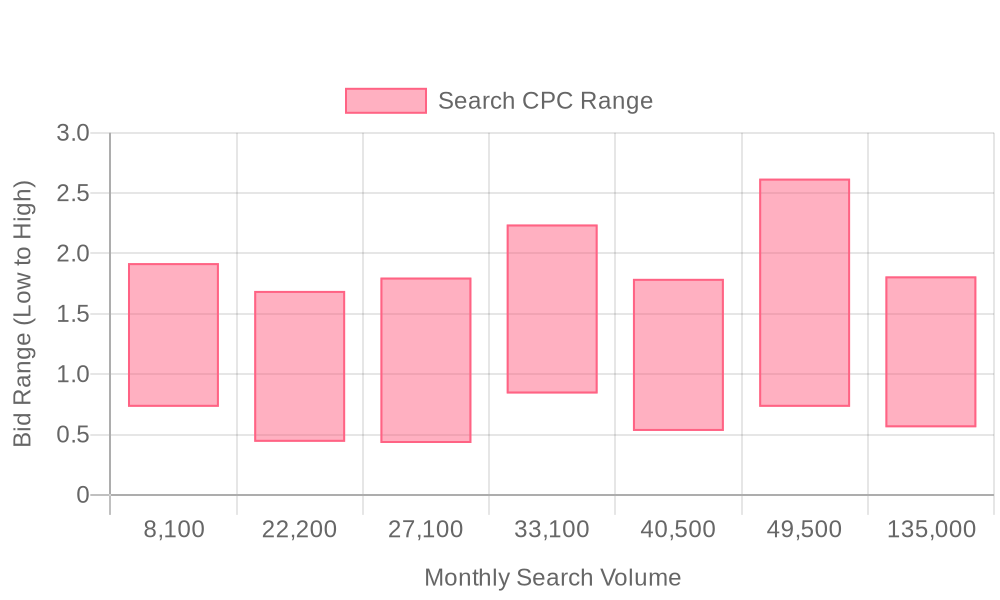
| Industry | Keyword | Monthly Search Volume | Competition Level | Low Bid | High Bid |
| Tourist Attractions | best places to visit near me | 8100 | LOW | 0.73 | 1.92 |
| Tourist Attractions | sightseeing near me | 22200 | LOW | 0.44 | 1.69 |
| Tourist Attractions | tourist attractions near me | 27100 | LOW | 0.43 | 1.8 |
| Tourist Attractions | places to visit | 33100 | LOW | 0.84 | 2.24 |
| Tourist Attractions | tourist places near me | 40500 | LOW | 0.53 | 1.79 |
| Tourist Attractions | tourist attractions | 49500 | LOW | 0.73 | 2.62 |
| Tourist Attractions | places to visit near me | 135000 | LOW | 0.56 | 1.81 |
Effective keyword strategy is fundamental to successful Google Ads for tourist attractions, delivering qualified traffic and maximizing campaign performance. The strongest programs begin with rigorous research that surfaces high-volume, low-competition keywords aligned with the current interests of travelers planning their next experience. Targeting these terms ensures greater visibility at a lower cost, especially as consumer search trends evolve seasonally and by region.
- Prioritize High-value, Low-competition Keywords: Focus on terms that reflect what visitors are already searching, such as "family-friendly attractions in [location]" or "unique things to do near me." These keywords consistently drive click-through rates and minimize wasted spend by filtering out unqualified searches. See localize Google Ads for a deeper look at this trend.
- Target Niche Interest Keywords: Integrate terms tailored to specific traveler segments such as "eco-tourism campaigns," "historic tours promotions," or "hands-on museum experiences." This approach elevates engagement rates and connects your attraction with motivated audiences who are further along in the decision process.
- Leverage Location Modifiers: Include geo-targeted phrases like "near me," "downtown," or neighborhood-specific queries. These modifiers capture high-intent users searching for immediate, convenient options, increasing the likelihood of conversion for local experiences.
- Employ Event And Seasonal Modifiers: Add context with terms like "summer events at [attraction]" or "holiday light show tickets," capturing demand spikes and relevant micro-moments throughout the year.
For revenue teams using unified data platforms, enriched keyword strategies unlock even more precision. Real-time visitor identification and intent data reveal which search terms attract high-value company traffic, allowing marketers to prioritize budget toward keywords that historically convert at a higher rate. This builds on the strategies outlined in Google Ads ROI Playbook.
Dynamic audience segmentation ensures that as leads move between stages, awareness, consideration, booking, ad copy and targeting evolve accordingly. When CRM and advertising platforms are integrated, newly discovered high-intent keywords and audiences sync automatically, so campaigns reflect the latest insights from both web and offline interactions. Sona surfaces intent signals to help marketers identify and act on real-time buyer intent, turning keyword lists into living assets that adapt as visitor demand shifts.
Step-by-Step Campaign Execution Framework
Executing a results-driven Google Ads campaign for tourist attractions demands a disciplined process that unites targeting precision, creative messaging, seamless user experience, and agile optimization. Revenue teams that unify data sources and automate insights are positioned to outperform in today’s fast-paced tourism advertising landscape.
Step 1: Build Targeted Keyword Lists
Success starts with constructing keyword lists that match both the unique services of the attraction and the intent of travelers searching for new experiences. Focus on high-intent, location-based queries such as “family-friendly museums in Chicago” or “adventure parks near Orlando.” Supplement broad terms with granular long-tail keywords to capture niche audiences and minimize wasted spend. Leveraging unified intent data from multiple sources helps marketers identify trending search themes and in-market segments, ensuring the campaign adapts as traveler behavior shifts seasonally or in response to local events. Intent Retargeting builds on this approach, providing strategies for using first-party intent signals to drive high-impact campaigns.
The upgrade most tourist attractions advertisers miss is going beyond raw keyword volume to layer in intent and identity signals. By connecting website-visitor data and CRM records with Sona Marketing Measurement, you can see which specific search terms bring in the accounts and customers that actually convert, and weight your keyword and bidding strategy toward those rather than the terms with the highest search volume alone.
Step 2: Develop Compelling Ad Copy
Effective ad copy for tourist attractions blends aspiration with authenticity, tapping into what motivates visitors to explore, book, and share. Use emotionally resonant storytelling that evokes the destination’s unique value, highlighting exclusive experiences, time-limited events, or traveler testimonials. Headlines should be specific and benefit-driven, while descriptions reinforce trust with social proof and clear calls to action.
Real-time intent data allows marketers to dynamically tailor messaging as audience interests evolve, maximizing both relevance and response rates. This continuous personalization keeps ads fresh and closely aligned with what target audiences are seeking at each stage of the decision journey.
Step 3: Design Effective Landing Pages
A seamless experience from ad click to conversion is critical for advertising tourist attractions. Landing pages must deliver on the promise of the ad, whether it’s a direct booking, event registration, or informational download. Prioritize clarity, mobile responsiveness, and visual appeal, making calls to action easily accessible and content focused on visitor needs.
Syncing audience and CRM data lets marketers build personalized landing journeys for high-value segments, reducing friction and lifting conversion rates. Sona's Identity Resolution supports tailored landing experiences by connecting audience data with visitor preferences, so a family researching a weekend trip and a school group booking a field trip don't land on the same generic page.
By integrating online and offline conversion tracking, teams can attribute bookings and visits back to the specific campaigns and channels that influenced them, gaining a clear view of true ROI.
Step 4: Implement Data-Driven Optimizations
Continuous improvement sets leading Google Ads for tourism campaigns apart. Monitor performance data at every stage, from impression share and click-through rates to on-site engagement and completed bookings. Use A/B testing to compare messaging, visuals, and offers, adjusting spend toward the best-performing combinations.
With dynamic audience updates and advanced attribution, marketers can reallocate budget instantly to audiences most likely to convert, whether they’re new leads just starting to research or returning guests ready to book. This builds on the strategies outlined in Google Ads ROI Guide, which offers tactical guidance on uncovering more leads from your traffic.
Real-time syncing between CRM, analytics, and ad platforms ensures every optimization is based on complete, current data, driving smarter demand generation and measurable revenue growth.
Sona Marketing Measurement closes the gap between clicks and revenue. It captures every ad click with first-party measurement, ties that click through UTM capture and ad-platform APIs to the actual record in your CRM, and reports ROAS by keyword and campaign instead of by last-click form fill. Feeding that revenue signal back into Smart Bidding and Performance Max compounds over time: the algorithms optimize toward booked tourist attractions revenue, not cheap leads.
Tips on Expanding Your Presence for Tourist Attractions
Attractions that pursue growth often find the greatest success by building robust partnerships and fostering community connections. By tapping into collaborative opportunities and evolving digital marketing tactics, tourist attractions can amplify their presence, capture new audiences, and sustain long-term engagement.
- Cross-promote With Local Businesses: Establishing partnerships with nearby restaurants, hotels, or retail shops drives dual exposure and creates value for both parties. For more insights on maximizing these collaborations, check out our guide on affiliate partnerships. Joint promotions, bundled experiences, or shared digital campaigns attract visitors who might otherwise overlook your destination, while deepening ties within the local tourism ecosystem.
- Collaborate With Travel Influencers: Influencers bring authentic storytelling and an engaged following. By integrating influencer-generated content into digital ad campaigns, attractions can extend their reach to niche travel communities and inspire trust among new audiences. Seamlessly linking influencer insights with campaign targeting allows marketers to serve more personalized ads, leveraging real-time performance data to refine messaging and boost conversion.
- Localize Campaigns For Cultural Resonance: Customizing advertising to reflect local language, traditions, and seasonal events ensures messaging resonates with target demographics. Learn more about localizing ads. Tailored creative assets, regional offers, and localized landing pages demonstrate respect for diverse audiences, increasing relevance and driving higher engagement. Dynamic audience segmentation tools help marketers adapt campaigns in real time as trends shift, ensuring that every ad impression aligns with current visitor intent and market opportunities.
To fully harness the impact of digital advertising in tourism, focus on targeted advertising, precise audience segmentation, and ongoing optimization. Solutions such as Sona Audiences support building visitor segments that update dynamically as interests evolve. This approach not only elevates visibility and engagement but also ensures that every marketing dollar is invested where it delivers measurable returns.
Beyond Google Ads: Winning the AI Answers Tourist Attractions Buyers Now Trust
Paid search captures demand the moment someone types a query. But a growing share of tourist attractions buyers now start elsewhere, asking ChatGPT, Gemini, or Perplexity before they ever run a search, while Google's own AI Overviews increasingly summarize an answer above the traditional results. If your attraction isn't referenced in those AI answers, you're invisible at the exact moment buyers build their shortlist.
Sona AI Visibility shows where your business shows up across ChatGPT, Gemini, Perplexity, Google AI Overviews, and 10+ engines, and, much like a keyword report, which prompts actually send you buyers, so you can prioritize the ones that convert. Run the two together and you cover the entire buyer path: get cited where buyers research (AI Visibility), then prove which of that demand turns into booked revenue (Marketing Measurement).
Helpful resources
Conclusion
Google Ads works for tourist attractions when it's treated as a live system, not a set-and-forget budget line: keyword lists that shift with the seasons, creative that matches where a traveler is in their decision, and measurement that ties a click to an actual booked visit rather than a form fill.
The attractions that win aren't the ones with the biggest budget, they're the ones whose ads, landing pages, and measurement all point at the same goal: getting the right traveler through the gate. As AI search reshapes how people research trips, the attractions that show up in both the click and the answer will be the ones that stay booked.
Ready to put these insights into action? Start a free trial to experience Sona's platform and its capabilities.
FAQ
What are the best practices for using Google Ads for tourist attractions?
Leverage data-driven strategies to ensure your campaigns target high-value prospects at the right moment, align landing pages with conversion goals, and integrate your ads with other marketing channels for a cohesive strategy.
How can I effectively target tourists with Google Ads?
Implement audience-specific targeting by integrating data signals to ensure relevant messages reach the right traveler, and utilize platforms that sync audience segments across Google Ads and CRM systems.
What budget should I allocate for Google Ads in the tourism sector?
Allocate a flexible budget that can be dynamically adjusted based on visitor interest peaks, such as during school holidays or seasonal events, to maximize reach and efficiency.
What types of ads work best for promoting tourist attractions?
Search campaigns, display ads, video ads, and remarketing are effective for promoting tourist attractions, as they capture intent and deliver tailored messaging to secure bookings and drive foot traffic.
How do I measure the success of my Google Ads campaigns for attractions?
Use real-time insights and advanced conversion tracking to measure which campaigns, keywords, and creative assets deliver results, and attribute revenue accurately to optimize ROI.







