


A traveler searching "best sightseeing tours in Rome" three days before a flight is not browsing, they're ready to book, and Google Ads is how a tour operator meets that moment. The channel rewards operators who can match tight seasonal windows and last-minute urgency with sharp targeting, since sightseeing demand spikes around holidays, festivals, and travel seasons and fades just as fast. This guide covers how to use Google Ads to capture high-intent queries, align creative and landing pages, and track bookings, online and off, so campaign spend turns into confirmed tours rather than idle clicks.
How to Generate Sightseeing Tour Leads with Google Ads: A Comprehensive Guide
Modern sightseeing tour operators are seeing measurable gains by adopting a unified, intent-driven approach to digital marketing. Marketers who leverage integrated data can identify and engage high-value travelers at precisely the right time, reducing wasted spend and increasing lead quality.
This guide breaks down the process of generating sightseeing tour leads with Google Ads into clear, actionable strategies. By systematically aligning targeting, creative, tracking, and integration, operators ensure every campaign dollar supports real business outcomes. For those new to paid search in travel marketing, this introductory guide to Google Ads for tour operators offers a helpful starting point.
- Keyword and Audience Targeting: Success begins with targeting travel enthusiasts using precise, intent-rich keywords and robust audience segmentation. Focusing on high-intent searches such as "best sightseeing tours in Paris" or "guided city tours near me" attracts prospects ready to book. Sophisticated targeting solutions let marketers move beyond anonymous web traffic, identifying the companies behind site visits and matching interactions to key pages. As a result, operators can shift budget in real time to segments showing in-market signals, capturing conversions when intent peaks. When CRM data connects directly, audience segments update automatically and nurture engaged prospects through the funnel, closing gaps where bookings would otherwise slip away.
- Creative and Landing Page Alignment: High-performing sightseeing tour ads feature compelling visuals and copy that highlight unique selling points, such as skip-the-line privileges or exclusive access. Consistent branding between ads and landing pages builds trust while conversion-focused layouts guide users to book or inquire. Operators who implement follow-up triggers, such as remarketing for users who viewed booking pages but didn’t submit forms, can recapture high demo interest. When visitor identification and engagement data flow directly into the CRM, sales teams can prioritize outreach based on real-time engagement and company fit, improving close rates.
- Performance Tracking and Optimization: Continuous optimization depends on measuring every touchpoint in the buyer journey accurately. Marketers using advanced conversion tracking and online/offline attribution gain a clear view of which accounts interact with booking pages, enabling precise follow-up and retargeting. For a step-by-step overview of measurement best practices, see this official Google Ads help article on campaign setup and optimization. Syncing enriched audience and conversion data across Google Ads, HubSpot, and Salesforce keeps sales and marketing acting on the same, current picture, and supports automated budget shifts toward the campaigns and audiences delivering the strongest returns.
- Integration with Broader Marketing Efforts: Effective sightseeing tour promotion requires cohesion between paid search, organic, social, and email strategies. Disconnected intent signals or fragmented data dilute conversion rates and drive up costs. When marketers unify data and sync intent signals across platforms, they maintain a cohesive marketing ecosystem that supports personalized follow-ups, accelerates pipeline velocity, and maximizes advertising efficiency. Operators can then run Google Ads for Sightseeing Tours as a seamless extension of their overall digital marketing for tours strategy, so every touchpoint builds toward more bookings and measurable revenue growth.
Ready to put these strategies into action? Get started for free with Sona.
Why Does Google Ads Matter for Sightseeing Tours?
Modern sightseeing tour operators face intense competition for traveler attention across digital channels. Google Ads offers direct access to high-intent audiences who are actively searching for experiences, enabling operators to present tailored offers at the moment of consideration and influence purchase decisions in real time.
The platform’s robust targeting and analytics capabilities empower teams to optimize spend, test messaging, and rapidly scale campaigns based on live demand signals. Advanced integration with CRM systems and unified marketing data further enables operators to attribute bookings, both online and offline, to specific ad campaigns, ensuring that budget allocation drives measurable growth and captures the full customer journey from first click to conversion.
With Google Ads, sightseeing tour companies can:
- Reach travelers at the right time: Surface ads when prospective customers are planning trips, evaluating options, or ready to book.
- Respond instantly to market shifts: Adjust bids and creative in response to seasonality, local events, or sudden changes in demand.
- Bridge web and offline sales: Link phone inquiries, in-person bookings, and repeat customers to digital marketing efforts for a complete ROI picture.
- Unify audience insights: Identify anonymous website visitors, track real-time intent signals, and sync qualified leads into Google Ads and other platforms, providing sales teams with enriched, actionable data.
- Maximize campaign efficiency: Leverage dynamic audience segments that update as travelers progress from research to booking, enabling ongoing retargeting and personalized engagement.
For sightseeing tour operators, Google Ads is not just about generating clicks, it's about driving targeted, scalable growth with measurable impact across the entire sales funnel.
Common Types of Google Ads Campaigns for Sightseeing Tour Services

Sightseeing tour operators need precise digital strategies to capture travelers' attention and convert online interest into bookings. Leveraging the right Google Ads campaign types allows marketers to reach high-intent audiences, build trust, and nurture interest across every stage of the decision journey. For those new to Google Ads in travel, this introductory guide for tour operators offers step-by-step advice on campaign setup and optimization. For deeper insights on revenue-driven marketing, explore our blog articles.
- Search Campaigns: Search campaigns target travelers actively researching tours, experiences, or destinations. By bidding on keywords like “best city sightseeing tours” or “guided museum tours near me,” operators can surface their offerings to users with strong purchase intent. Integrating real-time behavioral data enables marketers to prioritize accounts that show elevated booking signals, allocating spend to keywords backed by in-market activity and increasing return on ad spend.
- Display Ads: Display campaigns expand brand visibility across travel forums, review sites, and content platforms. Eye-catching banners and rich media keep your brand top of mind while travelers evaluate options. By unifying first-party data with ad platforms, operators can precisely retarget prospects who previously viewed specific tour pages, distinguishing between anonymous clicks and qualified leads.
- Video Ads: Video campaigns engage potential customers with immersive content showcasing a tour's highlights, unique experiences, and customer testimonials. Short-form videos embedded in YouTube or travel vlogs help convey atmosphere and value, boosting emotional connection. Aligning intent signals with audience segments ensures these videos reach users most likely to convert, maximizing engagement with each campaign.
- Remarketing: Remarketing campaigns re-engage users who visited your site but did not book. Personalized follow-up ads, such as “Still interested in the sunset boat tour?”, help recover lost opportunities and accelerate the path to purchase. Real-time audience syncing keeps remarketing lists up-to-date as users move through consideration stages, allowing for dynamic offer adjustments based on recent behaviors.
- Assets: Ad assets (formerly called extensions) provide additional context, increasing both trust and conversion likelihood. Sitelinks guide users to popular tours, while review and callout assets showcase ratings and awards for credibility. Seamless integration with CRM and booking data ensures assets are populated with current, relevant information, reinforcing the value proposition and streamlining the booking process.
Each campaign type plays a unique role in the digital marketing mix for sightseeing tours. When powered by unified, actionable data, these Google Ads strategies drive higher engagement, stronger conversion rates, and more predictable booking growth. Ready to elevate your campaigns? Get started for free with Sona.
Overlooked Growth Opportunities

Tour operators who rely solely on broad, high-competition search terms risk missing substantial revenue from specialized travel audiences. By embracing untapped Google Ads strategies tailored to the nuances of sightseeing tours, marketers can efficiently expand reach and outmaneuver both direct and indirect competitors. For a practical overview, see this introductory guide on Google Ads for tour operators and explore our updated blog insights on digital marketing growth.
- Vertical keyword strategies for niche attractions: Precision keyword targeting opens opportunities within highly specific search intent. Instead of focusing just on "city tours," operators can build campaigns around lesser-known experiences like "sunrise photography walks" or "historic botanical gardens tours." These vertical keywords connect with travelers actively seeking unique outings, often at a fraction of typical cost-per-click. Leveraging visitor identification and intent data helps spotlight which niche terms drive high-quality leads, allowing budget to be allocated to those yielding the most conversions and engagement.
- Competitor analysis to discover underserved segments: Deep-dive competitor research reveals gaps in the tour landscape where demand outpaces supply. For example, if established operators overlook "family-friendly ghost tours" or "accessible sightseeing routes," savvy marketers can use Google Ads for sightseeing tours to fill these needs. By analyzing search impression share and conversion paths, teams can uncover micro-segments that are ripe for targeted promotions. With enriched audience data synced directly into ad platforms and sales CRMs, it's possible to nurture these high-potential segments throughout the funnel.
- Custom placements on travel forums and directories: Placing ads within curated travel communities, local tourism boards, or review sites ensures visibility in trusted environments where travelers are planning their next adventure. These custom placements outperform general display ads by meeting prospects at the precise moment of decision-making. Integrating dynamic audience updates as users engage with tour content allows operators to serve tailored messaging and offers, boosting relevance and increasing the likelihood of conversion.
- Retargeting content aligned with brand objectives: Sophisticated retargeting strategies ensure that marketing spend is focused on genuinely interested prospects. By leveraging unified visitor and lead data, campaigns can deploy creative variations that reflect the user's journey, such as showcasing limited-time offers to recent website visitors or highlighting social proof to those who abandoned the booking process. Advanced conversion tracking, including the ability to attribute offline and online interactions, enables revenue teams to measure true ROI and optimize retargeting flows for maximum impact.
Operators who systematically implement these overlooked growth tactics gain a measurable edge in digital marketing for tours. By unifying go-to-market data, identifying high-intent travel audiences, and continuously refining campaign targeting, they position their sightseeing tour promotions for sustained, profitable growth.
How to Apply Audience Segmentation for Sightseeing Tours
Audience segmentation for sightseeing tours transforms generic outreach into tailored experiences that align marketing with the diverse preferences of travelers. By categorizing potential customers based on traveler type or specific tour interests, operators can deliver messaging that resonates at each stage of the buyer journey, ultimately increasing booking rates and return on ad spend. To deepen your knowledge, explore these tour and activity Google Ads best practices and visit our blog for more marketing insights.
- Define Segments: Identify and categorize audience groups by travel style, group size, trip duration, and tour preferences. For example, segmenting between solo adventure seekers, families, or luxury travelers allows operators to craft unique offers and highlight relevant experiences. With enriched data from all touchpoints, marketers can move beyond basic demographic targeting to pinpoint organizations or individuals with high booking likelihood, ensuring each ad dollar reaches the most promising prospects.
- Intent Signals: Leverage behavioral analytics to distinguish between casual browsers and high-intent visitors. Tracking actions such as itinerary downloads, repeat site visits, or engagement with pricing pages reveals readiness to book. Marketers can then prioritize spend on audiences showing active in-market behavior, using real-time intent signals to shift budgets toward the segments most likely to convert. This dynamic approach eliminates wasted impressions and ensures messaging aligns with where each group stands in the decision process.
- Custom Ad Groups: Tailor ad creative, offers, and bidding strategies to each segment’s needs and booking patterns. For instance, family-focused tours may highlight group discounts, while solo traveler ads emphasize flexibility or local connections. When segment membership updates automatically as prospects engage with campaigns or move through the funnel, media budgets and messaging adapt seamlessly. Integrated audience syncing ensures new leads and updated intent data flow between CRM and ad platforms, keeping campaigns efficient and hyper-relevant.
- Conversion Validation: Accurate measurement requires online and offline conversion tracking that encompasses both digital bookings and phone-based inquiries. By attributing call conversions and in-person bookings back to specific campaigns and segments, marketers gain a holistic view of performance across all touchpoints. Integrating CRM data with Google Ads closes the loop, validating true ROI and enabling revenue teams to optimize for the bookings that matter most, regardless of where the interaction occurs. This unified attribution approach empowers operators to demonstrate the full impact of their digital marketing for tours and refine future strategies with confidence.
This is also where measurement changes the economics. With Sona Marketing Measurement you can identify the companies behind your ad clicks, not just anonymous sessions, and segment audiences by who actually becomes a customer. That lets you build bid adjustments and audience signals around the segments that convert and de-prioritize the ones that don't, so you feed Google's algorithms "this click became a paying sightseeing tours customer" instead of just "someone filled out a form."
Keyword Strategy & Sample Target Terms
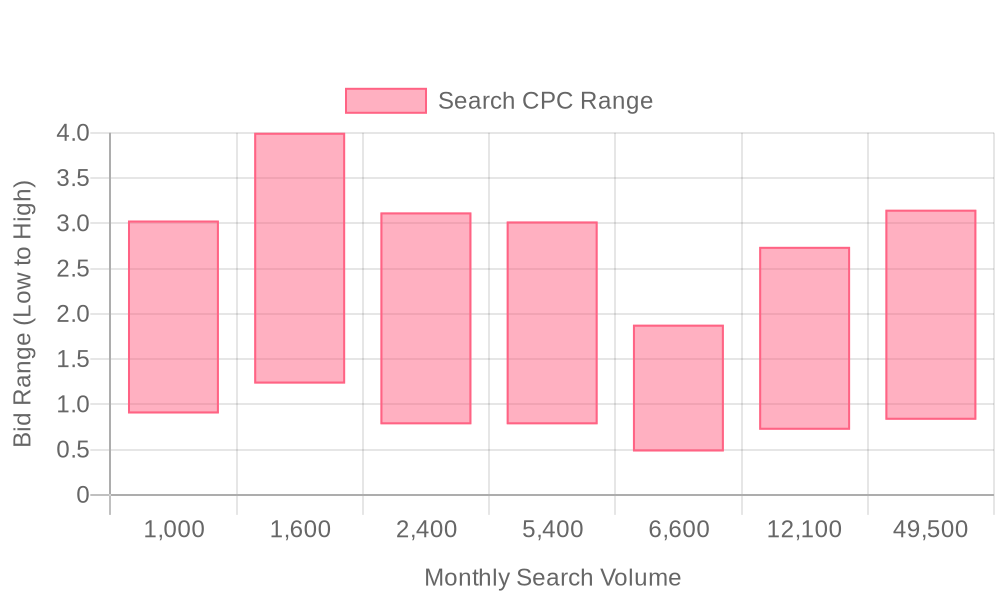
| Industry | Keyword | Monthly Search Volume | Competition Level | Low Bid | High Bid |
| Sightseeing Tours | sightseeing tours | 1000 | LOW | 0.9 | 3.03 |
| Sightseeing Tours | big bus hop on hop off | 1600 | MEDIUM | 1.23 | 4 |
| Sightseeing Tours | city sightseeing | 2400 | MEDIUM | 0.78 | 3.12 |
| Sightseeing Tours | hop on hop off bus | 5400 | MEDIUM | 0.78 | 3.02 |
| Sightseeing Tours | shoreline sightseeing architecture river tour | 6600 | MEDIUM | 0.48 | 1.88 |
| Sightseeing Tours | hop on hop off | 12100 | MEDIUM | 0.72 | 2.74 |
| Sightseeing Tours | sightseeing | 49500 | LOW | 0.83 | 3.15 |
High-performance Google Ads for Sightseeing Tours rely on a foundation of accurate, intent-driven keyword selection. The most successful campaigns consistently prioritize high-intent keywords such as "sightseeing tours near me," "city walking tours," or "guided museum tours today," ensuring ads surface when travelers are ready to book. For a deeper dive into optimizing keyword selection, this comprehensive article on strategies for selling tours using Google Ads outlines targeting and bidding tactics tailored to tour operators, helping to capture active demand and drive qualified traffic.
Long-tail queries provide an opportunity to reach niche audiences with specific interests, such as "private architecture tours in Chicago" or "eco-friendly boat trips Barcelona." These detailed searches often indicate travelers who have moved beyond general research, resulting in higher conversion rates and lower cost-per-click. To further refine your approach, leveraging a list of top-performing tourism-related keywords is valuable for campaign planning and keyword research.
Aligning keyword strategy with content marketing further amplifies outreach, ensuring ad messaging reinforces brand authority and matches the traveler's online journey. As audiences engage with destination guides or blog content, using Sona's Identity Resolution to identify visitor companies and segment audiences by in-market behavior lets marketers dynamically update Google Ads targeting. This real-time intelligence shifts focus to accounts showing immediate travel intent, so spend concentrates on prospects most likely to convert.
Step-by-Step Campaign Execution Framework

Step 1: Build Targeted Keyword Lists
Effective Google Ads for Sightseeing Tours campaigns begin with rigorous keyword segmentation. Group keywords by tour category, such as historical tours, city excursions, or nature experiences. Layer in local intent modifiers like "near me," "today," or destination-specific landmarks to catch travelers who are already in town and ready to book same-day or next-day. Negative keywords matter here more than in most verticals: sightseeing campaigns routinely waste spend on "free walking tours," "jobs in tourism," or research-only terms like "history of the Colosseum," so pruning these keeps budget on paying customers. Advanced visitor identification lets marketers move beyond broad anonymized segments to see which companies and accounts are engaging with specific search terms, supporting granular targeting at the keyword level.
Dynamic audience enrichment further refines targeting. As leads interact with ads and move through the funnel, real-time intent signals can trigger budget shifts toward segments showing increased booking readiness. Integrating a data platform that syncs CRM and web engagement data directly into Google Ads ensures keyword lists adapt based on live behaviors, not just static research. For a practical breakdown of keyword selection in tourism, refer to this list of top-performing tourism-related keywords for Google Ads. This real-time feedback loop eliminates lag, so only the most relevant keywords drive your clicks and conversions.
The upgrade most sightseeing tours advertisers miss is going beyond raw keyword volume to layer in intent and identity signals. By connecting website-visitor data and CRM records with Sona Marketing Measurement, you can see which specific search terms bring in the accounts and customers that actually convert, and weight your keyword and bidding strategy toward those rather than the terms with the highest search volume alone.
Step 2: Develop Compelling Ad Copy
Every successful sightseeing tour promotion hinges on ad copy that directly addresses traveler motivations and hesitations. Headlines should speak to pain points, such as limited-time availability, skip-the-line access, or expert local guides, while descriptions reinforce unique selling points like exclusive experiences or bundled discounts. Incorporate urgency and value through ad extensions, using callouts for “Today Only Discounts” or structured snippets to showcase popular attractions included in each tour.
In-market intent data enables you to dynamically adjust ad messaging as audience segments shift. With the ability to identify repeat visitors or segment by engagement depth, marketers can serve tailored offers to those most likely to convert, increasing relevance and reducing wasted impressions. Automated creative testing surfaces which headlines and offers drive the highest engagement, while CRM-integrated audience lists allow for personalized messaging based on prior bookings, inquiries, or customer lifetime value. For those new to Google Ads in the travel space, explore this introductory guide on setting up and optimizing Google Ads campaigns for tour operators.
Step 3: Design Effective Landing Pages
Landing pages must align precisely with ad keywords and promises, carrying a traveler smoothly from click to booking. Each page should answer the questions a sightseeing shopper actually has: what's included, how long it runs, whether it's refundable, and whether a guide is licensed or the operator is officially permitted to run the route. Verified testimonials, real traveler Q&As, and transparent pricing build the trust that generic stock photos can't. Fast loading times and mobile-first design matter especially here, since a large share of tour bookings happen in the moments right before or during a trip, often from a phone.
Integrated platforms can track and sync on-site behaviors, revealing not just which ads drove visits, but also which user segments engage with key booking elements. This empowers revenue teams to optimize landing page content for high-intent audiences, using conversion data from both online and offline channels. Automated audience syncing ensures that landing pages and offers dynamically update as new information and lead statuses are captured through CRM and analytics platforms. For actionable strategies, check out our collection of marketing and sales playbooks.
Step 4: Implement Data-Driven Optimizations
Ongoing campaign performance depends on continual, data-driven optimization. Smart bidding strategies, such as Target CPA or Target ROAS, use machine learning to automatically allocate spend where it drives the highest value, adapting to both seasonality and real-time demand fluctuations. Regular A/B testing of headlines, images, and calls-to-action uncovers incremental gains and surfaces what resonates best with each audience segment.
Importing offline conversion data, such as phone bookings or in-person tour purchases, into Google Ads provides a complete, unified ROI picture. This advanced attribution enables marketers to connect every touchpoint and optimize for true outcomes, not just online form fills. CRM and ad platform synchronization ensures audiences update instantly as leads progress, allowing for precise retargeting, suppression of converted customers, and ongoing funnel refinement at every stage. For a deeper dive into smart optimization strategies, see the official Google Ads Help article on best practices for setting up and optimizing campaigns.
Sona Marketing Measurement closes the gap between clicks and revenue. It captures every ad click with first-party, company-level measurement, no reliance on third-party cookies, then ties that click through UTM capture and ad-platform APIs to the actual record in your CRM, and reports ROAS by keyword and campaign instead of by last-click form fill. Feeding that revenue signal back into Smart Bidding and Performance Max compounds over time: the algorithms optimize toward booked sightseeing tours revenue, not cheap leads.
Expanding Your Sightseeing Tour Presence

Expanding your sightseeing tour business requires a multifaceted approach anchored in data-driven digital marketing and authentic local connections. Operators who blend targeted advertising with community-based initiatives routinely see increased brand visibility and a higher volume of qualified leads. For a step-by-step overview on using paid search, explore this introductory guide to Google Ads for tour operators.
- Google My Business Optimization: Claiming and optimizing your Google My Business profile amplifies your presence in local search results, making your tours more discoverable to travelers searching for immediate experiences. Enhanced listings with up-to-date photos, real-time availability, and genuine reviews attract more direct bookings and improve trust among new prospects. For additional best practices on increasing online visibility, visit our blog on marketing analytics and demand generation.
- Strategic Influencer and Partner Collaborations: Building alliances with travel influencers and local tourist boards can rapidly expand your network. These partnerships drive organic demand, generate authentic content, and elevate your reputation, often resulting in referral traffic with above-average conversion rates.
- Region-Specific Campaign Customization: Tailoring digital campaigns to specific locations or demographics ensures messaging resonates with the right audience. Custom ad creatives, regional offers, and language localization signal relevance, while audience segmentation based on travel habits increases the likelihood of capturing high-value bookings.
- Search Data and Content Intelligence: Analyzing keyword trends and search intent enables you to identify emerging traveler preferences and seasonal opportunities. By integrating these insights into your campaign and content strategy, you maintain engagement with potential guests even outside peak seasons, nurturing a pipeline of future bookings.
Harnessing the full potential of Google Ads for sightseeing tours means integrating precise audience targeting, real-time intent signals, and CRM-based data enrichment. Marketers who employ unified data platforms can pinpoint high-intent visitors, adjust spend dynamically based on in-market behaviors, and sync enriched audience segments directly with their ad campaigns. This closed-loop approach keeps advertising agile, efficient, and tied to actual business outcomes, laying the foundation for sustainable growth and a commanding presence in the travel marketplace.
Beyond Google Ads: Winning the AI Answers Sightseeing Tours Buyers Now Trust
Paid search captures demand at the moment someone types a query. But a fast-growing share of sightseeing tours buyers no longer start at Google at all, they ask ChatGPT, Gemini, or Perplexity before they ever run a search, and Google's own AI Overviews increasingly summarize an answer above the traditional results. If your business isn't referenced in those AI answers, you're invisible at the exact moment buyers build their shortlist.
Sona AI Visibility shows where your business shows up across ChatGPT, Gemini, Perplexity, Google AI Overviews, and 10+ engines, and, much like a keyword report, which prompts actually send you buyers, so you can prioritize the ones that convert. Run the two together and you cover the entire buyer path: get cited where buyers research (AI Visibility), then prove which of that demand turns into booked revenue (Marketing Measurement).
Helpful resources
Conclusion
A sightseeing tour operator doesn't need a bigger budget to win at Google Ads, they need tighter alignment between keyword intent, ad creative, and what happens after the click. Get the targeting, the landing page, and the tracking working together, and the same spend that once produced a trickle of anonymous form fills starts producing booked tours you can trace back to the search term that started it.
The operators pulling ahead right now are the ones treating Google Ads as one instrument in a connected system, tied to their CRM, their landing pages, and their AI visibility, rather than a standalone spend line. That connection is what turns a seasonal traffic spike into a durable base of repeat and referred travelers.
Now is the time to act. Start for free to see how unifying your marketing data turns Google Ads clicks into bookings you can measure.
FAQ
What are the best practices for using Google Ads in the travel industry?
Best practices include precise keyword targeting, creative alignment with landing pages, performance tracking, and integration with broader marketing efforts to ensure ads reach high-intent audiences and drive conversions.
How can I optimize my Google Ads for sightseeing tours?
Optimization involves targeting high-intent keywords, using audience segmentation, creating compelling ad copy, designing effective landing pages, and utilizing data-driven performance tracking and bid adjustments.
What budget should I allocate for Google Ads for sightseeing tours?
Budget allocation should be dynamic, focusing on high-intent keywords and adjusting in real-time based on audience engagement and conversion signals to ensure optimal ROI.
How do I measure the success of my Google Ads campaigns?
Success is measured through advanced conversion tracking, online/offline attribution models, and integrating CRM data to attribute bookings to specific ad campaigns, ensuring comprehensive ROI analysis.
What keywords should I target for sightseeing tours in Google Ads?
Target high-intent keywords like 'best sightseeing tours in [location]' or 'guided city tours near me' and consider long-tail keywords for niche experiences to capture ready-to-book travelers.







