


Television retailers live and die by timing: a buyer searching for a new TV or installer today is often ready to purchase within days, not months. Google Ads lets you meet that buyer at the exact moment of intent, whether they're comparing 4K models, pricing out a home theater install, or searching "TV installation near me" after a big-game purchase falls through. This guide walks through how to build campaigns, align them with landing pages and CRM data, and use audience insights to track a sale from first click to final invoice, so no high-value prospect gets lost in the noise of a crowded, seasonal market.
How to Generate Leads for Television Retail Services with Google Ads: A Step-by-Step Guide

Success in television retail hinges on the ability to precisely reach in-market buyers across every digital touchpoint. Revenue teams can unlock a significant edge by integrating cross-channel data, refining audience selection, and leveraging real-time insights to convert high-value prospects before competitors do.
This framework provides a data-driven pathway for launching and optimizing Google Ads for Television Retail Services. It covers keyword targeting, landing page alignment, performance maximization, and seamless integration between your ad campaigns and broader marketing ecosystem. Each step ensures refined segmentation, meaningful engagement, and measurable ROI, critical for television retailers facing complex buying cycles and high-ticket transactions. For more on cross-channel marketing analytics, explore our in-depth blog articles.
- Targeting strategies using industry-specific keywords and segmentation: Effective targeting for Google Ads for TV sales begins with in-depth keyword research and granular audience segmentation. By mapping out search intent related to home entertainment, installation, and TV deals, marketers can isolate high-value segments such as tech enthusiasts, home renovators, and in-market shoppers. Sona's Identity Resolution helps revenue teams identify the companies behind anonymous website visits, allowing for hyper-targeted retargeting and nurturing workflows. Dynamic audience lists update in real time, ensuring campaigns always reflect current buyer stages and intent signals.
- Techniques for high-converting landing pages: Landing pages aligned with ad creative accelerate lead capture and qualification. For television retailers, this means integrating product highlights, installation offers, and trust signals within the first fold of the page. Early lead capture forms, paired with behavioral tracking, allow marketers to identify interest even from anonymous visitors. Platforms that bridge the gap between paid traffic and CRM ensure that qualified leads are immediately enriched and routed to sales or automated nurture sequences, reducing time-to-contact and increasing close rates. Get step-by-step tactics for optimizing conversions in our actionable playbooks.
- Performance optimization to maximize ROI and conversion rates: Continuous optimization is essential in digital marketing for TV retailers. Marketers can leverage advanced conversion tracking to attribute every offline and online touchpoint, ensuring accurate ROI assessment for each campaign. Real-time intent data helps shift budget towards high-converting accounts, focusing spend on prospects most likely to purchase premium TVs or bundled services. Automated bidding strategies, informed by unified data, improve efficiency and protect margins across fluctuating media costs.
- Cross-channel integration for consistent engagement: Integrating Google Ads for home entertainment retail into a broader marketing stack eliminates silos and creates a unified journey for buyers. Syncing enriched audiences and conversion data directly with platforms like HubSpot or Salesforce ensures that every prospect receives consistent messaging and timely follow-up, regardless of their entry point. This holistic approach maximizes engagement and positions television retailers to capture demand across every stage of the funnel, from awareness to purchase.
Why Google Ads Matter for Television Retail Services Businesses

Television retail services operate in a fast-moving, highly competitive landscape where reaching motivated buyers at the right moment drives tangible revenue impact. Digital channels, especially Google Ads, give marketers direct access to audiences actively searching for TV installation, upgrades, and premium home entertainment solutions. Leveraging visitor identification enables teams to recognize not just anonymous traffic but also the companies and individuals most likely to purchase, ensuring budget and messaging are concentrated on the highest-value prospects.
- Captures active, high-intent buyers: Google Ads allows retailers and installers to intercept buyers as they search for specific TV products, installation services, or related accessories. This approach ensures visibility during critical decision points, supporting both brand discovery and bottom-of-funnel conversions. Integrating advanced data enrichment and real-time audience segmentation enables precise targeting, so your campaigns focus on prospects most likely to convert.
- Drives high-margin project acquisition: For television retail services, the ability to land premium installations and large-scale upgrades often separates growth leaders from the rest. Google Ads helps identify and attract prospects looking for top-tier solutions, such as custom home theaters or smart TV integration, by leveraging precise targeting options. Connecting real-time intent data with campaign management lets marketers shift spend toward accounts showing meaningful engagement, increasing the share of high-margin deals captured before competitors can react.
- Delivers results during peak periods: Sales cycles in television retail often spike around major sporting events, product launches, or holiday seasons. Google Ads enables instant campaign deployment and message updates to capitalize on these demand surges. Closed-loop analytics, enhanced by unified data platforms, provide the feedback loop needed to optimize for speed and relevance, ensuring follow-up happens at the moment buying intent is highest, and no opportunity slips through the cracks due to slow response.
- Expands reach into new and emerging markets: As consumer preferences shift and new technologies gain traction, television retailers need flexible strategies to test and penetrate emerging segments. Google Ads offers granular location, demographic, and behavioral targeting, supporting tailored campaigns for new geographic or audience segments. By flagging website visitors and building intent-based audiences, teams can deliver relevant ads to those showing early interest and nurture these audiences as they progress from research to purchase.
- Enables full-funnel analytics and attribution: The complexity of television retail sales, often involving both online research and offline consultation, makes accurate measurement essential. Google Ads integrates with closed-loop measurement solutions, tracking the customer journey from click to contract. When CRM and ad platforms are seamlessly connected, enriched lead and account data flow into marketing workflows, allowing for comprehensive attribution, improved ROI analysis, and continuous optimization of budget across channels. This approach reduces the risk of missed opportunities and ensures every lead is engaged based on real potential, not just surface-level activity.
Common Types of Google Ads Campaigns for Television Retail Services

- Search Campaigns: Search campaigns capture high-intent prospects actively seeking TV purchases, installations, or home entertainment upgrades. These campaigns ensure you appear at the precise moment buyers are making purchasing decisions, minimizing missed opportunities and maximizing qualified lead flow. By integrating advanced visitor identification, marketers can connect anonymous search traffic to real accounts, further refining targeting and optimizing budget allocation. For an overview of platform features and solutions, explore Google Ads overview.
- Display Ads: Display ads keep your brand visible across websites and platforms frequented by TV shoppers and home tech enthusiasts. Consistent visual messaging reinforces awareness and supports other digital marketing for TV retailers, helping to build preference before the buyer even enters the sales funnel. When display targeting leverages real-time intent data, budgets shift dynamically toward segments showing the strongest engagement, improving efficiency and driving higher Google Ads ROI for TV retailers. For more strategies, review our marketing analytics blog.
- Video Ads: Video ad formats allow retailers to showcase new television models, highlight unique features, or demonstrate installation processes in a compelling, visual format. This approach not only increases engagement but also educates buyers, accelerating purchase decisions and cross-sell opportunities. When audience lists update dynamically as leads interact with video content, remarketing efforts stay relevant and personalized throughout the buying journey. Dive deeper into optimizing your video ad strategy with our ABM guide.
- Remarketing: Remarketing campaigns reengage shoppers who previously visited your site or abandoned their cart, reducing churn and nurturing them back into the sales funnel. By syncing enriched audience segments from CRM and sales data into Google Ads, you ensure that re-engagement campaigns are always targeting the most promising opportunities. This approach is especially effective for PPC campaigns for TV installation businesses where the sales cycle often involves multiple touchpoints. Discover more actionable tactics in our B2B marketing playbooks.
- Assets: Ad assets (formerly called extensions) provide additional information that builds trust and credibility, such as customer reviews, pricing, certifications, or service details. These enhancements encourage deeper engagement and drive higher click-through rates by offering the transparency buyers demand. When conversion data from all touchpoints feeds directly into campaign optimization, assets can be tailored to audience segments with the highest likelihood of conversion, further improving Google Ads optimization for retail and boosting campaign performance.
Where to Find Growth Opportunities?
Smart television retailers achieve outsized growth by identifying and capitalizing on high-intent buyer signals early in the digital journey. Success hinges on precision targeting, market intelligence, and real-time insights that translate web activity into actionable sales opportunities.
- Vertical keyword targeting for specialized services: Deploying vertical keyword targeting for Google Search Ads lifts visibility and draws in high-value prospects who are actively researching TV purchases, installations, or upgrades. By aligning campaigns with intent-rich search terms like "home entertainment installation," "4K smart TV setup," or "commercial TV display solutions," advertisers capture buyers at the moment of need. Real-time behavioral insights enable marketers to dynamically adjust budgets and messaging to high-converting segments, ensuring each dollar delivers measurable impact.
- Competitor gap analysis to elevate positioning: Analyzing competitors' ad presence and keyword gaps prevents wasted spend and uncovers lucrative market whitespace. With advanced data unification, teams can pinpoint where rival TV retailers are under-invested or missing key audience segments. This empowers revenue teams to allocate spend strategically, dominate underserved niches, and intercept demand before it converts elsewhere. Integration with in-house data platforms ensures ongoing optimization as market conditions evolve.
- Industry-specific placements and CRM integration: Targeting placements on forums and digital communities dedicated to television products, home theater enthusiasts, and B2B electronics buyers drives qualified traffic beyond search. When enriched audience data flows seamlessly from web interactions into CRM systems, retailers gain a unified customer view and can track conversions across online and offline touchpoints. Dynamic audience sync keeps remarketing lists up to date as leads progress from initial inquiry to purchase, powering personalized follow-ups and boosting Google Ads ROI for TV retailers.
How to Apply Audience Segmentation for Television Retail Services

Audience segmentation is essential for maximizing the impact of digital marketing for TV retailers. Precise segmentation allows revenue teams to allocate spend efficiently, ensuring that messaging and offers align with the distinct needs of each sub-group, such as residential consumers interested in home entertainment versus procurement officers sourcing bulk displays for corporate environments. TV retail marketers seeking robust advertising solutions can gain an overview of Google Ads platform features designed to support targeted campaigns for diverse audience segments.
- Define target segments: Segmenting audiences by buyer type, such as home buyers seeking the latest entertainment systems and corporate offices requiring large-scale TV installations, tailors messaging for maximum relevance. Each segment receives creative and promotional content mapped to their decision criteria, increasing engagement and conversion rates. For additional strategies on targeting distinct B2B and B2C buyers, review this account-based marketing guide.
- Use intent signals: By leveraging real-time behavioral data, marketers can distinguish between those casually browsing TV models and those displaying high purchase intent, such as revisiting high-value product pages or using financing calculators. This enables rapid prioritization of budget and follow-up, optimizing Google Ads for TV sales and improving campaign ROI.
- Ad Groups tailored for each segment: Custom ad groups for each audience segment ensure that search, display, and retargeting campaigns deliver consistent, segment-specific messaging across all channels. With Sona's audience platform integrated, audience lists update dynamically as leads advance through the funnel, so every touchpoint reflects current buyer status and intent.
- Integration with CRM systems: Efficient CRM integration ensures that audience and engagement data sync seamlessly between Google Ads and sales teams, minimizing lag and reducing lost opportunities. Marketers benefit from the ability to sync enriched leads and audiences directly into CRM and ad platforms, preserving valuable context for timely, relevant outreach before competitors can act.
With this approach, TV retail marketers can build comprehensive audience profiles, synchronize segmentation across channels, and drive more efficient, targeted engagement throughout the buying journey. For deeper insights into retargeting, explore retargeting strategies tailored for electronics retail. Ready to optimize your segmentation and ad targeting? Get started for free with Sona.
This is also where measurement changes the economics. With Sona Marketing Measurement you can identify the companies and buyers behind your ad clicks, not just anonymous sessions, and segment audiences by who actually becomes a customer. That lets you build bid adjustments and audience signals around the segments that convert and de-prioritize the ones that don't, so you feed Google's algorithms "this click became a paying television retail services customer" instead of just "someone filled out a form."
Keyword Strategy & Sample Target Terms
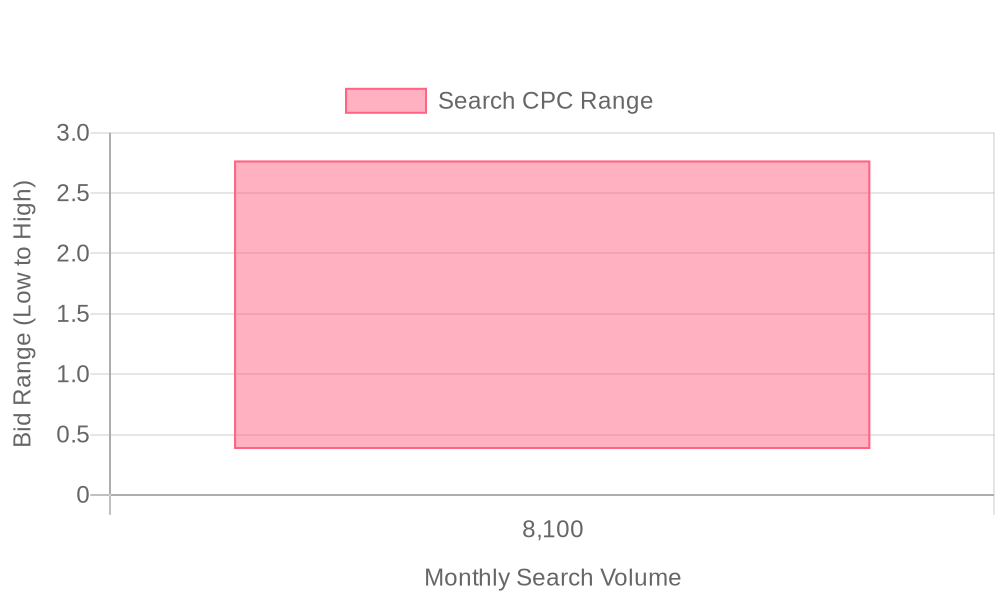
| Industry | Keyword | Monthly Search Volume | Competition Level | Low Bid | High Bid |
| Television Retail Services | television shop near me | 8100 | HIGH | 0.38 | 2.77 |
A precise keyword strategy elevates digital marketing for TV retailers by capturing high-intent searches at the exact moment customers are ready to engage. Integrating Google Ads platform into a multi-channel approach maximizes reach, enabling brands to intercept buyers searching for TVs, installations, or related home entertainment services.
- Strategic Value: Aligning search intent with campaign targeting ensures budget is spent only on audiences with a genuine interest in television retail, installation, or service offerings. This focused approach drives quality leads, reduces wasted ad spend, and amplifies the effectiveness of both online and offline campaigns. For additional best practices in marketing analytics and audience targeting, visit our blog.
- Precision Targeting: Leveraging advanced audience segmentation, television retailers can pinpoint customers searching for specific models, installation help, or home entertainment upgrades. Going beyond generic demographic data, marketers can use real-time intent signals and enriched visitor profiles to identify which visitors or companies are most likely to convert, ensuring no high-value prospect slips through the cracks.
- Measurable ROI: Accurate tracking from ad click to in-store or online purchase means every marketing dollar is accountable. Advanced conversion tracking, including offline attribution, provides a comprehensive view of the customer journey. B2B revenue teams can connect online engagement data with CRM records, revealing true revenue impact and informing future strategy.
- Channel Synergy: Google Ads for TV sales works seamlessly with other digital and offline touchpoints, enabling tactics such as remarketing to website visitors, syncing CRM audiences for follow-up, and reinforcing brand messaging across the funnel. Dynamic audience updates ensure that campaigns automatically adjust as leads progress, supporting consistent engagement while minimizing redundancy and wasted impressions. For more on optimizing retargeting strategy, see retargeting strategies.
Step-by-Step Campaign Execution Framework
Step 1: Build Targeted Keyword Lists
Precision in keyword targeting is fundamental for Google Ads platform features. Start by clustering keywords based on specific service types: TV sales, installation packages, and tech support. This segmentation enables more relevant ad delivery and ensures that each ad group addresses a distinct audience need.
Incorporate local intent modifiers such as neighborhood names, city references, or "near me" phrases to capture high-intent, geographically relevant searches. Prioritize long-tail queries that signal purchasing intent, while using negative keywords to filter out unrelated searches and minimize wasted spend. Align your keyword strategy with content initiatives to bridge any disconnects between ad messaging and on-site experiences, maximizing the potential of every inbound inquiry. For teams leveraging unified data platforms, connecting intent signals directly with keyword lists ensures that budget is continually allocated to geographically relevant searches with the highest conversion probability.
The upgrade most television retail services advertisers miss is going beyond raw keyword volume to layer in intent and identity signals. By connecting website-visitor data and CRM records with Sona Marketing Measurement, you can see which specific search terms bring in the accounts and customers that actually convert, and weight your keyword and bidding strategy toward those rather than the terms with the highest search volume alone.
Step 2: Develop Compelling Ad Copy
Crafting ad copy for television retail services demands a sharp focus on customer pain points and immediate needs. Headlines should address common frustrations, such as installation delays or outdated technology, to resonate quickly with searchers. Incorporate value propositions like exclusive certifications, same-day setup, or extended warranties to build immediate trust.
Use urgency-driven calls-to-action, such as "Book a Demo Today" or "Get Your Free Quote Now," to prompt prospects at the critical decision phase. Coordinate ad messaging across all digital touchpoints, website, email, and remarketing ads, to provide a seamless, trustworthy experience. By integrating first-party behavioral insights, teams can adapt ad copy in real time to reflect changing interests, ensuring that each impression meets the prospect's current stage in the buying journey. For more strategies, explore our library of actionable playbooks.
Step 3: Design Effective Landing Pages
A successful Google Ads strategy for TV sales and installation hinges on landing pages that mirror ad messaging and keyword intent. Create a 1:1 alignment between keywords, ad copy, and landing page content to boost quality scores and reduce drop-offs. For additional insights on optimizing ad campaigns, refer to the Google Ads services overview. This clarity eliminates confusion and ensures visitors immediately see solutions tailored to their needs.
Leverage ROI calculators and authentic customer testimonials to build credibility and demonstrate value. Fast engagement is crucial: connect lead forms directly with your CRM to capture and route inquiries without delay. When platforms sync visitor data and engagement intent to sales systems, follow-up can be personalized and immediate, resulting in higher close rates and a smoother customer journey. Real-time audience enrichment ensures that leads entering through these landing pages are automatically updated and nurtured as they progress through the funnel, powering remarketing and ongoing personalization.
Step 4: Implement Data-Driven Optimizations
Continuous improvement is key in digital marketing for TV retailers. Regularly monitor conversion metrics to refine bidding strategies, ensuring advertising spend is focused on the highest-performing segments. Use performance data to adjust keyword bids, pause underperforming ads, and reallocate budget toward campaigns that consistently deliver results. For more information on advanced TV advertising, see how Google Ad Manager enhances TV campaigns.
Test new creative assets and landing page layouts to elevate engagement rates and maintain messaging consistency. By connecting campaign performance data with sales outcomes, teams gain a holistic view of what drives ROI, including both online and offline conversions. Platforms that unify ad and CRM data enable advanced attribution, so marketing and sales teams can confidently measure the true impact of each campaign and optimize for lifetime value, not just last-click results. If you're ready to optimize your campaigns, get started for free with Sona.
Sona Marketing Measurement closes the gap between clicks and revenue. It captures ad clicks with first-party measurement, ties that activity through UTM capture and ad-platform APIs to the account record in your CRM, and reports ROAS by keyword and campaign instead of by last-click form fill. Feeding that revenue signal back into Smart Bidding and Performance Max compounds over time: the algorithms optimize toward booked television retail services revenue, not cheap leads.
Tips on Expanding Your Television Retail Services Presence
Modern television retailers can unlock new revenue streams by strategically cross-promoting video tutorials, bolstering both brand credibility and ongoing engagement. By delivering post-purchase content to recent buyers or retargeting site visitors with setup guides, businesses maintain top-of-mind relevance and foster long-term loyalty. For additional actionable strategies, explore the Sona playbooks.
Audience segmentation based on CRM and behavioral data is essential for crafting personalized upsell campaigns. Integrating enriched audience data directly from your CRM into Google Ads ensures that each ad impression is informed by a customer's unique engagement history, increasing the likelihood of conversion. As leads progress through the sales funnel, dynamic audience updates help keep messaging relevant, maximizing upsell and cross-sell opportunities with minimal waste.
Collaborative advertising with tech industry associations can expand your reach while optimizing budgets. Joint campaigns with partner brands or associations enable access to shared audiences and co-branded content, minimizing marketing silos and creating synergistic value. Marketers who integrate real-time intent data and visitor identification can focus spend on high-converting accounts, further improving campaign ROI.
Customizing content to underserved geographic regions drives incremental growth by reaching untapped prospects. Deploying localized digital marketing for TV retailers, such as tailored search and display ads, ensures no potential customer is overlooked. Leveraging unified data platforms allows for granular attribution, connecting online and offline conversions to specific campaigns for actionable optimization. Hyperlocal targeting combined with robust attribution capabilities ensures every marketing dollar is accountable and every audience receives relevant messaging.
Beyond Google Ads: Winning the AI Answers Television Retail Services Buyers Now Trust
Paid search captures demand at the moment someone types a query. But a fast-growing share of television retail services buyers no longer start at Google at all, they ask ChatGPT, Gemini, or Perplexity before they ever run a search, and Google's own AI Overviews increasingly summarize an answer above the traditional results. If your business isn't referenced in those AI answers, you're invisible at the exact moment buyers build their shortlist.
Sona AI Visibility shows where your business shows up across ChatGPT, Gemini, Perplexity, Google AI Overviews, and 10+ engines, and, much like a keyword report, which prompts actually send you buyers, so you can prioritize the ones that convert. Run the two together and you cover the entire buyer path: get cited where buyers research (AI Visibility), then prove which of that demand turns into booked revenue (Marketing Measurement).
Helpful resources
Conclusion
The retailers who win the next few years won't just outbid competitors on "TV installation near me," they'll be the ones whose Google Ads spend is disciplined by real revenue data and whose brand shows up when buyers ask an AI assistant for a recommendation before they ever type a search query. Treat paid search, measurement, and AI visibility as one connected system, and your ad budget starts compounding instead of just converting.
To put these strategies to work, start for free and see how unified data and clear attribution can sharpen every campaign you run.
FAQ
How can I set up Google Ads for my television retail business?
To set up Google Ads for your television retail business, start by conducting in-depth keyword research and segmenting your audience. Create targeted ad campaigns focused on TV sales, installation services, and home entertainment solutions. Align your landing pages with ad creative to improve lead capture and integrate your campaigns with broader marketing efforts for measurable ROI.
What are the best practices for Google Ads in the television retail industry?
Best practices include precise audience targeting using industry-specific keywords, creating high-converting landing pages, leveraging advanced conversion tracking, and integrating cross-channel marketing efforts to maximize engagement and ROI.
How can I target the right audience with Google Ads for my TV retail services?
Target the right audience by using granular audience segmentation based on buyer intent, leveraging real-time data insights, and identifying high-value segments such as tech enthusiasts and home renovators. Use dynamic audience lists to ensure campaigns reflect current buyer stages and intent signals.
What is the average cost for Google Ads in the television retail sector?
The article does not specify an average cost for Google Ads in the television retail sector, as costs can vary based on factors like keyword competition, targeting strategies, and campaign objectives.
How can I measure the success of my Google Ads campaign for television retail services?
Measure success by tracking conversion metrics, using advanced conversion tracking for both online and offline touchpoints, and analyzing ROI through integrated CRM and marketing platforms to ensure accurate attribution.
What types of ads work best for television retail services on Google Ads?
Effective ad types include search campaigns for high-intent prospects, display ads for brand visibility, video ads to showcase products, and remarketing campaigns to reengage previous site visitors.
How can I optimize my Google Ads for better conversion rates in TV retail?
Optimize by continuously refining keyword targeting, ad copy, and landing page alignment. Use advanced conversion tracking to shift budgets towards high-converting accounts and test new creative assets regularly.
Are there any specific Google Ads features that are particularly useful for TV retailers?
Useful features include real-time audience insights, advanced conversion tracking, dynamic audience lists, and integration with CRM systems to ensure precise targeting and timely follow-up.
What are some successful case studies of Google Ads in the television retail industry?
The article does not provide specific case studies but emphasizes the importance of precise targeting, audience segmentation, and integration with marketing platforms for success in the television retail industry.
How can I integrate Google Ads with my existing TV retail marketing strategy?
Integrate Google Ads by aligning ad campaigns with your overall marketing strategy, using cross-channel data to refine targeting, and syncing audience and conversion data with CRM systems for consistent messaging and follow-up.







