TV advertising has long meant broad reach and blunt targeting: a national or regional spot, a rough demographic guess, and a wait for sales lift to show up weeks later. Google Ads changes that calculus by putting precise targeting and measurable ROI behind screens people already watch, including YouTube TV and Google TV. Pairing the two lets brands keep TV's reach while adding the accountability of digital, closing the gap between a household seeing an ad and a buyer taking action.
How to Generate Google Ads for TV Advertising Leads: A Step-by-Step Guide
B2B marketing teams looking to maximize the effectiveness of Google Ads for TV advertising must adopt a methodical, data-driven approach. Precision comes from unifying intent signals, audience data, and campaign analytics, ensuring every advertising dollar is allocated toward high-value targets. Integrating digital and TV channels unlocks new opportunities for personalized engagement, driving measurable outcomes in brand awareness and lead generation.
- Identify Key Objectives: TV advertising campaigns often serve two different masters at once, brand lift for a broad audience and qualified leads or sales from a narrower one, so decide upfront which one this campaign is built to win. That choice determines everything downstream: creative length, bidding strategy, and how success gets measured. Sona's Identity Resolution lets marketers enrich their view of each account, helping close the loop on attribution and preventing wasted spend on households or businesses that were never going to buy.
- Develop Targeting Strategy: TV advertising has moved past broad demographics toward granular segmentation built on interests, behaviors, and in-market signals, the kind that spikes ahead of upfront buying season or around major sporting and awards events. Solutions that identify companies visiting your website reveal which accounts are actively engaging, sharpening lookalike and retargeting audiences. Recognizing engaged companies in real time lets marketers shift budget toward audiences with proven intent, improving efficiency and cutting the cost of Google TV ads by avoiding wasted impressions.
- Create Engaging Video Content: Succeeding with Google Ads for video in the TV environment demands concise storytelling and immediate value delivery. The most effective online video ads deliver a compelling message within the first five seconds, tailored to the context and preferences of the viewer. Brands using integrated content analytics can further refine creative by tracking which themes resonate with specific segments, iterating quickly for higher engagement rates.
- Optimize Cross-Channel Integration: Digital advertising’s impact grows exponentially when TV campaigns are synchronized with online channels. Syncing CRM and ad platforms ensures that intent-rich audiences from website visits or email engagement are immediately available for TV ad placement, minimizing latency and message fragmentation. For a step-by-step walkthrough on integrating Google TV ads into YouTube campaigns, review this guide to integrating Google TV ads into YouTube campaigns for expanded connected TV reach.
- Set Up Tracking for Results Measurement: Accurate tracking is foundational to measuring the return on investment for TV advertising. By combining Google Analytics with real-time conversion and attribution data, marketers gain visibility into both online and offline actions following ad exposure. When audience and conversion data flow seamlessly between Google Ads, Salesforce, and marketing automation platforms, teams can continuously refine campaigns and prove the incremental impact of TV placements on pipeline and revenue.
Combining CRM account enrichment with predictive buying stages makes every touchpoint in a Google Ads campaign for TV actionable and measurable. Revenue teams that unify this data get sharper TV advertising strategies, capturing high-intent leads without overspending across the digital ecosystem. Ready to see results? Get started for free with Sona.
Why Does Google Ads Matter for TV Advertising?

Modern TV advertising demands adaptability, precision, and full-funnel insight. Google Ads empowers revenue teams to move beyond broad, generic TV spots and instead reach defined audiences based on behavioral signals and demographic criteria. This shift allows brands to deliver relevant online video ads directly onto connected TVs, optimizing engagement and reducing wasted ad spend. For a step-by-step walkthrough on expanding your connected TV reach, see this guide to integrating Google TV ads into YouTube campaigns.
- Advanced Targeting: Traditional TV buys cast a wide net, but digital platforms like Google Ads enable granular segmentation by interest, intent, and previous engagement. When combined with robust visitor identification, marketers can pinpoint high-value viewers, matching ads to the right households or even specific companies. Synchronized first-party data ensures that audiences are dynamically updated, so messaging always matches the viewer’s current stage in the buyer journey.
- Real-Time Adjustments: Unlike legacy TV ad schedules, Google Ads for TV Advertising supports on-the-fly changes. Campaign managers can pause, shift, or reallocate budget based on live performance metrics, quickly responding to market trends or acute shifts in audience intent. Leveraging real-time behavioral data, revenue teams can focus spend on in-market accounts, improving conversion rates and overall campaign effectiveness.
- Cost-Effectiveness: Digital TV ad budgets are trackable and flexible, letting teams optimize spend toward the segments that drive measurable results. By integrating enriched audience data and syncing CRM insights directly into Google Ads, marketers can prioritize high-converting leads and suppress low-intent segments, ensuring every dollar supports pipeline growth. Transparent reporting reveals the true cost of Google TV ads and enables ongoing budget refinement.
- Integrated Analytics: Unified analytics from digital and TV channels unlock a holistic view of campaign performance. Marketing and sales teams can connect impressions, clicks, and conversions across platforms, attributing both online and offline actions to their source ads. Solutions that sync CRM and ad platform data ensure no high-intent lead is missed, while advanced conversion tracking provides accurate ROI measurement and informs future TV advertising strategies.
Common Types of Google Ads Campaigns for TV Advertising
- Video Campaigns: Video campaigns anchor Google Ads for TV advertising, carrying brand stories straight to the living room screen. Dynamic creative and visually rich storytelling keep messaging memorable and contextually relevant for CTV audiences. Aligning video content with specific segments and content genres builds recall rather than just reach. When paired with tools that unify go-to-market data, video campaigns gain audience intelligence sharp enough to identify not just anonymous viewers but the actual companies and high-value accounts tuning in. For a step-by-step approach, see this guide to integrating Google TV ads into YouTube campaigns.
- Display Ads: Display campaigns keep your brand top-of-mind across digital spaces frequented by TV viewers, such as mobile devices, tablets, and desktops. These ads reinforce messaging seen on TV, bridging the gap between passive viewing and active engagement in other environments. Advanced analytics at the account level enable teams to refine creative and targeting, ensuring display ads remain relevant as viewer interests evolve. With real-time audience enrichment, display campaigns dynamically adjust, syncing CRM data and engagement signals to optimize ad placement across all channels.
- Performance Max: Performance Max campaigns let Google's automation place ads across YouTube, Display, Search, and more from a single campaign, using whatever combination of inventory and audience is predicted to convert. For TV advertising specifically, this can mean surfacing a prospect on YouTube TV one day and in search results the next, all optimized against a single conversion goal. Feeding Performance Max with enriched, account-level conversion data (rather than just form fills) is what keeps its automated bidding aimed at real buyers instead of cheap clicks.
- Search Campaigns: Search campaigns capture the intent that surfaces right after someone sees a TV spot and turns to Google to learn more, a moment worth bidding hard for. Within Search, Responsive Search Ads are the format most teams should default to, since Google tests headline and description combinations automatically to find what earns the click. Focusing on high-intent keywords tied to TV content lets brands intercept potential customers at the moment of interest. Consistently updated audience lists keep search ads relevant to users showing recent engagement, and unified data ties individual and account-level behavior back to offline outcomes. For a deeper dive into attribution, explore multi-touch attribution models.
- Remarketing: Remarketing re-engages viewers who've already interacted with your brand via TV or another digital touchpoint, nudging them toward conversion with a timely, personalized reminder rather than a cold pitch. Comprehensive, real-time visitor data keeps remarketing lists current, reflecting the latest signals as leads move through the funnel. Automated syncing between CRM, ad platforms, and audience lists keeps every remarketing touchpoint relevant and measurable, lifting engagement and ROI for TV advertising strategies.
Where To Find Growth Opportunities?

Growth in TV advertising today requires pinpointing channels and audiences that traditional approaches overlook. The most successful B2B revenue teams now move beyond broad demographic targeting, seeking data-driven signals that reveal where their message can create the greatest impact. For more on innovative marketing strategies, explore the Sona blog.
- Niche Audience Segments: Tailoring campaigns for distinct or underserved groups is essential in the connected TV landscape. Instead of relying on generic, mass-market placements, advanced marketers use granular data to identify viewers based on real-time intent signals and behavioral patterns. For example, discovering a cluster of tech decision-makers who frequently engage with streaming content enables hyper-focused ad delivery on Google TV or YouTube TV. This approach not only increases relevancy but reduces wasted impressions, directly impacting the cost of Google TV ads by ensuring each dollar is spent toward likely converters. Platforms that unify web, CRM, and ad data surface these micro-segments, allowing you to adjust creative and messaging to resonate at each stage of the buying journey.
- Competitive Analysis: Understanding competitor ad placements and targeting gaps is critical to efficient TV advertising strategies. By enriching your web analytics with visitor identification, you gain visibility into which high-value companies are exploring your site but have yet to convert. This intelligence enables teams to shift ad budgets dynamically, prioritizing accounts that show active in-market interest but are not yet saturated by rival messaging. Integrating this insight with your Google Ads for video campaigns results in sharper targeting and higher win rates, especially when synced with cross-platform efforts.
- Content Retargeting: Leveraging educational or thought leadership materials across digital advertising channels reinforces your brand while nurturing prospects. When a prospect interacts with your guides or webinars, retargeting on connected TV ensures your brand remains top-of-mind as they consume streaming content. Dynamic audience updates, triggered when prospects engage with specific content, allow for seamless message sequencing, advancing leads through the funnel without manual intervention. This strategy supports both Google TV advertising and broader online video ads, aligning with the latest buyer signals.
- Cross-Platform Strategies: Extending reach across multiple media forms keeps engagement consistent in a fragmented viewing environment. Unified audience data lets marketers orchestrate messaging across TV, web, and social, so each TV placement reflects the buyer's current stage. Real-time syncing between CRM systems and ad platforms like Google Ads gives a holistic view of performance, enabling attribution across online and offline channels. This clarifies the true ROI of a Google Ads campaign for TV and surfaces new segments and platforms worth scaling into.
How to Apply Audience Segmentation for TV Advertising
Effective TV advertising starts with audience segmentation that aligns with real viewing behaviors and business objectives. Leveraging Google Ads for TV advertising, marketers can define precise segments by combining advanced firmographic filters with deep behavioral insights, ensuring each campaign reaches the most relevant viewers at scale. For a practical walkthrough on integrating Google TV ads into YouTube campaigns and expanding connected TV reach, see this step-by-step guide.
Defining segments involves more than identifying surface-level interests. Sophisticated segmentation integrates CRM data and visitor identification, distinguishing individual companies and decision-makers within the broader audience. For more strategies on aligning segmentation with B2B objectives, explore our account-based marketing guide.
Overlaying intent signals further sharpens audience targeting. By monitoring real-time engagement and previous TV ad exposures, marketers can dynamically adjust segment membership as users progress in the buying journey. Sona surfaces intent signals so marketers can track and act on custom behavioral triggers, while official Google Ads resources detail creating and managing connected TV ad campaigns.
Ad group customization is essential for personalization at scale. For each audience segment, marketers can tailor creative assets, messaging, and calls to action, matching content to the buyer’s stage and professional context. Discover more ways to personalize outreach at scale with AI-powered tools to boost engagement and authority with decision-makers.
Robust conversion tracking closes the loop, connecting initial TV ad engagement to final outcomes, whether online demo requests, sales meetings, or offline purchases. By integrating CRM and attribution with Sona, marketers can follow the complete buyer journey from TV impression to revenue. For those ready to take the next step, get started for free with Sona and drive measurable business impact from every dollar invested in TV advertising.
This is also where measurement changes the economics. With Sona Marketing Measurement you can identify the companies behind your ad clicks, not just anonymous sessions, and segment audiences by which accounts actually become customers. That lets you build bid adjustments and audience signals around the segments that convert and de-prioritize the ones that don't, so you feed Google's algorithms "this click became a paying TV advertising customer" instead of just "someone filled out a form."
Keyword Strategy & Sample Target Terms
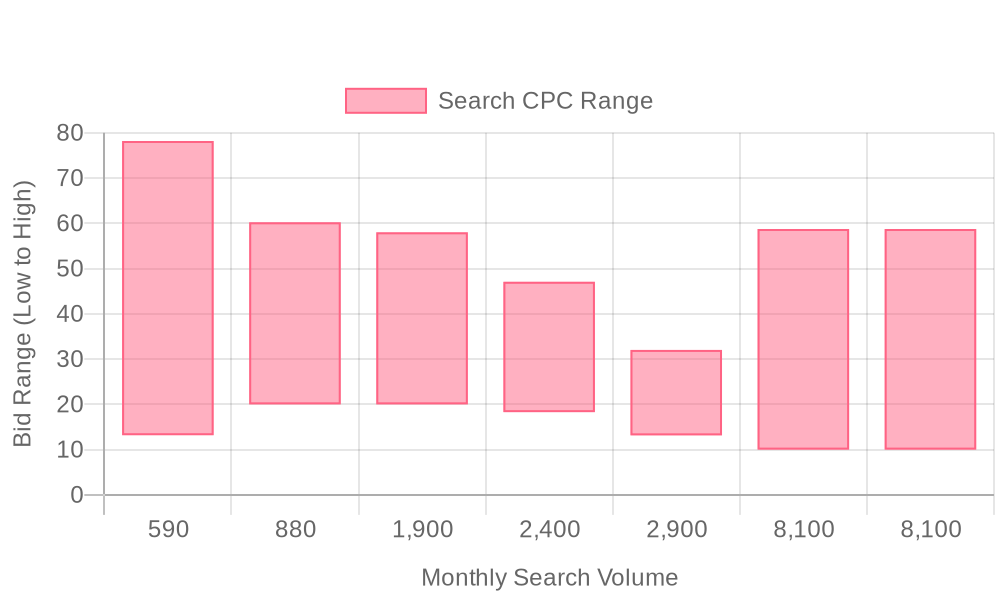
| Industry | Keyword | Monthly Search Volume | Competition Level | Low Bid | High Bid |
| TV Advertising | local tv advertising | 590 | LOW | 13.19 | 78.19 |
| TV Advertising | connected tv advertising | 880 | MEDIUM | 20 | 60.22 |
| TV Advertising | ott advertising | 1900 | MEDIUM | 20 | 58.01 |
| TV Advertising | ctv advertising | 2400 | MEDIUM | 18.29 | 47.08 |
| TV Advertising | connected tv | 2900 | MEDIUM | 13.16 | 32.02 |
| TV Advertising | tv advertising | 8100 | LOW | 10 | 58.74 |
| TV Advertising | tv ads | 8100 | LOW | 10 | 58.74 |
Effective keyword strategy in TV advertising hinges on aligning campaign terms with the evolving ways audiences consume digital and streaming content. By integrating target terms such as "google tv advertising," "youtube tv ads," and "google ads for video," marketers can ensure their campaigns are discoverable where viewers actively engage with online video ads on connected devices. This approach drives relevance, improves Quality Scores, and positions ads in front of high-intent audiences at the moments that matter most. For a deeper dive on connected TV ad options, see this news overview of Google’s new connected TV ad placements.
Keeping keyword lists dynamic is essential. Revenue teams benefit from using real-time intent signals to refine keyword groups based on live search behavior and content interaction. For example, incorporating terms like "tv advertising strategies," "targeted advertising," or "ad placement on TV" enables campaigns to surface for both broad reach and precise intent. These adjustments are most powerful when marketers can access Sona's Identity Resolution, allowing higher bid allocation to accounts with demonstrated buying signals.
A robust keyword strategy also has to account for cost-efficiency and ROI. Tracking queries like "cost of google tv ads" helps teams anticipate budget requirements and shape messaging for value-driven buyers. When campaign data flows into a unified platform enriched with CRM and offline conversion activity, teams can see which keywords drive bottom-line performance and update bidding logic accordingly, keeping advertising spend aligned with sales objectives rather than vanity metrics.
Step-by-Step Campaign Execution Framework
Step 1: Build Targeted Keyword Lists
Effective TV advertising strategies using Google Ads for TV Advertising start with intentional keyword research. Segmenting keyword lists by audience demographics and content relevance ensures each ad is delivered to viewers most likely to engage with your offer. Regularly updating these lists with precise audience intelligence keeps campaigns responsive to shifting viewer habits, resulting in more efficient spend and higher quality leads.
Negative keyword management is critical to filter out irrelevant placements and avoid wasted impressions on non-converting viewers. By leveraging unified go-to-market data, marketers can identify which keywords attract high-value accounts versus casual browsers. For a step-by-step guide to integrating Google TV ads for expanded reach, see this resource.
The upgrade most TV advertising advertisers miss is going beyond raw keyword volume to layer in intent and identity signals. By connecting website-visitor data and CRM records with Sona Marketing Measurement, you can see which specific search terms bring in the accounts and customers that actually convert, and weight your keyword and bidding strategy toward those rather than the terms with the highest search volume alone.
Step 2: Write Compelling Ad Copy
Ad copy must quickly articulate a value proposition specific to TV advertising, especially in the high-attention environment of Google TV advertising. Strong, clear messaging resonates best when combined with tailored ad assets such as sitelinks or callouts, which add depth and credibility. For more guidance on building trust and maximizing the impact of every impression, refer to this actionable playbook.
Modern campaign execution benefits from real-time data integration, allowing revenue teams to adapt messaging as in-market behaviors change. By unifying CRM and ad platform data, marketers can adjust creative to address current pain points or interests of identified accounts. Discover how to maximize campaign outcomes with Google’s official help article.
Step 3: Design Effective Landing Pages
Landing pages aligned tightly with ad creative maintain user focus and support seamless conversion paths. For TV and video campaigns, ensuring mobile responsiveness is essential, as viewers may shift from connected TVs to mobile devices for next steps. Consistent messaging across touchpoints ensures no disconnect between ad promise and landing experience, reducing bounce rates and boosting conversion potential.
Data-driven optimization of landing pages involves tracking both online interactions and offline outcomes, such as in-store visits or sales calls. By connecting these conversion signals back to the original Google Ads campaign for TV, teams can pinpoint which creative and placements yield the best ROI. For a comparison of top OTT advertising platforms to optimize your approach, explore this review.
Step 4: Apply Data-Driven Optimizations
Continuous optimization is crucial in digital advertising, particularly with the dynamic nature of Google Ads for video and YouTube TV ads. Real-world analytics reveal which placements, audiences, and creative formats generate the highest engagement and conversion rates. Marketers can shift spend toward high-performing segments, increasing campaign efficiency without guesswork.
Dynamic audiences that update automatically as leads move through the funnel make retargeting and lookalike strategies more precise. When enriched audience data is synced between ad platforms and CRMs, marketers can trigger highly relevant ads at the perfect moment. Stay updated on the latest connected TV ad placement options with this news overview.
Sona Marketing Measurement closes the gap between clicks and revenue. It captures every ad click with first-party measurement, then ties that click through UTM capture and ad-platform APIs to the actual record in your CRM, and reports ROAS by keyword and campaign instead of by last-click form fill. Feeding that revenue signal back into Smart Bidding and Performance Max compounds over time: the algorithms optimize toward booked TV advertising revenue, not cheap leads.
Tips on Expanding Your TV Advertising Presence
Expanding your TV advertising footprint requires more than higher spend or broader reach. The most effective revenue teams leverage intent signals, dynamic audience building, and integrated data to focus messaging on the segments most likely to convert.
- Utilize retargeting to strengthen educational initiatives: Modern retargeting strategies for TV advertising go beyond mere frequency. By aligning creative sequencing with intent signals, marketers can efficiently re-engage viewers who have shown high-value behaviors. With unified data from platforms like Sona, every touchpoint, whether a web visit, ad view, or offline interaction, feeds back into the audience model. This enables smarter campaign pacing and ensures that nurturing efforts are triggered at optimal moments, ultimately increasing educational impact and downstream conversions.
- Collaborate with partners or industry groups to amplify reach: Partnerships are a proven way to scale TV ad campaigns. By aligning with complementary brands or relevant industry groups, advertisers can access new inventory and mutually beneficial audience segments. When campaign data is centralized, it becomes easier to segment, activate, and measure partner-driven impressions, allowing for precise co-marketing initiatives and attribution of shared results.
- Focus on geographical and demographical specifics to enhance advertising voice: TV advertising strategies that emphasize hyper-local and demographic targeting stand out in crowded markets. By integrating real-time audience enrichment and visitor identification, B2B marketers can move from broad demographic assumptions to precise, account-based targeting. This ensures creative is tailored, increases relevance, and allows teams to allocate spend to regions and cohorts with the greatest propensity for engagement.
- Explore new content topics to enrich broader marketing endeavors: Winning teams recognize the importance of evolving creative and messaging based on real-time intent. By tracking shifts in viewer behavior and content preferences, marketers can quickly develop new video topics that speak to emerging needs. Platforms that unify digital and TV analytics allow these content pivots to be data-driven, ensuring resources are invested in concepts with demonstrated demand. For a step-by-step guide on integrating Google TV ads into YouTube campaigns for expanded connected TV reach, see how to set up Google TV ads.
Google Ads gives TV advertising a way to stay agile: the right audiences, continuously optimized creative and spend, and campaigns integrated across digital and traditional channels. Tools that keep data integrity intact and synchronize intent signals across platforms are what let these campaigns keep outperforming as the TV and digital advertising landscape keeps shifting.
Beyond Google Ads: Winning the AI Answers TV Advertising Buyers Now Trust
Paid search captures demand at the moment someone types a query. But a fast-growing share of TV advertising buyers no longer start at Google at all, they ask ChatGPT, Gemini, or Perplexity before they ever run a search, and Google's own AI Overviews increasingly summarize an answer above the traditional results. If your business isn't referenced in those AI answers, you're invisible at the exact moment buyers build their shortlist.
Sona AI Visibility shows where your business shows up across ChatGPT, Gemini, Perplexity, Google AI Overviews, and 10+ engines, and, much like a keyword report, which prompts actually send you buyers, so you can prioritize the ones that convert. Run the two together and you cover the entire buyer path: get cited where buyers research (AI Visibility), then prove which of that demand turns into booked revenue (Marketing Measurement).
Helpful resources
Conclusion
Leveraging Google Ads for television advertising, including platforms like YouTube TV and Google TV, can significantly enhance your marketing strategy by reaching a broader and more targeted audience. This approach seamlessly integrates digital advertising's precision and scalability with the expansive reach of TV, offering businesses a powerful tool to amplify their brand presence.
The advertisers who win in TV advertising over the next few years won't be the ones with the biggest reach, they'll be the ones who can prove which screen, which audience, and which creative actually produced a customer. That proof is what turns a TV budget from a brand expense into a measurable growth channel.
Ready to connect Google Ads with TV advertising outcomes you can actually measure? Start for free and see how Sona gives you the data to back every decision.
FAQ
How can I use Google Ads for TV advertising?
Google Ads can be used for TV advertising by leveraging precise targeting and measurable ROI on platforms like YouTube TV and Google TV, allowing businesses to blend online and offline efforts for enhanced reach and engagement.
What are the benefits of advertising on Google TV?
Advertising on Google TV offers advanced targeting, real-time adjustments, cost-effectiveness, and integrated analytics, enabling businesses to reach defined audiences based on behavioral signals and demographic criteria.
What is the cost of running ads on YouTube TV?
The cost of running ads on YouTube TV can be optimized by using granular audience segmentation and avoiding wasted impressions, which reduces the cost by targeting audiences with proven intent.
How does Google Ads work for television advertising?
Google Ads work for television advertising by allowing precise targeting, integration of digital and TV channels, real-time adjustments, and detailed analytics to measure ROI and optimize campaigns for better engagement.
What types of ads can I run on Google TV?
On Google TV, you can run video campaigns, display ads, search campaigns, and remarketing ads, each tailored to engage audiences across different platforms and stages of the buyer journey.