


A cracked phone screen or a dead industrial control board doesn't wait for business hours, and the shop that shows up first in a Google search often wins the job before a competitor even sees the lead. Electronic equipment repair businesses lose real revenue when high-intent visitors browse anonymously and never fill out a form. Google Ads gives these businesses a way to reach that intent directly, especially prospects who show clear interest without ever completing a lead form. This guide covers how to target the right searches, write ad copy that speaks to urgency and technical trust, and connect PPC spend to the offline outcomes, like completed repairs and booked appointments, that actually matter.
How to Generate Electronic Equipment Repair Leads with Google Ads: A Step-by-Step Guide
An effective lead generation strategy for electronic equipment repair rests on precision, timely insight, and workflows that don't drop leads between systems. B2B revenue teams in this industry need to reach decision-makers with relevant messaging the moment they're searching for repair solutions, whether that's an IT manager with a fleet of failing laptops or a facilities lead with a broken piece of industrial equipment. Sona's Identity Resolution reveals which companies are visiting your website and triggers timely follow-up for sales and marketing.
A data-driven approach combines paid search with broader marketing initiatives to maximize visibility and conversions. By integrating real-time audience data and in-market behavioral signals, teams can prioritize budgets toward high-intent accounts, lowering overall acquisition cost and accelerating qualified pipeline growth.
- Integrate paid search with marketing efforts: Coordinating Google Ads with other digital campaigns ensures messaging and targeting remain consistent across all touchpoints. This unified approach increases brand recognition and supports lead nurturing, especially when enriched CRM data is used to build audiences for both search and display initiatives. For actionable frameworks, see our marketing playbooks.
- Identify strategic electronic repair keywords: Selecting keywords specific to electronic equipment repair filters out irrelevant searches, focusing spend on prospects with a clear need. Teams benefit by moving beyond generic terms and incorporating device-specific phrases, service location modifiers, and urgency signals. Enriching keyword lists with site visitor data enables ongoing refinement and increases the share of voice among high-value segments. For ideas from industry peers, explore this Reddit PPC discussion.
- Align landing pages and creative for conversion: High-performing campaigns pair targeted ad copy with landing pages optimized for lead capture. Messaging should directly address the repair needs of B2B audiences, highlighting service quality, response time, and technical expertise. Dynamic audience sync between marketing platforms and Google Ads ensures that creative assets and offers remain relevant as prospects move through the funnel.
- Employ continuous performance optimization: Advanced marketers use real-time visitor identification and intent monitoring to shift budget toward campaigns and keywords that drive the most conversions. Integrating online and offline conversion tracking paints a complete ROI picture, supporting data-backed decisions on campaign scaling or reallocation. Google's policies on third-party repair advertising can also affect tracking and eligibility, so it's worth reviewing them periodically as campaigns scale.
- Foster cross-channel integration: Strengthening the link between Google Ads, CRM, and other digital channels increases the visibility of engaged accounts across the buying journey. Automated audience updates ensure that segments reflect the latest activity, supporting personalized retargeting and follow-up. For best practices on cross-channel marketing measurement, explore our in-depth resources.
These strategies give B2B electronic equipment repair businesses a framework for generating qualified leads through Google Ads, with performance that keeps improving as data and targeting sharpen. Get started for free with Sona.
Why Google Ads Matter for Electronic Equipment Repair Businesses
Digital marketing for electronic repair shops has become a data-driven discipline where real-time signals shape every campaign decision. Intent signals let teams reach organizations and individuals actively searching for solutions, capturing high-value leads precisely when they show need. Marketers can position their services before decision-makers at the exact moment of consideration, whether that's a business scrambling after a server failure or a facilities manager planning routine equipment maintenance.
Specialized audience targeting narrows the focus to those most likely to require electronic equipment repair. With advanced visitor identification, teams can go beyond anonymous web traffic and pinpoint the specific companies engaging with their ads. This level of targeting elevates campaign performance by ensuring that marketing spend is directed toward prospects already exhibiting purchase intent, rather than broad, inefficient audiences.
High-value services acquisition relies on identifying firms that show clear indicators of needing repair or maintenance. Google Ads strategies for electronic repair businesses, when supplemented with real-time intent data, enable marketers to instantly shift budget toward the highest-converting accounts as their status changes. This ensures that campaigns are always aligned with the most relevant and ready-to-buy prospects, facilitating rapid new business wins beyond existing client relationships.
Instantaneous demand response is crucial during peak repair periods or urgent equipment failures. Precision targeting through Google Ads allows for immediate engagement with those experiencing acute needs. Using integrated analytics and advanced conversion tracking, revenue teams can monitor engagement signals, connect online inquiries to offline sales, and optimize spend based on true ROI. This approach closes the loop from initial search to service delivery, powering faster and more measurable growth.
Emerging market expansion is unlocked with geo-specific campaigns. Marketers can deploy ads in underserved regions, aligning message and budget with localized readiness and demand. By integrating CRM and ad platforms, teams can sync enriched audiences into Google Ads for electronics repair, ensuring that each campaign leverages the most current and actionable data. This strategic approach maximizes reach while maintaining efficiency, supporting sustainable growth into new markets.
Integrated analytics drive every decision from clicks to conversions. Deep tracking of engagement, coupled with online and offline attribution, provides a granular view of which channels, keywords, and audiences produce measurable results. Refining targeting against these insights improves return on ad spend and drives more predictable pipeline growth in a competitive service sector.
Common Types of Google Ads Campaigns for Electronic Equipment Repair
- Search Campaigns: Search campaigns place your services in front of prospects searching for specific repair needs, such as "laptop screen repair near me" or "industrial equipment diagnostics." This format capitalizes on urgent intent, connecting your team directly with customers ready to act. Leveraging real-time intent signals, advanced solutions now allow targeting prospects who are not just searching, but also exhibiting behaviors that correlate with high conversion rates, ensuring budget is allocated to the most valuable accounts.
- Performance Max: Performance Max campaigns run across Search, Display, YouTube, Gmail, and Maps from a single campaign, using automated bidding to find converting customers wherever they're active. For electronic equipment repair businesses with limited time to manage separate channels, this format can surface demand, like a business searching for "emergency server repair" one day and reading reviews on Maps the next, without requiring a dedicated campaign for each surface. Feeding it strong conversion data, including offline outcomes, keeps its automation focused on real revenue rather than form fills alone.
- Display Ads: Display ads keep your brand visible throughout the research process, targeting visitors across industry news sites, tech forums, and relevant blogs. These placements reinforce your credibility and expertise, even before a user actively searches for repair services. With enhanced visitor identification, marketers can now shift from broad, anonymous impressions to recognizing key companies visiting their site, enabling more precise follow-up and nurturing.
- Video Ads: Video ads help demystify complex electronic equipment repair processes, using visual storytelling to highlight technical proficiency and customer outcomes. Whether showcasing a detailed diagnostic procedure or customer testimonials, these formats boost engagement and build trust with decision-makers. Dynamic audience syncing ensures each video campaign adapts as viewers progress from awareness to consideration, keeping messaging tightly aligned with their stage in the buying journey.
- Remarketing: Remarketing targets past site visitors who engaged but did not convert, serving tailored ads that address their hesitations or encourage them to revisit your solution. This tactic increases the frequency and relevance of your brand's touchpoints with high-potential prospects. By syncing enriched CRM data with ad platforms, remarketing audiences can update in real time, capturing new leads and nurturing existing opportunities as they move through the funnel. For peer strategies on remarketing in local repair, see this Reddit discussion on PPC for computer repair.
- Assets: Ad assets (formerly called extensions) add credibility and convenience to your campaigns, embedding contact information, service highlights, and trust badges directly within your ads. These features increase click-through rates and set your brand apart in a competitive market. Advanced conversion tracking enables accurate attribution of new contacts and service requests, measuring impact across both online inquiries and offline conversions for a true reflection of campaign ROI.
Where to Find Growth Opportunities?

Vertical keyword targeting unlocks direct access to service-specific prospects by aligning paid campaigns with the exact language customers use when searching for electronic equipment repair. This approach elevates campaign efficiency, allowing marketers to engage intent-driven audiences and reduce wasted ad spend. By identifying and utilizing long-tail variations and repair-specific queries, businesses can surface ads to those most likely to convert, such as users seeking "urgent circuit board repair" or "commercial AV equipment servicing." Integrating dynamic audience capabilities ensures messaging adapts as prospects move down the funnel, keeping engagement relevant and timely.
Competitor gap analysis reveals underserved audience segments that competitors may overlook, exposing new lanes for growth in the electronic equipment repair market. By mapping competitor keyword footprints and benchmarking their ad placements, revenue teams can pinpoint missed lead opportunities and launch campaigns targeting those niches. Syncing CRM and ad platforms allows teams to operationalize these insights, ensuring enriched audiences are activated instantly within Google Ads and retargeted with high-value offers. For more guidance, see this discussion on advertising local computer repair services using PPC.
Industry-specific placements and content retargeting further expand reach, especially among prospects who have shown initial interest but remain inactive. Display ads on relevant electronics industry forums, repair guides, and trade publications keep your brand top of mind, while content retargeting nurtures users who have engaged with technical resources or repair FAQs. Leveraging visitor identification tools, marketers can convert anonymous web traffic into actionable company-level insights, making follow-up more precise and increasing the likelihood of re-engagement.
Embedding informative assets such as downloadable leaflets, repair checklists, or whitepapers into your advertising strategy provides immediate value to potential leads. These resources attract prospects seeking actionable insights, position your brand as a thought leader, and create multiple touchpoints for conversion tracking. Advanced attribution across online and offline channels ensures marketing ROI is measured holistically, informing future budget allocation and campaign adjustments for the electronic equipment repair sector.
How to Apply Audience Segmentation for Electronic Equipment Repair
Effective audience segmentation allows electronic equipment repair businesses to maximize ad relevance, budget efficiency, and lead quality. Precision in segmenting prospective customers ensures that ad spend is directed toward buyers most likely to convert, rather than wasted on broad, low-intent audiences. For deeper insights into segmentation strategies, explore the actionable guides for optimizing campaigns.
- Define precision segments: Separate audiences by repair type, such as consumer electronics (smartphones, laptops) versus industrial equipment (manufacturing devices, specialized hardware). Consider engagement signals within each segment, such as frequency of site visits, product pages viewed, and previous service inquiries, to further refine targeting. Leveraging website visitor intelligence empowers teams to prioritize high-value segments, focusing messaging and resources on those prospects most likely to require services soon.
- Overlay intent signals: Integrate behavioral data, such as searches for device upgrades, part replacements, or troubleshooting guides, to identify prospects signaling immediate repair needs. By tracking and overlaying these intent signals on top of segment definitions, marketers can quickly adjust bids, creative, and budget allocations in real time as intent shifts. For additional peer strategies, see this Reddit discussion on PPC ideas.
- Create segment-specific ad groups: Build distinct ad groups for each core segment, customizing ad copy to address the precise pain points and decision drivers of each audience. For instance, industrial customers may prioritize rapid turnaround time and compliance, while consumer-focused ads benefit from emphasizing convenience, transparent pricing, and warranty support. Allocate budgets according to segment performance, scaling investment in audiences with the strongest click-to-lead or click-to-sale ratios. Utilizing dynamic audiences for ad targeting ensures your creative and targeting evolve automatically as prospects move through the funnel.
- Validate conversion paths and CRM integration: Ensure every audience segment has a clearly mapped conversion journey, from initial ad click to lead capture and follow-up. Integrate ad platforms with CRM systems to track responses, service requests, and offline interactions, unifying lead data for closed-loop attribution. This connection enables accurate measurement of marketing's impact and allows for seamless syncing of enriched audience data and lead details into marketing automation and sales workflows.
This granular approach to audience segmentation in Google Ads for electronic equipment repair drives better campaign performance and measurable business outcomes, ensuring that every dollar spent targets the right person with the right message at the right time. Continual refinement based on real-time data activation keeps segmentation aligned with evolving customer behaviors and market demand.
This is also where measurement changes the economics. With Sona Marketing Measurement you can identify the companies behind your ad clicks, not just anonymous sessions, and segment audiences by who actually becomes a customer. That lets you build bid adjustments and audience signals around the segments that convert and de-prioritize the ones that don't, so you feed Google's algorithms "this click became a paying electronic equipment repair customer" instead of just "someone filled out a form."
Keyword Strategy & Sample Target Terms
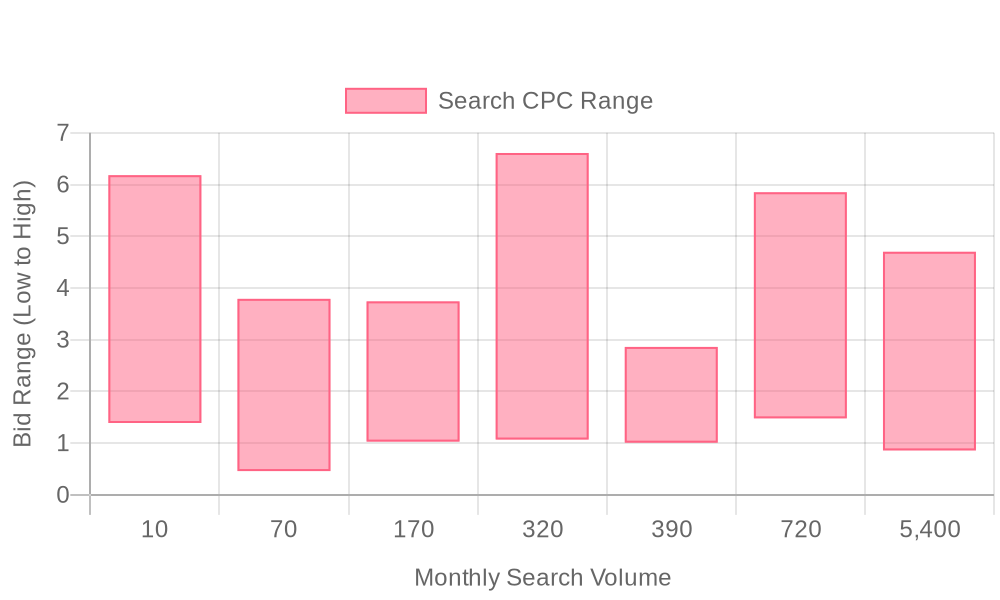
| Industry | Keyword | Monthly Search Volume | Competition Level | Low Bid | High Bid |
| Electronic Equipment Repair | circuit board testing and repair near me | 10 | LOW | 1.39 | 6.18 |
| Electronic Equipment Repair | miller welder circuit board repair | 70 | LOW | 0.46 | 3.79 |
| Electronic Equipment Repair | electronic equipment repair | 170 | MEDIUM | 1.03 | 3.74 |
| Electronic Equipment Repair | home stereo repair | 320 | LOW | 1.07 | 6.61 |
| Electronic Equipment Repair | stereo equipment repair near me | 390 | LOW | 1.01 | 2.86 |
| Electronic Equipment Repair | audio equipment repair near me | 720 | LOW | 1.48 | 5.85 |
| Electronic Equipment Repair | stereo repairs near me | 5400 | LOW | 0.86 | 4.7 |
Effective keyword strategy is the backbone of PPC for electronic equipment repair, driving targeted traffic from prospects with immediate intent to engage or purchase. High-intent keyword selection ensures campaigns reach users who actively seek repair solutions, capturing both urgent service requests and longer-term business opportunities.
- Precision targeting for high-intent buyers: Focus on search terms that indicate a clear need, such as "emergency electronics repair," "business electronics service near me," or "data recovery for office computers." These keywords capture prospects ready to take action, minimizing waste from casual browsers. For additional strategies, this Reddit discussion on PPC for local computer repair features real-world insights from industry peers.
- Strategic mix of broad and niche terms: Blend high-volume industry staples like "electronic repair services" with specialized queries such as "industrial circuit board repair" or "medical device repair solutions." This approach expands reach to both general and highly qualified leads, ensuring campaigns resonate with decision-makers across varied segments. Use real-time audience intelligence to tailor keyword lists for each market segment and maximize relevancy.
- Negative keyword filters for lead quality: Proactively exclude irrelevant searches like "DIY electronics repair tips" or "electronics repair courses" to maintain traffic relevance. Filtering out these non-commercial queries preserves budget for qualified leads, resulting in a higher conversion rate and improved ROI. Explore more tactics in our playbook for intent-driven retargeting.
With unified go-to-market data, teams move beyond surface-level keyword targeting. Real-time visitor identification pinpoints which companies and buyers are searching for repair services, allowing for precise audience segmentation. Dynamic audience updates ensure that as leads engage with ads or interact with content, targeting rules adapt, keeping campaigns focused on accounts displaying in-market purchase intent. By syncing CRM data and enriched lead profiles directly into ad platforms, marketers can ensure that only prospects matching their ideal customer profile see their offers, further elevating campaign performance. To see how these strategies can boost your PPC results, get started for free with Sona.
Step-by-Step Campaign Execution Framework
Step 1: Build Targeted Keyword Lists
Building a robust keyword list for electronic equipment repair marketing requires granular segmentation. Group keywords by core service types: smartphone repair, appliance fixes, TV screen replacement, and other specific offerings. This approach ensures every ad group connects with relevant searchers and aligns budget to the highest-value segments.
Incorporate local intent by embedding modifiers such as "near me," city names, or even specific neighborhoods within each keyword cluster. This sharply increases relevance for users looking for nearby solutions and unlocks higher conversion rates at lower cost per click. Expanding with long-tail queries (e.g., "same-day laptop screen repair downtown") further refines targeting, capturing prospects with urgent, high-intent needs. When these segmented audiences are connected to unified CRM and web data, marketers can dynamically update keyword groups and prioritize spend on audiences showing real-time in-market behavior.
The upgrade most electronic equipment repair advertisers miss is going beyond raw keyword volume to layer in intent and identity signals. By connecting website-visitor data and CRM records with Sona Marketing Measurement, you can see which specific search terms bring in the accounts and customers that actually convert, and weight your keyword and bidding strategy toward those rather than the terms with the highest search volume alone.
Step 2: Develop Compelling Ad Copy
Effective ad copy for electronic equipment repair services must swiftly address customer pain points. Highlight device downtime, reliability worries, and the inconvenience of malfunctioning tech to capture attention. Social proof, such as displaying verified customer testimonials or service guarantees, builds immediate trust and diffuses skepticism.
Creating urgency is essential for this vertical. Use time-sensitive offers like "same-day repair" or "free diagnostics this week" to drive action and differentiate from competitors. When ad platforms sync audience data with CRM sources, teams can trigger tailored offers to prospects who recently engaged or abandoned inquiries. These dynamic audience updates ensure messaging reflects each user's current stage in the buying journey, keeping campaigns relevant and conversion-focused.
Step 3: Design Effective Landing Pages
Landing page experience is a decisive factor in converting Google Ads traffic for electronic equipment repair. Every page must deliver a seamless narrative from keyword to ad to landing page, ensuring users encounter exactly the service they searched for. For example, a "laptop repair" ad should lead to a page focused solely on laptop diagnostics, parts, and turnaround options, with no distractions.
Content must be hyper-relevant by service type and location, featuring clear calls-to-action such as "Book Now" or "Get a Free Quote." Mobile optimization is non-negotiable: most repair requests originate from mobile devices, so fast load times and frictionless forms are critical. With enriched visitor identification, marketers can personalize on-site experiences for returning users, highlight previously viewed services, or pre-fill lead forms, streamlining the path to conversion.
Step 4: Implement Data-Driven Optimizations
Optimizing Google Ads for electronic equipment repair demands a rigorous, data-first approach. Use automated bidding strategies like Target CPA to maximize conversions while controlling costs. Run controlled A/B tests on ad headlines, call-to-action buttons, and layout elements to pinpoint combinations that drive the highest engagement.
Importing offline conversion data such as in-store repairs completed or phone appointments booked enables teams to iterate bidding strategies using the full customer lifecycle, not just online form fills. Refer to this Google Ads community discussion for real-world challenges and solutions other repair marketers have faced. With advanced attribution and CRM-ad sync, revenue teams can tie ad spend directly to closed deals and pipeline value, reallocating budget to campaigns that deliver measurable business outcomes. This closed-loop optimization framework drives continuous improvement and maximizes ROI for every dollar spent on PPC for electronic equipment repair.
Sona Marketing Measurement closes the gap between clicks and revenue. It captures ad clicks with first-party, company-level measurement, ties that click through UTM capture and ad-platform APIs to the actual record in your CRM, and reports ROAS by keyword and campaign instead of by last-click form fill. Feeding that revenue signal back into Smart Bidding and Performance Max compounds over time: the algorithms optimize toward booked electronic equipment repair revenue, not cheap leads.
Tips on Expanding Your Electronic Equipment Repair Presence
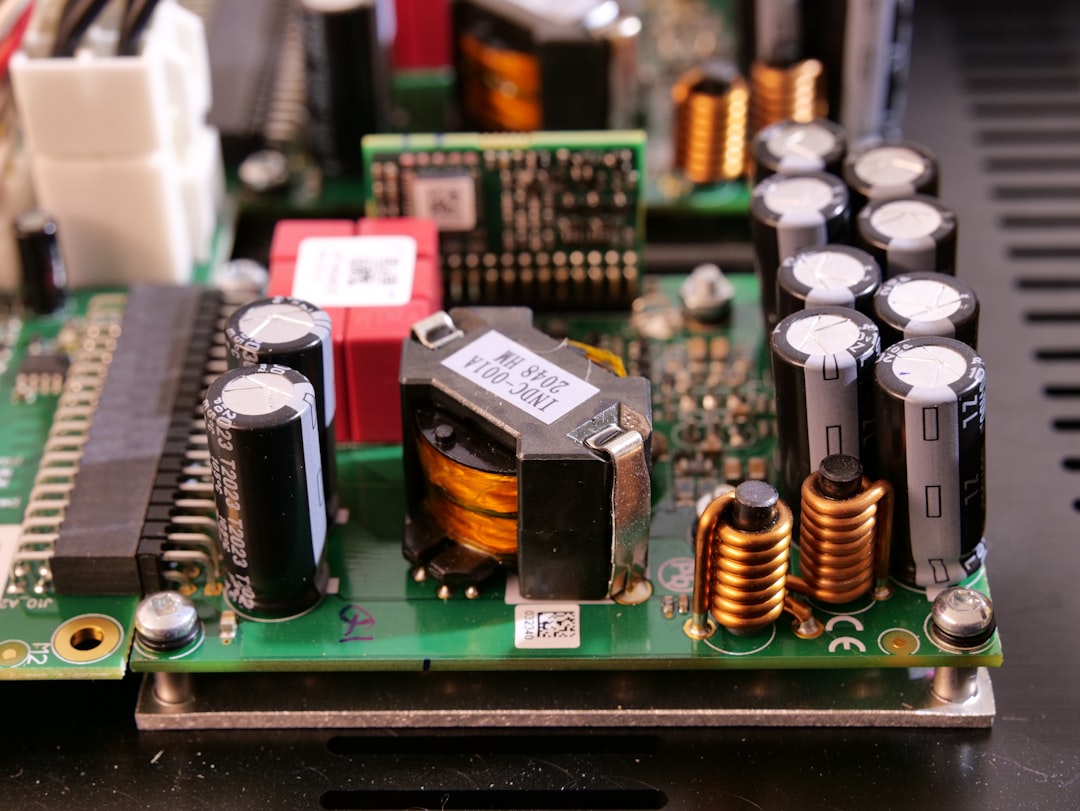
A data-driven expansion strategy for electronic equipment repair service providers maximizes market visibility and drives higher-value conversions. By leveraging digital insights, repair shops can target the right audiences, boost engagement, and identify new revenue streams.
- Cross-promote educational content: Sharing helpful how-to guides, troubleshooting videos, or maintenance tips through retargeting campaigns re-engages past visitors and builds trust. When integrated with advanced visitor identification, marketers can pinpoint exactly which prospects engaged initially, tailoring retargeting efforts to their interests and journey stage.
- Segment and upsell with CRM data: Analyzing CRM characteristics such as device ownership history, service frequency, or previous inquiries allows repair businesses to segment audiences and identify upsell or cross-sell signals. Dynamic audience syncing ensures that as leads progress through the funnel or express new interests, ads for related services such as extended warranties or priority diagnostics are delivered at the most opportune moments.
- Build industry partnerships: Collaborating with industry associations, electronics trade groups, or local business collectives introduces your brand to new external audiences. These partnerships not only drive high-quality referral traffic but also elevate brand authority, which can be amplified further by sharing co-branded educational materials or event promotions.
- Run localized campaigns: Focusing on tailored, region-specific ad messaging increases relevance among local audiences, especially those actively searching for nearby repair services. Leveraging real-time intent signals, marketers can shift budget toward geographic areas or demographics with the highest conversion probability, optimizing spend for local impact. For additional strategies and community-driven insights, explore this PPC discussion on local computer repair advertising.
- Expand content using search term insights: Reviewing search term reports from PPC for electronic equipment repair campaigns uncovers new content opportunities and evolving customer interests. Using these insights, repair businesses can create targeted blog posts, FAQs, or landing pages that align with trending queries, improving both organic reach and paid campaign performance. This approach to content mapping not only attracts new prospects but also fosters ongoing engagement with existing customers seeking additional services.
These targeted strategies position electronic equipment repair providers to capture new market segments, improve ad efficiency, and deliver a more personalized experience throughout the customer lifecycle. To optimize your digital strategy and audience targeting, get started for free with Sona.
Beyond Google Ads: Winning the AI Answers Electronic Equipment Repair Buyers Now Trust
Paid search captures demand at the moment someone types a query. But a fast-growing share of electronic equipment repair buyers no longer start at Google at all, they ask ChatGPT, Gemini, or Perplexity before they ever run a search, and Google's own AI Overviews increasingly summarize an answer above the traditional results. If your business isn't referenced in those AI answers, you're invisible at the exact moment buyers build their shortlist.
Sona AI Visibility shows where your business shows up across ChatGPT, Gemini, Perplexity, Google AI Overviews, and 10+ engines, and, much like a keyword report, which prompts actually send you buyers, so you can prioritize the ones that convert. Run the two together and you cover the entire buyer path: get cited where buyers research (AI Visibility), then prove which of that demand turns into booked revenue (Marketing Measurement).
Helpful resources
Conclusion
Technical skill gets the repair done, but visibility gets the customer in the door. Google Ads gives electronic equipment repair businesses a direct line to prospects at the exact moment they're searching, whether that's a rush job on failed server hardware or a routine fleet-maintenance contract.
The businesses that win in this space treat paid search as one part of a larger system, tying ad spend to closed-loop data on which clicks became real, paying repair jobs. As buyers increasingly research through AI tools before they ever type a search query, the shops that also show up in those AI answers, and that can prove which channels drive booked revenue, will be the ones setting the pace for the industry.
Ready to take your digital advertising to the next level? Start for free to see what data-driven advertising can do for your electronic equipment repair business.
FAQ
How can I create effective Google Ads for my electronic equipment repair business?
To create effective Google Ads, integrate paid search with broader marketing initiatives, identify strategic keywords, align landing pages with ad copy, and employ continuous performance optimization.
What are the best keywords for Google Ads in the electronic repair industry?
The best keywords include device-specific phrases, service location modifiers, urgency signals, and long-tail queries like 'urgent circuit board repair' or 'commercial AV equipment servicing.'
Are there any restrictions or policies I need to be aware of when advertising electronic repair services on Google?
Yes, it's important to be aware of Google's policy on third-party repair ads, which impacts tracking and advertising options.
How can I target the right audience for my electronic equipment repair business using Google Ads?
Use specialized audience targeting, including real-time visitor identification and intent data, to focus on prospects already exhibiting purchase intent.
How do I track and measure the success of my Google Ads campaign for electronic equipment repair?
Use advanced conversion tracking, integrate online and offline data, and employ continuous performance optimization to measure campaign success.
How can I differentiate my electronic repair business from competitors in Google Ads?
Differentiate by using ad extensions, creating urgency with time-sensitive offers, and emphasizing service quality, response time, and technical expertise in your messaging.







