


Telecommunication equipment sales run on long procurement cycles, technical committees, and buyers who research quietly before they ever fill out a form. Marketing teams often lose high-value prospects simply because those early, anonymous visits never make it into the CRM. Identifying the companies behind that anonymous traffic, early and accurately, keeps ad spend pointed at genuine decision-makers rather than casual browsers. This guide lays out the strategies telecom marketers need to turn Google Ads into a reliable revenue channel.
How to Generate Google Ads for Telecommunication Equipment Leads: A Step-by-Step Guide

Generating high-quality leads in the telecommunication equipment sector requires a sophisticated, data-driven approach to digital advertising. Top-performing teams recognize the need to unify intent signals across channels and deliver timely, relevant offers to technology buyers and enterprise procurement stakeholders.
This guide presents a proven framework for integrating Google Ads into your telecom marketing strategy, focusing on measurable outcomes and advanced audience targeting. Each step is designed to help you move beyond surface-level metrics, achieving deeper insights and higher conversion rates throughout the sales funnel. For additional insights, you can explore our latest articles and insights.
- Define your business objectives and KPIs: Start with clarity on what telecommunication advertising should deliver. B2B teams in this sector typically focus on enterprise lead generation, demo requests, or quote submissions, but it is crucial to segment these objectives by product line or vertical. By establishing granular KPIs, such as cost per qualified lead or pipeline velocity, you lay the groundwork for campaigns directly tied to revenue outcomes. Integrating advanced attribution ensures you capture both online and offline conversions, offering a true picture of marketing ROI.
- Develop a detailed keyword strategy specific to telecom marketing: Telecom buyers often search for highly specific equipment by technical specification, industry standard, or compatibility. Crafting a keyword portfolio that includes industry terms like “fiber optic switch installation,” “5G network hardware procurement,” or “redundant power supply for enterprise routers” ensures you capture high-intent traffic. Negative keyword filters are equally vital to exclude consumer or DIY queries that dilute lead quality. Using intent data from your CRM, you can continuously refine keyword lists as new buying behaviors emerge in the market. For inspiration on keyword selection, review this list of top-performing keywords for telecom.
- Design targeted Google Ads campaigns with sector-specific appeals: Effective telecom ad campaigns are structured around audience segments such as IT decision-makers, network engineers, and procurement leads. Each segment receives messaging tailored to their buying stage and technical expertise. Incorporating Sona's Identity Resolution allows you to recognize and prioritize in-market accounts, shifting budget to the prospects most likely to convert. This dynamic allocation ensures the highest-value opportunities receive top visibility, while lower-value traffic is efficiently managed. For industry-specific PPC strategies, check out overview of PPC for telecommunications.
- Craft compelling ad creative that aligns with your brand message: In a technical market, ad copy must address both compliance and performance needs. Use headlines that highlight certifications, proven uptime, or compatibility with legacy systems. For remarketing, align creative with the buyer’s journey: serve datasheet downloads to engineers and case studies to procurement. Personalizing creative by intent signals ensures each touchpoint is contextually relevant, improving engagement and driving higher lead qualification rates.
- Monitor and optimize campaign performance using actionable data insights: Continuous optimization is essential in PPC for telecom, where competition and CPCs fluctuate rapidly. Leverage dashboards that unify ad performance, CRM data, and pipeline movement, allowing for granular analysis by product, audience, and channel. Real-time intent signals from your site and CRM can trigger automated budget shifts to top-converting ad groups or suppress targeting to accounts that have already engaged, maximizing efficiency. For guidance on conversion tracking in Google Ads, refer to Google’s official resource.
- Foster cross-channel integration with consistent messaging and audience engagement: A unified digital marketing for telecom approach ensures that Google Ads, email, and direct outreach all reinforce the same value proposition. Dynamic audience syncing between your CRM and ad platforms allows for real-time updates as leads move through the funnel. This orchestration helps prevent disconnected experiences, reduces wasted spend, and drives more consistent lead nurturing from first touch to closed deal. For seamless data activation and syncing, explore Sona Destinations.
By following this step-by-step framework, telecom marketing teams can operationalize advanced Google Ads targeting, optimize for real business outcomes, and achieve sustainable lead generation at scale. To see these strategies in action, get started for free with Sona.
Why Google Ads Matters for Telecommunication Equipment

Telecom equipment companies face long sales cycles and complex buying committees, making rapid response to demand and precise targeting essential. Google Ads delivers a direct channel for telecom marketers to connect with procurement heads, network architects, and technical directors at the exact moment they seek new solutions, minimizing the risk of missed opportunities. For step-by-step strategies to identify engaged buyers and accelerate pipeline, explore Sona's Identity Resolution for actionable visitor insights.
- Niche, Specialized Audiences: Google Ads enables telecom marketers to identify and reach high-value decision-makers who are often hidden within large organizations. By leveraging visitor identification and intent data, marketers can distinguish between anonymous site traffic and engaged buyers, ensuring follow-up is immediate and personalized. For more on telecom-specific PPC strategies, review the overview of PPC advertising for telecommunications.
- Higher Margin Opportunities: The telecom sector thrives on high-value projects and repeat business from ongoing equipment upgrades or network expansions. With Google Ads, marketers can deploy campaigns that specifically target accounts with a history of large-scale installations or recurring maintenance needs. Campaign performance data feeds directly into CRM and sales workflows, allowing teams to prioritize and invest in opportunities with the greatest lifetime value and margin potential.
- Immediate Response Capability: In telecom, procurement cycles often spike in response to urgent infrastructure needs or regulatory changes. Google Ads ensures that your solutions are visible at the exact moment of peak demand, supporting rapid decision-making and enabling instant engagement with buyers ready to move forward. Leverage real-time intent signals to dynamically allocate budget toward these high-potential accounts, maximizing reach when it matters most.
- Emerging Market Visibility: Traditional marketing channels struggle to efficiently reach buyers in developing urban centers or new geographic regions. Google Ads provides granular geographic and demographic targeting, empowering telecom equipment brands to break into underserved metro areas with tailored messaging. Audience segments update in real time as leads progress through the funnel, ensuring that as new regions show buying signals, campaigns adjust to capture these growth opportunities without manual intervention. If you're ready to unlock advanced targeting and attribution, get started for free with Sona.
Common Google Ads Campaign Types for Telecommunication Equipment

- Search Campaigns: Telecom advertisers rely on search campaigns, often built with responsive search ads, to capture high-intent prospects actively seeking solutions, from emergency equipment needs to requests for product demos. These campaigns deliver qualified inquiries straight into the sales funnel by surfacing ads to decision-makers researching pricing or vendor capabilities. Marketers equipped with Sona's Identity Resolution can move beyond anonymous clicks, pinpointing which companies are comparing solutions and customizing outreach based on real buyer intent. For a detailed example of successful strategies, review this Google Ads expert case study.
- Display Ads: Display campaigns help telecom brands secure visibility across key trade publications, technical communities, and industry forums. Banner placements and native formats keep your products top-of-mind during extended research cycles typical in B2B telecom procurement. When Sona’s Audiences tool syncs in real time between your CRM and advertising platforms, display ads automatically re-engage evolving segments, ensuring your messaging is always relevant to each account’s position in the buying journey.
- Video Ads: Video campaigns allow telecom marketers to simplify complex product features and technical differentiators for a diverse stakeholder group. Product walkthroughs and testimonial-driven explainer videos build trust with engineers and procurement teams, accelerating buying decisions. By tracking viewer engagement and connecting video analytics to Sona's Intent Signals, you can prioritize follow-ups with accounts demonstrating genuine interest, then adjust creative and spend accordingly.
- Remarketing Strategies: Remarketing campaigns revive engagement among visitors who evaluated your site but left without converting. These strategies use behavioral and firmographic signals to serve tailored ads, whether it’s a product demo to a returning engineer or a limited-time offer for procurement officers revisiting your pricing page. With Sona’s Destinations feature, remarketing lists update instantly as leads move through the funnel, and conversion tracking in Google Ads ensures you measure both online and offline actions, attributing true ROI to each touchpoint.
- Performance Max: Performance Max campaigns pool search, display, video, and other Google inventory into a single goal-driven campaign, useful for telecom marketers who want automated bidding to find in-market buyers across channels without managing each format separately. Feeding it offline conversion data, such as closed-won deals from your CRM, keeps its automation focused on booked revenue rather than form fills alone.
Each campaign type plays a distinct role in a telecom equipment marketing mix. The right combination of targeted search, persistent display, educational video, smart remarketing, and Performance Max automation drives measurable growth in telecom lead generation and revenue. To see these strategies in action, get started for free with Sona.
Where to Find Growth Opportunities in Telecom Marketing

The telecom sector is evolving rapidly as organizations modernize infrastructure and enterprises adopt advanced connectivity solutions. Growth opportunities now emerge not only from traditional service upgrades but also from digital transformation projects and newly connected urban environments. The ability to identify and capture these segments early is essential for telecom marketers aiming to outperform industry benchmarks and secure high-value contracts. For actionable strategies on identifying target accounts, explore account identification best practices.
Implementing competitor analyses in your Google Ads for Telecommunication Equipment campaigns allows you to pinpoint gaps in the market and focus resources on prospects that align with your ideal customer profile. By leveraging enriched data and fit scoring, marketers can avoid chasing low-value leads and instead prioritize accounts most likely to convert. The most successful teams pair this approach with real-time visitor identification, surfacing the companies engaging with high-intent product pages and shifting spend toward those demonstrating in-market buying signals.
Industry-specific keywords are fundamental for capturing niche audience segments, especially in technical categories like fiber optic switches, enterprise routers, or 5G infrastructure. Dynamic audience tools update these segments automatically as new leads engage with content or move through the qualification funnel, ensuring that campaigns remain relevant and budget is directed to the most promising prospects. For a deeper dive into keyword selection, review this telecommunications keywords list.
Customizing campaigns for emerging markets and growing metropolitan areas drives incremental pipeline by aligning messaging with local infrastructure needs and regulatory contexts. Teams that integrate geographic and firmographic data into their Google Ads targeting strategies can deliver more relevant offers and drive higher engagement from enterprise buyers, regional ISPs, and public sector clients. Synchronizing CRM data with ad platforms further enriches these efforts, allowing seamless retargeting and personalized outreach to decision-makers as they progress from awareness to consideration.
Integrating educational materials like whitepapers, webinars, and case studies caters to specialized interests within the telecom buying cycle. These assets enable digital marketing for telecom to nurture prospects with complex requirements, offering value beyond standard product listings. Advanced conversion tracking, including online and offline attribution, links these educational touchpoints to downstream opportunities, providing clear visibility into which content drives qualified leads and closed deals. This unified approach ensures every touchpoint is measured for impact, supporting ongoing optimization and sustained growth.
Keyword Strategy & Sample Target Terms
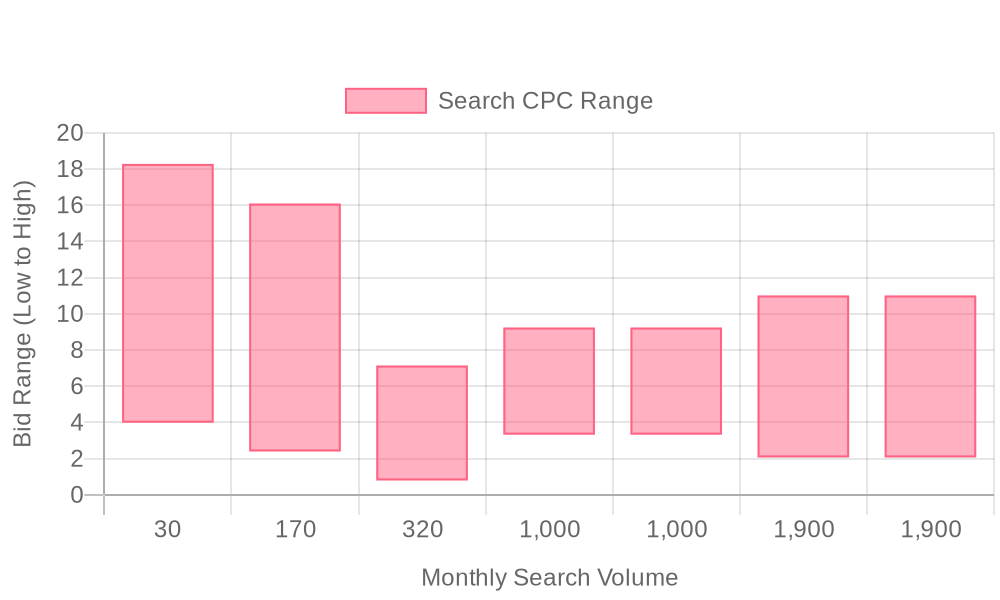
| Industry | Keyword | Monthly Search Volume | Competition Level | Low Bid | High Bid |
| Telecommunication Equipment | buy used telecom equipment | 30 | MEDIUM | 3.99 | 18.28 |
| Telecommunication Equipment | telecom supplies | 170 | LOW | 2.4 | 16.09 |
| Telecommunication Equipment | communications equipment | 320 | MEDIUM | 0.8 | 7.14 |
| Telecommunication Equipment | telecommunication equipment suppliers | 1000 | LOW | 3.33 | 9.24 |
| Telecommunication Equipment | telecom equipment suppliers | 1000 | LOW | 3.33 | 9.24 |
| Telecommunication Equipment | telecommunication equipment | 1900 | LOW | 2.07 | 11.01 |
| Telecommunication Equipment | telecom equipment | 1900 | LOW | 2.07 | 11.01 |
A robust keyword strategy is the foundation of high-performing Google Ads for telecommunication equipment. B2B marketers in this space benefit from focusing on high-intent search terms that reflect real purchase consideration, such as "enterprise fiber optic switches" or "carrier-grade network routers." By targeting these transactional queries, campaigns attract procurement managers and IT decision-makers actively seeking solutions, increasing qualified lead volume and reducing wasted spend on low-intent clicks. For more on optimizing telecom PPC campaigns, explore this overview of telecommunications keywords.
Long-tail keyword variations are particularly effective for telecom ad campaigns. Phrases like “5G equipment suppliers for enterprise” or “telecom network solutions provider” reach audiences with precise requirements, often representing late-stage buyers. These terms drive higher conversion rates and lower cost-per-acquisition by minimizing competition while aligning ad copy to technical buyer needs. Incorporating intent signals such as product model numbers, compliance certifications, and industry-specific jargon further filters for users with deep intent, distinguishing between infrastructure buyers and general information seekers.
Negative keywords are indispensable for Google Ads optimization in telecommunication advertising. Filtering out search queries associated with consumer products, DIY repair, or unrelated services (for example, “home WiFi setup” or “cheap phone accessories”) prevents budget dilution and improves campaign efficiency. Advanced platforms unify keyword performance data and intent signals, enabling marketers to dynamically adjust negative keyword lists as buyer behavior shifts. For step-by-step guidance, review our playbook on intent-driven retargeting.
Marketers leveraging real-time audience platforms can enrich their keyword strategy by pinpointing which terms are driving engagement from high-value accounts. By syncing CRM and ad platforms, teams gain real-time visibility into which search queries are leading to demo requests, proposal downloads, or inbound sales activity. This insight fuels agile budget allocation, shifting spend toward top-converting keywords and away from underperforming segments, a data-driven approach to telecom lead generation that improves both pipeline quality and marketing ROI.
Step-by-Step Campaign Execution Framework
Step 1: Build Targeted Keyword Lists
Effective telecom marketing begins with precise keyword research. Success in Google Ads for Telecommunication Equipment hinges on identifying high-intent phrases, relevant technical terms, and location-specific modifiers that match your buyers’ procurement cycles. Advanced tools paired with real-time visitor identification enable marketers to pinpoint not just which terms drive traffic, but which accounts and companies are searching for “fiber optic switch installation” or “enterprise VoIP hardware vendor.” This approach delivers keyword lists that balance search volume with actionable buying intent.
By leveraging unified go-to-market data, revenue teams can rapidly distinguish between generic traffic and in-market decision-makers. As prospects interact with online content or attend webinars, their behavioral signals update audience lists dynamically. For an industry-specific list of top-performing search terms, review these telecommunications keywords for paid ads.
The upgrade most telecommunication equipment advertisers miss is going beyond raw keyword volume to layer in intent and identity signals. By connecting website-visitor data and CRM records with Sona Marketing Measurement, you can see which specific search terms bring in the companies and accounts that actually convert, and weight your keyword and bidding strategy toward those rather than the terms with the highest search volume alone.
Step 2: Create Compelling Ad Copy
The next step in telecom ad campaigns is crafting ad creative that communicates technical expertise and industry credibility. Headlines should directly address pain points such as network downtime, compliance mandates, or integration with legacy infrastructure. Including proof points, like certifications, case studies, or technical partnerships, establishes immediate trust with discerning buyers who demand reliability from telecommunications equipment vendors.
Modern platforms allow B2B marketers to sync enriched company and contact data into ad creative workflows. As a result, each impression is more likely to resonate, driving higher click-through rates and increasing the quality of inbound leads. Discover additional playbooks for B2B ad personalization.
Step 3: Optimize Landing Pages for Telecom Buyers
Landing page design for telecom lead generation must bridge technical depth with usability. Pages should offer clear navigation to product data sheets, compliance documentation, and integration guides, resources that technical evaluators expect before initiating contact. Embedding industry awards, security certifications, and recognizable client logos provides social proof and immediately reassures enterprise buyers.
Integrating conversion tracking with CRM and ad platforms enables marketers to measure performance across the full buyer journey. For step-by-step guidance, explore our playbooks for optimizing telecom lead generation.
Step 4: Continuously Optimize with Real-World Data
Telecommunication advertising thrives on continuous optimization. Advanced tracking connects ad clicks and landing page activity to CRM-qualified opportunities, enabling teams to measure true ROI from every campaign. As new accounts engage or existing prospects demonstrate in-market intent, audience segments are automatically updated, ensuring that ad dollars follow the most promising leads in real time.
With unified attribution, marketers can see which ads and keywords drive actual pipeline and revenue, not just form fills or MQLs. For a deeper dive into optimizing your telecom Google Ads, see this guide to maximizing ROAS for small businesses.
Sona Marketing Measurement closes the gap between clicks and revenue by feeding that revenue signal back into Smart Bidding and Performance Max, which compounds over time: the algorithms optimize toward booked telecommunication equipment revenue, not cheap leads.
Tips on Expanding Your Telecommunication Equipment Presence

Expanding telecommunication equipment reach demands a disciplined approach to audience engagement and market development. Leaders in the sector consistently outperform by blending high-value content, advanced targeting, and data-driven optimization across digital channels. For actionable frameworks to support your growth, explore our latest B2B marketing strategies.
- Cross-promote telecom whitepapers in retargeting ads to amplify thought leadership: Distributing technical whitepapers through retargeting campaigns builds credibility and moves buyers deeper into the funnel. By identifying past visitors who engaged with technical product pages and dynamically serving them whitepaper offers, marketers reinforce expertise and accelerate consideration. Leveraging enriched visitor identification, teams can precisely match ads to known accounts, ensuring that whitepapers reach decision-makers with demonstrated interest.
- Use CRM insights to upsell additional services: CRM systems hold valuable data on purchase history, usage trends, and service gaps within existing accounts. Integrating these insights into digital campaigns allows revenue teams to deliver tailored upsell offers, such as managed network services or extended warranties, only to customers most likely to convert. With seamless CRM-to-ad sync, audiences automatically refresh as accounts evolve, removing manual export cycles and maintaining alignment between sales and marketing touchpoints.
- Network with telecom associations for joint marketing ventures: Strategic partnerships with industry organizations amplify brand authority and open access to new communities of buyers. Collaborative webinars, co-branded reports, and association newsletters can introduce products to untapped segments while reducing marketing costs through shared resources. These alliances also foster peer validation, making it easier to gain traction with skeptical technical buyers. For a broader view of digital marketing solutions for telecommunications, explore industry best practices.
- Target advertising by region to expand influence in growing markets: Regional targeting in Google Ads for telecommunication equipment lets brands focus spend on markets where carrier build-outs, municipal broadband initiatives, or enterprise network upgrades are actively underway. By analyzing engagement and intent signals at the company and account level, teams can prioritize budget for regions where infrastructure projects are ramping up or where new spectrum licensing and permitting activity signals fresh procurement cycles. Real-time audience updates keep campaigns aligned with shifting demand, and advanced attribution shows which markets deliver the strongest ROI.
Beyond Google Ads: Winning the AI Answers Telecommunication Equipment Buyers Now Trust
Paid search captures demand at the moment someone types a query. But a fast-growing share of telecommunication equipment buyers no longer start at Google at all, they ask ChatGPT, Gemini, or Perplexity before they ever run a search, and Google's own AI Overviews increasingly summarize an answer above the traditional results. If your business isn't referenced in those AI answers, you're invisible at the exact moment buyers build their shortlist.
Sona AI Visibility shows where your business shows up across ChatGPT, Gemini, Perplexity, Google AI Overviews, and 10+ engines, and, much like a keyword report, which prompts actually send you buyers, so you can prioritize the ones that convert. Run the two together and you cover the entire buyer path: get cited where buyers research (AI Visibility), then prove which of that demand turns into booked revenue (Marketing Measurement).
Helpful resources
Conclusion
Google Ads works for telecommunication equipment marketers when it's built around the buyers who actually drive revenue: procurement heads, network architects, and technical directors moving through long, considered purchase cycles. The tactics in this guide, precise keyword targeting, account-level identification, and attribution tied to closed deals, only compound if you keep feeding real outcomes back into the system.
The teams that pull ahead next will be the ones who also show up in AI-generated answers, not just paid search results, and who route every closed deal's revenue back into their bidding models. That combination, precise targeting today plus visibility into where telecom buyers are researching tomorrow, is what turns ad spend into compounding pipeline.
FAQ
What are the best practices for Google Ads in the telecommunication sector?
The best practices include defining business objectives and KPIs, developing a detailed keyword strategy, designing targeted campaigns, crafting compelling ad creative, monitoring and optimizing campaign performance, and fostering cross-channel integration.
How can I optimize my Google Ads for telecommunication equipment?
Optimization can be achieved by using actionable data insights for continuous improvement, integrating real-time intent signals, and dynamically adjusting campaign elements such as keywords and audience targeting.
What keywords should I use for Google Ads in telecom?
Keywords should be highly specific and reflect real purchase consideration, such as 'fiber optic switch installation,' '5G network hardware procurement,' and include long-tail variations like '5G equipment suppliers for enterprise.'
How do I create a successful Google Ads campaign for telecom products?
Create a successful campaign by building targeted keyword lists, crafting compelling ad copy, optimizing landing pages for telecom buyers, and continuously optimizing with real-world data.
What are the common mistakes to avoid in Google Ads for telecommunication?
Common mistakes include not using negative keywords to filter out irrelevant traffic, failing to integrate CRM data for audience targeting, and not continuously optimizing campaigns based on performance data.







