


A flooded basement doesn't wait for business hours, and neither do the searches that follow it. For sump pump contractors, Google Ads is how you meet homeowners and property managers at that exact moment, whether they're searching at 2 a.m. during a storm or comparing installation quotes weeks before a renovation. Precise targeting based on service type and location, paired with tracking that follows a click through to a closed job, lets contractors see which campaigns actually pay for themselves. Without that visibility, budget quietly leaks toward searches that never turn into booked work. Platforms that enrich accounts and contacts help direct spend toward the prospects most likely to convert, and the same data supports remarketing to past visitors and local audiences alike.
How to Generate Leads for Sump Pump Contractors with Google Ads: A Step-by-Step Guide

Revenue teams in the sump pump trade need to surface high-intent buyers, the homeowner with water already in the basement, the property manager scheduling preventative work before spring thaw, before those buyers call a competitor instead. A step-by-step approach to PPC gives contractors a direct path to that demand, whether it's emergency repair searches or research-driven installation queries, and a way to measure what each dollar of ad spend actually returns.
Precise keyword and audience targeting ensures ads surface for both urgent and research-driven queries, helping contractors secure jobs before leads move down the funnel. With Sona's Identity Resolution, teams can identify previously anonymous visitors, sync high-quality leads into sales workflows, and continuously optimize spend for better ROI.
- Keyword and audience targeting strategies: Sump pump buyers often begin their search by exploring service providers without filling out forms or calling. Leveraging real-time audience insights, marketers can pinpoint not only the keywords driving traffic, such as "emergency sump pump repair" or "sump pump installation near me", but also surface the companies and decision-makers behind anonymous visits. These insights enable real-time budget shifts toward audiences most likely to convert, aligning spend with true in-market behavior.
- Landing page and creative alignment techniques: The journey from ad click to booked job hinges on a seamless user experience. Aligning ad creative with dedicated landing pages that address sump pump concerns, like flooding prevention or replacement options, maximizes conversion rates. Dynamic retargeting further re-engages visitors who abandon demo or quote request pages, reminding them of the contractor's value proposition and increasing the likelihood of conversion.
- Performance optimization tactics: Continuous improvement is essential for PPC for sump pump services. Real-time lead tracking, Sona's ad conversion tracking, and campaign interconnectivity eliminate wasted spend and reveal which channels and messages drive the most qualified leads. Revenue teams can rapidly test and refine ad copy, offers, and landing page variants, building a high-performance marketing engine that adapts to shifts in demand.
- Cross-channel integration methods: Contractors rarely rely on a single platform for lead generation. Integrating Google Ads strategies for contractors with CRM, email, and social platforms ensures a unified marketing ecosystem. Automated audience sync and enriched lead flows allow for consistent messaging and seamless handoffs between marketing and sales, driving higher engagement and better close rates across every channel.
Why Google Ads Matter for Sump Pump Contractors
Sump pump contractors face a unique digital landscape where every lead counts and urgency drives decision-making. Reaching the right audience at the critical moment can determine whether a contractor secures high-value repair or installation jobs.
- Complex, Specialized Audience: Capturing facility managers and home maintenance professionals requires an advanced approach to digital targeting. Modern platforms allow marketers to move beyond anonymous web traffic, identifying specific visitors and companies researching sump pump repair or installation. This enables ad spend to focus on real decision-makers, not just casual browsers, and helps ensure outreach resonates with those responsible for purchase decisions, using Sona's Identity Resolution.
- Faster Demand Response: A failed sump pump during a storm is not a lead that can wait for a callback tomorrow; homeowners searching "sump pump repair now" are often calling three contractors at once. Google Ads lets contractors bid up and show ads in real time as searches spike with severe weather, rather than relying on a fixed monthly budget that runs out mid-storm. Sona surfaces intent signals so contractors can shift budget toward the accounts most likely to convert, capturing urgent leads before competitors do.
- Visibility in Emerging Regions: Advertising in fast-growing suburbs or underserved markets requires precision. Geographic and demographic targeting ensures that campaigns reach new neighborhoods where demand for sump pump services is escalating. Marketing teams can refine spend to maximize ROI, ensuring every dollar targets homeowners or property managers with the highest likelihood to respond. For a look at how specialized offerings are presented, see this sump pump solutions service page.
- Integrated Data Analysis: Closing the loop from ad click to completed repair is essential for optimizing spend and proving marketing ROI. Unified analytics track campaign performance across every stage, from initial search through to offline service calls. By syncing CRM and ad data, teams gain a complete view of which campaigns drive revenue, eliminating guesswork and improving budget allocation for future PPC for sump pump services.
To see how you can leverage these insights for your own business, get started for free with Sona.
Common Types of Google Ads Campaigns for Sump Pump Services
Modern digital marketing for sump pump contractors involves much more than running basic search ads. The right Google Ads strategies allow you to target urgent buyers, nurture long-term leads, and keep your brand present in every phase of the customer journey. Using a unified approach, you can connect offline and online touchpoints to create a seamless experience that drives measurable results. For a deeper dive into proven PPC approaches, explore this step-by-step guide to generating plumbing leads with PPC search ads, or review the latest marketing analytics and attribution insights.
- Search Campaigns: These campaigns address high-intent searches from homeowners or property managers experiencing flooding or pump failure. By targeting keywords like "emergency sump pump repair" or "sump pump installation near me," you capture urgent demand at the moment of need. Marketing teams can increase conversion rates by connecting real-time visitor intent with CRM insights, ensuring ads display for the most valuable prospects and shifting budget to the highest-converting accounts.
- Display Ads: Display campaigns keep your sump pump services visible to potential customers as they browse related blogs, local news, or home improvement sites. Strategic placements reinforce your brand for future decision-makers. When display audiences are dynamically updated based on signal-based segments, your outreach remains relevant, helping you target only those with current needs, not just past visitors.
- Video Ads: Visual content is effective for demonstrating sump pump installation or maintenance, building trust and credibility with property owners. Short, instructive videos can simplify complex processes, making your services approachable and memorable. By identifying which viewers engage most and feeding that data into retargeting workflows, marketers can nurture warmer leads with tailored follow-ups.
- Remarketing: Remarketing brings back those who visited your site, requested a quote, or left without booking service. By syncing audience segments with CRM and ad platforms, you ensure that remarketing ads reflect the latest lead status and intent. This approach keeps messaging timely and relevant, moving prospects through the funnel with personalized offers and reminders.
- Assets: Utilizing ad assets adds critical trust signals such as business location, industry certifications, or customer reviews directly to your ads. These enhancements increase click-through rates and establish credibility, especially for decision-makers comparing local contractors, many of whom check for licensing and insurance before calling. Assets paired with unified data improve the relevance of displayed information, supporting faster and more confident conversions.
Where to Find Growth Opportunities

Effective growth for sump pump contractors hinges on reaching prospects beyond traditional channels and identifying untapped market segments. By embracing a data-driven approach, teams can focus resources on leads most likely to convert, maximizing marketing efficiency and ROI.
- Vertical keyword targeting: Pinpoint high-value search terms specific to sump pump repair and installation to uncover gaps in competitor coverage. Focusing on specialized intent keywords, such as "emergency sump pump replacement" or "commercial sump pump contractors," ensures ads reach prospects whose needs align precisely with your services. Sona's Identity Resolution lets marketers recognize when qualified companies are actively searching for these niche terms, making it easy to allocate budget where intent is highest.
- Competitor gap analysis: Use advanced analytics to identify underserved geographic areas, service types, or business segments that competitors overlook. This approach not only reveals whitespace for new campaign themes but also signals which segments are warming up to your services. Modern go-to-market platforms enrich these findings with live intent signals, helping teams prioritize high-conversion opportunities and shift spend dynamically as market demand evolves.
- Industry-specific placements: Leverage trade directories and industry forums to position ads in front of decision-makers actively researching sump pump solutions. For a look at how plumbing companies present specialized offerings and attract local service leads, see this sump pump solutions page. When integrated with unified audience management, these placements benefit from dynamic audience syncing, ensuring that only engaged, relevant leads see your ads as they move through the funnel.
- Content retargeting: Reinforce brand authority and nurture leads by re-engaging visitors who have consumed educational resources or product guides. Smart retargeting solutions track both online and offline engagement, attributing conversions back to specific content touchpoints. This holistic view enables marketers to fine-tune messaging, demonstrate ongoing value, and accelerate movement through the sales cycle. For further tips, explore our retargeting strategies playbook.
Identifying and acting on these growth opportunities empowers sump pump contractors to scale pipeline consistently. By unifying audience data, tracking intent, and refining campaign targeting, teams can move beyond guesswork and invest confidently in the channels and strategies that drive sustainable results.
How to Apply Audience Segmentation for Sump Pump Contractors

Segmenting your audience is essential to maximize the impact of Google Ads for Sump Pump Contractors. Tailored segmentation ensures that every advertising dollar goes toward engaging the right prospects at the right stage of their buying journey. To further enhance your strategy, reference this service page showcasing sump pump solutions to see how specialized offerings are presented for local targeting.
- Define Segments: Start by identifying core audience types relevant to sump pump services. Distinguishing residential clients who require emergency sump pump repair from commercial property managers planning large-scale installations allows for more relevant messaging and offers. By aligning ad copy and landing page content with each segment's specific pain points, contractors reduce wasted impressions and improve the likelihood of conversion. Explore our actionable playbooks for targeting to tailor your outreach for each segment.
- Overlay Intent Signals: Use behavioral data and in-market triggers to refine your audience targeting. For example, urgency-centric keywords like "emergency sump pump repair near me" or "sump pump installation today" signal high-intent prospects ready to engage. Sona's Intent Signals detect this behavior in real time, allowing budget and creative resources to shift dynamically toward audiences showing the strongest purchase intent. This ensures high-priority leads are nurtured with messaging that directly addresses their immediate needs.
- Create Ad Groups by Segment: Structure your Google Ads account to mirror these audience divisions. Separate ad groups for residential emergency repairs, commercial preventative maintenance, and new installations make it possible to tailor ad copy, calls-to-action, and bidding strategies. Budgets can be allocated based on segment value and conversion likelihood, limiting wasted spend on low-propensity audiences. Leveraging platforms that sync CRM and website data into Google Ads enables these audience lists to update in real time as prospects move through the funnel.
- Validate Conversion Paths: Track every step of the customer journey, from initial ad click through to quote request or booked service. Ensure that conversion events, such as form submissions or phone calls, are captured and attributed to the correct audience segment. Advanced solutions allow for both online and offline conversion tracking, providing a complete view of ROI and helping revenue teams refine campaigns based on what drives actual sales, not just website visits. By integrating enriched audience and conversion data back into Google Ads and CRM systems, contractors maintain engagement with decision-makers who have demonstrated genuine interest, increasing close rates and marketing efficiency. See how buyer journeys are tracked for full-funnel campaign insight.
For a deeper dive into optimizing creative and budgets by segment, review this comprehensive Google Ads strategy guide for plumbers.
This is also where measurement changes the economics. With Sona Marketing Measurement you can identify the companies behind your ad clicks, not just anonymous sessions, and segment audiences by which accounts actually become customers. That lets you build bid adjustments and audience signals around the segments that convert and de-prioritize the ones that don't, so you feed Google's algorithms "this click became a paying sump pump contractors customer" instead of just "someone filled out a form."
Keyword Strategy & Sample Target Terms
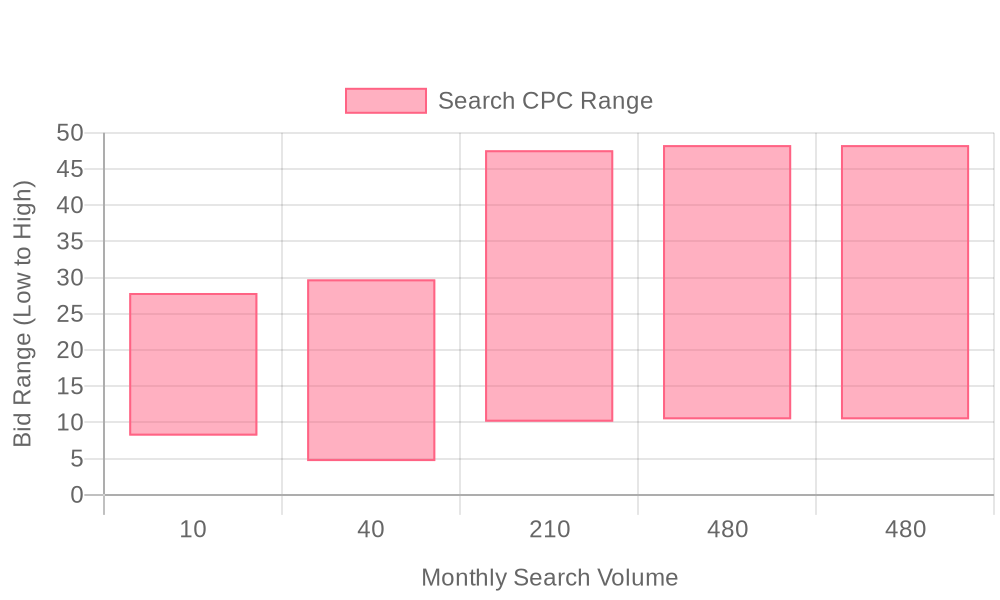
| Industry | Keyword | Monthly Search Volume | Competition Level | Low Bid | High Bid |
| Sump Pump Contractors | sump pump drainage contractors | 10 | LOW | 8.19 | 27.88 |
| Sump Pump Contractors | sump pump installation contractors | 40 | LOW | 4.67 | 29.76 |
| Sump Pump Contractors | sump pump contractors | 210 | LOW | 10.11 | 47.59 |
| Sump Pump Contractors | sump pump companies near me | 480 | HIGH | 10.44 | 48.3 |
| Sump Pump Contractors | sump pump contractors near me | 480 | HIGH | 10.44 | 48.3 |
A focused keyword strategy is critical for sump pump contractors seeking to maximize the efficiency of their paid search investments. Targeting high-intent, service-specific terms ensures that ads reach prospects who are actively looking for solutions, resulting in stronger lead quality and improved conversion rates. For real-world inspiration, review this service page detailing sump pump solutions to see how leading plumbing businesses position specialized offerings.
For Google Ads campaigns in the sump pump industry, the following target terms consistently drive relevant, in-market traffic:
- Google Ads for sump pump repair: Captures urgent, problem-aware searchers who need immediate assistance, leading to faster conversion cycles and higher close rates.
- Google Ads for sump pump installation: Reaches homeowners and facilities managers researching solutions for new installations or upgrades, creating opportunities for upsell and long-term contracts.
- PPC for sump pump services: Encompasses broader service-related queries, expanding reach to users in various stages of the decision process while maintaining relevancy.
- Google Ads strategies for contractors: Attracts professionals seeking advanced tactics and proven approaches tailored to the contracting sector, often resulting in higher-value engagements.
By integrating these terms, campaigns align tightly with prospect intent and local demand patterns. Real-time audience insights let marketers further refine keyword targeting, capturing high-converting leads at lower acquisition costs. This foundation supports smarter budgeting, attribution, and continuous optimization throughout the funnel.
Step-by-Step Campaign Execution Framework
Precision in campaign execution is essential for sump pump contractors seeking to outperform competitors and drive qualified leads. Effective Google Ads management requires technical fluency, audience insight, and unified data for real-time decision making at every step.
Step 1: Build Targeted Keyword Lists
- Segment by Service Type: Organize keywords into clusters for repair, installation, and maintenance. This enables budget allocation to high-intent queries such as "sump pump repair near me" or "emergency sump pump installation."
- Localize for Relevance: Incorporate city names, neighborhood identifiers, and "near me" variants. This ensures ads are matched with users actively searching for sump pump services in specific geographic areas, increasing conversion rates from local prospects.
- Apply Negative Keywords: Filter out unrelated searches to avoid wasted spend on non-converting clicks. Exclude terms like "DIY," unrelated plumbing types, or irrelevant locations, refining performance and preserving budget for in-market buyers.
When building keyword lists, marketers benefit from going beyond basic search volume analysis by leveraging visitor identification that reveals which companies and buyers are behind each click. Real-time insights allow contractors to adjust bids and messaging for higher-value commercial accounts seeking sump pump solutions, while also enabling audience segmentation for more effective outreach.
For a step-by-step breakdown of how PPC can generate plumbing leads, review this PPC search ads guide for plumbers.
The upgrade most sump pump contractors advertisers miss is going beyond raw keyword volume to layer in intent and identity signals. By connecting website-visitor data and CRM records with Sona Marketing Measurement, you can see which specific search terms bring in the accounts and customers that actually convert, and weight your keyword and bidding strategy toward those rather than the terms with the highest search volume alone.
Step 2: Align Audience Segmentation
- Tailor by Decision-Maker Role: Segment audiences based on buyer personas, such as property managers, homeowners, or facilities directors. This approach enables more personalized ad copy and landing pages that directly address the unique pain points of each segment.
- Use Behavioral Signals: Prioritize audiences showing in-market signals for sump pump repair or installation. By tracking engagement across website visits, quote requests, and form fills, contractors can shift budgets toward those most likely to convert.
- Dynamic List Updates: As prospects move through the sales funnel, such as from research to ready-to-buy, audience segments should update automatically. Dynamic audience management ensures ads remain relevant and timely, reducing wasted impressions.
Integrating real-time behavioral data with Google Ads allows sump pump contractors to identify surges in buyer intent and reallocate spend to accounts on the verge of conversion. With enriched CRM data syncing directly into ad platforms, audience lists remain current and actionable, ensuring spend is focused on high-opportunity leads.
Step 3: Optimize Creative and User Experience
- Craft High-Converting Ad Copy: Use clear, benefit-driven messaging tailored to the specific service cluster. Address urgency ("24/7 sump pump repair"), trust factors ("licensed and insured"), and local credibility to increase click-through rates.
- Design Conversion-Focused Landing Pages: Align landing page content to ad copy for seamless user experience. Include local testimonials, service guarantees, and fast-response call-to-action buttons to drive form fills or direct calls.
- Test and Iterate: A/B test headlines, images, and calls-to-action. Use heatmaps and user recordings to identify friction points and continually refine the user journey for higher conversion rates.
Throughout the creative process, attribution and conversion tracking provide granular insight into which ads and landing page elements drive the most qualified leads. Learn how other plumbing contractors present sump pump solutions to showcase specialized offerings and capture local service leads.
Step 4: Integrate and Optimize for Results
- Unify Data Sources: Connect Google Ads with CRM, scheduling, and analytics platforms. This unified view enables smarter attribution, performance tracking, and budget allocation based on real business outcomes, not just ad clicks.
- Automate Lead Routing: Ensure that qualified PPC for sump pump services leads are routed instantly to the right sales or field service teams. Automation reduces response time and increases the likelihood of booking.
- Continuous Optimization: Monitor campaign data in real time. Adjust bids, pause underperforming ads, and launch new creative variants as audience behavior shifts or seasonal demand changes.
By syncing enriched audiences and lead data between Google Ads and core CRM systems, contractors eliminate silos and enable seamless retargeting. In-market behavior is detected as it happens, unlocking opportunities to nurture leads with personalized follow-ups or upsell relevant sump pump maintenance services, driving lifetime value and maximizing the impact of every marketing dollar.
Sona Marketing Measurement closes the gap between clicks and revenue. It captures ad clicks with first-party tracking rather than relying on individual-level cookies, ties that activity through UTM capture and ad-platform APIs to the matching company record in your CRM, and reports ROAS by keyword and campaign instead of by last-click form fill. Feeding that revenue signal back into Smart Bidding and Performance Max compounds over time: the algorithms optimize toward booked sump pump contractors revenue, not cheap leads.
Beyond Google Ads: Winning the AI Answers Sump Pump Contractors Buyers Now Trust
Paid search captures demand at the moment someone types a query. But a fast-growing share of sump pump contractors buyers no longer start at Google at all, they ask ChatGPT, Gemini, or Perplexity before they ever run a search, and Google's own AI Overviews increasingly summarize an answer above the traditional results. If your business isn't referenced in those AI answers, you're invisible at the exact moment buyers build their shortlist.
Sona AI Visibility shows where your business shows up across ChatGPT, Gemini, Perplexity, Google AI Overviews, and 10+ engines, and, much like a keyword report, which prompts actually send you buyers, so you can prioritize the ones that convert. Run the two together and you cover the entire buyer path: get cited where buyers research (AI Visibility), then prove which of that demand turns into booked revenue (Marketing Measurement).
Helpful resources
Conclusion
Google Ads works for sump pump contractors because it matches spend to a genuinely urgent buying moment, and because modern tracking finally shows which campaigns produce booked jobs rather than just clicks.
The contractors pulling ahead right now are the ones connecting ad spend to closed jobs and showing up in the AI answers buyers now consult before they ever open Google. That combination, tight PPC targeting plus visibility into what actually converts, is what turns a seasonal spike in searches into a durable pipeline.
The contractors who win this year's storm season will be the ones who already have the tracking in place before the first heavy rain hits. Start for free and put that infrastructure in place now.
FAQ
How can sump pump contractors use Google Ads to increase business?
Sump pump contractors can use Google Ads to intercept decision-makers at their moment of need, target high-intent prospects with precision, and track ROI from click to closed deal, integrating both online and offline marketing efforts.
What are the best keywords for Google Ads in the sump pump industry?
Effective keywords for Google Ads in the sump pump industry include 'emergency sump pump repair,' 'sump pump installation near me,' and 'commercial sump pump contractors,' which target high-intent and service-specific queries.
How much should a sump pump contractor budget for Google Ads?
The article does not specify an exact budget but emphasizes the importance of aligning spend with true in-market behavior and dynamically shifting budgets towards audiences most likely to convert.
What is the conversion rate for Google Ads in the sump pump sector?
The article does not provide specific conversion rates but suggests that aligning ad creative with dedicated landing pages and using retargeting can maximize conversion rates.
How can sump pump contractors track the success of their Google Ads campaigns?
Sump pump contractors can track the success of their Google Ads campaigns through real-time lead tracking, syncing CRM and ad data, and using unified analytics to monitor performance from ad click to completed service.







