A cracked ski binding or a snapped hockey stick rarely waits for a convenient moment, and the shops that fix them win business by showing up the instant someone searches for help. Google Ads gives sporting goods repair businesses a direct line to that high-intent, time-pressed customer, if the campaign is built around how this trade actually works: seasonal surges, urgent single-item jobs, and buyers who want to know you can fix their specific gear today. This guide walks through the steps for building that kind of campaign, from keyword selection to measurement, so your online spend connects cleanly to repairs booked in the shop.
How to Generate Sporting Goods Repair Leads with Google Ads: A Step-by-Step Guide
Sporting goods repair businesses operate in a niche where capturing high-intent leads can make the difference between steady growth and stagnant results. Precision-focused Google Ads platform features and solutions give shops direct access to local and motivated customers who are actively searching for repair services. This guide breaks down how businesses in the sports equipment repair sector can use Google Ads to maximize lead generation and return on ad spend.
A strategic approach starts with deep keyword research, ensuring that campaign budgets target only the most relevant search terms. By layering in real-time audience segmentation, businesses reach not just more people, but the right people, those most likely to need bicycle, ski, or sports equipment repairs. Optimized landing pages, tailored to each ad group's search intent, convert visitors with clear calls to action and seamless user experience.
Continuous performance tracking, fueled by real-time analytics, enables ongoing campaign refinement and smarter budget allocation. When marketers unify ad data with CRM insights, they can identify which traffic sources and keywords convert to actual sales, not just clicks. This closed-loop measurement means every dollar spent on Google Ads for sporting goods repair works harder, reaching in-market customers at the moment of need. For more on tracking marketing's impact, see measuring marketing's influence on the sales pipeline.
- Keyword Research: Identify targeted terms like 'bicycle repair near me', 'ski equipment repair', and 'sports gear repair services' to ensure ads appear for high-intent local searches.
- Audience Segmentation: Use demographic filters, intent signals, and real-time behavioral data to serve ads to the ideal customer segment, boosting conversion rates and minimizing wasted spend.
- Landing Page Optimization: Design landing pages for each ad group, using dynamic content and strong calls to action that reflect the specific service searched, increasing lead quality and engagement.
- Performance Tracking: Leverage advanced analytics to monitor conversions, attribute offline and online leads, and sync insights with CRM systems for continuous campaign optimization.
Applying these steps lets sporting goods repair shops run Google Ads campaigns that improve at every stage, from initial setup to ongoing refinement. The result: marketing and sales work off the same data, high-intent leads get flagged early, and growth becomes measurable rather than assumed. Ready to take action? Get started for free with Sona.
Why Google Ads Matter for Sporting Goods Repair Businesses
Sporting goods repair businesses operate in a results-driven niche, where customers with urgent needs want fast, local solutions. Google Ads enables these businesses to connect directly with motivated prospects at the exact moment they search for services like "golf club repair" or "bike tune-up," ensuring high relevance and intent.
The ability to activate campaigns instantly is vital during peak sports seasons or when equipment failures spike. With immediate visibility in search results, service providers can capture time-sensitive demand and increase appointment bookings at the critical moment when customers are ready to act. Leveraging Sona's Audiences tool empowers marketers to reach the right prospects, maximizing the impact of each campaign.
- Reaching High-Intent Audiences: By targeting keywords related to sports equipment repair, businesses intercept customers actively seeking help, ensuring ad spend is focused on those most likely to convert.
- Immediate Demand Fulfillment: Local targeting and scheduling features make it possible to ramp up ads during busy sports seasons or after weather events, capturing urgent interest.
- Precision Targeting: Geo-targeting and refined keyword selection allow providers to reach only those within serviceable locations, minimizing wasted budget and improving lead quality.
- Data-Driven Insights: Closed-loop analytics connect ad clicks to actual repair jobs, enabling accurate measurement of ROI and campaign performance.
Modern solutions have eliminated the guesswork often associated with online advertising for sports gear repair. By synchronizing digital campaigns with CRM and point-of-sale data, marketers can match incoming leads to completed jobs. Sona's Identity Resolution and real-time intent tracking ensure no high-value prospect slips through the cracks, while dynamic audience segmentation updates as customers move from inquiry to appointment. These capabilities enable sporting goods repair businesses to execute data-driven, high-ROI campaigns that consistently drive growth. To see the impact firsthand, get started for free with Sona.
Common Types of Google Ads Campaigns for Sporting Goods Repair
- Search Campaigns: Search campaigns are essential for capturing prospects actively seeking sporting goods repair services. These ads appear at the moment of high intent, such as when users search for urgent equipment repair or maintenance, ensuring your business is visible when customers are ready to take action. With Sona's Identity Resolution, marketers can connect anonymous searches to known companies, allowing rapid outreach to high-value leads and minimizing wasted ad spend.
- Display Ads: Display campaigns maintain your brand's presence across sports-related websites, forums, and relevant blogs. This format builds awareness among hobbyists, athletes, and coaches as they browse content related to their sport or equipment, positioning your service as a trusted solution. Leveraging real-time intent data, you can shift budget toward inventory where in-market audiences are most likely to engage, maximizing reach and relevance.
- Remarketing: Remarketing brings back visitors who explored your site but did not convert, reminding them of your expertise and unique offers. By dynamically updating audiences based on behavior and funnel stage, remarketing efforts become personalized, increasing the likelihood of repeat visits and conversions. Synchronizing enriched lead data from your CRM ensures your remarketing lists stay accurate and fresh, so ad dollars focus on the highest-potential prospects.
- Assets: Ad assets (formerly called extensions) enhance your search and display campaigns by providing vital business information such as location, phone number, and specific service offerings. This transparency builds trust and increases click-through rates, as users get the details they need to make quick decisions. Integrating advanced conversion tracking captures both online and offline actions, giving you a true view of campaign ROI and informing future optimization. For an overview of Google Ads platform features and solutions, visit the Google Ads platform.
Strategically deploying these campaign types ensures your sporting goods repair business remains top-of-mind from the first search to post-service engagement. Consistent messaging and timely follow-ups, powered by unified data and audience updates, prevent disjointed campaigns and drive continuous lead flow.
Where to Find Growth Opportunities?

Broaden your marketing efforts beyond traditional channels:
- Explore Niche Keywords: Adopting specific search terms such as "local sports gear repair" or "emergency hockey stick fix" can connect your business with buyers who are searching with clear intent. Niche keyword targeting increases your visibility for repair-focused searches that mass-market competitors often overlook, leading to higher conversion rates from highly relevant audiences. For additional insights into advertising strategy, review the overview of Google Ads platform features.
- Competitor Gap Analysis: Conducting a thorough competitor gap analysis within the Google Ads landscape reveals which services and offers your competitors neglect. By identifying unaddressed audience segments or underserved equipment types, you can strategically allocate spend to capture demand where competition is low and customer need is high. Explore more actionable tactics in our library of marketing playbooks.
- Content Retargeting: Retargeting visitors who have engaged with high-value content, such as equipment maintenance tutorials or product review pages, can nurture in-market buyers back toward your services. When integrated with platforms that unify anonymous and known visitor data, marketers can pinpoint which companies are consuming your content, enabling retargeting of high-fit, purchase-ready accounts with personalized messaging.
Opportunities often go unnoticed due to lack of visibility into anonymous traffic. Sona's Identity Resolution and intent signal tools make it possible to uncover which companies are spending time on your site and what sports equipment or repair content they engage with most. This clarity enables revenue teams to prioritize outreach, optimize ad spend, and dynamically update audiences in Google Ads as prospects move through the funnel, ensuring no high-value opportunity goes unaddressed.
How to Apply Audience Segmentation for Sporting Goods Repair

Highly specific audience segmentation empowers sporting goods repair businesses to reach customers with tailored messaging that resonates at the exact moment of need. Leveraging Google Ads' advanced segmentation settings, marketers can allocate resources to audiences displaying the strongest purchase intent, improving conversion rates and reducing wasted spend.
- Define Segments: Segmentation begins by dividing your audience based on the type of sporting equipment requiring service. For instance, customers searching for bicycle repair have different needs and seasonal urgency compared to those seeking ski or snowboard maintenance. Marketers can create distinct ad groups for each segment, aligning keywords, ad copy, and offers with the unique needs of cyclists, skiers, or even tennis racket owners, ensuring every interaction is relevant. Explore our guide to account identification for best practices on targeting high-value prospects.
- Intent Overlays: Nuanced audience insights are uncovered by layering behavioral and purchase intent data. By analyzing recent search queries, on-site actions, or browsing history, marketers can identify when a user transitions from casual research to high-purchase intent. Real-time signals allow for dynamic budget shifts: allocating more spend to "hot" prospects actively seeking urgent repairs, while nurturing "warm" leads with educational content until they're ready to convert. Solutions that unify in-market activity across web, CRM, and ad platforms can automate these optimizations, ensuring marketing dollars always target accounts most likely to engage and buy. With Sona's intent signals, you can identify and prioritize prospects showing strong engagement, sending timely alerts to your team.
- Ad Group Customization: Each audience segment benefits from its own tailored ad group, budget, and creative strategy. For example, a campaign targeting local mountain bikers can highlight quick turnaround times and certified technicians, while a group focused on youth sports equipment emphasizes safety checks and preventative maintenance. Automated audience syncing between CRM and Google Ads ensures that as customers progress from inquiry to booking, their ad experience evolves, delivering personalized offers, retargeting messages, or cross-selling opportunities at the right moment. Marketers can also recognize and prioritize website visitors or inbound leads from high-value companies, using Sona's Identity Resolution to further refine targeting and maximize ROI.
Advanced segmentation methods streamline campaign management and surface high-value leads automatically. Distinguishing "hot" from "warm" prospects based on real-time engagement data keeps ad spend continuously weighted toward the segments most likely to book a repair, turning segmentation from a setup task into an ongoing source of lead quality gains.
This is also where measurement changes the economics. With Sona Marketing Measurement you can identify the companies and buyers behind your ad clicks, not just anonymous sessions, and segment audiences by who actually becomes a customer. That lets you build bid adjustments and audience signals around the segments that convert and de-prioritize the ones that don't, so you feed Google's algorithms "this click became a paying sporting goods repair customer" instead of just "someone filled out a form."
Keyword Strategy & Sample Target Terms
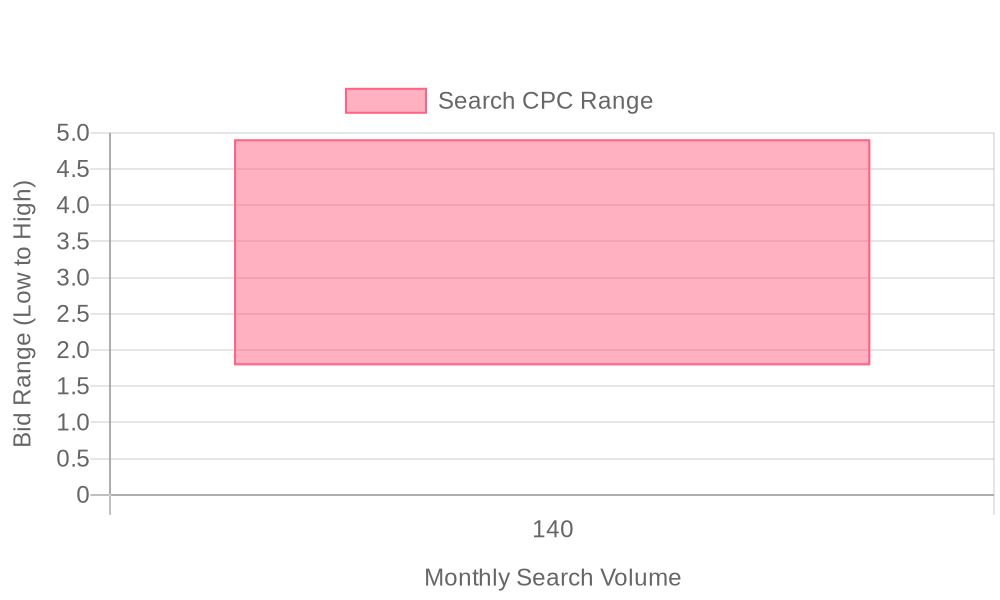
| Industry | Keyword | Monthly Search Volume | Competition Level | Low Bid | High Bid |
| Sporting Goods Repair | wilson sporting goods football repair | 140 | MEDIUM | 1.79 | 4.91 |
A precise keyword strategy sets sporting goods repair businesses apart by ensuring every ad dollar is spent reaching high-value prospects. Aligning campaign keywords with service offerings is essential for capturing demand from users ready to book repair or maintenance work. For a deeper dive into campaign structuring, explore this Google Ads platform overview.
- High-Volume, High-Intent Keywords: Leverage terms such as 'bicycle repair services,' 'ski equipment repair,' or 'tennis racket restringing' to maximize exposure during seasonal peaks. These keywords attract users actively searching for professional repair, increasing the likelihood of conversion and efficient ad spend. To see how these strategies fit into broader demand generation, review our marketing analytics blog.
- Negative Keywords: Eliminate unwanted clicks by excluding phrases like 'DIY repair tips' or 'sports equipment repair manual.' This tactic prevents budget waste on users seeking free information rather than paid services, driving higher lead quality.
- Long-Tail Keywords: Integrate niche terms such as 'emergency snowboard repair near me' or 'specialized ski equipment repair.' These capture intent from users with specific needs, resulting in lower competition and higher conversion rates.
A robust keyword strategy filters out irrelevant traffic and ensures each ad impression targets prospects with genuine purchase intent. Continuously refining keyword lists using real-time search data and intent signals lets revenue teams shift budget toward high-converting terms and optimize campaign ROI. Layering in Sona's Identity Resolution further sharpens targeting, letting campaigns adapt as prospects move through the funnel or new repair needs arise.
Step-by-Step Campaign Execution Framework
Modern revenue teams in the sporting goods repair industry benefit from campaigns that leverage intent data, conversion analytics, and precise targeting. Data-driven strategies empower marketers to identify and prioritize ideal buyers, optimizing every dollar spent on digital campaigns through marketing analytics best practices.
Building a successful Google Ads program for sporting goods repair requires a granular, repeatable approach. Each step below is tailored for maximum conversion and ROI, from keyword development to continuous optimization.
Step 1: Build Targeted Keyword Lists
- Localization and Specificity: Use geo-modifiers, such as "near me" or specific city names, to capture customers actively searching for sporting goods repair in your service area. Add granular keywords like "tennis racket repair in Chicago" or "sports gear fix near me" to maximize reach among high-intent local customers.
- Negative Filters: Exclude irrelevant or non-converting queries with a robust negative keyword list. For example, filtering out "DIY repair tips" or unrelated sporting categories helps maintain budget efficiency and ensures ads only show to prospects likely to convert.
Integrating advanced visitor identification solutions allows marketers to move beyond generic keyword targeting. For further tactics on targeting high-value accounts, see the account identification guide.
The upgrade most sporting goods repair advertisers miss is going beyond raw keyword volume to layer in intent and identity signals. By connecting website-visitor data and CRM records with Sona Marketing Measurement, you can see which specific search terms bring in the accounts and customers that actually convert, and weight your keyword and bidding strategy toward those rather than the terms with the highest search volume alone.
Step 2: Develop Compelling Ad Copy
- Highlight Solutions: Address core pain points with headlines like "Fast Sporting Goods Repairs" or "Expert Equipment Restoration." Emphasize turnaround speed, specialized expertise, and satisfaction guarantees to motivate action.
- Utilize Trust Signals: Feature certifications, customer testimonials, and reliability markers, such as "Authorized Service Center" or "Locally Trusted for 20+ Years," to build confidence and drive clicks.
Utilizing real-time intent data, marketers refine messaging to match the exact needs and pain points of in-market visitors. This enables dynamic copy updates and A/B testing based on actual user behavior insights, increasing engagement and qualified lead generation.
Step 3: Design Effective Landing Pages
- Alignment: Ensure the landing page headline, visuals, and content directly reflect the ad's promise. For example, if an ad promotes "Same-Day Hockey Stick Repair," the landing page should immediately reinforce this offer with supporting details and proof points.
- Simplicity: Streamline the user experience with clean design, concise copy, and a prominent call-to-action, such as "Book Your Repair Now." Include easy navigation, form fields that capture key intent data, and trust elements like reviews or certifications.
When CRM and ad platforms are connected, enriched lead data flows seamlessly from landing pages into sales workflows via Sona Destinations. This enables timely follow-up and tailored nurturing, especially valuable for B2B sporting goods repair providers serving institutional clients.
Step 4: Implement Data-Driven Optimizations
- Monitor Conversion Rates: Regularly track ad performance, click-through rates, and post-click engagement. Use this data to adjust bids, pause underperforming keywords, and refine ad messaging for higher ROI.
- Apply Smart Bidding: Leverage Google's automated bidding to optimize for conversions based on historical account data. Automated strategies free up resources and ensure campaigns remain competitive as the market evolves.
Platforms that unify online and offline conversion tracking give revenue teams a full view of campaign impact, whether the sale is completed online or through direct sales outreach. For comprehensive strategies on measuring marketing's influence, syncing enriched audiences and conversion data across Google Ads, CRM, and analytics tools ensures continuous improvement and maximizes the business value of each campaign.
Winning with Google Ads in sporting goods repair comes down to a few disciplines held together: keyword lists that match how customers actually search when gear breaks, audience segments built around seasonal urgency, and optimization that never stops. Pair that with real-time audience insights and the ad dollars stop chasing clicks and start finding the customers ready to book a repair.
Sona Marketing Measurement closes the gap between clicks and revenue. It captures every ad click with first-party, company-level measurement, then ties that click through UTM capture and ad-platform APIs to the actual record in your CRM, and reports ROAS by keyword and campaign instead of by last-click form fill. Feeding that revenue signal back into Smart Bidding and Performance Max compounds over time: the algorithms optimize toward booked sporting goods repair revenue, not cheap leads.
Beyond Google Ads: Winning the AI Answers Sporting Goods Repair Buyers Now Trust
Paid search captures demand at the moment someone types a query. But a fast-growing share of sporting goods repair buyers no longer start at Google at all, they ask ChatGPT, Gemini, or Perplexity before they ever run a search, and Google's own AI Overviews increasingly summarize an answer above the traditional results. If your business isn't referenced in those AI answers, you're invisible at the exact moment buyers build their shortlist.
Sona AI Visibility shows where your business shows up across ChatGPT, Gemini, Perplexity, Google AI Overviews, and 10+ engines, and, much like a keyword report, which prompts actually send you buyers, so you can prioritize the ones that convert. Run the two together and you cover the entire buyer path: get cited where buyers research (AI Visibility), then prove which of that demand turns into booked revenue (Marketing Measurement).
Helpful resources
Conclusion
The shops that will own this trade's search results in the next few years are the ones treating AI answer engines and Google Ads as one system, not two budgets. Buyers already ask a chatbot before they type a query, so a sporting goods repair business that shows up in both places, cited as the answer and first in the paid results, sets the shortlist before a competitor even bids.
To put these strategies to work, start for free and unify your go-to-market data into insights that move sporting goods repair leads toward booked revenue.
FAQ
How can I set up Google Ads for my sports goods repair business?
To set up Google Ads for your sports goods repair business, start with deep keyword research, use audience segmentation to target high-intent customers, and optimize your landing pages for conversions.
What are the best keywords for Google Ads in the sports repair industry?
Some effective keywords include 'bicycle repair near me', 'ski equipment repair', and 'sports gear repair services', which target high-intent local searches.
How do I target the right audience with Google Ads for sports repair services?
Use real-time audience segmentation and demographic filters to reach the ideal customer segment, focusing on those most likely to need your repair services.
What is the cost-effectiveness of Google Ads for a small sports repair business?
Google Ads can be cost-effective by targeting high-intent keywords, using negative keywords to avoid irrelevant traffic, and continuously optimizing campaigns based on performance data.
How can I track and measure the success of my Google Ads campaign for sports repair?
Leverage advanced analytics to monitor conversions, attribute offline and online leads, and sync insights with CRM systems for continuous campaign optimization.
Are there any specific Google Ads features that are particularly useful for sports repair services?
Features like audience segmentation, geo-targeting, and ad extensions are particularly useful for targeting high-intent local searches and improving conversion rates.
What are some examples of successful Google Ads campaigns for sports repair businesses?
Successful campaigns include search campaigns targeting urgent repair searches, display ads for brand awareness, and remarketing to convert previous site visitors.
How can I integrate Google Ads with my website to better serve sports repair customers?
Design landing pages aligned with your ad content, ensuring a seamless user experience, and integrate CRM systems to capture and act on enriched lead data.
What is the role of Google Ads in a multi-channel marketing strategy for sports repair services?
Google Ads complements other channels by capturing high-intent leads at the moment of need, enabling precise targeting and real-time engagement with prospects.
How can I ensure my Google Ads comply with Google's policies for sports repair services?
Ensure compliance by adhering to Google's advertising policies, focusing on accurate ad content, and avoiding prohibited practices such as misleading claims.