


A cracked derailleur or a flat tire on the morning commute doesn't wait for a slow week. Cyclists searching for repairs want an answer now, and Google Ads is how a bike shop shows up at that exact moment. Many shops still rely on walk-in traffic and word of mouth, missing riders who are actively searching online and ready to book. Done well, paid search bridges that gap: precise keywords and the right ad formats turn local searches into booked repairs, with measurable return rather than guesswork.
How to Generate Bike Repair Service Leads with Google Ads: A Step-by-Step Guide
Bike repair businesses face intense local competition and fluctuating seasonal demand. Effective digital marketing for bike shops requires more than generic advertising; it demands data-driven, targeted approaches that surface genuine customer intent and convert interest into revenue.
Google Ads for bike repair services gives businesses a direct channel to reach cyclists experiencing urgent repair needs or routine maintenance searches. By leveraging real-time audience insights, repair shops can focus spend on high-potential segments and minimize wasted impressions on low-interest users. Google Ads strategies for bike shops explores how local targeting and keyword tuning can maximize campaign efficiency.
Pairing Google Ads with company-level identification tools helps marketers see which businesses are engaging with their campaigns, shifting from anonymous traffic to actionable leads. Sona's Identity Resolution helps reveal which companies are interacting with your campaigns, making it easier for bike repair shops to follow up with the right prospects.
Aligning ad messaging with landing page content is critical to avoid drop-off and drive bookings. Consistency between what the ad promises and what the landing page delivers increases trust, reduces friction, and guides visitors toward scheduling repairs or requesting quotes. Modern platforms now allow shops to enrich audience data in real time, ensuring landing pages automatically update offers and messaging based on the visitor's lifecycle stage or recent online actions.
Continuous campaign optimization is essential to capture hot leads before interest fades. Dynamic audience segmentation keeps campaigns agile as prospects move from research to decision, ensuring retargeting and follow-up offers remain relevant. Google Ads ROI guide provides actionable tactics for fine-tuning campaigns and capturing more ready-to-book customers.
Integrating cross-channel tactics, such as syncing CRM data with Google Ads, enhances bike repair service marketing by delivering personalized ads to contacts already identified as high-intent. This unified approach allows shops to react instantly when a decision-maker signals purchase readiness, automatically triggering tailored campaigns across search, display, and social platforms. When digital marketing for bike shops is coordinated in this way, each touchpoint is optimized for conversion, resulting in sustainable business growth and stronger customer relationships.
Why Does Google Ads Matter for Bike Repair Services?
Bike repair shops operate in a fast-paced, local market where customer decisions are driven by urgency and proximity. Crafting a digital marketing strategy with Google Ads ensures your business captures high-intent customers at the exact moment they need repairs, maximizing every opportunity for conversion.
- Captured Urgency: A snapped chain or a flat before a commute doesn't leave much time for research, so Google Ads is often the only channel that reaches a rider mid-crisis. Ads placed against searches like "emergency bike repair" or "bike shop near me" catch that urgency and can turn into a booked appointment within the hour. Prioritizing spend on these high-urgency searches, rather than spreading budget evenly across broader cycling terms, keeps the budget working on the moments that convert fastest. Sona Audiences helps pinpoint and engage the segments most likely to convert during these crucial moments.
- Localized Reach: Bike repair is a walk-in and same-day business, so geographic precision matters more than broad reach. Google Ads lets shops target specific neighborhoods, commuter corridors, or areas near bike paths and transit hubs, drawing in riders who can actually make it to the shop that day. The bike shop Google Ads guide covers how hyper-local targeting improves campaign performance for repair businesses.
- Higher Ticket Services: While many customers search for quick fixes, there is significant value in promoting comprehensive repair packages or upgrades. Google Ads’ granular targeting and audience segmentation help surface these higher-ticket offerings to those actively researching full-service solutions. When audience and CRM data are synced seamlessly, you can segment and upsell to previous customers or target in-market buyers with tailored offers, increasing average transaction value.
- Measurable Efficiencies: Every digital marketing dollar counts, especially in service-based businesses. With Google Ads, shops access detailed analytics that measure clicks, conversions, and ROI. Integrating advanced conversion tracking solutions enables attribution across both online bookings and in-store visits, giving a true picture of marketing impact and allowing for continuous, data-driven strategy refinement. For more on optimizing ad spend with attribution, see our guide on Revenue Attribution.
Common Types of Google Ads Campaigns for Bike Repair Services
Search, Display, Video, and Remarketing are the primary campaign types bike repair shops rely on, and Performance Max is worth testing as well: it combines search, display, video, and Maps inventory into a single automated campaign, which can be useful for shops that want broader reach without managing several campaign types separately. Responsive Search Ads, meanwhile, aren't a separate campaign type but an ad format within Search campaigns, one that lets Google test combinations of headlines and descriptions to find what resonates with local searchers.
- Search Campaigns: These campaigns target high-intent prospects by surfacing ads for queries like "bike repair near me" and "emergency bike repair." By aligning ad groups with specific service offerings, shops capture users actively looking for immediate solutions. When combined with dynamic audience enrichment and real-time intent data, marketers can allocate more budget to keywords that actually drive conversions, ensuring each click is more likely to translate into booked repairs. Google Ads examples provides practical examples of how local shops can optimize their search campaigns.
- Display Ads: Display advertising keeps a local bike repair brand visible while riders browse cycling blogs, forums, and news sites. Even anonymous browsing can now be matched to real companies through company-level visitor identification. Sona's Identity Resolution helps reveal which organizations are engaging with your ads, enabling more targeted follow-up and retargeting.
- Video Ads: With video ads, bike repair shops can demonstrate expertise by showcasing step-by-step repair processes, maintenance tips, or customer testimonials. These videos not only build trust but also segment audiences based on engagement depth. As viewers interact with content, audience lists update dynamically, ensuring that follow-up ads and offers are tailored to where each lead sits in the buying cycle.
- Remarketing: Remarketing campaigns re-engage visitors who viewed service pages but left without booking. By layering in advanced conversion tracking that integrates both online and offline activity, shops can measure which remarketing tactics actually bring customers back, whether they book online or walk into the shop. One analysis in PPC for bike shops explores remarketing’s impact on local service businesses.
- Assets: Callout and location assets add instant credibility to bike repair ads by highlighting certifications, reviews, or proximity to popular cycling routes. These enhancements boost click-through rates and make it easier for prospects to take action. Syncing CRM data directly with ad platforms keeps high-value attributes and up-to-date contact information reflected in every asset, maximizing engagement at the moment of search. For more on optimizing ad assets, see our guide on Google Ads ROI.
Keyword Strategy & Sample Target Terms
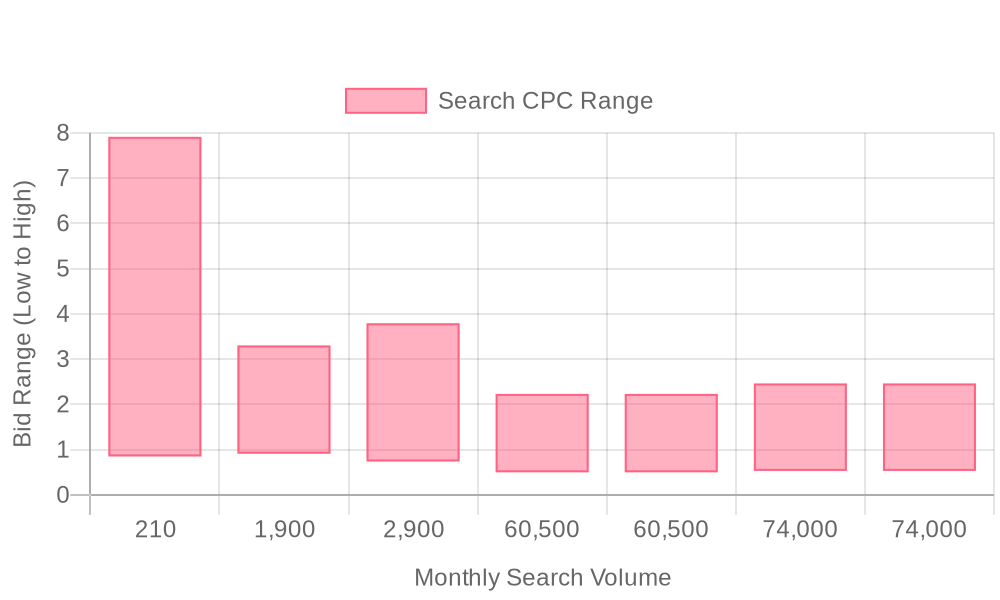
| Industry | Keyword | Monthly Search Volume | Competition Level | Low Bid | High Bid |
| Bike Repair Services | bike repair services | 210 | LOW | 0.85 | 7.91 |
| Bike Repair Services | bike service | 1900 | LOW | 0.91 | 3.3 |
| Bike Repair Services | bike mechanic near me | 2900 | LOW | 0.74 | 3.79 |
| Bike Repair Services | bike repair shop near me | 60500 | LOW | 0.5 | 2.23 |
| Bike Repair Services | bicycle repair shop near me | 60500 | LOW | 0.5 | 2.23 |
| Bike Repair Services | bike repair near me | 74000 | LOW | 0.53 | 2.46 |
| Bike Repair Services | bicycle repair near me | 74000 | LOW | 0.53 | 2.46 |
Precision in keyword strategy is crucial for bike repair service providers targeting local and intent-driven customers. By focusing on service-specific and geographically modified keywords, marketers ensure their ads appear for users actively searching for solutions like "bike repair shop near me," "emergency bicycle repair," or "mobile bike repair in Austin." This tailored approach avoids the common pitfall of generic keyword targeting, which often results in wasted spend from irrelevant clicks and unqualified traffic. Keyword matching options provides a deeper look at this trend.
Negative keywords such as "bike repair DIY," "bike repair classes," or "free bike repair" sharpen campaign efficiency by excluding searchers who have no intention of paying for service. These exclusions stop budget leakage on clicks that were never going to convert and keep spend concentrated on the searches that match what the shop actually sells, sending more qualified leads to the team fielding calls and bookings.
Leveraging insights from unified data platforms elevates keyword strategies beyond surface-level targeting. Marketers can pinpoint which search terms correlate with real buyer intent by mapping website visitor data and CRM signals directly to Google Ads campaigns. This builds on the strategies outlined in retargeting with intent, showing how intent signals can transform campaign efficiency. Automated syncing of enriched lead data and custom audience segments to Google Ads ensures campaigns always pursue accounts most likely to convert, optimizing both immediate response and long-term revenue potential.
Seasonal Campaigns for Bike Repair Services

Bike repair demand tracks the riding season closely: a surge each spring as riders pull bikes out of storage, steady summer traffic from commuters and recreational cyclists, and a quieter stretch in winter broken up by anyone still riding through the cold. Shifting digital marketing for bike shops to match these swings means campaigns generate leads exactly when customers are ready to act, whether that's a spring tune-up rush or a slow-season push to keep the shop busy.
Optimizing campaigns for spring and summer tune-ups aligns with the annual influx of riders preparing for peak cycling months. Messaging should spotlight safety checks, chain replacements, and gear adjustments, all crucial services before heavy use begins. For further strategies tailored to bike shops, Google Ads guide provides actionable recommendations for seasonal promotion. In late autumn, pivoting to winter storage preparation, such as cleaning, lubrication, and protective storage, addresses a different set of needs, keeping repair shops top-of-mind even as ridership wanes.
- Promotional Strategies: Strategically timed promotions, such as discounted tune-ups or bundled service packages, can capture attention during these high-traffic periods. For PPC for bike repair, adjusting ad copy and targeting to reflect current seasonal offers ensures relevance and higher click-through rates. Leveraging real-time audience insights, revenue teams can shift budgets toward segments actively searching for bike repair service marketing, maximizing ad spend efficiency.
- Event-based Targeting: Aligning campaigns with local cycling events and festivals positions services where interest is already peaking. Targeting ads geographically around event venues or popular cycling routes captures riders likely to require quick repairs or last-minute adjustments. By unifying first-party and ad intent data, marketers can identify surges in local interest and dynamically retarget audiences as event-driven demand spikes occur.
- Dynamic Audience Management: Dynamic audience management is critical in these campaigns. As riders move from initial research to booking a repair, audience segments should automatically update, ensuring promotions and follow-ups are always relevant. This builds on the strategies outlined in the retargeting guide, which shows how to harness first-party intent signals for effective seasonal outreach.
Integration with CRM and lead management platforms streamlines the sync of enriched visitor data and campaign engagement back into Google Ads for bike repair services. This approach ensures that high-intent leads generated in seasonal campaigns are routed to sales teams in real time, enabling rapid, personalized follow-up and accelerating the path from search to service appointment.
Mobile Optimization for Google Ads for Bike Repair Services

Mobile search dominates the path to service selection in the bike repair industry. A seamless mobile experience ensures potential customers can rapidly find, evaluate, and engage with your offerings, removing friction from their decision-making process.
Optimizing ad formats and landing pages for mobile access is essential, as a significant share of bike repair inquiries originate from smartphones. Responsive design, fast load times, and clear calls to action allow users to book repairs or get quotes without delay. Incorporating click-to-call extensions provides a direct link between discovery and action, so customers can connect with your shop the moment their bike trouble arises. Workstand Blog provides a deeper look at this trend for local bike repair businesses.
Enhancing your Google Ads campaigns for bike repair services with intelligent mobile optimization also unlocks deeper visibility into customer behavior. Sona's Identity Resolution helps distinguish between anonymous visitors and actual high-intent users, powering more precise follow-up and engagement.
When a cyclist searches for urgent repairs on their phone, real-time intent signals can trigger a budget shift toward ads targeting that in-market rider, increasing the likelihood of conversion. Integrating CRM and ad platforms ensures that enriched audience data and new leads from mobile interactions flow seamlessly between marketing and sales tools, supporting prompt responses and accurate measurement of mobile campaign ROI. This approach drives more bookings, better customer experiences, and faster growth for local bike repair businesses.
Competitor Analysis in Google Ads Strategy
A high-performing google ads for bike repair services strategy relies on systematic competitor analysis to uncover actionable insights. By dissecting auction insights, marketers gain clarity on impression share gaps, revealing which bike repair competitors consistently appear in top ad placements. This data-driven approach uncovers opportunities to adjust bids, refine targeting, and improve ad quality where rivals are outperforming, allowing shops to focus budgets on high-potential keywords that are currently under-leveraged.
Reviewing industry benchmarks for ROI can guide how bike repair businesses allocate spend across campaigns. Bike Marketing Benchmarks shares industry benchmarks for this approach. Shops can ensure they are investing in campaigns that align with sector standards for cost per acquisition and return on ad spend, reducing wasted budget on underperforming ad groups. With enriched contact and account-level journey data, marketers gain a transparent view into which companies and decision-makers engage with key repair service content. This enables precise message tailoring and real-time optimization of ad creative, ensuring that campaigns not only reach but also resonate with in-market prospects.
Integrating advanced journey intelligence with your Google Ads strategy transforms generic campaign management into a highly relevant, intent-driven approach. As discussed in our Retargeting Guide, marketers can identify which organizations show actual buying intent, enabling rapid reallocation of budget toward high-value accounts. This visibility shortens the sales cycle, enhances ad relevancy, and positions local bike repair businesses for sustainable growth in a competitive digital marketplace.
Advanced Optimization Techniques
Sophisticated optimization is essential for bike repair businesses seeking to sustain profitable Google Ads performance in the face of changing search trends and local competition. Deploying automated bidding strategies like Target CPA efficiently balances cost and results, ensuring campaigns continuously capture high-intent traffic without overspending. This approach enables bike repair service marketers to maintain cost-effectiveness while maximizing their share of local search demand, a strategy further explored in Google Ads guide.
Data-driven testing across ad headlines and calls-to-action refines messaging to achieve superior engagement. By systematically evaluating variations, businesses uncover which messages resonate most with audiences searching for urgent repairs or routine maintenance. When paired with advanced data platforms, marketers can segment audiences dynamically, allowing real-time updates as prospects move from consideration to booking, and ensuring ad messaging always matches their stage in the funnel.
Comprehensive conversion tracking, including macro and micro conversions, gives a complete view of campaign impact. Integrating offline conversion insights, such as in-store visits or phone bookings, bridges the gap between digital engagement and real-world actions. Sona syncs enriched customer data and offline outcomes into Google Ads and CRM tools, helping bike repair teams attribute revenue accurately and prioritize spend toward the channels and audiences driving real growth. This visibility addresses delayed follow-ups and incomplete prospect data, positioning bike repair businesses to outpace local competitors in digital marketing for bike shops.
Beyond Google Ads: Winning the AI Answers Bike Repair Services Buyers Now Trust
Paid search captures demand at the moment someone types a query. But a fast-growing share of bike repair services buyers no longer start at Google at all, they ask ChatGPT, Gemini, or Perplexity before they ever run a search, and Google's own AI Overviews increasingly summarize an answer above the traditional results. If your business isn't referenced in those AI answers, you're invisible at the exact moment buyers build their shortlist.
Sona AI Visibility shows where your business shows up across ChatGPT, Gemini, Perplexity, Google AI Overviews, and 10+ engines, and, much like a keyword report, which prompts actually send you buyers, so you can prioritize the ones that convert. Run the two together and you cover the entire buyer path: get cited where buyers research (AI Visibility), then prove which of that demand turns into booked revenue (Marketing Measurement).
Helpful resources
Conclusion
The shops winning with Google Ads treat it as a live feedback loop, not a set-it-and-forget-it budget line. Precise keywords, ad copy that matches what a rider actually needs in the moment, and bids tuned to seasonal demand turn clicks into repeat customers rather than one-off transactions.
The bigger shift is where that search behavior is heading: as riders start asking AI tools for repair recommendations before they ever open Google, shops that show up in those answers, not just in paid search results, will have the edge in the next few years.
Ready to see how effortless high-impact advertising can be? Start a free trial to experience Sona's platform and its capabilities.
FAQ
What are the best practices for Google Ads in bike repair services?
The best practices for Google Ads in bike repair services include targeting precise keywords, aligning ad messaging with landing page content, leveraging visitor identification tools, and using dynamic audience segmentation to optimize campaigns and capture high-intent customers.
How can I optimize my Google Ads for a bike repair shop?
To optimize Google Ads for a bike repair shop, focus on local targeting, use real-time audience insights, align ad messages with landing pages, and continuously refine campaigns based on performance data and customer engagement.
What budget should I allocate for Google Ads for bike repair services?
The budget for Google Ads should be based on detailed analytics and performance metrics, targeting high-potential segments while minimizing wasted impressions on low-interest users to ensure efficient spending.
What types of ads work best for bike repair businesses?
Search campaigns, display ads, video ads, remarketing campaigns, and extensions are effective ad types for bike repair businesses, each serving different customer engagement purposes.
How do I measure the success of my Google Ads campaigns for bike repair?
Success can be measured by detailed analytics tracking clicks, conversions, and ROI, integrating conversion tracking solutions for both online and in-store activities, and continuously refining strategies based on these insights.







